





























































Getting your head around puppy injections is one of those early jobs that feels a little overwhelming at first, especially when you’re also juggling sleep schedules, toilet training, and approximately one thousand other new things. This guide walks you through the UK vaccination schedule, what each vet visit typically involves, and how much to budget before you go. You’ll also find practical advice on when your puppy can safely go outside, and how to make the most of those in-between weeks at home.
Puppy injections: what the schedule looks like and why it matters
Bringing a new puppy home is one of the most exciting things you’ll ever do, and puppy injections are one of the first big items on the to-do list. They can feel like a formality in the whirlwind of those early weeks, but they genuinely matter. Without them, young puppies are vulnerable to some serious — and sometimes fatal — diseases, including parvovirus, distemper, and leptospirosis. Vaccinations give your puppy’s immune system the information it needs to fight back if it ever comes into contact with these illnesses.
In the UK, most puppies follow a two-visit schedule. The first set of jabs usually happens at around eight weeks old, often just before or shortly after your puppy comes home. The second visit typically follows two to four weeks later, somewhere between ten and twelve weeks. Together, these two rounds of puppy vaccinations build up the protection your puppy needs to safely start exploring the world.
At the first appointment, your vet will usually vaccinate against distemper, hepatitis, parvovirus, and parainfluenza. The second visit often adds leptospirosis, though some vets include this at both appointments depending on the vaccine brand they use. It’s always worth asking your vet exactly what’s covered at each visit, since schedules can vary a little between practices.
Your vet may also adjust the timing based on your puppy’s breed, size, or general health. Larger breeds sometimes follow a slightly different programme, and if anything came up at your puppy’s initial health check, your vet will factor that in too. This is all perfectly normal, so try not to worry if your neighbour’s cockapoo had a different timeline to your Labrador — puppies aren’t one-size-fits-all.
For a fuller picture of which vaccines are recommended in the UK and why each one earns its place, our guide to recommended dog vaccinations is a great place to start.
When do puppies get vaccinated in the UK? A simple week-by-week guide
Most vets in the UK follow a simple two-appointment schedule for puppy injections, so there’s no need to feel daunted before you’ve even started. Timing can shift a little depending on your vet practice, the vaccine brand, or how old your puppy is when you bring them home — but your vet will talk you through what’s right for your specific pup right from that first visit.
Here’s how the typical puppy vaccine schedule in the UK usually looks:
- 6 to 8 weeks old: The first puppy jabs are usually given around this age, typically covering distemper, parvovirus, hepatitis, and leptospirosis. If your puppy came from a breeder, they may have already had this first round, so bring any paperwork you were given — it matters more than you’d think.
- 10 to 12 weeks old (roughly 2 to 4 weeks later): The second set of puppy injections completes the course and builds the stronger, longer-lasting immunity your puppy needs.
- 1 to 2 weeks after the second jab: This is the window most owners are counting down to. Your vet will give you a specific date, and that’s your official green light for the outside world.
Good to know: Full protection usually kicks in around one to two weeks after the second vaccination. Your vet will confirm the exact date at that final appointment, so you’ll know precisely when the adventures can begin.
If you adopt a puppy after eight weeks, or if there are any health considerations along the way, your vet may tweak the timing slightly. Every puppy is different, and that’s completely fine. Heading into that first appointment soon? Our guide to your puppy’s first vet visit covers what to bring, what to expect, and how to make it as smooth as possible.
How much are puppy vaccinations in the UK? What to budget for
Puppy vaccinations in the UK typically cost between £30 and £60 per injection, with the full primary course usually landing somewhere between £60 and £150 in total. That’s quite a range, but a few straightforward things explain the difference.
What affects the price of puppy jabs:
- Whether your vet charges per appointment or bundles the course into a puppy package plan
- Your location — practices in London and other cities tend to charge more than rural ones
- Whether a health check is included alongside the vaccination
- When your puppy’s booster falls and whether it’s covered by the same package
- Optional extras like the kennel cough vaccine, which is given separately as a nasal spray
Single-visit fees vs. puppy package plans
Some vets charge per visit, so you pay as you go. Others offer puppy health packages that bundle both rounds of injections, health checks, and sometimes a booster or flea and worm treatment into one upfront cost. Packages can look pricier at first, but they often work out better value overall and make budgeting a lot simpler from day one.
The reassuring thing about puppy vaccinations is that they’re a one-time foundation, not an ongoing expense. Once your puppy is fully protected, you’re only looking at annual boosters to keep things topped up. It’s also worth knowing that some pet insurance policies can help with broader vet costs, so if you haven’t looked into cover yet, our guide to puppy insurance is a genuinely useful place to start before your first appointment.
When can a puppy go outside after injections? Walks, toilets and safe socialising
Most puppies can head out into public spaces around one to two weeks after their second puppy injection, which typically falls somewhere between 11 and 13 weeks old. Your vet will give you the most accurate steer based on your puppy’s specific vaccine schedule, so it’s always worth asking at that second appointment. In the meantime, there’s plenty you can do to keep things moving.
Safe options before your puppy’s vaccinations are complete:
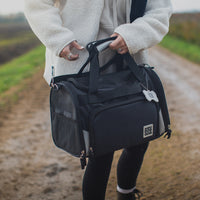
- Carry your puppy outside — tuck them into your arms or pop them in a carrier bag and head out into the world. They’ll soak up new sounds, smells and sights without touching ground where unknown dogs may have been
- Use your own garden for toilet trips — your garden is generally low risk, especially if no unvaccinated dogs have access to it
- Invite vaccinated, healthy dogs over — letting your puppy meet calm, friendly dogs on home turf is genuinely brilliant for their development
- Look into puppy classes that ask for vaccination proof — many good trainers run sessions where all the pups are at a similar stage, making them a safe and sociable option
For toilet training specifically, your garden really is your greatest asset right now. Getting your puppy outside regularly — even before the full course is done — helps build good habits from day one. Just keep to your own outdoor space and steer clear of areas where unfamiliar dogs tend to pass through, like communal grass verges or the edges of local parks.
It’s also worth remembering that early socialisation matters just as much as the puppy injections themselves, and the waiting period doesn’t have to feel like a standstill. Gentle exposure to everyday life — visitors popping by, different sounds, new textures, a short car ride — all adds up. Our guide to how to socialise a puppy is full of practical ideas that work even before the final jab, so your puppy can meet the world feeling curious and confident rather than overwhelmed by it.
What to do between vet visits: calm routines, rest and puppy essentials
The weeks between your puppy’s appointments are quieter than you might expect, but they’re far from wasted. With walks off the table until the puppy injections are complete, this window is actually a brilliant opportunity to build the calm, consistent routines that will serve your dog for life.
Here are some simple ways to make the most of this stay-at-home period:
- Stick to a loose daily rhythm. Puppies settle more quickly when feeding, napping, and play happen at predictable times.
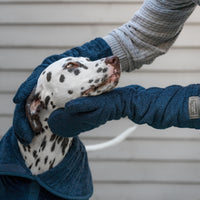
- Keep handling gentle and regular. Touch your puppy’s paws, ears, and mouth often so vet visits feel familiar rather than stressful.
- Wash your hands before and after contact. Until puppy vaccinations are complete, good hygiene habits help keep unnecessary risk low.
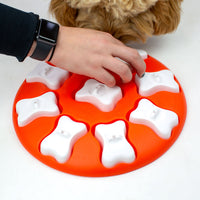
- Offer calm indoor enrichment. Snuffle mats, soft chews, and short training games tire a puppy out mentally without overdoing it physically.
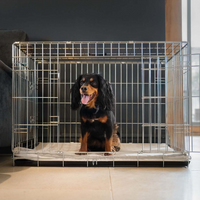
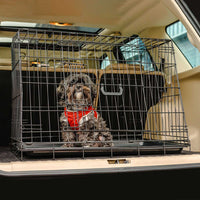
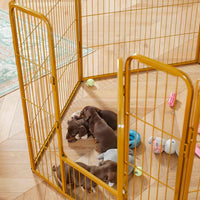
- Contain their space thoughtfully. A smaller, defined area is easier to keep clean and gives your puppy a real sense of security while they’re still finding their feet.
- Clean bedding and surfaces regularly. Puppies are wonderfully messy, and with their immune systems still developing, fresh and hygienic spaces genuinely matter.
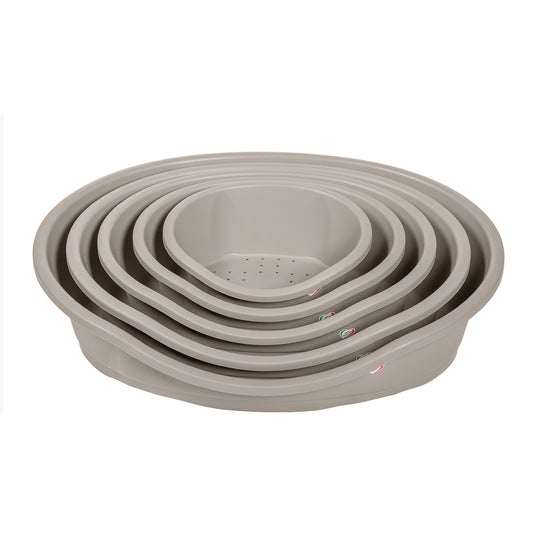
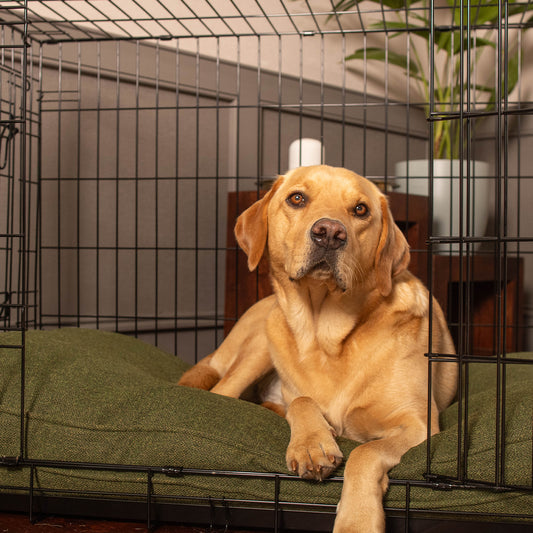
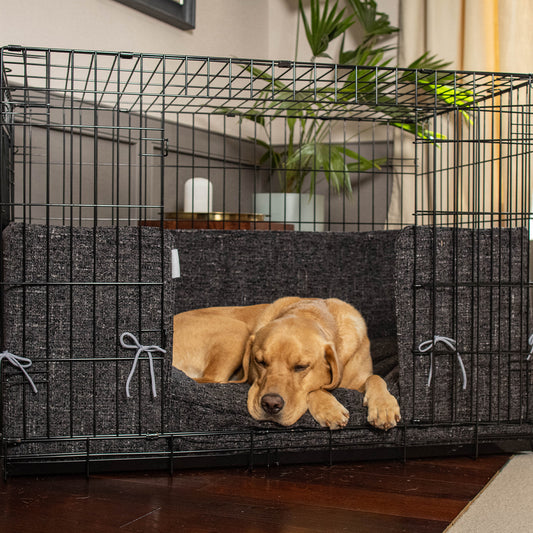
Getting your puppy zone set up before the first jab makes everything smoother. A cosy bed, a well-sized crate, and a playpen to keep things contained can turn a corner of your living room into a calm little haven. Our puppy essentials collection covers all of this, including easy-clean accessories built to handle the inevitable chaos of early puppyhood.
A puppy who feels settled at home tends to be calmer at the vet too. Get the foundations right now, and they’ll be ready to take on the outside world with real confidence once those final puppy jabs are done.
Your next steps after the final jab
Once the final puppy jab is done, it genuinely feels like a little milestone worth celebrating. Your puppy is protected, you’ve navigated the full vaccination schedule, and the world is now theirs to explore.
That said, take it gradually. Short walks on quieter streets are ideal for the first week or two. Let your puppy sniff, dawdle, and take everything in at their own pace — new sounds, surfaces, and smells are a lot to absorb all at once. Save the busy parks and bustling high streets for a little later, once they’re finding their feet.
If you’ve got a Christmas puppy, the timing can feel a bit chaotic with everything else going on. The same rules still apply though: keep early outings calm, avoid anything too overwhelming, and build their confidence bit by bit rather than diving in at the deep end.
Keep your vet in the loop if anything seems off after the injections or once walks are underway. Unusual lethargy, limping, or a sudden dip in appetite are all worth a quick call. Vets genuinely don’t mind hearing from you — that’s what they’re there for.
It’s also worth remembering that a settled, secure puppy at home makes for a braver, more curious dog outside. If you’re still working on those early routines, our puppy settling-in essentials can help you build a calm, cosy base for them to come home to after every outing.
The tricky bit is behind you. Now the real fun begins.
Frequently Asked Questions
What happens if I don’t vaccinate my puppy?
If you don’t vaccinate your puppy, they stay vulnerable to serious illnesses like parvovirus, distemper and leptospirosis. These diseases can be life-threatening, and without those early jabs your puppy doesn’t have the immune protection they need to safely start exploring beyond home.
Can my 8 week old puppy go outside?
Yes, but only in low-risk ways until their vaccinations are complete. At eight weeks old, your puppy can usually go into your own garden for toilet trips, be carried outside for socialisation, and meet healthy vaccinated dogs at home, but public spaces should wait until after the second jab.