















































































































Why Do Dogs Chase Their Tails In Circles?
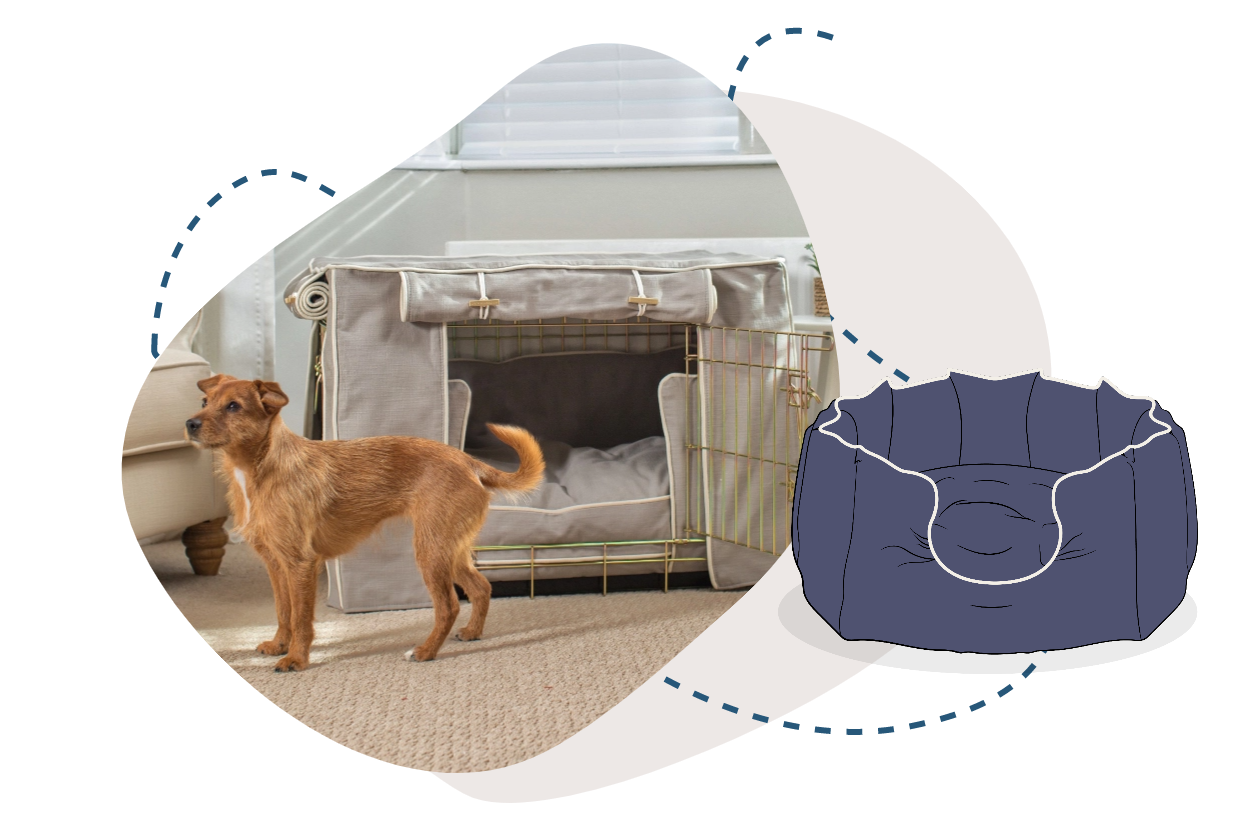
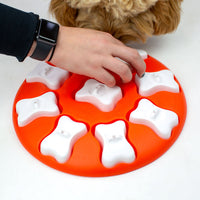
That spinning, tail-chasing blur that is your dog in full chaos mode is one of the most entertaining sights in pet parenthood, but it can also leave you wondering whether to laugh or worry. Understanding why dogs chase their tails means knowing how to tell the difference between a perfectly happy dog letting off steam and a signal that something needs attention. This article covers all of it: the playful, the not-so-playful, what you can do at home, and when it’s time to pick up the phone to your vet. Why dogs chase their tails in the first place If you’ve ever watched your dog suddenly spin in circles chasing their own tail, you’ve probably wondered whether it means something — or whether they’ve simply lost the plot. The reassuring truth is that most of the time, tail-chasing is completely normal, especially in younger dogs. Puppies are still figuring out how their bodies work. That fluffy thing bobbing around behind them? Genuinely fascinating. Chasing it is part exploration, part play, and part outlet for that seemingly bottomless puppy energy. It’s a bit like watching a toddler discover their own hands for the first time — delightful, harmless, and very short-lived once something more interesting comes along. Adult dogs do it too, and often for equally simple reasons. Excitement is a big one. After a long walk, mid-play, or the moment you walk through the door after a day out, some dogs just spin. It’s their version of a happy wiggle. Others do it because they’re bored and it happens to be something to do. If your dog isn’t getting enough mental or physical stimulation, tail-chasing can quietly become a go-to habit — much like a bored dog might start chewing the furniture or barking at shadows. So when people ask why dogs chase their tails, the honest answer is usually: for very ordinary reasons. It’s only worth looking closer when the behaviour becomes frequent, frantic, or hard to interrupt. But before jumping to any conclusions, it helps to know what normal actually looks like. When tail-chasing is just playful dog behaviour Most of the time, why dogs chase their tails comes down to one simple thing: they’re having fun. It’s one of the most common and harmless things you’ll see a dog do, and a one-off spinning session is rarely cause for concern. Here are some of the most relatable scenarios where tail-chasing is completely benign: Puppies discovering their tail for the first time. That little wagging thing at the back? It must be caught. Young dogs often chase their tails simply because they’ve only just clocked it exists — and it’s genuinely hilarious to watch. Post-walk zoomies. Your dog bursts through the front door buzzing with excitement, spins in a few frantic circles, then flings himself onto the sofa. Pure joy, nothing more. Bored dogs entertaining themselves. On a grey, rainy afternoon with nowhere to go, some dogs will invent their own fun. Chasing their tail fits the bill perfectly. Attention-seeking. If your dog has figured out that spinning makes you laugh or look up from your phone, don’t be surprised when he does it again. The key thing to look for: playful tail-chasing is short-lived, stops easily when you redirect your dog, and comes with no signs of distress, whining, or frantic repetition. If it tends to happen in high-energy moments and resolves on its own, it’s almost certainly harmless. That said, if your dog is full of beans and looking for an outlet, channelling it into something structured is even better for them. Teaching a few fun tricks is a brilliant way to burn mental energy and strengthen your bond at the same time. When tail-chasing may point to a bigger issue Sometimes, though, tail-chasing means something more than a burst of puppy silliness. When the behaviour starts happening frequently, intensely, or with a kind of frantic, driven quality that feels different from play, it’s worth paying closer attention to what your dog’s body might be telling you. Common causes that deserve a closer look include: Stress and frustration — dogs under pressure from changes at home, limited exercise, or social tension often channel that energy into repetitive movement Skin irritation — a patch of inflamed or itchy skin near the base of the tail can prompt a dog to spin and snap trying to reach it Fleas or parasites — flea activity concentrates around the tail and hindquarters, making this area a constant source of irritation Localised pain — discomfort in the lower back, hips, or tail itself can cause a dog to investigate the area obsessively Canine compulsive disorder — tail-chasing behaviour can be a sign of canine compulsive disorder, a recognised condition that goes far beyond playful spinning Insufficient mental stimulation — a bored dog with nowhere to direct their energy may settle into tail-chasing as a self-soothing habit Signs the behaviour has gone too far Watch out if your dog spins in circles repeatedly without stopping, cannot be distracted or called away, becomes defensive when their tail is touched, or is visibly injuring themselves by biting or pulling at it. These are signals worth acting on. If you’re noticing the episodes getting longer, happening every single day, or becoming harder to interrupt, the dog chasing tail meaning shifts from quirky habit to something that genuinely needs a vet or behaviourist’s attention. You know your dog better than anyone — trust that instinct. What you can do at home to help your dog If your dog can’t seem to leave their tail alone, the good news is that tail-chasing behaviour often responds really well to simple, consistent changes at home. No need to overhaul your whole routine — small tweaks to how your dog spends their day can make a surprisingly big difference. Boost daily exercise: A well-walked dog is a calmer dog. If the spinning tends to ramp up in the evenings, try a longer walk or a game of fetch earlier in the day to take the edge off before it builds. Add mental stimulation: Puzzle feeders, sniff mats, and short training sessions give your dog’s brain something to chew on. A bored dog will always find their own entertainment, and tail-chasing is a classic example. Try more enrichment at home: Stuck for ideas? This list of things to do with your dog at home is full of easy, practical inspiration. Build a calming routine: Dogs thrive on predictability. Consistent mealtimes, walks, and wind-down periods can ease the low-level anxiety that sometimes drives tail-chasing in the first place. Redirect and reward: When you spot the spinning starting, calmly redirect your dog to a toy or a simple command and praise them for engaging with that instead. You’re giving them a better outlet, not telling them off. Give them a proper rest space: A cosy, supportive bed in a quiet corner helps anxious dogs genuinely decompress between activities, rather than just crashing wherever they land. Done consistently, these changes really do add up. A dog who feels stimulated, secure, and well-exercised is far less likely to spend their evenings chasing their tail — and far more likely to just flop contentedly on the sofa instead. When to call the vet about tail-chasing Most tail-chasing is harmless, and a few small changes to your dog’s routine are often all it takes to settle things down. But there are times when a vet visit is genuinely the right call — and spotting those signs early always makes a difference. Book an appointment if you notice any of the following: Your dog is chasing their tail compulsively and struggles to stop, or becomes visibly distressed The spinning started suddenly, with no obvious trigger There’s redness, swelling, hair loss, or broken skin around the tail or its base Your dog is biting or licking the area to the point of bleeding They seem confused, unsteady, or their personality has shifted alongside the spinning Any of these could point to something physical or neurological that deserves proper attention. If the behaviour is mild and occasional, it’s reasonable to monitor it for a week or two first. Jot down when it happens, how long it lasts, and what was going on beforehand — that kind of detail is genuinely useful when you’re talking it through with your vet. In the meantime, supporting your dog’s overall wellbeing is never a bad idea. Our dog wellbeing range includes vet-developed options to help your dog feel calmer and more comfortable day to day. You know your dog better than anyone. Trust that. Frequently Asked Questions What does it mean when my dog chases her tail? It usually means your dog is being playful, excited, bored, or simply exploring, especially if she’s young. It’s typically harmless when it’s brief and easy to interrupt. If it becomes frequent, frantic, or comes with biting, distress, or skin changes, it can signal irritation, pain, stress, or compulsive behaviour. Should you stop a dog from chasing its tail? Yes, if it’s becoming repetitive, frantic, or hard to interrupt, you should step in calmly and redirect your dog. Short, playful spinning is usually nothing to worry about, but daily or compulsive tail-chasing can point to boredom, stress, irritation, or pain and is worth addressing. Why do dogs bite their tails and spin? Dogs may bite their tails and spin because the area is bothering them, not just because they’re playing. Common reasons include itchy or inflamed skin, fleas or parasites, local pain, stress, or a compulsive habit. If they’re injuring themselves or you can’t distract them, it’s time to call the vet.