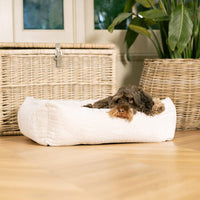
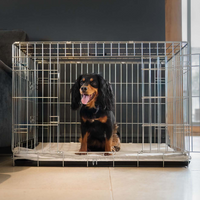
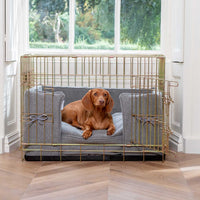
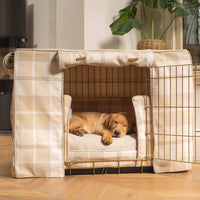
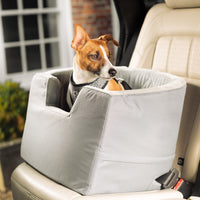
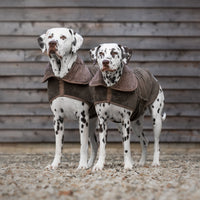
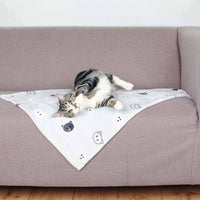
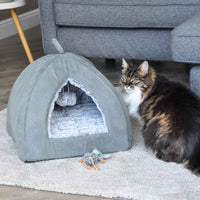
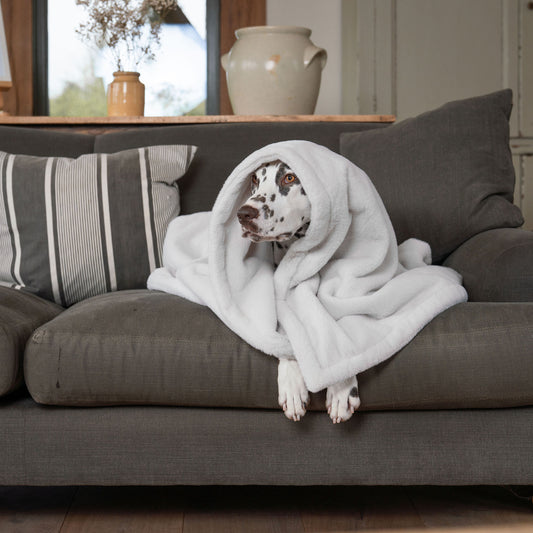
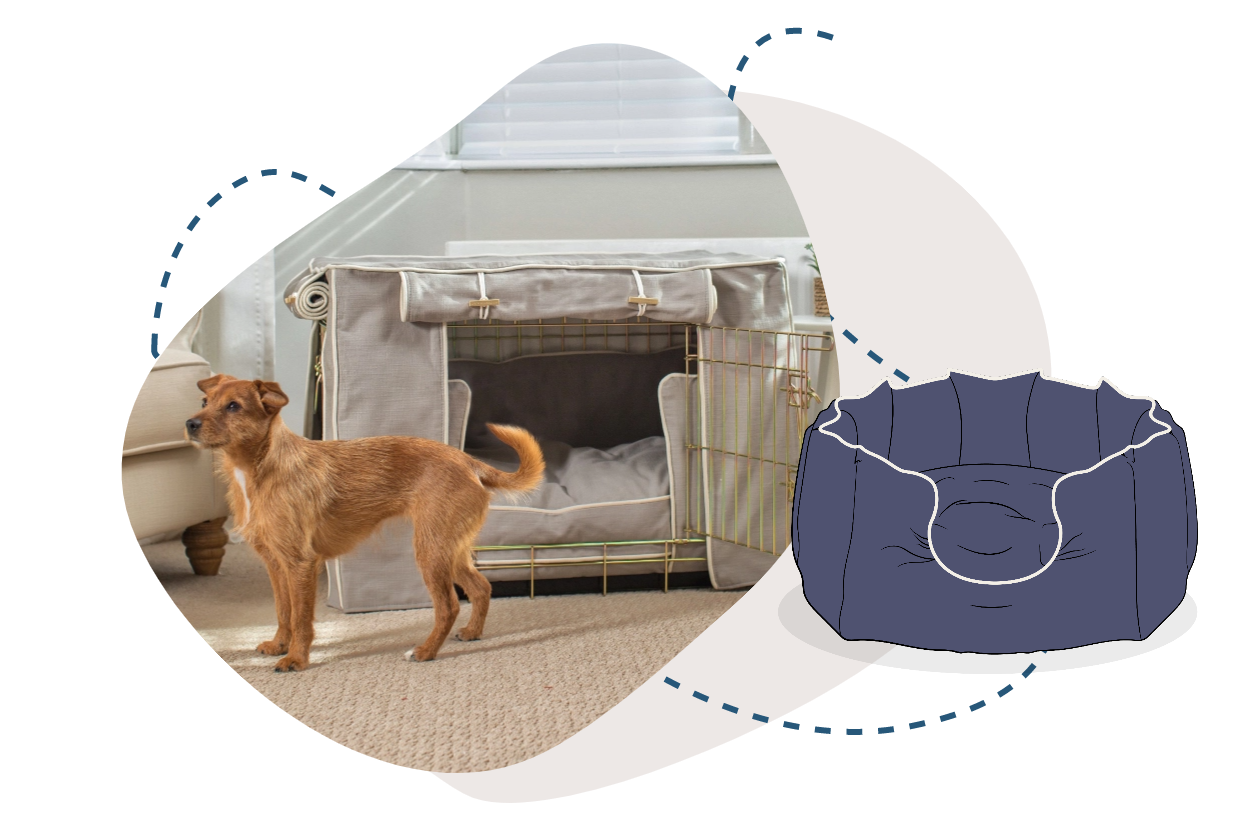
At Lords & Labradors, we specialise in handmade, modern luxury dog beds and bedding for your furry friends. This range is perfect for any nervous pups.
For pet parents, few things are as essential as a good night's sleep—for both you and your furry companion. Yet, coaxing your beloved dog to sleep through the night isn't always a walk in the park. Whether you're dealing with a young pup, an older dog, or simply seeking to establish a solid nighttime routine, mastering this aspect of their wellbeing is crucial. Let's delve into a comprehensive guide on how to get your dog to sleep through the night.
1. Establish a Consistent Routine
Dogs thrive on routine. Set regular feeding times, walks, and play sessions during the day. This helps expend their energy, making it easier for them to settle down at night. As they get used to your routine of settling down in the evening they are much more likely to follow suit and settle down with you
2. Create a Comfortable Sleep Environment
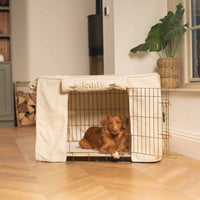
Designate a cosy, quiet, and dark sleeping area for your dog. A comfortable bed or crate in a familiar spot can make a significant difference. Consider using soothing music or white noise to drown out disturbances. If light seems to affect your dog’s sleeping patterns try using a crate with a crate cover and bumper to create the perfect cosy dark den.
3. Exercise and Mental Stimulation
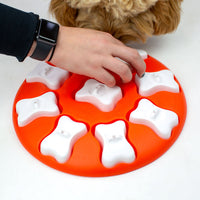
A tired dog is more likely to sleep soundly. Engage your furry friend in physical activities and mental exercises throughout the day. Puzzle toys or training sessions can tire them out both physically and mentally. We love using snuffle mats with our dogs for their dinner to help tire their brains out, 15 minutes of snuffling is equivalent to an hours walk!
4. Limit Evening Activities
Minimise excitement or vigorous playtime in the evening. Instead, focus on calm activities to signal the transition to bedtime. Try removing some of their more energetic toys like ropes or balls and give them chew toys that they can lay down to play with, a lot of dogs find chewing calming.
5. Establish a Wind-Down Routine
Similar to humans, dogs benefit from winding down before sleep. Incorporate calming activities like a leisurely walk or gentle massage into their nightly routine. We personally love having snuggles on the sofa with our pups as part of their nighttime routine.
6. Dietary Considerations
Avoid feeding large meals right before bedtime. Opt for feeding your dog earlier in the evening to allow ample time for digestion and prevent discomfort.
7. Toilet Breaks
Ensure your dog has had the opportunity to relieve themselves before settling down for the night. A pre-bedtime bathroom break can prevent disruptions during the night.
8. Comforting Presence
For puppies or dogs prone to anxiety, your presence can be reassuring. Consider leaving an item with your scent, like a piece of clothing or a scent blanket, near their sleeping area. Or you could try something like a heartbeat sheep or warm buddy bear which are designed to comfort your dog through the night.
9. Positive Reinforcement
Encourage and reward your dog's good behaviour at night. Offer praise or a small treat when they settle down or remain calm during the night.
10. Consult a Professional
If your dog consistently struggles with sleeping through the night, seeking advice from a veterinarian or a professional dog trainer can provide tailored solutions to address underlying issues. Remember, patience and consistency are key when training your dog to sleep through the night. Each dog is unique, so be adaptable and observe what works best for your furry companion. By implementing these strategies, you'll pave the way for restful nights—for both you and your beloved canine companion. Sweet dreams to you and your furry friend!
Humans spend a third of their lives in bed, so you probably spent ages choosing the right bed and mattress to make sure that you get the best night’s sleep possible and don’t end up like Goldilocks with a bed that’s not right! But what about choosing the perfect dog bed?
A dog can spend a significant amount of time in their bed, and as a beloved member of your family, your furry friend needs a bed that they’re happy and comfortable with. But how exactly do you choose the right bed for your dog?
For many dogs, their bed is an important part of their lives that helps with relaxing, unwinding and gaining some personal space away from humans and other animals. It may be tempting as a dog owner to allow your pooch to carry out their naps in your bed or on other items of furniture around the house, but as a dog bed offers suitable support to your dog and a sanctuary for them during downtime, it’s important they have one.
In this guide we take a closer look at choosing a dog bed, one that’s perfect for dreaming and sleeping all night long!
Do Dogs Need Beds?
On average, dogs spend between 12 and 18 hours of the day asleep, so a bed that’s comfortable, supportive and suits their needs is key for any dog. It’s only natural that your four-legged friend may choose to take power naps beside you on the sofa or even spend moments sleeping in your bed, but a dog bed is an important asset in any dog’s life and it is often recognised as their own environment for having time by themselves, relaxing and unwinding after a long day causing mischief.
Other benefits to dog beds include:
Contributing to health and comfort
Easing feelings of stress and anxiety
Improving the training process
Offering quality sleep
Preserving condition of human furniture
Preventing behavioural issues
How to choose a dog bed
There are loads of dog beds to choose from here at Lords & Labradors but picking the right bed for your dog can be overwhelming. Fortunately, you can use a few key factors to pick out the best option for your dog based on the breed and size of your dog and how they like to sleep.
The key things to think about when choosing a dog bed are
Size
Sleeping Styles
Comfort
How To Choose A Dog Bed Size
Size plays an important role in deciding the correct bed for your dog. If you have a Dachshund, an extra-large bed designed for sprawling out may be excessive, just as you would be lucky to fit any part of a Doberman in a small igloo bed.
A dog bed needs to be big enough for them to comfortably lie in all their favourite positions whilst still being small enough for them to feel cosy & safe in. All our dog beds, here at Lords and Labradors, have a size guide which will help give you an idea of which bed we’d recommend for your breed.
Measuring your dog will help to give you an idea of what size dog bed they will need. To do this, wait until they are sleeping and measure them in centimetres from their nose to their back paws. You should then add around 25 centimetres onto the measurement you’ve taken and a bed with a similar length should be ideal for your furry friend.
How To Choose A Dog Bed Style
As well as the size of your dog, how they sleep is also an important factor to consider. Your dog will give you clues about what bed they’d sleep best in and how they like to sleep every single day. Some dogs love to stretch out, whereas other dogs love to curl up with their nose touching their tail. Here we talk you through the different styles of dog bed and what sleep style they suit.
Mattress Beds/Cushions
Is your dog a side sleeper? Do they love to sprawl out whilst sleeping? Maybe a cushion or a mattress bed is for them, this will give them the space to stretch out whilst still being super comfy. Our crate cushions also work great as standalone cushions for dogs who love their sleep space.
High Wall Beds
The tall squishy walls of a high wall bed are great for dogs who love something to rest their head on whilst still curling up . The high sides will help to keep them feeling safe and secure, so they can really get cosy during nap time. Our high wall beds have a lowered front edge so it’s easy for your dog to get in and out.
Donut Beds
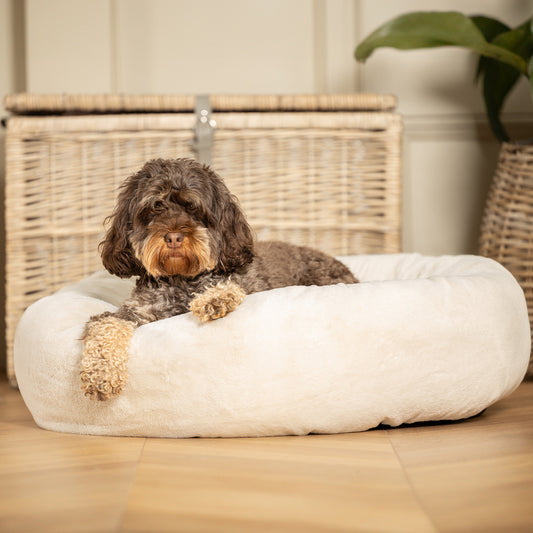
Donut beds as the name suggest are a circle shape with a raised ring round the side. These are great dog bed for dogs who suffer with anxiety and like to curl up in their bed to unwind, the cosy sides will cocoon them and make them feel safe. We’ve made our donut beds with the most sumptuously soft faux fur so it’s perfect for snuggling up in for those all important naps.
Box Beds
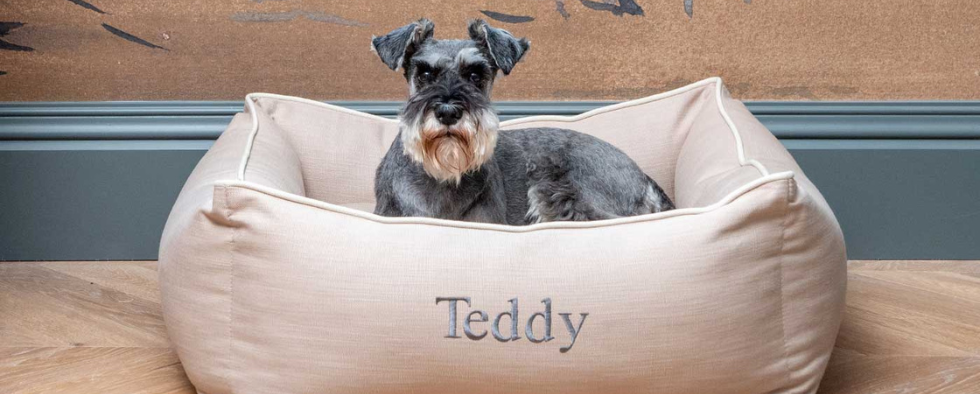
Does your dog like to stretch out but still love something to rest their head on? A dog box bed is a perfect choice for them. The square shape means they’ve got plenty of space to stretch out but the padded edges are soft and perfect for hanging their head off whilst napping.
Orthopaedic Beds
Just like we can get orthopaedic mattresses, you can get orthopaedic dog beds. These are a great choice for dogs who have specific health needs, like joint problems or senior dogs who need a little more support. The foam inner on our L&L Orthopaedic mattress has been designed to provide plenty of support for dogs who need it. They’re also low to the floor so they’re easy for dogs with aches and pains to get on and off.
Den Beds
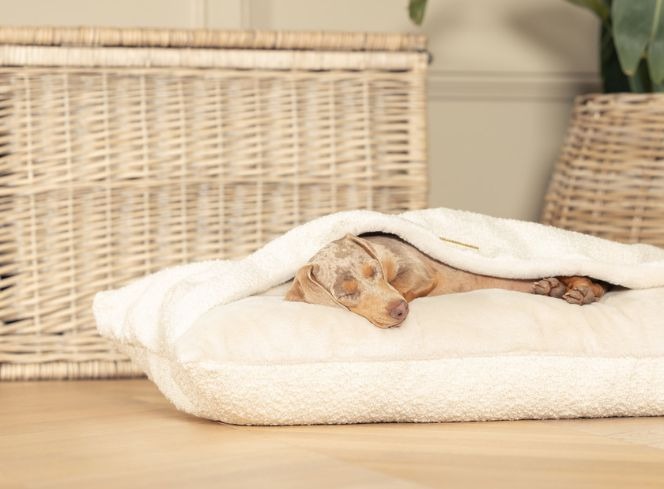
Does your dog like to burrow and hide? Breeds such as Dachshunds and Jack Russels were bred to go to ground when hunting so have a natural instinct to tunnel and burrow, so a den bed is perfect for them. Our den beds are round and have a comfy cushions so are perfect for curling up in but the attached blanket means they can hide and burrow before settling down to sleep.
Picking the perfect puppy bed
Are you getting a new puppy? You’ll probably want to get them a puppy bed before transitioning to an adult bed. Puppy beds are usually slightly smaller than the adult beds to stop your puppy from feeling lost in their new bed. We have two styles of puppy beds here at L&L, both of which have been tested with our own puppies to make sure they’re fit for purpose
Cosy & Calming Puppy Crate Bed
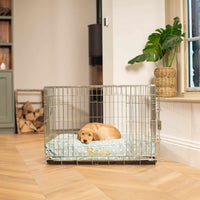
Our cosy & calming puppy beds are exactly as the name suggests, cosy and calming. They have been designed to fill just over half of a dog crate so if you’re crate training your puppy this will help divide their crate and aid their toilet training. The rectangle beds have padded raised walls all the way round for your puppy to snuggle up in and the cushion in the middle is made from the softest fleece, perfect for all those naps your puppy needs!
Grow With Me Puppy Beds
Our newest addition to our bed range, the grow with me puppy beds have high walls to create a feeling of security for nervous puppies. They feature a soft removable ring which you can take out as your puppy grows. This means the bed is never too big for your puppy and it can grow with them. This is perfect dog bed to choose for more nervous puppies or puppies who love to be cocooned and curled up
Do dogs need soft beds?
Dog beds are available in a selection of different materials, so it’s important you choose the most suitable option for your dog. A dog bed needs to be firm enough to offer support to your dog but comfortable enough to make them feel cosy and relaxed.
For puppies, a super soft dog bed with sides to prevent them from tumbling out will make them feel more settled, especially if they’ve recently moved into your home. However, this type of bed may be too small to fit a larger dog, and as older dogs may struggle to get out of a bed that’s particularly spongy, a dog cushion would be more fitting, and it would help to support their ageing joints.
For more destructive dogs you might want a dog bed that’s made out of something more hardwearing, like our Rhino Tough faux-leather beds, rather than a soft furry beds!
How Long Do Dog Beds Last?
Whether your dog is prone to bringing snacks to bed, walking mud all over their bed or scratching at it and kneading it until it feels exactly right, it’s to be expected that it will become damaged and eventually require replacing. A dog bed’s lifespan could be several years if it’s a good quality or a matter of weeks if it’s not.
However, you can extend the time you use a dog bed by washing it as instructed on the label and cleaning away any food or dirt as soon as it comes into contact with it. Dogs are messy creatures by design, but it’s a shame to let them ruin a perfectly good bed, especially if it’s one they’re particularly fond of.
How Often Should You Replace A Dog Bed
As dogs are unpredictable, it’s not always easy to anticipate when they will do something that totally ruins their bed. It may be in good condition for several months before they pull out a thread while scratching it and end up accidentally ripping it open and pulling out all the stuffing. Unfortunately, if this happens, it’s unlikely that you will be able to fix it and the best solution will be to replace it entirely with a new dog bed.
However, you may be wondering when you should give up on your pooch’s bed and invest in a new one. Situations where you should consider replacing your dog bed include when:
It smells and repeated washing isn’t removing the nasty odour
It’s infested with fleas and nothing is working to remove them
The stuffing is falling out, the material is ripped and it’s totally beyond repair.
How Many Dog Beds Should A Dog Have?
All dogs should have at least one bed, but if your dog spends time in different rooms, providing multiple beds can mean that they feel more comfortable in each room and are less inclined to jump on human furniture.
If you have more than one dog, it would be advisable to provide a bed for each of them. However, if they tend to snuggle up together, it could make sense to choose a bed that’s big enough to support both of them.
What Dog Bed Should I Buy?
So, when it comes to identifying the best dog bed for your furry friend, consider their wants and needs and match it with an option that ticks all the right boxes. If your dog is large, check that they’ll fit in the bed. If they’re prone to scratching and digging in their bed, make sure the material is strong enough to withstand this level of wear and tear. If they’re old, pick a bed that’s designed to support them effectively.
If you’re still not sure what dog bed to choose, why not chat to one of our Customer Care team? They’re pet experts with years of knowledge, they can help to advise you on which dog bed will suit your dog!
Still not sure what bed to get your dog? Why not chat to one of our pet experts? They're bed experts and will be able to advise you which bed will be the best fit and shape for your dog, call us on +44 1790 720 900 or email us on sales@lordsandlabradors.co.uk
Why Does My Dog Sleep Under My Bed? Unraveling the Mystery
As a loving pet owner, you might have wondered why your furry companion chooses to retreat under your bed for slumber instead of in their own cosy bed. While it may seem like a peculiar behaviour, rest assured, there are legitimate reasons behind this canine inclination.
In this blog post, we will explore the various motives that drive dogs to sleep under beds and seek answers to some common questions, such as whether dogs like blankets, if it's safe to let them sleep under the bed, and why they prefer hiding under the covers or duvets.
5 Reasons Your Dog May Be Sleeping Under Your Bed
1. The Natural Instinct Of Shelter
Dogs are descendants of wolves, and their instinct to seek shelter is deeply ingrained in their DNA. Just like wild canines seek out cosy dens to protect themselves from predators and harsh weather, your domesticated pooch instinctively looks for a safe, enclosed space to sleep under, providing them with a sense of security and protection. So your dog choosing to sleep under your bed is simply their natural instincts coming into play.
2. Temperature Regulation
Another reason your dog might prefer sleeping under your bed is temperature regulation. Beds often have open spaces underneath, which provide cooler spots during hot weather. Conversely, during colder seasons, the space under the bed can be warmer, creating a snug spot for your dog to curl up and stay comfortable.
3. Safety and Privacy
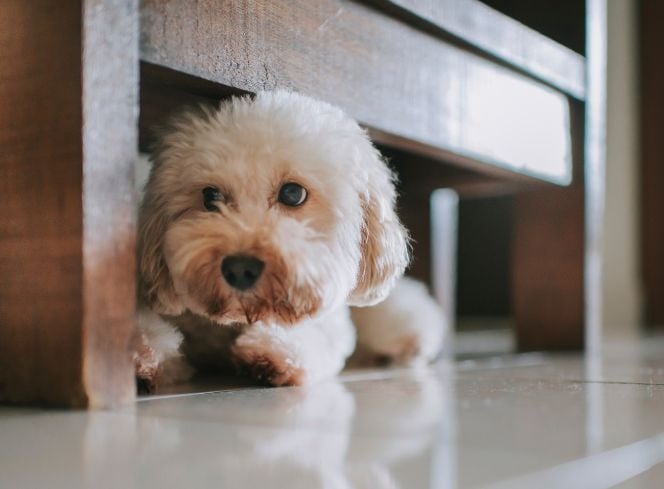
Dogs, much like humans, value their personal space. By retreating under your bed, they can enjoy some solitude and privacy, away from the hustle and bustle of the household. This becomes particularly apparent if your dog is feeling anxious or stressed.
4. The Appeal of Familiar Scents
Dogs are incredibly social and affectionate animals, and their desire to be close to their human companions is undeniable. One of the reasons why dogs often choose to sleep under the bed is their instinctual need for closeness and connection with their owners. Your bed, a place where you spend a significant amount of time, is filled with your scent, which is like a comforting and familiar fragrance to your canine friend. By snuggling up under the bed, your dog can feel surrounded by your presence even while resting. This behaviour showcases their loyalty and attachment to you, as they seek solace in being near the person they love and trust the most. It's a heartwarming reminder of the special bond we share with our four-legged friends.
5. Dogs and Blankets: A Cosy Combination
Some dogs love blankets or covers, while others may not be as fond of them. Just like humans, each dog has its own unique preferences. If your dog enjoys the security and warmth of being covered by a blanket, they may seek out the confined space under your bed as a prime napping location. If you want to treat your dog to a new blanket to get cosy with, why not explore our range of luxury blankets? They’re handmade here in our Lincolnshire workshop by our talented seamstresses, and are made using the finest materials so you know they’re best quality for your pup!
Should I Let My Dog Sleep Under the Bed?
Allowing your dog to sleep under the bed is generally safe, as long as there are no hazards or potential dangers in the area. Ensure that the space under your bed is clean, free from sharp objects, and properly ventilated. Additionally, if your dog has any mobility or health issues, you might want to consider providing a more easily accessible sleeping spot.
Why Is My Dog Suddenly Sleeping Under The Bed?
If your dog has suddenly started sleeping under the bed, there could be various reasons behind this behaviour change. It's essential to observe your pet closely and consider any recent changes in their environment or routine. Sudden hiding could indicate stress, fear, or discomfort. In such cases, it's best to consult with a veterinarian or a professional dog behaviourist to identify the underlying cause and provide appropriate support.
How To Tell If My Dog Is Sleeping Or Hiding Under My Bed
If you suspect that your furry friend might be seeking refuge under your bed, there are several telltale signs to look for to determine if they are sleeping or hiding.
Body Language and Behaviour: If they are lying down comfortably with their eyes closed and seem at ease, chances are they are peacefully snoozing. You might even hear soft snoring or gentle breathing as they drift off to dreamland. On the other hand, if your dog appears tense, anxious, or exhibits fearful behaviour, they could be hiding under the bed as a response to stress or unease. Look for signs like tucked ears, a lowered tail, or avoiding eye contact.
Consider the context of the situation: If there have been recent changes in the household or if your dog has encountered something frightening, they may choose to retreat under the bed as a coping mechanism.
Appetite and sleep pattern changes: If your dog’s anxiety is leading to them hiding under the bed, you may notice some other changes to their routine. Their appetite or interest in their food may decrease and their sleep patterns may be disrupted.
By paying attention to their body language and considering the circumstances, you can better understand whether your beloved companion is seeking comfort or seeking solace under the bed
How To Stop My Dog Sleeping Under My Bed
While your dog seeking comfort under your bed is natural, there may be instances when you'd prefer them to sleep elsewhere for various reasons. Perhaps the accumulation of fur is becoming an issue, or you're concerned about potential hygiene concerns. Fortunately, with patience and positive reinforcement, you can gently encourage your furry companion to choose a different sleeping spot. Here are some effective strategies to help redirect your dog's sleeping habits:
Introduce a Cosy Dog Bed: Invest in a comfortable and inviting dog bed placed in a quiet and accessible area of your bedroom or another preferred location. Make it attractive by adding their favourite toys or blanket to entice them to use it. We specialise in luxury cosy dog beds, why not browse our range and treat your dog to a new bed?
Positive Reinforcement: Whenever you catch your dog resting in their new bed or any other location besides under your bed, praise them with enthusiasm and offer small treats as positive reinforcement. Dogs respond well to rewards and will associate the new spot with positive experiences.
Block Access to Under the Bed: If possible, limit your dog's access to the space under your bed. Use baby gates or furniture to block the area off and make it less appealing as a hiding spot.
Create a Safe Space: Dogs often seek shelter under the bed when they feel anxious or stressed. To prevent this, provide a designated "safe space" in your home, like a quiet corner or a crate with comfortable bedding. Encourage your dog to use this space by rewarding them whenever they go there voluntarily. You could look at crate training your dog, crates are designed to create that “safe space” for your dog, helping your dog to find that sense of security they are looking for. Our pet experts have written a guide on how to crate train your dog, with all their tips and tricks to help make the process as easy as possible.
Consistency is Key: Be patient and consistent in redirecting your dog to their new sleeping area. It may take time for them to break the habit of hiding under the bed, but with persistence, they will learn to embrace their new sleeping spot.
Seek Professional Advice: If your dog's behaviour persists despite your efforts, consider seeking guidance from a professional dog trainer or animal behaviourist. They can assess your dog's specific needs and tailor a training plan to help modify their sleeping habits.
Conclusion
Your dog's decision to sleep under your bed is a combination of natural instincts, seeking comfort, and a safe haven. Providing your pet with a secure and clean space is essential, as it allows them to indulge in their innate behaviours while ensuring their well-being and contentment.
Remember that each dog is unique, so observe your furry companion's preferences and behaviours to better understand their needs. With love, patience, and a little understanding, you can create an environment where your dog feels happy, safe, and cherished, even if it's under your bed.
If you have more questions or need further assistance regarding your dog's behaviour, consult with a professional veterinarian or animal behaviour specialist to ensure your pet's health and happiness. Happy pet parenting!
Designed with nervous pups in mind, this collection of beds is made from super soft fabrics to help settle you dog, in our best selling designs to make your four legged friend feel safe.
Setting up your puppy's crate for nighttime success involves more than just placing a blanket inside and hoping for the best. From choosing the perfect location to creating a soothing bedtime routine, learning how to set up a puppy crate at night properly transforms those sleepless early weeks into peaceful nights for both you and your furry friend. We'll walk you through everything from essential comfort items to handling those inevitable midnight whimpers, so you can create a cozy sanctuary your puppy will actually love.
Why a Cozy Crate is Your Puppy's Safe Haven
Think of your puppy's crate as their very own bedroom retreat, a place where they can curl up and feel completely secure. Just like children find comfort in their own special spaces, puppies naturally seek out cozy dens where they feel protected from the world around them. When you learn how to set up a puppy crate at night properly, you're giving your little one that essential safe haven they instinctively crave.
The magic of crate training lies in working with your puppy's natural denning instincts rather than against them. In the wild, dogs seek out small, enclosed spaces for rest and safety. Your puppy's crate becomes their modern version of this ancient comfort zone. Once they've settled into their nighttime routine, you'll often find them choosing their crate for afternoon naps even when the door stays open—a sure sign you've created something truly special.
For anxious puppies especially, a well-prepared crate offers emotional security during those overwhelming first weeks in a new home. I've watched countless nervous little ones transform from trembling bundles into confident sleepers once they realize their crate means safety and peace. The secret lies in making that space genuinely inviting rather than feeling like punishment.
Beyond comfort, nighttime crate training builds the foundation for house training success. Puppies naturally avoid soiling their sleeping area, so a properly sized crate encourages them to hold their bladder through gradually longer periods. This creates a genuine win for everyone involved.
The beauty of crate training extends to you as well. Knowing your puppy rests safely in their cozy space means you can actually get some sleep too. No more midnight worries about chewed furniture or bathroom accidents. Instead, you both wake up refreshed and ready to tackle another day of puppyhood adventures together. Creating that perfect nighttime setup makes all the difference in building positive associations that last a lifetime.
Choosing the Perfect Spot for Your Puppy's Crate
Where you place your puppy's crate can make or break your nighttime routine. The perfect spot helps your furry friend feel secure and connected to the family while giving everyone the peaceful sleep you desperately need. Think of it as choosing the best bedroom in the house for your newest family member.
Here are the key factors to consider when selecting your puppy's nighttime spot:
Temperature control: Pick a location away from heating vents, air conditioning units, and drafty windows. Puppies can't regulate their body temperature as well as adult dogs, so consistent warmth without overheating is essential.
Noise levels: Choose a spot that's quiet enough for rest but not completely isolated. A corner of your bedroom or a nearby hallway often works perfectly, letting your puppy hear your breathing without being disturbed by every creak and footstep.
Proximity to family activity: Your puppy shouldn't feel banished to the basement or garage. Placing the crate within earshot of where you sleep helps reduce separation anxiety while still maintaining healthy boundaries.
Easy access for nighttime potty breaks: Position the crate where you can quickly and quietly reach it for those inevitable 2 AM bathroom trips. A clear path to the door saves everyone from stumbling around in the dark.
Safety from household hazards: Avoid areas near stairs, breakable items, or anything your curious puppy might try to reach through the crate bars.
Temperature Tip: Keep your puppy's sleeping area between 65-75°F. Consistent temperature helps regulate their sleep cycle and prevents restless nights caused by being too hot or cold.
Most pet parents find that starting with the crate in their bedroom works wonderfully for the first few weeks. Your puppy feels reassured by your presence, and you can respond quickly to any genuine needs. As your pup grows more confident, you can gradually move the crate to its permanent location if you prefer a different spot.
Getting the location right sets the foundation for successful crate training and better sleep for everyone. Once you've found that sweet spot, pair it with comfortable bedding and thoughtful accessories from our crates and crate bedding collection to create a space your puppy will actually want to call home. A well-placed crate becomes your puppy's favorite retreat, never a place of punishment.
Setting Up the Crate: Bedding and Comfort Essentials
The right bedding and comfort items transform a bare crate into a cozy sanctuary where your puppy feels safe and secure through the night. Just like we need our favorite pillow and soft sheets for a good night's sleep, your puppy needs the right materials to settle in peacefully and develop positive associations with their crate.
Here's how to set up a puppy crate at night with the perfect comfort essentials:
Start with a properly sized crate mat or bed that covers most of the floor space without being too bulky. Your puppy should have enough room to stand, turn around, and lie down comfortably, but not so much space they might use one corner as a bathroom.
Choose soft, washable materials that can handle frequent washing. Fleece blankets, cotton crate pads, or specially designed puppy bedding work beautifully because they're gentle on sensitive skin and easy to clean when accidents happen. Trust me, you'll appreciate this foresight at 2 AM when you're dealing with an unexpected mess.
Add a comfort item with familiar scents like a small piece of your clothing or a soft toy. This helps ease separation anxiety and makes the crate feel less lonely during those first few nights. Many puppy parents find that an old t-shirt works wonders.
Position a small water dish near the front of the crate if your puppy needs overnight access to water. Use a spill-proof bowl or clip-on water bottle to prevent soggy bedding disasters that'll have you changing everything in the middle of the night.
Include one safe chew toy to give your puppy something appropriate to gnaw on if they wake up feeling restless. Avoid anything small enough to swallow or toys with parts that could break off.
Tuck blankets snugly around the bedding to prevent bunching or tangling that might disturb your puppy's sleep. Think of it like making a proper bed—smooth surfaces help everyone rest better.
Quick Tip: Washable materials are your best friend during crate training. Nighttime accidents are completely normal for young puppies, so having bedding you can easily toss in the washing machine saves you stress and keeps the crate fresh and inviting.
When you nail the bedding setup, you're setting the foundation for successful nighttime crate training. The Lords & Labradors boucle cosy calming puppy crate bed set captures this approach perfectly, combining luxury comfort with practical washability to support both peaceful puppy sleep and easy maintenance for busy pet parents.
To Cover or Not to Cover: Creating a Cozy Den
Many puppies sleep better when their crate feels like the cozy den they instinctively seek. Think of it this way: in the wild, dogs gravitate toward enclosed spaces that offer security and calm. A crate cover can transform your puppy's sleeping area from an open cage into a peaceful retreat that blocks distractions and signals bedtime.
That said, covering isn't right for every puppy. Some love the snug, cave-like feeling, while others prefer to see their surroundings. Your puppy's personality and a few safety considerations should guide your decision.
Pros of Covering
Cons of Covering
Reduces visual distractions and household noise
Risk of overheating, especially in warm climates
Creates calming den-like atmosphere
Some puppies feel claustrophobic in enclosed spaces
Helps anxious puppies feel more secure
Can trap odors or reduce air circulation
Blocks morning light for longer sleep
Makes it harder to monitor your puppy's behavior
Establishes clear "bedtime" signal
May increase humidity inside the crate
If you want to try covering your puppy's crate at night, safety comes first:
Always leave at least one side partially open for ventilation
Choose breathable materials like cotton or purpose-made crate covers
Watch for overheating signs like excessive panting or restlessness
Start with just partial coverage to see how your puppy reacts
Remove the cover immediately if your puppy seems stressed
Quality crate covers strike the perfect balance between cozy and practical. Look for designs with breathable fabrics that maintain airflow while creating that essential den feeling. Many feature adjustable panels and machine-washable materials that make your nighttime routine simpler.
Remember, there's no one-size-fits-all approach here. If your puppy seems happier without a cover, trust their preference. The goal is helping them feel secure and comfortable, whatever that looks like for your particular pup.
Handling Nighttime Whimpers: Comforting Your Puppy
Those little whimpers and soft cries in the middle of the night are completely normal for new puppies adjusting to their crate. Remember, your puppy has just left their littermates and is learning to feel secure in their new space. The key to success lies in staying consistent with your approach while offering gentle comfort that doesn't reward the crying behavior.
Here's how to soothe your puppy through those first challenging nights:
Place a piece of your worn clothing in the crate so your scent provides comfort throughout the night. An old t-shirt works perfectly and helps your puppy feel less alone.
Use white noise or soft music to mask household sounds that might startle your puppy awake. A fan or calming playlist can work wonders for creating a peaceful sleep environment.
Implement a gradual response approach by waiting a few minutes before responding to whimpering. If the crying continues, offer quiet reassurance with your voice rather than immediately opening the crate.
Keep nighttime interactions calm and minimal. If your puppy needs a bathroom break, take them out quietly without making it an exciting playtime experience.
Position yourself nearby initially if needed. Some pet parents find sleeping on the couch near the crate for the first few nights helps ease the transition.
Stick to your routine even when it feels difficult. Consistency in your nighttime puppy crate routine helps your puppy learn what to expect and feel more secure.
I remember those exhausting first weeks with my own puppy, lying awake at 2 AM wondering if the whimpering would ever stop. Here's the truth that kept me going: most puppies adapt to their nighttime routine within one to two weeks when you stay consistent. Those sleepless nights feel endless in the moment, but they're building something beautiful—a confident, secure pup who knows their crate is a safe haven. If you're struggling to establish those consistent bedtime habits, our guide on creating the perfect puppy sleep routine offers additional strategies for building a calming nighttime schedule.
Encouraging Fact: Studies show that 85% of puppies sleep through the night within two weeks when their crate is properly set up and a consistent routine is maintained. Your patience during these early nights is building the foundation for years of peaceful sleep ahead.
Building a Nighttime Routine for Peaceful Sleep
Establishing a consistent nighttime routine transforms crate training from a nightly struggle into a peaceful ritual that both you and your puppy can count on. Think of it like bedtime stories for children – the predictability becomes comforting rather than boring.
Start your routine about 30 minutes before you want your puppy settled for the night. Begin with a final potty break outside, followed by a few minutes of calm interaction. Skip the energetic play during this wind-down period. An overstimulated puppy will take ages to settle, and you'll both pay for it later. Instead, try gentle petting or quiet talking while you guide them toward their crate area.
Create positive associations by offering a special treat or chew toy that only appears at bedtime. Many pet parents find that a small training treat or a puzzle toy helps their puppy view crate time as something to anticipate rather than endure. Place this inside the crate while your puppy watches, then use a consistent verbal cue like "bedtime" or "crate time."
The secret to success lies in your own consistency and calm energy. Puppies are emotional sponges – they absorb our stress levels instantly. So approach bedtime with quiet confidence. If your little one fusses initially, resist the urge to immediately respond. Most puppies settle within 10-15 minutes once they realize the routine is non-negotiable.
Learning how to set up a puppy crate at night extends beyond the physical setup to include these daily habits. Some nights will go more smoothly than others, especially during those first exhausting weeks. Adjust your timing as needed, but stick to the same sequence of events.
As your puppy grows more comfortable, you might find certain steps become unnecessary. Still, maintaining some version of this routine helps reinforce the crate as a positive, restful space throughout their life. Consider pairing it with a cozy calming bed that becomes part of this nightly ritual – familiar comfort they can count on every single night.
If you've ever watched your Beagle bounce around the house like a furry pinball machine, you're probably wondering exactly how much exercise does a Beagle need to channel all that energy. The answer isn't as simple as a daily walk around the block—these spirited hunting dogs require a thoughtful blend of physical activity and mental challenges that evolves throughout their lives. From puppyhood through their golden years, we'll help you create the perfect exercise routine that keeps your Beagle happy, healthy, and blissfully tired at the end of each day.
Understanding Your Beagle's Exercise Needs
Beagles are natural athletes with boundless curiosity, originally bred to hunt alongside humans for hours at a time. This heritage means your Beagle comes hardwired with impressive stamina and an insatiable need to explore the world through movement and scent.
When you're wondering how much exercise does a beagle need, think beyond just a quick walk around the block. These spirited dogs thrive on both physical activity and mental challenges to stay balanced and content. You'll likely notice that a tired Beagle is a happy Beagle—while an under-exercised one might redecorate your living room or serenade the neighbors with their famous howl.
The wonderful thing about Beagles is their adaptability. Whether you're training for a marathon or prefer gentle evening strolls, your Beagle can match your rhythm with the right routine. Their daily activity needs shift dramatically throughout their lives, from the careful pacing required for bouncy puppies to the modified activities that keep senior dogs comfortable and engaged.
Getting these evolving needs right makes all the difference in creating a sustainable exercise plan that keeps your Beagle physically fit, mentally sharp, and genuinely happy. Regular exercise becomes the cornerstone of everything from healthy joints to good behavior, setting you both up for years of adventures together.
Exercise Requirements by Age: Puppies, Adults, and Seniors
Understanding how much exercise a Beagle needs isn't straightforward since their energy levels and capabilities change as they grow. A playful eight-week-old puppy has very different requirements from a gentle nine-year-old senior. Striking the right balance is crucial to keeping your furry friend healthy and content.
Puppies (2-12 months)
Beagle puppies are bundles of energy, but protecting their growing joints from overexertion is key:
- Follow the "5-minute rule": Allow 5 minutes of exercise per month of age, twice daily (e.g., a 3-month-old should get 15 minutes, twice daily).
- Focus on short, frequent play sessions rather than long walks.
- Include games like hide-and-seek and puzzle toys.
- Avoid repetitive activities such as jogging or jumping until growth plates close, around 12-18 months.
- Rest is just as important as activity for healthy development.
Callout: The 5-Minute Rule
This helpful guideline prevents joint damage as your puppy grows. For example, a 4-month-old Beagle should get about 20 minutes of structured exercise twice daily, along with plenty of nap time. Creating proper crate training routines ensures your puppy rests adequately between active periods.
Adults (1-7 years)
Adult Beagles have impressive stamina and high energy levels, needing regular outlets:
- Aim for 60-90 minutes of varied activity throughout the day.
- Include two structured walks and additional playtime.
- Mix activities like hiking, fetch, agility training, or scent work.
- Embrace these years as a time for exciting adventures and new experiences together.
Seniors (8+ years)
Older Beagles still require exercise, but comfort becomes more important:
- Scale back to 30-60 minutes of gentler daily exercise.
- Opt for softer surfaces and shorter distances on walks.
- Swimming offers excellent low-impact exercise for aging joints.
- Watch for signs of stiffness and adjust the routine as needed.
Adapting your Beagle's routine to their life stage ensures they remain healthy and happy, protecting their joints while they enjoy many years of tail-wagging adventures.
Mental Stimulation: Keeping Your Beagle's Mind Active
While figuring out how much exercise your beagle needs, it's easy to focus purely on walks and runs while forgetting about their mental workout requirements. Beagles were bred as hunting hounds, which means their brains crave just as much engagement as their bodies do. Without proper mental stimulation, even a well-exercised beagle can turn into a four-legged tornado of destruction—think excessive barking, crater-sized holes in your garden, or your favorite slippers becoming unrecognizable chew toys.
Here are tried-and-tested ways to challenge your beagle's brilliant mind:
Puzzle feeders and treat-dispensing toys that transform mealtime into an engaging brain game
Scent work games like hiding treats around the house or teaching them to find specific toys by smell
Snuffle mats that tap into their natural foraging instincts
Hide-and-seek with family members or favorite toys throughout your home
Short training sessions focusing on new tricks or polishing existing commands (keep these upbeat and brief)
Toy rotation system where you swap out playthings weekly to keep things fresh and exciting
Did You Know? Just 15 minutes of focused mental stimulation can tire your beagle as much as a 30-minute walk.
Mental enrichment isn't an add-on to your beagle's exercise routine—it's absolutely fundamental. A mentally satisfied beagle tends to be calmer, more responsive to training, and genuinely easier to live with. Watch for those telltale signs of contentment after brain games, because understanding your dog's body language helps you recognize when they're truly fulfilled rather than just physically knackered. This insight makes determining your beagle's ideal exercise balance much more tailored to their unique personality and energy levels.
Off-Lead Safety Tips for Beagle Adventures
Beagles were born to follow their noses across open countryside, and off-lead adventures let them express these natural hunting instincts while burning off their abundant energy. These moments of freedom transform routine walks into the kind of beagle daily activity that truly satisfies both their physical needs and their deep-rooted desire to explore.
Safety comes first when transitioning to off-lead exercise:
Master recall training before going lead-free - Start indoors, then move to a securely fenced garden. Your Beagle should return immediately when called, even when distracted by the most tantalizing smells.
Choose enclosed spaces initially - Fenced dog parks, tennis courts, or secure fields give your Beagle freedom while keeping them contained when their nose inevitably takes over their brain.
Start with short off-lead sessions - Five minutes of freedom beats an hour of your anxiety. Build up gradually as both your confidence and their reliability improve.
Watch for "scent lock" - You'll know it when you see it: nose down, ears off, completely oblivious to your existence. Be ready to intervene before they follow that fascinating trail into the sunset.
Keep high-value treats handy - A pocket full of something irresistible makes you infinitely more interesting than whatever they're investigating.
Remember: A rock-solid recall isn't just helpful—it's your Beagle's lifeline during off-lead adventures.
During training sessions, a reliable lead like the Lords & Labradors Essentials Herdwick Dog Lead gives you confidence while practicing recall work, knowing you have secure control when needed.
With proper preparation, off-lead time becomes the crown jewel of how much exercise your beagle needs, delivering the mental stimulation and physical activity that keeps them genuinely content.
Incorporating Lords & Labradors Accessories into Your Routine
The right gear makes every Beagle adventure more enjoyable and safe for both of you. A well-fitted harness distributes pressure evenly across your Beagle's chest—especially helpful when they catch an interesting scent and suddenly pull toward it. This gentle control lets you guide them back to your walking routine without any discomfort.
Interactive toys transform ordinary walks into engaging mental workouts. I love bringing a puzzle ball filled with treats on longer walks, giving your Beagle brain-stimulating breaks between physical activity. These moments satisfy their natural foraging instincts while helping you manage your Beagle's daily activity levels throughout the day.
A hands-free lead attachment can be a game-changer during those energetic morning walks when your Beagle's ready to explore everything at once. You get better balance and control while allowing the natural movement patterns that support healthy exercise habits.
Our Lords & Labradors Essentials Collection includes thoughtfully designed accessories that work with your Beagle's natural energy levels and physical activity needs. The key is choosing gear that enhances your routine rather than complicating it, making those daily walks something you both genuinely look forward to.
As winter approaches, many pet parents find themselves wondering whether their furry friends need an extra layer to stay comfortable during chilly walks and frosty mornings. The answer to "do dogs need sweaters in winter" isn't one-size-fits-all—it depends on your dog's breed, size, age, and individual tolerance for cold weather. From recognizing the signs that your pup is feeling chilly to choosing the perfect fit and keeping their winter wardrobe fresh, we'll help you navigate everything you need to know about keeping your four-legged companion cozy all season long.
Why Some Dogs Need Sweaters in Winter
While many dogs come naturally equipped with thick, insulating coats, others genuinely benefit from a little extra help staying warm during chilly weather. Just like how you might reach for a jacket on a brisk morning walk, some pups need that same consideration when temperatures drop.
Size plays a huge role here. Smaller dogs lose body heat much faster than their larger counterparts because they have more surface area relative to their body mass. Your Chihuahua or Yorkshire Terrier simply can't generate and retain warmth the way a Golden Retriever can. I've watched tiny dogs start shivering within minutes of stepping outside on a cold day, while my neighbor's Bernese Mountain Dog happily romps through snow without missing a beat.
Coat type matters enormously too. Dogs with single-layer coats, short hair, or very fine fur lack the natural insulation that double-coated breeds enjoy. Breeds like Whippets, Italian Greyhounds, and many Pit Bulls have sleek coats that look gorgeous but offer minimal protection against winter's bite. These athletic builds that serve them so well in warmer weather become a disadvantage when frost starts appearing on the grass.
Age and health also factor into whether dogs need sweaters in winter. Senior dogs often struggle more with temperature regulation as their metabolism slows down, and pups with arthritis or other health conditions may need extra warmth to stay comfortable and mobile. Even some short-haired mixed breeds surprise their parents by constantly seeking out sunny spots or hovering near heating vents once the weather turns cold.
The good news is that keeping dogs warm doesn't have to be complicated. A well-fitted sweater can make all the difference for dogs who need that extra layer. You'll find everything from lightweight pullovers for mild days to more substantial winter coats designed for serious cold-weather adventures.
Breeds That Benefit Most from Winter Wear
Not every dog needs a sweater, but certain breeds face real challenges when temperatures drop due to their physical makeup and genetic traits. If you've ever watched a Greyhound shiver on a mild autumn day, you'll understand that some of our four-legged friends simply aren't built for chilly weather.
The breeds most likely to benefit from winter clothing fall into three main categories:
Sighthounds (Greyhounds, Whippets, Italian Greyhounds, Salukis): These elegant athletes have incredibly thin skin, minimal body fat, and short coats that offer little insulation. Their lean build, while perfect for speed, leaves them vulnerable to cold.
Short-haired breeds (Boxers, Pit Bulls, Boston Terriers, French Bulldogs): With single-layer coats and often muscular but low-fat builds, these dogs lack the natural insulation that double-coated breeds enjoy.
Small and toy breeds (Chihuahuas, Yorkshire Terriers, Maltese, Papillons): Their tiny body mass means they lose heat quickly, and many have fine, silky coats that provide minimal warmth.
Special consideration: Senior dogs and puppies within any of these breed categories are especially vulnerable to cold, as age affects their ability to regulate body temperature effectively.
Understanding your dog's breed characteristics helps you answer the question "do dogs need sweaters in winter?" for your particular pup. Breeds like Dachshunds face unique challenges due to their low-to-ground build combined with short coats, which is why many pet parents find that specialized fleeces designed for their body shape work best. The key is recognizing that keeping dogs warm in cold weather isn't about fashion—it's about comfort and health for breeds that genuinely need the extra help.
Signs Your Dog Might Be Cold
Learning to spot when your dog feels cold helps you decide whether they need extra protection during chilly weather. Just like us, our furry friends have their own ways of saying "brrr, it's freezing out here!"
Watch for these telltale signs that your dog might be cold:
Shivering or trembling - The most obvious clue that your pup is trying to warm up
Seeking out warm spots - You'll find them curled up near heating vents, fireplaces, or claiming that perfect sunny patch by the window
Reluctance to go outside - Suddenly hesitating at the door or giving you those pleading eyes to cut the walk short
Lifting paws off cold surfaces - That adorable (but telling) paw dance or favoring one foot at a time
Hunched posture - Tucking their tail under and pulling their body inward like they're trying to become a furry little ball
Whining or showing anxiety - Expressing their discomfort through soft whimpers or restless pacing
Slow movement or stiffness - Moving more gingerly than usual or seeming less bouncy during playtime
Seeking extra cuddles - Becoming your shadow and pressing close to you or other pets for warmth
Keep in mind: Smaller breeds, senior dogs, and those with thin coats feel the cold much faster than their larger, fluffier companions who seem to thrive in winter weather.
When you spot these behaviors, it's worth considering some cozy winter wear for your four-legged friend. Understanding your dog's body language becomes especially valuable during colder months, helping you recognize these subtle signals and keep your companion comfortable all season long.
Choosing the Right Sweater for Your Dog
Finding the perfect sweater for your furry friend depends on your dog's individual needs and the winter weather you're facing together. A Chihuahua in Minnesota will need something quite different from a Labrador in mild coastal conditions, so think about your specific situation first.
When shopping for dog winter clothing, keep these key factors in mind:
Proper fit - The sweater should be snug enough to retain body heat but loose enough for comfortable movement. Measure your dog's chest, neck, and length from collar to tail base before buying. If you're between sizes, go up rather than down.
Material matters - Wool blends offer excellent warmth for dry conditions, while waterproof or water-resistant fabrics work better in snowy or rainy areas. Avoid anything that bunches up around the legs or restricts your dog's natural gait.
Easy on, easy off - Look for designs with simple closures like velcro or snap buttons. Wrestling with complicated fastenings twice daily gets old fast, especially when your pup is already shivering and eager to get moving.
Function over fashion - While a cute pattern is lovely, prioritize features that actually help with keeping dogs warm in cold weather. Think reinforced chest coverage, wind-resistant materials, and secure but comfortable leg openings.
The most important area to cover is your dog's chest and belly, where they lose heat fastest. Any sweater worth buying should provide solid coverage of these vulnerable spots without riding up during walks.
Quality options like the Kings Coronation Dog Coat show how thoughtful design and premium materials make a real difference. When you invest in well-made winter wear, you get both the warmth your dog needs and the durability that makes those daily winter walks comfortable for everyone involved.
Caring for Your Dog's Winter Wardrobe
Once you've decided that your dog needs winter wear, taking proper care of their sweaters ensures they'll stay cozy all season long. I learned this the hard way when my neighbor's Golden Retriever's beautiful cable-knit sweater turned into a felted mess after one trip through the washing machine on hot.
Always check the care label first, but most dog sweaters do best with a gentle machine wash in cold water. Turn them inside out to protect any decorative elements, and use a mesh laundry bag if the sweater has buttons or zippers. Skip the fabric softener—it can reduce the fabric's ability to wick moisture and may irritate sensitive skin.
Air drying works best for maintaining shape and preventing shrinkage. Lay sweaters flat on a clean towel, reshaping them while damp. This also gives you a perfect opportunity to check for loose threads, stretched seams, or worn areas that might poke or chafe.
Between wears, give sweaters a quick shake and brush off any debris. Store them folded in a clean, dry place rather than hanging, which can stretch the fabric over time. Keep a rotation of at least two sweaters so you always have a clean, dry option ready when keeping dogs warm in cold weather becomes a daily necessity.
Regular inspection becomes second nature once you get into the routine. Look for pilling around friction areas like the chest and underarms, and trim carefully with fabric scissors to keep your pup looking sharp throughout winter. You'll find a great selection of quality dog apparel designed to withstand regular washing and seasonal wear.
Ever noticed how your pup struts out of the groomer's looking absolutely adorable with that perfectly tied bandana around their neck? While you might assume it's purely for style, there are actually several thoughtful reasons why groomers put bandanas on dogs that blend fashion, function, and comfort into one charming finishing touch. From providing gentle calming pressure to protecting freshly groomed coats, these simple accessories work harder than you'd expect while making your furry friend look picture-perfect.
The Charm of Bandanas: More Than Just a Fashion Statement
When you pick up your freshly groomed pup and see that adorable bandana tied around their neck, you might wonder why groomers make this charming finishing touch such a standard practice. The truth is, there are wonderful reasons why groomers put bandanas on dogs that go far beyond making your furry friend look picture-perfect—though that's certainly part of the magic.
Think of a bandana as the canine equivalent of that perfect accessory that pulls an entire outfit together. Just as you might add a scarf to complete your look, groomers use bandanas to give dogs that polished, "spa day" glow that makes both pups and their parents beam with pride. But there's so much more happening beneath that stylish exterior.
These simple fabric squares work as gentle comfort tools, helping anxious dogs feel more secure during and after their grooming experience. Many dogs find the light pressure around their neck surprisingly soothing—similar to how a cozy sweater might calm us on a stressful day. Smart groomers have discovered that this small addition can transform a nerve-wracking grooming session into something much more pleasant for everyone.
Bandanas also offer practical perks that make them incredibly useful dog grooming accessories. They protect freshly groomed necks from scratching, help catch any stray loose fur, and create a clean barrier against dirt and debris during those precious first hours when your pup looks absolutely pristine. It's like having a tiny shield that keeps all that grooming work looking fresh just a little bit longer.
A Splash of Style: How Bandanas Enhance Your Pup's Look
When you pick up your freshly groomed pup and see them sporting a perfectly coordinated bandana, you're witnessing the groomer's artistic eye at work. This simple finishing touch transforms your dog from merely clean to absolutely stunning, which explains why groomers put bandanas on dogs as the perfect final flourish to their professional grooming services. Like adding the perfect accessory to your favorite outfit, a well-chosen bandana elevates your pup's entire look.
Dog grooming accessories like bandanas offer several style advantages:
Personality showcase - A playful polka dot pattern highlights your Golden's goofy side, while a sophisticated plaid brings out your Border Collie's intelligence
Color coordination - Rich burgundy bandanas make chocolate Labs look absolutely regal, while bright blues complement golden coats beautifully
Seasonal flair - Halloween pumpkins, Christmas plaids, or spring florals keep your pup looking current and festive
Photo-ready appeal - That Instagram shot becomes infinitely more charming when your freshly groomed dog sports a coordinating bandana
Professional groomers develop an eye for selecting colors and patterns that complement each dog's unique coat, facial features, and breed characteristics. They'll choose warm tones for dogs with rich brown eyes or cool blues for those striking gray coats. It's all about what brings out your pup's natural beauty.
The benefits of dog bandanas extend beyond mere decoration, too. Some naturally reserved dogs seem to prance a little taller when they're dressed up and looking their best. There's something about that finishing touch that gives both you and your pup an extra boost of confidence.
This thoughtful attention to style creates those magical moments when you see your dog looking absolutely picture-perfect, bringing genuine joy to both you and your beautifully groomed companion.
Comfort and Calm: The Soothing Effect of Bandanas
Many groomers have discovered that a simple bandana can work wonders for anxious pups during their spa day. The gentle weight and snug fit around your dog's neck creates a subtle calming effect, much like how a weighted blanket helps us humans feel more secure when we're stressed.
Think of it as a gentle hug that travels with your pup throughout their grooming session. The soft pressure naturally activates calming pressure points, helping even the most nervous dogs settle into a more relaxed state. I've watched anxious rescue dogs visibly relax once that bandana goes on—it's quite remarkable.
The calming benefits go well beyond simple pressure therapy:
Scent infusion capability - Bandanas can be lightly sprayed with calming lavender or dog-safe pheromone sprays for a soothing aromatherapy experience
Familiar texture comfort - The soft fabric provides reassuring tactile sensation during handling
Stress signal reduction - A well-fitted bandana often helps minimize visible stress signals like excessive panting or trembling
Routine establishment - Regular bandana wearing creates positive associations with grooming time
Smart groomers often enhance these accessories by applying a light mist of calming essential oils or synthetic pheromones designed specifically for dogs. This transforms an ordinary piece of fabric into a portable comfort zone that follows your pup from the bath to the blow-dry station.
The gentle compression taps into those deep-seated comfort responses that help puppies feel secure—the same instinct that makes dogs love burrowing under blankets or snuggling into tight spaces when they need to decompress.
Practical Perks: Bandanas as Functional Accessories
When you wonder why do groomers put bandanas on dogs, the answer often goes beyond aesthetics. Professional groomers know that bandanas tackle real challenges we face as pet parents, especially with our more adventurous pups.
Think about it: these simple fabric accessories work surprisingly hard behind the scenes. Here's how they earn their keep:
Sun protection comes first, especially for dogs with thin coats or that adorable pink skin showing through light-colored fur. A well-fitted bandana shields your dog's neck and chest from harsh UV rays during those long summer walks or beach adventures.
Dirt and debris management makes life easier for everyone. Bandanas catch dust, pollen, and those mysterious outdoor particles before they work their way deep into your pup's coat. You'll thank yourself later when cleanup time rolls around.
Drool control saves the day for families with those wonderfully slobbery breeds. Rather than letting drool soak into their coat (and later, your couch), bandanas absorb the excess around the neck area.
Safety visibility matters more than you might think. Bright or reflective bandanas help you spot your dog quickly in crowded parks or during evening walks, giving you that extra peace of mind.
Post-grooming protection keeps freshly trimmed necks comfortable while any sensitive skin settles down, preventing scratches and keeping the area clean.
Professional groomers recommend bandanas because they understand something important: the best dog grooming accessories solve multiple problems at once. That's why these functional pieces have become standard in grooming routines, keeping your pup comfortable, protected, and looking fantastic.
Choosing the Right Bandana for Your Dog
Finding the perfect bandana for your pup doesn't have to be overwhelming. Start with getting the right size by measuring your dog's neck circumference and adding two inches for comfort. The bandana should sit snugly without restricting movement or breathing—much like how you'd want your own scarf to feel.
Material matters more than you might think. Cotton bandanas work wonderfully for everyday wear since they're breathable and easy to wash. For dogs with sensitive skin, look for organic cotton or bamboo blends that feel softer against their fur. If your pup loves outdoor adventures, consider water-resistant materials that can handle muddy paws and unexpected puddle splashes.
Design choices should reflect both your dog's personality and practical needs. Bright patterns and fun prints show off their playful side, while solid colors create a more classic look that photographs beautifully. Think about your dog's coat color too—a red bandana might get lost on a golden retriever, but it'll pop gorgeously on a black lab.
Keep your bandanas fresh by rotating between several styles and washing them regularly with pet-safe detergent. This prevents odor buildup and gives you options for different occasions. I always keep clean bandanas in an easily accessible spot so I can quickly grab one before walks or grooming appointments.
The key is choosing bandanas that make both you and your dog happy. When your pup feels comfortable and looks adorable, you'll understand exactly why groomers put bandanas on dogs—they're the perfect finishing touch that brings joy to everyone involved.
Maintaining a clean litter box is one of the most important things you can do for your cat's health and happiness, but figuring out exactly how often you should change your cat's litter can feel overwhelming with so many conflicting opinions out there. The truth is, the right schedule depends on your specific situation—your cat's habits, the type of litter you choose, and a few simple daily routines that make all the difference. Let's break down the practical steps that will keep your feline friend purring and your home smelling fresh.
Understanding Your Cat's Litter Needs
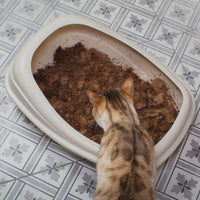
Your cat's relationship with their litter box tells you everything about their comfort and wellbeing. Most cats make 2-4 trips daily for urination and one for defecation, so this little corner of your home gets serious traffic. When you're wondering how often you should change your cat's litter, you're essentially asking how to keep up with one of their most important daily rituals.
Here's the thing about cats: they're incredibly particular about cleanliness. In the wild, they bury their waste to stay hidden from predators, and that fastidious nature doesn't disappear just because they're living the good life on your sofa. When their litter box falls below their standards, they'll let you know—sometimes by avoiding it altogether, which leads to unwelcome surprises around the house, or through stress behaviors like excessive grooming or finding new hiding spots.
Watch your cat at their litter box, and you'll see exactly what I mean. A happy cat approaches confidently, digs with purpose, does their business, covers it thoroughly, and walks away satisfied. A cat dealing with a less-than-ideal situation? They'll perch on the edges like they're navigating a minefield, rush through everything, or give you those unmistakable "fix this immediately" stares.
The beautiful thing is that staying ahead of litter box maintenance doesn't mean becoming a full-time janitor. A few minutes of daily attention actually saves you hours later by preventing stubborn odors and avoiding those complete box overhauls that nobody enjoys. Your cat stays content, your home stays fresh, and you get the satisfaction of supporting their natural instincts.
Daily Spot-Cleaning: A Simple Routine
Daily spot-cleaning forms the backbone of effective litter box maintenance and directly impacts how often you should change your cat's litter completely. This simple five-minute routine involves removing solid waste and clumped urine daily, keeping the remaining litter fresh for much longer. When you stay on top of daily cleaning, you can stretch the time between full litter changes from every few days to once or twice a week, depending on your cat and litter type.
Here's how to make daily spot-cleaning quick and efficient:
Choose your timing wisely - Most cats prefer using a clean box, so scoop in the morning or evening when your feline friend is most active. I find evening works best since it gives my cats a fresh start for overnight visits.
Use a sturdy, slotted scoop - A good-quality scoop with appropriately sized holes makes the job faster and prevents you from accidentally removing clean litter along with waste.
Work systematically - Start from one end of the box and move to the other, gently sifting to let clean litter fall through while capturing clumps and solids in one smooth motion.
Top off as needed - Add a small amount of fresh litter to replace what you've removed, maintaining a consistent depth of about two to three inches.
Dispose thoughtfully - Seal waste in a small bag or use flushable litter according to manufacturer guidelines and your local regulations.
The benefits of this daily routine extend far beyond keeping things tidy. Your cat enjoys a consistently clean bathroom, which dramatically reduces the chance of accidents outside the box. Odors stay manageable because waste doesn't have time to break down and create stronger smells. You'll actually use less litter overall since the majority stays clean and usable for longer periods.
There's another bonus many pet parents don't consider: regular scooping helps you spot health changes early. When you're checking the box daily, you'll quickly notice if your cat's bathroom habits shift, which can be an early indicator that a vet visit might be needed.
This routine is one of the most effective ways to reduce litter box smell naturally while building a sustainable cleaning schedule that works for busy pet parents. Your cat will appreciate the attention to their comfort, and you'll find that maintaining their space becomes second nature within just a few weeks.
Full Litter Changes: When and Why
While daily scooping keeps things manageable, a complete litter change means emptying the entire box, cleaning it thoroughly, and starting fresh with new litter. This deeper clean eliminates lingering odors, bacteria, and residue that builds up over time—making it essential for maintaining a truly fresh home and keeping your cat comfortable.
Several key factors determine how frequently you'll need these full changes:
• Number of cats sharing the box - A single cat typically allows for weekly changes, but two cats using the same box will need fresh litter every 3-4 days. More cats simply mean more waste and faster odor buildup.
• Type of litter you're using - Clumping litters often last longer between full changes since you remove most waste during daily scooping. Non-clumping varieties absorb odors throughout the litter and usually need replacing every few days.
• Size of your litter box - Larger boxes with more litter volume can go longer between changes, while smaller boxes reach their saturation point much faster, especially with finicky cats who demand pristine conditions.
Here's how to tackle a thorough litter change that actually gets the job done:
Empty all used litter into a sturdy garbage bag, scraping away any stuck bits with your scoop
Rinse the empty box with warm water and mild dish soap
Scrub away residue or stains with a pet-safe cleaner
Rinse thoroughly and dry completely before adding fresh litter
Pour in 2-3 inches of new litter, adjusting based on your cat's digging habits
Place the box back in its usual spot and give your cat time to inspect your handiwork
Most single-cat households can stick to weekly full changes, while multi-cat homes often need refreshing every 3-5 days. Trust your nose and your cat's behavior over rigid schedules. Persistent odors after scooping, your cat avoiding the box entirely, or visible saturation throughout the litter all signal it's time for an immediate refresh. Your cat will thank you for staying on top of it.
Choosing the Right Litter for Your Cat
The type of litter you choose has a massive impact on how often you should change your cat's litter. Some materials naturally control odors better and last longer between full changes, while others need more frequent attention to keep your home fresh and your cat happy.
Litter Type
Change Frequency
Odor Control
Key Pros & Cons
Clay (Non-clumping)
Every 3-4 days
Fair
Affordable, absorbs moisture well / Gets soggy quickly, tracking issues
Clumping Clay
Weekly
Good
Easy scooping, long-lasting / Dusty, heavier to carry
Crystal/Silica
2-3 weeks
Excellent
Superior odor absorption, low dust / Higher upfront cost, some cats dislike texture
Natural/Biodegradable
5-7 days
Good
Eco-friendly, flushable options / Can be pricier, may need more frequent changes
When selecting the best cat litter for odor control that fits your lifestyle, think about these practical considerations:
Your cat's texture preferences—trust me, some cats have very strong opinions about crystal versus clay
Household sensitivity to dust or fragrances (especially important with family members who have allergies)
How much time you realistically have for daily scooping and maintenance
Your budget for both the initial purchase and ongoing costs
Environmental priorities and how you prefer to dispose of used litter
Crystal litters have been game-changers for busy pet parents who want excellent odor control with less frequent full changes. Natural options work beautifully for eco-conscious families, though you might find yourself changing them a bit more often. The secret is finding that perfect match between your cat's comfort and your maintenance routine.
Your litter choice sets the foundation for everything else. When you hit that sweet spot between effective odor management and your cat's preferences, you'll naturally extend time between full changes while keeping a fresh space that makes both of you happy.
Hygiene Best Practices for a Happy Cat
Maintaining excellent litter box hygiene goes far beyond just asking, "how often should I change my cat's litter?" While regular changes are key, creating a fresh and welcoming space for your feline involves caring for the entire litter area. Cats have a keen sense of smell and can detect odors and bacteria that might evade our senses, which directly affect their willingness to use the box and their health.
These essential tips will ensure a happy litter box experience for your cat:
Scoop Twice Daily: Aim for a quick scoop in the morning and evening to keep unpleasant odors at bay and stop bacteria in their tracks.
Weekly Deep Clean: Give the litter box a thorough wash every week using warm water and mild, unscented dish soap. Steer clear of harsh chemicals that might discourage your cat from using the box.
Optimal Litter Depth: Keep 2-3 inches of litter in the box. This helps in absorbing moisture and prevents waste from reaching the box bottom.
Daily Area Clean-Up: Wiping down the area around the box each day helps control tracked litter and stops bacteria from setting up camp.
Liner Management: If liners are part of your routine, change them weekly. Many cats, however, prefer the box without them, so feel free to skip if necessary.
Floor Maintenance: Vacuum or sweep the area around the box every few days to handle any stray litter and maintain cleanliness.
Strategic Mat Placement: A quality litter mat outside the box can trap particles, stopping them from becoming a household menace.
Ventilation Matters: Ensure the litter area has good airflow. This fights moisture and keeps germs at bay.
Following these practices alongside your litter change schedule ensures a space your cat will love. It’s more than just avoiding bad smells—you're nurturing their natural instincts and keeping stress-related behaviors to a minimum. A clean and inviting litter setup means a happy, content cat, and who wouldn't want that?
Creating a Litter Box Routine That Works for You
The key to mastering how often you should change your cat's litter lies in finding a rhythm that works for both you and your feline friend. Start by setting realistic expectations for yourself. If you're naturally a morning person, build litter box maintenance into your coffee routine. Night owls might prefer checking the box before settling in for the evening. The important thing is consistency, not perfection.
Consider your household's unique circumstances when establishing your routine. Multi-cat homes will need more frequent attention, while single-cat households can often stretch a bit longer between full changes. If you travel frequently for work, you might invest in the best cat litter for odor control to maintain freshness during longer stretches. Similarly, if you have a particularly picky cat, you'll quickly learn the signs it's time to change cat litter before they start protesting with pointed stares or strategic deposits outside the box.
Your routine will naturally evolve as you learn your cat's preferences. Maybe you'll discover that Thursday is mysteriously always the smelliest day, or that your cat becomes finicky right before weekend guests arrive. These little quirks become part of your shared language as pet parent and cat—those moments when you think, "Ah, Princess Whiskers is giving me that look again."
Don't stress if it takes a few weeks to find your groove. Every experienced cat parent has stories of trial and error, from accidentally buying the wrong litter type to realizing their "low-maintenance" cat actually has very specific opinions about cleanliness. The goal isn't Pinterest-perfect litter box management, but creating a sustainable system that keeps both you and your cat content with a fresh, clean space.
When the temperature drops, many pet parents wonder how to tell if their dog is feeling chilly inside their own homes. Understanding your pup's unique comfort signals and knowing how to create the perfect cozy environment can make all the difference between a shivering companion and a contentedly snuggled furry friend. From recognizing subtle behavioral changes to choosing the right warming solutions for your dog's specific needs, we'll guide you through everything you need to keep your four-legged family member comfortable year-round.
Recognizing the Signs: Is Your Dog Feeling Chilly Indoors?
Dogs are remarkably expressive when they're uncomfortable, and catching those early signs that your pup is feeling chilly can spare them from hours of discomfort. The most obvious tell? Shivering, just like we do when we're cold. You'll see your dog's whole body trembling, particularly if you've got a smaller breed or a pup with a thinner coat.
Pay close attention to how your dog positions themselves around the house. Cold dogs instinctively curl up into tight little balls, tucking their nose under their tail and pulling their legs close to conserve heat. My neighbor's Whippet, Bella, transforms into what we lovingly call "the perfect donut" whenever the temperature dips even slightly indoors.
Your dog's choice of hangout spots tells quite the story too. If your usual floor-loving companion suddenly starts chasing sunny patches by windows, camping out near heating vents, or attempting to burrow under every available blanket, they're clearly on a mission for extra warmth. Some dogs become surprisingly persistent about claiming spots on furniture or snuggling closer to their favorite humans.
Don't overlook the subtler behavioral shifts either. Chilly dogs often move with less enthusiasm or seem genuinely reluctant to abandon their cozy spots. They might dial down their energy during indoor play sessions or show hesitation about walking on cold tile floors, doing that telltale paw-lifting dance we've all witnessed.
Physical signs go well beyond shivering. Cold dogs sometimes develop visible goosebumps along their skin—especially noticeable on shorter-coated breeds. Their ears and paw pads might feel surprisingly cold when you touch them, and you'll notice some dogs adopt a hunched posture to minimize heat loss.
Getting familiar with your dog's personal communication style becomes invaluable here. Some dogs offer soft whines when they're uncomfortable, while others simply fix you with those impossibly expressive eyes that clearly say "a little help here, please." Learning to read your dog's body language means you can respond to their needs before discomfort sets in.
Smaller dogs, senior pups, and thin-coated breeds like Greyhounds or Chihuahuas typically show these signs more readily than their fluffier housemates, making careful observation especially important for these more vulnerable groups.
Understanding Your Dog's Comfort Needs
Just like people, every dog has unique comfort needs that depend on their physical makeup and natural traits. While your Golden Retriever might happily sprawl on cool kitchen tiles, your friend's Italian Greyhound could be shivering in the same room temperature.
Some dogs are naturally more susceptible to feeling cold indoors:
Short-haired breeds like Greyhounds, Whippets, and Boxers lack the dense coat protection that keeps other dogs warm
Small dogs including Chihuahuas, Yorkshire Terriers, and Toy Poodles have less body mass to generate and retain heat
Senior dogs often experience slower metabolisms and reduced circulation, making them feel chilly more easily
Puppies haven't yet developed fully mature temperature regulation systems
Lean, athletic breeds with minimal body fat struggle to maintain warmth compared to their fluffier counterparts
Several key factors influence how comfortable your dog feels inside your home. Coat thickness makes a huge difference—single-coated breeds feel temperature changes much more dramatically than their double-coated cousins. Body size plays a role too, since smaller dogs lose heat faster through their relatively larger surface area.
Age and health status matter more than many pet parents realize. Medical conditions like arthritis or thyroid issues can throw off your dog's natural temperature regulation. Less active dogs also generate less body heat throughout the day, while those who love lounging on tile floors or camping out near drafty windows face their own comfort challenges.
Recognizing these individual factors helps you understand your specific dog's needs. That cozy blanket that works perfectly for one pup might be completely unnecessary for another. When you know your dog's breed traits and personal quirks, you can create an indoor environment that truly keeps them comfortable—whether that means adding extra warmth or simply staying more tuned in to their body language and behavior throughout the day.
Creating a Cozy Environment for Your Pup
Once you've mastered recognizing when your dog feels chilly indoors, it's time to turn your home into their personal comfort zone. The beauty lies in simple tweaks that make a huge difference—no major renovations required.
Here's how to create the perfect cozy retreat for your pup:
Position beds near natural heat sources like radiators, heating vents, or those gorgeous sunny windows your dog already loves. Just keep them a safe distance away to prevent overheating
Layer soft blankets they can actually use—think materials your dog can burrow into, push around, or kick off when they get too toasty
Block those sneaky drafts with door stoppers or window treatments, especially in your dog's favorite lounging spots where cold air loves to creep in
Get them off cold floors with elevated beds or thick mats. Hard surfaces like tile and hardwood are notorious heat thieves, even on mild days
Choose bedding that works as hard as you do—memory foam with plush, insulating covers that naturally hold warmth without feeling stuffy
Design a dedicated comfort zone with something like our cozy calming cage bed in mink boucle, creating a secure retreat where temperature stays just right
Quick Temperature Guide: While most dogs feel great between 68-72°F, smaller breeds, senior pups, and short-coated dogs often prefer things closer to 72°F. When in doubt, watch their behavior—they'll tell you what feels right.
The magic happens when these elements work together, giving your dog options throughout the day. Maybe they want to stretch out on a cool morning, then snuggle deep into blankets by evening. By staying tuned into those subtle signs your dog is cold and responding with thoughtful comfort solutions, you're creating an environment that adapts to their needs naturally, season after season.
The Role of Dog Apparel in Keeping Warm
Dog apparel can be a wonderful solution for keeping your pup comfortable indoors, especially if you have a short-haired breed, senior dog, or small companion who naturally runs cold. I know it might seem odd to think about sweaters and coats as indoor essentials, but they're absolute lifesavers when you're trying to figure out how to keep your dog warm without cranking up the thermostat for the whole house.
When choosing indoor clothing for your dog, focus on these key elements:
Breathable materials like cotton blends or lightweight fleece that provide warmth without turning your pup into a furry furnace
Proper fit that lets them move naturally—you want snug but not restrictive around the chest and shoulders
Easy on, easy off design for quick adjustments when they warm up or need potty breaks
Comfort for extended wear with soft seams that won't irritate sensitive skin during afternoon naps
Machine washable fabrics because let's be honest, convenience matters in our busy lives
You'll find indoor apparel most helpful in situations that probably sound familiar. Those chilly mornings before your heating system catches up, drafty spots near sliding doors, or when your dog's recovering from illness and needs extra TLC. My friend's senior golden retriever practically lives in her soft fleece sweater during evening hours, while another friend's Italian greyhound needs his lightweight shirt year-round in their air-conditioned apartment.
Think of clothing as one tool in your comfort toolkit rather than a complete solution. Watch how your dog responds—some absolutely love being bundled up, while others prefer warming strategies like heated beds or sunny window spots. The key is finding what works for your specific situation. Quality dog apparel gives you options to experiment with different materials and styles until you discover what makes your pup happiest and most comfortable.
Monitoring and Adjusting: Keeping Your Dog Comfortable Year-Round
Learning to recognize when your dog feels cold indoors becomes instinctive once you start paying attention to their seasonal rhythms. Each dog has their own way of signaling discomfort, and tuning into these cues helps you maintain that perfect cozy atmosphere regardless of what Mother Nature throws your way.
Key monitoring strategies to watch for:
Check their body language regularly - Notice if they're hunting for warm spots, curling up tighter than usual, or camping out near radiators and sunny windows
Feel their ears and paw pads - Cool extremities often mean your dog's working overtime to keep their core warm
Observe their sleeping habits - Chilly dogs often relocate to different spots, burrow deeper into blankets, or seem unusually restless at bedtime
Watch for behavioral shifts - Extra clinginess, reluctance to leave warm areas, or sudden demands for cuddles can all signal they're feeling the chill
Monitor their energy levels - Some dogs become less enthusiastic about play or move more deliberately when conserving body heat
Seasonal adjustment strategies:
Layer their sleeping areas - Extra blankets or a plush bed work wonders during colder months, particularly in their favorite lounging spots
Create strategic warm zones - Position resting areas away from drafty windows and doors, keeping in mind how your heating affects different rooms
Adapt routines to weather patterns - When outdoor temperatures make walks uncomfortable, dogs spend more time indoors and may need additional warmth
Make gradual environmental changes - Dogs adjust better to small tweaks rather than dramatic overhauls of their comfort setup
The best pet parents develop a sixth sense for reading these subtle temperature cues, creating homes where their four-legged family members stay perfectly comfortable through every season's ups and downs.
Taking Action: Simple Steps to Ensure Your Dog's Warmth
Now that you know how to spot the signs your dog is cold and understand their comfort needs, it's time to put this knowledge into action. Start by doing a quick daily temperature check of your home, especially during colder months. I like to do mine first thing in the morning when I'm letting my dog out, just running my hand along the floor where she likes to sleep.
Create a simple routine that works for your lifestyle. Maybe it's adjusting the thermostat before bedtime or moving your pup's bed away from drafty windows when the weather turns chilly. Small changes make a huge difference. If you notice your dog seeking out warm spots repeatedly, consider adding a cozy blanket to their favorite lounging area or investing in a quality dog bed with better insulation.
Keep an eye on how your dog responds to these adjustments. Every pup is different, and what works for a Golden Retriever might not suit a Whippet. Some dogs love curling up in sweaters indoors, while others prefer the freedom of a warm, draft-free corner with a soft blanket.
Remember, creating a comfortable environment for your dog is an ongoing process, not a one-time fix. As seasons change and your dog ages, their needs might shift too. When you're bringing home a new puppy, these comfort considerations become even more important as they adjust to their new environment.
The goal is simple: a warm, happy dog who feels secure and comfortable in their home. Trust your instincts as a pet parent, and don't hesitate to make adjustments when you notice your furry friend needs a little extra warmth.
To understand why the 7 second rule matters so much, it helps to know what is actually happening beneath your dog's paws on a warm day. Most of us instinctively judge the temperature by the air around us, but the ground tells a very different story. Surfaces that feel perfectly walkable to us can reach temperatures that cause real damage to paw pads within seconds, and the gap between the two can be startling. Here is why hot ground is a bigger problem than it might look.
What is the 7 second rule for dogs why it is important
The 7 second rule for dogs is a simple test that helps you decide whether pavements, tarmac, or artificial grass are too hot for your dog's paws. Here's how it works: place the back of your hand flat against the surface where you plan to walk. If you can't keep it there comfortably for a full seven seconds, the ground is too hot for your dog.
This quick check has become a go-to for pet parents because it gives you an instant answer without needing thermometers or guesswork. If the surface feels uncomfortably hot against the sensitive skin on the back of your hand, your dog's paw pads will feel it even more intensely. Those paw pads might look tough, but they're actually more delicate than many people realise.
The rule works particularly well for checking pavements, car park surfaces, and artificial grass, which can heat up surprisingly quickly on sunny days. You know those mornings when the air feels lovely and mild, but the pavement is already scorching? That's exactly when this test saves the day.
Now, this isn't a perfect scientific measurement. It's more like a practical safeguard that helps you make smarter decisions in the moment. Some dogs have more sensitive paws than others, and factors like your dog's size and the humidity can affect how they cope with warm surfaces.
Think of the 7 second rule as your first line of defence during summer walks. Just like checking if it's too wet to venture out (much like deciding whether you can walk your dog in the rain), a quick hand test becomes second nature once you start using it regularly.
Why hot ground can be harder on paws than many people realise
One of the biggest surprises for many pet parents is discovering just how much hotter surfaces can be compared to the air temperature around us. While it might feel like a pleasant 25°C day, the pavement beneath your feet could easily be reaching 50°C or more. Hard surfaces absorb and store heat throughout the day, creating conditions that can genuinely damage your dog's paws within seconds.
The surfaces that pose the biggest risks to our dogs include:
Tarmac and asphalt - These dark surfaces are notorious heat absorbers and can become scorching even on moderately warm days
Concrete paving stones - Whether it's pavements, patios, or car parks, concrete retains heat long after the sun starts to fade
Wooden decking - Particularly darker woods that can become almost untouchable by mid-afternoon
Beach sand - Fine sand heats up quickly and can be deceptively hot, especially in direct sunlight
Artificial grass - Modern synthetic surfaces can reach surprisingly high temperatures
Metal surfaces - Manhole covers, drain covers, and metal fixtures become genuine hazards in warm weather
Here's what makes this particularly tricky for our dogs: they can't slip on a pair of trainers like we can. Your pup relies entirely on you to make the right call about ground safety. They trust us to protect their precious paw pads, which are more delicate than they appear and can suffer burns, blisters, dryness, and painful cracking when exposed to excessive heat.
Think of it this way - if the ground is too hot for your bare feet, it's definitely too hot for theirs. Just as we consider temperature extremes in colder weather for our dogs' comfort and safety, hot surfaces deserve the same thoughtful approach to keep our four-legged family members happy and healthy.
Signs your dog’s paws may be too hot, sore, or damaged
When your dog suddenly starts acting differently on a warm walk, they're usually telling you something important about their comfort. Many pet parents assume their dog is being stubborn when they stop mid-walk or refuse to keep going, but these behaviors are actually valuable signals that hot pavement might be affecting their paws.
Recognizing these warning signs helps you respond quickly before minor discomfort turns into serious damage:
Limping or favoring one paw - especially if it starts suddenly during the walk
Stopping abruptly or refusing to move forward on pavement or concrete
Excessive paw licking or chewing during or immediately after walks
Visibly darkened, reddened, or swollen paw pads when you check them
Small blisters, cuts, or rough patches on the paw surface
Reluctance to walk on certain surfaces while seeming fine on grass or dirt
Seeking shade or cooler ground repeatedly during your usual route
High-stepping or "dancing" movements, as if trying to minimize ground contact
Quick tip: Any sudden change in your dog's walking behavior on warm surfaces deserves immediate attention. Move to grass, carry them to shade, or head home straight away.
I've learned that dogs who normally love their walks but suddenly become "difficult" on hot days are often just trying to protect themselves. Understanding what the 7 second rule for dogs teaches us means staying alert to these signals and treating them as important communication rather than defiance. Your dog can't tell you their paws are burning, so these physical cues become their way of asking for help before real harm occurs.
How to use the 7 second rule alongside other common-sense checks
The 7 second rule for dogs works brilliantly as your first check, but pairing it with other practical safety measures gives you the complete picture for protecting your pup's paws on warm days.
Time your walks strategically - Early morning or evening walks avoid the hottest part of the day when pavement reaches peak temperatures. You'll often find a comfortable window even when midday conditions would fail the hand test completely.
Choose cooler walking routes - Grass, tree-lined streets, and woodland paths stay significantly cooler than exposed concrete or asphalt. Your dog will thank you for seeking out those naturally shaded spots.
Bring water for both of you - A portable water bowl becomes essential when temperatures climb. If your dog starts panting more heavily or seems less enthusiastic than usual, frequent drink breaks can make all the difference.
Shorten walks on borderline days - Even if the ground passes the 7 second test, consider cutting your usual 45-minute adventure down to 15-20 minutes when it's particularly warm outside.
Watch for early warning signs - Dogs lifting paws, seeking shade, or lagging behind often show these signals before serious damage occurs. Trust these cues and head home or find a cooler spot.
These common-sense approaches work hand-in-hand with the dog 7 second rule to create a complete safety strategy. Rather than relying on temperature alone, this layered approach helps you make confident decisions about when to venture out, which route to take, and when it's simply better to save the adventure for a cooler day. Your dog's comfort and safety are worth that extra bit of planning.
When to skip the walk and what to do if paws get burned
Sometimes the smartest choice is staying home. When the ground fails the 7 second rule test, indoor enrichment becomes your best friend. Puzzle toys, training sessions, or a good sniff-and-find game can tire out even the most energetic dog without risking burnt paw pads.
If you have a garden, early morning or late evening might offer cooler grass for a quick outdoor break. Just remember to test any surface your dog will walk on—decking and patio stones can be surprisingly brutal heat traps, even when they look innocent.
Despite your best efforts, if you suspect your dog's paws have been burned, act quickly but stay calm. Get to shade immediately and gently rinse those paws with lukewarm water. Skip the ice or freezing water, which actually makes burns worse. Pat dry with a soft towel and discourage any frantic licking.
Call your vet if you spot blistering, ongoing limping, or if your dog seems genuinely distressed. Most minor paw irritation heals beautifully with proper care, but when in doubt, professional guidance beats guesswork every time.
The beauty of understanding what the 7 second rule for dogs really means lies in its simplicity. This quick palm test gives you the confidence to make smart decisions that keep summer adventures joyful rather than painful. Your dog counts on you to make these judgment calls, and this straightforward rule makes protecting those precious paws so much easier.
At Lords & Labradors, we specialise in dog crate bedding and accessories. Our dog crate cover and bed sets are available in a stylish choice of fabrics and come in a variety of sizes. These sets create the ultimate comfort spot for your puppy or adult dog. Luxury dog crates...
Read more
At Lords & Labradors, we specialise in dog crate bedding and accessories. Our dog crate cover and bed sets are available in a stylish choice of fabrics and come in a variety of sizes. These sets create the ultimate comfort spot for your puppy or adult dog.
Luxury dog crates
All our deluxe dog crates are made from pet-safe metal and feature removable trays to make them practical and super easy to clean. With sizes ranging from small to XXL, there’s a dog crate set to suit all breeds. Crates are essential when it comes to house training your new puppy. We always suggest buying a larger size dog crate and bed for your puppy so they can grow into it, saving you from having to purchase a new crate when they’re older.
Luxury crate bedding
Our luxury bedding is hand-crafted and designed to the highest quality, appearing both practical and stylish. Bumpers sit around the edge of the crate cushion to provide a super-soft wall of comfort for your pooch. All our bumpers and cushions feature waterproof linings in case of any accidents. It’s recommended to choose a dog crate with a cover – they’ll provide your draughty, bare cage with a fresh new look and offer some privacy for your dog too. They’re particularly great for helping young puppies settle into their night-time routines and offer nervous dogs an extra feeling of security.
Purchase your dog crate set online today
Treat your four-legged friend to one of our stylish dog crate, cover, bedding and bumper sets by browsing our online range today. If you’re struggling to decide which one would be perfect for your pooch, contact our team today who will be more than happy to help. You’ll have 28 days to return your product if you’re unhappy with it for any reason. Our Lords & Labradors items also come with a 365-day quality guarantee, so it’s easy to see why we’ve received so many positive reviews. We also offer free delivery on all orders over £75. Browse the range and order your dog crate set today.
Read less
Top
Choosing a selection results in a full page refresh.