




























Cocker Spaniel Ultimate Guide
06.02.24 February 06, 2024 Dog Breed Guide

Cocker Spaniel Ultimate Guide

Cocker Spaniels are renowned for their charming personalities, distinctive traits, and undeniable cuteness. Whether you're a first-time owner or a seasoned enthusiast, this ultimate guide provides comprehensive information on Cocker Spaniels, covering everything from their unique traits to health considerations and the best ways to care for these delightful companions. Cocker Spaniel Facts and Information Cocker Spaniels, known for their medium-sized build and silky, feathered coats, are the smallest member of the sporting group of dogs. Originating from England, they were initially bred for hunting woodcocks, hence the name "Cocker Spaniel." These dogs are not only aesthetically pleasing but also make wonderful family pets due to their friendly and gentle nature. Cocker Spaniel Personality and Traits Personality Cocker Spaniels are affectionate, intelligent, and sociable dogs. They thrive on human companionship and are known for their eagerness to please. This makes them excellent family pets that get along well with children and other animals. Traits Energetic: Cocker Spaniels have a moderate to high energy level, making them suitable for active families. Intelligent: These dogs are quick learners, making them responsive to training and various commands. Affectionate: Cocker Spaniels form strong bonds with their owners and enjoy being involved in family activities. Understanding Cocker Spaniels: Working vs. Show Varieties Cocker Spaniels come in two distinct varieties: working and show. While both share the same ancestry and many common traits, there are notable differences between the two. Working Cocker Spaniels Purpose: Working Cockers are bred for their hunting abilities and fieldwork prowess. Appearance: They tend to have a leaner build and a more functional coat, often with less feathering to prevent snagging in the field. Temperament: Working Cockers are highly energetic, intelligent, and thrive on activity and mental stimulation. Training: They excel in obedience and agility training, as well as activities like retrieving and scent work. Show Cocker Spaniels Appearance: Show Cockers have been bred for conformation to the breed standard, emphasising aesthetic qualities such as coat colour, size, and shape. Temperament: They typically have a calmer demeanour compared to their working counterparts, making them well-suited for family companionship. Grooming: Show Cockers often have longer, more abundant coats with extensive feathering, requiring regular grooming and maintenance. Activity Level: While they still enjoy exercise and play, they may have slightly lower energy levels compared to working Cockers. Considerations It's essential to understand the differences between working and show Cockers when choosing a companion. Working Cockers thrive in active, outdoor environments and require ample mental and physical stimulation, while show Cockers may be better suited for a more relaxed lifestyle and regular grooming sessions. Regardless of their variety, both types of Cocker Spaniels make wonderful companions, each bringing their own unique qualities to enrich the lives of their owners. Cocker Spaniel Health Issues While Cocker Spaniels are generally healthy dogs, they can be prone to certain health issues. Regular veterinary check-ups are crucial to ensuring their well-being. Common health concerns include: Ear Infections: Due to their floppy ears, Cocker Spaniels may be prone to ear infections. Regular cleaning is essential. Eye Problems: Some Cocker Spaniels may develop eye issues, such as cataracts or progressive retinal atrophy. Obesity: Proper diet and regular exercise are vital to prevent obesity, which can lead to various health problems. Raising a Cocker Spaniel Cocker Spaniel Training Training is an integral part of raising a well-behaved Cocker Spaniel. Here are key aspects to consider: Obedience Training: Start early with basic commands like sit, stay, and come. House Training: Establish a consistent routine for bathroom breaks and reward good behaviour. Puppy Training Tips: Socialise your Cocker Spaniel early to ensure they are comfortable around people and other animals. One of the most valuable things you can teach your Cocker Spaniel is how to settle, they have a high energy level so a lot of them struggle to switch off. Teaching them how to chill on their bed after a walk or when you have people round will be so valuable to you as a Cocker Spaniel owner. Exercise Needs How Much Exercise Does a Cocker Spaniel Need? Cocker Spaniels thrive on physical activity. Aim for at least 30 to 60 minutes of exercise per day. This can include walks, playtime, and mentally stimulating activities to keep them engaged. Best Walking Accessories for a Cocker Spaniel Investing in quality walking accessories such as a comfortable harness and collar as well as a sturdy lead. We love our Herdwick collars and leads, the tones of them compliment Spaniels coats perfectly and we just love the wooly texture against their coats. Dietary Needs Cocker Spaniel Dietary Needs A well-balanced diet is essential for the health of your Cocker Spaniel. Choose high-quality dog food with appropriate protein levels and essential nutrients. Regularly monitor their weight and adjust their diet accordingly. Best Food for a Cocker Spaniel Puppy For growing puppies, opt for a puppy-specific formula that supports their development. For Cocker Spaniel puppies we love either PRO PLAN Small/Mini Puppy Healthy Start with Chicken Dry Food or Harringtons Puppy Dry Dog Food with Turkey & Rice. Both are packed with goodness to support your Cocker Spaniel pups growth and development. Best Food for a Cocker Spaniel For adult Cocker Spaniels we love food from Orijen, Acana and Carnilove, they all are made with high quality protein and are packed full of nutrients! Cocker Spaniel Bed Providing a comfortable bed is essential for your Cocker Spaniel's well-being. Consider the following factors when choosing a bed: Size: Select a bed that accommodates your Cocker Spaniel's size, allowing them to stretch out comfortably. Support: Look for a bed with ample cushioning to support their joints, especially if they are older or have mobility issues. Here at Lords & Labradors beds are our speciality, from cosy high walls to spacious box beds or luxury crate sets we’re sure to have the perfect bed for your Cocker Spaniel. Investing in a quality bed ensures your Cocker Spaniel has a cosy retreat where they can rest and recharge. Best Toys for Cocker Spaniels Toys play a vital role in keeping your Cocker Spaniel mentally stimulated and physically active. Here are some recommendations for the best toys: Interactive Toys: Toys that dispense treats or require problem-solving skills engage your Cocker Spaniel's mind and prevent boredom. 15 minutes of snuffling is equivalent to an hour of physical exercise so using an interactive toy like a snuffle mat is a great way to help calm your Cocker Spaniel down and focus their attention. Chew Toys: Durable chew toys help satisfy your Cocker Spaniel's natural urge to chew while promoting dental health. We love the Gnosher chew toys, they’re scented so are super appealing to your pup. Plush Toys: Soft, plush toys provide comfort and companionship for your Cocker Spaniel, especially during quiet moments. We love KONG Shakers Honkers Duck, it doubles up as a cuddly toy and a tugging and shaking toy! Fetching Toys: Cocker Spaniels love a game of fetch with their natural hunting instincts. We particularly love the Nerf toys for playing fetch with. The Trackshot Launcher Duck will take your games of fetch to a whole new level, it’s an elasticated slingshot toy and can launch up to 75 feet. The Air Strike thrower is great for dogs who just love to chase after a tennis ball, it elevates the classic game of fetch into a long-distance chasing exercise - perfect for their hunting instincts. Rotate toys regularly to maintain your Cocker Spaniel's interest and prevent toy fatigue. Supervise playtime to ensure safety and replace worn or damaged toys promptly. Incorporating a variety of toys into your Cocker Spaniel's routine enhances their overall well-being and strengthens the bond between you and your furry friend.In conclusion, understanding the unique characteristics of Cocker Spaniels is the key to fostering a happy and healthy relationship with these delightful companions. From their lively personalities to their specific care needs, this ultimate guide equips you with the knowledge to provide the best possible life for your Cocker Spaniel. Whether you're a novice or a seasoned owner, the joy and love a Cocker Spaniel brings to your life make the journey truly rewarding. To shop essentials for your Cocker Spaniel click here.

By Megan Willis

Read more

Cocker Spaniels are renowned for their charming personalities, distinctive traits, and undeniable cuteness. Whether you're a first-time owner or a seasoned enthusiast, this ultimate guide provides comprehensive information on Cocker Spaniels, covering everything from their unique traits to health considerations and the best ways to care for these delightful companions.

Cocker Spaniel Facts and Information

Cocker Spaniels, known for their medium-sized build and silky, feathered coats, are the smallest member of the sporting group of dogs. Originating from England, they were initially bred for hunting woodcocks, hence the name "Cocker Spaniel." These dogs are not only aesthetically pleasing but also make wonderful family pets due to their friendly and gentle nature.

Cocker Spaniel Personality and Traits

Golden cocker spaniel in the grass

Personality

Cocker Spaniels are affectionate, intelligent, and sociable dogs. They thrive on human companionship and are known for their eagerness to please. This makes them excellent family pets that get along well with children and other animals.

Traits

  1. Energetic: Cocker Spaniels have a moderate to high energy level, making them suitable for active families.
  2. Intelligent: These dogs are quick learners, making them responsive to training and various commands.
  3. Affectionate: Cocker Spaniels form strong bonds with their owners and enjoy being involved in family activities.

Understanding Cocker Spaniels: Working vs. Show Varieties

Black and brown cocker spaniel stood up on their back legs

Cocker Spaniels come in two distinct varieties: working and show. While both share the same ancestry and many common traits, there are notable differences between the two.

Working Cocker Spaniels

  1. Purpose: Working Cockers are bred for their hunting abilities and fieldwork prowess.
  2. Appearance: They tend to have a leaner build and a more functional coat, often with less feathering to prevent snagging in the field.
  3. Temperament: Working Cockers are highly energetic, intelligent, and thrive on activity and mental stimulation.
  4. Training: They excel in obedience and agility training, as well as activities like retrieving and scent work.

Show Cocker Spaniels

  1. Appearance: Show Cockers have been bred for conformation to the breed standard, emphasising aesthetic qualities such as coat colour, size, and shape.
  2. Temperament: They typically have a calmer demeanour compared to their working counterparts, making them well-suited for family companionship.
  3. Grooming: Show Cockers often have longer, more abundant coats with extensive feathering, requiring regular grooming and maintenance.
  4. Activity Level: While they still enjoy exercise and play, they may have slightly lower energy levels compared to working Cockers.

Considerations

It's essential to understand the differences between working and show Cockers when choosing a companion. Working Cockers thrive in active, outdoor environments and require ample mental and physical stimulation, while show Cockers may be better suited for a more relaxed lifestyle and regular grooming sessions.

Regardless of their variety, both types of Cocker Spaniels make wonderful companions, each bringing their own unique qualities to enrich the lives of their owners.

Cocker Spaniel Health Issues

While Cocker Spaniels are generally healthy dogs, they can be prone to certain health issues. Regular veterinary check-ups are crucial to ensuring their well-being.

Common health concerns include:

  1. Ear Infections: Due to their floppy ears, Cocker Spaniels may be prone to ear infections. Regular cleaning is essential.
  2. Eye Problems: Some Cocker Spaniels may develop eye issues, such as cataracts or progressive retinal atrophy.
  3. Obesity: Proper diet and regular exercise are vital to prevent obesity, which can lead to various health problems.

Raising a Cocker Spaniel

Cocker Spaniel laid on a blanket

Cocker Spaniel Training

Training is an integral part of raising a well-behaved Cocker Spaniel. Here are key aspects to consider:

  1. Obedience Training: Start early with basic commands like sit, stay, and come.
  2. House Training: Establish a consistent routine for bathroom breaks and reward good behaviour.
  3. Puppy Training Tips: Socialise your Cocker Spaniel early to ensure they are comfortable around people and other animals.

One of the most valuable things you can teach your Cocker Spaniel is how to settle, they have a high energy level so a lot of them struggle to switch off. Teaching them how to chill on their bed after a walk or when you have people round will be so valuable to you as a Cocker Spaniel owner.

Exercise Needs

How Much Exercise Does a Cocker Spaniel Need?

Cocker Spaniels thrive on physical activity. Aim for at least 30 to 60 minutes of exercise per day. This can include walks, playtime, and mentally stimulating activities to keep them engaged.

Best Walking Accessories for a Cocker Spaniel

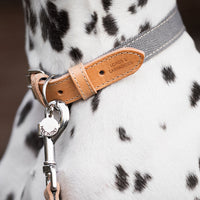
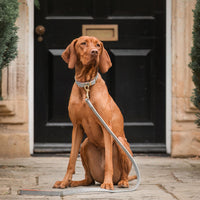
Investing in quality walking accessories such as a comfortable harness and collar as well as a sturdy lead. We love our Herdwick collars and leads, the tones of them compliment Spaniels coats perfectly and we just love the wooly texture against their coats.

Cocker Spaniel holding a lead

Dietary Needs

Cocker Spaniel Dietary Needs

A well-balanced diet is essential for the health of your Cocker Spaniel. Choose high-quality dog food with appropriate protein levels and essential nutrients. Regularly monitor their weight and adjust their diet accordingly.

Best Food for a Cocker Spaniel Puppy

For growing puppies, opt for a puppy-specific formula that supports their development. For Cocker Spaniel puppies we love either PRO PLAN Small/Mini Puppy Healthy Start with Chicken Dry Food or Harringtons Puppy Dry Dog Food with Turkey & Rice. Both are packed with goodness to support your Cocker Spaniel pups growth and development.

Best Food for a Cocker Spaniel

For adult Cocker Spaniels we love food from Orijen, Acana and Carnilove, they all are made with high quality protein and are packed full of nutrients!

Cocker Spaniel Bed

Providing a comfortable bed is essential for your Cocker Spaniel's well-being. Consider the following factors when choosing a bed:

  • Size: Select a bed that accommodates your Cocker Spaniel's size, allowing them to stretch out comfortably.
  • Support: Look for a bed with ample cushioning to support their joints, especially if they are older or have mobility issues.

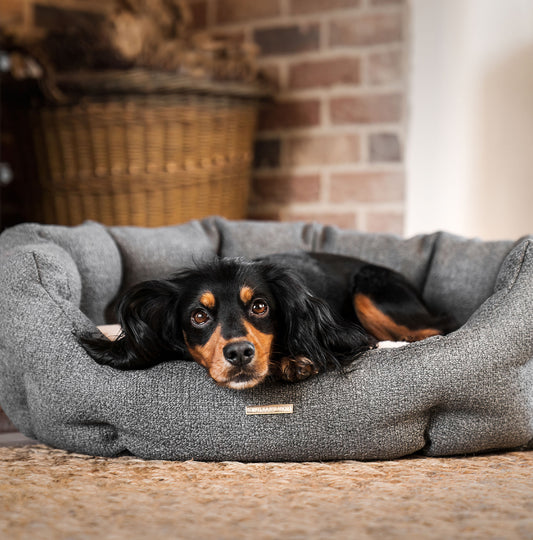
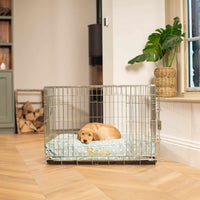
Cocker Spaniel in a grey bed

Here at Lords & Labradors beds are our speciality, from cosy high walls to spacious box beds or luxury crate sets we’re sure to have the perfect bed for your Cocker Spaniel. Investing in a quality bed ensures your Cocker Spaniel has a cosy retreat where they can rest and recharge.

Best Toys for Cocker Spaniels

Toys play a vital role in keeping your Cocker Spaniel mentally stimulated and physically active. Here are some recommendations for the best toys:

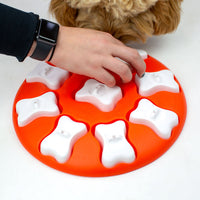
  • Interactive Toys: Toys that dispense treats or require problem-solving skills engage your Cocker Spaniel's mind and prevent boredom. 15 minutes of snuffling is equivalent to an hour of physical exercise so using an interactive toy like a snuffle mat is a great way to help calm your Cocker Spaniel down and focus their attention.
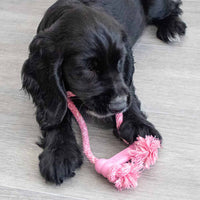
  • Chew Toys: Durable chew toys help satisfy your Cocker Spaniel's natural urge to chew while promoting dental health. We love the Gnosher chew toys, they’re scented so are super appealing to your pup.
  • Plush Toys: Soft, plush toys provide comfort and companionship for your Cocker Spaniel, especially during quiet moments. We love KONG Shakers Honkers Duck, it doubles up as a cuddly toy and a tugging and shaking toy!
  • Fetching Toys: Cocker Spaniels love a game of fetch with their natural hunting instincts. We particularly love the Nerf toys for playing fetch with. The Trackshot Launcher Duck will take your games of fetch to a whole new level, it’s an elasticated slingshot toy and can launch up to 75 feet. The Air Strike thrower is great for dogs who just love to chase after a tennis ball, it elevates the classic game of fetch into a long-distance chasing exercise - perfect for their hunting instincts.

Black cocker spaniel with a green toy

Rotate toys regularly to maintain your Cocker Spaniel's interest and prevent toy fatigue. Supervise playtime to ensure safety and replace worn or damaged toys promptly.

Incorporating a variety of toys into your Cocker Spaniel's routine enhances their overall well-being and strengthens the bond between you and your furry friend.
In conclusion, understanding the unique characteristics of Cocker Spaniels is the key to fostering a happy and healthy relationship with these delightful companions.

From their lively personalities to their specific care needs, this ultimate guide equips you with the knowledge to provide the best possible life for your Cocker Spaniel. Whether you're a novice or a seasoned owner, the joy and love a Cocker Spaniel brings to your life make the journey truly rewarding. To shop essentials for your Cocker Spaniel click here.

Related Products

Related Collections

Cocker Spaniel Beds, Collars, and Accessories

At Lords & Labradors we have all the things you'll need for... 

Dog Essentials

  Discover a wonderful collection of luxury dog products at Lords &... 

Next Article
Coton De Tulear Ultimate Guide

Related Articles

  • How to Choose the Right Size Dog Bed for Your Breed
    10.08.26 August 10, 2026 Dog Breed Guide

    How to Choose the Right Size Dog Bed for Your Breed

    Picking the right dog bed sounds simple until you bring one home and watch your dog sniff it twice before retreating to the sofa. This dog bed size guide walks you through everything that actually matters: how to measure your dog properly, how their sleeping style shapes the decision, and how to factor in breed, age, and the everyday realities of life with a dog. Get those things right, and choosing a bed your dog will genuinely love becomes a lot less complicated. How to Measure Your Dog for the Right Bed Size Getting the right size bed makes a bigger difference than most people expect. Too small and your dog wakes up stiff, hanging off the edge or curling into a tighter ball than they naturally would. Too large and some dogs — particularly those who love feeling cocooned — simply won’t settle. Size genuinely shapes whether your dog uses the bed at all. The most reliable way to get your dog bed measurements right is to catch your dog mid-nap, when they’re fully relaxed and stretched out. You know the pose: that dramatic full-body flop on a warm afternoon. Measure from the tip of the nose to the base of the tail (not including the tail itself), then add around 20 to 30cm. That extra buffer gives them room to shift position, stretch out, and properly relax without a paw or snout dangling over the edge. It sounds simple, but it’s surprisingly easy to get wrong. Plenty of pet parents go by general breed size, order a “large,” and later find their long-bodied Labrador is still a little cramped. Two minutes with a tape measure while your dog naps takes all the guesswork out of it. Worth thinking about: if your dog shares a bed with another pet, or has a habit of sprawling in every possible direction, factor that in too. A little extra length and width goes a long way when there are multiple animals vying for space. Once you have your measurements, matching them against a dog bed size chart makes finding the right fit genuinely straightforward. And if you want to go deeper than dimensions — fill type, fabric, bed style — our guide on how to pick a dog bed covers all of it, so you can choose something your dog will actually want to sleep in every night. What Kind of Sleeper Is Your Dog? Most dog owners go straight to breed or weight when working out what size bed to buy. It’s a reasonable starting point, but sleeping style matters just as much. A good dog bed size guide accounts for how your dog actually sleeps, not just how big they are — and paying attention to this one thing can make the difference between a bed that gets used and one that gets ignored. The Curler: This dog tucks nose to tail and sleeps in a tight, tidy circle. They tend to feel most secure in a snug, contained space, so they often don’t need as much surface area as you’d expect. A bolster or donut-style bed suits them perfectly, giving them the cosy edges they naturally gravitate toward. The Sprawler: This is the dog you find taking up three-quarters of the sofa. They sleep flat out, legs in every direction, and need genuinely generous space. A large flat mat or oversized cushion bed gives them room to stretch without hanging off the edge. The Leaner or Burrower: This dog sleeps pressed against something — a cushion, the sofa arm, or you. They need a bed with a raised side they can actually push into. A structured bolster bed gives them that sense of support they find comforting. Pro tip: Watch your dog sleep for a few nights before you buy anything. Their natural position tells you far more than their breed profile alone. Sleeping style shapes everything from the footprint you need to the style of bed that will actually get used. If your dog curls up or loves to lean, it’s worth taking a look at our square bolster dog beds once you’ve had a chance to observe their habits. Breed Size Is a Starting Point, Not the Whole Answer Breed size categories are a helpful starting point, but they only tell part of the story. Two dogs of the same breed can have very different builds, sleeping habits, and life stages — and all of that shapes what size bed actually works for them. Beyond the breed label, here are the individual factors worth considering: Body shape: Long and narrow versus short and stocky can change everything about the fit Age and life stage: Older dogs often need more support and space to settle comfortably Growth stage: Puppies will outgrow a too-small bed faster than you’d expect Sleeping style: Curlers need less length; stretchers need room to fully spread out Personal space preferences: Some dogs like to sprawl dramatically; others tuck themselves into a tight little ball Sighthounds are a great example of why weight categories can mislead. A whippet or greyhound sits in the medium bracket, but that long, lean body needs serious length to be comfortable. Flip that around to a Jack Russell or Scottish Terrier — small by weight, but surprisingly wide and solid. They often need more width than their size category suggests. Figuring out what size dog bed your dog actually needs means looking at their shape, not just their breed. For puppies, always size up. They grow fast, and a bed that fits today can feel cramped within a few months. The Grow With Me Puppy Bed by Lords & Labradors is designed to expand as your puppy grows, so you’re not cycling through beds every season. Choosing the Bed Shape and Style That Fits Your Dog Once you’ve nailed your dog’s measurements and sleeping style, bed shape is the next thing to think about. The same dimensions can feel completely different depending on the style you choose, and the right fit really comes down to how your dog sleeps, how mobile they are, and where the bed is actually going to live. Here’s a quick breakdown of the most common styles and what they suit best: Bolster or sofa beds: Great for dogs who love to rest their chin on a raised edge or like to feel gently hugged on one side. Donut or nest beds: Perfect for curlers who want to tuck in tight and feel wrapped in softness. Flat mattress beds: The go-to for sprawlers who need open, uninterrupted space to fully stretch out. Raised or elevated beds: Ideal for dogs who run warm or tend to overheat, and brilliantly easy to keep clean. Crate beds: Cut to slot neatly inside a crate without bunching, so everything stays comfortable and tidy. Dogs who curl up tend to settle best in raised-sided styles, while sprawlers need open, flat surfaces with room to stretch without hitting a bolster. It’s also worth thinking practically about where the bed will actually sit day to day. A crate bed needs different proportions to one tucked into a living room corner. And if your dog has stiff joints or finds it hard to step over high sides, look for crate beds designed to fit standard crate sizes or styles with a low entry point. Once you’ve landed on a shape that suits your dog, matching it to the right bed size becomes much more straightforward. Don’t Forget the Real-Life Practicalities: Washability, Room, and Age Getting the measurements right is only part of the puzzle. A bed that looks perfect on paper can quickly become a headache if it doesn’t suit your home, your schedule, or your dog’s stage of life. So before you buy, it’s worth running through a few practical questions. Here’s what to consider: Will it actually fit the space? Measure the spot where the bed will live before you order — whether that’s a corner of the living room, inside a crate, or beside your bed. A bed that’s too large for the space, or won’t slot into a crate, creates daily frustration fast. How easy is it to wash? Dog beds get grubby quickly, especially after muddy walks or moulting season. Look for removable, machine-washable covers — they make a real difference to how often you’ll actually get round to cleaning it. Is your dog a chewer? Puppies are particularly enthusiastic about testing new things with their teeth. Go for something durable with a simple design, and avoid beds with loose embellishments or excess stuffing they could pull out and swallow. Does your dog need extra support? Older dogs and larger breeds often do better with structured, high-sided designs that cushion joints and create a sense of security. A supportive box bed with plush sides is worth considering if your dog is a senior or on the bigger side. Are you buying for now or for later? Puppies grow fast. If you’re shopping for a young dog, factor in the size they’re heading towards, not just the size they are today. A bed that fits your dog, your home, and your daily routine is one they’ll actually want to use. That’s really the whole point. How to Pick the Best Size Bed With Confidence Once you’ve gathered all the pieces, putting them together is actually pretty straightforward. Start with your measurements. Take your dog’s nose-to-tail length and add around 20 to 30 centimetres — that’s your minimum bed length. Then factor in how they sleep. A dog who curls into a tight ball can manage on something snugger, but a sprawler who flings their legs out sideways needs every centimetre of that extra space. Next, layer in breed and life stage. A puppy who’s still growing, or a senior dog who needs a little more joint support, both benefit from having room to breathe. It’s always easier to grow into a bed than to feel squeezed in one. Then think practically. Will it fit in the corner you have in mind? Can you get it in the washing machine? Does the shape suit your dog — a bolster for the lean-against types, a flat mat for the full-stretch crowd? Run through those steps and the right size usually becomes obvious. But if you’re sitting between two options, go bigger. A dog who loves to sprawl will use every inch of a larger bed. A curler who ends up with more space than they strictly need will simply find their favourite corner and settle in anyway. That’s really what a good dog bed size guide comes down to: measure carefully, know your dog, and when in doubt, give them the room to stretch out. Because your dog deserves a bed they genuinely love, not one they just put up with. Frequently Asked Questions How do I know what size dog bed to get? Measure your dog while they’re relaxed and stretched out, from the tip of the nose to the base of the tail, then add about 20 to 30cm. That gives enough room to move comfortably. Also factor in sleeping style, age, body shape, and whether they like to curl up or sprawl. Should a dog bed be the same size as the crate? A crate bed should be sized to fit the crate neatly rather than bunching up or leaving an awkward gap. It also needs to suit your dog’s shape and sleeping style, so always check both the crate dimensions and your dog’s measurements before choosing one.

    By Adele Busby

    Read more
  • Best Dog Breeds for First Time Owners
    13.07.26 July 13, 2026 Dog Breed Guide

    Best Dog Breeds for First Time Owners

    Picking the best dog breeds for first-time owners is genuinely one of the most important decisions you’ll make as a new dog parent, and getting it right sets you both up for a much happier start. The right match comes down to more than just looks or popularity — it’s about finding a breed whose temperament, energy levels, and care needs actually fit around your home and your life. This guide covers everything from easygoing family favourites and low-maintenance options to small breeds built for flatter living and livelier picks for active households. Best dog breeds for first-time owners: how to choose the right fit Bringing home your first dog is one of the most exciting things you’ll ever do — but choosing the right breed makes all the difference between settling in with confidence and feeling completely out of your depth. The best dog breeds for first-time owners tend to share a handful of qualities: a temperament that forgives the inevitable rookie mistakes, a willingness to learn, and exercise and grooming needs that actually fit around your life. Before you fall for a breed based on looks alone, it’s worth being honest with yourself. Do you work long hours? Live in a flat? Have young children or a schedule that’s rarely the same twice? A high-energy working breed in a small home with a busy owner is hard going for everyone involved. Government guidance on dog adoption puts it simply: if you want a calm, stable dog, look for an easygoing animal; if you want an outgoing dog, look for an adventurous animal. That straightforward advice applies whether you’re adopting or buying from a breeder. Not sure which route is right for you? Our guide on whether to get a dog from a breeder or a rescue walks you through both options. The sections below round up the easiest dog breeds for first-time owners by lifestyle — from calm, family-friendly favourites to lower-maintenance choices and breeds that suit more active households. Think of it as a starting point rather than a rulebook. Breed traits paint a picture, but every dog is its own personality too. Easygoing family dogs that are a joy to train If you want a dog that slips happily into family life and enjoys learning, start with breeds that are sociable and eager to please. You might sometimes hear these described as “biddable”, which simply means they tend to listen well and want to work with you. For first-time owners, that can make everyday training feel far less overwhelming. Labrador Retriever: Outgoing, gentle, and full of enthusiasm, Labs are one of the best dog breeds for first-time owners for a reason. They usually pick up commands quickly, love being part of the action, and are often wonderfully patient with children. Life with a Lab tends to mean a shadow at your feet, a happy walking buddy, and a dog who wants to join in with everything. If you’re planning for a puppy, have a look at everything you need for your Labrador Retriever puppy. Golden Retriever: Friendly, affectionate, and steady-natured, Goldens are lovely family-friendly dog breeds for beginners. They respond beautifully to positive reinforcement and usually thrive when they have a clear routine and plenty of company. Cavalier King Charles Spaniel: Sweet, adaptable, and easy to live with, Cavaliers fit into lots of different homes. They’re just as happy curling up beside you as they are joining you for a stroll, which makes daily life feel relaxed and manageable. Bichon Frise: Cheerful and sociable, Bichons bring plenty of personality in a smaller package. They’re often a great match if you want one of the easiest dog breeds for first-time owners with a playful but gentle nature. What these breeds have in common is simple: they like being with their people, and that makes training, routines, and family life feel much easier. Low-maintenance breeds for busy households If you’re weighing up the best dog breeds for first-time owners and hoping “low-maintenance” isn’t just a myth, here’s the honest truth: it’s complicated. These breeds genuinely are easier to manage day to day — no hours at the grooming table, no two-hour runs before breakfast — but they still need your time, your consistency, and real attention to thrive. Breed Grooming Needs Exercise Requirements Best For French Bulldog Minimal, weekly wipe-down 30–45 mins daily Flat or small home living Boston Terrier Low, occasional brush 30–45 mins daily Active city dwellers Greyhound Very low, short smooth coat 30–60 mins daily Quieter homes, first-time owners What makes these breeds so approachable for beginners: Short coats that need little more than a quick brush and the occasional bath Calm, settled behaviour indoors — even in smaller spaces Adaptable temperaments that fit around a range of household routines Lower grooming costs than longer-coated or double-coated breeds That said, no dog just slots in without effort. Even the most laid-back Greyhound needs a proper routine and enough mental stimulation to stay happy. It’s easy to underestimate this part — lots of first-time owners focus on grooming and forget that a bored dog is rarely a well-behaved one. Getting to grips with your dog’s regular exercise needs is just as important as knowing how often to pick up a brush, so go in with clear expectations from the start. Small dog breeds that suit flats and first homes Living in a flat or smaller home doesn’t mean dog ownership is off the table. Some of the best dog breeds for first-time owners are compact, adaptable, and genuinely content in cosier spaces — you just need to pick a breed that suits your lifestyle from the start. Breed Energy Level Grooming Needs Barking Tendency Miniature Schnauzer Moderate High (regular trimming needed) Moderate to high Cocker Spaniel Moderate to high High (frequent brushing and clipping) Low to moderate Shih Tzu Low to moderate High (daily brushing recommended) Low A few practical things worth thinking through before you decide: Noise levels matter in shared buildings. A vocal breed can create friction with neighbours fast, so look closely at barking tendencies before you commit. Small doesn’t mean low-energy. Even compact breeds need regular walks. A Cocker Spaniel will want noticeably more outdoor time than a Shih Tzu. Grooming costs add up quickly. All three breeds above need consistent coat care, whether that’s brushing at home or a trip to the groomer every six to eight weeks. Mental stimulation counts indoors too. Puzzle feeders and enrichment toys can make a real difference for apartment dogs between walks. Getting the breed right is only part of the picture. Our guide to bringing a new puppy home covers those first days with practical, reassuring advice, so both of you can settle in with confidence. Breeds for active owners who still want a beginner-friendly dog If you love getting outside and want a dog that matches your energy, some of the best dog breeds for first-time owners are actually the livelier ones. Breeds like the Staffordshire Bull Terrier, Whippet, and Poodle are all highly trainable, people-focused, and genuinely rewarding to live with — as long as you can meet their daily needs. Breed Exercise Needs Beginner-Friendliness Staffordshire Bull Terrier 1–2 hours daily High. Eager to please, loves routine Whippet 1 hour daily High. Calm indoors, easy to manage Poodle 1–2 hours daily Very high. Exceptionally quick to learn With higher-energy breeds, enrichment matters just as much as the walk itself. A few things that make a real difference: Vary your outings. One longer walk plus a shorter, sniff-led amble gives their brain a proper workout, not just their legs. Keep things interesting at home. Rotating toys and mixing in puzzle or interactive options — like those in the Lords and Labradors puppy toy collection — helps prevent boredom between walks. Train little and often. Five minutes of positive, reward-based training a day builds a dog who is genuinely lovely to live with. Make play count. It is one of the fastest ways to build trust and strengthen your bond. Get the routine right and these breeds become some of the most rewarding companions a first-time owner can choose. They want to work with you — and that makes everything easier. Which breed is best for you? A quick first-time owner shortlist Choosing the right breed really does come down to one question: what does your daily life actually look like? Once you’re honest about that, the shortlist almost writes itself. If you want a calm, easygoing companion who’s happy to follow your lead, a Cavalier King Charles Spaniel or a Bichon Frise is hard to beat. Both are gentle, adaptable, and genuinely lovely to train — ideal first dogs for quieter households. For busier homes where time is stretched, a Greyhound or a Shih Tzu asks surprisingly little of you day to day. Loyal, quiet, and perfectly content with shorter bursts of activity, they fit around real life rather than demanding you reorganise it. If you have kids and want a dog who genuinely thrives in the thick of family life, a Golden Retriever or a Labrador brings the kind of patience and warmth that makes the whole thing feel easy. And if weekends mean long walks and muddy boots, a Border Terrier or a Cocker Spaniel will keep up with you happily, without the steep learning curve some more demanding breeds bring. Whichever direction you’re leaning, getting the basics sorted early makes a real difference. Browse our puppy essentials collection to feel properly prepared before your new dog even comes home. Frequently Asked Questions What breed of dog is best for first time owners? There isn’t one perfect breed for every first-time owner, but Labrador Retrievers, Golden Retrievers, Cavalier King Charles Spaniels, and Bichon Frises are all strong beginner-friendly choices. They tend to be sociable, trainable, and easier to fit into everyday family life than more demanding breeds. What is the easiest dog to own for beginners? Some of the easiest dogs for beginners are Cavalier King Charles Spaniels, Bichon Frises, Greyhounds, and Shih Tzus. They’re generally adaptable, manageable day to day, and easier to live with when their exercise, grooming, and routine match the home you’re bringing them into. What are the calmest dog breeds? Greyhounds, Cavalier King Charles Spaniels, and Shih Tzus are among the calmest breeds mentioned here. They’re often settled indoors, adaptable, and happy with a steadier pace of life, which can make them a lovely fit for quieter homes or first-time owners wanting an easygoing companion.
    By Adele Busby

    Read more
  • How Much Exercise Does a Beagle Need
    15.05.26 May 15, 2026 Dog Breed Guide

    How Much Exercise Does a Beagle Need

    If you've ever watched your Beagle bounce around the house like a furry pinball machine, you're probably wondering exactly how much exercise does a Beagle need to channel all that energy. The answer isn't as simple as a daily walk around the block—these spirited hunting dogs require a thoughtful blend of physical activity and mental challenges that evolves throughout their lives. From puppyhood through their golden years, we'll help you create the perfect exercise routine that keeps your Beagle happy, healthy, and blissfully tired at the end of each day. Understanding Your Beagle's Exercise Needs Beagles are natural athletes with boundless curiosity, originally bred to hunt alongside humans for hours at a time. This heritage means your Beagle comes hardwired with impressive stamina and an insatiable need to explore the world through movement and scent. When you're wondering how much exercise does a beagle need, think beyond just a quick walk around the block. These spirited dogs thrive on both physical activity and mental challenges to stay balanced and content. You'll likely notice that a tired Beagle is a happy Beagle—while an under-exercised one might redecorate your living room or serenade the neighbors with their famous howl. The wonderful thing about Beagles is their adaptability. Whether you're training for a marathon or prefer gentle evening strolls, your Beagle can match your rhythm with the right routine. Their daily activity needs shift dramatically throughout their lives, from the careful pacing required for bouncy puppies to the modified activities that keep senior dogs comfortable and engaged. Getting these evolving needs right makes all the difference in creating a sustainable exercise plan that keeps your Beagle physically fit, mentally sharp, and genuinely happy. Regular exercise becomes the cornerstone of everything from healthy joints to good behavior, setting you both up for years of adventures together. Exercise Requirements by Age: Puppies, Adults, and Seniors Understanding how much exercise a Beagle needs isn't straightforward since their energy levels and capabilities change as they grow. A playful eight-week-old puppy has very different requirements from a gentle nine-year-old senior. Striking the right balance is crucial to keeping your furry friend healthy and content. Puppies (2-12 months) Beagle puppies are bundles of energy, but protecting their growing joints from overexertion is key: - Follow the "5-minute rule": Allow 5 minutes of exercise per month of age, twice daily (e.g., a 3-month-old should get 15 minutes, twice daily). - Focus on short, frequent play sessions rather than long walks. - Include games like hide-and-seek and puzzle toys. - Avoid repetitive activities such as jogging or jumping until growth plates close, around 12-18 months. - Rest is just as important as activity for healthy development. Callout: The 5-Minute Rule This helpful guideline prevents joint damage as your puppy grows. For example, a 4-month-old Beagle should get about 20 minutes of structured exercise twice daily, along with plenty of nap time. Creating proper crate training routines ensures your puppy rests adequately between active periods. Adults (1-7 years) Adult Beagles have impressive stamina and high energy levels, needing regular outlets: - Aim for 60-90 minutes of varied activity throughout the day. - Include two structured walks and additional playtime. - Mix activities like hiking, fetch, agility training, or scent work. - Embrace these years as a time for exciting adventures and new experiences together. Seniors (8+ years) Older Beagles still require exercise, but comfort becomes more important: - Scale back to 30-60 minutes of gentler daily exercise. - Opt for softer surfaces and shorter distances on walks. - Swimming offers excellent low-impact exercise for aging joints. - Watch for signs of stiffness and adjust the routine as needed. Adapting your Beagle's routine to their life stage ensures they remain healthy and happy, protecting their joints while they enjoy many years of tail-wagging adventures. Mental Stimulation: Keeping Your Beagle's Mind Active While figuring out how much exercise your beagle needs, it's easy to focus purely on walks and runs while forgetting about their mental workout requirements. Beagles were bred as hunting hounds, which means their brains crave just as much engagement as their bodies do. Without proper mental stimulation, even a well-exercised beagle can turn into a four-legged tornado of destruction—think excessive barking, crater-sized holes in your garden, or your favorite slippers becoming unrecognizable chew toys. Here are tried-and-tested ways to challenge your beagle's brilliant mind: Puzzle feeders and treat-dispensing toys that transform mealtime into an engaging brain game Scent work games like hiding treats around the house or teaching them to find specific toys by smell Snuffle mats that tap into their natural foraging instincts Hide-and-seek with family members or favorite toys throughout your home Short training sessions focusing on new tricks or polishing existing commands (keep these upbeat and brief) Toy rotation system where you swap out playthings weekly to keep things fresh and exciting Did You Know? Just 15 minutes of focused mental stimulation can tire your beagle as much as a 30-minute walk. Mental enrichment isn't an add-on to your beagle's exercise routine—it's absolutely fundamental. A mentally satisfied beagle tends to be calmer, more responsive to training, and genuinely easier to live with. Watch for those telltale signs of contentment after brain games, because understanding your dog's body language helps you recognize when they're truly fulfilled rather than just physically knackered. This insight makes determining your beagle's ideal exercise balance much more tailored to their unique personality and energy levels. Off-Lead Safety Tips for Beagle Adventures Beagles were born to follow their noses across open countryside, and off-lead adventures let them express these natural hunting instincts while burning off their abundant energy. These moments of freedom transform routine walks into the kind of beagle daily activity that truly satisfies both their physical needs and their deep-rooted desire to explore. Safety comes first when transitioning to off-lead exercise: Master recall training before going lead-free - Start indoors, then move to a securely fenced garden. Your Beagle should return immediately when called, even when distracted by the most tantalizing smells. Choose enclosed spaces initially - Fenced dog parks, tennis courts, or secure fields give your Beagle freedom while keeping them contained when their nose inevitably takes over their brain. Start with short off-lead sessions - Five minutes of freedom beats an hour of your anxiety. Build up gradually as both your confidence and their reliability improve. Watch for "scent lock" - You'll know it when you see it: nose down, ears off, completely oblivious to your existence. Be ready to intervene before they follow that fascinating trail into the sunset. Keep high-value treats handy - A pocket full of something irresistible makes you infinitely more interesting than whatever they're investigating. Remember: A rock-solid recall isn't just helpful—it's your Beagle's lifeline during off-lead adventures. During training sessions, a reliable lead like the Lords & Labradors Essentials Herdwick Dog Lead gives you confidence while practicing recall work, knowing you have secure control when needed. With proper preparation, off-lead time becomes the crown jewel of how much exercise your beagle needs, delivering the mental stimulation and physical activity that keeps them genuinely content. Incorporating Lords & Labradors Accessories into Your Routine The right gear makes every Beagle adventure more enjoyable and safe for both of you. A well-fitted harness distributes pressure evenly across your Beagle's chest—especially helpful when they catch an interesting scent and suddenly pull toward it. This gentle control lets you guide them back to your walking routine without any discomfort. Interactive toys transform ordinary walks into engaging mental workouts. I love bringing a puzzle ball filled with treats on longer walks, giving your Beagle brain-stimulating breaks between physical activity. These moments satisfy their natural foraging instincts while helping you manage your Beagle's daily activity levels throughout the day. A hands-free lead attachment can be a game-changer during those energetic morning walks when your Beagle's ready to explore everything at once. You get better balance and control while allowing the natural movement patterns that support healthy exercise habits. Our Lords & Labradors Essentials Collection includes thoughtfully designed accessories that work with your Beagle's natural energy levels and physical activity needs. The key is choosing gear that enhances your routine rather than complicating it, making those daily walks something you both genuinely look forward to.  

    By Adele Busby

    Read more
  • How to Cut Dog Nails That Are Black
    19.08.26 August 19, 2026 Health

    How to Cut Dog Nails That Are Black

    Trimming black dog nails can feel like a guessing game, but it really does not have to be. This guide walks you through how to cut dog nails that are black with confidence, covering everything from spotting the quick before you snip to choosing the right tools, handling the odd nick along the way, and building a calmer routine over time. Whether you are starting from scratch or just looking to feel less uncertain with the clippers, there is something here to help you and your dog get through nail day in one piece. How to Tell Where the Quick Is on Black Dog Nails The quick is the living core of your dog’s nail. It contains blood vessels and nerves, so if you catch it with the clippers, it bleeds and stings — not ideal for anyone involved. With light-coloured nails, you can usually spot it as a soft pink shadow running through the centre, which makes the whole job much more straightforward. With black nails, that shadow disappears completely, and that’s exactly why so many pet parents feel stuck before they’ve even picked up the clippers. The good news? You don’t have to guess. You just need to slow down and read a few reliable clues. Start by shining a small torch or your phone’s flashlight through the nail from underneath. On finer nails, this can reveal the quick as a darker oval shape within the nail. It won’t work for every dog, but it takes about three seconds to try and it’s genuinely useful when it does. If the light doesn’t show much, nail texture becomes your next guide. Trim a tiny sliver from the tip and look at the cut surface. At first it’ll appear solid and chalky, white or grey all the way through. That’s safe ground. Keep taking small slivers, checking each time, and eventually the centre will shift. It might look darker, almost black, or you’ll notice a small grey dot appearing in the middle. That dot is your cue to stop. You’re getting close to the quick. Nail shape tells you something before you even make a cut, too. Most dog nails curve downward and taper toward the tip, and the quick follows that same curve. It typically sits further back than you’d expect, so if the nail has a definite hook at the end, trimming just that hooked portion is usually where you want to start. One last thing: a calm dog makes all of this much easier. When they’re tense and pulling away, it’s harder to look closely and work carefully. Keeping an eye on your dog’s body language throughout the trim helps you spot early signs of stress before things unravel. The Tools That Make Black Nail Trims Safer and Calmer Having the right tools ready before you start makes a real difference when you’re working with black nails. They help you make smaller, more controlled cuts, reduce the chance of catching the quick off guard, and keep the whole experience calmer for your dog from the very first snip. Sharp scissor-style or guillotine clippers. Blunt clippers crush rather than cut cleanly, which is uncomfortable for your dog and makes it much harder to read the cut surface. Sharp blades give you a clean edge — exactly what you need when taking black nails back little by little. A nail grinder. If clippers feel a bit too all-or-nothing, a grinder lets you remove nail gradually and gives you much finer control over how much you take off. Many dogs also find the sensation less startling than a sudden snap. A small flashlight or phone torch. Holding a light against the top of the nail can help you spot the quick’s shadow before you cut. It doesn’t work on every dog, but it takes seconds to try and is well worth doing. Styptic powder. Have this within arm’s reach before you begin. If you nick the quick, it works fast — and knowing it’s right there helps you stay calm rather than scrambling. High-value treats. Something your dog doesn’t get at any other time, like a small cube of cheese or a bit of cooked chicken, makes the session feel worthwhile for them and keeps their focus in the right place. A non-slip mat or towel. This gives your dog something to grip, helps them feel a little more settled, and means less wriggling for you to work around. What is styptic powder? It stops minor bleeding almost instantly if you nick the quick. It’s a staple in any dog nail trimming kit, so always have it to hand before you start. None of these are hard to find, and together they genuinely change how confident you feel tackling black nails at home. If you’re building out your grooming kit, you’ll find plenty of dog care essentials over at Lords and Labradors. Good preparation really is the best dog nail trimming tip there is — have everything ready before your dog sits down, and you’re already off to a better start. A Step-by-Step Way to Cut Black Dog Nails Without Hitting the Quick Once you understand how to read the nail, the actual cutting becomes far less daunting. Trimming black dog nails safely is really about slowing down, taking tiny slices, and trusting what you see rather than guessing where to stop. Settle your dog before you pick up the clippers. Sit on the floor together, offer a few treats, and let them sniff the clippers. A calm start makes everything that follows easier. Find a comfortable position for you both. Some dogs are happy lying on their side while you kneel beside them. Others prefer sitting upright with a paw gently lifted. Work with your dog rather than forcing a hold that makes them tense. Press the toe pad gently to extend one nail at a time. This gives you a clear view and keeps the paw steady without gripping so tight that your dog pulls away. Start with a small snip at a slight angle. Take just the very tip off. You’re not trying to do it all in one go — you’re just getting started. Check the cut surface before you snip again. Hold the nail up to the light and look at the cross-section. A chalky white or grey centre means you’re well away from the quick and safe to continue. Keep going in tiny increments, checking every time. As you get closer, the centre of the nail will start to shift. The moment you see a darker grey or black dot beginning to appear in the middle, stop on that nail. That dot is the quick showing itself, and one slice further could cause real discomfort. Reward your dog between nails, not just at the end. A treat after each one keeps things positive and gives your dog a natural moment to breathe and reset. Stop if your dog tells you they’ve had enough. Panting, pulling the paw away, or going rigid are all signs to pause — even if you’ve only done two nails. Pushing through rarely ends well. Split the session across days if that’s what your dog needs. Front paws today, back paws tomorrow. There’s no rule that says all twenty nails have to happen at once, and honestly, your dog will thank you for it. A note on the black dog nail quick: In lighter nails, the quick shows up as a visible pink line running through the centre. In black nails, you simply can’t see it from the outside, which is why reading the cross-section matters so much. A small dark dot or a soft pale ring appearing in the centre after a snip is your signal to stop. That’s the quick beginning to surface, and going any further risks pain and bleeding. The whole point of learning how to cut dog nails that are black is building confidence through small wins, not racing to finish. Three nails done calmly is genuinely better than twenty done with your dog stressed and wriggling. If your dog tends to find grooming difficult, it’s worth thinking about how you handle other anxious moments together — the same approach that helps keep dogs calm during stressful situations like fireworks applies just as well here. What to Do if You Nick the Quick Nicking the quick when you’re learning how to cut dog nails that are black happens to almost every pet parent at some point. It looks more dramatic than it is — a small dark red bleed from the tip of the nail — and it tends to startle you far more than it hurts your dog. Take a breath. You’ve got this. Here’s exactly what to do: Stop trimming and set the clippers down. Apply styptic powder or cornstarch directly to the nail tip. Hold gentle pressure with a clean cloth or your finger for 30 to 60 seconds. Keep your dog calm and still with a quiet voice and a soft, steady touch. Once the bleeding slows, check the nail before letting your dog wander off. Styptic powder is a clotting agent that stops bleeding quickly — and it’s the single most useful thing to have nearby during any nail trim. Purdue University’s veterinary guidance specifically recommends that you keep styptic powder available when clipping a pet’s nails to stop bleeding if you clip too short. Pick some up before your next session if you don’t already have it. For aftercare, keep the paw clean and dry for the rest of the day. Avoid rough-surface walks for 24 hours, and check back on the nail over the next day or so for any redness or swelling. If the bleeding hasn’t slowed within 5 to 10 minutes, or your dog seems to be in genuine pain rather than just briefly unsettled, call your vet. That’s the sensible thing to do — not a sign that anything has gone seriously wrong. How to Make Nail Trims Easier Next Time The biggest dog nail trimming tip anyone can give you? Trim more often. It sounds almost too simple, but when you’re working out how to cut dog nails that are black, consistency matters just as much as technique. Dogs who seem completely impossible to trim can surprise you once a calm routine clicks into place. Trim every 3 to 4 weeks. Regular sessions keep nails at a manageable length and make each one shorter and less stressful — for both of you. Reward after every single nail. Use something your dog genuinely loves, like a small piece of cheese or chicken, and give it the moment you finish each nail rather than saving it until the end. Handle paws between sessions. A minute or two of gentle paw touching while you’re watching TV or winding down costs nothing and builds real tolerance without any pressure attached. Take a little, more often. Small snips every few weeks feel far less daunting than trying to tackle seriously overgrown nails after a long gap — and you’ll stay well clear of the quick. Keep the setup consistent. Same spot, same time of day, same calm energy. Dogs read routine surprisingly well, and familiarity genuinely helps settle nerves. Start puppies early. Even pretend trims with no cutting involved help young dogs learn that paw handling is completely normal. Pro tip: Trimming a tiny amount every 2 to 3 weeks is far safer than waiting until nails are overgrown — especially when you’re navigating the black dog nail quick. Think of each session as a training opportunity rather than a chore to get through. Dogs who once wriggled, whined, or flatly refused can absolutely learn to sit calmly for a trim. It just takes consistency, patience, and a well-stocked treat supply. When to Ask a Groomer or Vet for Help Sometimes, the most caring thing you can do is hand the clippers to someone else. If you have worked through how to cut dog nails that are black and still feel uncertain, that is completely fine. Some dogs have nails that are genuinely thick, curved, or difficult to read, even for owners who have been doing this for years. Others simply will not settle, no matter how many treats you offer or how carefully you have set the scene. Professional groomers trim nails every single day. They know how to read the nail, position the dog, and work with a calm confidence that only comes with real experience. Booking a session or two is not admitting defeat. It is a smart way to watch someone skilled work up close, ask questions, and pick up the kind of practical knowledge that no article can fully replace. Your vet is equally worth considering, especially if your dog has unusually thick nails, any history of paw injuries, or anxiety that makes handling genuinely difficult. They can trim safely and point you toward ways to make future sessions less stressful for your dog and for you. The most important shift is this: professional help is a starting point, not a last resort. Once your dog has had a calm, positive experience with someone who knows exactly what they are doing, you will often find that the next trim at home feels a little easier too. Frequently Asked Questions How do you know where the quick is on black dog nails? You find the quick on black dog nails by trimming tiny slivers and checking the cut surface each time. A chalky white or grey centre is usually safe; when you start to see a darker dot or change in the middle, stop. A torch underneath the nail can sometimes help too. Can I trim my dog’s black nails? Yes, you can trim your dog’s black nails if you go slowly and take very small amounts at a time. The safest approach is to remove the hooked tip first, check the cut surface after every snip, and stop as soon as you see a darker centre appearing. How do you trim severely overgrown dog nails? Trim severely overgrown dog nails by taking off only a little at a time and spreading the work over multiple sessions if needed. Tiny, regular trims every 2 to 4 weeks are safer than one big cut, especially with black nails, because they help you avoid catching the quick.
    By Adele Busby

    Read more

loyal customer in 17 countries

Why Shop With Us?

  • Free Delivery

    Orders over £75 qualify for free standard UK delivery. Orders under £75 will be calculated at the checkout.

  • Shopping Made Easy

    Gain exclusive access to sales and shop all your pets favourites on the go by downloading our app.

  • Designed in the UK

    Our own brand products are lovingly designed in our specialist UK workshop to our exacting standards.

  • We're Here For You

    Contact our Pet Experts on Chat or by email at sales@lordsandlabradors.co.uk