





















































































If you’ve ever wondered why some dogs watch TV and others don’t even glance at the screen, you’re not alone. The answer sits at the intersection of how dogs actually see and hear the world, what their individual personalities bring to the equation, and what their body language is quietly telling you while they watch. This piece covers all of it, plus some simple ways to make TV time a genuinely calm and comfortable habit if your dog happens to love it.
Why some dogs seem glued to the TV while others barely glance at it
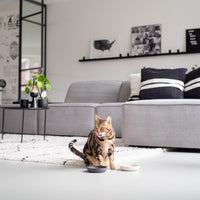
You’ve settled in for a quiet evening on the sofa, and there’s your dog — eyes fixed on the screen, following every flicker of movement. Meanwhile, your friend’s dog has never so much as glanced at the telly. Same species, completely different reaction. It’s one of those small, everyday moments that makes you wonder what’s really going on inside their head.
The short answer is that why some dogs watch TV and others don’t comes down to a mix of biology, personality, and what naturally holds their attention. Some dogs are wired to track movement — it’s almost instinctive. Others rely far more on scent and sound to make sense of the world, and a glowing rectangle on the wall just doesn’t register as interesting. Some are simply more curious by nature than others.
What’s actually on screen plays a role too. Research from Northeastern University shows that animals can sense moving images on screens, and high-pitched, frenzied sounds help attract their attention — which is why a nature documentary full of darting birds tends to get a much stronger reaction than a slow-paced drama.
None of this is random. There’s quite a lot happening beneath the surface, and understanding what your dog actually sees and hears when they look at a screen can tell you something real about how they experience the world. It can even help you notice when their body language is signalling something worth paying attention to.
How dogs actually see a television screen
Dogs can genuinely see what’s on your television screen, but their visual experience is quite different from yours. And that difference goes a long way towards explaining why some dogs watch TV and others don’t even glance up. The way a dog’s eyes process light, movement, and colour all shape whether the telly grabs their attention or gets completely ignored.
Here’s what’s actually happening visually when your dog watches the screen:
- Motion detection: Dogs are far more sensitive to movement than we are. A bird darting across the screen or a ball bouncing past can trigger the same instinct as spotting something shift in the garden.
- Flicker rate perception: Older CRT televisions flickered at a rate dogs could easily detect, making the image look choppy and unappealing. Modern HD screens refresh quickly enough that most dogs now see something much smoother and easier to follow.
- Colour vision: Dogs are dichromats, meaning they see blues and yellows well but can’t easily distinguish reds and greens. High-contrast images land much more clearly than busy, colourful scenes.
- Animal-shaped or fast-moving images: These are particularly likely to catch a dog’s eye, tapping into deep-rooted prey and social instincts that no amount of sofa time fully switches off.
Quick fact: Dogs have a higher flicker fusion rate than humans, which makes them especially sensitive to on-screen movement, including subtle motion you might barely register yourself.
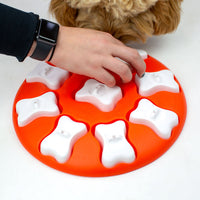
Dogs with strong motion-detection instincts or naturally higher visual sensitivity are simply more likely to engage with what’s on. If yours reacts to animals on screen or fixates on fast movement, they’re often wired to be highly play-driven too. Interactive dog toys can be a brilliant outlet for exactly that kind of energy.
What makes one dog watch and another ignore the screen
Every dog is different, and why some dogs watch TV while others couldn’t care less comes down to a mix of biology, personality, and daily life rather than any one thing. What completely captivates one dog might not even register for another, and that’s entirely normal.
Here are the key factors that shape whether your dog becomes a devoted telly fan:
- Breed tendencies. Herding and sight breeds like Border Collies and Greyhounds are naturally wired to track movement, making them far more likely to fixate on a screen than scent-driven breeds like Beagles, who’d rather follow their nose than watch television.
- Age and vision. Younger dogs tend to engage more readily. Older dogs may have reduced vision that makes the screen harder to process, so they’re more likely to tune it out.
- Temperament. Curious, alert dogs will often investigate whatever’s on. More laid-back personalities may simply decide it’s not worth their energy.
- Sensory sensitivity. Dogs that are highly responsive to sound and movement can react strongly to animal noises or fast action on screen — even if they seemed settled moments before.
- Training history. Dogs that have been encouraged to pay attention to their environment tend to notice on-screen activity more readily.
- Daily enrichment. A well-stimulated dog may ignore the TV completely. One looking for something to do is far more likely to seek it out.
It’s also worth noting that dogs who react strongly to what they see or hear on screen often respond just as intensely to triggers outside the home. If your dog gets worked up rather than settled during TV time, this piece on why dogs bark when out walking might help you understand what’s going on.
Ultimately, knowing your dog’s individual sensory profile and personality is the best way to understand whether the telly will ever genuinely hold their interest.
When TV watching is harmless—and when it might mean something else
For most dogs, a bit of screen time is completely harmless. Whether a dog watches TV or ignores it entirely often comes down to individual temperament, and a dog who glances at the screen, tilts their head at a curious sound, then wanders off to nap is simply being a dog. It’s the more intense reactions that deserve a closer look.
Signs it’s all perfectly normal:
- Settling near the TV for background noise and company
- The occasional head tilt at animal sounds or movement on screen
- Brief curiosity that quickly gives way to a snooze
- Relaxed, easy body language throughout
Signs worth keeping an eye on:
- Intense, unblinking fixation on the screen
- Barking, lunging, or pawing at the television
- Pacing or whining in response to certain sounds
- Visible tension, panting, or an inability to settle
Some dogs who react strongly to fast-moving visuals or high-pitched audio are showing early signs of sensory sensitivity or underlying anxiety — and it rarely stays contained to the living room. A dog who struggles with the TV may also find loud or unpredictable environments genuinely stressful. Knowing how to help them stay calm during those moments is well worth having in your back pocket.
If your dog’s TV reactions feel disproportionate or leave them visibly unsettled, a conversation with your vet or a certified behaviourist is always a good idea.
If your dog loves the telly, how to make it a calm, positive habit
If your dog has claimed the sofa spot closest to the screen, a few small tweaks can make that habit even more enjoyable — for both of you.
Start with what’s on. Calmer content tends to work much better than fast-paced action or sport. Nature documentaries, slow wildlife footage, or dedicated dog TV channels are all solid choices. The gentler the visuals and audio, the less chance your dog ends up overstimulated or fixated on every movement.
Volume matters more than you might think. Dogs hear far better than we do, so what sounds perfectly comfortable to you can feel surprisingly intense to them. If your dog seems restless or quietly slopes off when something loud comes on, it’s worth turning it down a little and seeing if they settle.
It also helps to give them a proper place to land. A dog who feels genuinely comfortable is far more likely to watch TV in a relaxed, drowsy way rather than reacting to every sound. Tucking a cosy bed nearby makes a real difference — something like our Cosy Calming Puppy Crate Bed, which gives dogs a snug, secure spot to curl up and truly switch off.
A favourite chew or enrichment toy alongside the TV adds another layer of calm, too. Get the setup right, and screen time can become a genuinely lovely part of your dog’s daily routine.