





































































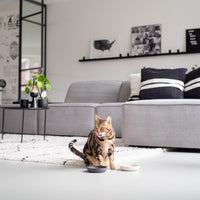


If you have ever scooped up your cat only to find them twisting free within seconds, you are not alone and it is not personal. Understanding why do some cats not like to be held starts with instinct, personality, and the quiet signals cats send long before they decide to make their feelings obvious. This article unpacks what is really behind that resistance and shares gentle, practical ways to build the kind of trust that makes closeness feel safe for both of you.
Why some cats hate being held: what’s really going on
If your cat wriggles out of your arms the second you pick them up, it can feel a bit disheartening, especially when you were only after a cosy cuddle. But if you have ever wondered why do some cats not like to be held, it usually is not about attitude or affection. Your cat is communicating discomfort.
A big part of it comes down to instinct. Cats may be brilliant hunters, but they are also prey animals, so being lifted off the ground and restrained can feel unsafe. Even in a calm home with people they love, that sudden loss of control can trigger a very natural fear response. That is also why does my cat not like being picked up is such a common question among cat parents.
Their body language often tells the story before they struggle. A twitching tail, ears pinned back, wide eyes, or a stiff body are all signs your cat is not relaxed. Learning to spot that cat body language when held helps you respond with more empathy and less guesswork.
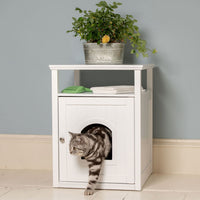
Understanding the reason matters because it changes how you support your cat. Instead of forcing contact, you can build trust in ways that feel safer to them, whether that is giving them choice, creating quiet hiding spots, or making their home feel secure with something like a cat washroom for extra privacy.
The instinctive reasons holding can feel unsafe to a cat
To understand why some cats don’t like to be held, it helps to start with what cats are actually wired to feel, rather than what we’d love them to feel. Cats haven’t been domesticated nearly as long as dogs, and underneath every purring house cat is a creature still built to stay alert, stay mobile, and stay in control of what happens to their body.
Here are the key instinctive reasons being held can feel threatening to a cat:
- Feeling trapped. The moment you hold a cat, you take away their ability to move freely. That triggers a deep alarm, even when you mean nothing but love.
- Losing their escape route. Cats always want to know how they’d get away if they needed to. Being held removes that option entirely.
- Unfamiliar pressure on their body. Even gentle squeezing can feel overwhelming to a cat who hasn’t built trust around that kind of contact.
- Vulnerability from height. Being lifted puts a cat somewhere they didn’t choose to go. That feels disorienting and exposed, not reassuring.
- No control over what happens next. Cats are deeply independent. Unpredictability, even from someone they adore, can flip them straight into defensive mode.
Key insight: Cats are both predator and prey. Being restrained activates the same alarm response as being caught by a threat, regardless of how safe the situation really is.
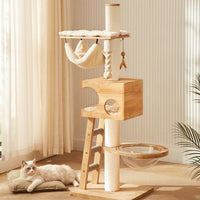
That prey-animal instinct never fully switches off, which is why so many cats gravitate toward high spots where they can keep watch entirely on their own terms. Giving them access to vertical space, like wall-mounted cat climbers, genuinely supports their need for control and safe retreat — the very things being held can take away.
Every cat is different: personality, early experiences, and trust
No two cats are the same, and that is often the real answer to why do some cats not like to be held. If your cat pulls away when you scoop them up, it does not automatically mean they are unfriendly. More often, it comes down to personality, past experiences, and how safe they feel with touch.
A few things usually shape that preference:
- Personality. Some cats love being close and will happily curl up on your lap. Others prefer to sit beside you, follow you from room to room, or ask for affection in short bursts.
- Early socialisation. Kittens who were handled gently and regularly in their first weeks are often more relaxed with human contact later on.
- Past handling experiences. If a cat has been grabbed, restrained, or picked up awkwardly, they may decide being held is something to avoid.
- Age and life stage. Comfort with handling can change over time. Some cats become softer and clingier, while others grow more particular about how and when they want contact.
- Breed tendencies. Some breeds are known for being especially people-focused, while others tend to like affection on their own terms.
- Family setting and trust. One study found that cats showed affectionate, aggressive, fearful, and playful responses in family settings and these responses varied across cats, especially in homes with children.
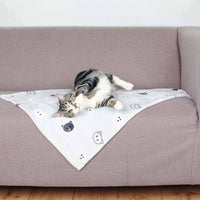
Trust grows slowly, and usually in small everyday moments. A calm routine, gentle handling, and a cosy place to settle, like a soft cat blanket, can help your cat feel secure. Some cats do become cuddlier with time, but only when their boundaries are respected.
Signs your cat is uncomfortable being held
Cats communicate discomfort long before they feel the need to scratch or bite. Learning to read what their body is already telling you is one of the most useful things you can do as a cat parent, and it goes a long way toward understanding why some cats don’t like to be held.
- Body stiffening: Your cat goes rigid in your arms rather than relaxing into you. It’s the opposite of a melt.
- Tail lashing or thumping: A fast, sweeping tail is not excitement. It signals agitation, and it tends to escalate quickly.
- Flattened ears: Ears pinned back or turned sideways mean your cat feels threatened or overwhelmed.
- Dilated pupils: Wide, round pupils in normal lighting point to stress or fear, not curiosity.
- Vocalising: Growling, hissing, or persistent meowing while being held is a verbal protest. A clear one.
- Squirming and twisting: Active attempts to wriggle free are not playfulness. Your cat wants down.
- Biting or scratching: This is a last resort, and it almost always means earlier signals were missed.
If you notice any of these signs, put your cat down calmly and straight away. These are not phases to push through. They are clear requests to stop.
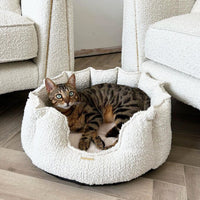
Respecting those signals consistently is what builds trust over time. Giving your cat somewhere that genuinely feels safe and theirs, like a high-sided cat bed they can retreat to, means bonding happens on their terms. That’s always when it works best.
How to build trust without forcing cuddles
The goal here isn’t to get your cat to tolerate being held. It’s to help them feel genuinely safe around you — and once that shifts, everything else tends to follow.
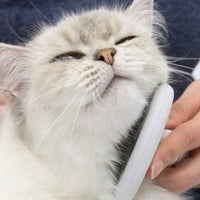
Start by letting your cat lead. When they come to you, offer a gentle stroke and stop before they pull away. That small moment of choice builds more trust than ten forced cuddles ever could. Repeated often enough, your cat starts to understand that closeness doesn’t mean losing control.
When you do need to pick them up, keep it brief and make it worthwhile. Support their full body weight, hold them close to your chest, and make sure all four paws feel stable. A cat who feels like they might fall is a cat who’s going to wriggle free immediately. Even a few calm, well-supported seconds counts as progress.
It also helps to pair handling with something good. Lift them gently, set them back down, then offer a small treat or a quick play session they love. Do that consistently and being picked up starts to feel less like a threat and more like the start of something worth staying for.
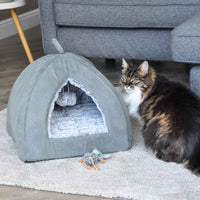
Beyond the handling itself, think about the environment. A well-placed cat perch, a cosy hiding spot or two, and enrichment they actually engage with all lower background stress — and a less stressed cat is a more open one. Our cat collection has plenty to help you build a space they feel at home in.
Small, consistent moments matter far more than grand breakthroughs. Trust builds slowly, but when it does, it sticks.
Frequently Asked Questions
How do I get my cat to like to be held?
You can’t force a cat to like being held, but you can help them feel safer with it. Let them lead contact, keep lifts brief and well supported, and pair being picked up with something positive like a treat or play so handling feels predictable, not threatening.
Why does my cat suddenly not want to be held?
A cat can suddenly stop wanting to be held because handling starts to feel unsafe, overwhelming, or too restrictive for them. Changes in trust, stress, life stage, or past handling experiences can all affect this, and their body language usually shows discomfort before they struggle.