











































































Bringing a new puppy home is one of the most exciting things you can do, but knowing how to find ethical dog breeders is what makes the difference between a great experience and a heartbreaking one. This guide walks you through everything that matters, from the questions to ask before you even visit, to what a good puppy visit should feel like, to how much you should realistically expect to pay. Get these things right, and you will be choosing your new dog with real confidence rather than crossed fingers.
What ethical dog breeding actually looks like
When you first start looking into how to find ethical dog breeders, spotting the difference between a good one and a bad one can feel harder than it should. But once you know what to look for, it gets much clearer.
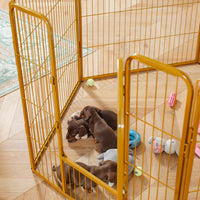
An ethical breeder raises puppies as part of everyday family life. Think: a litter in the kitchen, pups growing used to the hum of a washing machine or the sound of children playing, and a mum who is relaxed, healthy, and clearly loved. That kind of early exposure shapes temperament in ways that stay with a dog for life.
Puppy farms and backyard breeders work very differently. Puppies are often kept in sheds or kennels with little human contact, and the mother is rarely in good health. Some sellers will offer to meet you in a car park or deliver a puppy without a visit — and that is one of the biggest red flags when buying a puppy. Walk away.
A genuinely reputable breeder will want to get to know you. They will ask about your home, your routine, your experience with dogs. That two-way conversation is exactly the kind of sign you want. It tells you they care deeply about where their puppies go, not just that they go.
At its core, this is what ethical breeding looks like: puppies raised indoors, a mum you can meet in person, and a breeder who puts health and temperament before anything else. Get that foundation right, and you will be in a much stronger position as you start preparing to welcome your new puppy home.
The questions to ask before you even visit
Knowing the right questions to ask before you even book a visit is one of the most reliable ways to filter out the wrong fit early. A responsible breeder will welcome your curiosity — in fact, they’ll probably have questions for you too. If someone seems put out by your enquiries, that tells you everything you need to know.
Here are the key questions worth asking upfront:
- “How long have you been breeding this breed?” Experience matters. Someone who has spent years focused on one breed will understand its quirks, health history, and temperament inside out.
- “What health tests do you carry out on the parents?” A good answer names specific, breed-relevant tests — not a vague “they’re healthy.”
- “Are the results available to view?” Reputable breeders are transparent. Results should be documented and shareable, not something you’re expected to take on faith.
- “How do you socialise the puppies before they leave?” Look for mentions of household sounds, regular handling, and varied experiences from the earliest weeks.
- “How many litters does the mother have per year?” More than two is a red flag. A breeder who genuinely cares about their dogs prioritises the dam’s wellbeing over output.
- “Can I meet both parents?” Seeing the mother in person is a strong indicator of an ethical setup. If neither parent is available, always ask why.
- “What support do you offer after the puppy comes home?” A breeder who stays involved — answering questions, checking in — genuinely cares where their puppies end up.
Watch out for:
- Anyone who can’t name the specific health tests carried out on the parents
- Breeders who deflect or discourage questions about meeting the mother
- A puppy available immediately, with no waiting list in sight
Once you’ve shortlisted breeders who pass these early checks, you’re in a much stronger position. And when the right match comes along, our guide on how to prepare for your new puppy will help you get everything ready before they arrive.
Why health testing and breed knowledge matter so much
A lot of the real work happens long before puppies arrive. If you’re learning how to find ethical dog breeders, this is one of the biggest things to look at. A caring breeder does not just pair two lovely dogs and hope for the best. They understand their breed inside out and do the health checks that help give puppies the strongest possible start.
Those checks will vary by breed. A Labrador breeder should be able to talk you through hip and elbow scores, while a Cavalier King Charles Spaniel breeder should know about heart testing. That level of detail matters. If someone only says their dogs are “healthy” but cannot explain which tests they have done, that should set alarm bells ringing.
A responsible breeder should be happy to show you:
- Hip and elbow scores for both parent dogs
- DNA test results for breed-specific inherited conditions
- Current eye screening certificates, where relevant
- Kennel Club registration or involvement in a recognised health scheme
- Clear, confident answers about the health history of both mum and dad
Paperwork matters here. Good breeders keep records and talk you through them without making you feel awkward for asking. In fact, thoughtful questions are usually welcomed.
Some of the biggest red flags when buying a puppy are vague answers, missing certificates, or a breeder who changes the subject when you ask about mum or dad’s results. If they know their lines well, they will be open about them.
Once you’ve found the right breeder and chosen your puppy, our guide to everything you need for your new Labradoodle can help you get ready for those first exciting days at home.
What a good puppy visit should feel like
Visiting in person is one of the most important steps when learning how to find ethical dog breeders — and going in with a clear idea of what you’re looking for helps you stay grounded when a dozen fluffy puppies are doing their absolute best to distract you.
Here’s what a good visit should include:
- Clean, spacious living areas with no strong odours, damp bedding, or overcrowding
- Puppies that are curious, playful, and happy to toddle over to you without any coaxing
- No signs of lethargy, weepy eyes, runny noses, or visible distress
- The mother present, calm, and comfortable around both the breeder and visitors
- Unrestricted access to the space where the puppies were actually born and raised
- Evidence of early handling — puppies that stay relaxed when you pick them up are a great sign
- Age-appropriate toys, enrichment, and room to explore safely
- A breeder who answers your questions openly and is clearly attached to the litter
One of the clearest signs of a reputable dog breeder: A responsible breeder will always want you to meet the mother. If she’s kept out of sight or seems anxious and underweight, that’s a serious red flag — not something to brush off.
The environment a puppy grows up in shapes so much of who they become. A breeder who prioritises gentle handling and early exposure to everyday sights and sounds is giving their puppies the best possible start. Once yours comes home, our guide on how to socialise a puppy will help you build on that foundation.
How much you should expect to pay, and what the fee should include
Paying more for a puppy from an ethical breeder is not just about the puppy itself — it reflects the care, planning, and expense that go into raising a healthy, well-socialised litter. If you are learning how to find ethical dog breeders, this is one of the clearest signs of a reputable dog breeder: they charge for the standard of care, not just the demand for the breed.
A responsible breeder’s fee should usually include:
- Health-tested parents, such as hip scores, eye tests, and breed-specific DNA testing
- Full veterinary health checks for the puppies
- First vaccinations
- Microchipping
- Regular worming and flea treatment
- Good-quality food from weaning onwards
- Early socialisation, including everyday household sounds, gentle handling, and new experiences
Most puppies from responsible, health-testing breeders cost somewhere between £1,000 and £3,000+, depending on breed, location, and the level of screening involved. Breeds with more extensive health checks often sit at the higher end.
It can feel like a big upfront spend, especially when cheaper puppies are advertised elsewhere. But when you look at the time, health testing, vet care, and early socialisation involved, the difference makes more sense. You are paying for a stronger start in life. Before you commit, it is also worth reading about the full cost of owning a dog so you can budget with confidence.
How to make the final choice with confidence
By the time you reach this point, you’ll have done your research, asked the tough questions, and visited the litter in person. Now it really comes down to how the whole experience felt.
One thing worth remembering: a good breeder will have asked you just as many questions as you asked them. They’ll want to know about your home, your daily routine, whether you have children or other pets, and how much experience you’ve had with dogs. That’s not them being nosy or difficult. That’s them caring deeply about where their puppies end up.
So trust your instincts. If something felt off at any point — the breeder was vague, the puppies seemed anxious, the answers felt a little too polished — it’s completely okay to walk away. Waiting a little longer for the right match is always the better call, even when the excitement of bringing a puppy home makes patience feel almost impossible.
When you do find a breeder who’s transparent, genuinely knowledgeable, and clearly devoted to their dogs, the decision stops feeling like guesswork. It feels like confidence.
Once your puppy is booked in and the countdown begins, it’s a lovely time to start getting everything ready at home. Our guide to settling your puppy into their new home is a brilliant place to start.
Frequently Asked Questions
How can I tell if a dog breeder is ethical?
You can usually tell by how the puppies are raised, how open the breeder is, and whether they put health and temperament first. Look for puppies raised in the home, a mother you can meet in person, clear health-test paperwork, and a breeder who asks plenty of questions about your life too.
Where can I find ethical dog breeders?
The safest approach is to find breeders who welcome questions, let you visit in person, and openly share health-test results for the parent dogs. Focus less on quick availability and more on breeders with real breed knowledge, home-raised puppies, waiting lists, and a genuine interest in where their puppies will live.
What is the most ethical way to buy a dog?
The most ethical way to buy a dog is to choose a breeder who raises puppies as part of family life, health-tests the parents, lets you meet the mother, and cares where each puppy goes. Always visit in person, ask detailed questions, and walk away from anyone offering handovers in car parks or without a visit.