































































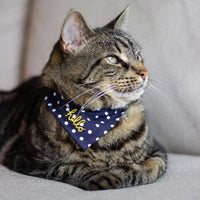








Watching two cats curl up and wash each other is one of those small, lovely moments that makes a multi-cat home feel just right. This guide looks at why do cats lick each other, from the social bonds and shared scents behind allogrooming to the times when one-sided licking might be worth a closer look. You’ll also find practical tips on setting up your home so your cats can feel calm, comfortable, and genuinely at ease together.
Why do cats lick each other? A quick look at cat grooming
If you’ve ever caught your cats curled up together, giving each other a careful wash, it’s natural to wonder why do cats lick each other when they can groom themselves just fine. In most cases, it’s a lovely, normal part of cat grooming behavior called social grooming.
When cats groom each other, they’re not just tidying up. They’re building trust, sharing comfort, and showing that they feel relaxed enough to be close. You’ll often notice them licking around the head, ears, or neck, which are tricky spots to clean alone. So yes, there’s a practical side, but the bigger message is usually affection and bonding.
This starts early. Mother cats lick their kittens to clean them, soothe them, and help them feel secure. As cats grow, that same behaviour can carry into adult relationships, which helps explain why cats lick each other’s fur when they’ve formed a strong bond at home.
So if your two cats take turns grooming on the sofa or after a nap in their favourite bed, it’s usually a reassuring sign. They likely see each other as part of the same social group. If you’re also helping cats and dogs live happily together, our guide on how to get your dog and cat to get along may help.
What allogrooming means in a cat household
If you’ve ever caught one cat carefully washing another’s ears and wondered why do cats lick each other so intently, you’re looking at allogrooming. It’s simply the name for one cat grooming another, and it’s a very normal part of life in many multi-cat homes.
So, why do cats groom each other in the first place? Usually, it comes down to familiarity, comfort, and living closely together.
- It helps build bonds. Grooming can be a calming, rewarding social interaction for cats, so doing it regularly may help strengthen their connection over time.
- It creates a shared scent. When cats lick each other’s fur, they mix their scents together. That shared smell helps them recognise one another as part of the same social group.
- It helps with hard-to-reach areas. The top of the head, around the ears, and the neck are awkward spots for a cat to clean alone, so a friendly housemate can step in.
- It can keep the peace. In some pairs or groups, grooming seems to help smooth over small tensions and make everyone feel more settled.
- It shows trust. Cats are vulnerable when they’re being groomed, so allowing another cat close in that way is often one of the loveliest cat affection signs to spot at home.
In a happy cat household, allogrooming often becomes part of the daily rhythm. It’s one of those little cat grooming behavior clues that can tell you your cats feel safe, familiar, and comfortable with each other.
Is it about love, hierarchy, or both?
The honest answer is that cat grooming behavior is rarely just one thing. When cats lick each other, it can absolutely be about affection, but it can also reflect who feels more confident, settled, or socially comfortable in the pair. So if you’ve ever wondered why do cats lick each other, the answer is often both love and social structure.
Cats may groom one another to:
- strengthen a bond they already feel secure in
- calm things down after a brief wobble or disagreement
- share scent and reinforce a familiar group feeling at home
- show social confidence, especially when one cat usually starts the grooming
- comfort a companion they know well, including a sibling or long-time housemate
That’s why cat grooming behavior can look very sweet on the surface while still telling you something about the relationship underneath. One cat licking the other’s head or neck, for example, may be gentle and affectionate, but it can also show which cat tends to take the lead socially.
Worth knowing: one study on close-contact inter-cat interactions found that cats can show both affiliative and agonistic behaviors, so grooming may sit alongside tension rather than always meaning pure affection.
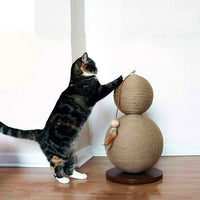
In other words, why do cats groom each other is not always a simple romance story. In a calm, well-set-up home, with enough space and resources like a cat scratch post, you’re more likely to see the relaxed, easy kind of grooming most pet parents hope for.
When one cat does all the licking: signs it may be stress, not just affection
Mutual grooming is usually a lovely sign that your cats feel safe and bonded together. But it’s worth paying attention when one cat is always doing the licking and the other is simply putting up with it. That kind of one-sided pattern can sometimes point to stress, anxiety, or an uneven social dynamic rather than pure affection.
Here are a few signs to watch for:
- The cat being groomed flattens their ears or pulls their head away
- They walk off mid-session looking relieved, not relaxed
- One cat always initiates grooming, never the other way around
- You notice thinning fur in certain spots from repeated, concentrated licking
- The licking looks frantic or repetitive rather than slow and settled
- The recipient shows tension during grooming — tail flicking, a low grumble, or a stiff body
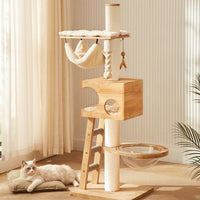
Compulsive grooming can be a response to environmental stress. Giving cats a positive outlet for restless energy really does help, and something like a wall climber or activity centre can make a surprising difference to anxious behaviour at home.
A little one-sidedness is perfectly normal and nothing to worry about on its own. Most cats settle into their own grooming rhythms over time. But if you’re consistently noticing avoidance, tension, or licking that looks more compulsive than caring, it’s worth keeping a closer eye on things. A chat with your vet or a cat behaviourist can help you figure out what’s going on and how best to support both cats.
How to support calm, comfortable cat relationships at home
The good news is that most cats in the same household find their own rhythm over time. But there are things you can do to smooth the process along, especially if you have a newer pairing or a cat who seems a little unsettled.
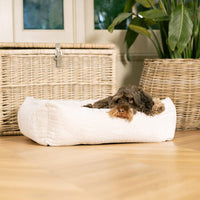
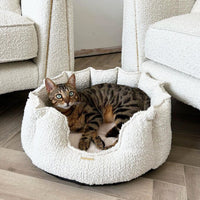
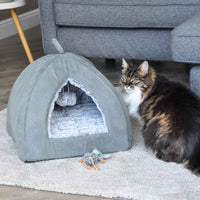
Start with space. Cats feel safest when they have somewhere to retreat to that is entirely their own. If your cats share every bed, bowl, and sunny windowsill, tension can quietly build even when everything looks fine on the surface. Giving each cat a dedicated resting spot makes a real difference — not just for their comfort, but for the overall mood of the household. A cosy, enclosed bed works especially well as a personal sanctuary, somewhere a cat can decompress without another wandering in uninvited. If you are looking for something that suits each cat’s individual personality, the Lords & Labradors cat bed collection is well worth a browse.
Scratching posts are another simple win. Place them in a few different spots around the home and cats can mark their territory in a way that feels natural and low-conflict, which quietly helps keep the peace without anyone having to step in.
When it comes to encouraging closeness, let the cats lead. Grooming and licking will happen on their terms, and that is exactly how it should be. Moving them together when they seem settled apart, or hovering over interactions, can create friction rather than ease it. Step back and trust them.
Watching your cats groom each other and genuinely seem at ease together is one of the quiet joys of a multi-cat home. A little support from you goes a long way in helping them get there.
Frequently Asked Questions
What does it mean if cats lick each other?
It usually means they feel comfortable and familiar with each other. Cats often lick one another as part of social grooming, or allogrooming, which helps with bonding, shared scent, and cleaning hard-to-reach spots like the head, ears, and neck. It can also reflect social confidence within the pair.
Does the dominant cat groom the other?
Sometimes, yes. When one cat regularly starts the grooming, it can show social confidence or that they tend to take the lead in the relationship, not just affection. The bigger picture matters though, as relaxed body language and calm, mutual interactions usually suggest the grooming is comfortable and positive.
Is it good when a cat licks another cat?
Yes, in most cases it’s a good sign. Cats licking each other is often a normal, reassuring part of social grooming that shows trust, comfort, and bonding. It’s only worth watching more closely if the licking looks frantic, one-sided, or seems to make the other cat tense or uneasy.