









































If you've noticed your girl acting a little off lately and spotted some discharge on her bedding, chances are she's come into season and you've got a few weeks of careful management ahead. This guide walks you through exactly what to expect at each stage of her cycle, what's normal and what warrants a call to the vet, and whether dog period pants are actually worth it. You'll also find a practical breakdown of pants, diapers, pads and nappies, plus straightforward tips for keeping her comfortable both at home and out on walks.
How to tell when your dog is in season
Most dog owners notice something is off before they can quite put their finger on what. Maybe your girl is licking herself more than usual, or she seems a little clingier than normal. Then you spot a small amount of bloody discharge on her bedding, and suddenly it all makes sense. She's come into season.
The most obvious early sign is a swollen vulva. It can look quite pronounced, especially in smaller breeds, and it usually shows up a few days before any discharge starts. That discharge begins reddish and gradually lightens to a pale pink or straw colour as her cycle progresses. Some dogs produce very little and keep themselves remarkably clean. Others leave spots on furniture, floors, and anything they sit on. Every dog is different.
Alongside the physical changes, you'll often notice shifts in behaviour too. She might be more restless, more affectionate, or conversely a little withdrawn. Some dogs go off their food for a day or two. Others seem perfectly fine except for a sudden and very enthusiastic interest from every male dog in the neighbourhood. That magnetic pull on other dogs is one of the most telling signs she's in season, even when discharge is minimal.
Most of these changes are completely normal. It's worth calling your vet if the discharge has a strong smell, turns green or grey, or if she seems unwell, lethargic, or is drinking far more water than usual. Those can occasionally point to an infection that needs attention.
If you're also starting to think about longer-term options, this guide on when female dogs should be spayed is a good place to start.
For now, knowing what to look for means you can respond calmly rather than second-guess every little change.
How long a dog season usually lasts and what changes through each stage
A dog's season typically lasts somewhere between two and four weeks, though you'll rarely find two dogs with exactly the same experience. Some girls sail through it quickly; others seem to take forever. Understanding what's happening at each stage makes the whole thing a lot less stressful to manage.
The four stages of a dog's season:
- Proestrus (Days 1–9) — the visible start. Bleeding begins, the vulva swells, and your dog may seem a little clingy or unsettled. Male dogs will show plenty of interest, but she'll almost certainly reject them at this point.
- Oestrus (Days 9–14) — the fertile window. Bleeding often lightens or shifts to a pinkish colour. This is when ovulation happens and she becomes receptive to males, so it's the stage to be most careful about unsupervised contact.
- Dioestrus (Days 14–28) — winding down. Whether or not mating occurred, her body now behaves as though she's pregnant. Discharge reduces, swelling fades, and behaviour gradually settles back to normal.
- Anoestrus — the quiet phase. A resting period between seasons, usually lasting several months, with no hormonal activity to speak of.
One thing worth knowing: bleeding is often heaviest during Proestrus, before the fertile days have even arrived. It's very common for owners to notice the discharge easing off and assume the season is nearly over, when actually the risk of an unplanned pregnancy is at its peak right at that moment. If you've ever wondered how long a dog season really lasts, this is exactly why the answer is more nuanced than it first appears.
Because every dog runs to her own schedule, keeping a simple diary across a few seasons can help you spot her personal pattern and pick up on the signs earlier each time. Dog period pants or dog sanitary pants can be genuinely useful across several of these stages too, not just when bleeding is at its most obvious.
Do dog period pants actually help?
Dog period pants genuinely can help during your dog's season — but it's worth being clear about what they're actually designed to do. Their main job is to manage light spotting around the house, protecting your sofas, carpets and bedding from discharge. They don't change what's happening hormonally, and they won't stop her season in its tracks. Think of them as a practical management tool rather than a fix.
Here's a quick breakdown of what dog period pants can and can't do:
- Contain light discharge around the home, cutting down on the spots and stains you're mopping up throughout the day
- Protect furniture and bedding from marking — especially handy if your dog is a sofa-hogger or shares your bed
- Help keep her comfortable by staying clean and dry between changes
- They do not prevent mating. If there's an intact male nearby, pants offer no real barrier. Never treat them as one
- They are not a substitute for supervision, particularly during the peak fertile window when she's most receptive to males
Hygiene tip: Change her pants regularly throughout the day and wash them after every use. Leaving damp or soiled pants on for too long can cause skin irritation or infection around the vulva — so checking her often matters just as much as putting the pants on in the first place.
Fit is something a lot of people underestimate. Pants that are too loose will slide off within minutes (or get launched across the room during a good shake). Too tight and you risk chafing and real discomfort. Every dog is shaped a little differently, so it's worth sizing based on her actual measurements rather than just defaulting to her breed or weight. You can browse well-fitting dog sanitary pants and other practical options in the Lords & Labradors dog clothing collection to find something that actually suits her shape.
Used alongside proper supervision and regular hygiene checks, dog period pants make the whole thing noticeably more manageable — for her and for you.
Dog period diapers, pads and nappies: which option suits your dog?
There are a few different products out there to help manage your dog's season, and it's worth knowing what each one actually does before you commit to anything. Dog period pants, disposable diapers, pads, and nappies all serve a similar purpose but suit different dogs and different situations. The right choice usually comes down to size, how much she's bleeding, and whether she'll actually tolerate wearing something in the first place.
| Option | Best For | Pros | Limitations |
|---|---|---|---|
| Dog period pants | Everyday wear at home | Reusable, washable, comfortable fit, good for lighter to moderate flow | May need a booster pad for heavier flow; some dogs wriggle free |
| Dog period diapers | Heavy flow or overnight | High absorbency, disposable options available, secure fit | Single-use versions create more waste; can feel bulky on smaller dogs |
| Dog period pads | Use inside pants or diapers | Adds absorbency, easy to swap out, flexible | Not worn alone — needs a base garment to stay in place |
| Dog period nappies | Dogs who resist fitted pants | Familiar nappy-style wrap, adjustable tabs | Less breathable; can cause irritation if left on too long |
A few things worth thinking through before you decide:
- Size matters more than you'd expect. A poorly fitted garment won't stay put — especially on an active spaniel who's never still for a moment.
- Consider her activity level. If she's still raring to go on walks, look for something with a secure fit that won't slip mid-stride.
- Think about tolerance. Some dogs take to wearing something surprisingly quickly. Others stage a full protest. Starting early in the season gives her time to adjust.
- Reusable or disposable? Washable options are easier on your budget over time, but disposables are genuinely handy for travel or those days when laundry is the last thing you need.
- Keep booster pads in your kit whatever style you go for — particularly in the first few days when flow tends to be at its heaviest.
You'll find plenty of practical options in our dog essentials to help you put together a kit that actually works. There's no single right answer, so trialling your chosen option in the first day or two of her season gives you the best chance of landing on something that suits you both.
Keeping her comfortable at home and on walks during season
Managing a dog in season doesn't have to turn your home upside down. A few simple adjustments make a real difference, both for her comfort and your sanity.
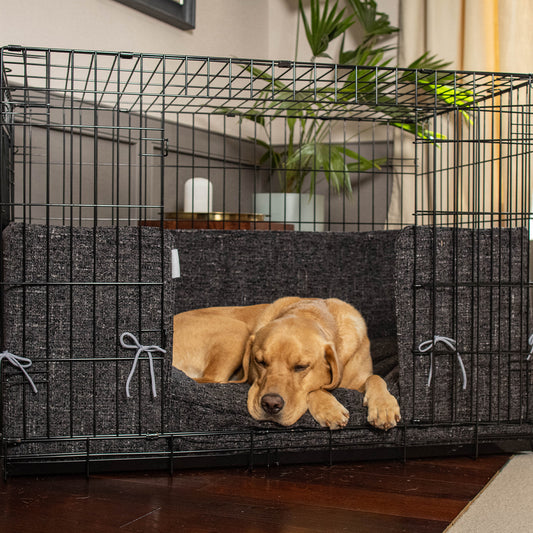
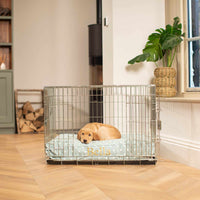
Start with her sleeping area. Layer a washable waterproof mat or a spare blanket over her usual bed so you can deal with any spotting without deep-cleaning her favourite spot every day. Some dogs groom themselves thoroughly during season; others are far less bothered. Either way, easy-to-wash layers underneath her make life considerably simpler.
Dog period pants are genuinely useful indoors for keeping furniture and floors clean. If she's happy wearing them, pop a pair on when she's lounging around or settling in for a nap. Just remember to take them off for toilet breaks and give her regular time without them so she stays comfortable. When you're choosing, look for dog sanitary pants with a soft, stretchy fit and a well-placed tail hole that doesn't pull or rub. Those small details are usually what separates a pair she'll tolerate from a pair she'll shake off in under a minute.
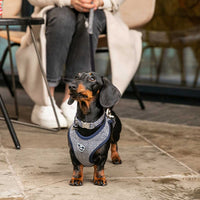
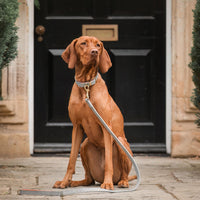
On walks, the priority shifts from hygiene to safety. A dog in heat sends a very clear signal to any unneutered male nearby, and even the most reliable recall can wobble when hormones are involved. Stick to quieter routes, give dog parks a wide berth, and keep her on the lead throughout. Early morning or later evening walks are often the easiest way to avoid peak dog-walking traffic.
If you pass other owners, a quick heads-up that she's in season is usually all it takes. Most people will give you space without hesitation. And if she seems a little anxious, clingy, or distracted out on walks, just keep things calm and unhurried. She'll find her feet again soon enough.
Frequently Asked Questions
How long is a dog in heat bleed?
Bleeding usually starts at the beginning of a dog’s season and is often heaviest in the first stage, which typically lasts around 1–9 days. The full season usually runs for two to four weeks, and the discharge often lightens from red to pink or straw-coloured as it progresses.
Can I leave a diaper on my dog overnight?
Yes, dog period diapers can be useful overnight because they’re more absorbent, but they shouldn’t be left on too long without checking. Damp or soiled pants, diapers or nappies can irritate the skin and raise the risk of infection, so fit, cleanliness and regular changes really matter.