













































Slip leads spark a lot of questions, and most of them come down to the same thing: are they kind, and am I using one right? This guide walks you through how to use a slip lead properly, how to fit one so it actually works, and how to decide whether it is the right choice for your dog at all. Whether you are brand new to slip leads or just want to feel more confident with one in your hand, you will find honest, practical answers here.
What a slip lead is and why people use one
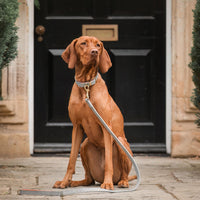
A slip lead is one of those pieces of kit that looks deceptively simple but comes with a lot of questions once you start looking into it. At its most basic, it’s a single loop of rope, leather, or webbing that acts as both a lead and a collar in one. No buckle, no clip, no separate collar needed. You create a loop, slip it over your dog’s head, and the lead tightens or loosens depending on how much tension is on the line.
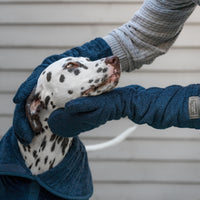
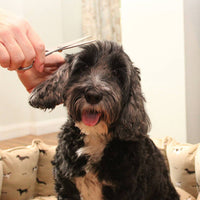
That self-adjusting fit is exactly why so many professionals reach for one without a second thought. Vets use slip leads to guide dogs safely around a clinic without fiddling with unfamiliar collars. Groomers use them to keep dogs secure during a wash or trim. Rescue centres rely on them when a new dog arrives with no collar at all, or when a nervous dog needs to be moved with as little fuss as possible. Trainers often use them for specific exercises where a well-fitted, responsive lead communicates more clearly than a standard collar and lead setup.
For a lot of pet parents, the first proper encounter with a slip lead is at the vet or a rescue centre — watching someone loop one over their dog’s head in a single fluid movement and thinking, oh, so that’s how it works. That ease of use is a big part of the appeal.
What really determines whether a slip lead is comfortable and effective, or uncomfortable and counterproductive, comes down to how you use it. Fit and handling matter far more than most people realise, which is why this guide walks through both in detail. If you’re also thinking about your wider walking setup, our dog lead guide is a great place to compare your options.
How to use a slip lead properly, step by step
If you’re wondering how to use a slip lead without making walks feel stressful, the biggest things are fit, position and a light hand. Used thoughtfully, a slip lead should feel clear and controlled, not harsh.
-
Make the loop first.
Thread the rope through the metal ring to create the loop. Before it goes on your dog, check that it slides smoothly and doesn’t catch. If it sticks, it won’t loosen as easily when you want it to. -
Place it high on the neck.
When learning how to fit a slip lead, this is the bit that matters most. Slip the loop over your dog’s head and move it up so it sits just behind the ears and under the jaw. That higher position usually gives you a bit more guidance with less risk of the lead dropping low and pressing on the softer part of the throat. -
Check which way it sits.
A properly fitted slip lead should loosen easily when tension is released. For many dogs, that works best when the ring sits near the top of the neck rather than hanging underneath. Give it a quick test with your hands before you set off so you can see that it tightens and releases smoothly. -
Use the stopper.
Most slip leads have a small rubber or leather stopper. Slide it into place so the loop can’t keep tightening beyond a comfortable point. It’s easy to overlook when you’re rushing out the door, but it makes a real difference to day-to-day handling. -
Check the fit.
Once the stopper is set, the lead should feel snug but not tight. You should be able to slip two fingers underneath comfortably. Too loose, and it may slide down or even slip off. Too tight, and your dog is likely to feel uncomfortable straight away. -
Keep your handling soft.
If you’re using a dog slip lead on a walk, think gentle guidance rather than steady pressure. Ask for a little movement, then soften the lead again as soon as your dog responds. In real life, that might look like a small reminder as your dog forges ahead, followed by a loose lead the moment they come back beside you.
Common mistakes to avoid:
- Letting the lead drift down the neck
- Forgetting to set the stopper
- Keeping constant tension on the lead
- Using a loop that’s so loose it can slip off
If you’re just starting out with lead manners, our puppy lead training essentials can help you build calm, confident walking habits from the beginning.
When a slip lead can help and when it is not the right choice
Slip leads are genuinely useful in the right situations, but they are not a one-size-fits-all solution for every dog or every walk. Knowing when to reach for one and when to leave it on the hook matters just as much as knowing how to fit it correctly.
When a slip lead can work well
- Vet or grooming visits where you need quick, fuss-free control
- Short training sessions focused on loose-lead walking or responsiveness
- Working dog contexts where experienced handlers use them as a standard tool
- Emergency backup if a collar clip fails mid-walk
- Moving dogs calmly between areas, such as from the car to a field gate
When another option may suit your dog better
- Longer daily walks where sustained pressure on the neck is a concern
- Dogs that pull consistently, since a slip lead tightening repeatedly can cause real discomfort
- Puppies still finding their feet and learning what walking on a lead even feels like
- Dogs with any history of neck, throat, or tracheal sensitivity
- Anxious or reactive dogs that feel noticeably more settled and secure in a well-fitted harness
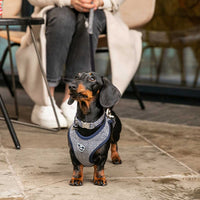
If your dog fits into any of those second situations, a harness is often the kinder choice for everyday walks. It spreads pressure more evenly across the body, takes any strain off the neck, and gives many dogs a calmer, more comfortable walking experience overall. If you are not sure where to start, our guide on how to choose a dog harness covers what to look for based on your dog’s size, shape, and walking style.
Knowing how to use a slip lead well also means recognising when something else will serve your dog better. That kind of honest, flexible thinking is what good dog handling actually looks like in practice.
Are slip leads cruel? The honest welfare answer
The question of whether slip leads are cruel comes up a lot, and honestly, it is a fair thing to wonder. The short answer is that it is not really about the tool itself — it is about how you use it. In the right hands, with the right dog, a slip lead is a safe and practical piece of kit. Used carelessly or in the wrong situation, it can cause real discomfort.
A few key factors decide which side of that line you end up on:
- Fit and positioning. The loop needs to sit high on the neck, just behind the ears. If it drops down toward the throat, it puts pressure on the windpipe and other delicate structures.
- Handler technique and timing. A light, well-timed guide is very different from a sustained pull. The lead should release the moment your dog stops pulling — not a second later.
- Your dog’s temperament and training level. A dog that already walks fairly well on a lead will respond very differently to a slip lead than one that is reactive, easily startled, or prone to lunging.
- Duration of use. Slip leads suit short, purposeful outings well. They are not designed to be worn for hours at a stretch.
- Active supervision. A slip lead should never be left on an unsupervised dog or one that is off exploring on their own.
When slip leads are misused, the risks are genuine. Persistent neck pressure, poor positioning, or using one on a dog that is not quite ready for it can cause physical discomfort and stress. Knowing how to use a slip lead correctly is the real deciding factor here — not whether the lead itself is inherently good or bad.
In practice, correct use looks like this: the loop sits high behind the ears, loosens immediately when your dog relaxes, and comes off as soon as the walk is done. It is always an active, hands-on setup — never a passive one.
Getting that right is very achievable with a bit of guidance, and the sections ahead will walk you through exactly that.
How to choose the right lead or collar for your dog
There’s no single perfect lead setup that works for every dog. What suits a calm Spaniel on a quiet country lane might feel completely wrong for a boisterous young Labrador in a busy park — and that’s completely fine. Finding the right everyday option really comes down to your individual dog and how you actually walk together.
Here are the key things worth thinking through:
- Size and strength — larger, stronger dogs need a setup that gives you genuine control without putting unnecessary pressure on the neck
- Coat type — thick or heavy-coated breeds like Bernese Mountain Dogs or Chow Chows may find a slip lead sits awkwardly and shifts around too much to stay in the right position
- Age and neck sensitivity — puppies and senior dogs have more delicate necks, so anything that tightens under tension deserves extra care
- Temperament and reactivity — a nervous or reactive dog that lunges without warning isn’t a good candidate for a slip lead on everyday walks
- Walking environment — a quiet rural route is a very different proposition from a busy street with unpredictable triggers at every turn
When it comes to comparing your options, harnesses tend to work well for dogs that pull consistently, brachycephalic breeds like Bulldogs or Pugs, and any dog where neck pressure is a genuine concern. Flat collars are a solid, dependable choice for calm, well-trained dogs who walk nicely on a loose lead. Slip leads are generally best reserved for specific training moments, or used by experienced handlers who know exactly how to fit and hold them correctly.
Not sure which collar style suits your dog? Our guide to choosing the right collar walks you through all the options in one place.
Whatever you land on, the goal is always the same: your dog feels comfortable, stays secure, and is easy for you to handle on the walks you actually do.
Using a slip lead with confidence and care
Knowing how to use a slip lead well comes down to three things: fit, timing, and paying attention to your dog. Get those right and it can be a genuinely useful tool. Get them wrong, and good intentions alone won’t prevent discomfort.
The basics are straightforward. Position the loop high on the neck, just behind the ears, and check it sits loose enough to slide two fingers underneath when your dog is relaxed. Make sure the stopper is set so the loop can’t tighten beyond a safe point. Move off calmly, reward your dog for walking close, and keep early sessions short — they’re still figuring out what you’re asking of them.
Keep watching your dog as you go. Repeated pulling, coughing, or reluctance to move are all worth taking seriously. A relaxed dog who checks in with you is telling you the setup is working. A tense or anxious dog is telling you something different, and there’s absolutely no shame in switching to a padded collar or a well-fitted harness instead. The whole point is a dog who actually enjoys their walk.
If you’re working on loose lead walking more generally, it’s worth taking a step back and looking at the broader picture — our guide to common puppy training mistakes covers some of the habits that can quietly undermine even the best efforts.
And whatever equipment you land on, choose it because it suits your dog — not because it’s what someone else at the park is using. That’s the most confident, caring choice you can make.
Frequently Asked Questions
Do vets recommend slip leads?
Yes, vets do use and recommend slip leads in some situations because they’re quick, simple, and help guide dogs safely without fiddling with an unfamiliar collar. That said, they’re best used thoughtfully and for the right dog, rather than treated as the best everyday walking option for every pet.
Are slip leads bad for dogs?
No, slip leads aren’t automatically bad for dogs, but they can be uncomfortable if they’re used poorly or on the wrong dog. Fit, positioning, gentle handling, and keeping pressure off the throat matter most, and many dogs are better suited to a harness for everyday walks.
Do slip leads help with pulling?
They can help in short, focused training sessions, but they’re not the best fix for a dog that pulls consistently. If a slip lead keeps tightening as your dog leans into it, that can cause real discomfort, so many dogs are kinder and more comfortable in a well-fitted harness.