
































































Picking the right medium dog breed for your family is one of those decisions that feels simple on the surface and gets complicated fast once you start weighing up energy levels, grooming commitments, and whether your lifestyle actually matches the dog you’ve fallen for online. This guide works through the breeds UK families tend to love most, what they genuinely need day to day, and how to figure out which one fits your home rather than just your wishlist. Whether you want a muddy-trail companion or a calm sofa dog, there’s a medium sized dog out there that suits you.
Why medium dog breeds are such a good fit for family life
There’s a reason so many UK families end up with a medium-sized dog. They slot into real life in a way that smaller and larger breeds often don’t. Big enough to hold their own on a long weekend walk, compact enough to curl up on the sofa without claiming the whole thing. That balance is genuinely hard to argue with.
Most medium dog breeds sit somewhere between 10 and 25 kilograms, though the lines are fairly fluid depending on the breed standard. What matters more than the exact numbers is how that size plays out in everyday life. A medium dog can handle a muddy trail through the Peak District just as happily as a quiet evening on the rug while the kids finish their homework. They’re sturdy enough for boisterous play, but not so powerful that a walk around the block turns into a tug-of-war.
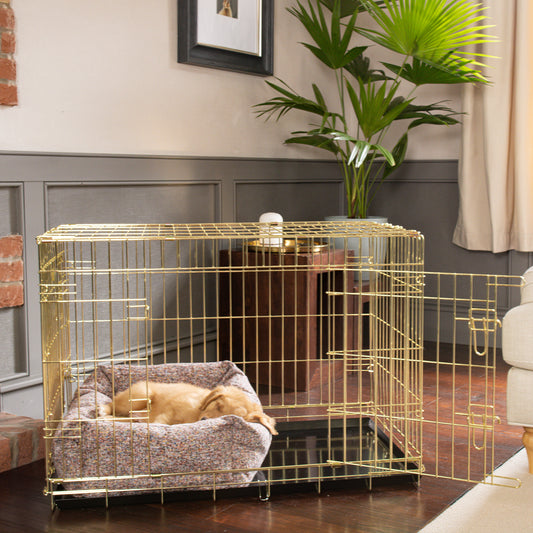
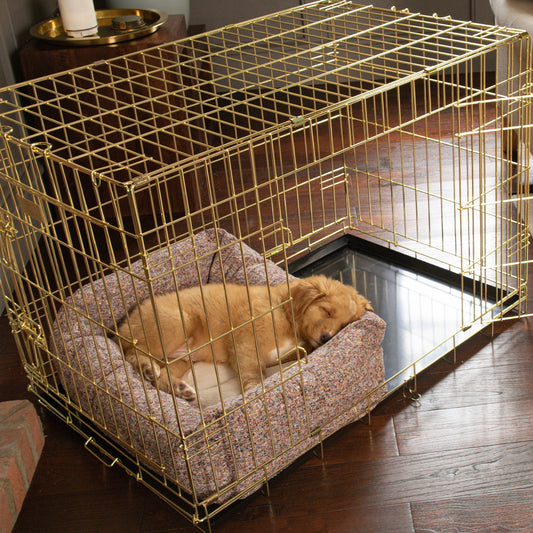
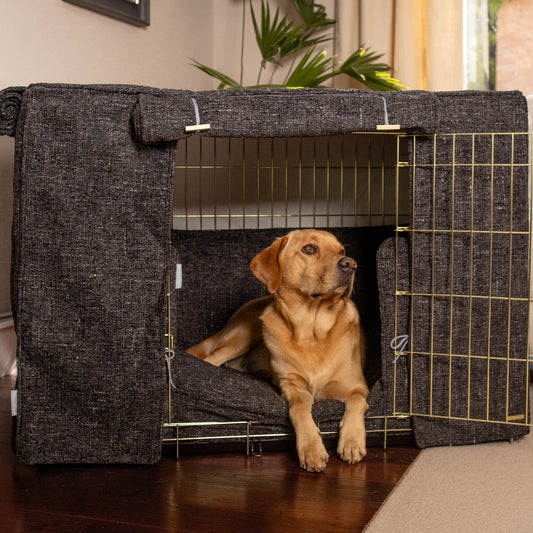
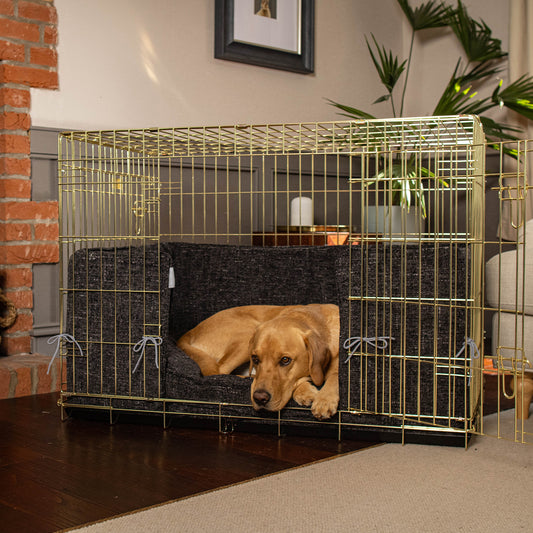
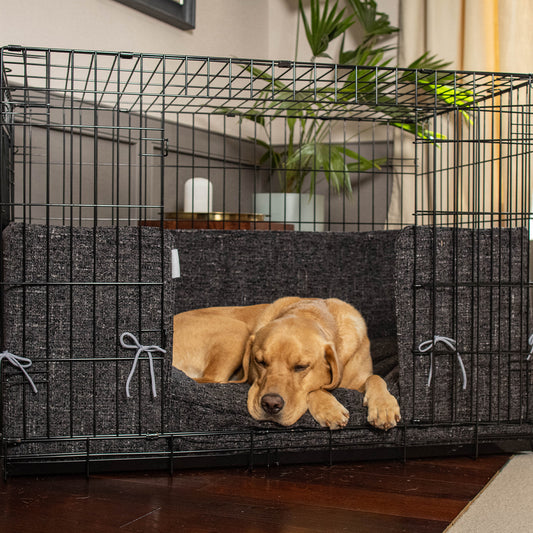
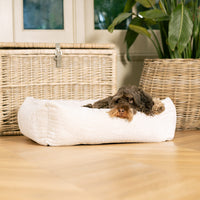
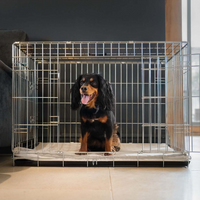
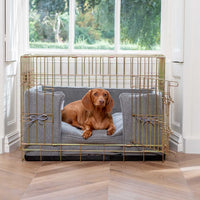
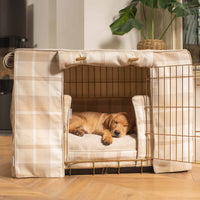
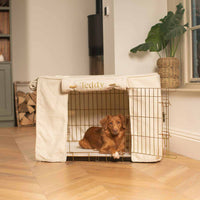
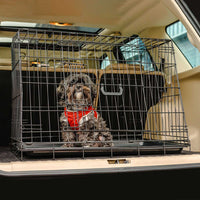
Space is another reason families tend to gravitate toward medium-sized dogs. They don’t need a vast garden to stay content, and they don’t feel out of place in a family home with a fairly ordinary layout. That said, they do still need a proper setup: a bed that fits them comfortably, and a crate that’s actually sized for them rather than one they’ve outgrown. If you’re not sure where to start, our guide to choosing the right dog crate size is a good place to look before you buy.
It’s also worth knowing that temperament, grooming needs, and energy levels vary enormously within the medium bracket. A Cocker Spaniel and a Whippet are both medium dogs, but they suit very different households and routines. The sections that follow will help you compare breeds honestly, so you can find the one that genuinely fits your family rather than just looks good on paper.
The best medium sized dog breeds UK families often love
There’s no universal shortlist when it comes to medium dog breeds, and honestly, that’s a good thing. The right match depends on your home, how your weekends tend to look, and whether your kids want a boisterous playmate or something a little more laid-back. The reassuring part? Family friendly dog breeds span a genuinely wide range of temperaments within the medium size bracket, so there’s something for most households if you know where to look.
Cocker Spaniels are one of those breeds that suit almost any setup. Affectionate, eager to please, and just the right size to squeeze onto the sofa after a proper walk, they slot into family life with surprising ease. Their coats do need regular attention to stay tangle-free, and those floppy ears are worth keeping an eye on, but most Cocker owners will tell you it quickly becomes second nature. They’re sensitive dogs who thrive on company and routine, so a calm, consistent home brings out the best in them.
Springer Spaniels bring considerably more energy. If your family’s idea of a great weekend involves long muddy walks, open fields, and generally being outside, a Springer will be in their element. They’re loyal, bouncy, and brilliant with children who can match their pace. That said, they need proper exercise and mental stimulation to stay settled, so they really do suit an active household rather than a quieter one.
Border Collies are among the most intelligent dogs you’ll encounter, which is both their greatest quality and something worth thinking carefully about. Physical exercise alone won’t cut it — they need their brains engaged too. Without a job to do, they can become anxious or restless, and your furniture may suffer for it. For families who love training, agility, or outdoor challenges, though, a Border Collie is a genuinely extraordinary companion.
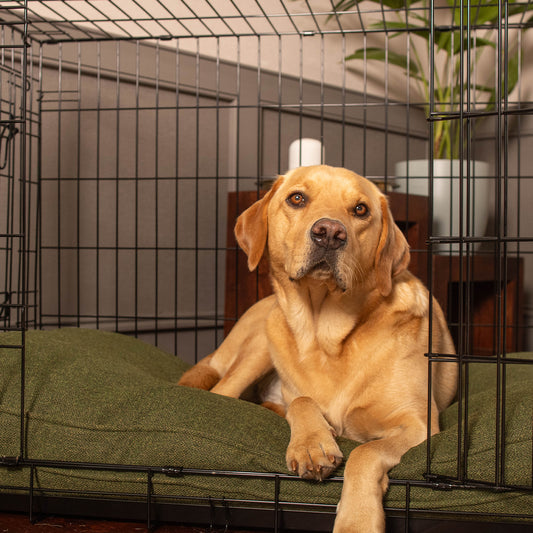
Labrador Retrievers remain a perennial favourite, and it’s easy to see why. Patient, adaptable, and famously good-natured with children of all ages, they fit comfortably into a wide range of family routines. It’s no surprise they consistently rank among Britain’s most popular dogs. They need daily exercise and have a well-documented enthusiasm for eating things they shouldn’t, but their warmth and easy temperament make them one of the most rewarding breeds to live with.
Staffordshire Bull Terriers are frequently misjudged, which is a real shame. They’re deeply loving, fiercely loyal, and often described as a big dog packed into a medium-sized body. Staffies tend to be wonderfully gentle with children they know well and form incredibly close bonds with their families. They’re strong dogs, so early training and socialisation are important, but give a Staffie a loving home and they’ll give you everything back.
Standard Schnauzers are less common but absolutely worth a look. Spirited, clever, and quietly confident, they bond closely with their people and tend to be naturally alert around strangers, making them attentive companions at home. Their wiry coat needs regular grooming to stay in good shape, and they do best with owners who enjoy a bit of structure and consistent training.
No single medium sized dog breed is the right answer for every family. The best fit is always the one that suits your actual life, not just the one that looks good on paper. Keep reading and we’ll help you work out exactly what to look for.
How to choose the right medium dog for your home and routine
Choosing the right medium dog breed has very little to do with falling for a face on Instagram and everything to do with having an honest conversation with yourself about your actual life. The breed that thrives with a family who has a garden, two school-age kids, and a passion for weekend hikes will look completely different from the right fit for a work-from-home couple in a flat. That gap between dream dog and daily reality is exactly where so many families come unstuck.
Here are the key things to think through before you commit:
- Daily exercise capacity: Some medium sized dogs are perfectly content with a couple of 30-minute walks a day, while others genuinely need an hour or more of real outdoor time. Be honest about what you can manage on a rainy Tuesday, not just a sunny Bank Holiday weekend.
- Household composition: If you have young children at home, temperament and patience matter enormously. Many family friendly dog breeds are brilliant with kids, but some settle better in calmer, quieter households.
- Grooming time: A Cocker Spaniel’s beautiful ears need consistent upkeep. A Whippet needs almost none. Think realistically about how much time you have each week, not how much you’d like to have.
- Alone time tolerance: Some dogs manage a few hours by themselves without issue; others find it genuinely distressing. If the house is empty all day, that narrows things down quickly.
- Barking tendencies: In a flat or terraced house, a naturally vocal breed can create neighbourly tension faster than you’d expect.
- Activity style: Do you want a dog who’s up for muddy trails and long rambles, or one who’s equally happy curled up after a short morning walk?
The best medium dog breed for your family is the one that fits your lifestyle, not just your wishlist.
Working through these questions will help you look at the breeds in this article with a much clearer eye. And if you’re fairly new to dog ownership, our guide to the best dog breeds for first-time owners is a great place to start — getting that match right from the beginning genuinely makes everything easier.
What medium dogs need to stay happy, calm, and well-behaved
Bringing a medium sized dog home is one of the most exciting things a family can do — but the real work starts once they’re through the door. What shapes a calm, confident dog isn’t just love (though that helps enormously). It’s the everyday rhythm of care, exercise, and consistency that makes the difference between a settled companion and a chaos merchant chewing your sofa cushions.
Here are the care pillars that matter most:
- Daily exercise that matches their energy level — most medium dog breeds need at least an hour of activity each day, whether that’s a brisk walk, a run in the garden, or a good game of fetch at the park.
- Reward-based training from the start — positive reinforcement builds trust quickly, and short, fun sessions work far better than long, repetitive ones.
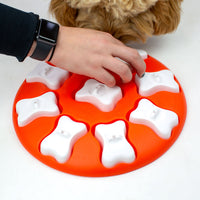
- Mental stimulation throughout the day — a puzzle feeder at mealtimes, a snuffle mat, or a Kong stuffed with something tasty gives their brain something to work on and helps them settle properly afterwards.
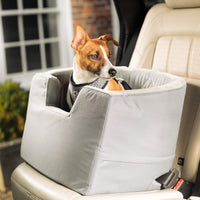
- A dedicated resting space they can call their own — dogs who have a familiar spot to retreat to, whether that’s a well-padded bed or a cosy crate, tend to feel more secure and less underfoot.
- Predictable daily routines — feeding, walking, and winding down at similar times each day helps medium sized dogs feel settled rather than anxious or on edge.
- Gradual socialisation — steady exposure to different people, dogs, and environments builds a dog who handles new situations calmly rather than reactively.
When these needs go unmet, even the most easy-going breeds can start acting out. Restlessness, destructive behaviour, and unusual clinginess are all worth paying attention to. More often than not, they point back to one thing: boredom. If any of that sounds familiar, it’s worth reading up on the signs your dog might be bored — and what you can actually do about it.
Medium dogs are wonderfully adaptable, but they still thrive on structure. The right setup at home — a good bed, enrichment toys, a consistent routine — makes a genuine difference to their temperament, and to how much everyone in the family enjoys having them around.
Are medium dogs the best choice for first-time owners and families with children?
For many new owners and families with children, medium dog breeds genuinely are a brilliant starting point — but size is only part of the picture. Temperament, energy levels, and how well a breed fits your actual daily routine matter just as much, if not more.
Here are some key things to weigh up before committing:
- Handling and control: Medium dogs are easier to manage on the lead than large breeds, which makes a real difference when you’ve got kids in tow or you’re still finding your feet as a new owner.
- Trainability: Many medium sized dogs, like Spaniels and Poodle crosses, respond brilliantly to positive reinforcement, which makes those early training sessions feel far less daunting.
- Energy levels vary widely: A Whippet and a Beagle are both medium dogs, but their exercise needs look very different day to day. Match the breed to your real lifestyle, not the idealised version of it.
- Supervision around young children: Even the gentlest dogs need careful introductions with small children. No breed is automatically child-proof, and that’s worth saying plainly.
- Early socialisation: Getting your dog used to new people, sounds, and situations early on makes a lasting difference to how they handle the world as they grow.
- Grooming demands: Some medium breeds need regular professional grooming, so it’s worth factoring in that time and cost from day one.
It’s no coincidence that several of the most popular family friendly dog breeds in the UK fall into the medium size range. They tend to strike a good balance between trainability and adaptability, which suits a wide range of homes and routines.
That said, no breed is a guaranteed perfect fit. Preparation matters just as much as picking the right dog. If you’re just getting started, these tips every first-time dog owner should know are well worth a read before bringing anyone home.
Finding the medium dog that feels right for your family
By now, you probably have a clearer sense of which medium dog breeds are calling your name. Maybe it’s the Cocker Spaniel’s affectionate nature that’s won you over, or the idea of a calm Whippet curled up on the sofa after a long day that sounds just right. Either way, use what you’ve learned here to build a shortlist of two or three breeds that genuinely suit your home, your walks, and your daily routine.
Before you contact a breeder or visit a rescue, it’s worth jotting down a few honest answers first. How much time do you realistically have for exercise on a weekday? Does anyone in the house have allergies? Are there young children or existing pets in the mix? Getting clear on those things before you fall in love with a dog you’ve just met makes the whole process feel far less overwhelming, and a lot more confident.
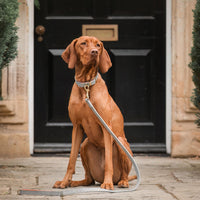
When you do find your match, being practically prepared matters more than most people expect. Knowing you already have the right bed, bowls, lead, and collar waiting at home takes a surprising amount of pressure off those first few days. If you want to feel genuinely ready rather than scrambling once they arrive, our puppy and new dog shopping list covers everything worth thinking about before they walk through the door.
The right medium sized dog is out there for your family. A little thought now means less guesswork later, and gives that first week together the best possible start.
Frequently Asked Questions
What are the best medium-sized dog breeds?
The best medium-sized dog breeds are the ones that fit your family’s real routine. For many UK homes, popular choices include Cocker Spaniels, Springer Spaniels, Border Collies, Labrador Retrievers, Staffordshire Bull Terriers, and Standard Schnauzers, with the right pick depending on energy level, grooming, and home life.
What is the calmest medium-sized dog?
A Whippet is presented as one of the calmer medium-sized options. They tend to need very little grooming and can suit families who want a dog that’s happy to curl up and relax after a shorter walk, rather than one that needs constant activity and stimulation.