





















































With their soft topknot, long low body, and centuries of Scottish Border history behind them, Dandie Dinmont Terriers are one of the most fascinating and underappreciated breeds around. In this guide, we’ll cover everything from the Dandie Dinmont Terrier’s quirky origins and day-to-day temperament to grooming, health, and what life with one actually looks like. Whether you’re already smitten or just starting your research, you’re in the right place.
What is a Dandie Dinmont Terrier, and why is this little dog so distinctive?
If you’ve ever spotted a dog that looks like it belongs in an old painting, there’s a good chance it was a Dandie Dinmont Terrier. This charming little breed has one of the most distinctive outlines in the dog world: short legs, a deep chest, a long, low body, and that wonderfully soft topknot that gives the face such a gentle, unmistakable expression. Once you’ve seen a Dandie, you tend to remember it.
Of course, the Dandie Dinmont Terrier breed is about much more than looks. These dogs are full of character. They’re confident, independent, and quietly determined, but often calmer and more composed than people expect from a terrier. If you love the idea of a small dog with plenty of personality, but without the constant bounce some terriers are known for, a Dandie can feel like a lovely middle ground.
They’re also quite rare, so meeting one often feels special. And while they may share that long-and-low shape with other breeds, their look and presence are entirely their own. If you’re preparing for life with a compact dog, our guide to everything you need for your new Dachshund can still be a helpful starting point for home set-up ideas. In this guide, we’ll walk through Dandie Dinmont Terrier temperament, grooming, health, and everyday care.
The Dandie Dinmont Terrier’s Scottish roots and the story behind the name
Few dogs come with a story quite as captivating as this one. The Dandie Dinmont Terrier traces its roots to the rugged border country between Scotland and northern England, where it earned its keep tackling otters, badgers, and other determined quarry across some of Britain’s most unforgiving terrain. This was a dog bred for real work, not appearances.
The name, though, comes not from a place but from a page. When Sir Walter Scott published Guy Mannering in 1815, one of its most beloved characters was Dandie Dinmont, a jovial Border farmer who kept a pack of plucky little terriers. Readers fell for him immediately, and breeders soon adopted the name for the real dogs that had inspired his fictional pack. That makes the Dandie Dinmont Terrier one of the very few breeds in the world named after a fictional owner rather than a place, a purpose, or a real person.
A few things worth knowing about where the breed came from:
- It developed across the Scottish Borders and Northumberland, shaped by farmers and huntsmen who needed a dog with genuine grit
- It is considered one of Britain’s oldest terrier types, with records stretching back several centuries
- Its compact but sturdy build made it well suited to going underground after quarry
- It featured in some of the earliest British dog show records, establishing it as a recognised breed long before modern registries existed
That mix of working toughness and literary heritage gives the Dandie Dinmont a character all of its own, and it remains one of the most quietly fascinating among Britain’s favourite dogs.
What is a Dandie Dinmont Terrier like to live with?
Living with a Dandie Dinmont Terrier is never dull. The temperament is a genuinely fascinating mix: all the grit and determination you’d expect from a working terrier, wrapped up in a surprisingly affectionate, often comical little companion who will absolutely make you laugh on a daily basis.
Here’s what day-to-day life with one actually looks like:
- Confident and fearless around much bigger dogs, with zero hesitation
- Stubborn in the best and most exhausting way — once they’ve made up their mind, you’re negotiating, not instructing
- Deeply loyal to their family, often picking one or two people as their true inner circle
- Genuinely funny, with a clownish streak that tends to surface at exactly the right moment
- Happy to play hard and then spend the evening curled up beside you on the sofa
- Independent enough to entertain themselves, but they still want to know you’re close by
- Calm and settled indoors, which makes them easier to live with than many terrier breeds
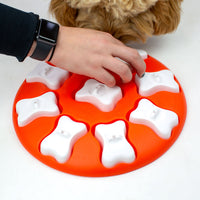
Those traits shape daily life in practical ways. A Dandie Dinmont Terrier doesn’t need marathon walks, but they do need mental stimulation — a bored Dandie will find their own entertainment, and you probably won’t enjoy what they come up with. Puzzle feeders, scent games, and short training sessions tend to hit the spot. They suit calmer households well, and owners who can read a dog with strong opinions will get the most from them.
If you want a dog with real character and a healthy streak of cheek, a Dandie Dinmont Terrier will absolutely deliver.
Dandie Dinmont Terrier care: grooming, exercise, feeding, and health basics
Dandie Dinmont Terrier care is more straightforward than you might expect, but this breed does ask for a little consistency. Get the basics right and you’ll have a happy, healthy companion who slots comfortably into everyday life.
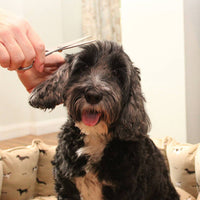
- Coat grooming: The Dandie’s double coat needs hand-stripping or professional trimming every 8 to 12 weeks to stay in good shape. In between, give the soft topknot a regular brush to keep tangles at bay.
- Daily exercise: Two short walks a day suits this breed well. They’re lively but not high-maintenance, and a good sniff around the garden genuinely counts for something.
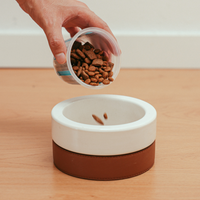
- Feeding: Portion control really matters with a small, sturdy dog. Choose a quality food suited to their size and age, and try to resist those pleading eyes at the dinner table — Dandies put on weight more easily than you’d think.
- Dental hygiene: Regular tooth brushing helps prevent the dental issues common in smaller breeds. A few minutes a few times a week adds up to a meaningful difference over time.
- Ear checks: Those low-set, feathered ears can trap moisture and debris, so a gentle clean once a week keeps things comfortable and healthy.
Worth knowing: Dandie Dinmont Terriers have long backs relative to their leg length, which makes them prone to intervertebral disc disease (IVDD). Keeping your dog at a healthy weight and discouraging big leaps on and off the sofa are two of the most practical things you can do to protect their spine long-term.
Day to day, responsible Dandie Dinmont Terrier ownership is really about building a gentle routine and staying observant. These dogs are hardy, but small habits matter more than people realise. Having the right things to hand, whether that’s a good brush for that distinctive coat or accessories that make portion control easier, takes the fuss out of the everyday. You’ll find everything worth having in our dog essentials collection.
Is a Dandie Dinmont Terrier the right dog for your home?
The Dandie Dinmont Terrier is a dog for someone who wants a genuine companion with real character, not simply a quiet, low-maintenance lap dog. If the idea of a small breed with quiet confidence, deep loyalty, and a touch of stubbornness appeals to you, this could be a wonderful fit.
It’s worth going in with realistic expectations, though. Dandie Dinmont Terrier grooming requires regular upkeep, so if a fuss-free coat is a priority, that’s worth factoring in from the start. Training calls for patience too. Dandies are clever and curious, but they respond far better to calm, consistent handling than to any kind of force or frustration. First-time owners can absolutely thrive with this breed, though a little research goes a long way. Our guide to the best dog breeds for first-time owners is worth a read if you’re still working out which breed suits you best.
Where the Dandie Dinmont Terrier truly comes into its own is as a devoted, adaptable companion for someone who appreciates a dog with its own personality and way of doing things. Flat or house, city or countryside, this breed tends to settle happily into all kinds of homes when its needs are properly understood. If that sounds like your kind of dog, you might just have found your perfect match.