The Dachshund is a very popular breed of dog, and for a good reason. Their small size makes them perfect for the majority of houses and flats, and their loving nature means that they are suitable for just about anyone to own. Their sweet nature complements their adorable appearance – and it is hard to say no to their notorious puppy eyes. However, before you bring your new Dachshund home, you have to make sure that they have everything they need in order to settle in.
Food and Water Dishes
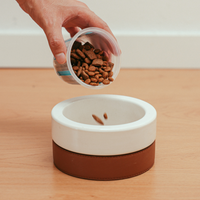
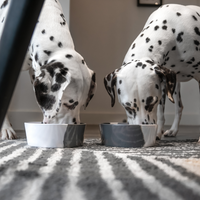
Your dog needs a bowl for food and another for water, and the water bowl should always be full so that your dog can stay hydrated. A top tip is to always buy bowls that are strong and robust, so that if you drop them, they won’t necessarily break.
Tarhong is the perfect option if you are looking for something that is strong and robust. They have a lovely finish, and are also non-slip, so your dog won’t be pushing water across the house. Plus, they come in a brilliant range of colours and designs, so you can personalise their eating and drinking bowls accordingly.
Bedding
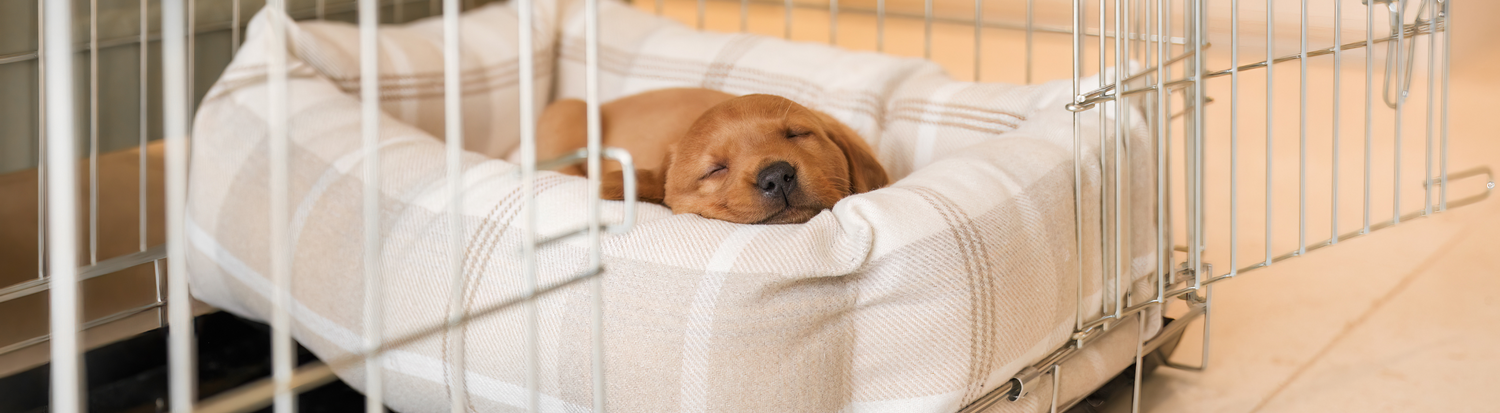
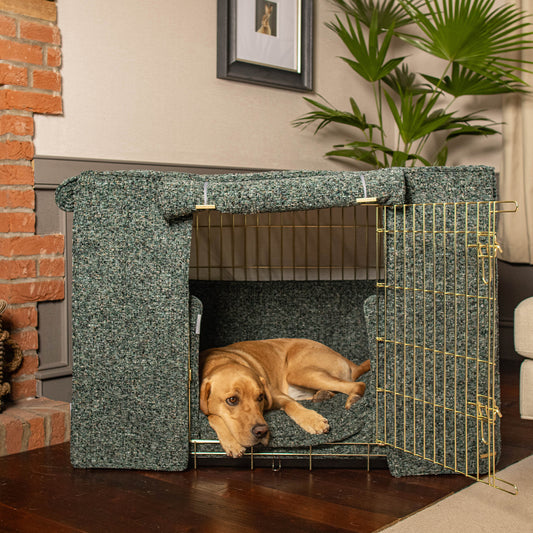
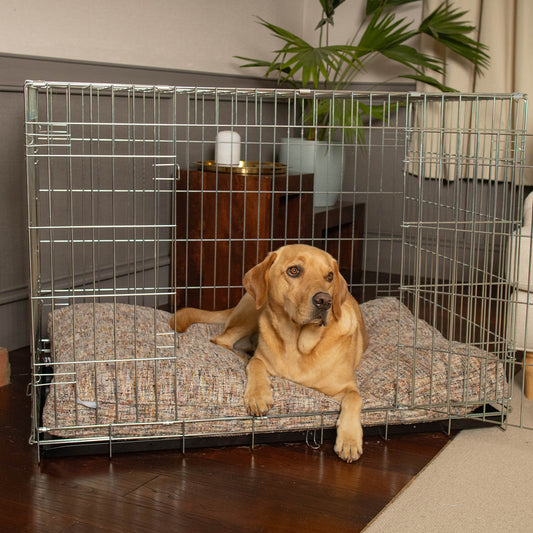
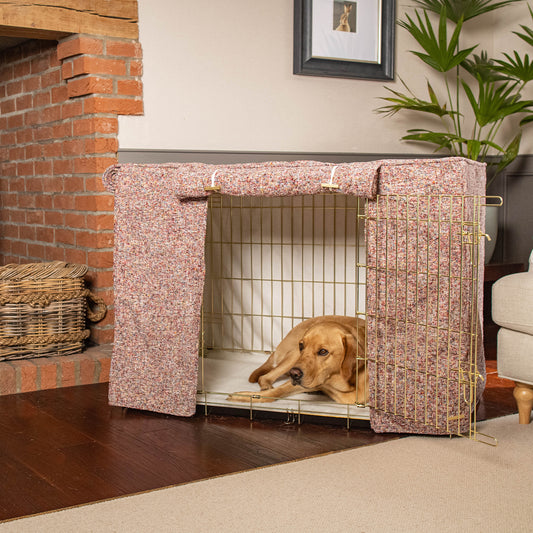
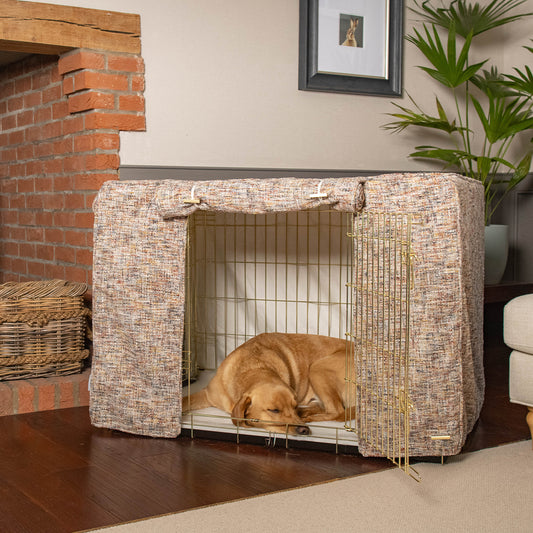
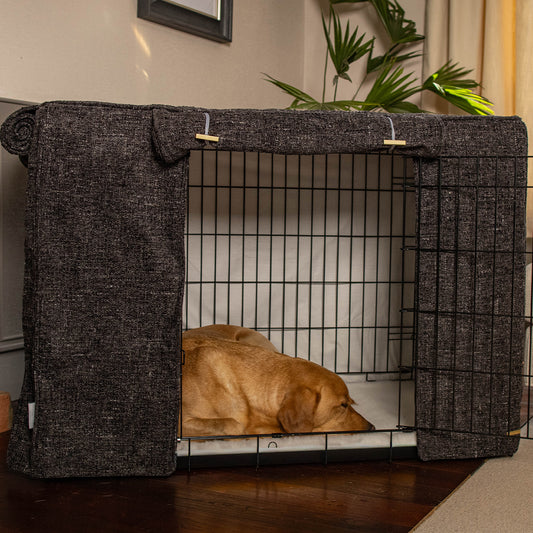
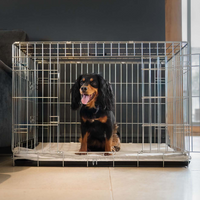
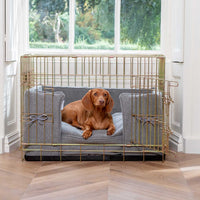
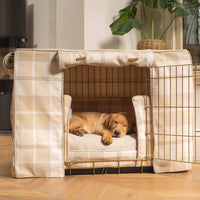
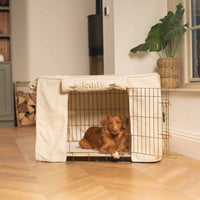
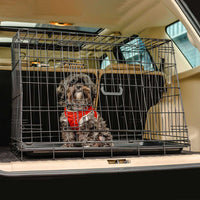
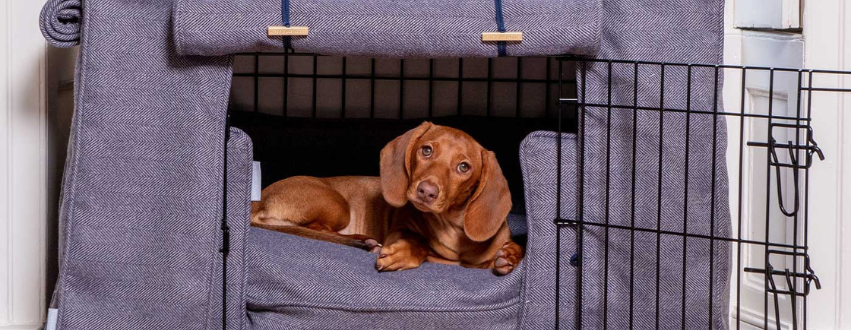
Your new Dachshund needs a nice and calming place to sleep, and for many, the crate is the perfect solution. The majority of dog’s love crates, and we have the perfect bundle for you that includes a crate cover, cushion and a bumper. This means the bedding reaches up the side of the cage to keep your little dog comfortable while they are sleeping. Cushioning and soft, it offers a safe and protected place to sleep – not to mention one that is incredibly snuggly. To start with, you may want to opt for a cosy & calming puppy crate bed, this fits in half of the crate with the other half free to pop in a puppy training pad and a bowl of water for your pup whilst they're toilet training.
Toys
It doesn’t matter how old your new friend is, they need toys to play with and chew on. It is very stimulating for them, both mentally and physically, and when you take the time to play with them, it helps to build an even stronger bond between you. Here are some of our top toys:
The KONG Puppy is the ideal chewing toy and great for teething puppies. A chew toy can ease boredom and help prevent destructive behaviour.
The KONG Cozie toys are lovely soft plushies. Great for playtime and fir snuggles at puppy bedtime too!
The KONG Puppy puzzle ball is a great interactive ball that can be loaded with puppy treats so your pup has a tasty reward for his playtime efforts!
Travel
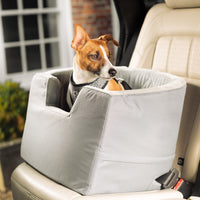
When it comes to going off on adventures together, try a travel booster seat. It provides your dog with an elevated box that they can sit in, so they can still see out of your car window. So, just because your dog is little doesn’t mean they have to stop doing what they love.
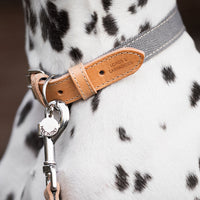
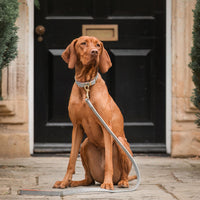
A nice collar and lead are also a must for any travels that you go on – whether it’s a walk or a simple car ride. The blue rolled leather collar from Dogs and Horses is an absolute must if you want something that has a stylish appearance but is still incredibly comfortable on your pet’s neck. However, if blue is not your colour, there are a range of others to choose from. Plus, matching leads are available which are just as soft and comfortable as the collars.
Hopefully, you now have a good idea as to what your new Dachshund needs. With so many wonderful things to choose from, you (and your dog) are sure to be spoiled for choice. If you make sure to have these necessities in your home before your new addition arrives, you will be well on the way to good ownership.
The Dachshund is a very popular breed of dog, and for a good reason. Their small size makes them perfect for the majority of houses and flats, and their loving nature means that they are suitable for just about anyone to own. Their sweet nature complements their adorable appearance – and it is hard to say no to their notorious puppy eyes. However, before you bring your new Dachshund home, you have to make sure that they have everything they need in order to settle in.
Food and Water Dishes
Your dog needs a bowl for food and another for water, and the water bowl should always be full so that your dog can stay hydrated. A top tip is to always buy bowls that are strong and robust, so that if you drop them, they won’t necessarily break.
Your new Dachshund needs a nice and calming place to sleep, and for many, the crate is the perfect solution. The majority of dog’s love crates, and we have the perfect bundle for you that includes a crate cover, cushion and a bumper. This means the bedding reaches up the side of the cage to keep your little dog comfortable while they are sleeping. Cushioning and soft, it offers a safe and protected place to sleep – not to mention one that is incredibly snuggly.
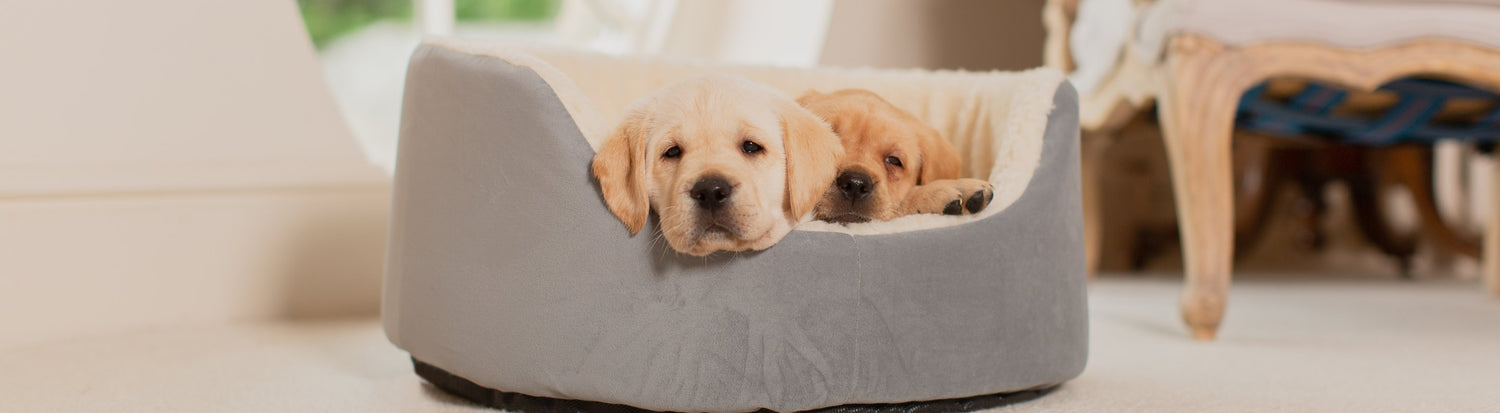
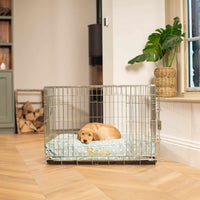
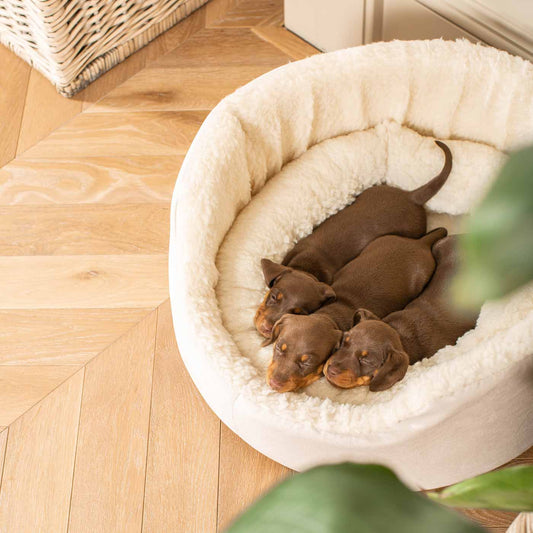
To start with, you may want to opt for a cosy & calming puppy crate bed, this fits in half of the crate with the other half free to pop in a puppy training pad and a bowl of water for your pup whilst they're toilet training.
Toys
It doesn’t matter how old your new friend is, they need toys to play with and chew on. It is very stimulating for them, both mentally and physically, and when you take the time to play with them, it helps to build an even stronger bond between you. Here are some of our top toys:
The KONG Puppy is the ideal chewing toy and great for teething puppies. A chew toy can ease boredom and help prevent destructive behaviour.
The KONG Cozie toys are lovely soft plushies. Great for playtime and fir snuggles at puppy bedtime too!
The KONG Puppy puzzle ball is a great interactive ball that can be loaded with puppy treats so your pup has a tasty reward for his playtime efforts!
Travel
When it comes to going off on adventures together, try a travel booster seat. It provides your dog with an elevated box that they can sit in, so they can still see out of your car window. So, just because your dog is little doesn’t mean they have to stop doing what they love.
A nice collar and lead are also a must for any travels that you go on – whether it’s a walk or a simple car ride. The blue rolled leather collar from Dogs and Horses is an absolute must if you want something that has a stylish appearance but is still incredibly comfortable on your pet’s neck. However, if blue is not your colour, there are a range of others to choose from. Plus, matching leads are available which are just as soft and comfortable as the collars.
Hopefully, you now have a good idea as to what your new Dachshund needs. With so many wonderful things to choose from, you (and your dog) are sure to be spoiled for choice. If you make sure to have these necessities in your home before your new addition arrives, you will be well on the way to good ownership.
SIGN UP FOR USEFUL TIPS & GUIDES STRAIGHT TO YOUR INBOX
Next Article
Owning a Dog
Fleece vs Waterproof Dog Coats: Which Do You Need And When?
Choosing between a cockapoo vs cavapoo is one of those decisions that feels straightforward until you start looking closely, and then the differences suddenly matter a great deal. Both breeds are affectionate, low-shedding, and easy to love, but they suit different homes, routines, and energy levels in ways that are worth understanding before you commit. This guide covers everything from size and exercise needs to grooming, temperament, health, and lifespan, so you can find the dog that genuinely fits your life.
Cockapoo vs Cavapoo: which breed is right for your home?
Both the Cockapoo and the Cavapoo have earned a well-deserved place among the UK’s most-loved dogs, and it’s easy to understand why. They’re affectionate, low-shedding, and brilliantly adaptable to all kinds of homes and routines. But if you’re weighing up the two, you’ve probably already realised that the differences are subtle enough to make the decision genuinely tricky.
A Cockapoo is a cross between a Cocker Spaniel and a Poodle. A Cavapoo brings together a Cavalier King Charles Spaniel and a Poodle. Both tend to inherit that famously soft, wavy-to-curly coat and a temperament that makes them a joy to live with — but they’re not quite the same dog to own day to day.
The cockapoo vs cavapoo question usually comes down to a handful of practical things: how much space you have, how active your household is, how much time you’re realistically willing to spend on grooming, and what kind of energy you want to walk through the door to. A family with a garden and a love of long weekend walks might find one a natural fit. Someone in a flat who works from home could find the other suits them far better.
This guide walks through the real differences — from Cockapoo coat types and exercise needs to temperament, health, and lifespan — so you can make a decision that genuinely suits your life, not just one that looks good on paper.
Size and exercise needs: which one fits your routine better?
Both breeds are small, loving companions, but in the cockapoo vs cavapoo conversation, size and energy can make a real difference to day-to-day life. Choosing the better fit for your routine often matters just as much as choosing the look or personality you love most.
Cockapoo
Cavapoo
Typical size and weight
Usually 5 to 11kg, depending on whether the Poodle parent is toy, miniature, or larger
Usually 5 to 10kg, though size can still vary between litters
Daily exercise needs
Around 40 to 60 minutes, plus games, training, and mental stimulation
Around 30 to 45 minutes, with gentle play and regular walks
Best living environment
Often suits more active homes and can enjoy extra outdoor time
Usually adapts well to flats or houses, especially with a steady routine
In real life, that often means:
Cockapoos tend to suit pet parents who enjoy longer walks, more active play, and keeping their dog busy with training or puzzle toys
Cavapoos are often a little easier to slot into a quieter routine, though they still need daily walks, play, and company
Cockapoos can be a lovely match for families or individuals who want a cheerful dog to join in with weekend outings and busier days
Cavapoos often suit smaller homes well, but their comfort in a flat still depends on enough exercise, enrichment, and time with their people
Neither breed needs a huge garden to be happy. What matters more is whether you can offer the right balance of walks, play, rest, and companionship.
If you’re leaning towards a Cockapoo, our guide to everything you need for your new Cockapoo is a helpful next read.
Coat, shedding, and grooming: what to expect week to week
When it comes to cockapoo vs cavapoo grooming, both breeds often have low-shedding, Poodle-influenced coats, but neither comes with a one-size-fits-all grooming routine. In both crosses, coat type can vary quite a bit depending on what they inherit, so you might see anything from a softer, straighter coat to loose waves or tighter curls.
Feature
Cockapoo
Cavapoo
Typical coat
Wavy to curly, sometimes denser
Straight to wavy or loosely curly
Shedding
Usually low, but varies by coat type
Usually low, but varies by coat type
Brushing needs
Often several times a week, sometimes daily for curlier coats
Often a few times a week, sometimes more for thicker or curlier coats
Professional grooming
Usually regular trims help keep coats manageable
Usually regular trims help keep coats manageable
In day-to-day life, the biggest factor is usually curl and thickness rather than breed name alone. A curlier Cockapoo may need very frequent brushing to stop knots forming behind the ears, under the collar, and around the legs. A Cavapoo with a fluffier or curlier coat can need exactly the same level of upkeep.
A realistic weekly routine for either breed usually includes:
Brushing thoroughly to catch tangles before they turn into mats
Wiping around the eyes if tear marks or build-up appear
Checking floppy ears and gently cleaning if needed
Keeping a good brush on hand, which makes grooming much easier. If you’re unsure where to start, this guide to choosing the best brush for your dog is genuinely helpful
So, in the cockapoo vs cavapoo debate, think less in absolutes and more about the individual coat your puppy is likely to have.
Temperament and family fit: which one suits your household?
Both breeds are genuinely loving and people-focused, which is part of why the cockapoo vs cavapoo decision feels so tricky for many families. That said, some real differences in energy and emotional sensitivity can make one a noticeably better fit depending on what your home life actually looks like day to day.
Trait
Cockapoo
Cavapoo
Affection level
High
Very High
Energy and playfulness
High
Moderate
Emotional sensitivity
Moderate
High
Behaviour around children
Excellent, suits older kids
Excellent, gentle with young children
Compatibility with other pets
Very good
Very good
Cockapoos bring an almost clown-like energy to the household. They love a good garden run-around, thrive with older children who can match their pace, and fit brilliantly into busy, active homes where there is always something going on. Sociable, a little cheeky, and genuinely fun to be around — they rarely let a dull moment stand.
Cavapoos are softer in temperament and often surprisingly emotionally intuitive. They pick up on mood, settle naturally into calmer routines, and tend to shadow their favourite person like a small, fluffy shadow. That makes them a wonderful choice for quieter households, first-time dog owners, or families with very young children who need a gentle, patient companion. If that sounds like your home, it is worth exploring Cavapoos at Lords & Labradors to see what is available.
Temperament is a big piece of the puzzle, but size, grooming, and health all feed into the cockapoo vs cavapoo decision too.
Health, lifespan, and common breed considerations
When weighing up cockapoo vs cavapoo, health is less about one being “stronger” than the other and more about the parent lines, the breeder’s health testing, and the care your dog gets throughout life.
Both crosses can be long-lived, but exact lifespan and health risks vary from dog to dog. In general, you may see Cockapoos and Cavapoos living well into their teens, especially with a balanced diet, sensible exercise, good dental care, and regular vet checks.
A Cockapoo may be more likely to inherit issues seen in Cocker Spaniels or Poodles, such as eye conditions, joint problems, or recurring ear trouble. A Cavapoo can inherit concerns linked to Cavalier King Charles Spaniels or Poodles, including heart conditions, kneecap issues, eye problems, or, in some lines, neurological conditions. That does not mean every dog will develop these problems, but they are worth asking about early.
If you’re choosing between a cockapoo or cavapoo, ask the breeder or rescue:
Have the parent dogs had relevant health tests, and can I see the results?
Is there any family history of heart, eye, joint, or neurological problems?
Have there been any ongoing skin, ear, or dental issues in related dogs?
What should I keep an eye on as my puppy grows?
Day to day, both breeds benefit from the same basics: keeping on top of weight, cleaning floppy ears, brushing teeth, and booking routine check-ups rather than waiting for a problem.
A responsible breeder or knowledgeable rescue should be happy to talk openly about health. And if you’re leaning towards this breed, our guide to everything you need for your new Cavapoo puppy is a helpful next read.
So, should you choose a Cockapoo or a Cavapoo?
Both breeds are wonderful — the real question in the cockapoo vs cavapoo debate is which one slots most naturally into your life.
If you love long walks, have an energetic household, or want a dog who genuinely thrives on activity and mental stimulation, a Cockapoo is likely your match. They bring real enthusiasm to everything, do brilliantly with children and other dogs, and tend to have a slightly longer lifespan. Just know that keeping up with that coat means regular grooming is part of the weekly routine, not an occasional extra.
If you want a gentler, more adaptable companion who is just as happy curled up beside you as pottering around the garden, a Cavapoo often fits that brief beautifully. They tend to suit quieter homes, older owners, and families with young children who need a dog with a naturally soft temperament. Their smaller size also makes flat or apartment living far more manageable day to day.
That said, both breeds are affectionate, low-shedding, and people-focused in the best possible way. Either one will reward you with loyalty, bags of personality, and more tail-wagging than you probably expected. The best choice simply comes down to being honest about your energy levels, your space, and the kind of daily life you actually live — not the one you picture on your very best days.
Frequently Asked Questions
Who barks more, Cavapoo or Cockapoo?
Cockapoos are more likely to be the livelier, more energetic of the two, while Cavapoos tend to be gentler and better suited to calmer routines. That can make Cockapoos seem more vocal in busy homes, but barking itself depends on the individual dog, their routine, and how much stimulation they get.
What is the downside of a Cavapoo?
A Cavapoo’s main downside is that they can be more emotionally sensitive and may need a steadier, calmer routine than some families expect. Their coat can still need regular brushing and trims, and it’s also sensible to ask carefully about inherited health issues, especially heart, eye, kneecap, and neurological concerns.
What sheds more, Cockapoo or Cavapoo?
Neither clearly sheds more overall, because both usually have low-shedding coats and the biggest factor is the individual coat type. A curlier or thicker coat on either breed can change how much loose hair you notice, so it’s more about what they inherit than whether they’re a Cockapoo or Cavapoo.
Welcoming a Great Dane puppy into your home is one of life’s great joys, and one of its great logistical challenges. This great dane puppy checklist covers everything you need to sort before they arrive, from the right crate and bedding to feeding setups, joint-friendly exercise, grooming basics, and a first-week routine that actually holds together. Think of it as your practical companion for those early weeks, written with the real pace of Great Dane growth firmly in mind.
Great Dane puppy checklist: what to sort before your puppy comes home
Bringing home a Great Dane puppy is wildly exciting, and a little bit humbling too. They grow at an astonishing pace, take up more room than most first-time owners expect, and can make an average puppy setup feel undersized almost overnight. Sorting your home before they arrive makes those early days feel much calmer for everyone.
A good great dane puppy checklist is not just a standard puppy list scaled up a bit. The essentials are similar, but the size, strength, and growth rate of this breed change the practical details. A crate that feels roomy for another puppy may be outgrown far sooner than you think. Beds need to offer proper support for long, growing limbs. Even everyday things like where your puppy eats, sleeps, and flops after a play session need a little more thought with a giant breed.
Before your puppy comes home, make sure you have:
A designated safe space, such as a large crate, sturdy pen, or a sectioned-off corner of the house where they can rest and settle
Supportive giant breed bedding that gives them somewhere comfortable to stretch out
Food and water bowls that are easy to access and stable enough not to skid around the kitchen
Simple puppy-proofing, especially for anything chewable, breakable, or likely to end up at nose height sooner than expected
Flooring matters more than many people realise. Slippery surfaces can be awkward for a gangly Great Dane puppy, so rugs or non-slip runners in the rooms they use most can help them feel steadier and more confident from day one.
When you’re thinking about Great Dane puppy essentials, try to picture the dog you’ll have in a few months, not just the puppy you’re bringing home now. That mindset makes it much easier to choose Great Dane puppy supplies that will still work as they grow.
If you’re still ticking off the wider basics, our guide on how to prepare for your new puppy is a helpful next step.
Choosing the right crate, bed, and safe space for a giant breed
Most puppy gear is designed with a Labrador or Spaniel in mind — which means if you’re buying for a Great Dane, standard sizing becomes irrelevant almost immediately. A Great Dane puppy can double in size within weeks. That crate that looks roomy at eight weeks? It can feel like a shoebox by four months. Giant breed sizing really is its own category, and it’s worth treating it that way from day one.
When choosing a crate, look for:
Size with room to grow. You’re not buying for the puppy standing in front of you — you’re buying for the adolescent dog arriving fast behind them. An adult Great Dane needs a crate at least 54 inches long, so starting in that range makes sense from the outset.
A divider panel. This lets you section off the space while your puppy is small, keeping things feeling den-like without having to buy two crates inside six months.
Robust construction. Great Danes are strong even as puppies. A lightweight wire crate with flimsy latches won’t last long — look for heavy-duty options with solid welding and secure closures.
Easy cleaning. A removable base tray is non-negotiable. Accidents happen, and you’ll be very glad you have one.
For help matching dimensions to your puppy’s projected adult size, our crate sizing guide walks through exactly how to do that for larger breeds.
On the bedding side, an orthopaedic or memory foam mattress is genuinely worth the investment. Great Dane joints carry a lot of weight as they grow, and a supportive surface can make a real difference during those rapid development months. Elevated beds and bolster styles can work beautifully too, particularly for dogs who love something to rest their head against.
Think of your safe space as a long-term setup rather than a starter kit you’ll outgrow in a season. Getting this right early is one of the most practical items on any Great Dane puppy checklist, and it pays off every single day.
Feeding a Great Dane puppy: what to buy and how to set up mealtimes
Feeding a Great Dane puppy takes a little more planning than feeding a smaller breed, and it is one of the most important parts of your Great Dane puppy checklist. Because these puppies grow so quickly, the aim is steady, controlled growth rather than piling on size too fast. A large-breed puppy food is usually the best place to start, as it is designed with that balance in mind.
Before your puppy comes home, it helps to have a few feeding essentials ready:
Large stainless steel or ceramic bowls — easy to clean, hard to tip over, and much tougher than plastic, which can get scratched, chewed, and grubby quite quickly.
A feeding mat — Great Dane puppies are often wonderfully enthusiastic eaters, and water seems to travel everywhere. A silicone mat makes cleanup much easier.
An airtight food storage container — giant breed puppies can get through food surprisingly fast, so keeping kibble fresh and neatly stored is well worth it.
An optional raised feeding stand — some owners like them, but opinions are mixed, so it is best to check with your vet before deciding whether one suits your puppy and setup.
Once you have your Great Dane puppy supplies sorted, focus on keeping mealtimes simple and consistent. Split the daily amount into smaller, regular meals rather than one big serving. That can feel easier on a young puppy’s digestion and may help avoid gulping or overeating. Try to feed in the same spot each day, keep the area calm, and avoid lots of rushing about straight after meals. With a breed this big, a steady routine really does make everyday life feel smoother.
If you are wondering what do you need for a Great Dane puppy when it comes to food, start with the right diet, practical bowls, smart storage, and a calm routine you can stick to.
Not sure which food to choose? Our guide to choosing the right food for your puppy is a helpful next step.
Exercise, training, and early joint care for growing Great Danes
One of the trickiest parts of Great Dane puppy care is getting the balance right. Your puppy needs movement, stimulation, and time with you to grow into a confident adult, but those fast-growing joints need plenty of protection too. It’s a big part of any great dane puppy checklist, because with giant breeds, more exercise is not always better.
A handy rule many vets and experienced Dane owners use is the five-minute guideline: around five minutes of structured exercise per month of age, twice a day. So if your puppy is three months old, aim for about fifteen minutes at a time, not a long park walk. Great Dane growth plates can stay open until around eighteen months, sometimes longer, which is why repeated jumping, slippery floors, hard pavements, and rough play with larger dogs are worth keeping an eye on. In the early months, short and steady really does win.
When you’re choosing Great Dane puppy essentials for walks and training, keep it simple and supportive:
A well-fitted harness instead of relying only on a collar, especially for early lead practice
A lightweight lead that feels easy to manage without adding extra bulk
Short socialisation trips focused on new sights, sounds, smells, and surfaces
Small, tasty training treats for positive reinforcement
Gentle indoor enrichment such as sniff mats, simple scent games, and short training sessions at home
Training matters early with a breed this size. It’s much easier to teach loose-lead walking, recall, and calm manners when your puppy is still small enough to guide comfortably. A few minutes here and there, after naps, before meals, or during quiet moments in the kitchen, soon adds up. That steady routine helps your puppy learn without becoming overtired. If you want help getting started, our guide on how to train your puppy is a really useful next read.
One thing many new owners find helpful is swapping some physical exercise for brain work. A scatter feed on the grass, a gentle find-it game in the living room, or practising “sit” and “wait” for dinner can tire out a Great Dane puppy far more kindly than overdoing a walk.
Quick tip: The aim isn’t less activity. It’s smarter, lower-impact activity that supports healthy growth and helps your puppy become a calm, easy-to-live-with adult.
Grooming, cleaning, and everyday home life with a very big puppy
Daily life with a Great Dane puppy is joyful, chaotic, and wonderfully messy. Drool appears from nowhere, garden trips leave dinner-plate muddy prints across your kitchen floor, and the sheer volume of dog you’re now managing can catch even the most prepared owner off guard. Having the right supplies ready before they arrive makes everything easier — and a thorough great dane puppy checklist goes well beyond beds and bowls. It’s the unglamorous everyday essentials that actually keep your home liveable.
Microfibre towels — keep a stack by the back door for post-walk paw wipe-downs; you’ll reach for them every single day
Drool cloths — lightweight cotton cloths are ideal for quick face wipes between meals and adventures
Enzymatic cleaner — the only cleaner worth having for accidents; it breaks down odour at the source rather than masking it
Slicker brush — Great Danes shed more than you’d expect for a short-coated breed, and a weekly brush keeps on top of it with minimal effort
Nail clippers or a scratch board — large breed nails grow fast, and you’ll hear them clicking on hard floors sooner than you think
Durable chew toys sized for large breeds — anything smaller is a hazard and won’t survive a teething session
Rope toys and rubber chews — give growing jaws a safe, satisfying outlet and keep boredom at bay
A storage basket or crate-side caddy — wrangling bulky Great Dane puppy supplies from different corners of the house gets old fast
Lint roller — short hair embeds itself into everything; keep one in every room and thank yourself later
Practical tip: Always check that toys and accessories are rated for large or giant breeds before buying. Something labelled for medium dogs won’t last the week with a teething Great Dane, and smaller items can quickly become a choking risk as your puppy grows into their considerable size.
Getting your Great Dane puppy essentials sorted early means daily care feels like a rhythm rather than a scramble. Browse our puppy essentials built for bigger breeds to find supplies that are genuinely up to the job.
Your first week with a Great Dane puppy: the routines that make everything feel easier
The first few days with a Great Dane puppy can feel like a lot, but a simple routine makes everything calmer for both of you — and it comes together more quickly than you’d think.
Start each morning the same way: puppy out of the crate, straight outside for a toilet break, then breakfast. Great Danes are surprisingly quick to pick up on patterns, and that consistency genuinely helps them settle. Feeding at the same times each day, using a raised feeder at the right height, and keeping the bowl in the same spot all signal to your puppy that they’re somewhere safe and predictable.
During the day, aim for a toilet trip every one to two hours — especially after meals, naps, and play. It sounds like a lot, and honestly, it is at first. But Great Danes grow so fast that good habits formed now save a lot of effort (and mopping) later.
Keep evenings calm and low-key. A tired giant puppy is a happy one, but overtired tips quickly into fractious and hard to settle. Short indoor play, a sniff around the garden, and then into the crate with a chew or a snuffle toy. If they’re struggling to wind down, that’s usually a cue for more rest, not more activity.
Use this first week to check that everything you set up is actually working in practice. Can your puppy stand and turn in the crate? Is the bed firm enough to support their joints without them sinking in? Are they eating comfortably without craning their neck down? These small adjustments matter more with a giant breed than they would with almost any other dog.
For a fuller look at how to manage those early days hour by hour, our guide to bringing home a puppy has everything you need to feel properly prepared.
Frequently Asked Questions
What are the essentials for a Great Dane puppy?
The essentials for a Great Dane puppy are a safe, roomy setup and giant-breed gear that will last through fast growth. Start with a large crate or pen, supportive bedding, stable food and water bowls, puppy-proofing, non-slip rugs, large-breed chew toys, and simple grooming and cleaning basics.
What not to do with a Great Dane puppy?
Don’t overdo exercise, encourage lots of jumping, or let your puppy charge around on slippery floors and hard pavements. Great Danes grow quickly, so it also helps to avoid flimsy gear, undersized toys, and rushed mealtime or training routines that don’t support calm, steady development.
What do I need to know about Great Dane puppies?
Great Dane puppies grow incredibly fast, so everything needs more forethought than a standard puppy setup. They need supportive bedding, sturdy oversized gear, calm feeding routines, lower-impact exercise, early training, and good footing at home. Thinking ahead to the adolescent dog they’ll soon become makes life much easier.
A Pomeranian's First Year: What To Expect And How To Prepare
Bringing home a Pomeranian puppy is one of those experiences that can feel equal parts thrilling and completely overwhelming, often within the same afternoon. This Pomeranian first year guide walks you through everything you actually need to know, from those first wobbly settling-in days to the adolescent wobble and beyond, with practical advice on training, grooming, feeding, and the kit worth having from day one. Think of it as a friendly heads-up for every stage, so you can stop second-guessing yourself and start enjoying the ride.
What to expect from a Pomeranian in their first year
Pomeranians are small dogs with enormous personalities, and the first year with one is genuinely unlike any other puppy experience. They are curious, clever, and often hilariously opinionated from day one. If you have ever watched a tiny fluffball confidently strut across the room and decide your sofa belongs to them, you will know exactly what we mean.
That first year is also when so much of their character, confidence, and behaviour takes shape. It is a lot to hold in your head all at once, which is why a month-by-month approach is so useful. Rather than worrying about everything in advance, you can focus on what actually matters right now — whether that is helping your puppy settle in during those first wobbly weeks, or finding your footing through the chaos of the teenage phase around six to nine months.
Pomeranian puppies move through some predictable but important stages. The early weeks are about bonding, building trust, and getting simple routines in place. From around three to four months, socialisation and early training really come into their own. By six months, their double coat starts to develop properly, their personality is in full swing, and a little structure goes a long way. The final stretch of the year is about consolidating all of that and growing into a settled, happy companion.
Every Pomeranian is slightly different, of course. Some take to training quickly; others need more patience and consistency. But most owners find that once they understand what to expect and when, raising a Pomeranian puppy feels far more manageable than they imagined. If you are still in the planning stage, our guide on how to prepare for your new puppy is a great place to start.
Pomeranian month-by-month: key milestones from 8 weeks to 12 months
Every Pomeranian puppy moves through the first year in clear stages, and knowing what is coming can make day-to-day life feel much less overwhelming. In this Pomeranian first year guide, think of the timeline as a handy reference point, not a strict checklist. Some pups race ahead in one area and take their time in another, and that is perfectly normal.
Weeks 8 to 10: Settling in and building trust.
Your puppy has just left their mum and littermates, so this stage is all about helping them feel safe. Expect some crying at night, a bit of uncertainty, and lots of sniffing as they work out their new world. Keep the house calm, stick to a simple routine for meals, naps, and toilet breaks, and let them explore one room at a time if they seem unsure. It is tempting to invite everyone over to meet them, but a quieter start often helps a tiny Pom feel secure much faster.
Months 2 to 3: Toilet training and the socialisation window.
This is one of the biggest stages in Pomeranian puppy development. Toilet training needs consistency, especially with such a small breed, as little bladders do not wait long. Take them out after sleeping, eating, playing, and any excited zoomies around the kitchen. Praise them the second they get it right. At the same time, start gentle socialisation. Let them hear the vacuum from a distance, walk on different surfaces, meet calm visitors, and see the world at a pace they can handle. The goal is not to flood them with experiences. It is to show them that new things are safe.
Months 3 to 4: Teething begins.
This is usually when you start wondering why your puppy is trying to chew the coffee table, the skirting board, and your hands in the same afternoon. Teething can make them mouthy and a little cranky. Keep soft toys and suitable chews close by so you can redirect quickly. If they nip at fingers or ankles, stay calm and swap in a toy straight away. Dramatic reactions often turn it into a game, which is the last thing you want with a bright little Pom.
Months 4 to 6: Growing confidence and learning the basics.
For many owners, this is a lovely stage. Your puppy is more switched on, more curious, and usually keen to learn. Focus on the basics that make everyday life easier: sit, stay, recall, loose lead walking, and settling calmly. Keep sessions short and upbeat, around five minutes at a time, and scatter them through the day rather than doing one long lesson. Pomeranians are clever and can get bored if training feels repetitive, so mix things up. If treats have been doing a lot of the heavy lifting, begin to vary the rewards with praise, toys, or a little fuss so good habits start to stick.
Months 6 to 9: The adolescent wobble.
This stage can be surprisingly frustrating if you are not expecting it. Your puppy may seem to forget things they definitely knew before. Recall goes a bit fuzzy, listening becomes selective, and boundaries suddenly look open for debate. This is a normal part of raising a Pomeranian puppy. Hormones, confidence, and curiosity are all shifting at once. Keep your routines steady, ask clearly for one thing at a time, and go back to basics where needed. If loose lead walking or polite greetings start slipping, that does not mean you have failed. It just means your puppy needs a refresher.
Months 9 to 12: Becoming a young dog.
By this point, many Pomeranians start to feel more settled and more predictable. You will often notice longer calm periods, better focus, and a stronger bond in everyday routines. Keep reinforcing the behaviours you want, continue introducing new places and friendly dogs, and help them practise being calm in busier environments too. This is also a good time to think about what you want adult life to look like, whether that is regular grooming, relaxed café trips, or curling up quietly while you work from home.
One thing to remember throughout your Pomeranian puppy first year is that progress rarely happens in a straight line. You might have a brilliant week of toilet training, followed by two random accidents. You might think teething is over, then find one more chewed slipper by the sofa. That is all part of it.
If you use this timeline as a guide, rather than a test, you will find it much easier to stay calm and consistent. And that really is what helps most. A steady routine, kind repetition, and realistic expectations will take your puppy a long way through their first year.
Training, socialisation, and routines that make life easier
Building simple, consistent habits early is one of the most valuable things you can do in your Pomeranian’s first year. Pomeranians are quick learners, but they also have big personalities, so a little gentle structure from the start helps them feel secure rather than like they’re running the household. Get these foundations right and everything else genuinely does become easier.
Toilet training: Start from day one with regular trips outside, especially after meals, naps, and play. Pomeranians are small, which means their bladders are too, so frequent opportunities and calm praise will take you a long way.
Crate introduction: A crate gives your Pom a safe, cosy space that is just theirs. Introduce it gradually with soft bedding and a few treats so they choose to settle in it, rather than feeling shut away.
Early grooming handling: Get your puppy used to being brushed, having their paws touched, and sitting still from the very beginning. Pomeranians need regular grooming throughout their lives, so building tolerance early saves a lot of stress for both of you later on.
Basic commands: Simple cues like sit, wait, and come provide mental stimulation and strengthen your bond. Short, positive sessions of around five minutes tend to work much better than longer ones with this breed.
Socialisation with people and dogs: Introducing your puppy to different people, sounds, and environments while they are young helps prevent the nervousness that Pomeranians can sometimes develop if the world feels unfamiliar.
A calm daily rhythm: Feeding, walks, and rest at similar times each day helps your puppy regulate their energy and settle into their new home more quickly.
The window between 3 and 12 weeks is the most important period for socialisation, and making the most of it has a lasting impact on your puppy’s confidence. Our guide to socialising a puppy walks you through practical steps for doing this well.
Raising a Pomeranian puppy does not require perfection, just patience and consistency. Stick with these routines, adapt as you learn what works for your dog, and you will notice your puppy growing more confident and settled with every passing week.
Essential kit for your Pomeranian puppy
Getting the right kit together before your Pomeranian arrives makes those first few weeks feel a lot more manageable. Think of this as your practical starter list — the things that genuinely earn their place from day one and keep coming back into use all year long.
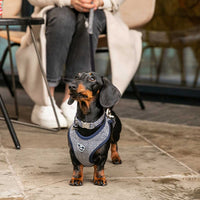
A harness and lead sized for small breeds. Pomeranians have delicate tracheas, so a well-fitted harness is much safer than a collar for walks and early lead training.
A cosy bed or crate with soft bedding. A snug, enclosed space gives your puppy somewhere to feel secure and settle. Lords & Labradors’ puppy beds and crate mats are made with exactly this in mind — soft, washable fabrics that hold up to real puppy life.
A slicker brush and metal comb. That fluffy double coat needs regular brushing even before it fully comes in. Starting early builds the habit and keeps tangles manageable as the coat develops.
Nail clippers designed for small dogs. Little nails grow fast. Getting your puppy comfortable with paw handling early on saves a surprising amount of stress down the line.
Interactive and chew toys. Pomeranians are clever and get bored quickly. A mix of puzzle feeders and safe chews keeps their minds busy — and your sofa cushions in one piece.
Stainless steel or ceramic feeding bowls. Easy to clean, appropriately sized, and stable enough that a small snout won’t send them sliding across the floor.
An airtight food storage container. Keeps dry kibble fresh and makes portioning simple, which matters a lot when you’re carefully weighing meals in those early months.
Getting these sorted before your puppy arrives means one less thing to figure out on the day. You can find breed-suitable options all in one place in the Lords & Labradors puppy essentials collection.
Feeding, grooming, and health basics to keep on top of
Routine care is the quiet backbone of a happy puppy, and in any Pomeranian first year guide, it’s often the little things you do consistently that matter most.
Feeding: Pomeranian puppies usually do best on three to four small meals a day at first, then often move to three meals as they grow. Choose a good-quality puppy food made for small breeds, and check portions against your puppy’s age and weight. Because Poms are tiny, even small overfeeds can add up quickly.
Coat care: That lovely double coat needs regular brushing, ideally two to three times a week. Start with short, calm sessions while your puppy is still young so grooming feels normal rather than a battle. A slicker brush and a wide-tooth comb are a great starting pair.
Dental habits: Tiny breeds can be more prone to dental trouble, so it helps to begin early. A soft puppy toothbrush, finger brush, or vet-approved dental chew can all help build the habit.
Flea and worming: Your vet will recommend the right products and timing for your puppy’s size and age. Set reminders on your phone because it’s surprisingly easy to forget once life gets busy.
Signs of healthy growth: Steady weight gain, bright eyes, good energy, a healthy appetite, and a coat that’s filling out nicely are all reassuring signs. If your puppy seems unusually tired, goes off food, or has a sudden change in weight or tummy habits, it’s worth checking in with your vet.
Vet visits and vaccinations: Most puppies have a course of early vaccinations and follow-up appointments in the first few months, but the exact timing can vary by practice, vaccine brand, and local guidance. Your vet may also advise when boosters are due and when to book routine check-ups during the rest of your Pomeranian puppy first year, even if everything seems fine at home.
If you’d like a clearer picture of those first appointments, our guide to your puppy’s first vet visit is a really helpful read before you go.
How to feel confident through your Pomeranian’s first year
The first year with a Pomeranian is a lot. There will be mornings where everything clicks, and afternoons where you find yourself Googling why your puppy has decided 6pm is the perfect time for zoomies. That is completely normal, and it genuinely does get easier.
The most helpful thing you can do is let go of trying to get everything right straight away. Small, consistent habits will take you much further than perfection ever could. A reliable feeding time, a calming bedtime routine, a steady way of handling new environments — these are the things your Pomeranian will anchor themselves to, especially in those early weeks.
When things feel wobbly, come back to the basics. Our guide to settling your new puppy in at home is a great place to reset if you need one. And remember that adjusting your approach is part of the process. What works brilliantly at ten weeks will probably need tweaking at six months, and that flexibility is a sign you are paying attention, not that you are doing it wrong.
Pomeranian puppy development moves in stages, and every dog finds their own rhythm. Some weeks will feel like real breakthroughs. Others might feel like you have gone backwards. Both are a completely normal part of raising a Pomeranian puppy.
You are already here, reading, preparing, and thinking ahead. That is exactly the kind of owner a Pomeranian thrives with.
Bringing home a Shih Tzu puppy is one of those experiences that catches even well-prepared owners slightly off guard, in the best possible way. This Shih Tzu puppy guide covers everything from setting up your home and building feeding and toilet training routines, to grooming that gorgeous coat and keeping your puppy comfortable and healthy from day one. Think of it as your practical starting point for a really good life together.
What to know before bringing home a Shih Tzu puppy
Shih Tzus have a way of making you feel like the most important person in the room — and that charm is exactly what makes them such wonderful companions. They’re small, affectionate, and surprisingly full of personality for a dog that fits neatly in your lap. If you’ve just welcomed one home, or you’re counting down the days until you do, this Shih Tzu puppy guide will walk you through everything you need to feel genuinely prepared.
As a breed, Shih Tzus were built for companionship, and it shows in everything they do. They thrive on closeness, love a routine, and settle beautifully into family life whether you’re in a house with a garden or a cosy flat. They’re not high-energy dogs, but they’re not couch potatoes either. Expect short bursts of playfulness, plenty of snuggling, and a puppy who always wants to be wherever you are.
What does catch some new owners off guard is how much attention that gorgeous coat needs, and how sensitive Shih Tzus can be to heat because of their flat faces. Getting to grips with these things early makes a real difference — it’s much easier to build good habits from the start than to unpick problems down the line.
Size-wise, most Shih Tzus reach between 4 and 7.5 kg fully grown, making them one of the more manageable small breeds for everyday life. Their needs are consistent rather than demanding, and once you find a rhythm with feeding, grooming, and toilet training, things start to feel a lot more settled.
If you’re still weighing up whether this is the right breed for you, our guide to the best dog breeds for first-time owners is a great place to start. If you’re already committed, let’s get into it.
Setting up your home with the right Shih Tzu puppy essentials
Getting the right things in place before your Shih Tzu arrives makes a real difference to those first few weeks. Less scrambling, more actually enjoying your puppy. And when it comes to how to care for a Shih Tzu puppy, it genuinely starts here — with a home that’s ready for them.
The thing worth knowing about Shih Tzus is that their small size and flat face mean some standard puppy kit just doesn’t suit them as well. It’s worth thinking through each item with their specific build in mind, rather than grabbing whatever’s nearest on the shelf.
Here’s what to have ready before they come home:
A soft crate or cosy bed. Shih Tzus love a snug, enclosed space to retreat to. A soft-sided crate or a well-padded bed with raised sides gives them the security they naturally gravitate towards.
A harness suited to flat-faced breeds. Shih Tzus are brachycephalic, so any pressure on the throat can make breathing harder. A well-fitted harness keeps that pressure off their neck entirely — a collar alone really isn’t the right choice for this breed.
A lightweight lead. Short and lightweight works best for a small puppy, giving you gentle control without overwhelming them.
Shallow food and water bowls. Deep bowls are awkward for flat-faced dogs. Wide, shallow dishes make mealtimes easier and considerably less messy.
A slicker brush and detangling comb. Their coat gets knotty fast, even as puppies. Starting gentle brushing sessions early builds good habits and keeps things manageable before the coat comes in fully.
Soft chew toys. Shih Tzus love to mouth and explore. Puppy-safe chew toys keep their gums comfortable during teething and save your furniture in the process.
Puppy training pads. Accidents are inevitable in the early weeks. Having pads down in consistent spots makes shih tzu puppy training much easier from day one.
A puppy toothbrush and dental kit. Shih Tzus are prone to dental problems, so starting tooth brushing early is one of the kindest habits you can build.
Good Shih Tzu puppy care is really about thoughtful preparation rather than buying everything in sight. A small, well-chosen kit goes a long way. If you want to browse everything in one place, Lords & Labradors’ puppy collection has breed-appropriate options worth exploring.
Feeding, toilet training, and the first few weeks at home
The first few weeks with a Shih Tzu puppy are less about getting everything perfect and more about building a rhythm that works for both of you. Simple routines make a bigger difference than you might expect, and realistic expectations make those early days so much easier to enjoy.
Feeding your Shih Tzu puppy
Young Shih Tzus have small stomachs and surprisingly big energy needs, so spreading meals throughout the day keeps their blood sugar stable and their mood far more manageable. Always check the feeding guide on your chosen puppy food and adjust portions as they grow.
Feed puppies aged 8 to 12 weeks four times a day, dropping to three meals from around three months
Stick to consistent mealtimes — same times each day supports digestion and helps your puppy know what to expect
Measure portions carefully; Shih Tzus are prone to weight gain even on modest amounts
Avoid free feeding or topping up between meals
Keep fresh water available at all times, especially after meals and play sessions
Toilet training: expect accidents, make a plan
Shih Tzu puppies have tiny bladders and typically need a toilet trip every one to two hours, particularly after eating, waking up, or a burst of play. Knowing that going in ahead of time takes a lot of the stress out of it.
Toilet training takes consistency, not frustration. Accidents will happen, and that is completely normal — take your puppy outside regularly, praise them calmly when they get it right, and clean up any indoor accidents quietly without fuss. Our step-by-step potty training guide is worth bookmarking if you want a full walkthrough of building good habits from the start.
Practical tips for the first few weeks
Good Shih Tzu puppy care in those early weeks is mostly about keeping life calm and predictable. A little structure goes a long way.
Set a consistent bedtime and nap routine from day one
Keep visitor numbers low at first to avoid overstimulation
Give your puppy a quiet den or crate space they can retreat to whenever the world feels like a lot
Build a simple daily rhythm around meals, play, and toilet trips
Let your puppy set the pace when it comes to new experiences
Grooming a Shih Tzu: what their coat really needs
Shih Tzus have a beautifully distinctive coat, but it comes with real responsibility. Unlike most breeds, their double coat grows continuously rather than shedding seasonally — which means grooming isn’t something you can let slide until it looks messy. Getting to grips with the coat early on makes everything easier, and honestly, it becomes one of the more enjoyable parts of your daily routine once you’re in the swing of it.
Here’s what to stay on top of:
Brushing frequency: Daily if you keep the coat long, every 2 to 3 days if you opt for a shorter clip. Either way, regular brushing stops loose knots from tightening into mats that are uncomfortable and tricky to remove.
Detangling technique: Work section by section from the ends upward, not root to tip. A detangling spray helps on stubborn spots and makes the whole process much more comfortable for your puppy.
Bath timing: Every 3 to 4 weeks works well for most Shih Tzu puppies. Too often and you strip the natural oils; too infrequent and the coat becomes harder to manage.
Facial cleaning: The muzzle and skin folds around the face need a gentle daily wipe. Food and moisture collect there quickly, so staying on top of it prevents irritation before it starts.
Eye care: Shih Tzus are prone to discharge and tear staining, so a soft damp cloth or dedicated eye wipe used gently each morning keeps things clean and comfortable.
Long coat vs. puppy clip: A full coat looks stunning but demands daily commitment. A puppy clip, usually freshened by a groomer every 6 to 8 weeks, makes day-to-day care far more manageable, especially in those busy early months.
Pro tip: Start grooming routines from day one. The earlier your puppy gets used to being brushed, handled, and having their face touched, the calmer they’ll be about it for life.
Your coat choice genuinely shapes your daily routine, so it’s worth thinking about before your puppy comes home. A longer coat needs the right tools to stay tangle-free, and a good slicker brush or pin brush makes a real difference. Our puppy brushes and combs collection includes options well suited to Shih Tzu coats if you’re not sure where to start.
Once you settle into it, grooming becomes something to look forward to. That quiet five minutes each morning, brush in hand, puppy finally still for once — it’s a small ritual, but one of the loveliest ones.
Shih Tzu health basics: breathing, eyes, and keeping them comfortable
Shih Tzus are brachycephalic dogs — which is just a technical way of saying they have that wonderfully flat face and shortened snout. It’s a big part of their charm, but it does mean being a little more mindful about keeping them comfortable day to day. Nothing alarming, just a handful of simple habits worth knowing as you settle into life together.
Here are the key health basics to keep in mind:
Heat sensitivity: Shih Tzus aren’t great at regulating their temperature in warm weather, so skip walks during the hottest parts of the day and never leave them in a warm car, even briefly. It’s worth familiarising yourself with the signs of heat stroke in dogs so you know what to look out for before summer arrives.
Short, gentle exercise: As a puppy, ten to fifteen minutes of relaxed walking is genuinely enough. If they seem breathless, slow things right down and head home.
Daily eye wiping: That flat face means discharge can build up around the eyes faster than you’d expect. A quick, gentle wipe with a damp cotton pad each morning keeps things clean and comfortable — and your pup will get used to it quickly.
Harness over collar: A harness spreads pressure across the chest rather than the throat, which is far kinder on a brachycephalic airway. It’s a small change that makes a real difference.
Listen after activity: A little snuffling is perfectly normal for the breed. But if the breathing sounds laboured or persistent after mild exercise, give them time to rest and keep a close eye on things.
Quick tip: If your Shih Tzu is breathing heavily after light activity, move them somewhere cool and quiet, and monitor them closely until they’ve settled.
Build these into your daily routine and they quickly become second nature. That’s really what good Shih Tzu puppy care looks like in practice — small, consistent habits that add up to a dog who feels genuinely comfortable in their own skin.
Helping your Shih Tzu puppy grow into a happy little companion
The real magic of life with a Shih Tzu comes from the small, consistent things you do every day. Gentle training, a steady routine, and plenty of positive reinforcement go a long way with this breed. Shih Tzus are bright little dogs who genuinely want to please you, but they respond best when learning feels like a game rather than a lesson. Keep sessions short, reward generously, and you will be surprised how quickly things click.
Socialisation matters just as much as training. Getting your puppy comfortable with new people, sounds, and environments early builds the kind of confidence that stays with them for life. Not sure where to begin? Our guide on how to socialise a puppy breaks it down in a way that feels very doable, even in those slightly chaotic first weeks.
It is also worth weaving grooming and health checks into your routine from the start. The sooner your puppy learns that brushing, eye cleaning, and the occasional trim are just normal parts of the day, the easier everything becomes as they grow. A puppy who is used to being handled calmly is a much happier dog at the groomer, and at the vet.
Mostly though, enjoy it. The early weeks go faster than you expect. Those first routines, the morning feeds, the bedtime settle, the small training wins, become the foundation of something really lovely.
You have everything you need to make a brilliant start. Pull together your essentials, trust the routine, and let your Shih Tzu show you just how much personality fits into such a small, fluffy package.
Frequently Asked Questions
What are the do’s and don’ts of having a Shih Tzu?
Do build a calm routine around meals, toilet trips, grooming, and rest, and use a well-fitted harness, gentle exercise, and daily face and eye cleaning. Don’t rely on a collar alone, overfeed, skip coat care, or let your puppy get too hot or overstimulated.
What should I expect from a Shih Tzu puppy?
Expect a small, affectionate puppy who loves closeness, settles well into family life, and enjoys short playful bursts followed by lots of cuddles. They thrive on routine, need regular grooming from the start, can be sensitive to heat, and do best with calm, consistent feeding and toilet-training habits.



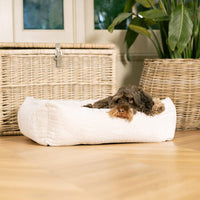











































![[colour:mink boucle] Luxury Boucle Pet Scent Blanket collection, In Stunning Mink Boucle. The Perfect Blanket For Dogs, Available at Lords & Labradors](http://www.lordsandlabradors.co.uk/cdn/shop/products/Mink-Boucle-Scent-Blanket.jpg?v=1660130492&width=533)