





How To Get Your Dog To Sleep Through The Night
18.12.23 December 18, 2023 Owning a Dog

How To Get Your Dog To Sleep Through The Night

For pet parents, few things are as essential as a good night's sleep, for both you and your furry companion. Yet coaxing your beloved dog to sleep through the night isn't always a walk in the park. Whether you're dealing with a young pup, an older dog, or simply seeking to establish a solid nighttime routine, mastering this aspect of their wellbeing is crucial. Let's delve into a comprehensive guide on how to get your dog to sleep through the night, including when puppies naturally start sleeping through and what to do when you need your dog to settle fast. 1. Establish a Consistent Routine Dogs thrive on routine. Set regular feeding times, walks and play sessions during the day. This helps expend their energy, making it easier for them to settle down at night. As they get used to your routine of settling down in the evening, they are much more likely to follow suit and settle down with you. 2. Create a Comfortable Sleep Environment Designate a cosy, quiet and dark sleeping area for your dog. The right bed makes a huge difference: older dogs and big breeds often benefit from extra cushioning for their joints, while anxious pups love a high sided design they can nestle into. Our collection of luxury dog beds and mattresses has options for every sleep style, and a familiar bed also gives your dog a clear signal that this spot means rest. 3. Exercise Their Body and Brain A tired dog is a sleepy dog. Make sure your pup gets enough physical exercise during the day for their age and breed, and don't forget mental stimulation, which can be just as tiring. Enrichment activities such as snuffle mats and interactive puzzle toys for dogs work their brain and take the edge off any leftover evening energy. Just avoid vigorous play in the hour before bed, as it can leave them wired rather than tired. 4. Wind Down Together Build a calm buffer between the busyness of the day and lights out. Dim the lights, lower the noise and keep interactions gentle. We personally love having snuggles on the sofa with our pups as part of their nighttime routine. Over time this wind down period becomes a cue in itself, telling your dog that sleep is coming next. 5. Try Calming Aids For dogs who struggle to switch off, calming products can genuinely help. Pheromone diffusers, calming sprays and soothing supplements all have their place, and you can browse our full range of calming products for anxious pets to find what suits your dog. Licking and gentle chewing also release calming hormones, so a long lasting chew or a lick mat before bed can help a restless dog relax. 6. Dietary Considerations Avoid feeding large meals right before bedtime. Opt for feeding your dog earlier in the evening to allow ample time for digestion and prevent discomfort. If your dog wakes early demanding breakfast, shifting their evening meal slightly later can sometimes buy you an extra hour in the morning too. 7. Toilet Breaks Ensure your dog has had the opportunity to relieve themselves before settling down for the night. A final toilet break just before bed can prevent disruptions during the night, especially for puppies and senior dogs whose bladders need more frequent emptying. 8. A Comforting Presence For puppies or dogs prone to anxiety, your presence can be reassuring. Consider leaving an item with your scent, like a piece of clothing, near their sleeping area, or tuck one of our soft dog blankets into their bed so it picks up the smell of home. You could also try something like a heartbeat sheep or warm buddy bear, which are designed to comfort your dog through the night by mimicking the warmth and heartbeat of littermates. 9. Positive Reinforcement Encourage and reward your dog's calm behaviour at bedtime. Quiet praise or a small treat when they settle in their own bed teaches them that choosing sleep is a good thing. Never punish night waking; it only adds stress, which makes sleep harder for everyone. 10. Handle Night Waking Calmly If your dog does wake in the night, keep the response boring. Quietly address genuine needs such as a toilet trip, keep the lights low, skip the play and conversation, and settle them straight back into bed. Minimal interaction stops night waking from turning into an entertaining habit. When Do Puppies Sleep Through the Night? If you are in the puppy trenches right now, take heart: most puppies start sleeping through the night at around 16 weeks of age, once their bladder control has matured enough to last seven to eight hours. Many get close much earlier. From eight weeks old, a lot of puppies can manage a solid six hour stretch, and by 12 weeks some will already be sleeping through, especially with a consistent routine, a final late toilet break and a cosy crate set up next to your room in the early weeks. Every puppy is different, and toy breeds with tiny bladders often take a little longer. The good news is that night waking in young puppies is usually about comfort and company rather than just toileting, so the settling techniques above make a real difference from day one. For a full step by step plan, read our guide to getting your puppy to sleep through the night. How to Make Your Dog Sleep Instantly Plenty of owners search for how to make your dog sleep instantly, and while there is no magic off switch, you can get surprisingly close by stacking the right cues together. The fastest route to a sleeping dog looks like this: good exercise earlier in the day, a calm hour before bed with no exciting games, a final toilet trip, and then a settling activity such as a lick mat or long lasting chew in their bed, since licking and chewing actively release calming hormones. Finish with darkness, quiet or gentle white noise, and a consistent phrase such as "bedtime" that your dog learns to associate with sleep. Used together and repeated nightly, these cues can take a dog from wide awake to fast asleep in a matter of minutes. What never works is forcing it: if your dog seems unable to settle night after night despite a good routine, pain, itching or anxiety could be the real culprit, and a vet check is the sensible next step. Frequently Asked Questions How much sleep does a dog need? Adult dogs sleep around 12 to 14 hours a day, puppies can need 18 or more, and senior dogs often sleep 14 to 18 hours. Most of that is made up of daytime naps around a long overnight stretch. You can find a full breakdown by age in our guide to how much sleep dogs need. Why does my dog wake up in the middle of the night? Common culprits include needing the toilet, hunger, noises outside, being too hot or cold, boredom from too little daytime exercise, and anxiety. In older dogs, new night waking can signal joint pain or cognitive changes, so mention it to your vet if it persists. Should my dog sleep in my bedroom? It comes down to preference. Many dogs settle faster near their owners, and young puppies benefit from company in the first weeks. The key is that your dog has their own comfortable bed, wherever it lives. If your pup has claimed your duvet and you want it back, our tips to stop your dog sleeping on your bed will help you reset the boundaries kindly.

By Megan Willis - PET EXPERT

Read more

If you're a new pet owner,getting your puppy to sleep through the night can be a bit of a challenge. Discover our top tips and tricks to help your new addiion sleep soundly in the expert article.

For pet parents, few things are as essential as a good night's sleep, for both you and your furry companion. Yet coaxing your beloved dog to sleep through the night isn't always a walk in the park. Whether you're dealing with a young pup, an older dog, or simply seeking to establish a solid nighttime routine, mastering this aspect of their wellbeing is crucial. Let's delve into a comprehensive guide on how to get your dog to sleep through the night, including when puppies naturally start sleeping through and what to do when you need your dog to settle fast.

1. Establish a Consistent Routine

Dogs thrive on routine. Set regular feeding times, walks and play sessions during the day. This helps expend their energy, making it easier for them to settle down at night. As they get used to your routine of settling down in the evening, they are much more likely to follow suit and settle down with you.

2. Create a Comfortable Sleep Environment

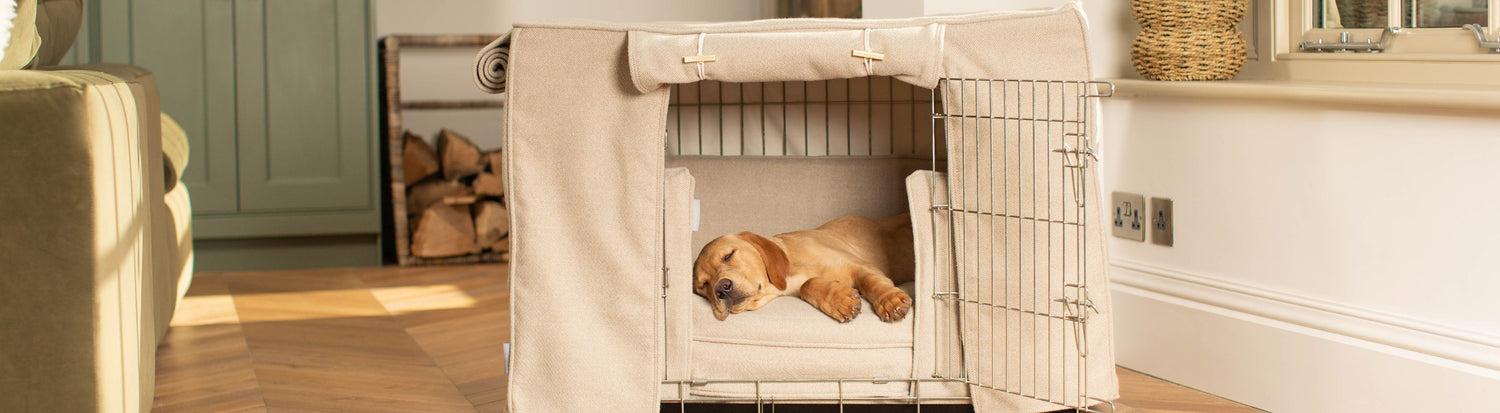
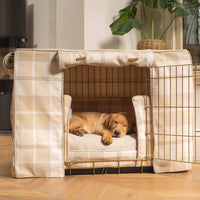
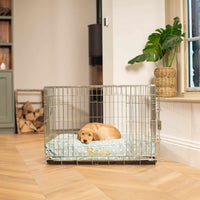
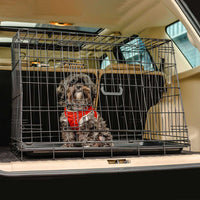
Golden labrador sleeping in a tweed crate set

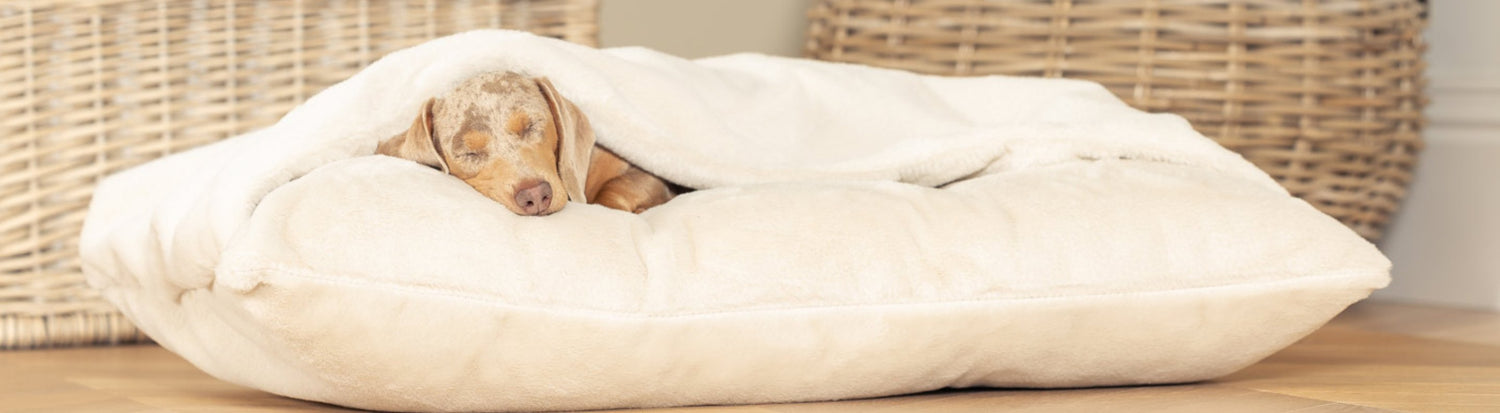
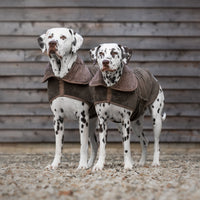
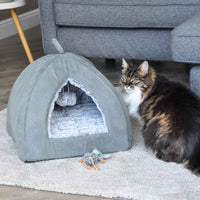
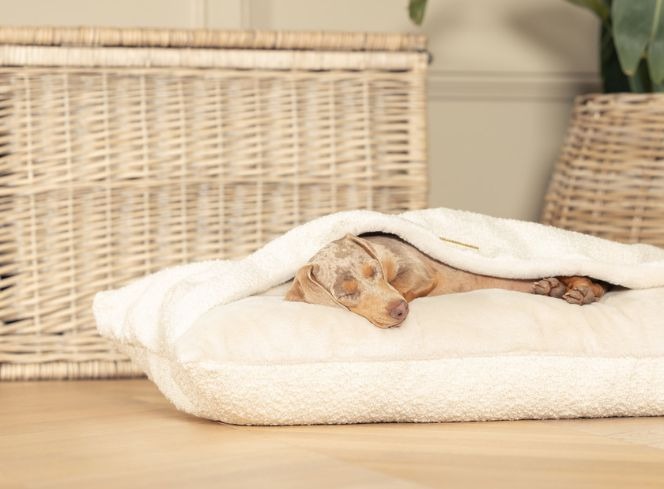
Designate a cosy, quiet and dark sleeping area for your dog. The right bed makes a huge difference: older dogs and big breeds often benefit from extra cushioning for their joints, while anxious pups love a high sided design they can nestle into. Our collection of luxury dog beds and mattresses has options for every sleep style, and a familiar bed also gives your dog a clear signal that this spot means rest.

3. Exercise Their Body and Brain

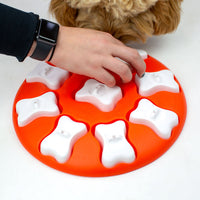
A tired dog is a sleepy dog. Make sure your pup gets enough physical exercise during the day for their age and breed, and don't forget mental stimulation, which can be just as tiring. Enrichment activities such as snuffle mats and interactive puzzle toys for dogs work their brain and take the edge off any leftover evening energy. Just avoid vigorous play in the hour before bed, as it can leave them wired rather than tired.

4. Wind Down Together

Build a calm buffer between the busyness of the day and lights out. Dim the lights, lower the noise and keep interactions gentle. We personally love having snuggles on the sofa with our pups as part of their nighttime routine. Over time this wind down period becomes a cue in itself, telling your dog that sleep is coming next.

5. Try Calming Aids

For dogs who struggle to switch off, calming products can genuinely help. Pheromone diffusers, calming sprays and soothing supplements all have their place, and you can browse our full range of calming products for anxious pets to find what suits your dog. Licking and gentle chewing also release calming hormones, so a long lasting chew or a lick mat before bed can help a restless dog relax.

6. Dietary Considerations

Avoid feeding large meals right before bedtime. Opt for feeding your dog earlier in the evening to allow ample time for digestion and prevent discomfort. If your dog wakes early demanding breakfast, shifting their evening meal slightly later can sometimes buy you an extra hour in the morning too.

7. Toilet Breaks

Ensure your dog has had the opportunity to relieve themselves before settling down for the night. A final toilet break just before bed can prevent disruptions during the night, especially for puppies and senior dogs whose bladders need more frequent emptying.

8. A Comforting Presence

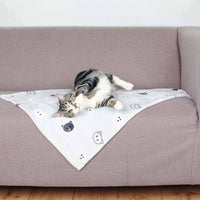
For puppies or dogs prone to anxiety, your presence can be reassuring. Consider leaving an item with your scent, like a piece of clothing, near their sleeping area, or tuck one of our soft dog blankets into their bed so it picks up the smell of home. You could also try something like a heartbeat sheep or warm buddy bear, which are designed to comfort your dog through the night by mimicking the warmth and heartbeat of littermates.

9. Positive Reinforcement

Encourage and reward your dog's calm behaviour at bedtime. Quiet praise or a small treat when they settle in their own bed teaches them that choosing sleep is a good thing. Never punish night waking; it only adds stress, which makes sleep harder for everyone.

10. Handle Night Waking Calmly

If your dog does wake in the night, keep the response boring. Quietly address genuine needs such as a toilet trip, keep the lights low, skip the play and conversation, and settle them straight back into bed. Minimal interaction stops night waking from turning into an entertaining habit.

When Do Puppies Sleep Through the Night?

If you are in the puppy trenches right now, take heart: most puppies start sleeping through the night at around 16 weeks of age, once their bladder control has matured enough to last seven to eight hours. Many get close much earlier. From eight weeks old, a lot of puppies can manage a solid six hour stretch, and by 12 weeks some will already be sleeping through, especially with a consistent routine, a final late toilet break and a cosy crate set up next to your room in the early weeks.

Every puppy is different, and toy breeds with tiny bladders often take a little longer. The good news is that night waking in young puppies is usually about comfort and company rather than just toileting, so the settling techniques above make a real difference from day one. For a full step by step plan, read our guide to getting your puppy to sleep through the night.

How to Make Your Dog Sleep Instantly

Plenty of owners search for how to make your dog sleep instantly, and while there is no magic off switch, you can get surprisingly close by stacking the right cues together. The fastest route to a sleeping dog looks like this: good exercise earlier in the day, a calm hour before bed with no exciting games, a final toilet trip, and then a settling activity such as a lick mat or long lasting chew in their bed, since licking and chewing actively release calming hormones. Finish with darkness, quiet or gentle white noise, and a consistent phrase such as "bedtime" that your dog learns to associate with sleep.

Used together and repeated nightly, these cues can take a dog from wide awake to fast asleep in a matter of minutes. What never works is forcing it: if your dog seems unable to settle night after night despite a good routine, pain, itching or anxiety could be the real culprit, and a vet check is the sensible next step.

Frequently Asked Questions

How much sleep does a dog need?

Adult dogs sleep around 12 to 14 hours a day, puppies can need 18 or more, and senior dogs often sleep 14 to 18 hours. Most of that is made up of daytime naps around a long overnight stretch. You can find a full breakdown by age in our guide to how much sleep dogs need.

Why does my dog wake up in the middle of the night?

Common culprits include needing the toilet, hunger, noises outside, being too hot or cold, boredom from too little daytime exercise, and anxiety. In older dogs, new night waking can signal joint pain or cognitive changes, so mention it to your vet if it persists.

Should my dog sleep in my bedroom?

It comes down to preference. Many dogs settle faster near their owners, and young puppies benefit from company in the first weeks. The key is that your dog has their own comfortable bed, wherever it lives. If your pup has claimed your duvet and you want it back, our tips to stop your dog sleeping on your bed will help you reset the boundaries kindly.

Related Products

Related Collections

Luxury Dog Crate Sets

Our luxury dog crate sets provide the ultimate snooze haven for your... 

Luxury Dog Beds

Discover a delightful range of luxury dog beds from Lords & Labradors.... 

Next Article
Walking The Dog In Winter: Tips For The Colder Months

Related Articles

  • How to choose the best dog food: dry, wet, raw and fresh compared
    09.10.26 October 09, 2026 Owning a Dog

    How to choose the best dog food: dry, wet, raw and fresh compared

    Picking the best dog food in the UK feels simple until you’re standing in front of a wall of options wondering whether kibble, pouches, raw chunks or freshly cooked trays is the right call for your dog. This guide cuts through the noise and compares all four types honestly, covering what they actually cost, how they fit into a real daily routine, and what to look for beyond the marketing on the front of the pack. By the end, you’ll have a clear sense of what works for your dog and what works for your life. What’s the difference between dry, wet, raw and fresh dog food — and why it matters Walk into any pet shop or scroll through an online store, and the sheer range of dog food can feel genuinely overwhelming. Dry kibble, pouches, raw chunks, freshly prepared trays — it’s a lot to take in, especially when all you want is to feed your dog something they’ll love that’s actually good for them. So here’s a plain-English breakdown of what each type really means. Dry dog food (kibble) is the most widely used option in the UK. It’s shelf-stable, simple to portion, and usually the most budget-friendly. Most of the best dry dog food UK brands formulate it as a complete, everyday diet, so there’s nothing extra to add. Wet dog food comes in tins, trays or pouches and has a much higher moisture content, which makes it more aromatic and palatable. If you have a fussy eater or a senior dog who’s lost some enthusiasm for mealtimes, wet food can be a game-changer — either on its own or mixed in with kibble. For a deeper look at how the two compare, this wet vs dry dog food guide is a good place to start. Raw dog food means minimally processed meat, bone and offal — closer to what dogs would naturally eat. Many owners swear by the difference they see in coat condition and digestion, though raw does require careful handling and a bit more planning around storage. Fresh dog food sits somewhere between raw and traditional wet food: gently cooked, made with whole ingredients you’d actually recognise, and usually sold refrigerated or frozen. Every type has real strengths. The right fit depends on your dog’s age, size and health — but also on your budget, your fridge space, and honestly, how much headspace you have on a Tuesday morning. Which type works best for your everyday routine? The right food type often comes down to your actual daily life, not just what looks best on paper. Fridge space, work hours, travel habits, and whether you’re feeding one dog or four all shape what’s genuinely manageable long-term. There’s no single best dog food UK-wide, but there is one that fits your household better than the rest. Food Type Storage Needs Prep Time Travel-Friendly Best for Fussy Eaters Dry Minimal None Yes Sometimes Wet Needs fridge once open None Manageable Often yes Raw Freezer space required Defrost needed Not ideal Usually yes Fresh Needs fridge None Less convenient Yes A few practical things worth knowing before you decide: Dry food suits busy households brilliantly. Measure, store in an airtight container, done. Good dog food storage keeps kibble fresh and pests out — something most people only think about after an incident with a chewed bag. Wet food is a genuine win for fussy eaters or dogs who need extra hydration, though opened tins need refrigerating and using up within a day or two. Raw feeding delivers real results for many dogs, but it asks something of you — freezer space, forward planning, and confident handling. Rewarding, not effortless. Fresh food hits a sweet spot for palatability and ease, though it needs consistent fridge access and doesn’t travel as well as dry. Mixed feeding — typically dry plus wet — suits dogs who thrive on variety without the full commitment of raw, and it’s more flexible for busy weeks. Keep reading for honest picks across the best dry, wet, raw, and fresh dog food in the UK. How much should you expect to spend on the best dog food in the UK? When you’re comparing the best dog food in the UK, the price on the pack only tells part of the story. What really matters is cost per day, how much your dog actually needs to eat, and how practical that food is for your home and routine. Food Type Approx. Monthly Cost (Medium Dog) Key Cost Factors Value for Money Dry food £20–£50 Portion size, ingredient quality, calorie density ★★★★ Wet food £40–£80 Higher cost per serving, more packaging ★★ Raw food £50–£120 Sourcing, freezer space, prep time ★★★ Fresh food £60–£150 Subscription cost, fridge space, short shelf life ★★★ Dry food is often the most budget-friendly starting point, especially if you choose a nutritionally dense recipe that feeds well in smaller portions. That’s why many pet parents looking for the best dry dog food UK options focus on feeding guidelines, not just bag price. Wet food can be brilliant for fussy eaters, but it usually works out pricier per meal. Raw and fresh can feel more premium, and for some dogs they suit beautifully, but you do need to factor in storage space, defrosting, and waste if portions aren’t used quickly enough. A few hidden costs are easy to miss: freezer or fridge space for raw and fresh food delivery fees on some fresh food subscriptions larger portion sizes with less calorie-dense foods extra packaging, especially with wet food In real life, the best dog food for dogs UK isn’t always the cheapest or the most expensive. It’s the one that suits your dog, keeps mealtimes straightforward, and feels sustainable for your budget month after month. If you’re planning the wider costs of dog ownership too, our guide to the full cost of owning a dog is a useful next step. What to look for on the label before you buy Knowing how to read a dog food label makes choosing the best dog food UK options much less overwhelming. Whether you’re comparing kibble, tins, raw meals or fresh subscriptions, a few simple checks will help you separate genuinely good recipes from clever packaging. Named animal protein first Start with the first ingredient. You want something clear, like “chicken”, “turkey” or “salmon”, not vague phrases such as “meat and animal derivatives”. Specific ingredients give you a much better idea of what your dog is actually eating. A sensible, transparent ingredient list Don’t worry if you spot added vitamins, minerals or a few technical names, that’s completely normal in a balanced food. What matters more is that the list feels clear and honest, without lots of fuzzy wording or ingredients that make it hard to tell where the nutrition is really coming from. Life-stage suitability is easy to spot Check that the food is clearly labelled for your dog’s stage of life, such as puppy, adult or senior. A lively Labrador puppy and a slower-paced older dog need very different nutrition, so this is worth checking every time you switch foods. A FEDIAF or AAFCO complete-and-balanced statement This is one of the big ones. It tells you the recipe is formulated to meet recognised nutritional standards for that life stage, rather than just sounding healthy on the front of the pack. Clear nutritional analysis Protein, fat, fibre and moisture should all be listed as percentages. That makes it much easier to compare the best dry dog food UK picks with the best wet dog food UK choices on something more useful than marketing claims. Be wary of product names “With chicken” can legally mean as little as 4% chicken. So always turn the pack over. If you’d like a deeper look, our guide to healthy dog food and sustainability is a helpful next read. How to tell if your dog will actually enjoy and thrive on it Choosing the best dog food for your dog isn’t just about what’s on the label — it’s about how they actually respond once they’re eating it. The good news? Signs of a good fit usually show up within two to four weeks of switching, so you won’t be waiting long to know if you’re heading in the right direction. Here’s what to watch for: Consistent energy levels — alert and lively, but not bouncing off the walls or crashing after meals Firm, regular stools — not too loose, not too hard, and easy to pick up (yes, we’re going there, because it genuinely matters) A shiny, low-shed coat — good nutrition tends to show up in the fur faster than you’d expect Clear, bright eyes — no excessive discharge or dullness Healthy, itch-free skin — fewer scratching sessions is always a win Good hydration — worth keeping an eye on if you’re switching to a dry food, since wet, raw and fresh options naturally contain much more moisture Enthusiastic mealtime behaviour — trotting over happily rather than sniffing and wandering off Stable, healthy weight — no unexplained gain or loss Worth remembering: The best dog food in the UK looks different for every dog. What works brilliantly for a small terrier may fall well short for a large, boisterous puppy or a sensitive older dog. It’s always worth reassessing as your dog moves through different life stages. Keep a loose mental note of how your dog looks, feels and behaves over those first few weeks after any change. If you notice persistent digestive upsets, low energy or coat issues that don’t settle, it may be worth exploring vet-formulated support through the Lords & Labradors vet’s best dog wellbeing range before drawing any conclusions about the food itself. So, which dog food is best for you? There’s no single best dog food for every dog, and honestly, that’s a good thing. It means you get to choose what actually works for your life. If you want simplicity and value, a quality dry food does the job well for most dogs. If your dog is a picky eater or struggles to stay hydrated, mixing in some wet food can make a real difference. Raw feeding suits owners who enjoy a bit of meal prep and have the freezer space to commit. Fresh food sits nicely in the middle — real ingredients, minimal faff. And if none of those feel quite right on their own? Mix it up. Plenty of dog owners pair dry kibble with a wet or fresh topper, and their dogs are absolutely delighted about it. The best dog food in the UK is the one your dog genuinely thrives on and that you can realistically keep up — week in, week out. A brilliant food you dread preparing isn’t going to last, and that’s okay to admit. Start with what feels manageable. Watch how your dog responds over a few weeks: their energy, their coat, their digestion. Adjust from there. You know your dog better than any packaging ever will. Browse the full range at Lords and Labradors and find something that suits you both.

    By Adele Busby

    Read more
  • Best flea treatment for dogs: what works fastest and lasts longest
    08.10.26 October 08, 2026 Health

    Best flea treatment for dogs: what works fastest and lasts longest

    Finding the best flea treatment for dogs gets overwhelming fast, especially when every product promises to be the strongest, quickest, or most long-lasting option on the shelf. This guide cuts through that noise by looking at how quickly different treatments actually work, how long they last between doses, and which formats are genuinely easiest to use in real life. By the end, you’ll have a clear sense of what suits your dog’s age, size, and routine, without the second-guessing. What flea treatment actually needs to do when you’ve spotted the first itch Spotting your dog scratching more than usual tends to trigger that same panic in every pet parent: what’s going on, and how do I fix it fast? Here’s the thing — a single flea is rarely just one flea. By the time you notice the itch, eggs may already be dropping into your carpet, bedding, and sofa cushions. So the best flea treatment for dogs needs to do more than kill the adults you can see. It also needs to tackle eggs and larvae before they hatch, then keep working long enough to stop new fleas hitching a ride after walks, park visits, or a playdate with a friend’s dog. That’s why it’s worth understanding what each product type actually does before you buy. Spot-ons are applied directly to the skin at the back of the neck, absorbing into the coat and skin oils to kill fleas on contact. Chewable tablets work through the bloodstream and tend to act quickly, making them a go-to when you need the fastest flea treatment for dogs. Collars release active ingredients steadily over weeks or months, so they’re well suited to long-lasting flea and tick treatment with minimal effort. Sprays are more targeted and handy for a top-up between doses, or if your dog simply won’t tolerate tablets or pipettes. Before settling on one, think honestly about how your dog handles different application methods, how often you can realistically re-treat, and whether you’re fighting an active infestation or trying to stay ahead of one. If it’s the former, our guide on how to get rid of fleas on your dog is a brilliant place to start. If you need fast relief, which flea treatment works quickest? When your dog is already scratching, “fastest” matters, but it isn’t the same for every type of flea treatment for dogs. The key thing to know is that timings vary by active ingredient and brand, so it’s better to treat these as typical patterns rather than fixed rules. Format Typical start time What to know Best for Oral tablet Often within hours Some products begin killing fleas very quickly, but timing depends on the tablet Fast relief when fleas are already causing real irritation Spot-on Usually within several hours to around a day Needs time to spread across the skin and coat Good all-round option for treatment plus ongoing cover Spray Varies widely by product Can be useful for direct, targeted use, but may need more hands-on application Small areas or dogs who need a more local approach Collar Usually slower to fully protect Better at ongoing prevention than immediate relief Longer-term flea and tick support Worth knowing: If your priority is the fastest flea treatment for dogs, oral options are often the quickest to start working, but always check the label for the specific product you’re considering. In real life, that means a miserable, constantly scratching dog may need a different choice from one who just needs steady monthly protection. A collar can be brilliant for prevention, but it usually wouldn’t be my first pick for urgent relief. Spot-ons sit somewhere in the middle: not usually the fastest option, but often a practical balance of ease and longer-lasting cover. If that’s what you’re after, Frontline Plus for small dogs is a helpful example of a spot-on to compare when you’re weighing up convenience, monthly protection, and whether it feels like the best flea treatment for dogs for your routine. Which flea treatment lasts longest between doses? If you’ve ever come home from a weekend away and quietly panicked trying to remember whether you treated your dog before you left, you already know why duration matters. Finding a long-lasting flea treatment for dogs can genuinely take one more thing off your mental load, whether you’re out on muddy woodland walks every Saturday or heading off somewhere with your dog in tow. Treatment Type Typical Duration Best For Convenience Rating Spot-ons Up to 4 weeks Most dog owners, easy monthly routine 4/5 Tablets 24 hours to 3 months (varies by product) Dogs who hate topical treatments 3/5 Collars Up to 8 months Owners wanting long-term, hands-off protection 5/5 Sprays Days to a few weeks Top-up coverage or treating the environment 2/5 Worth knowing: Spot-ons like Frontline Plus offer up to four weeks of flea and tick protection from a single application. Set a monthly reminder, apply it, and you’re done. Longer-lasting formats make missed doses far less likely, and that’s no small thing when life gets busy. For most pet parents, the best flea treatment for dogs isn’t necessarily the most advanced one on the market — it’s the one that slots into your existing routine without you having to think too hard about it. A good dog flea and tick treatment should just quietly get on with the job, leaving you free to enjoy the walk rather than worry about what might be lurking in the long grass. What’s easiest to give your dog: spot-on, tablet, collar or spray? The best flea treatment for dogs isn’t just about what kills fleas fastest. It’s also about what your dog will actually tolerate, and what fits into your life without becoming a whole production. A treatment that sits unopened in the cupboard because your dog bolts the moment you reach for it isn’t helping anyone. Format Best For Watch Out For Spot-on Dogs who are easy to handle and don’t swim or bathe frequently Can feel greasy; needs to absorb fully before contact with other pets Tablet Fussy handlers or multi-dog households where cross-contact is a concern Determined fussy eaters will find it, even inside a pill pocket Collar Set-and-forget households wanting long-term coverage Fit matters; some dogs find them uncomfortable or chew them off Spray On-demand use between treatments or for lighter coverage Needs applying thoroughly; some dogs dislike the sensation Before you decide, it’s worth thinking through a few practical questions: Does your dog swim or get bathed regularly? Both can affect how well spot-ons and collars hold up. Are they a dedicated fussy eater who sniffs out tablets no matter how well you hide them? Do you have multiple dogs where a freshly applied spot-on could transfer during a cuddle? Would you rather apply once and forget about it, or do you prefer the flexibility to treat as needed? Does your dog get anxious around handling, aerosol sounds, or anything fastened near their neck? No single format suits every dog, which is why lifestyle fit matters just as much as efficacy. If you want something flexible to use between treatments, our dog sprays are a low-fuss option worth keeping in the cupboard for when you actually need them. How to choose the safest option for your dog’s age, size and lifestyle The best flea treatment for dogs isn’t always the one making the boldest promises on the box. It’s the one that actually fits your dog — their age, their size, their skin, and how they spend their days. Getting that match right is what separates a treatment that works from one that quietly disappoints. Before you buy, run through these checks: Minimum age: Many treatments aren’t suitable for puppies under eight or twelve weeks. Always check the label before using anything on a young dog. Weight band accuracy: Flea treatments are dosed by weight, so using the wrong band can mean under-dosing or, more seriously, giving too much. Weigh your dog before you buy. Skin sensitivity: If your dog has reacted to topical treatments before, a tablet-based option may suit them better. Other medications or health conditions: Some ingredients interact with existing treatments. If your dog is on medication, a quick call to your vet is worth it. Swimming and bathing habits: Spot-ons can lose their effectiveness faster on dogs that swim regularly or get bathed weekly. A collar or tablet tends to hold up better in those cases. Puppy-safe formulas differ significantly from adult treatments — always check the minimum age on the label before applying anything. There are plenty of long-lasting and fast-acting dog flea and tick treatment options available, but they only do their job properly when they’re right for the individual dog. If you have a puppy or a younger dog joining the family, our puppy flea and worming treatments are a good place to start. How to make the final choice without overthinking it If you’ve made it through this guide and you’re still not quite sure which way to go, here’s a simple way to think about it. If your dog is already scratching and miserable, speed is what matters right now. Find a fast-acting flea treatment for dogs that starts working within hours, and figure out the longer-term routine once the immediate discomfort is sorted. If you’re someone who forgets monthly doses, honestly, you’re in good company — pick the longest-lasting option you can find. A treatment that covers three months gives you far more breathing room than one you need to remember every four weeks like a recurring alarm you keep snoozing. And if your dog is the type who clamps their jaw shut the second anything remotely medicinal appears, go with whatever format they’ll actually tolerate. A spot-on they barely notice beats a chew they spit out across the kitchen floor every single time. Once you know which of those three things matters most, the best flea treatment for dogs for your situation becomes a lot easier to land on. It really does come down to your dog, your routine, and your life — not some universal right answer. To compare options across all three priorities, take a look at the Lords and Labradors Frontline flea and worming range and find something that actually works for both of you.

    By Adele Busby

    Read more
  • How To Celebrate Your Dog's Birthday
    30.09.26 September 30, 2026 Owning a Dog

    How To Celebrate Your Dog's Birthday

    Your dog’s birthday only comes around once a year, and it deserves more than a passing thought. This guide walks you through everything you need to know about how to celebrate your dog’s birthday in a way that actually suits them, from choosing the right activities for their personality to picking safe treats and keeping the day calm and enjoyable. Whether you’re planning a full puppy birthday celebration or simply want to make the day feel a little more special than usual, you’ll find plenty of practical ideas here to work with. How to celebrate your dog’s birthday in a way they’ll actually enjoy There’s something about a dog’s birthday that brings out the best in us as pet parents. Maybe you’ve been planning something for weeks, or maybe you’re sitting there right now wondering whether dogs even know it’s their birthday. (Spoiler: they don’t. But they absolutely know when you’re making a fuss of them, and they love every second of it.) Here’s the thing: knowing how to celebrate a dog’s birthday well has less to do with balloons and banners, and more to do with knowing your dog. Some dogs would happily wear a party hat and greet ten guests at the door. Others would find the whole thing a bit much and just want an extra-long walk, a good sniff around somewhere new, and something delicious to eat. Both are completely valid. This guide will help you figure out which camp your dog falls into — and how to make the day feel genuinely special either way. Throughout this article, we’ll cover how to tailor the celebration to your dog’s personality, which dog birthday treats and cakes are safe (and which to skip), how to keep things calm if your dog gets easily overwhelmed, and a few small touches that can turn an ordinary day into one worth remembering. Whether you’re going all-out with a puppy birthday celebration or simply want to treat your dog to a brilliant day at home, there’s something here for every dog and every budget. If you want a little inspiration before you dive in, take a look at our dog birthday collection for treats, toys, and gifts worth wagging about. Now, let’s start where it always should: with your dog. Start with your dog’s personality, not the party theme The best way to celebrate your dog’s birthday isn’t to follow a trend or recreate something you saw on Instagram. It’s to start with who your dog actually is. When you plan around their temperament, energy, and comfort level, the day becomes genuinely enjoyable for them — not just for the photos. The social butterfly. Some dogs live for a crowd and would happily greet twenty guests with a wagging tail. If your pup loves people and thrives on excitement, a dog birthday party with familiar faces and plenty of fuss is a brilliant way to celebrate. The shy or anxious dog. A rescue who took months to settle, or a naturally cautious dog, can find big gatherings genuinely overwhelming. A quiet afternoon with just you, a favourite toy, and a special dog birthday treat often feels far more meaningful than any party. The high-energy adventurer. If your dog’s idea of heaven is a long run or a swim in the river, take them somewhere new and let them go for it. Building a puppy birthday celebration around what they already love beats a party they can’t sit still for. The senior dog. Older dogs still deserve to feel special, but their joints and energy levels may call for something gentler. A slower walk, a sunny spot to doze in, and a soft treat made for older teeth can make their day just as lovely. The food-motivated dog. For some dogs, the dog birthday cake is entirely the point. A special meal or a homemade treat is celebration enough, and they’ll be completely delighted. There’s no single right way to mark the occasion. The best dog birthday ideas are the ones your dog would actually choose. Pay attention to what makes them happiest on an ordinary day and let that guide you. Whether you’re planning something elaborate or keeping it low-key, the Lords & Labradors dog birthday collection has plenty to suit every kind of celebration. Simple birthday ideas your dog will genuinely love The good news is that figuring out how to celebrate your dog’s birthday doesn’t require a party planner or a Pinterest board. The most memorable dog birthdays are usually the simplest ones, built around the things your dog already loves. A few thoughtful touches go a long way. A special walk on their favourite route. Take them somewhere they genuinely love — the local woods, a quiet beach, or that one park where they always seem to come alive. Give them extra time to explore, let them set the pace, and resist the urge to rush. It sounds small, but a longer, unhurried walk is a real treat for most dogs. A sniffari. Essentially a walk where your dog leads and you follow their nose. Let them sniff everything they want, stop as long as they like, choose the direction. It’s one of the best dog birthday ideas going because it’s mentally enriching and completely free. If you’re after more low-key inspiration, our guide to things to do with your dog at home is a great place to start. A dedicated play session. Set aside 20 to 30 minutes for their favourite game — fetch, tug, hide and seek with a treat. No distractions, no half-hearted throws while you check your phone. Your full attention is genuinely one of the greatest gifts you can give a dog. A new toy. Something to sniff, chew, and demolish (or lovingly carry everywhere for the next six months) makes a simple but satisfying birthday treat. Choose something suited to how your dog actually plays, rather than what looks good in a photo. A homemade dog-safe treat. Dog birthday treats don’t need to be complicated. A frozen banana and peanut butter Kong, or a batch of simple baked biscuits, can feel just as celebratory as any shop-bought dog birthday cake. We’ll cover safe recipes and ingredients to avoid in the next section. A cosy evening in. Some dogs would genuinely choose a quiet night on the sofa over any organised activity. A blanket, their favourite spot, and your undivided company can be the loveliest way to close out the day. Whether it’s a puppy birthday celebration or you’re marking another year with your grey-muzzled best friend, the same principle applies: know your dog, keep it personal, and you really can’t go wrong. Dog birthday treats, cakes, and party food: what’s safe and what to skip Food is at the heart of any good celebration, and your dog’s birthday is no exception. Knowing how to celebrate your dog’s birthday safely means making smart choices about what goes in their bowl — or on their birthday plate. With a few simple swaps, you can put together a spread that feels genuinely festive and keeps tails wagging for all the right reasons. Safe birthday treat ideas for dogs Peanut butter and banana pupcakes (made with dog-safe, xylitol-free peanut butter) Plain cooked chicken or turkey pieces, cut into small bites Carrot sticks or apple slices (core and seeds removed) Frozen natural yogurt treats, plain and unsweetened A dog-friendly birthday cake made with oats, eggs, and dog-safe toppings like cream cheese frosting Ingredients to avoid Chocolate, in any form Xylitol, a sweetener hidden in many peanut butters, baked goods, and sweets Grapes and raisins, which are toxic to dogs even in tiny amounts Onions and garlic, including powdered forms Artificial sweeteners of any kind Macadamia nuts A note on portions Even dog-safe treats should be given in moderation. An exciting day can already be a lot for your dog’s system, and too many rich or unfamiliar foods at once can easily tip into an upset stomach. Keep portions small and spread treats throughout the day rather than serving everything in one go. The good news is that a thoughtful, dog-safe birthday spread doesn’t need to be complicated. A simple pupcake with a smear of peanut butter means just as much to your dog as anything more elaborate, and it keeps the day joyful without the messy aftermath. If you want a fuller picture of what your dog can safely enjoy year-round, our guide on what dogs can eat for treats is a great place to start. How to set up a birthday that feels special without overwhelming your dog The best way to celebrate your dog’s birthday is to build the day around what actually makes them comfortable, not what looks great on camera. Get the setup right, and the whole thing feels effortless — your dog included. Pick the right time of day. Plan around when your dog is naturally settled. Mid-morning after a walk or a quieter post-lunch window tends to work well. Avoid times when they’re already wired or flagging. Keep the guest list small. A couple of familiar faces is plenty for most dogs. If crowds or new people stress your dog out, keep it to immediate family and skip the party format altogether. Set up a quiet retreat. Even on their birthday, your dog needs somewhere to decompress. Tuck their favourite bed or a cosy blanket into a low-traffic corner so they can step away whenever they need to. Plan one dedicated photo moment. Rather than following your dog around all day hoping for a decent shot, pick a calm moment, settle them on their bed, pop on a birthday bandana, and take a few pictures. Then let them get on with their day. Keep decorations minimal and dog-tested. If your dog is completely unbothered by balloons and bunting, go for it. If they’re likely to spook or chew everything in sight, a simple bandana gets the job done with zero drama. Watch their body language throughout. Yawning, turning away, or quietly leaving the room are all signs your dog has had enough. Scale back anything that seems to be adding stress rather than fun. Quick tip: Your dog won’t tell you when they’ve had enough, but they will always show you. Check in regularly and let their cues guide the pace of the day. A simple celebration built around your dog will always feel more special than an elaborate one they spend half the time trying to escape. If you want to add a few thoughtful finishing touches, the Lords and Labradors gifts for dogs collection has some lovely options — from soft beds to birthday bandanas — that add a little something extra without overwhelming your pet. Little ways to make the day memorable and start a birthday tradition The best birthday celebrations have a way of becoming something you both look forward to. And once you find a rhythm that suits your dog, it gets easier and more meaningful with every passing year. Start simple. Take a photo at the end of the day — even just a quick snap of them with their birthday treat or sprawled out after a long walk. A small collection of yearly photos becomes something genuinely lovely over time, and you’ll be surprised how much it captures the way they change. It’s also worth jotting down a few notes about what made the day. Which treat had them doing laps around the kitchen? Did they make a new friend at the park? Small details like these are easy to forget but so nice to have. Some people keep a little birthday note tucked into a memory box; others just add a voice memo to their phone. There’s no wrong way to do it. Repeating a favourite tradition each year is what turns a nice day into a real celebration. Maybe it’s always that particular walk, always a special meal, always a personalised birthday cake from Lords and Labradors with their name on it. The repetition is actually the point. Dogs find comfort in routine, and honestly, you might find you do too. Knowing how to celebrate your dog’s birthday well isn’t about doing more each year. It’s about doing the things that feel right for your dog, in a way you’ll both genuinely enjoy. That’s the tradition worth keeping. Frequently Asked Questions Is it normal to celebrate your dog’s birthday? Yes, it’s completely normal to celebrate your dog’s birthday. Dogs may not understand the date itself, but they absolutely notice the extra attention, favourite activities, and special treats. A celebration can be as simple as a longer walk, a new toy, or a dog-safe birthday snack at home. Do dogs recognize their birthdays? No, dogs don’t recognize their birthdays in the way we do. They won’t know the date, but they will notice when you make a fuss of them. Extra attention, a favourite walk, a tasty dog-safe treat, and quality time are what make the day feel special to them.

    By Adele Busby

    Read more
  • Fleece vs Waterproof Dog Coats: Which Do You Need And When?
    29.09.26 September 29, 2026 Owning a Dog

    Fleece vs Waterproof Dog Coats: Which Do You Need And When?

    Choosing between a fleece vs waterproof dog coat sounds simple until you’re standing in the hallway at 7am, lead in hand, trying to remember whether last night’s forecast said drizzle or just cold. Both coats have a real job to do, but they do very different things, and picking the wrong one can leave your dog uncomfortable before you’ve even reached the end of the street. This guide walks you through what each coat does best, when to reach for which, and how to layer them together when British weather refuses to make up its mind. Fleece or waterproof dog coat: what’s the real difference? When it comes to keeping your dog comfortable on a walk, fleece and waterproof coats do very different jobs. Picking the wrong one can leave your dog shivering, sodden, or frustratingly both. A fleece dog coat is built for warmth. It traps body heat close to the skin, making it ideal for crisp autumn mornings or cool dry evenings when the air has a bite but the ground is still firm underfoot. Think of it as a cosy jumper your dog actually wants to wear. Fleece breathes well, moves with your dog, and feels soft against the skin — all of which matters if your dog is the type to stage a protest the moment you reach for their coat. Short-coated breeds like whippets, greyhounds, and Italian Greyhounds often rely on fleece as their first line of defence against the cold. A waterproof dog jacket works differently. It’s designed to block the elements: rain, wind, and the inevitable muddy splashback from a well-timed puddle. What it won’t necessarily do is keep your dog warm. That’s a distinction that often gets missed when people are shopping for a dog coat for winter, and it’s worth holding onto as you read through this article. So when you’re weighing up a fleece vs waterproof dog coat, the real question isn’t which one is better. It’s which one your dog actually needs for the walk you’re about to take. And before you get to that, it’s worth making sure the fit is right too — because even the best coat won’t do much if it doesn’t suit your dog’s shape. Our fitting guide is a good place to start. Warmth vs weather protection: which one does your dog actually need? The answer to the fleece vs waterproof dog coat debate really comes down to one simple question: what are you actually protecting your dog from? Fleece is all about warmth, keeping your dog cosy on those crisp, dry days when the cold is the only enemy. A waterproof dog jacket is built for something different entirely — rain, wind, and the kind of relentless muddy-field situations that British weather seems to specialise in. Fleece Dog Coat Waterproof Dog Jacket Best conditions Dry, cold weather Rain, wind, wet ground Primary function Insulation and warmth Weather and moisture protection Ideal dog type Thin-coated, elderly, or small dogs Active dogs, short-haired breeds, all-weather walkers Activity level Gentle walks, indoor lounging High-energy walks, muddy adventures Wet weather performance Poor — absorbs moisture Excellent — repels water Not sure which camp your dog falls into? These pointers help: Choose fleece if your dog has a fine or short coat and shivers through dry winter mornings Choose fleece if they’re older or less active and need gentle, comfortable warmth Choose waterproof if your walks regularly take you through fields, parks, or anywhere rain isn’t a surprise Choose waterproof if your dog runs hard and gets warm easily, but still needs cover when the heavens open Plenty of dogs genuinely need both, with owners rotating between them depending on the season or whatever the forecast is doing. If you want to think through the bigger picture of cold-weather care, our guide to keeping your dog warm in winter is well worth a read. When fleece works best: dry cold days, indoor lounging, and layering Fleece dog coats really come into their own when the weather is cold but dry. Think crisp, frosty morning walks where the ground is firm underfoot and the sky is clear — no rain in sight, just that sharp winter chill that makes you wish you’d grabbed an extra layer. In the fleece vs waterproof dog coat debate, this is exactly where fleece takes the lead. Fleece is the stronger choice in these situations: Dry, cold weather walks where there’s no rain or wet ground to contend with Indoor lounging and post-walk recovery, especially for dogs that come in from the cold and need to warm up gently Older or arthritic dogs who feel the drop in temperature more deeply and benefit from consistent, reliable warmth Short-coated or lean breeds like Greyhounds, Whippets, and Boxers, who have very little natural insulation to rely on Layering under a waterproof shell coat for extra warmth on cold, wet winter days Layering tip: Fleece works by trapping your dog’s body heat close to them. Add a waterproof dog jacket on top and you’ve covered all bases — warmth and weather protection working together rather than fighting for the job. As a standalone coat, fleece is brilliant on dry cold days. The moment rain, sleet, or mud appears, though, it needs a waterproof layer over it to stay effective. If you’re still working out which combination suits your dog best, our guide to the best winter dog coats is a great place to continue. When waterproof is the better pick: rain, wind, and messy British weather When it comes to the fleece vs waterproof dog coat question, British weather has a habit of answering it for you. Rain rolls in without warning, wind appears from nowhere, and a walk that started under blue skies can end in a full-on drizzle before you’ve reached the car park. On those days, a waterproof coat does things a fleece simply can’t. Here’s where a waterproof dog jacket pulls ahead: Repels rain on contact so your dog’s fur stays dry underneath, even in a proper downpour Blocks wind chill that a fleece lets straight through, keeping your dog genuinely comfortable rather than just covered Protects the harness and chest area from soaking through, which you’ll only fully appreciate the first time you’re wrestling with a drenched harness at the boot Cuts post-walk drying time significantly because the coat takes the hit so your dog’s fur doesn’t have to Keeps mud and mess contained so a quick wipe-down is usually enough, no bath required Means a drier car seat on the way home, which anyone who’s sat next to a soaking Spaniel will understand immediately Heavy Rain Wind Chill Post-Walk Drying Time Fleece Poor Poor Poor Waterproof Excellent Good Excellent For dogs who refuse to let a grey sky get in the way of a good walk (most of them, in our experience), a waterproof coat is the smarter, more practical choice. Browse the full waterproof dog coats range to find the right fit for your dog’s size, breed, and daily adventures. Can you layer fleece and waterproof together? Yes, you can absolutely layer a fleece under a waterproof dog coat, and in the right conditions it works better than either coat on its own. The fleece adds warmth close to the body while the waterproof jacket handles the rain and wind, keeping your dog comfortable even when the weather turns properly grim. How to layer well: Choose a slim-fitting fleece that sits close to your dog’s body without bunching underneath the outer layer Make sure the waterproof jacket fits over the fleece without pinching at the chest, belly, or shoulders Check that your dog can move freely through the front legs and chest — restriction here is usually the first sign that sizing is off Watch for panting, restlessness, or sudden stopping during the walk, as these can signal overheating even in cold weather If your dog runs hot or is a high-energy breed, opt for a thinner fleece or keep the layering window short When does layering actually make sense? Temperatures below 5°C combined with rain, wind, or both. If it is just cold and dry, a fleece on its own is usually enough. The fleece vs waterproof dog coat decision does not always have to be either/or. On the coldest, wettest days, layering genuinely gives you the best of both worlds. That said, if you would rather keep things simple, a well-made insulated waterproof dog jacket can handle most conditions in a single layer — no doubling up required. How to choose the right coat for your dog this season Once you know what each coat does, choosing between them gets a lot easier. The real question is what your dog actually faces on a typical walk. If your winters are mostly dry and cold, a fleece dog coat is often all you need. It keeps smaller dogs and short-coated breeds warm without any fuss, and it’s light enough to grab on your way out the door. Think Whippets, Greyhounds, Miniature Pinschers — any dog that starts shivering the moment the temperature dips. If you’re regularly walking through drizzle, mud, and wind (which, let’s be honest, is most of a British autumn and winter), a waterproof dog jacket earns its keep quickly. It keeps your dog dry from the outside in, which matters most on longer walks when a soaked coat starts to chill them right through. For most dogs across most seasons, having both is genuinely worth it. Reach for the fleece on crisp dry days, or use it as a warm base layer underneath, then switch to the waterproof when the forecast turns. Together, they cover almost everything the weather can throw at you. A simple checklist to help you decide: Cold but dry: fleece Wet or windy: waterproof dog jacket Cold and wet: layer both Short-coated or elderly dog: prioritise warmth first, then weatherproofing Whatever you go for, fit matters. A coat that gaps, bunches, or restricts movement won’t do its job properly — and it won’t be comfortable for your dog either. Before you buy, take a look at our guide on how to measure your dog for a coat to make sure you get it right first time. Frequently Asked Questions Should dogs wear waterproof coats? Yes, dogs should wear waterproof coats when walks are wet, windy, or muddy. A waterproof coat keeps fur drier, blocks wind chill, reduces post-walk drying time, and helps protect the chest and harness area from soaking through, which makes longer outings much more comfortable for many dogs. Is fleece good for dogs? Yes, fleece is good for dogs when the weather is cold and dry. It adds soft, breathable warmth, so it suits short-coated, lean, older, or less active dogs especially well. On wet days, though, fleece works best as a layer under a waterproof coat rather than on its own.

    By Adele Busby

    Read more

loyal customer in 17 countries

Why Shop With Us?

  • Free Delivery

    Orders over £75 qualify for free standard UK delivery. Orders under £75 will be calculated at the checkout.

  • Shopping Made Easy

    Gain exclusive access to sales and shop all your pets favourites on the go by downloading our app.

  • Designed in the UK

    Our own brand products are lovingly designed in our specialist UK workshop to our exacting standards.

  • We're Here For You

    Contact our Pet Experts on Chat or by email at sales@lordsandlabradors.co.uk