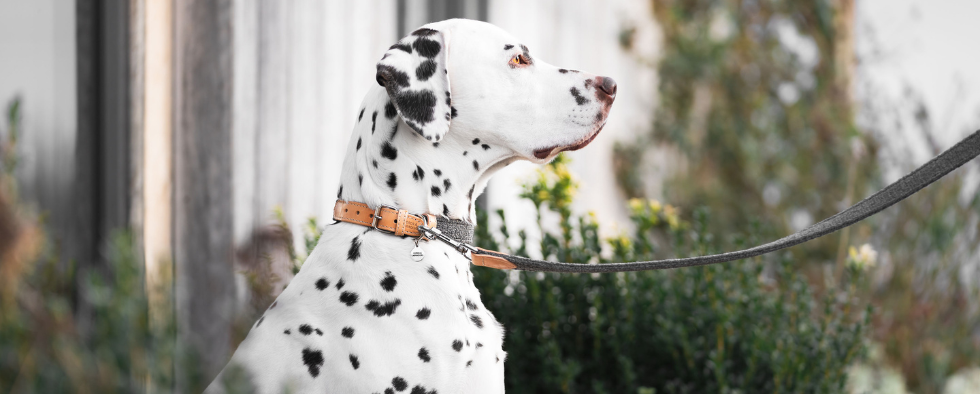
A dog collar is an important item for any dog as it can be used as a form of identification if they go missing and makes the process of attaching a lead for walkies a quick, simple and comfortable experience. However, if a dog collar isn’t properly fitted, it could potentially cause pain to your dog or allow them to escape.
In this blog, we explain how tight a dog collar should be, offer tips on fitting a collar correctly and look into how to measure your dog’s neck to find the right size.
How Tight Should A Dog Collar Be?
When you put a collar on your dog, you will need to ensure that the size is right to avoid causing a feeling of discomfort or even potentially putting your furry friend in danger. Finding the correct fit is a balance between making sure it isn’t too loose, meaning it could fall off, or too tight, potentially causing it to hurt their neck.
Whether you’re currently choosing a collar for your dog and need to find the correct size or already have a collar and need to make sure it’s correctly fitted, it’s important that it’s as it should be to avoid harm. Below, we offer tips on getting the size of your dog’s collar right:
How To Fit A Collar On A Dog
Even if the collar doesn’t look particularly tight or loose around your dog’s neck, it doesn’t mean that it's correctly fitted. It can be difficult to know how best to gauge the most suitable size on your dog’s neck. However, a tried and tested way that is effective in identifying the correct fit is by using what’s known as the ‘two finger rule’.
To do this, simply put the collar on your dog and place two fingers between the surface of the collar and your dog's neck. If your fingers can fit comfortably while still feeling a little restricted, this should be an indication that the collar is a suitable length. If, however, your fingers have a lot of room to move or feel stuck in the collar, you should adjust the length accordingly.
How To Shorten A Dog Collar
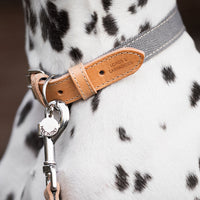
Dog collars often use a tri-glide buckle, allowing the owner to easily shorten or lengthen the collar. To shorten the length of the collar, move the end of the collar away from the buckle, tightening and making it shorter.
How to Extend A Dog Collar
Likewise, extending a dog collar that uses a tri-glide buckle requires the opposite action. Instead of moving the end of the collar away from the buckle to tighten it, push the end of the collar towards the buckle, pass it through the buckle itself and pull both ends to make the collar longer.
How To Measure Collar Size For A Dog
If you haven’t yet chosen a collar for your dog and are in the process of deciding the most suitable option, you will want to check that you’ve picked the right size. To help with measuring your dog for a collar, we’ve provided helpful tips on carrying out this process:
Get your dog to sit in front of you, ideally facing the opposite direction.
Place measuring tape around the base of your dog’s neck where their collar would be likely to sit.
Place two fingers between the measuring tape and their neck, making the measurement around one to two inches looser.
Record this measurement using a pencil and paper and mark it down as their neck measurement.
Using the neck measurement you’ve recorded, determine the collar size based on the collars size guide - each brand is sized differently so check the individual products size guide to find the best fit.
Lords & Labradors Essentials Walking Accessories
Our L&L Essentials Walking Collection collars come in seven sizes so you're sure to find the perfect fit, we've put our size guide below to help you find the right collar for your dog:
Collar Size
Neck Size
Recommended For
XXS
23-27 cm
Chihuahua, Yorkshire Terrier
XS
28-32 cm
Jack Russell, Norfolk Terrier
S
30-36 cm
Cockapoo, Standard Dachshund, Spaniel
M
35-41 cm
Bulldog, Schnauzer, English Bull Terrier
L
39-47 cm
Labrador. Red Setter, Labradoodle
XL
44-52 cm
Retriever, Great Dane, Doberman
XXL
49-57 cm
Bullmastiff, Dogue De Bordeaux, Newfoundland
Still not sure on the right size collar for your dog? Why not chat with one of our pet experts? They are available on +44 1790 720 900, sales@lordsandlabradors.co.uk or our live chat on our website - they're always happy to help!
A dog collar is an important item for any dog as it can be used as a form of identification if they go missing and makes the process of attaching a lead for walkies a quick, simple and comfortable experience. However, if a dog collar isn’t properly fitted, it could potentially cause pain to your dog or allow them to escape.
In this blog, we explain how tight a dog collar should be, offer tips on fitting a collar correctly and look into how to measure your dog’s neck to find the right size.
How Tight Should A Dog Collar Be?
When you put a collar on your dog, you will need to ensure that the size is right to avoid causing a feeling of discomfort or even potentially putting your furry friend in danger. Finding the correct fit is a balance between making sure it isn’t too loose, meaning it could fall off, or too tight, potentially causing it to hurt their neck.
Whether you’re currently choosing a collar for your dog and need to find the correct size or already have a collar and need to make sure it’s correctly fitted, it’s important that it’s as it should be to avoid harm. Below, we offer tips on getting the size of your dog’s collar right:
How To Fit A Collar On A Dog
Even if the collar doesn’t look particularly tight or loose around your dog’s neck, it doesn’t mean that it's correctly fitted. It can be difficult to know how best to gauge the most suitable size on your dog’s neck. However, a tried and tested way that is effective in identifying the correct fit is by using what’s known as the ‘two finger rule’.
To do this, simply put the collar on your dog and place two fingers between the surface of the collar and your dog's neck. If your fingers can fit comfortably while still feeling a little restricted, this should be an indication that the collar is a suitable length. If, however, your fingers have a lot of room to move or feel stuck in the collar, you should adjust the length accordingly.
How To Shorten A Dog Collar
Dog collars often use a tri-glide buckle, allowing the owner to easily shorten or lengthen the collar. To shorten the length of the collar, move the end of the collar away from the buckle, tightening and making it shorter.
How to Extend A Dog Collar
Likewise, extending a dog collar that uses a tri-glide buckle requires the opposite action. Instead of moving the end of the collar away from the buckle to tighten it, push the end of the collar towards the buckle, pass it through the buckle itself and pull both ends to make the collar longer.
How To Measure Collar Size For A Dog
If you haven’t yet chosen a collar for your dog and are in the process of deciding the most suitable option, you will want to check that you’ve picked the right size. To help with measuring your dog for a collar, we’ve provided helpful tips on carrying out this process:
Get your dog to sit in front of you, ideally facing the opposite direction.
Place measuring tape around the base of your dog’s neck where their collar would be likely to sit.
Place two fingers between the measuring tape and their neck, making the measurement around one to two inches looser.
Record this measurement using a pencil and paper and mark it down as their neck measurement.
Using the neck measurement you’ve recorded, determine the collar size based on the collars size guide - each brand is sized differently so check the individual products size guide to find the best fit.
Lords & Labradors Essentials Walking Accessories
Our L&L Essentials Walking Collection collars come in seven sizes so you're sure to find the perfect fit, we've put our size guide below to help you find the right collar for your dog:
Collar Size
Neck Size
Recommended For
XXS
23-27 cm
Chihuahua, Yorkshire Terrier
XS
28-32 cm
Jack Russell, Norfolk Terrier
S
30-36 cm
Cockapoo, Standard Dachshund, Spaniel
M
35-41 cm
Bulldog, Schnauzer, English Bull Terrier
L
39-47 cm
Labrador. Red Setter, Labradoodle
XL
44-52 cm
Retriever, Great Dane, Doberman
XXL
49-57 cm
Bullmastiff, Dogue De Bordeaux, Newfoundland
Still not sure on the right size collar for your dog? Why not chat with one of our pet experts? They are available on +44 1790 720 900, sales@lordsandlabradors.co.uk or our live chat on our website - they're always happy to help!
SIGN UP FOR USEFUL TIPS & GUIDES STRAIGHT TO YOUR INBOX
Your dog’s birthday only comes around once a year, and it deserves more than a passing thought. This guide walks you through everything you need to know about how to celebrate your dog’s birthday in a way that actually suits them, from choosing the right activities for their personality to picking safe treats and keeping the day calm and enjoyable. Whether you’re planning a full puppy birthday celebration or simply want to make the day feel a little more special than usual, you’ll find plenty of practical ideas here to work with.
How to celebrate your dog’s birthday in a way they’ll actually enjoy
There’s something about a dog’s birthday that brings out the best in us as pet parents. Maybe you’ve been planning something for weeks, or maybe you’re sitting there right now wondering whether dogs even know it’s their birthday. (Spoiler: they don’t. But they absolutely know when you’re making a fuss of them, and they love every second of it.)
Here’s the thing: knowing how to celebrate a dog’s birthday well has less to do with balloons and banners, and more to do with knowing your dog. Some dogs would happily wear a party hat and greet ten guests at the door. Others would find the whole thing a bit much and just want an extra-long walk, a good sniff around somewhere new, and something delicious to eat. Both are completely valid. This guide will help you figure out which camp your dog falls into — and how to make the day feel genuinely special either way.
Throughout this article, we’ll cover how to tailor the celebration to your dog’s personality, which dog birthday treats and cakes are safe (and which to skip), how to keep things calm if your dog gets easily overwhelmed, and a few small touches that can turn an ordinary day into one worth remembering. Whether you’re going all-out with a puppy birthday celebration or simply want to treat your dog to a brilliant day at home, there’s something here for every dog and every budget.
If you want a little inspiration before you dive in, take a look at our dog birthday collection for treats, toys, and gifts worth wagging about.
Now, let’s start where it always should: with your dog.
Start with your dog’s personality, not the party theme
The best way to celebrate your dog’s birthday isn’t to follow a trend or recreate something you saw on Instagram. It’s to start with who your dog actually is. When you plan around their temperament, energy, and comfort level, the day becomes genuinely enjoyable for them — not just for the photos.
The social butterfly. Some dogs live for a crowd and would happily greet twenty guests with a wagging tail. If your pup loves people and thrives on excitement, a dog birthday party with familiar faces and plenty of fuss is a brilliant way to celebrate.
The shy or anxious dog. A rescue who took months to settle, or a naturally cautious dog, can find big gatherings genuinely overwhelming. A quiet afternoon with just you, a favourite toy, and a special dog birthday treat often feels far more meaningful than any party.
The high-energy adventurer. If your dog’s idea of heaven is a long run or a swim in the river, take them somewhere new and let them go for it. Building a puppy birthday celebration around what they already love beats a party they can’t sit still for.
The senior dog. Older dogs still deserve to feel special, but their joints and energy levels may call for something gentler. A slower walk, a sunny spot to doze in, and a soft treat made for older teeth can make their day just as lovely.
The food-motivated dog. For some dogs, the dog birthday cake is entirely the point. A special meal or a homemade treat is celebration enough, and they’ll be completely delighted.
There’s no single right way to mark the occasion. The best dog birthday ideas are the ones your dog would actually choose. Pay attention to what makes them happiest on an ordinary day and let that guide you. Whether you’re planning something elaborate or keeping it low-key, the Lords & Labradors dog birthday collection has plenty to suit every kind of celebration.
Simple birthday ideas your dog will genuinely love
The good news is that figuring out how to celebrate your dog’s birthday doesn’t require a party planner or a Pinterest board. The most memorable dog birthdays are usually the simplest ones, built around the things your dog already loves. A few thoughtful touches go a long way.
A special walk on their favourite route. Take them somewhere they genuinely love — the local woods, a quiet beach, or that one park where they always seem to come alive. Give them extra time to explore, let them set the pace, and resist the urge to rush. It sounds small, but a longer, unhurried walk is a real treat for most dogs.
A sniffari. Essentially a walk where your dog leads and you follow their nose. Let them sniff everything they want, stop as long as they like, choose the direction. It’s one of the best dog birthday ideas going because it’s mentally enriching and completely free. If you’re after more low-key inspiration, our guide to things to do with your dog at home is a great place to start.
A dedicated play session. Set aside 20 to 30 minutes for their favourite game — fetch, tug, hide and seek with a treat. No distractions, no half-hearted throws while you check your phone. Your full attention is genuinely one of the greatest gifts you can give a dog.
A new toy. Something to sniff, chew, and demolish (or lovingly carry everywhere for the next six months) makes a simple but satisfying birthday treat. Choose something suited to how your dog actually plays, rather than what looks good in a photo.
A homemade dog-safe treat. Dog birthday treats don’t need to be complicated. A frozen banana and peanut butter Kong, or a batch of simple baked biscuits, can feel just as celebratory as any shop-bought dog birthday cake. We’ll cover safe recipes and ingredients to avoid in the next section.
A cosy evening in. Some dogs would genuinely choose a quiet night on the sofa over any organised activity. A blanket, their favourite spot, and your undivided company can be the loveliest way to close out the day.
Whether it’s a puppy birthday celebration or you’re marking another year with your grey-muzzled best friend, the same principle applies: know your dog, keep it personal, and you really can’t go wrong.
Dog birthday treats, cakes, and party food: what’s safe and what to skip
Food is at the heart of any good celebration, and your dog’s birthday is no exception. Knowing how to celebrate your dog’s birthday safely means making smart choices about what goes in their bowl — or on their birthday plate. With a few simple swaps, you can put together a spread that feels genuinely festive and keeps tails wagging for all the right reasons.
Safe birthday treat ideas for dogs
Peanut butter and banana pupcakes (made with dog-safe, xylitol-free peanut butter)
Plain cooked chicken or turkey pieces, cut into small bites
Carrot sticks or apple slices (core and seeds removed)
Frozen natural yogurt treats, plain and unsweetened
A dog-friendly birthday cake made with oats, eggs, and dog-safe toppings like cream cheese frosting
Ingredients to avoid
Chocolate, in any form
Xylitol, a sweetener hidden in many peanut butters, baked goods, and sweets
Grapes and raisins, which are toxic to dogs even in tiny amounts
Onions and garlic, including powdered forms
Artificial sweeteners of any kind
Macadamia nuts
A note on portions
Even dog-safe treats should be given in moderation. An exciting day can already be a lot for your dog’s system, and too many rich or unfamiliar foods at once can easily tip into an upset stomach. Keep portions small and spread treats throughout the day rather than serving everything in one go.
The good news is that a thoughtful, dog-safe birthday spread doesn’t need to be complicated. A simple pupcake with a smear of peanut butter means just as much to your dog as anything more elaborate, and it keeps the day joyful without the messy aftermath. If you want a fuller picture of what your dog can safely enjoy year-round, our guide on what dogs can eat for treats is a great place to start.
How to set up a birthday that feels special without overwhelming your dog
The best way to celebrate your dog’s birthday is to build the day around what actually makes them comfortable, not what looks great on camera. Get the setup right, and the whole thing feels effortless — your dog included.
Pick the right time of day. Plan around when your dog is naturally settled. Mid-morning after a walk or a quieter post-lunch window tends to work well. Avoid times when they’re already wired or flagging.
Keep the guest list small. A couple of familiar faces is plenty for most dogs. If crowds or new people stress your dog out, keep it to immediate family and skip the party format altogether.
Set up a quiet retreat. Even on their birthday, your dog needs somewhere to decompress. Tuck their favourite bed or a cosy blanket into a low-traffic corner so they can step away whenever they need to.
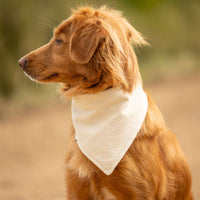
Plan one dedicated photo moment. Rather than following your dog around all day hoping for a decent shot, pick a calm moment, settle them on their bed, pop on a birthday bandana, and take a few pictures. Then let them get on with their day.
Keep decorations minimal and dog-tested. If your dog is completely unbothered by balloons and bunting, go for it. If they’re likely to spook or chew everything in sight, a simple bandana gets the job done with zero drama.
Watch their body language throughout. Yawning, turning away, or quietly leaving the room are all signs your dog has had enough. Scale back anything that seems to be adding stress rather than fun.
Quick tip: Your dog won’t tell you when they’ve had enough, but they will always show you. Check in regularly and let their cues guide the pace of the day.
A simple celebration built around your dog will always feel more special than an elaborate one they spend half the time trying to escape. If you want to add a few thoughtful finishing touches, the Lords and Labradors gifts for dogs collection has some lovely options — from soft beds to birthday bandanas — that add a little something extra without overwhelming your pet.
Little ways to make the day memorable and start a birthday tradition
The best birthday celebrations have a way of becoming something you both look forward to. And once you find a rhythm that suits your dog, it gets easier and more meaningful with every passing year.
Start simple. Take a photo at the end of the day — even just a quick snap of them with their birthday treat or sprawled out after a long walk. A small collection of yearly photos becomes something genuinely lovely over time, and you’ll be surprised how much it captures the way they change.
It’s also worth jotting down a few notes about what made the day. Which treat had them doing laps around the kitchen? Did they make a new friend at the park? Small details like these are easy to forget but so nice to have. Some people keep a little birthday note tucked into a memory box; others just add a voice memo to their phone. There’s no wrong way to do it.
Repeating a favourite tradition each year is what turns a nice day into a real celebration. Maybe it’s always that particular walk, always a special meal, always a personalised birthday cake from Lords and Labradors with their name on it. The repetition is actually the point. Dogs find comfort in routine, and honestly, you might find you do too.
Knowing how to celebrate your dog’s birthday well isn’t about doing more each year. It’s about doing the things that feel right for your dog, in a way you’ll both genuinely enjoy. That’s the tradition worth keeping.
Frequently Asked Questions
Is it normal to celebrate your dog’s birthday?
Yes, it’s completely normal to celebrate your dog’s birthday. Dogs may not understand the date itself, but they absolutely notice the extra attention, favourite activities, and special treats. A celebration can be as simple as a longer walk, a new toy, or a dog-safe birthday snack at home.
Do dogs recognize their birthdays?
No, dogs don’t recognize their birthdays in the way we do. They won’t know the date, but they will notice when you make a fuss of them. Extra attention, a favourite walk, a tasty dog-safe treat, and quality time are what make the day feel special to them.
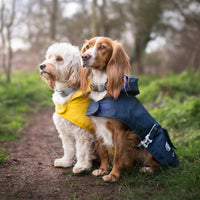
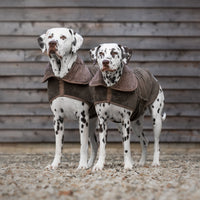
Fleece vs Waterproof Dog Coats: Which Do You Need And When?
Choosing between a fleece vs waterproof dog coat sounds simple until you’re standing in the hallway at 7am, lead in hand, trying to remember whether last night’s forecast said drizzle or just cold. Both coats have a real job to do, but they do very different things, and picking the wrong one can leave your dog uncomfortable before you’ve even reached the end of the street. This guide walks you through what each coat does best, when to reach for which, and how to layer them together when British weather refuses to make up its mind.
Fleece or waterproof dog coat: what’s the real difference?
When it comes to keeping your dog comfortable on a walk, fleece and waterproof coats do very different jobs. Picking the wrong one can leave your dog shivering, sodden, or frustratingly both.
A fleece dog coat is built for warmth. It traps body heat close to the skin, making it ideal for crisp autumn mornings or cool dry evenings when the air has a bite but the ground is still firm underfoot. Think of it as a cosy jumper your dog actually wants to wear. Fleece breathes well, moves with your dog, and feels soft against the skin — all of which matters if your dog is the type to stage a protest the moment you reach for their coat. Short-coated breeds like whippets, greyhounds, and Italian Greyhounds often rely on fleece as their first line of defence against the cold.
A waterproof dog jacket works differently. It’s designed to block the elements: rain, wind, and the inevitable muddy splashback from a well-timed puddle. What it won’t necessarily do is keep your dog warm. That’s a distinction that often gets missed when people are shopping for a dog coat for winter, and it’s worth holding onto as you read through this article.
So when you’re weighing up a fleece vs waterproof dog coat, the real question isn’t which one is better. It’s which one your dog actually needs for the walk you’re about to take. And before you get to that, it’s worth making sure the fit is right too — because even the best coat won’t do much if it doesn’t suit your dog’s shape. Our fitting guide is a good place to start.
Warmth vs weather protection: which one does your dog actually need?
The answer to the fleece vs waterproof dog coat debate really comes down to one simple question: what are you actually protecting your dog from? Fleece is all about warmth, keeping your dog cosy on those crisp, dry days when the cold is the only enemy. A waterproof dog jacket is built for something different entirely — rain, wind, and the kind of relentless muddy-field situations that British weather seems to specialise in.
Fleece Dog Coat
Waterproof Dog Jacket
Best conditions
Dry, cold weather
Rain, wind, wet ground
Primary function
Insulation and warmth
Weather and moisture protection
Ideal dog type
Thin-coated, elderly, or small dogs
Active dogs, short-haired breeds, all-weather walkers
Activity level
Gentle walks, indoor lounging
High-energy walks, muddy adventures
Wet weather performance
Poor — absorbs moisture
Excellent — repels water
Not sure which camp your dog falls into? These pointers help:
Choose fleece if your dog has a fine or short coat and shivers through dry winter mornings
Choose fleece if they’re older or less active and need gentle, comfortable warmth
Choose waterproof if your walks regularly take you through fields, parks, or anywhere rain isn’t a surprise
Choose waterproof if your dog runs hard and gets warm easily, but still needs cover when the heavens open
Plenty of dogs genuinely need both, with owners rotating between them depending on the season or whatever the forecast is doing. If you want to think through the bigger picture of cold-weather care, our guide to keeping your dog warm in winter is well worth a read.
When fleece works best: dry cold days, indoor lounging, and layering
Fleece dog coats really come into their own when the weather is cold but dry. Think crisp, frosty morning walks where the ground is firm underfoot and the sky is clear — no rain in sight, just that sharp winter chill that makes you wish you’d grabbed an extra layer. In the fleece vs waterproof dog coat debate, this is exactly where fleece takes the lead.
Fleece is the stronger choice in these situations:
Dry, cold weather walks where there’s no rain or wet ground to contend with
Indoor lounging and post-walk recovery, especially for dogs that come in from the cold and need to warm up gently
Older or arthritic dogs who feel the drop in temperature more deeply and benefit from consistent, reliable warmth
Short-coated or lean breeds like Greyhounds, Whippets, and Boxers, who have very little natural insulation to rely on
Layering under a waterproof shell coat for extra warmth on cold, wet winter days
Layering tip: Fleece works by trapping your dog’s body heat close to them. Add a waterproof dog jacket on top and you’ve covered all bases — warmth and weather protection working together rather than fighting for the job.
As a standalone coat, fleece is brilliant on dry cold days. The moment rain, sleet, or mud appears, though, it needs a waterproof layer over it to stay effective. If you’re still working out which combination suits your dog best, our guide to the best winter dog coats is a great place to continue.
When waterproof is the better pick: rain, wind, and messy British weather
When it comes to the fleece vs waterproof dog coat question, British weather has a habit of answering it for you. Rain rolls in without warning, wind appears from nowhere, and a walk that started under blue skies can end in a full-on drizzle before you’ve reached the car park. On those days, a waterproof coat does things a fleece simply can’t.
Here’s where a waterproof dog jacket pulls ahead:
Repels rain on contact so your dog’s fur stays dry underneath, even in a proper downpour
Blocks wind chill that a fleece lets straight through, keeping your dog genuinely comfortable rather than just covered
Protects the harness and chest area from soaking through, which you’ll only fully appreciate the first time you’re wrestling with a drenched harness at the boot
Cuts post-walk drying time significantly because the coat takes the hit so your dog’s fur doesn’t have to
Keeps mud and mess contained so a quick wipe-down is usually enough, no bath required
Means a drier car seat on the way home, which anyone who’s sat next to a soaking Spaniel will understand immediately
Heavy Rain
Wind Chill
Post-Walk Drying Time
Fleece
Poor
Poor
Poor
Waterproof
Excellent
Good
Excellent
For dogs who refuse to let a grey sky get in the way of a good walk (most of them, in our experience), a waterproof coat is the smarter, more practical choice. Browse the full waterproof dog coats range to find the right fit for your dog’s size, breed, and daily adventures.
Can you layer fleece and waterproof together?
Yes, you can absolutely layer a fleece under a waterproof dog coat, and in the right conditions it works better than either coat on its own. The fleece adds warmth close to the body while the waterproof jacket handles the rain and wind, keeping your dog comfortable even when the weather turns properly grim.
How to layer well:
Choose a slim-fitting fleece that sits close to your dog’s body without bunching underneath the outer layer
Make sure the waterproof jacket fits over the fleece without pinching at the chest, belly, or shoulders
Check that your dog can move freely through the front legs and chest — restriction here is usually the first sign that sizing is off
Watch for panting, restlessness, or sudden stopping during the walk, as these can signal overheating even in cold weather
If your dog runs hot or is a high-energy breed, opt for a thinner fleece or keep the layering window short
When does layering actually make sense? Temperatures below 5°C combined with rain, wind, or both. If it is just cold and dry, a fleece on its own is usually enough.
The fleece vs waterproof dog coat decision does not always have to be either/or. On the coldest, wettest days, layering genuinely gives you the best of both worlds. That said, if you would rather keep things simple, a well-made insulated waterproof dog jacket can handle most conditions in a single layer — no doubling up required.
How to choose the right coat for your dog this season
Once you know what each coat does, choosing between them gets a lot easier. The real question is what your dog actually faces on a typical walk.
If your winters are mostly dry and cold, a fleece dog coat is often all you need. It keeps smaller dogs and short-coated breeds warm without any fuss, and it’s light enough to grab on your way out the door. Think Whippets, Greyhounds, Miniature Pinschers — any dog that starts shivering the moment the temperature dips.
If you’re regularly walking through drizzle, mud, and wind (which, let’s be honest, is most of a British autumn and winter), a waterproof dog jacket earns its keep quickly. It keeps your dog dry from the outside in, which matters most on longer walks when a soaked coat starts to chill them right through.
For most dogs across most seasons, having both is genuinely worth it. Reach for the fleece on crisp dry days, or use it as a warm base layer underneath, then switch to the waterproof when the forecast turns. Together, they cover almost everything the weather can throw at you.
A simple checklist to help you decide:
Cold but dry: fleece
Wet or windy: waterproof dog jacket
Cold and wet: layer both
Short-coated or elderly dog: prioritise warmth first, then weatherproofing
Whatever you go for, fit matters. A coat that gaps, bunches, or restricts movement won’t do its job properly — and it won’t be comfortable for your dog either. Before you buy, take a look at our guide on how to measure your dog for a coat to make sure you get it right first time.
Frequently Asked Questions
Should dogs wear waterproof coats?
Yes, dogs should wear waterproof coats when walks are wet, windy, or muddy. A waterproof coat keeps fur drier, blocks wind chill, reduces post-walk drying time, and helps protect the chest and harness area from soaking through, which makes longer outings much more comfortable for many dogs.
Is fleece good for dogs?
Yes, fleece is good for dogs when the weather is cold and dry. It adds soft, breathable warmth, so it suits short-coated, lean, older, or less active dogs especially well. On wet days, though, fleece works best as a layer under a waterproof coat rather than on its own.
Best Playpen Accessories: Mats, Covers And Add-Ons
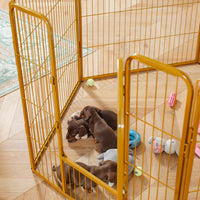
A well-chosen playpen does a lot for your dog, but the right accessories are what make it genuinely work day to day. This guide walks you through the best playpen accessories for dogs, from mats and covers to the small add-ons that solve the everyday problems most people don’t think about until they’re already dealing with them. Whether you have a chewing puppy, an anxious rescue, or a dog who just needs a comfortable corner to call their own, there’s a practical starting point here for you.
What to think about before you buy playpen accessories
A playpen gives your dog their own space, but the right accessories are what make it actually work for your household. Before you start adding things to your basket, it’s worth thinking about what problem you’re actually trying to solve — because the best playpen accessories for dogs are the ones that fit your dog’s needs, not just the ones that look the part.
Start by asking yourself what’s making the playpen tricky right now. If your puppy is skidding around on a hard floor, a well-fitted mat will make a real difference to their comfort and confidence. If you’re dealing with puddles or chewed bedding on a weekly basis, you’ll want something easy to wipe down or swap out quickly. If your dog tends to be restless or reactive, a cover might help them settle. And if the pen lives outside, weatherproofing becomes the priority before anything else.
Your dog’s age and temperament matter just as much as the setup itself. A young puppy in the thick of a chewing phase needs very different puppy playpen accessories than a calm older dog who just wants a cosy corner to nap in. Soft dog bedding works beautifully for a settled dog, but might last about five minutes with an enthusiastic chewer — something worth factoring in before you buy.
Getting clear on your dog’s routine first means you spend money on things that genuinely get used, rather than accessories that quietly migrate to the back of a cupboard after week one.
Choosing the right mat: comfort, grip, and easy cleaning
The right mat can make a surprising difference to how settled your dog feels inside their pen. Choose well and it quietly does a lot of the heavy lifting for you. Choose badly and you’re dealing with a mat that slides around, soaks through, or falls apart within a fortnight.
Three things should shape your decision: your dog’s age and life stage, where they’re at with housetraining, and how many hours a day they’ll actually be using the pen. Everything else follows from there.
Here’s what to focus on when weighing up your options:
Non-slip backing: A mat that shifts every time your dog turns a circle will frustrate you both. Rubberised or grippy bases are especially important on hard floors.
Waterproof or water-resistant layers: Non-negotiable for puppies still learning the ropes. Accidents happen, and a mat that soaks straight through makes cleaning far harder than it needs to be.
Machine-washable fabrics: Weekly washing keeps things fresh without much effort. Most dog owners won’t want a mat they can’t throw in the machine.
Extra cushioning: Puppies and older dogs with stiff joints need more support underfoot, particularly during longer rest periods.
Size compatibility: A mat that doesn’t fit the pen properly creates bunched edges and trip hazards. Worth measuring before you buy.
Durability for chewers: Plush options won’t last five minutes with some dogs. A denser, tougher mat is a much safer bet.
Quick guide: which mat type suits your dog?
Scenario
What to prioritise
Young puppy still housetraining
Waterproof layer, machine-washable, easy-wipe surface
Older or fully trained dog
Generous cushioning, soft fabric, longer-lasting comfort
The key is matching the mat to where your dog is right now, not where you’re hoping they’ll be in a few months. If you’re not sure where to start, the Lords & Labradors dog crate bedding collection is worth a look — there are options to suit every age, breed, and stage.
When a playpen cover makes sense — and what to look for
Not every playpen needs a cover, but in the right situation, one can make a real difference. If your pup spends time outside on warmer days, sits near a bright window, or simply gets overwhelmed easily and needs somewhere quieter to settle, a dog playpen cover earns its place pretty quickly. It’s one of those puppy playpen accessories that feels optional right up until the moment you realise you actually need it.
Feature
What it does
Best for
Shade level
Reduces heat and glare
Outdoor use, sunny rooms
Airflow
Keeps air circulating inside
Warm climates, summer use
Mesh panels
Lets light and air in while softening stimulation
Anxious or easily distracted dogs
Solid panels
Blocks visual triggers completely
Highly reactive or overstimulated dogs
Weather resistance
Protects against wind and light rain
Outdoor or semi-covered spaces
Secure fastenings
Keeps cover in place safely
Essential for any setup
A few things to avoid when you’re shopping around:
Covers that have no ventilation built in — they trap heat fast
Fully solid designs with no airflow on any side
Loose or flimsy fastenings that could sag inward
Thin fabric that promises shade but doesn’t really deliver it
The right cover comes down to where the pen lives and how your dog actually behaves inside it. Mesh panels suit most dogs well, letting in light and air while taking the edge off busier surroundings. Something more enclosed works better for pups who are easily startled or genuinely struggle to switch off. If your dog craves that darker, den-like calm, our crate covers are worth a look too — they pair nicely with a playpen setup when you want to give your dog a proper retreat alongside room to move.
The best add-ons for safer, tidier playpen setups
The right extras can turn a basic pen into something that feels much easier to live with. When you’re choosing the best playpen accessories for dogs, it usually comes down to fixing the little day-to-day annoyances that make a setup feel messy or awkward. Think spilled water, toys all over the floor, or a puppy who keeps chewing the sides when they should be settling.
Attachable water bowls are brilliant for dogs who treat every drink like a splash zone. Because they clip to the panels, they’re harder to tip and help keep your playpen mat for dogs drier. If you want something equally handy for trips out, these spill-resistant travel bowls are well worth a look.
Toy organisers or clip-on pockets help keep chews, soft toys, and treats in one place, which makes the whole pen feel more organised, especially in a kitchen or living room corner.
Guard panels or corner covers can be useful for very young puppies who mouth bars, squeeze into edges, or need a slightly softer boundary while they learn.
Protective bedding covers are a practical choice if your dog scratches, digs, or chews at their bed before settling. They can help keep padded inserts cleaner and easier to maintain.
Raised bowl holders are useful if you regularly serve meals inside the pen and want to keep food off the floor and away from bedding.
Floor grips or anchor points help stop lightweight pens sliding on wood or tile, which is especially helpful for excitable puppies.
The most useful dog playpen accessories are the ones that solve your dog’s habits, not the ones that simply add more stuff. Start with one or two fixes, then build a setup that feels calm, tidy, and easy to manage.
How to match accessories to your dog’s age, behaviour, and routine
No two dogs are the same, and the best playpen accessories for dogs really do come down to your individual dog’s age, habits, and daily routine. A bouncy eight-week-old pup needs something very different from a nervous rescue or a dog who lounges in the pen while you take back-to-back calls from home. Getting that match right from the start saves you money and makes life easier for both of you.
Dog Profile
Key Challenge
Recommended Accessory Focus
Young Puppy
Accidents, cold floors, chewing
Waterproof mat, chew-resistant edges, soft bedding
Heavy Chewer
Destroying soft materials quickly
Tough rubber mat, minimal fabric add-ons
Rescue Dog
Anxiety, overstimulation
Privacy cover, calming mat, quiet enclosed setup
WFH Companion
Long hours in the pen, boredom
Comfortable mat, enrichment hooks, water bowl clip
Sofa Lover
Reluctance to settle in the pen
Plush padded mat, familiar-scented bedding
A few pointers if your dog ticks more than one box:
Chewer and anxious? Prioritise durability first, then layer in comfort once you know what holds up.
Young pup who hates the pen? Lead with warmth and familiarity, and upgrade as they settle.
Rescue who also chews? Skip fabric covers for now and opt for a solid panel instead.
Dog across three profiles? Start with whatever’s causing the most disruption day to day.
Buy for the dog you actually have, not the perfectly calm, contented one in the product photos. When you’re ready to shop around your dog’s specific needs, the full range of dog accessories at Lords & Labradors is a good place to start.
Which playpen accessories are worth it for you?
The best playpen accessories for dogs are the ones that actually solve your problems, not the ones that look prettiest on a product page. So before you add anything to your basket, it helps to think honestly about what your daily routine looks like.
If you just need something clean and low-maintenance, a washable playpen mat and a couple of familiar toys will take you further than you might expect. For settled dogs spending short stretches in the pen while you crack on with your day, that’s genuinely all you need.
For a young puppy or an anxious dog, a soft mat, a cover for privacy, and a clip-on water bowl make the space feel cosy rather than just contained. That combination tends to make a real difference to how quickly they settle — and once they do, everything gets a little easier.
If your dog spends longer stretches in the pen, or you’re moving it between indoors and outside, it’s worth building things out a little: a proper mat, a weatherproof cover, and secure add-ons that keep the setup safe and tidy over time.
The honest truth is you rarely need everything at once. Start with what solves your biggest problem today, then add to it as you go. If you’re not sure where to begin, browsing the Lords and Labradors home essentials collection is a good way to get your bearings.
Frequently Asked Questions
What is the best thing to put in a dog pen?
The best thing to put in a dog pen is a well-fitted mat that suits your dog’s needs. For puppies, choose something waterproof, grippy, and easy to wash; for older or settled dogs, prioritise cushioning and comfort. A clip-on water bowl and a few familiar toys can also make the space feel calmer and tidier.
Are dog playpens a good idea?
Yes, dog playpens are a good idea when they’re set up around your dog’s needs. The right accessories can make the space more comfortable, safer, and easier to manage, whether that means a non-slip mat for confidence, a cover for privacy, or practical add-ons that keep mess under control.
That spinning, tail-chasing blur that is your dog in full chaos mode is one of the most entertaining sights in pet parenthood, but it can also leave you wondering whether to laugh or worry. Understanding why dogs chase their tails means knowing how to tell the difference between a perfectly happy dog letting off steam and a signal that something needs attention. This article covers all of it: the playful, the not-so-playful, what you can do at home, and when it’s time to pick up the phone to your vet.
Why dogs chase their tails in the first place
If you’ve ever watched your dog suddenly spin in circles chasing their own tail, you’ve probably wondered whether it means something — or whether they’ve simply lost the plot. The reassuring truth is that most of the time, tail-chasing is completely normal, especially in younger dogs.
Puppies are still figuring out how their bodies work. That fluffy thing bobbing around behind them? Genuinely fascinating. Chasing it is part exploration, part play, and part outlet for that seemingly bottomless puppy energy. It’s a bit like watching a toddler discover their own hands for the first time — delightful, harmless, and very short-lived once something more interesting comes along.
Adult dogs do it too, and often for equally simple reasons. Excitement is a big one. After a long walk, mid-play, or the moment you walk through the door after a day out, some dogs just spin. It’s their version of a happy wiggle. Others do it because they’re bored and it happens to be something to do. If your dog isn’t getting enough mental or physical stimulation, tail-chasing can quietly become a go-to habit — much like a bored dog might start chewing the furniture or barking at shadows.
So when people ask why dogs chase their tails, the honest answer is usually: for very ordinary reasons. It’s only worth looking closer when the behaviour becomes frequent, frantic, or hard to interrupt. But before jumping to any conclusions, it helps to know what normal actually looks like.
When tail-chasing is just playful dog behaviour
Most of the time, why dogs chase their tails comes down to one simple thing: they’re having fun. It’s one of the most common and harmless things you’ll see a dog do, and a one-off spinning session is rarely cause for concern.
Here are some of the most relatable scenarios where tail-chasing is completely benign:
Puppies discovering their tail for the first time. That little wagging thing at the back? It must be caught. Young dogs often chase their tails simply because they’ve only just clocked it exists — and it’s genuinely hilarious to watch.
Post-walk zoomies. Your dog bursts through the front door buzzing with excitement, spins in a few frantic circles, then flings himself onto the sofa. Pure joy, nothing more.
Bored dogs entertaining themselves. On a grey, rainy afternoon with nowhere to go, some dogs will invent their own fun. Chasing their tail fits the bill perfectly.
Attention-seeking. If your dog has figured out that spinning makes you laugh or look up from your phone, don’t be surprised when he does it again.
The key thing to look for: playful tail-chasing is short-lived, stops easily when you redirect your dog, and comes with no signs of distress, whining, or frantic repetition.
If it tends to happen in high-energy moments and resolves on its own, it’s almost certainly harmless. That said, if your dog is full of beans and looking for an outlet, channelling it into something structured is even better for them. Teaching a few fun tricks is a brilliant way to burn mental energy and strengthen your bond at the same time.
When tail-chasing may point to a bigger issue
Sometimes, though, tail-chasing means something more than a burst of puppy silliness. When the behaviour starts happening frequently, intensely, or with a kind of frantic, driven quality that feels different from play, it’s worth paying closer attention to what your dog’s body might be telling you.
Common causes that deserve a closer look include:
Stress and frustration — dogs under pressure from changes at home, limited exercise, or social tension often channel that energy into repetitive movement
Skin irritation — a patch of inflamed or itchy skin near the base of the tail can prompt a dog to spin and snap trying to reach it
Fleas or parasites — flea activity concentrates around the tail and hindquarters, making this area a constant source of irritation
Localised pain — discomfort in the lower back, hips, or tail itself can cause a dog to investigate the area obsessively
Canine compulsive disorder — tail-chasing behaviour can be a sign of canine compulsive disorder, a recognised condition that goes far beyond playful spinning
Insufficient mental stimulation — a bored dog with nowhere to direct their energy may settle into tail-chasing as a self-soothing habit
Signs the behaviour has gone too far
Watch out if your dog spins in circles repeatedly without stopping, cannot be distracted or called away, becomes defensive when their tail is touched, or is visibly injuring themselves by biting or pulling at it. These are signals worth acting on.
If you’re noticing the episodes getting longer, happening every single day, or becoming harder to interrupt, the dog chasing tail meaning shifts from quirky habit to something that genuinely needs a vet or behaviourist’s attention. You know your dog better than anyone — trust that instinct.
What you can do at home to help your dog
If your dog can’t seem to leave their tail alone, the good news is that tail-chasing behaviour often responds really well to simple, consistent changes at home. No need to overhaul your whole routine — small tweaks to how your dog spends their day can make a surprisingly big difference.
Boost daily exercise: A well-walked dog is a calmer dog. If the spinning tends to ramp up in the evenings, try a longer walk or a game of fetch earlier in the day to take the edge off before it builds.
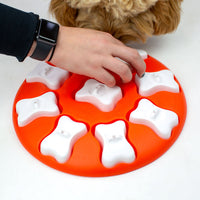
Add mental stimulation: Puzzle feeders, sniff mats, and short training sessions give your dog’s brain something to chew on. A bored dog will always find their own entertainment, and tail-chasing is a classic example.
Try more enrichment at home: Stuck for ideas? This list of things to do with your dog at home is full of easy, practical inspiration.
Build a calming routine: Dogs thrive on predictability. Consistent mealtimes, walks, and wind-down periods can ease the low-level anxiety that sometimes drives tail-chasing in the first place.
Redirect and reward: When you spot the spinning starting, calmly redirect your dog to a toy or a simple command and praise them for engaging with that instead. You’re giving them a better outlet, not telling them off.
Give them a proper rest space: A cosy, supportive bed in a quiet corner helps anxious dogs genuinely decompress between activities, rather than just crashing wherever they land.
Done consistently, these changes really do add up. A dog who feels stimulated, secure, and well-exercised is far less likely to spend their evenings chasing their tail — and far more likely to just flop contentedly on the sofa instead.
When to call the vet about tail-chasing
Most tail-chasing is harmless, and a few small changes to your dog’s routine are often all it takes to settle things down. But there are times when a vet visit is genuinely the right call — and spotting those signs early always makes a difference.
Book an appointment if you notice any of the following:
Your dog is chasing their tail compulsively and struggles to stop, or becomes visibly distressed
The spinning started suddenly, with no obvious trigger
There’s redness, swelling, hair loss, or broken skin around the tail or its base
Your dog is biting or licking the area to the point of bleeding
They seem confused, unsteady, or their personality has shifted alongside the spinning
Any of these could point to something physical or neurological that deserves proper attention.
If the behaviour is mild and occasional, it’s reasonable to monitor it for a week or two first. Jot down when it happens, how long it lasts, and what was going on beforehand — that kind of detail is genuinely useful when you’re talking it through with your vet.
In the meantime, supporting your dog’s overall wellbeing is never a bad idea. Our dog wellbeing range includes vet-developed options to help your dog feel calmer and more comfortable day to day.
You know your dog better than anyone. Trust that.
Frequently Asked Questions
What does it mean when my dog chases her tail?
It usually means your dog is being playful, excited, bored, or simply exploring, especially if she’s young. It’s typically harmless when it’s brief and easy to interrupt. If it becomes frequent, frantic, or comes with biting, distress, or skin changes, it can signal irritation, pain, stress, or compulsive behaviour.
Should you stop a dog from chasing its tail?
Yes, if it’s becoming repetitive, frantic, or hard to interrupt, you should step in calmly and redirect your dog. Short, playful spinning is usually nothing to worry about, but daily or compulsive tail-chasing can point to boredom, stress, irritation, or pain and is worth addressing.
Why do dogs bite their tails and spin?
Dogs may bite their tails and spin because the area is bothering them, not just because they’re playing. Common reasons include itchy or inflamed skin, fleas or parasites, local pain, stress, or a compulsive habit. If they’re injuring themselves or you can’t distract them, it’s time to call the vet.