Choosing the perfect name for your new dog is an exciting milestone. A dog’s name becomes a part of their identity, something you’ll use every day for training, cuddles, and fun adventures. If you’re a new dog owner looking for inspiration, you’ve come to the right place! We’ve compiled a list of the most popular dog names, along with some tips for choosing the perfect name for your furry companion. Plus, discover how you can make their name truly special with personalised dog beds from Lords & Labradors.
Most Popular Dog Names
Here’s a list of top dog names to inspire you, divided by categories to suit every pup:
Popular Male Dog Names
If you’re searching for good names for a male puppy, these timeless choices are crowd favourites:
Teddy
Charlie
Cooper
Buddy
Henry
Milo
Bear
Duke
Finn
Max
These names are not only easy to say but are also some of the most common puppy names for male dogs. They’re perfect for any breed or size.
Popular Female Dog Names
The most popular female dog names often reflect elegance and charm. Here are the top picks:
Bella
Poppy
Daisy
Lucy
Luna
Molly
Lola
Rosie
Roxy
Coco
These names are ideal for female dogs of all breeds and sizes, from tiny Chihuahuas to large Labradors.
Cool Names for Male Dogs
If you want something unique and stylish, these cool names for male dogs might be just what you’re looking for:
Ghost
Jax
Ryder
Blaze
Titan
Maverick
Hunter
Thor
Apollo
Diesel
These good male dog names exude confidence and personality, perfect for pups with a bold attitude.
Unique Female Dog Names
For a female dog with a distinctive personality, consider these less common options:
Nova
Freya
Willow
Maple
Indie
Nala
Sage
Lyra
Skye
Stella
These names are perfect for owners who want their dog to stand out in the crowd.
Tips for Nicknaming Your Dog
Once you’ve chosen your dog’s name, nicknames often come naturally. For instance, "Cooper" might become "Coop," and "Luna" might turn into "Lu-Lu." These nicknames can add a playful, personal touch to your bond with your pet.
Top Tips for Choosing a Dog Name
Picking the right name for your dog isn’t just about creativity; there are practical considerations, too. Here are some tips to keep in mind:
Keep it Short and Sweet: Dogs respond better to short names, ideally one or two syllables. Names like "Max" or "Luna" are easier for dogs to recognise.
Avoid Confusion: Choose a name that doesn’t sound like common commands. For example, "Kit" might be confused with "sit."
Make it Personal: Think about your dog’s personality, breed, or unique traits. A playful pup might suit a name like "Buddy," while a regal dog could shine with "Duchess."
Consider Longevity: Choose a name that you’ll love for years to come. Trendy names can be fun, but classic choices often stand the test of time.
Test it Out: Say the name aloud to see how it feels. Does it roll off the tongue easily? Does your dog respond to it?
Celebrate Their Name with a Personalised Dog Bed
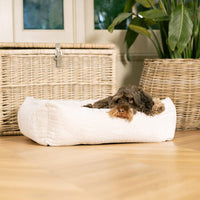
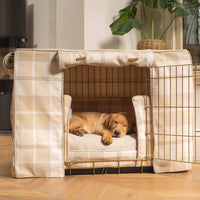
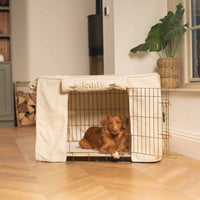
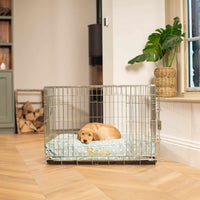
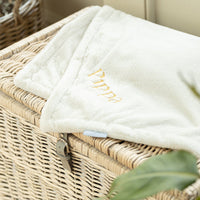
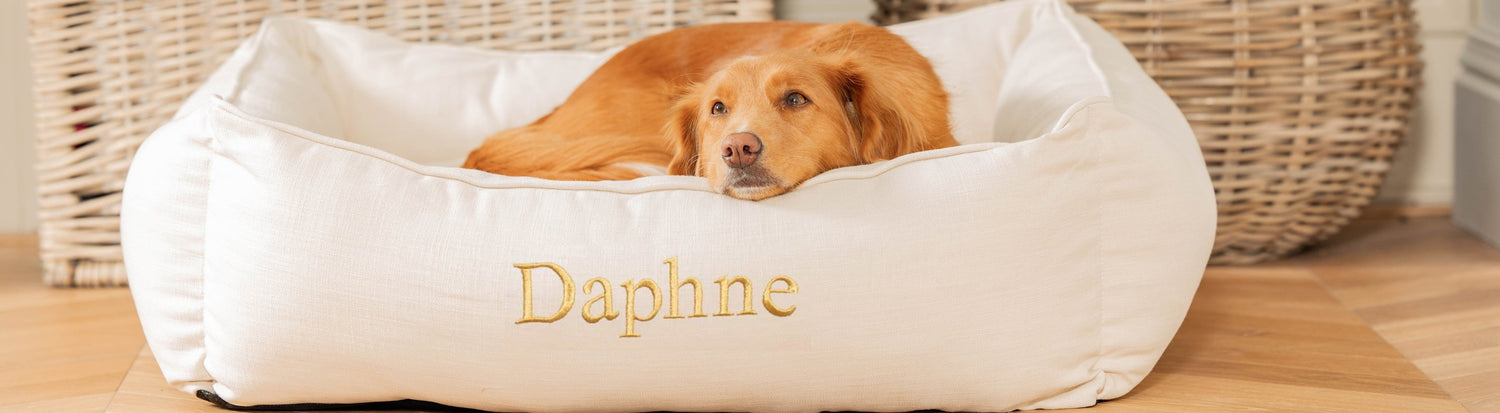
Once you’ve picked the perfect name, why not make it official with a personalised dog bed from Lords & Labradors? Our luxury dog beds are available in a range of styles, colours, and sizes, making them the perfect addition to your home. Personalising your dog’s bed with their name not only makes it unique but also adds a charming touch to their sleeping space.
A personalised bed can also help new dogs settle into their environment, creating a cosy and familiar spot for them to relax. Explore our range of personalised dog beds here.
Final Thoughts
Choosing a name for your dog is a special moment that helps build a lifelong bond. Whether you’re drawn to popular dog names, cool names for male dogs, or unique female dog names, the most important thing is finding one that suits your pup’s unique personality.
So, what will you name your new best friend? Let us know over on our socials!
Choosing the perfect name for your new dog is an exciting milestone. A dog’s name becomes a part of their identity, something you’ll use every day for training, cuddles, and fun adventures. If you’re a new dog owner looking for inspiration, you’ve come to the right place! We’ve compiled a list of the most popular dog names, along with some tips for choosing the perfect name for your furry companion. Plus, discover how you can make their name truly special with personalised dog beds from Lords & Labradors.
Most Popular Dog Names
Here’s a list of top dog names to inspire you, divided by categories to suit every pup:
Popular Male Dog Names
If you’re searching for good names for a male puppy, these timeless choices are crowd favourites:
Teddy
Charlie
Cooper
Buddy
Henry
Milo
Bear
Duke
Finn
Max
These names are not only easy to say but are also some of the most common puppy names for male dogs. They’re perfect for any breed or size.
Popular Female Dog Names
The most popular female dog names often reflect elegance and charm. Here are the top picks:
Bella
Poppy
Daisy
Lucy
Luna
Molly
Lola
Rosie
Roxy
Coco
These names are ideal for female dogs of all breeds and sizes, from tiny Chihuahuas to large Labradors.
Cool Names for Male Dogs
If you want something unique and stylish, these cool names for male dogs might be just what you’re looking for:
Ghost
Jax
Ryder
Blaze
Titan
Maverick
Hunter
Thor
Apollo
Diesel
These good male dog names exude confidence and personality, perfect for pups with a bold attitude.
Unique Female Dog Names
For a female dog with a distinctive personality, consider these less common options:
Nova
Freya
Willow
Maple
Indie
Nala
Sage
Lyra
Skye
Stella
These names are perfect for owners who want their dog to stand out in the crowd.
Tips for Nicknaming Your Dog
Once you’ve chosen your dog’s name, nicknames often come naturally. For instance, "Cooper" might become "Coop," and "Luna" might turn into "Lu-Lu." These nicknames can add a playful, personal touch to your bond with your pet.
Top Tips for Choosing a Dog Name
Picking the right name for your dog isn’t just about creativity; there are practical considerations, too. Here are some tips to keep in mind:
Keep it Short and Sweet: Dogs respond better to short names, ideally one or two syllables. Names like "Max" or "Luna" are easier for dogs to recognise.
Avoid Confusion: Choose a name that doesn’t sound like common commands. For example, "Kit" might be confused with "sit."
Make it Personal: Think about your dog’s personality, breed, or unique traits. A playful pup might suit a name like "Buddy," while a regal dog could shine with "Duchess."
Consider Longevity: Choose a name that you’ll love for years to come. Trendy names can be fun, but classic choices often stand the test of time.
Test it Out: Say the name aloud to see how it feels. Does it roll off the tongue easily? Does your dog respond to it?
Celebrate Their Name with a Personalised Dog Bed
Once you’ve picked the perfect name, why not make it official with a personalised dog bed from Lords & Labradors? Our luxury dog beds are available in a range of styles, colours, and sizes, making them the perfect addition to your home. Personalising your dog’s bed with their name not only makes it unique but also adds a charming touch to their sleeping space.
A personalised bed can also help new dogs settle into their environment, creating a cosy and familiar spot for them to relax. Explore our range of personalised dog beds here.
Final Thoughts
Choosing a name for your dog is a special moment that helps build a lifelong bond. Whether you’re drawn to popular dog names, cool names for male dogs, or unique female dog names, the most important thing is finding one that suits your pup’s unique personality.
So, what will you name your new best friend? Let us know over on our socials!
SIGN UP FOR USEFUL TIPS & GUIDES STRAIGHT TO YOUR INBOX
Next Article
Health
Best flea treatment for dogs: what works fastest and lasts longest
Sore gums, mystery teeth marks on the furniture, a puppy who seems a little off but you can’t quite put your finger on why — puppy teething symptoms have a way of creeping up before you’ve even thought to look for them. In this guide, we’ll walk you through what’s actually happening inside your puppy’s mouth, what the teething timeline looks like, and how to tell normal discomfort from something worth a vet call. You’ll also find some genuinely simple ways to soothe sore gums at home and keep the chewing pointed in the right direction.
What puppy teething symptoms look like in everyday life
Most puppy parents notice something is off before they even think to connect it to teething. The shoes have mysteriously acquired teeth marks, your puppy is mouthing your hands more than usual, and they seem a little out of sorts in general. Sound familiar? Once you know what to look for, the whole picture starts to make sense.
The most obvious sign is a sudden surge in chewing. Everything becomes fair game: furniture corners, skirting boards, your favourite jumper. Alongside this, you might notice your puppy dribbling more than usual or pawing at their mouth. If you gently lift their lip, look for gums that appear a little red or puffy, especially around the spots where new teeth are starting to push through.
Nipping tends to increase too, and it can feel more frantic than playful. This is not your puppy being difficult or defiant. Their gums are genuinely uncomfortable, and chewing brings relief. Giving them appropriate things to gnaw on, like textured puppy toys designed with teething in mind, makes a real difference at this stage.
A fussier mood is also completely normal. Some puppies go off their food for a day or two, sleep more restlessly, or simply seem a little flat compared to their usual bouncy selves. It will pass.
Spotting these puppy teething signs for what they actually are helps you respond with patience rather than frustration. That is better for your puppy, and honestly, better for you too.
When puppy teething starts and when it usually ends
Puppy teething symptoms can feel like they’ve come out of nowhere, but the process actually begins earlier than most people realise. Baby teeth start pushing through from around 3 to 8 weeks of age, and by 12 to 16 weeks, adult teeth begin replacing them. The whole stage typically wraps up by around 6 to 7 months, so as relentless as it feels right now, it really is temporary.
Here’s how the puppy teething timeline usually unfolds:
0 to 3 weeks — Puppies are born without teeth. Gums are soft, and there’s no discomfort yet.
3 to 8 weeks — Baby teeth (also called milk teeth) begin coming through. Most puppies have their full set of 28 by around 8 weeks.
12 to 16 weeks — Adult teeth start pushing through. This is when puppy teething signs tend to become most noticeable, with chewing and drooling ramping up noticeably.
4 to 6 months — Adult teeth continue replacing baby teeth. Don’t be surprised if you find a tiny tooth on the kitchen floor.
6 to 7 months — The full set of 42 adult teeth is usually in place.
Worth knowing: Most puppies have all 42 adult teeth by 6 to 7 months. That’s the finish line, and it will arrive.
How long puppies teethe and how intensely they feel it does vary. Larger breeds sometimes experience more pronounced discomfort, and some puppies are just more sensitive than others. If your pup seems particularly restless or chew-obsessed, that’s usually why.
Getting the right supplies together early makes the whole stage far more manageable. Lords & Labradors’ puppy collection is a great starting point if you’re building your teething toolkit.
Why teething makes puppies chew, bite, and act out
If your puppy seems to be chewing everything in sight, nipping at your hands, or waking you up at odd hours, take a breath — this is not a sign that you’ve got a troublesome pup on your hands. These are classic puppy teething symptoms, and they’re almost always your puppy’s way of telling you their mouth is uncomfortable.
During teething, the gums become inflamed as adult teeth push through the tissue. That pressure and sensitivity is genuinely uncomfortable, and chewing provides just enough counter-pressure to bring some relief. Think of it like a human baby reaching for anything they can gnaw on. Your puppy isn’t acting out — they’re coping.
The most common behavioural signs linked to teething discomfort include:
Chewing furniture, skirting boards, and shoes — anything firm that creates that satisfying counter-pressure
Destroying bedding or soft furnishings, which tends to ramp up at night when there’s nothing else to redirect their attention to
Mouthing or grabbing hands during play, often more persistently than usual
Eating more slowly or briefly going off food because chewing feels sore
Drooling more than normal, thanks to increased saliva production during teething
Seeming restless or unsettled at bedtime, especially during the most intense teething weeks
All of this is temporary. Once you understand it’s physical discomfort driving the behaviour rather than wilfulness, it becomes a lot easier to respond with patience and redirect your puppy calmly.
How to soothe sore gums at home
Once you’ve started recognising the puppy teething symptoms your pup is showing, the focus naturally shifts from spotting the signs to actually making them feel better. The good news? There’s plenty you can do at home, and most of it is simple.
Offer puppy-safe chew toys designed with teething in mind. Softer rubber or nylon options give sore gums something satisfying to work on without causing damage. It’s worth having a few different styles on the go — browse puppy-safe chew toys to find options suited to your pup’s size and chew strength.
Try a briefly chilled damp flannel. Wet a cloth, pop it in the fridge for 20 minutes, then let your puppy gnaw on it. The gentle coolness soothes inflamed gums without the risks that come with frozen items.
Rotate toys regularly. Puppies lose interest quickly, so swapping things out every day or two keeps chewing directed at the right targets rather than your skirting boards.
Stay nearby during chewing sessions. Supervising means you can calmly redirect your pup the moment they switch from their toy to your favourite chair leg — and they will try.
Redirect rather than just remove. When your puppy goes for something off-limits, swap it straight away with an appropriate toy. A firm “no” on its own rarely gets the message across at this age.
What to avoid:
Hard bones or antlers, which can crack sensitive puppy teeth
Frozen solid items like ice cubes, which are too harsh on sore gums
Small objects that could become a choking hazard
Human teething gels, particularly anything containing xylitol, which is toxic to dogs
With the right puppy teething remedies to hand and a little consistency, this phase is genuinely manageable — for your puppy and for your home.
When puppy teething symptoms need a vet check
Most puppy teething symptoms are completely normal, and the vast majority of what you’ll see at home doesn’t need anything more than patience and a good chew toy.
A little blood on a toy? Perfectly expected. The odd wobbly or missing tooth? All part of it. Mild drooling, pink-tinged gums, and a puppy who’s grumpier than usual during peak teething weeks are nothing to panic about.
That said, a few signs are worth watching more closely:
Gums that look very swollen, deeply red, or are bleeding heavily and not settling
A baby tooth that hasn’t fallen out after the adult tooth has already come through
Persistent refusal to eat, even soft or wet food
Breath that smells genuinely foul — not just normal puppy breath, but sharp or rotten
Lethargy, a fever, or anything else that makes your puppy seem off in a general way
If one of these pops up, give it a day and see whether things settle. If they don’t, trust your gut and call your vet. You know your puppy better than anyone.
For everything else, the right support and a few good chews will carry you both through. Just getting started with a new pup? Our guide to bringing a puppy home covers those early weeks brilliantly.
Best flea treatment for dogs: what works fastest and lasts longest
Finding the best flea treatment for dogs gets overwhelming fast, especially when every product promises to be the strongest, quickest, or most long-lasting option on the shelf. This guide cuts through that noise by looking at how quickly different treatments actually work, how long they last between doses, and which formats are genuinely easiest to use in real life. By the end, you’ll have a clear sense of what suits your dog’s age, size, and routine, without the second-guessing.
What flea treatment actually needs to do when you’ve spotted the first itch
Spotting your dog scratching more than usual tends to trigger that same panic in every pet parent: what’s going on, and how do I fix it fast?
Here’s the thing — a single flea is rarely just one flea. By the time you notice the itch, eggs may already be dropping into your carpet, bedding, and sofa cushions. So the best flea treatment for dogs needs to do more than kill the adults you can see. It also needs to tackle eggs and larvae before they hatch, then keep working long enough to stop new fleas hitching a ride after walks, park visits, or a playdate with a friend’s dog.
That’s why it’s worth understanding what each product type actually does before you buy.
Spot-ons are applied directly to the skin at the back of the neck, absorbing into the coat and skin oils to kill fleas on contact. Chewable tablets work through the bloodstream and tend to act quickly, making them a go-to when you need the fastest flea treatment for dogs. Collars release active ingredients steadily over weeks or months, so they’re well suited to long-lasting flea and tick treatment with minimal effort. Sprays are more targeted and handy for a top-up between doses, or if your dog simply won’t tolerate tablets or pipettes.
Before settling on one, think honestly about how your dog handles different application methods, how often you can realistically re-treat, and whether you’re fighting an active infestation or trying to stay ahead of one. If it’s the former, our guide on how to get rid of fleas on your dog is a brilliant place to start.
If you need fast relief, which flea treatment works quickest?
When your dog is already scratching, “fastest” matters, but it isn’t the same for every type of flea treatment for dogs. The key thing to know is that timings vary by active ingredient and brand, so it’s better to treat these as typical patterns rather than fixed rules.
Format
Typical start time
What to know
Best for
Oral tablet
Often within hours
Some products begin killing fleas very quickly, but timing depends on the tablet
Fast relief when fleas are already causing real irritation
Spot-on
Usually within several hours to around a day
Needs time to spread across the skin and coat
Good all-round option for treatment plus ongoing cover
Spray
Varies widely by product
Can be useful for direct, targeted use, but may need more hands-on application
Small areas or dogs who need a more local approach
Collar
Usually slower to fully protect
Better at ongoing prevention than immediate relief
Longer-term flea and tick support
Worth knowing: If your priority is the fastest flea treatment for dogs, oral options are often the quickest to start working, but always check the label for the specific product you’re considering.
In real life, that means a miserable, constantly scratching dog may need a different choice from one who just needs steady monthly protection. A collar can be brilliant for prevention, but it usually wouldn’t be my first pick for urgent relief. Spot-ons sit somewhere in the middle: not usually the fastest option, but often a practical balance of ease and longer-lasting cover.
If that’s what you’re after, Frontline Plus for small dogs is a helpful example of a spot-on to compare when you’re weighing up convenience, monthly protection, and whether it feels like the best flea treatment for dogs for your routine.
Which flea treatment lasts longest between doses?
If you’ve ever come home from a weekend away and quietly panicked trying to remember whether you treated your dog before you left, you already know why duration matters. Finding a long-lasting flea treatment for dogs can genuinely take one more thing off your mental load, whether you’re out on muddy woodland walks every Saturday or heading off somewhere with your dog in tow.
Treatment Type
Typical Duration
Best For
Convenience Rating
Spot-ons
Up to 4 weeks
Most dog owners, easy monthly routine
4/5
Tablets
24 hours to 3 months (varies by product)
Dogs who hate topical treatments
3/5
Collars
Up to 8 months
Owners wanting long-term, hands-off protection
5/5
Sprays
Days to a few weeks
Top-up coverage or treating the environment
2/5
Worth knowing: Spot-ons like Frontline Plus offer up to four weeks of flea and tick protection from a single application. Set a monthly reminder, apply it, and you’re done.
Longer-lasting formats make missed doses far less likely, and that’s no small thing when life gets busy. For most pet parents, the best flea treatment for dogs isn’t necessarily the most advanced one on the market — it’s the one that slots into your existing routine without you having to think too hard about it. A good dog flea and tick treatment should just quietly get on with the job, leaving you free to enjoy the walk rather than worry about what might be lurking in the long grass.
What’s easiest to give your dog: spot-on, tablet, collar or spray?
The best flea treatment for dogs isn’t just about what kills fleas fastest. It’s also about what your dog will actually tolerate, and what fits into your life without becoming a whole production. A treatment that sits unopened in the cupboard because your dog bolts the moment you reach for it isn’t helping anyone.
Format
Best For
Watch Out For
Spot-on
Dogs who are easy to handle and don’t swim or bathe frequently
Can feel greasy; needs to absorb fully before contact with other pets
Tablet
Fussy handlers or multi-dog households where cross-contact is a concern
Determined fussy eaters will find it, even inside a pill pocket
Collar
Set-and-forget households wanting long-term coverage
Fit matters; some dogs find them uncomfortable or chew them off
Spray
On-demand use between treatments or for lighter coverage
Needs applying thoroughly; some dogs dislike the sensation
Before you decide, it’s worth thinking through a few practical questions:
Does your dog swim or get bathed regularly? Both can affect how well spot-ons and collars hold up.
Are they a dedicated fussy eater who sniffs out tablets no matter how well you hide them?
Do you have multiple dogs where a freshly applied spot-on could transfer during a cuddle?
Would you rather apply once and forget about it, or do you prefer the flexibility to treat as needed?
Does your dog get anxious around handling, aerosol sounds, or anything fastened near their neck?
No single format suits every dog, which is why lifestyle fit matters just as much as efficacy. If you want something flexible to use between treatments, our dog sprays are a low-fuss option worth keeping in the cupboard for when you actually need them.
How to choose the safest option for your dog’s age, size and lifestyle
The best flea treatment for dogs isn’t always the one making the boldest promises on the box. It’s the one that actually fits your dog — their age, their size, their skin, and how they spend their days. Getting that match right is what separates a treatment that works from one that quietly disappoints.
Before you buy, run through these checks:
Minimum age: Many treatments aren’t suitable for puppies under eight or twelve weeks. Always check the label before using anything on a young dog.
Weight band accuracy: Flea treatments are dosed by weight, so using the wrong band can mean under-dosing or, more seriously, giving too much. Weigh your dog before you buy.
Skin sensitivity: If your dog has reacted to topical treatments before, a tablet-based option may suit them better.
Other medications or health conditions: Some ingredients interact with existing treatments. If your dog is on medication, a quick call to your vet is worth it.
Swimming and bathing habits: Spot-ons can lose their effectiveness faster on dogs that swim regularly or get bathed weekly. A collar or tablet tends to hold up better in those cases.
Puppy-safe formulas differ significantly from adult treatments — always check the minimum age on the label before applying anything.
There are plenty of long-lasting and fast-acting dog flea and tick treatment options available, but they only do their job properly when they’re right for the individual dog. If you have a puppy or a younger dog joining the family, our puppy flea and worming treatments are a good place to start.
How to make the final choice without overthinking it
If you’ve made it through this guide and you’re still not quite sure which way to go, here’s a simple way to think about it.
If your dog is already scratching and miserable, speed is what matters right now. Find a fast-acting flea treatment for dogs that starts working within hours, and figure out the longer-term routine once the immediate discomfort is sorted.
If you’re someone who forgets monthly doses, honestly, you’re in good company — pick the longest-lasting option you can find. A treatment that covers three months gives you far more breathing room than one you need to remember every four weeks like a recurring alarm you keep snoozing.
And if your dog is the type who clamps their jaw shut the second anything remotely medicinal appears, go with whatever format they’ll actually tolerate. A spot-on they barely notice beats a chew they spit out across the kitchen floor every single time.
Once you know which of those three things matters most, the best flea treatment for dogs for your situation becomes a lot easier to land on. It really does come down to your dog, your routine, and your life — not some universal right answer.
To compare options across all three priorities, take a look at the Lords and Labradors Frontline flea and worming range and find something that actually works for both of you.
Your dog’s birthday only comes around once a year, and it deserves more than a passing thought. This guide walks you through everything you need to know about how to celebrate your dog’s birthday in a way that actually suits them, from choosing the right activities for their personality to picking safe treats and keeping the day calm and enjoyable. Whether you’re planning a full puppy birthday celebration or simply want to make the day feel a little more special than usual, you’ll find plenty of practical ideas here to work with.
How to celebrate your dog’s birthday in a way they’ll actually enjoy
There’s something about a dog’s birthday that brings out the best in us as pet parents. Maybe you’ve been planning something for weeks, or maybe you’re sitting there right now wondering whether dogs even know it’s their birthday. (Spoiler: they don’t. But they absolutely know when you’re making a fuss of them, and they love every second of it.)
Here’s the thing: knowing how to celebrate a dog’s birthday well has less to do with balloons and banners, and more to do with knowing your dog. Some dogs would happily wear a party hat and greet ten guests at the door. Others would find the whole thing a bit much and just want an extra-long walk, a good sniff around somewhere new, and something delicious to eat. Both are completely valid. This guide will help you figure out which camp your dog falls into — and how to make the day feel genuinely special either way.
Throughout this article, we’ll cover how to tailor the celebration to your dog’s personality, which dog birthday treats and cakes are safe (and which to skip), how to keep things calm if your dog gets easily overwhelmed, and a few small touches that can turn an ordinary day into one worth remembering. Whether you’re going all-out with a puppy birthday celebration or simply want to treat your dog to a brilliant day at home, there’s something here for every dog and every budget.
If you want a little inspiration before you dive in, take a look at our dog birthday collection for treats, toys, and gifts worth wagging about.
Now, let’s start where it always should: with your dog.
Start with your dog’s personality, not the party theme
The best way to celebrate your dog’s birthday isn’t to follow a trend or recreate something you saw on Instagram. It’s to start with who your dog actually is. When you plan around their temperament, energy, and comfort level, the day becomes genuinely enjoyable for them — not just for the photos.
The social butterfly. Some dogs live for a crowd and would happily greet twenty guests with a wagging tail. If your pup loves people and thrives on excitement, a dog birthday party with familiar faces and plenty of fuss is a brilliant way to celebrate.
The shy or anxious dog. A rescue who took months to settle, or a naturally cautious dog, can find big gatherings genuinely overwhelming. A quiet afternoon with just you, a favourite toy, and a special dog birthday treat often feels far more meaningful than any party.
The high-energy adventurer. If your dog’s idea of heaven is a long run or a swim in the river, take them somewhere new and let them go for it. Building a puppy birthday celebration around what they already love beats a party they can’t sit still for.
The senior dog. Older dogs still deserve to feel special, but their joints and energy levels may call for something gentler. A slower walk, a sunny spot to doze in, and a soft treat made for older teeth can make their day just as lovely.
The food-motivated dog. For some dogs, the dog birthday cake is entirely the point. A special meal or a homemade treat is celebration enough, and they’ll be completely delighted.
There’s no single right way to mark the occasion. The best dog birthday ideas are the ones your dog would actually choose. Pay attention to what makes them happiest on an ordinary day and let that guide you. Whether you’re planning something elaborate or keeping it low-key, the Lords & Labradors dog birthday collection has plenty to suit every kind of celebration.
Simple birthday ideas your dog will genuinely love
The good news is that figuring out how to celebrate your dog’s birthday doesn’t require a party planner or a Pinterest board. The most memorable dog birthdays are usually the simplest ones, built around the things your dog already loves. A few thoughtful touches go a long way.
A special walk on their favourite route. Take them somewhere they genuinely love — the local woods, a quiet beach, or that one park where they always seem to come alive. Give them extra time to explore, let them set the pace, and resist the urge to rush. It sounds small, but a longer, unhurried walk is a real treat for most dogs.
A sniffari. Essentially a walk where your dog leads and you follow their nose. Let them sniff everything they want, stop as long as they like, choose the direction. It’s one of the best dog birthday ideas going because it’s mentally enriching and completely free. If you’re after more low-key inspiration, our guide to things to do with your dog at home is a great place to start.
A dedicated play session. Set aside 20 to 30 minutes for their favourite game — fetch, tug, hide and seek with a treat. No distractions, no half-hearted throws while you check your phone. Your full attention is genuinely one of the greatest gifts you can give a dog.
A new toy. Something to sniff, chew, and demolish (or lovingly carry everywhere for the next six months) makes a simple but satisfying birthday treat. Choose something suited to how your dog actually plays, rather than what looks good in a photo.
A homemade dog-safe treat. Dog birthday treats don’t need to be complicated. A frozen banana and peanut butter Kong, or a batch of simple baked biscuits, can feel just as celebratory as any shop-bought dog birthday cake. We’ll cover safe recipes and ingredients to avoid in the next section.
A cosy evening in. Some dogs would genuinely choose a quiet night on the sofa over any organised activity. A blanket, their favourite spot, and your undivided company can be the loveliest way to close out the day.
Whether it’s a puppy birthday celebration or you’re marking another year with your grey-muzzled best friend, the same principle applies: know your dog, keep it personal, and you really can’t go wrong.
Dog birthday treats, cakes, and party food: what’s safe and what to skip
Food is at the heart of any good celebration, and your dog’s birthday is no exception. Knowing how to celebrate your dog’s birthday safely means making smart choices about what goes in their bowl — or on their birthday plate. With a few simple swaps, you can put together a spread that feels genuinely festive and keeps tails wagging for all the right reasons.
Safe birthday treat ideas for dogs
Peanut butter and banana pupcakes (made with dog-safe, xylitol-free peanut butter)
Plain cooked chicken or turkey pieces, cut into small bites
Carrot sticks or apple slices (core and seeds removed)
Frozen natural yogurt treats, plain and unsweetened
A dog-friendly birthday cake made with oats, eggs, and dog-safe toppings like cream cheese frosting
Ingredients to avoid
Chocolate, in any form
Xylitol, a sweetener hidden in many peanut butters, baked goods, and sweets
Grapes and raisins, which are toxic to dogs even in tiny amounts
Onions and garlic, including powdered forms
Artificial sweeteners of any kind
Macadamia nuts
A note on portions
Even dog-safe treats should be given in moderation. An exciting day can already be a lot for your dog’s system, and too many rich or unfamiliar foods at once can easily tip into an upset stomach. Keep portions small and spread treats throughout the day rather than serving everything in one go.
The good news is that a thoughtful, dog-safe birthday spread doesn’t need to be complicated. A simple pupcake with a smear of peanut butter means just as much to your dog as anything more elaborate, and it keeps the day joyful without the messy aftermath. If you want a fuller picture of what your dog can safely enjoy year-round, our guide on what dogs can eat for treats is a great place to start.
How to set up a birthday that feels special without overwhelming your dog
The best way to celebrate your dog’s birthday is to build the day around what actually makes them comfortable, not what looks great on camera. Get the setup right, and the whole thing feels effortless — your dog included.
Pick the right time of day. Plan around when your dog is naturally settled. Mid-morning after a walk or a quieter post-lunch window tends to work well. Avoid times when they’re already wired or flagging.
Keep the guest list small. A couple of familiar faces is plenty for most dogs. If crowds or new people stress your dog out, keep it to immediate family and skip the party format altogether.
Set up a quiet retreat. Even on their birthday, your dog needs somewhere to decompress. Tuck their favourite bed or a cosy blanket into a low-traffic corner so they can step away whenever they need to.
Plan one dedicated photo moment. Rather than following your dog around all day hoping for a decent shot, pick a calm moment, settle them on their bed, pop on a birthday bandana, and take a few pictures. Then let them get on with their day.
Keep decorations minimal and dog-tested. If your dog is completely unbothered by balloons and bunting, go for it. If they’re likely to spook or chew everything in sight, a simple bandana gets the job done with zero drama.
Watch their body language throughout. Yawning, turning away, or quietly leaving the room are all signs your dog has had enough. Scale back anything that seems to be adding stress rather than fun.
Quick tip: Your dog won’t tell you when they’ve had enough, but they will always show you. Check in regularly and let their cues guide the pace of the day.
A simple celebration built around your dog will always feel more special than an elaborate one they spend half the time trying to escape. If you want to add a few thoughtful finishing touches, the Lords and Labradors gifts for dogs collection has some lovely options — from soft beds to birthday bandanas — that add a little something extra without overwhelming your pet.
Little ways to make the day memorable and start a birthday tradition
The best birthday celebrations have a way of becoming something you both look forward to. And once you find a rhythm that suits your dog, it gets easier and more meaningful with every passing year.
Start simple. Take a photo at the end of the day — even just a quick snap of them with their birthday treat or sprawled out after a long walk. A small collection of yearly photos becomes something genuinely lovely over time, and you’ll be surprised how much it captures the way they change.
It’s also worth jotting down a few notes about what made the day. Which treat had them doing laps around the kitchen? Did they make a new friend at the park? Small details like these are easy to forget but so nice to have. Some people keep a little birthday note tucked into a memory box; others just add a voice memo to their phone. There’s no wrong way to do it.
Repeating a favourite tradition each year is what turns a nice day into a real celebration. Maybe it’s always that particular walk, always a special meal, always a personalised birthday cake from Lords and Labradors with their name on it. The repetition is actually the point. Dogs find comfort in routine, and honestly, you might find you do too.
Knowing how to celebrate your dog’s birthday well isn’t about doing more each year. It’s about doing the things that feel right for your dog, in a way you’ll both genuinely enjoy. That’s the tradition worth keeping.
Frequently Asked Questions
Is it normal to celebrate your dog’s birthday?
Yes, it’s completely normal to celebrate your dog’s birthday. Dogs may not understand the date itself, but they absolutely notice the extra attention, favourite activities, and special treats. A celebration can be as simple as a longer walk, a new toy, or a dog-safe birthday snack at home.
Do dogs recognize their birthdays?
No, dogs don’t recognize their birthdays in the way we do. They won’t know the date, but they will notice when you make a fuss of them. Extra attention, a favourite walk, a tasty dog-safe treat, and quality time are what make the day feel special to them.
Fleece vs Waterproof Dog Coats: Which Do You Need And When?
Choosing between a fleece vs waterproof dog coat sounds simple until you’re standing in the hallway at 7am, lead in hand, trying to remember whether last night’s forecast said drizzle or just cold. Both coats have a real job to do, but they do very different things, and picking the wrong one can leave your dog uncomfortable before you’ve even reached the end of the street. This guide walks you through what each coat does best, when to reach for which, and how to layer them together when British weather refuses to make up its mind.
Fleece or waterproof dog coat: what’s the real difference?
When it comes to keeping your dog comfortable on a walk, fleece and waterproof coats do very different jobs. Picking the wrong one can leave your dog shivering, sodden, or frustratingly both.
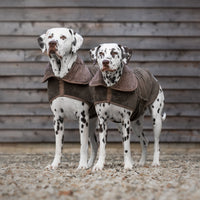
A fleece dog coat is built for warmth. It traps body heat close to the skin, making it ideal for crisp autumn mornings or cool dry evenings when the air has a bite but the ground is still firm underfoot. Think of it as a cosy jumper your dog actually wants to wear. Fleece breathes well, moves with your dog, and feels soft against the skin — all of which matters if your dog is the type to stage a protest the moment you reach for their coat. Short-coated breeds like whippets, greyhounds, and Italian Greyhounds often rely on fleece as their first line of defence against the cold.
A waterproof dog jacket works differently. It’s designed to block the elements: rain, wind, and the inevitable muddy splashback from a well-timed puddle. What it won’t necessarily do is keep your dog warm. That’s a distinction that often gets missed when people are shopping for a dog coat for winter, and it’s worth holding onto as you read through this article.
So when you’re weighing up a fleece vs waterproof dog coat, the real question isn’t which one is better. It’s which one your dog actually needs for the walk you’re about to take. And before you get to that, it’s worth making sure the fit is right too — because even the best coat won’t do much if it doesn’t suit your dog’s shape. Our fitting guide is a good place to start.
Warmth vs weather protection: which one does your dog actually need?
The answer to the fleece vs waterproof dog coat debate really comes down to one simple question: what are you actually protecting your dog from? Fleece is all about warmth, keeping your dog cosy on those crisp, dry days when the cold is the only enemy. A waterproof dog jacket is built for something different entirely — rain, wind, and the kind of relentless muddy-field situations that British weather seems to specialise in.
Fleece Dog Coat
Waterproof Dog Jacket
Best conditions
Dry, cold weather
Rain, wind, wet ground
Primary function
Insulation and warmth
Weather and moisture protection
Ideal dog type
Thin-coated, elderly, or small dogs
Active dogs, short-haired breeds, all-weather walkers
Activity level
Gentle walks, indoor lounging
High-energy walks, muddy adventures
Wet weather performance
Poor — absorbs moisture
Excellent — repels water
Not sure which camp your dog falls into? These pointers help:
Choose fleece if your dog has a fine or short coat and shivers through dry winter mornings
Choose fleece if they’re older or less active and need gentle, comfortable warmth
Choose waterproof if your walks regularly take you through fields, parks, or anywhere rain isn’t a surprise
Choose waterproof if your dog runs hard and gets warm easily, but still needs cover when the heavens open
Plenty of dogs genuinely need both, with owners rotating between them depending on the season or whatever the forecast is doing. If you want to think through the bigger picture of cold-weather care, our guide to keeping your dog warm in winter is well worth a read.
When fleece works best: dry cold days, indoor lounging, and layering
Fleece dog coats really come into their own when the weather is cold but dry. Think crisp, frosty morning walks where the ground is firm underfoot and the sky is clear — no rain in sight, just that sharp winter chill that makes you wish you’d grabbed an extra layer. In the fleece vs waterproof dog coat debate, this is exactly where fleece takes the lead.
Fleece is the stronger choice in these situations:
Dry, cold weather walks where there’s no rain or wet ground to contend with
Indoor lounging and post-walk recovery, especially for dogs that come in from the cold and need to warm up gently
Older or arthritic dogs who feel the drop in temperature more deeply and benefit from consistent, reliable warmth
Short-coated or lean breeds like Greyhounds, Whippets, and Boxers, who have very little natural insulation to rely on
Layering under a waterproof shell coat for extra warmth on cold, wet winter days
Layering tip: Fleece works by trapping your dog’s body heat close to them. Add a waterproof dog jacket on top and you’ve covered all bases — warmth and weather protection working together rather than fighting for the job.
As a standalone coat, fleece is brilliant on dry cold days. The moment rain, sleet, or mud appears, though, it needs a waterproof layer over it to stay effective. If you’re still working out which combination suits your dog best, our guide to the best winter dog coats is a great place to continue.
When waterproof is the better pick: rain, wind, and messy British weather
When it comes to the fleece vs waterproof dog coat question, British weather has a habit of answering it for you. Rain rolls in without warning, wind appears from nowhere, and a walk that started under blue skies can end in a full-on drizzle before you’ve reached the car park. On those days, a waterproof coat does things a fleece simply can’t.
Here’s where a waterproof dog jacket pulls ahead:
Repels rain on contact so your dog’s fur stays dry underneath, even in a proper downpour
Blocks wind chill that a fleece lets straight through, keeping your dog genuinely comfortable rather than just covered
Protects the harness and chest area from soaking through, which you’ll only fully appreciate the first time you’re wrestling with a drenched harness at the boot
Cuts post-walk drying time significantly because the coat takes the hit so your dog’s fur doesn’t have to
Keeps mud and mess contained so a quick wipe-down is usually enough, no bath required
Means a drier car seat on the way home, which anyone who’s sat next to a soaking Spaniel will understand immediately
Heavy Rain
Wind Chill
Post-Walk Drying Time
Fleece
Poor
Poor
Poor
Waterproof
Excellent
Good
Excellent
For dogs who refuse to let a grey sky get in the way of a good walk (most of them, in our experience), a waterproof coat is the smarter, more practical choice. Browse the full waterproof dog coats range to find the right fit for your dog’s size, breed, and daily adventures.
Can you layer fleece and waterproof together?
Yes, you can absolutely layer a fleece under a waterproof dog coat, and in the right conditions it works better than either coat on its own. The fleece adds warmth close to the body while the waterproof jacket handles the rain and wind, keeping your dog comfortable even when the weather turns properly grim.
How to layer well:
Choose a slim-fitting fleece that sits close to your dog’s body without bunching underneath the outer layer
Make sure the waterproof jacket fits over the fleece without pinching at the chest, belly, or shoulders
Check that your dog can move freely through the front legs and chest — restriction here is usually the first sign that sizing is off
Watch for panting, restlessness, or sudden stopping during the walk, as these can signal overheating even in cold weather
If your dog runs hot or is a high-energy breed, opt for a thinner fleece or keep the layering window short
When does layering actually make sense? Temperatures below 5°C combined with rain, wind, or both. If it is just cold and dry, a fleece on its own is usually enough.
The fleece vs waterproof dog coat decision does not always have to be either/or. On the coldest, wettest days, layering genuinely gives you the best of both worlds. That said, if you would rather keep things simple, a well-made insulated waterproof dog jacket can handle most conditions in a single layer — no doubling up required.
How to choose the right coat for your dog this season
Once you know what each coat does, choosing between them gets a lot easier. The real question is what your dog actually faces on a typical walk.
If your winters are mostly dry and cold, a fleece dog coat is often all you need. It keeps smaller dogs and short-coated breeds warm without any fuss, and it’s light enough to grab on your way out the door. Think Whippets, Greyhounds, Miniature Pinschers — any dog that starts shivering the moment the temperature dips.
If you’re regularly walking through drizzle, mud, and wind (which, let’s be honest, is most of a British autumn and winter), a waterproof dog jacket earns its keep quickly. It keeps your dog dry from the outside in, which matters most on longer walks when a soaked coat starts to chill them right through.
For most dogs across most seasons, having both is genuinely worth it. Reach for the fleece on crisp dry days, or use it as a warm base layer underneath, then switch to the waterproof when the forecast turns. Together, they cover almost everything the weather can throw at you.
A simple checklist to help you decide:
Cold but dry: fleece
Wet or windy: waterproof dog jacket
Cold and wet: layer both
Short-coated or elderly dog: prioritise warmth first, then weatherproofing
Whatever you go for, fit matters. A coat that gaps, bunches, or restricts movement won’t do its job properly — and it won’t be comfortable for your dog either. Before you buy, take a look at our guide on how to measure your dog for a coat to make sure you get it right first time.
Frequently Asked Questions
Should dogs wear waterproof coats?
Yes, dogs should wear waterproof coats when walks are wet, windy, or muddy. A waterproof coat keeps fur drier, blocks wind chill, reduces post-walk drying time, and helps protect the chest and harness area from soaking through, which makes longer outings much more comfortable for many dogs.
Is fleece good for dogs?
Yes, fleece is good for dogs when the weather is cold and dry. It adds soft, breathable warmth, so it suits short-coated, lean, older, or less active dogs especially well. On wet days, though, fleece works best as a layer under a waterproof coat rather than on its own.