






























































Kittens are brilliant at finding trouble, and playpens for kittens are one of those things that sound optional right up until the moment you really need one. In this guide, we’ll help you work out whether a kitten playpen actually suits your setup, what to look for when choosing one, and how to introduce it in a way that feels calm and positive for your cat. Whether you’re navigating a busy household, a multi-pet home, or simply those unpredictable first weeks, there’s a practical approach here that will work for you.
Do kittens actually need playpens?
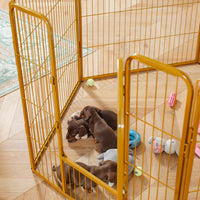
Playpens for kittens are exactly what they sound like: a safe, enclosed space where your kitten can play, rest, and explore without getting into mischief the moment you look away. Think of it as a cosy home base — somewhere they can be themselves without you spending the afternoon fishing them out from behind the washing machine.
But do kittens actually need one? Honestly, not always. Plenty of cats grow up perfectly happy without ever spending time in a kitten enclosure. If you have a calm household, no other pets, and the bandwidth to supervise closely in those early weeks, you might never feel the need for one at all.
That said, a kitten playpen can be genuinely useful in the right situation. New kittens are curious to a fault, and most homes have far more hazards than you might expect — trailing wires, open washing machines, gaps behind furniture that seem impossibly small until a kitten proves otherwise. A playpen gives them a safe place to be when you cannot watch them directly, whether that is during a busy work call, overnight, or while you are carefully introducing them to a resident dog or older cat.
It is less about containment and more about giving your kitten somewhere secure to settle while they are still finding their feet. If you are still pulling everything together before your new arrival comes home, our kitten checklist is a brilliant place to start.
When a kitten playpen makes life easier
Playpens for kittens aren’t just a nice-to-have — they solve real, everyday problems that catch a lot of new cat owners off guard. Whether you’re managing a busy household or simply trying to sleep without wondering what your kitten is quietly destroying, a contained and comfortable space makes a genuine difference.
Here are some of the most common moments when a kitten playpen really earns its place:
- Helping a new kitten settle in: A smaller, manageable space feels far less overwhelming than the run of an entire house. If you’re navigating those first few days, our guide on how to settle a new kitten walks you through making that transition as calm and confident as possible.
- Bedtime routines: If your kitten isn’t yet sleeping through the night, a cosy indoor playpen for kittens keeps them safe while you actually get some rest — without lying awake listening for trouble.
- Preventing door dashes: In homes with kids or regular visitors, a secure kitten enclosure means nobody has to panic every time the front door opens.
- Recovery and rest after illness or neutering: Post-op kittens need calm and limited movement. A playpen gives you that control without keeping them cooped up in a carrier all day.
- Multi-pet introductions: Letting a new kitten and a resident dog or cat adjust to each other gradually, with a physical boundary in place, takes so much of the stress out of those early meetings.
At its best, a cat playpen isn’t about restriction at all. It’s about giving your kitten a secure, settled base while life carries on around them — somewhere that feels like a safe haven, not a time-out corner.
What to look for in a safe, kitten-friendly playpen
Not all playpens for kittens are designed with cats in mind, and the difference genuinely matters. A pen that works brilliantly for a puppy might have bar spacing that’s too wide for a small kitten, or panels that shift under pressure. Knowing what to look for means you can choose something that keeps your kitten safe and settled, rather than just contained.
Here’s what’s worth prioritising when you’re shopping around:
- Sturdy, tip-resistant frame that stays stable even when a curious kitten launches themselves at the side
- Breathable mesh or narrow bar spacing to prevent escapes, accidental entrapment, or tiny paws getting stuck
- Secure fastenings and locking panels that a determined kitten can’t nudge, push, or wriggle open
- Easy-clean or wipe-down surfaces because litter tracking and water spills are just part of daily kitten life
- Enough interior space for a small bed, a compact litter tray, and a water bowl without everything feeling cramped
- Good visibility on all sides so your kitten can see what’s happening around them and feel part of the household, not shut away from it
- Foldable or portable design so you can move it between rooms or tuck it away when it’s not in use
Practical tip: Aim for at least 1 to 1.5 square metres of floor space. That gives your kitten room to stretch out, shift position, and settle properly during longer spells inside.
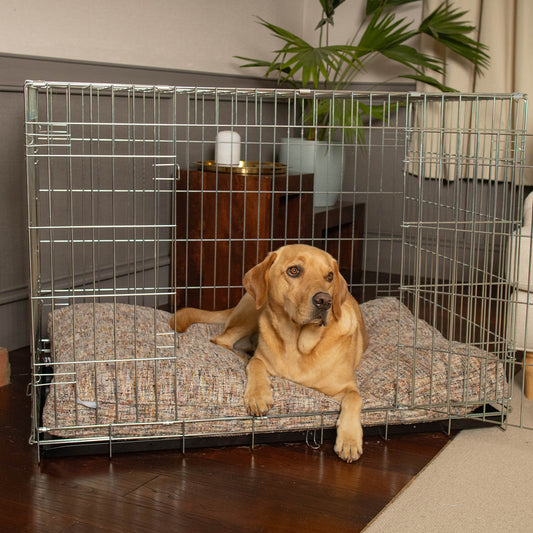
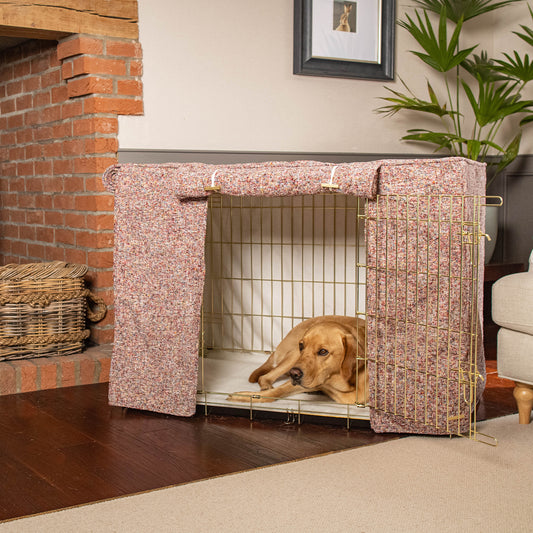
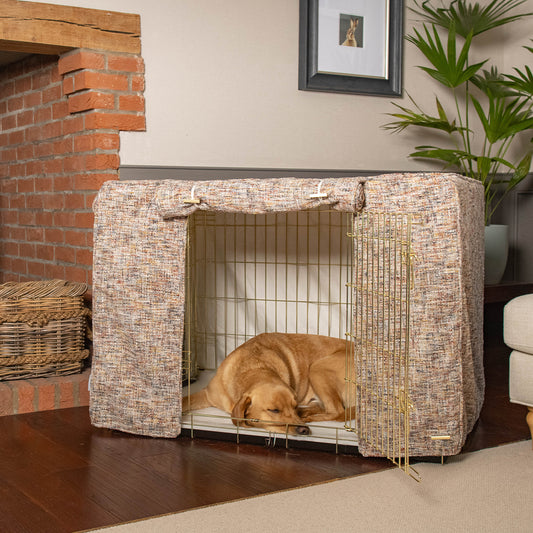
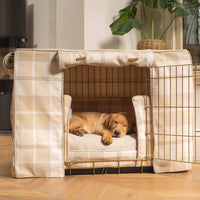
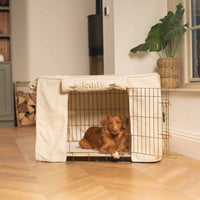
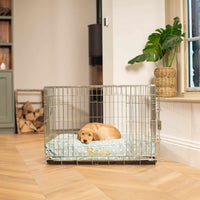
The goal is a space your kitten feels genuinely comfortable in. The Lords & Labradors 80cm High Play Pen covers all of these practical bases and works well as an indoor kitten enclosure that puts comfort ahead of containment.
How to use a playpen without stressing your kitten out
How you introduce a kitten playpen matters just as much as the enclosure itself. A gradual, positive approach helps your kitten associate the space with safety and comfort, rather than feeling shut away. Much like those first days of bringing your new kitten home, early impressions really do set the tone.
- Place familiar bedding and a favourite toy inside from the start, so the space already smells like home before your kitten even steps in
- Keep the first sessions short and supervised, ten minutes rather than an hour, so there’s no chance for anxiety to build
- Never use the kitten enclosure as punishment. It should always feel like a calm retreat, not a consequence
- Let your kitten explore at their own pace before you close the door. Curiosity first, containment second
- Stay nearby during those early visits. Your presence helps them learn the space is safe, not isolating
Once they’re in, it’s worth knowing what “settled” actually looks like. A happy kitten in a cat playpen will often:
- Groom themselves without prompting
- Choose to nap there voluntarily
- Play calmly with toys rather than pacing or trying to escape
- Show relaxed body language: slow blinks, a loose posture, an easy curl
The introduction phase is where trust is built. Get that right, and your indoor playpen for kittens becomes a genuinely calm, stress-free part of everyday life.
Playpens, crates, and kitten-proofing: which option fits your home?
There’s no single right answer here — the best setup really does depend on your home, your kitten, and what a typical day actually looks like for you.
A dedicated room works well if you have a spare space you can fully kitten-proof: no loose wires, no gaps behind appliances, nothing climbable that leads somewhere it shouldn’t. It gives your kitten room to roam freely, which feels the most natural. The catch is that it takes real effort to get right, and not every home has a suitable room going spare.
Crates and carriers have their place too, but it’s a limited one. They’re great for travel, vet trips, or short-term settling, but a kitten needs room to stretch, play, and reach a litter tray comfortably. A crate alone isn’t a proper safe space.
That’s where a kitten playpen comes into its own. It sits neatly in the middle ground — flexible enough to move between rooms, simple to set up, and easy to pack away when you don’t need it. Use it in the living room while you’re on a call, shift it to the bedroom overnight, tuck it into the hallway while you’re cooking. That kind of adaptability is what makes playpens for kittens so practical for everyday life.
If you’re ready to explore what’s out there, the Lords & Labradors crates and pens collection has options to suit different spaces and different kittens — so you can find something that genuinely fits your setup.
Frequently Asked Questions
Is a playpen good for a kitten?
Yes, a playpen can be really good for a kitten when you need a safe, comfortable space they can rest and explore without getting into trouble. It’s especially helpful during settling-in, bedtime, recovery, or slow introductions with other pets, but not every kitten will need one.
What is the best playpen for kittens?
The best playpen for kittens is one that feels safe, stable, and comfortable rather than just enclosed. Look for a sturdy frame, secure fastenings, breathable sides or narrow bars, enough room for a bed, litter tray, and water, plus good visibility so your kitten still feels part of home.
Should I put my kitten in a playpen at night?
Yes, you can put your kitten in a playpen at night if it helps keep them safe and settled while you sleep. A cosy setup with bedding, water, and space to rest can make bedtime easier, especially when your kitten is still adjusting or not yet sleeping through.