



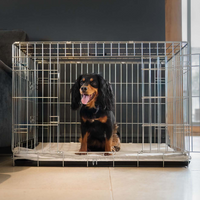


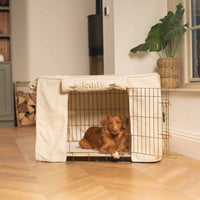
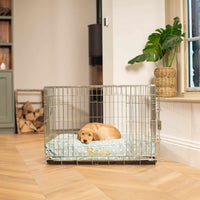



















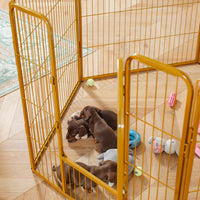





















Figuring out whether you can leave a puppy in a playpen while at work is one of those questions that comes with a lot of variables — but the short answer is yes, with the right setup and realistic expectations about time. This guide covers how long puppies can actually manage in a pen depending on their age, how to set one up properly for a workday, and the signs that your current routine might need adjusting. Whether you’re heading back to the office for the first time or trying to refine what you already have, there’s plenty here to help you get it right.
Can you leave a puppy in a playpen while at work?
Returning to work after bringing home a new puppy is one of those situations where there’s no perfect answer — just better and worse choices depending on your puppy and your setup. The honest answer is: yes, you can leave a puppy in a playpen while at work, but only under the right conditions and for the right length of time.
A playpen can be a genuinely good solution. It gives your puppy a safe, contained space to rest, play, and settle without the risks that come with free roaming. But it’s not a fix-all, and leaving a young puppy confined all day is rarely realistic — or fair on them.
Age matters a lot here. Very young puppies need toilet breaks every one to two hours, so a full workday in a pen simply isn’t manageable without someone popping in. Temperament plays a role too. Some puppies settle happily in a cosy, well-set-up pen. Others find confinement stressful, particularly if they haven’t been gradually introduced to it before you’re back at your desk full time.
This guide will help you figure out whether a playpen is the right setup for your puppy and your working hours. We’ll cover realistic time limits, what a pen genuinely does well and where it has limits, how to set one up properly for daytime use, and the signs that your puppy might need a different routine altogether.
If you’re still in the process of choosing a pen, our puppy playpens are a good place to start. But first, let’s get into the detail.
How long a puppy can realistically stay in a playpen
How long a puppy can comfortably stay in a playpen depends almost entirely on their age and where they are developmentally. There’s no single rule that applies to every pup, but there are realistic limits that most young dogs simply can’t push past without becoming stressed, bored, or in desperate need of a toilet break.
| Puppy Age | Realistic Maximum Playpen Time |
|---|---|
| 8–10 weeks | 1–2 hours maximum |
| 10–12 weeks | 2 hours, with regular breaks |
| 3–4 months | 2–3 hours between breaks |
| 4–5 months | 3–4 hours with midday support |
| 5–6 months | Up to 4 hours, but not consistently |
Signs your puppy has been in the playpen too long:
- Persistent whining or barking with no obvious cause
- Chewing bedding, toys, or the pen itself out of frustration
- Toileting inside the pen despite good progress with house training
- Flat or unresponsive behaviour during what should be active hours
- Frantic excitement when you return, well beyond a normal greeting
Leaving a puppy alone during work hours for a full eight or nine hours is simply too much for most dogs under six months. Their bladders physically can’t hold that long, and the boredom compounds quickly without stimulation or company. Without a midday check-in from a dog sitter, a trusted neighbour, or a dog walker, you’re asking a great deal from a very young animal. Most puppies at this stage need a break every two to three hours at minimum — not just for the toilet, but for movement, a bit of human contact, and the reassurance that everything is fine.
If you’re heading back to work shortly after bringing your puppy home, those early days really do set the tone for everything that follows. Getting the routine right from the start makes a noticeable difference down the line. Our guide on what to do in the first five days of owning a puppy is a great place to start building something realistic and manageable from day one.
What a playpen does well — and where it falls short
A playpen is one of the most genuinely useful things you can set up for a young dog — but it works best when you understand what it’s actually designed to do. If you’re asking whether you can leave a puppy in a playpen while at work, the honest answer starts here: a pen creates structure and safety, but it was never meant to replace company, stimulation, or proper rest breaks.
Where a playpen genuinely helps:
- Prevents destructive behaviour when you’re not watching
- Creates a familiar, defined space that helps puppies feel settled
- Supports toilet training by keeping routines consistent
- Reduces the anxious roaming that can come from too much freedom too soon
- Keeps your puppy away from hazards like cables, stairs, and shoes you actually care about
Where a playpen falls short:
- Limited space means it can’t substitute for real exercise or play
- Boredom and frustration build quickly without enrichment or interaction
- It offers no social contact, which puppies genuinely need to thrive
- Relying on it all day without breaks can create stress rather than calm
A useful rule of thumb: most puppies shouldn’t be confined for longer than their age in months, plus one hour. A three-month-old puppy needs a break after roughly four hours at most. That’s a ceiling, not a target.
Think of a playpen as one piece of a wider routine, not the whole solution. Paired with regular toilet breaks, mental stimulation, and some social time, it’s a real asset to your day. If you’re still working out the right setup for your home, explore our range of dog pens and gates to find something that suits your space and your puppy’s size.
How to set up a puppy playpen for workdays
Getting your puppy’s playpen set up properly before your first day back at work is one of those small things that makes a genuinely big difference. A well-arranged space can turn what might otherwise be a stressful few hours into something your puppy handles with surprising ease — and gives you far more peace of mind at your desk.
- Choose the right pen size. Your puppy needs enough room to move around comfortably, but not so much space that they feel lost in it. Counterintuitively, a pen that’s too large can actually make puppies more unsettled, not less.
- Add soft bedding in one corner. A cosy bed or folded blanket gives them a clear place to rest. Tuck something in there with your scent on it — an old t-shirt works perfectly — for that extra bit of reassurance.
- Secure a water source. A clip-on water dispenser is far more practical than a bowl, which will almost certainly tip and soak the bedding within the first ten minutes.
- Include one or two chew items. A rubber chew toy or puppy-safe chew gives them something satisfying to focus on. Resist the urge to fill the pen with toys — too much going on can work against calm settling rather than encouraging it.
- Line part of the floor with a puppy pad. If your puppy needs to toilet while you’re out, keep it to one designated corner. Our puppy training pads are worth having on hand — they absorb well and keep things contained.
- Position the pen thoughtfully. Away from direct sunlight, draughts, and noisy appliances. A quieter corner of a familiar room is usually the sweet spot.
- Do a quick safety check. Look for cables, trailing curtains, or anything small teeth could grab through the bars before you leave.
Quick tip: Think of the pen in three loose zones — sleep, play, and toileting. It sounds simple, but it helps your puppy start learning boundaries from day one.
A calm, uncluttered setup really does set the tone. When it comes to leaving your puppy during work hours, the environment you create matters just as much as the time limits you stick to.
Signs your puppy needs a different routine
Even the most carefully arranged playpen setup can stop working as your puppy grows. Spotting the signs early makes a real difference — both for their wellbeing and your peace of mind.
Here’s what to watch for:
- Whining that escalates rather than settles — a little fussing at the start is normal, but sustained crying is your puppy telling you something isn’t right
- Repeated toileting accidents inside the pen — the odd slip-up happens, but frequent accidents usually mean the confinement period is running too long
- Destructive chewing or pawing at the enclosure walls — more often a sign of frustration or boredom than a training problem
- Inability to settle even with enrichment — if your puppy can’t wind down despite having toys and chews, they may be finding the isolation genuinely distressing
- Visible panic when you prepare to leave — trembling, frantic panting, or spinning as you pick up your keys is worth taking seriously
Worth knowing: Separation anxiety in puppies can creep up gradually, especially when they’re spending long stretches alone. The reassuring news is that when it’s caught early, it’s very manageable with some routine adjustments and a little professional support if needed.
If you’re recognising any of these signs, it’s worth exploring practical alternatives for leaving your puppy alone during work hours. A dog walker at lunchtime, a neighbour doing a midday pop-in, a couple of days at puppy daycare, or some work-from-home flexibility can all make a meaningful difference to how your puppy copes day to day.
Not sure if your puppy is struggling or simply a bit under-stimulated? Our guide to signs your dog might be bored and how to fix it is a useful place to start. Adjusting your approach as your puppy’s needs change isn’t a setback — it’s just good puppy ownership.
A better workday plan for your puppy
A playpen works best as one part of a thoughtful routine, not a substitute for one. If you’re heading back to work with a new puppy at home, think of the pen as their safe base — a familiar, comfortable spot that anchors their day rather than defines it.
Before your first full day back, build up alone time gradually. Even short sessions where your puppy settles in the pen while you’re in another room make a real difference. That gentle introduction helps them learn that being alone is fine, not frightening, so longer stretches feel far less daunting when the time comes.
From there, plan your day around realistic breaks. A lunchtime visit home, a trusted neighbour popping in, or a professional puppy sitter every few hours keeps things manageable for a young dog who genuinely can’t hold on all day. Pair those visits with a stuffed Kong or a long-lasting chew to keep your puppy occupied in between, and you’ve already got a much calmer setup than a pen alone could provide.
It’s also worth being honest about where your puppy is developmentally. A very young pup needs more support, more contact, and more toilet trips than any pen setup can realistically cover. An older puppy who has already settled into a routine tends to handle workday confinement much better, especially with the right enrichment around them.
If you’re still in the early stages of getting organised, our guide on how to prepare for your new puppy is a brilliant starting point. A little planning now genuinely does make the whole workday easier — for both of you.
Frequently Asked Questions
What are some tips for leaving my puppy home alone?
Build up alone time gradually, use a safe playpen as a calm base, and keep the setup simple with bedding, water, and a chew. Most importantly, plan realistic breaks during the day, because young puppies need toilet trips, movement, and a bit of human contact far more often than many people expect.
Can I get a puppy if I work full time?
Yes, but only if you can put proper support in place during the day. Young puppies usually can’t cope with a full workday alone, so you’ll need realistic breaks such as a sitter, dog walker, neighbour pop-in, daycare, or some flexibility while they’re still very young.
Is it safe to leave my 5-month-old puppy home alone?
Yes, for a limited stretch, but not usually for a full workday without support. At around five months, many puppies can manage up to about four hours in a well-set-up playpen, but they still benefit from a midday break for toileting, movement, and reassurance.
Is it okay to leave a puppy in a playpen for a few hours?
Yes, if your puppy is old enough, the pen is set up safely, and the time matches their stage of development. A few hours can be reasonable for some puppies, but very young ones often need breaks every one to two hours and don’t cope well with long confinement.