



























































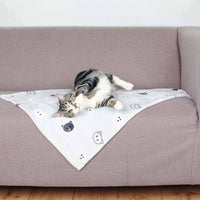
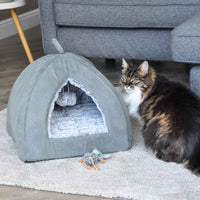

















That soft, rhythmic pawing your cat does just before they curl up and drift off is one of those behaviours that’s easy to love but harder to explain. In this article, we’ll walk you through why do cats knead before sleeping, what it says about how your cat is feeling, and when it’s worth keeping a closer eye on things. We’ll also share a few simple ways to make the whole bedtime ritual cosier and more comfortable for both of you.
Why cats knead before sleeping
If you’ve ever watched your cat rhythmically push their paws into a blanket, your lap, or a soft cushion just before curling up, you’ve witnessed one of the most endearing things cats do. It’s called kneading — and if you’ve heard it referred to as “making biscuits,” you’ll immediately understand why.
So why do cats knead before sleeping specifically? The short answer: it’s deeply tied to comfort and the physical ritual of winding down. As your cat shifts into sleep mode, their body starts signalling that it’s time to feel safe and settled. Kneading is part of that signal. It’s rhythmic, self-soothing, almost meditative.
You’ll usually notice it happening on soft surfaces — your favourite jumper, a cosy throw, or a well-loved cat bed. That softness isn’t incidental. It triggers something instinctive that tells your cat this is the right place to rest.
Cat kneading meaning does shift depending on the situation, but in a pre-sleep context it’s almost always a sign of contentment. Your cat isn’t unsettled or confused. They’re doing exactly what a happy, comfortable cat does when they feel truly at home — and honestly, once you understand that, it’s hard not to find it completely charming.
The kittenhood instinct cats never quite outgrow
Most cats knead before they drift off, and the habit usually starts right back in kittenhood. Newborn kittens press their paws against their mother’s belly to help stimulate milk flow, and that gentle, repetitive motion becomes wrapped up in some of their earliest feelings of warmth, safety, and being cared for.
That is a big part of why cats knead before sleeping as adults. It is not always about one single trigger. For many cats, it is a soothing routine that links sleep with comfort and security.
Here is why that early instinct often sticks around:
- Self-soothing: the steady, rhythmic motion can help a cat relax, especially when they are getting ready to settle for the night
- Recreating early security: kneading can bring back that sense of closeness and reassurance they felt as kittens
- Winding down for sleep: just like circling before lying down, kneading can become part of a familiar bedtime ritual
- Soft textures encourage it: cosy, plush spots often bring out the behaviour more than firm surfaces, which is why many cats love a soft cat blanket before bed
- Bonding with you: if your cat kneads on your lap, chest, or blanket, it is often a sign they feel deeply safe in your company
So if you have ever wondered, “why does my cat knead me right before falling asleep?”, the answer often comes back to comfort, memory, and instinct. Cat kneading meaning can be layered, but before sleep it is very often a quiet little sign that your cat feels secure, settled, and completely at home.
Comfort, scent marking, and making the perfect sleep spot
If you’ve ever caught yourself wondering why cats knead before sleeping, the honest answer is that it’s rarely just one thing. When your cat works away at your duvet, kneads a soft blanket into just the right shape, or spends a solid minute pressing at your lap before finally settling, they’re doing several things at once. It’s self-soothing, nest-building, and a quiet little territorial claim on their favourite spot, all bundled into one rhythmic, deeply satisfying routine.
Here’s what’s really going on during those pre-sleep biscuit-making sessions:
- Instinctive nest-building. Cats are hardwired to shape a surface before lying down on it. It’s a throwback to wild ancestors who’d pat down grass or leaves to create a safe, comfortable resting place — and that instinct hasn’t gone anywhere.
- Stress relief and self-soothing. The repetitive motion is genuinely calming. At its core, cat kneading is often simply a cat winding down and regulating their own emotions after a long, exhausting day of napping and quietly judging you.
- Scent marking their space. Cats have scent glands in their paws, so every knead leaves a subtle “this is mine” message behind. It’s exactly why they return to the same blanket, the same cushion, the same corner of your lap, night after night.
- A sign they feel safe. When your cat makes biscuits on you or right beside you, they’re completely relaxed and at home. That’s worth appreciating.
Together, these behaviours are your cat’s version of pulling back the duvet and fluffing the pillows. Giving them a dedicated cat blanket to knead and scent-mark can work beautifully here — something soft that becomes entirely, unmistakably theirs.
When kneading is completely normal — and when to pay closer attention
For most cats, kneading before sleeping is as routine as a human fluffing their pillow — one of their most natural, self-soothing habits, and rarely anything to worry about.
| Normal Kneading Behaviour | Signs Worth Monitoring |
|---|---|
| Rhythmic, relaxed pawing on bedding or your lap | Frantic or compulsive kneading that doesn’t settle |
| Quiet purring or soft trilling | Vocalising with distress, whimpering, or growling |
| Loose, relaxed body posture | Stiff limbs, hunched back, or visible tension |
| Kneading on soft, supportive surfaces | Repeatedly kneading on hard or unsuitable surfaces |
| Consistent, occasional frequency | A sudden increase or complete stop in kneading habits |
A few things worth mentioning to your vet:
- Kneading paired with persistent restlessness or an inability to settle
- Skin irritation, hair loss, or soreness around the paws from over-kneading
- A sudden change in kneading behaviour with no obvious cause
- Kneading accompanied by excessive vocalising or signs of pain
The reassuring truth is that the vast majority of pre-sleep kneading simply means your cat feels safe and comfortable. If they’re obsessively pawing at a hard or scratchy surface, the surface is usually the problem, not the behaviour itself. Cats instinctively seek out something soft and secure to knead into, and when they find it, they tend to settle more quickly and calmly. Something like the Sleepy Burrows Calming Bed is designed with exactly that in mind — giving them the kind of cosy, enveloping surface that makes the whole bedtime ritual feel just right.
How to make kneading time safer and more cosy for both of you
A few small tweaks can make kneading time much more enjoyable for everyone involved — claws and all.
Start with regular claw trims. It doesn’t have to be a big deal. Little and often works well, and most cats tolerate it far better once it becomes part of the routine. Blunter claws mean you can actually enjoy those slow, rhythmic presses without quietly bracing for the moment your cat finds a thin patch of blanket.
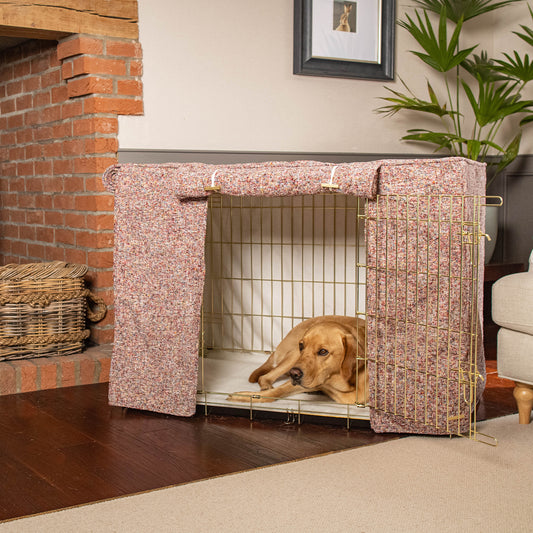
Speaking of blankets, giving your cat their own dedicated kneading spot makes a genuine difference. A thick, soft layer they can claim as their own protects your lap, your sofa, and your sanity. If your cat likes to knead before settling down, a plush bed gives them something satisfying to sink into. The Cornell Feline Health Center notes that cats like to seek out warm places to rest, so having a cosy spot ready after a kneading session is always worth it. Our High Wall Boucle Bed for Cats fits the bill beautifully — soft texture, snug high sides, and the kind of enclosed feel cats tend to gravitate towards.
Ultimately, cat kneading before sleeping is one of those small, quiet habits that says something rather lovely: your cat feels safe, settled, and completely at home with you. A few claw marks on the blanket is a pretty fair trade for that.
Frequently Asked Questions
Are cats happy when they knead?
Yes — when cats knead before sleeping, it’s usually a strong sign they feel happy, safe, and comfortable. The motion is soothing, often linked to kittenhood, and commonly shows up as part of a relaxed bedtime routine on soft blankets, beds, or even your lap.
Should you pet a cat while kneading?
Yes, if your cat seems relaxed and enjoys it, gentle petting can fit naturally into kneading time. Kneading before sleep usually means your cat feels safe and settled, so soft strokes can add to that cosy moment — just pay attention to their body language and let them set the pace.