
































































If you have ever watched your dog sprint joyfully into a freezing pond and then wondered why the same animal turns into a four-legged protest movement at bath time, you are in the right place. Why do some dogs hate baths is actually a really interesting question, and the answer has far more to do with control, comfort, and past experience than any dislike of water itself. In this article we will walk you through what your dog is actually trying to tell you, what might be going on beneath the surface, and some gentle ways to make bath time feel a whole lot less like a ordeal for both of you.
Why some dogs panic at bath time but jump straight into lakes and puddles
If your dog bolts for the nearest puddle on a walk but turns into a trembling wreck the moment you run the bath, you are definitely not alone. It is one of the most common things pet parents wonder about, and honestly, it makes complete sense that it feels confusing.
Here is the thing though: why some dogs hate baths has very little to do with water itself. A dog charging into a lake is making a choice. They picked the moment, the pace, and the direction. Bath time offers none of that. Instead, there is a slippery surface underfoot, a confined space, water coming from above, unfamiliar shampoo smells, and a human leaning over them. Even the gentlest wash can feel pretty overwhelming when you look at it from your dog’s point of view.
Think of it this way: if someone suddenly tipped a bucket of water over your head in a small room with no warning, you probably would not enjoy it much either, even if you loved swimming.
So when your dog shows signs of dog bath anxiety, it is not stubbornness or drama. It is a completely understandable response to a situation that feels unpredictable and out of their control. A lot of it comes down to reading what your dog is actually communicating, which is something worth getting familiar with. Understanding that shift in context is the first step to making bath time genuinely better for both of you.
Why do dogs hate baths but love swimming?
Why do dogs hate baths but love swimming?
It can feel a bit ridiculous, can’t it? One minute your dog is charging into a muddy pond like it’s the best day of their life, and the next they’re bracing all four paws against the bathroom floor. If you’ve ever wondered why do some dogs hate baths, the answer usually comes down to how different those two experiences feel.
- Control. Swimming is your dog’s choice. They decide when to jump in, where to paddle, and when they’ve had enough. A bath feels very different because someone else is doing everything to them.
- Temperature. Outdoor water often feels natural and familiar. Bath water can feel too warm, too cold, or suddenly different when you start rinsing.
- Smell. Dogs experience scent far more intensely than we do. Strong shampoos, conditioners, and even bathroom cleaning products can be overwhelming.
- Noise. Running taps, shower heads, splashing water, and bathroom echoes can all add to dog bath anxiety, especially in nervous dogs.
- Slippery surfaces. Baths don’t offer much grip. If your dog feels their paws sliding about, it can make them feel unsafe very quickly.
- Confinement. Swimming feels open and fun. Baths feel small, restrictive, and hard to escape from, which is why a dog afraid of bath time may tense up before the water is even on.
So while swimming feels playful and self-led, baths can feel unpredictable and uncomfortable. That contrast explains a lot about why do dogs hate baths. If your dog starts licking you during stressful moments, that can be part of how they communicate too. We cover that in more detail here: why dogs lick you.
What your dog is telling you during bath time
Dogs communicate constantly, and bath time is no exception. Learning to read your dog’s body language is one of the most useful tools for understanding why some dogs hate baths — and for knowing whether they just need a bit of encouragement or a more thoughtful approach altogether.
Signs of mild dislike
- Lip licking or yawning before you’ve even turned the tap on
- Low or tucked tail
- Reluctance to walk into the bathroom
- Shaking off before any water has touched them
- Leaning away or planting their feet
Signs of genuine fear or anxiety
- Whale eye (the whites of their eyes showing)
- Freezing or going completely still
- Trembling or panting
- Attempting to climb out or bolt
- Whining, barking, or crying
Dislike means your dog is unhappy. Fear means your dog feels genuinely unsafe. The two are different, and they deserve different responses.
Both are completely real and worth taking seriously. A dog who dreads bath time is trying to tell you something. Much like a dog who falls apart during fireworks, they’re communicating that their environment feels overwhelming and out of their control. The common thread is often the same: feeling trapped in an unfamiliar situation with no way to predict what happens next. If your dog struggles with that kind of sensory stress more broadly, this guide to keeping dogs calm during fireworks covers some helpful principles that apply well beyond bonfire night.
How to make baths feel safer and less overwhelming
The good news is that dog bath anxiety is something most pet parents can genuinely work through — it just takes a little patience and the right setup. No professional groomer required. Just some thoughtful adjustments that help your dog feel safer from the moment bath time starts.
- Use warm, comfortable water. Too cold or too hot and the sensation itself becomes a trigger. Aim for lukewarm, roughly what you’d use for a baby’s bath.
- Put down a non-slip mat. Slipping on a wet surface is genuinely frightening for dogs. A rubber mat gives them something solid underfoot and helps them feel steady rather than scrambling.
- Let your dog explore the space before you turn the water on. A dry, calm sniff around the bath or shower tray builds familiarity and takes the edge off that anticipatory dread many dogs carry into the room.
- Bring the good stuff. A smear of peanut butter on the bath wall or a steady stream of small treats keeps your dog’s focus positive and starts building better associations around bath time.
- Use a handheld shower attachment. Overhead sprays can feel startling and overwhelming. A handheld nozzle lets you direct water gently, keeping it well away from the face and ears.
- Keep early sessions short. A five-minute bath that ends on a calm, positive note is worth far more than a long, stressful one.
- Slow down and lower your voice. Your energy really does set the tone. A quiet, unhurried manner helps more than you might expect.
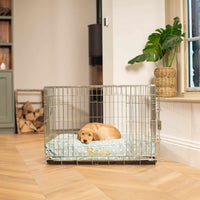
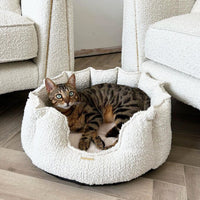
- Make the wind-down part of the routine. Finishing bath time with somewhere warm and cosy to settle — like a dedicated resting space designed to help dogs decompress — reinforces that the whole experience leads somewhere good.
Small changes, repeated consistently, are how you help a dog that hates baths slowly learn it’s not so bad after all. It won’t happen overnight, but it does happen.
When bath avoidance could be a sign of something more
Sometimes a dog’s reluctance to be bathed isn’t just a personality quirk — it can point to something physical that genuinely deserves attention.
Skin sensitivities are more common than many people realise. If your dog has underlying irritation, dryness, or a mild allergy, water and shampoo can actually sting. A dog who flinches when you lather their back, or who scratches obsessively after a bath, may be reacting to discomfort rather than drama.
Joint pain is worth considering too, particularly in older dogs. Standing on a slippery surface while being lifted or repositioned can be really painful for a dog with stiff hips or achy legs. What looks like dog bath anxiety might simply be their only way of saying this hurts.
Ear sensitivity is another piece of the puzzle. Dogs who have had ear infections in the past often associate water near their head with pain, so even the gentlest rinse can trigger a strong reaction.
And then there are past experiences. A rescue dog carrying fear from previous handling needs patience, not persistence.
If you have ruled out anything physical and your dog is otherwise healthy, slow and steady desensitisation at home works well for most. Focus on creating positive associations, keeping sessions short, and making sure they have a warm, comfortable place to settle afterwards — a cosy dog bed they actually want to retreat to can make a real difference to how they wind down. That said, if the fear seems intense or pain feels like a possibility, talking to your vet or a groomer who specialises in nervous dogs is absolutely the right move.
Frequently Asked Questions
Is it normal for dogs to not like baths?
Yes, it’s very normal for dogs to dislike baths. Bath time can feel slippery, noisy, confined, and out of their control, which is very different from choosing to swim or splash in a puddle. For many dogs, it’s stress or uncertainty rather than a dislike of water itself.
How do I wash my dog who hates baths?
Wash them slowly and make the setup feel safe. Use lukewarm water, a non-slip mat, gentle rinsing with a handheld shower, and plenty of treats or peanut butter to build positive associations. Keep sessions short, stay calm, and let them explore the space before the water goes on.