












Lords & Labradors Information Hub

The home of handy tips and advice dedicated to pet owners

Can Dogs Fly on Planes in the UK?
17.07.24 July 17, 2024 Owning a Dog Featured

Can Dogs Fly on Planes in the UK?

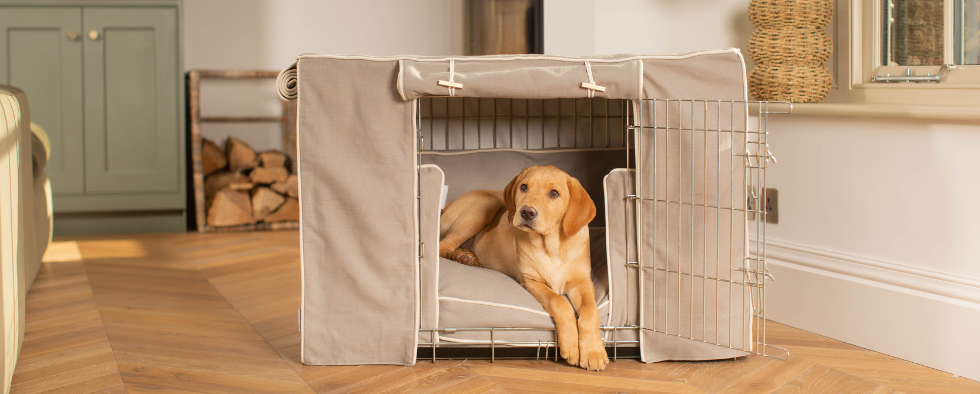
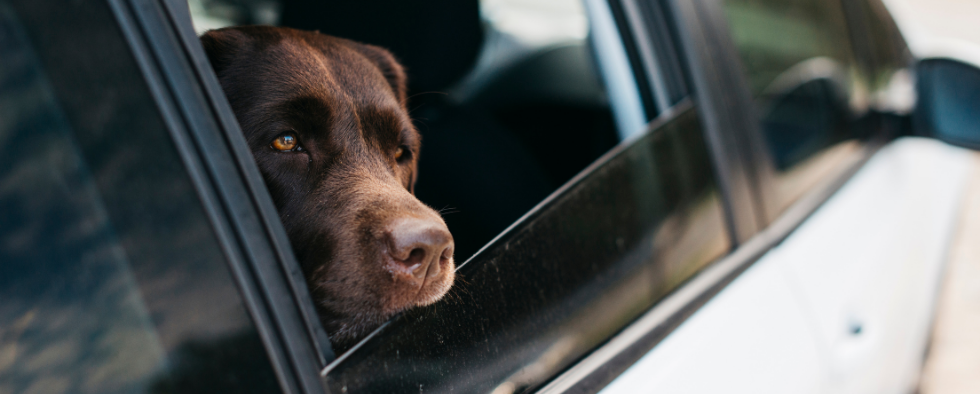
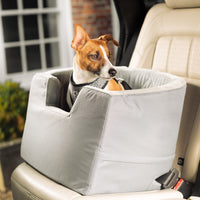
Put simply, yes, dogs can fly on planes in the UK, but there are specific regulations and requirements that you must adhere to. The UK has strict rules regarding pet travel to ensure the safety and well-being of animals during flights. It's important to check with your airline and the UK's Pet Travel Scheme (PETS) for the most current regulations. Here at Lords and Labradors, we have all the gear to make your travels safe & seamless. Key Regulations for Flying with Dogs in the UK Microchip and Vaccination: Your dog must be microchipped and vaccinated according to country & airline regulations. Ensure that these vaccinations are up-to-date and your dog's microchip details are correctly registered. Pet Passport or Health Certificate: You will need a pet passport or an official health certificate issued by an authorised vet. This document should include details of your dog's microchip number, details of their vaccination, and other relevant health information. Tapeworm Treatment: Dogs must receive tapeworm treatment before entering the UK. This treatment should be administered by a vet and recorded in the pet passport or health certificate. Approved Airlines and Routes: Only certain airlines and routes are approved for pet travel. Check with your airline to ensure they are authorised to transport pets to and from the UK. Preparing Your Dog for Air Travel Proper preparation is so important for a safe and comfortable journey and flight for your dog. Here are some essential steps to take before your journey: Choose the Right Crate Invest in an IATA (International Air Transport Association) approved travel crate. The crate should be spacious enough for your dog to stand, turn around, and lie down comfortably. Ensure the crate is well-ventilated and secure. Acclimate Your Dog to the Crate Well before your trip, start getting your dog used to the travel crate. Place the crate in your home and encourage your dog to explore it. Gradually increase the amount of time your dog spends in the crate to help them feel comfortable and secure. Health Check and Documentation Visit your vet for a thorough health check. Ensure all vaccinations are up-to-date and obtain a pet passport or health certificate. Discuss any concerns you have about travelling with your vet, and consider asking for help and advice if your dog is particularly anxious. Book Early and Confirm Details Book your flight well in advance and inform the airline that you will be travelling with a dog. Confirm all details regarding pet travel, including crate size requirements, fees, and documentation needed. Tips for a Smooth Flight with Your Dog Exercise Before the Flight Give your dog plenty of exercise before the flight to help them relax and expend excess energy. A tired dog is more likely to rest during the journey. Limit Food and Water Intake Avoid feeding your dog a large meal before the flight to prevent motion sickness. Offer water up until departure but limit the amount to avoid accidents in the crate. Comfort Items Place a familiar blanket or toy in the crate to provide comfort and a sense of security. These items can help reduce stress and anxiety during the flight. Check-In Early Arrive at the airport early to allow plenty of time for check-in and security procedures. This will also give your dog time to acclimate to the airport environment. During the Flight Ensure the crate is securely fastened in the cargo hold or under the seat in front of you, depending on your airline's policies. Remain calm and composed, as dogs can pick up on their owner's anxiety. Post-Flight Care Once you arrive at your destination, take the following steps to ensure your dog’s comfort and well-being: Immediate Care After the flight, take your dog out of the crate as soon as possible and allow them to stretch, hydrate, and relieve themselves. Check for any signs of stress or discomfort. Settling In Give your dog time to adjust to the new environment. Maintain a calm demeanour and provide comfort items such as their favourite toys or blankets to help them feel at home. Monitor Health Monitor your dog’s health closely in the days following the flight. Look out for signs of dehydration, stress, or illness, and consult a vet if you have any concerns. Choosing the Right Airline and Flight Not all airlines have the same policies regarding pet travel. Research and choose an airline that is known for its pet-friendly policies and good reputation for handling animals. Some airlines offer special pet travel programs that provide additional care and comfort for your furry friend. Key Considerations When Choosing an Airline Pet Travel Program: Look for airlines with dedicated pet travel programs that offer additional services such as temperature-controlled cargo holds and specialised care. Flight Duration: opt for direct flights whenever possible to minimise the stress of multiple take-offs and landings. Cabin vs. Cargo: Small dogs may be allowed to travel in the cabin with you, while larger dogs will need to be in the cargo hold. Ensure the cargo hold is temperature-controlled and meets safety standards. Flying with your dog requires careful planning and preparation, but with the right approach, it can be a safe and enjoyable experience for both of you. By understanding the regulations, preparing your dog properly, and choosing the right airline, you can ensure a smooth journey. At Lords & Labradors, we offer a range of travel accessories to help make your trip as comfortable and stress-free as possible. Safe travels!

By Laura Rudd

Read more
How to Choose the Right Dog Feeding Bowl for My Dog
11.07.24 July 11, 2024 Owning a Dog Featured

How to Choose the Right Dog Feeding Bowl for My Dog

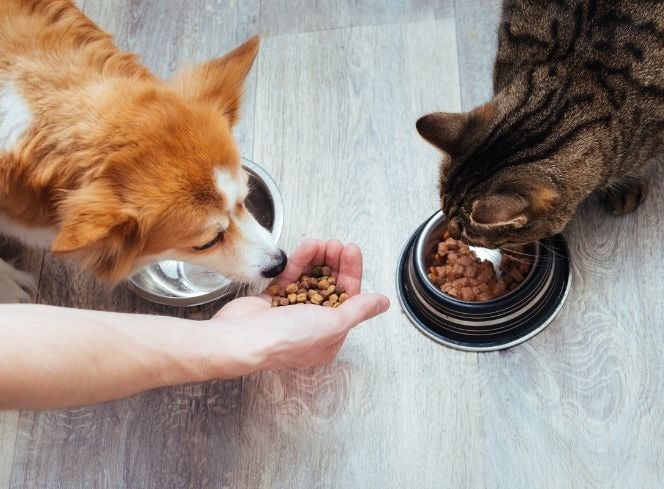
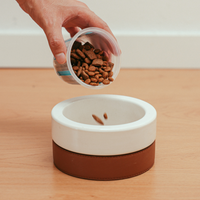
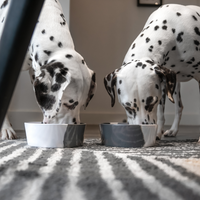
Selecting the right feeding bowl for your dog is more important than you might think. It impacts not only your dogs comfort while eating but also their health and hygiene. With a plethora of options available, from traditional dog bowls to elevated dog bowls on stands, making the right choice can be daunting. This guide will help you understand the key considerations and benefits of different types of dog bowls, particularly focusing on the increasingly popular dog bowls on stands. Understanding Your Dog’s Needs Before diving into the specifics of different types of dog bowls, it's important to understand your dog’s unique needs. Factors such as breed, size, age, eating habits, and health conditions play a significant role in determining the best feeding bowl for your furry friend. Size and Breed: Larger breeds may need bigger bowls with higher capacities, while smaller breeds require appropriately sized bowls to avoid overfeeding. Some breeds benefit from 'long eared' dog bowls, where as others may benefit from a slow feeder bowl. Age: Puppies might benefit from smaller, shallower bowls, whereas senior dogs might need elevated bowls to reduce strain on their neck and joints. Eating Habits: Fast eaters might benefit from slow feeder bowls to prevent gulping and subsequent digestive issues. The Benefits of Dog Bowls on Stand Dog bowls on stands, also known as elevated or raised dog bowls, have become increasingly popular for their numerous benefits. Here are some key benefits your dog may find from using one: Improved Digestion Elevated dog bowls can help improve your dog's digestion by allowing food to travel more efficiently down the digestive tract. This is particularly beneficial for large breeds and dogs with certain health conditions. Reduced Strain on Joints For older dogs or those with arthritis, bending down to eat can be painful and stressful on their joints. Dog bowls on stands elevate the food to a comfortable height, reducing the strain on your dog's neck, hips, shoulders, and joints. Better Posture Eating from an elevated bowl can help promote better posture, especially in large breed dogs. This can prevent long-term musculoskeletal issues and promote overall well-being. Cleanliness and Hygiene Raised dog bowls can help keep the feeding area cleaner. They prevent food and water from spilling onto the floor, reducing the chance of bacterial growth and keeping the feeding area hygienic. Types of Dog Bowls Here at Lords & Labradors, we offer various types of dog bowls, each with its unique features and benefits. Here’s a closer look at some popular options: Standard Dog Bowls These are the most common type of dog bowls, typically made from stainless steel, plastic, or ceramic. They are simple, affordable, and come in various sizes. However, they may not offer the ergonomic benefits of elevated bowls. Dog Bowls on Stand As we've looked into, elevated bowls come with a stand that raises the bowls to a more comfortable height for your dog. They are ideal for larger breeds, senior dogs, and dogs with certain health conditions. Slow Feeder Bowls Designed to slow down fast eaters, these bowls have ridges or obstacles that make it more challenging for dogs to gulp down their food. This can prevent choking, bloating, and other digestive issues. Automatic Feeders Automatic feeders are perfect for busy pet owners. They dispense a pre-measured amount of food at scheduled times, ensuring your dog gets fed even when you’re not home. Travel Bowls Portable and often collapsible, travel bowls are convenient for on-the-go feeding. They are typically made from flexible materials like silicone or fabric. Choosing the Right Dog Bowl on a Stand When selecting an elevated dog bowl, there are several factors to consider to ensure it meets your dog's needs: Height of the Stand The height of the stand should be appropriate for your dog’s size. The bowl should be at the level of your dog's chest to allow for comfortable eating without straining their neck. Material Choose a bowl made from durable, non-toxic materials. Stainless steel is a popular choice due to its durability, ease of cleaning, and resistance to bacterial growth. Ceramic bowls are also good but can be heavier and prone to breaking. Avoid plastic bowls as they can harbor bacteria and may cause allergic reactions in some dogs. Stability The stand should be stable and sturdy enough to prevent tipping, especially if your dog is a vigorous eater. Look for stands with non-slip feet, or wall mounted to keep them securely in place. Ease of Cleaning Opt for bowls that are easy to remove and easy to wash. This will make cleaning and maintaining hygiene much easier. Capacity Ensure the bowls have enough capacity to hold your dog’s meals comfortably. This is especially important for larger breeds that require more food. Additional Tips for Feeding Your Dog Regular Cleaning: Clean your dog’s bowls regularly to prevent the buildup of bacteria and ensure a healthy feeding environment. Proper Placement: Place the bowl in a quiet area to allow your dog to eat without distractions or stress. Monitor Eating Habits: Keep an eye on your dog’s eating habits. If you notice any changes, such as eating too fast or showing signs of discomfort, consider adjusting your feeding setup or consulting your veterinarian. Choosing the right dog feeding bowl is so important for your pet's health and comfort. Dog bowls on stands offer numerous benefits, including improved digestion, reduced strain on joints, better posture, and enhanced cleanliness. By considering your dog's specific needs and preferences, you can select the perfect bowl to ensure they enjoy every meal comfortably and safely. At Lords & Labradors, we offer a wide range of high-quality dog bowls and feeding accessories designed to meet the unique needs of every dog. Explore our collection today and find the perfect feeding solution for your furry friend.  

By Laura Rudd

Read more
What's the best? Soft or Firm dog bed
10.07.24 July 10, 2024 Owning a Dog Featured

What's the best? Soft or Firm dog bed

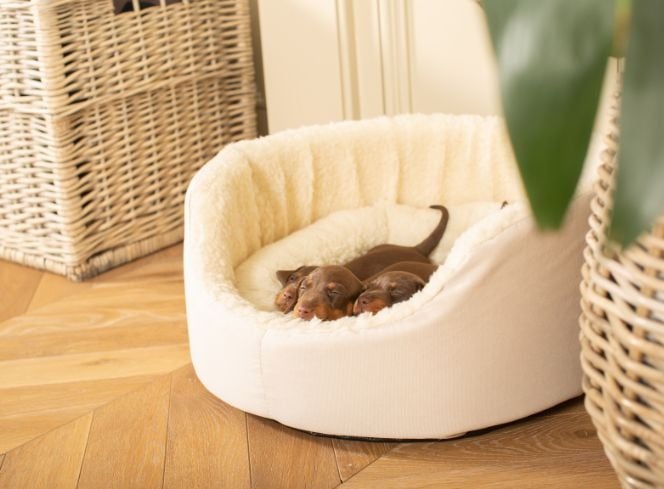
Choosing the right bed for your dog can be so overwhelming when there is so many beds available to choose from. Our dogs do have a preference much like us humans. It can be challenging to decide whether a soft dog bed or a firm one is the best choice for your furry friend. Our guide will delve into the benefits and considerations of both types of beds, helping you make an informed decision, for you and your pet.  Understanding Your Dog's Needs Before diving into the specifics of soft and firm dog beds, it's important to understand your dog's unique needs. Factors such as age, breed, size, health, and sleeping habits play a significant role in determining the best type of bed for them. Key Considerations Age and Health : Older dogs or those with joint issues may require more support to alleviate pressure points and promote better sleep. Breed and Size : Larger breeds may benefit from firmer support, while smaller breeds might prefer the cosiness of a soft bed. Sleeping Habits : Observe your dog’s sleeping position and habits. Do they curl up in a ball, sprawl out, or like to burrow? The Benefits of a Soft Dog Bed Soft dog beds are designed to provide a plush, cushioned sleeping surface that many dogs find incredibly comfortable. Here are some benefits of opting for a soft dog bed: Comfort and Cosiness Soft dog beds offer a high level of comfort, making them ideal for dogs that enjoy snuggling and burrowing. The plush material can provide a sense of security and warmth, particularly beneficial for smaller breeds and puppies. Flexibility Some dog beds often come with flexible stuffing, such as memory foam, allowing the bed to contour to your dog's body. This can be particularly comforting for dogs that prefer to nestle into their bed. Variety of Styles Soft dog beds are available in various styles, especially our Lords & Labradors donut beds. Dog beds designed with raised, plush edges, providing a cosy, enclosed space, can help anxious dogs feel secure. The Benefits of a Firm Dog Bed Firm dog beds, on the other hand, provide more structured support. These beds are often recommended for dogs with specific health needs. Here are the advantages of choosing a firm dog bed: Support Firm dog beds are ideal for dogs with arthritis, hip dysplasia, or other joint issues. The firmer surface helps distribute weight evenly, reducing pressure on joints and providing much-needed support.  Durability Firm beds are often more durable and maintain their shape over time. This makes them a good investment for larger or more active dogs that might wear down a softer bed more quickly. Easy to Clean Many of our firmer dog beds come with removable, washable covers, making them easier to clean and maintain. This is particularly important for dogs that spend a lot of time outdoors and might bring dirt into their bed. Comparing Soft and Firm Dog Beds When deciding between a soft and firm dog bed, consider the following aspects to determine which one best suits your dog's needs. Comfort Level Soft Dog Beds: Best for dogs that love to curl up and snuggle. They provide a plush, cosy surface that can mimic the feeling of cuddling with their owner/littermates. Firm Dog Beds: Best for dogs that need extra support. They provide a stable, even surface that can help alleviate pain and discomfort associated with joint issues. Durability and Maintenance Soft Dog Beds: Generally, less durable than firm beds. The soft filling can flatten over time, especially with heavy use. However, they are often machine washable. Firm Dog Beds: Typically, more durable and maintain their shape longer. They often come with removable covers that are easy to clean. Health Considerations Soft Dog Beds: Suitable for young, healthy dogs without any joint issues. They offer a comfortable and inviting space for dogs that don't require additional support. Firm Dog Beds: Ideal for older dogs or those with health issues. They provide the necessary support to keep your dog comfortable and alleviate pain. Dog Nest Beds Dog nest style beds, such as our Lords & Labradors Donut beds and our Lords & Labradors High Wall beds, combine elements of both soft and firm beds. They feature a soft, cushioned interior with raised edges, providing a sense of security and support. This type of bed is particularly popular among dogs that enjoy curling up and feeling enclosed. Here are some benefits of the dog nest bed: Security and Comfort The raised edges create a cosy, enclosed space that can help reduce anxiety and promote a sense of security. Versatility Our Lords & Labradors dog beds come in various sizes and styles, making them suitable for different breeds and preferences. Supportive Edges While the interior is soft, the raised edges can provide additional support for your dog's head and neck, combining the benefits of both soft and firm beds. Choosing between a soft or firm dog bed ultimately depends on your dog's individual needs and preferences. Soft dog beds are ideal for dogs that love to snuggle and feel warm and cosy, while firm dog beds provide the necessary support for dogs with joint issues or those that need more structured support.  At Lords & Labradors, we offer a wide range of high-quality dog beds designed to meet the unique needs of every dog. Whether you’re looking for a soft dog bed, a firm bed, or something 'in-between', we have the perfect solution to ensure your furry friend enjoys restful and rejuvenating sleep.

By Laura Rudd

Read more
How to Choose a Dog Bed for More Than One Dog
10.07.24 July 10, 2024 Owning a Dog Featured

How to Choose a Dog Bed for More Than One Dog

Selecting the perfect dog bed can be a challenging task, especially when you have more than one furry friend to consider. Ensuring that both dogs have a comfortable place to rest is crucial for both their health and happiness. This guide will help you navigate the process of choosing the right bed for 2 dogs, addressing all the essential factors to ensure your pets get the best sleep possible. Understanding the Needs of Multiple Dogs Dogs, like us humans, need a good night’s sleep to stay healthy and happy. When you have two dogs, their sleeping arrangements should cater to their collective and individual needs. Whether your dog’s prefer sleeping together or separately, finding the right bed that accommodates both is essential. Key Considerations for Choosing a Bed for 2 Dogs Size and Space One of the most crucial factors when choosing a bed for 2 dogs is size. The bed should be large enough to accommodate both dogs comfortably, allowing them to stretch out and move around without feeling cramped. Measure your dogs when they are lying down and add some extra space to ensure they have plenty of room. Comfort and Support Look for beds that provide ample support and comfort. Memory foam or orthopaedic beds are excellent choices, especially for older dogs or those with joint issues. These materials help distribute weight evenly and relieve pressure points, ensuring a good night’s sleep for both dogs. Durability and Material A bed for 2 dogs needs to be durable enough to withstand twice the wear and tear. Choose beds made from high-quality materials that are resistant to chewing and scratching. Additionally, look for beds with removable, washable covers or wipe clean covers to make cleaning easier and maintain hygiene. Sleeping Preferences Consider your dogs' sleeping preferences. Do they like to cuddle up together, or do they prefer their own space? You may find having two beds side by side suit your dogs better than one bigger bed for them to share. Types of Dog Beds Suitable for 2 Dogs Extra-Large Dog Beds Extra-large beds provide ample space for both dogs to sleep together comfortably. These beds come in various shapes and materials, ensuring you can find one that suits your dogs' needs.   Sofa Topper Dog Beds Sofa Topper beds lay along your sofa providing a cosy environment for two dogs to snuggle together. This is only of course if you allow your dogs to make themselves at home on your furniture, which makes them ideal for dogs that enjoy lounging and cuddling. Cushions If your dogs are prefer sleeping near or together, consider getting large, comfortable dog cushion that fit well in a spacious area in your home. This option allows both dogs to have their own defined space while sharing the same sleeping area. Additional Tips for Choosing a Bed for 2 Dogs Observe Your Dogs' Behaviour Keep note of how your dogs interact with each other during their nap time. Do they prefer being close, or do they need their own space? Understanding their behaviour will help you choose a bed that suits their preferences. Consult Your Veterinarian Your veterinarian can provide valuable insights into your dogs' health and comfort needs, especially if either dog has medical conditions that require special bedding. Invest in Quality While it may be tempting to go for cheaper options, investing in a high-quality bed will pay off in the long run. A well-made bed will last longer and provide better comfort and support for your dogs. Consider Multiple Beds In some cases, it might be better to have separate beds for each dog. This is especially true if your dogs have different sleeping preferences or if one dog tends to dominate the bed. Choosing the right bed for 2 dogs involves considering their size, comfort, durability, and sleeping preferences. Whether you opt for an extra-large bed, or separate beds, the goal is to ensure both dogs have a comfortable and supportive place to rest. At Lords & Labradors, we offer a wide range of high-quality dog beds designed to meet the unique needs of multiple dogs. By selecting the right bed, you can provide your furry friends with the restful sleep they need to stay healthy and happy.

By Laura Rudd

Read more
How Much Sleep Should My Dog Get?
08.07.24 July 08, 2024 Owning a Dog Featured

How Much Sleep Should My Dog Get?

As pet owners, understanding the sleep requirements of our canine companions can help us provide the best care possible. And ensuring our dogs get the right amount of sleep is so important for their overall health and general wellbeing. Here at Lords & Labradors, we've looked into the sleep needs of dogs at different life stages, from puppies to senior dogs, answering common questions such as how much sleep do dogs actually require? and how long do dogs (and should dogs) sleep at night? Understanding Dog Sleep Patterns Dogs, much like us humans, have varying sleep needs based on their age, activity level, and overall health. However, unlike humans, dogs' sleep patterns include several shorter cycles rather than one long stretch of sleep. How Much Sleep Do Dogs Require? On average, our dogs need between 12 to 14 hours of sleep per day. This amount can fluctuate based on several factors: Age: Puppies and senior dogs tend to sleep more than adult dogs. Breed: Larger breeds often need more sleep than smaller breeds. Activity Level: Highly active dogs may require more rest to recover from their physical exertions. How Long Do Dogs Sleep at Night? Most dogs tend to sleep around 8 to 10 hours at night, with additional naps during the day to meet their total sleep requirements. Unlike humans, dogs have a polyphasic sleep pattern, meaning they sleep multiple times throughout a 24-hour period. This pattern allows them to stay alert and respond to their environment more quickly. Sleep Requirements by Age How Long Should Puppies Sleep? Puppies are in a critical growth phase, which requires a significant amount of rest. On average, puppies need 18 to 20 hours of sleep per day. This extensive sleep helps support their rapid physical development and learning processes. Ensuring a quiet and comfortable sleeping environment is essential to support healthy growth and development in puppies. How Many Hours Sleep Does an Adult Dog Need? Adult dogs typically require 12 to 14 hours of sleep per day. This includes night-time sleep and several day-time naps. Active breeds or working dogs may need slightly less sleep, around 10 to 12 hours, due to their higher energy levels and physical activity. However, it's crucial to monitor your dog's behaviour and adjust their rest time based on their individual needs. Senior Dogs Senior dogs, much like puppies, often need more sleep than adult dogs. They may require 14 to 18 hours of sleep per day. Aging dogs experience changes in their metabolism and activity levels, making additional rest necessary for maintaining their health and wellbeing. Factors Influencing Dog Sleep Health and Medical Conditions Dogs with certain health conditions may require more sleep. Conditions such as arthritis, diabetes, and hypothyroidism can increase fatigue and the need for rest. Regular veterinary check-ups can help identify and manage these conditions, ensuring your dog gets the appropriate amount of sleep. Diet and Nutrition A balanced diet is essential for maintaining your dog's energy levels and overall health. Poor nutrition can lead to lethargy and increased sleep requirements. Consult with your veterinarian to ensure your dog's diet is meeting their specific needs. Environment Creating a comfortable sleeping environment is vital for ensuring quality sleep. Choose a quiet, cosy space with a comfortable bed suited to your dog’s size and needs. Consider orthopaedic beds for senior dogs or dogs with joint issues to enhance their comfort. Exercise and Activity Regular exercise is crucial for maintaining your dog’s physical and mental health. Adequate physical activity helps regulate sleep patterns and prevents behavioural issues caused by excess energy. However, be mindful of not overexerting your dog, especially in extreme weather conditions. If you're unsure of when you're able to walk your dog in hot weather, you can read our helpful guide here. Signs of Sleep Problems in Dogs Monitoring your dog’s sleep habits can help identify potential health issues. Look out for signs such as: Excessive Sleeping: While dogs sleep a lot, an increase in sleep duration beyond normal could indicate health problems. Restlessness: Difficulty settling down or frequent waking during the night may signal discomfort or anxiety. Changes in Sleep Patterns: Sudden changes in your dog’s sleep routine can be a sign of underlying health issues. If you notice any of these signs, consult your vet to rule out medical conditions and receive appropriate advice. Tips for Improving Your Dog's Sleep Establish a Routine Dogs thrive on routine. Establish regular times for feeding, exercise, and sleep to help regulate your dog’s sleep patterns. Create a Comfortable Sleep Environment Provide a designated sleeping area that is quiet, comfortable, and free from disturbances. Invest in a high quality bed that supports your dog’s joints and overall comfort. Ensure Adequate Exercise Regular physical activity is essential for tiring your dog out and promoting restful sleep. Adapt their exercise routine to your dog’s age, breed, and health condition. Monitor Diet and Nutrition Feed your dog a balanced diet to support every aspect of their health and energy levels. Avoid feeding them large meals right before bedtime to prevent discomfort. Understanding how much sleep dogs require and tailoring their environment and routine to meet these needs is crucial for their health and well-being. By paying attention to their specific needs at different life stages and creating a comfortable sleep environment, you can ensure your dog enjoys restful and rejuvenating sleep. At Lords & Labradors, we offer a range of high-quality beds and sleep accessories designed to cater to the unique needs of dogs at every stage of life. Give your furry friend the gift of good sleep and watch them thrive.

By Laura Rudd

Read more
Coming Soon At Lords & Labradors - Luxury Accessories For Cats & Dogs
08.07.24 July 08, 2024 Product Spotlight Featured

Coming Soon At Lords & Labradors - Luxury Accessories For Cats & Dogs

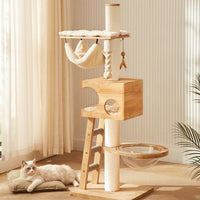
We’ve been busy here in the L&L offices, learning what our different pets love, how different cats & dogs sleep, their food preferences, your preferences as their owners and what you want to see in your homes - we've been introducing some fabulous new items that we think your puppies, kittens, senior pets & furry family members will love.    New Inchmurrin Collection We've updated our cosy & comforting ranges, by introducing our Inchmurrin fabric. All new colour options; Inchmurrin Ground, Inchmurrin Iceberg, Inchmurrin Umber. This range has been so popular that we have decided to introduce these fabrics into our full collection of beds.  Cat Scratch Post & Trees We all know how much our cats enjoy a playtime and somewhere to stretch and relax. With this in mind we have been busy designing some super luxe cat scratch posts and trees. Our Lords & Labradors scratch posts & trees have been tried and tested by our various cats & kittens who approve of their new playtime!   New Toys for Cats & Dogs With Summer in full swing, we’re thinking about what outdoor activities we can get up to as the weather warms up. With that in mind we have extended our summer cooling toys, for super fun outdoor games with your dogs.

By Zac Girdlestone

Read more
The Best Winter Dog Beds
08.07.24 July 08, 2024 Seasonal Featured

The Best Winter Dog Beds

Are you looking for the best Winter bed for your dog? Are you looking for something super cosy and plush; somewhere they can snuggle down when it’s cold and frosty outside? At Lords & Labradors we’ve made it our mission to provide the best pet beds and bedding for all seasons, including a wide selection that are ideal for the coldest months of the year. Whether you’re looking for a cosy tweed dog cushion for a Cockapoo or a plush donut bed for a Miniature Dachshund, we have it covered. Here we present our pick of the best dogs beds for winter - there’s something here to suit every dog and interior style!   Top Five Dog Beds for Winter Lords & Labradors Bouclé: The Luxe Collection Cushion At Lords & Labradors we specialise in handmade luxury beds and bedding for pets. One of our favourites for winter is the sumptuous Bouclé cushions which come in 3 beautiful colours: Ivory, Mink and Granite. Our dog cushions are super plump and feature removable, washable covers as well as practical waterproof liners. The Bouclé is so soft, making it ideal for your dog or puppy to snuggle into on a cold wintery day. They will look gorgeous in your home too; the only difficult thing here is deciding which colour to choose!   Lords & Labradors Cosy and Calming Puppy Beds This is one for the puppies in the family! Our Cosy & Calming Puppy Beds have been designed with comfort and practicality in mind. The thing we love most is the reversible inner cushion. One side is covered in fabric to match the main body of the bed and the other is furnished in plush fleece - the cuddliest cushion ever and ideal for winter. The beds have been designed to fit in one half of your dogs crate, so they are great for crate training puppies too.   Lords & Labradors Hooded Beds If your dog loves to snuggle then our luxury Lords & Labradors Sleepy Burrows are perfect for them! With the hooded option to cuddle up inside or on top of, it's a great anxiety reliever! It can also be a dog cushion, as well as a hooded blanket bed.   Tweed Crate Set Why not update your dog’s crate for winter. A crate set is ideal for crate training puppies, but also loved by older dogs too. For winter we’d suggest opting for one of our tweed crate sets. They’re really durable, with thick fabric that is also washable. The thick fabric looks lovely and plush in winter and your dog will enjoy retreating to his den ready for nap time and bedtime.   High Wall Our high wall beds are the perfect snuggle partners, the high walls are perfect for resting your head on and the round shape means they're perfect for dogs who like to curl up. The velvet high wall beds are perfect for winter, our velvet is so soft and comes in three gorgeous colours so is sure to look amazing in your home!

By Zac Girdlestone

Read more
From Fetch to Fortune: Meet the Dog Influencers Making up to £630k a Year
05.07.24 July 05, 2024 Top Tips Featured

From Fetch to Fortune: Meet the Dog Influencers Making up to £630k a Year

Are you obsessed with endlessly scrolling through adorable puppy videos on TikTok and Instagram? So are we! In our most recent study, we took a deep dive into the world of pet influencers, estimating which furry stars are raking in the most money and how you can get in on the action. When identifying four-legged social media sensations, we conducted extensive research to identify the most popular pet accounts across Instagram and TikTok. We estimated their potential earnings per post and compiled a list of the wealthiest pet influencers. But we didn’t stop there – by analysing top pet profiles and speaking to Raé MB, owner of pet social media star, Mochi (@mochi.bostiegirl), we have provided some expert insight into what makes a profitable pet account, how to maximise your earnings, and the benefits of maintaining a social media presence for your pet. The Highest Earning Dog Influencers in the UK and USA In the pet influencer space, some dogs are truly living the dream, earning impressive incomes from their social media stardom. From the UK to the USA, these top canine influencers are fetching the big bucks and winning hearts across the globe. By analysing their follower counts, estimating earnings per post and tallying up their branded content in the past 12 months, we've uncovered the highest-earning dog influencers and reveal just how successful their careers can be. The UK's leading pets, making waves on social media: 1. @BlueStaffyBoulder – £339k (Instagram) The research revealed the UK’s top dog influencers is @BlueStaffyBoulder. With around 205k followers on Instagram, it turns out this pet star could be earning over £339,000 yearly! We estimated that Boulder and Harley could be earning around 3k per post from with their 113 branded uploads in the past year. That said, this blue Staffy has made it into the top 1% of highest earners in the country, according to Institute of Fiscal Studies.     2. @GSDBear – £90k (Instagram) Coming in second is the fabulous German Shepherd dog model, @GSDBear, who could be earning up to £90k a year. This talented furball featured 18 branded posts this year and makes an estimated £5k per post – light work! 3. @My_Blue_Wolf – £10.5k (Instagram) Third place goes to Ocean, the dazzling Blue Wolf Dog taking Instagram by storm. With 456k followers on Instagram and estimated earnings of £5k per post, this canine sensation could be pocketing around £10.5k a year. 4. @DigitDax – £22.5k (Instagram) Following suit, Miniature Dachshund duo Digit and Pippa could be taking home £22,500 per year from their Instagram presence. With 9 branded posts in the past 12 months, the pair are making an estimated £2.5k per post. 5. @Lecorgi – £10.5k (Instagram) Coming in fifth on our list of highest-earning UK dog influencers is Marcel Le Corgi, a London-based volunteer therapy dog. Marcel certainly lives the high life, traveling the world, sampling new foods, and earning an estimated £10,500 annually from his popular Instagram account. With 140k followers, Marcel could be making around £1,500 per post, having shared only 7 branded posts in the past year. Across the pond, the pups making the most income in the US are: 1. @WhatAboutBunny – £630k (Tiktok) Our research uncovered that the top-earning US pet influencer is @WhatAboutBunny, a renowned Sheepadoodle boasting an impressive 8.6M followers on TikTok. Bunny's potential earnings are staggering, estimated at £630,000 annually. Despite this substantial income, Bunny only mentioned brands in 21 posts over the past year suggesting that this star makes around £30,000 per post – truly a paw-sitively great career path! 2. @AGuyAndAGolden – £500k (Tiktok) In second place, earning an estimated half a million pounds a year (£500,000), is @AGuyAndAGolden. With 7.5M followers on his Tiktok account, this gorgeous Golden Retriever only needed to post 20 times to earn his keep, taking home an estimated £30,000 per post.  3. @Loki – £172k (Instagram) Third place goes to the lovely @Loki, who fetched an estimated £172,000 from his 36 branded posts in the past year. It appears Loki’s 1.9M followers are a loyal fan base, as this famous Wolf Dog boasts a high engagement rate of around 205%. 4. @DougThePug – £140k (TikTok) Doug the Pug came in fourth, raking in an impressive estimated yearly salary of £140,000. Despite posting just 7 times in the past 12 months, this cheeky pup could earn around £20,000 per post. Doug is one wealthy “good boy” who barely has to lift a paw – talk about living the high life with minimal effort! 5. @LadyAndTheBlues – £70k (TikTok) Wrapping up our top five highest-earning US pooches is Lady, a Golden Retriever social media sensation. Our research suggests this clever canine could be pocketing around £70,000 annually, with each post potentially earning her £10,000. Like Doug the Pug, Lady enjoys a pretty laid-back lifestyle, having posted just 7 branded content pieces in the past year.   How Do I Navigate My Way to Pet Social Media Stardom? To learn more about what it takes to run a successful pet social media account, we chatted with Raé MB, the owner of @mochi.bostiegirl, who has built a community of over 6K followers on Instagram. Raé shared her expert insights on building a community for your dog, collaborating with brands, and some of the challenges she's faced along her pet influencing journey.   Best Ways to Build Followers and Create an Online Community   “Being authentic, creating shareable content, engaging with similar breeds as a start, and then branching into different breeds and leaving meaningful comments. This is very time-consuming though - but it’s important to build an actual community.  “Find your niche! For example, we are a dog-friendly travel and lifestyle account – so we share tips on travel, dog-friendly places and dog fashion. We also collaborate with bigger dog-friendly travel accounts which also helps us reach and find like-minded pet parents who want to look for places they can take their dog to - for holidays, days out and just to eat!   “It’s also important to ‘show up’ on socials - people LOVE knowing your day-to-day whether that’s in the form of captions or on stories. This is a great way to connect with your audience by sharing what might seem quite mundane but is very relatable.”  How to Know When You’re Ready to Work with Brands  “Because Mochi was still a puppy (1 year old) when we started, we used social media to find out info that helped her development like training tips and advice on feeding.   “We also started following brands and found a plethora of businesses that specialise in creating wonderful harnesses and even personalised dog leads and fashion borg jumpers and functional but stylish fleeces! Once I started to buy from them, and post Mochi wearing their items, brands started to engage with us and look for ambassadors to promote their products in exchange for personal discount and gifting sometimes.  “I find, as there’s so many dog accessory brands, food brands and fashion brands, the best thing to do is showcase your skills in photography and reels, showcasing how you’d market their product. Some brands aren’t too particular about follower count and factor in engagement metrics rather than vanity metrics. On dog Instagram, brands often have ambassador searches, and entering these would be beneficial to start working with brands.   However, it’s important to note that you should pick brands you authentically love and want to be associated with!”  Positives and Challenges    “Challenges… it can be very toxic and just like any influencer in any niche - people can be competitive and very unkind.  “But the positives are meeting fabulous likeminded people - whether it’s pet parents who love to travel with their pets, love fashion or trick training.   “It does feel like you have a support system too, if for example, you’re struggling with a poorly pet or a reactive, anxious dog. I’ve found lots of dog mums who have introduced me to wonderful dog trainers and given me tips on how to train a behaviour with my dog.   “I have made a small but lovely group of forever friends from dog social media!”    Expert Tips on Getting Your Profile Started, From the Experts  Alongside expert dog influencer insight, our team of pet experts have also provided some essential advice on how to get started with your pet’s social media account; from crafting your profile, to keeping audiences engaged: 1. Finding Your Perfect Co-Star “It all starts with the right pet! Choose a companion you adore and can provide a loving home for.  “Research local regulations and consider breeds that thrive in your climate and living situation. Remember, a happy and healthy pet is the foundation for a successful online presence.”  2. Crafting Your Profile “First impressions are key, so be sure to craft a bio that clearly explains your content and shows off your pet's unique personality.  “Decide if you'll create a dedicated pet profile or a joint account. Different platforms cater to different audiences, so choose the one that best suits your content and target demographic (e.g. posting puppy playdates on Instagram versus informative training tips on YouTube).”  3. Content is Key “High-quality photos and videos are a must – capturing your pet's adventures, funny antics, and heartwarming moments.  “Be sure to post consistently and interact with your followers in the comments to build your community. Additionally, it’s a good idea to utilise features like live streaming for real-time engagement and write eye-catching captions with relevant hashtags to improve your chances of being discovered.”  4. Expanding Your Pawprint “Growing your audience requires consistent effort, which can be accelerated by connecting with other pet influencers to tap into their followers.   “And don't be shy about reaching out directly to brands you love! Collaboration is key - explore partnerships with other pet influencers for broader exposure.”  5. Remember: This is a Marathon, not a Sprint!  “The key to growing your pet’s online community is staying active and consistent with your posting schedule.   “Pay close attention to your analytics to understand what resonates with your audience, ensuring to refine your strategy accordingly.  “And of course, keep exploring new content formats and collaborations to keep your followers engaged and expand your influence in the exciting world of pet social media.”    Conclusion Our exploration of the pet influencer world has revealed the furry stars that are not only melting hearts, but also generating impressive incomes through their social media prowess. From the UK to the USA, these top canine influencers demonstrate that cuteness truly can lead to substantial rewards! And whether you're just starting your pet's social media journey or refining your current approach, we hope that our expert tips on building a successful pet profile and collaborating with brands provide valuable insights. If you’re looking to glam your dog up for the ‘gram, why not check out our range of stylish dog coats, where there’s something to fit every pup’s aesthetic.    Sources and Methodology Top Dog Influencers: https://thesocialshepherd.com/blog/top-pet-influencers-uk https://www.theguardian.com/media/2023/jan/20/meet-hugo-and-huxley-the-pet-influencers-makingt-100k-a-year https://www.companionlife.co.uk/new-data-reveals-the-highest-earning-dog-fluencers-in-2023-with-instagram-taking-top-spot-over-tiktok/ https://influencers.feedspot.com/dog_instagram_influencers/ https://www.dogingtonpost.com/10-richest-dogs-on-instagr https://hypeauditor.com/instagram/harlowandsage/ https://finance.yahoo.com/news/millionaire-pets-highest-earning-pets-200027940.htmlhttps://ifs.org.uk/tools_and_resources/where_do_you_fit_in#tool-results-section Estimated price per post calculations: https://influencermatchmaker.co.uk/how-much-does-an-influencer-cost https://www.shopify.com/uk/blog/influencer-pricing  

By Megan Willis

Read more
How to Choose a Dog Bed for Senior Dogs
04.07.24 July 04, 2024 Featured

How to Choose a Dog Bed for Senior Dogs

As our furry companions age, their needs evolve, requiring us to make adjustments to ensure their comfort and wellbeing. One of the most crucial aspects of providing for our senior dogs is selecting the right bed and bedding. An elderly dog bed is not just a place for your dog to rest; it plays a significant role in their overall health and quality of life. In our guide, we will explore the essential factors to consider when choosing the perfect dog bed for your senior dog, ensuring they enjoy their golden years in the utmost comfort! Understanding the Needs of Senior Dogs Senior dogs, typically those aged seven years and older - depending on their breed, experience several physical changes. They may suffer from arthritis, joint pain, reduced mobility, and other age-related issues. These conditions are relieved by beds that provide ample support and comfort, aiding in pain relief and improving overall comfort and sleep quality. Key Considerations for an Elderly Dog Bed Support and Comfort The primary purpose of an elderly dog bed is to offer support and comfort to aging joints and bones. Look for beds with orthopaedic or memory foam, which offers support to your dog’s body, providing pressure relief and reducing the strain on their joints. This support is crucial for dogs with arthritis or other musculoskeletal conditions. Size and Space Ensure the bed is appropriately sized for your dog. A bed that is too small can be uncomfortable, while an overly large bed may not provide the necessary support. Your dog should be able to stretch out comfortably without hanging off the edges. If you're unsure what bed is best for your dog, you can read our helpful How to choose a Dog Bed guide. Ease of Access Senior dogs often have reduced mobility and may struggle to get in and out of high or deep beds. Opt for a bed with low sides or a ramp to facilitate easy access. This is especially important for dogs with arthritis or hip dysplasia. Material and Durability Choose a bed made from high-quality, durable materials. The cover should be soft yet sturdy, capable of withstanding wear and tear. Look for beds with removable, machine washable covers for easy cleaning. This helps maintain hygiene and prolongs the bed’s lifespan. Temperature Regulation Did you know older dogs can be more sensitive to temperature changes? You may want to consider beds with temperature regulating features such as cooling gel or heating elements, depending on your dog’s needs and the climate. This ensures your dog remains comfortable year round. You could also opt for a heat pad too in cooler months.  Hypoallergenic Properties Senior dogs may develop or suffer from allergies or skin sensitivities. A hypoallergenic bed made from non-toxic, natural materials can help prevent allergic reactions and skin irritations, contributing to your dog's overall health. Types of Elderly Dog Beds Orthopaedic Dog Beds Orthopaedic beds are designed to provide maximum support for aging joints and bones. They are typically made with high-density memory foam or thick foam, which distributes your dog’s weight evenly and alleviates pressure points. These beds are ideal for dogs with arthritis, hip dysplasia, or other joint issues. Heated Dog Beds Heating elements you can add to your dogs bed are perfect for senior dogs who suffer from stiffness or arthritis. The gentle warmth can help soothe aching joints and muscles, promoting relaxation and improving blood circulation.  Elevated Dog Beds Elevated beds keep your dog off the ground, providing better air circulation and reducing exposure to cold or damp floors. They also offer firm support, which can be beneficial for dogs with joint issues. Do ensure the bed is easy for your senior dog to access. Bolster Dog Beds Bolster beds as they're sometimes known, have raised edges, offering a sense of security and a place for your dog to rest their head. They combine comfort with support, making them a good choice for senior dogs who like to lean against something while sleeping. Ensure the height of the bed is manageable for your senior dog to climb over. Here at Lords & Labradors, we recommend our Box Beds for Dogs as they're just the right amount of firmness and softness to get cosied up. Additional Tips for Choosing an Elderly Dog Bed Observe Your Dog’s Sleeping Habits It's good to notice to how your dog prefers to sleep. Some dogs like to stretch out, while others love curl up. Choose a bed that accommodates their preferred sleeping position for their utmost comfort. Consult Your Veterinarian Your vet can provide valuable insights into your senior dog’s specific needs, recommending the best type of bed based on their health condition. Consider Multiple Beds If your home has multiple floors or rooms, you may want to consider placing beds in different locations. This ensures your dog has a comfortable place to rest no matter where they are in the house. Introduce the Bed Gradually Try to remember, some dogs may be hesitant to use a new bed, especially in their older age. Introduce it gradually by placing their favourite blanket or toy on the bed to make it more inviting. Regular Maintenance Keep the bed clean and free from allergens by opting for a wipe clean or machine washable cover. Regularly wash the cover and vacuum the bed to remove hair and dirt. This helps maintain a healthy sleeping environment for your senior dog. Choosing the right bed for your senior dog is a vital part of ensuring their comfort and wellbeing. An elderly dog bed should provide excellent support, be easy to access, and be made from durable, hypoallergenic materials. By considering your dog’s specific needs and preferences, you can find the perfect bed that will help them enjoy their golden years in comfort and happiness. At Lords & Labradors, we offer a wide range of high-quality beds designed to meet the needs of senior dogs, ensuring your furry friend gets the rest they deserve.  

By Laura Rudd

Read more
Best Orthopaedic Dog Beds for Dogs Suffering with Arthritis
04.07.24 July 04, 2024 Owning a Dog Featured

Best Orthopaedic Dog Beds for Dogs Suffering with Arthritis

When your loyal companion begins to show signs of arthritis, their comfort becomes more crucial than ever. Arthritis in dogs, much like in us humans, can severely impact their quality of life, leading to pain and reduced mobility. However, the right orthopaedic dog bed can provide immense relief, improving your pet’s sleep quality and overall well-being. We explore the best orthopaedic dog beds specifically designed for dogs suffering from arthritis, focusing on features like optimal hip support and comfort. Understanding Arthritis in Dogs Before we dive into the specifics of orthopaedic dog beds, and how they can benefit your pooch, it’s essential to understand what arthritis is and how it affects our dogs. Arthritis is a degenerative condition resulting in inflammation of the joints, causing pain and limiting mobility. While it predominantly affects older dogs, younger pups are not immune, especially if they have sustained injuries or are genetically predisposed to joint issues. Symptoms of Arthritis in Dogs Difficulty standing up or lying down Reluctance to jump or climb stairs Noticeable discomfort during walks Stiffness, especially after resting Audible pain when moving If you are worried about your dog having arthritis, do contact your vet for advice. Why Choose an Orthopaedic Dog Bed? Orthopaedic dog beds are designed to provide enhanced support and minimise pressure on your dogs joints, making them ideal for dogs with arthritis. These beds are typically made from high-density memory foam that contours to your dog's body, supporting their spine and joints effectively. Benefits of Orthopaedic Dog Beds Reduced Joint Pain: High-quality memory foam helps distribute weight evenly, reducing pressure on sore joints. Improved Circulation: Adequate support promotes better blood circulation, which is essential for healing and health. Enhanced Comfort: Our orthopaedic beds feature softer, more adaptable surfaces that increase comfort during sleep. Top Features to Look For in Orthopaedic Dog Beds When selecting an orthopaedic dog bed for your pooch who suffers with arthritis, several key features should be considered to ensure maximum comfort and support: High-Density Memory Foam Choose a bed that offers a thick layer of high-density memory foam. This foam not only adapts to your dog’s body contours but also maintains its shape over time, providing ongoing support. Hip Support For dogs with arthritis, particularly in the hip joints, additional hip support can be crucial. Look for beds that offer extra cushioning in this area or have an ergonomic design that helps cradle the hips and relieve pressure points. Durable and Washable Cover Arthritic dogs may have accidents more frequently, so a removable, machine-washable cover is essential for maintaining hygiene. Additionally, the material should be durable to withstand frequent washing. Adequate Size and Accessibility Ensure the bed is large enough for your dog to stretch out comfortably without any part of their body resting on the hard floor. Also, consider a low-profile design for easy access. Recommended Orthopaedic Dog Beds for Arthritic Dogs Our owner and founder, Johanna, who has many years experience raising dogs with health issues such as arthritis, really recommends orthopaedic dog beds that meet these criteria and are known for their quality and effectiveness in providing joint relief: Essentials Twill Orthopaedic Mattress This bed features a thick foam mattress and plush fur top, to provide extra comfort for your furry friend, especially those with joint problems or older dogs. Plus, the stylish colours they're available in will match any interior perfectly. It also features a convenient carry handle and it's machine washable cover make it easily portable and easy to maintain. Execu-Sofa by Lords & Labradors Ideal for dogs who love to stretch out and curl up propping up their heads, it's an ultra-luxurious pet bed that exudes sophistication and style. Offering your pup the ultimate in sleep comfort, it features a squishy foam inner with removable arms, allowing you to personalise the bed to suit your loyal companion's sleep preferences. Its removable cover ensures easy cleaning, while the multitude of restful headrests provide a plush haven for your beloved pet. Available in two elegant shades, the Execu-Sofa is the pinnacle of canine luxury. Scruffs ArmourDillo Orthopaedic Dog Bed Meet ArmourDillo, the tough-as-nails dog bed that says "no" to chewing and scratching. Your dog may find it difficult to get comfortable with sore joints, but with a dense foam core and an orthopaedic memory foam topper, it's the perfect combination of comfort and support. Your pup can lounge, roll, and stretch in total luxury – no scrounging needed! The thick, supportive memory foam base helps relieve pressure on sore joints. Choosing the right orthopaedic dog bed can significantly improve the quality of life for a dog suffering from arthritis. By providing a comfortable, supportive place to rest, you can help ease the pain associated with arthritic joints and improve your pet’s overall mobility and mood. Always consider your dog’s specific needs, such as the severity of arthritis and their preferred sleeping style, when selecting a bed. With the right bed, your dog can enjoy a more comfortable and joyful life despite their condition! By investing in an orthopaedic dog bed, you are providing your furry friend with the comfort they deserve in their golden years or during times of need. Remember, the right bed can make a world of difference to a dog dealing with the challenges of arthritis.

By Laura Rudd

Read more

loyal customer in 17 countries

Why Shop With Us?

  • Free Delivery

    Orders over £75 qualify for free standard UK delivery. Orders under £75 will be calculated at the checkout.

  • Shopping Made Easy

    Gain exclusive access to sales and shop all your pets favourites on the go by downloading our app.

  • Designed in the UK

    Our own brand products are lovingly designed in our specialist UK workshop to our exacting standards.

  • We're Here For You

    Contact our Pet Experts on Chat or by email at sales@lordsandlabradors.co.uk