




Lords & Labradors Information Hub

The home of handy tips and advice dedicated to pet owners

How To Care For Your Dog's Teeth
21.08.24 August 21, 2024 Health Featured

How To Care For Your Dog's Teeth

Taking care of your dog's teeth is an essential aspect of their overall health and well-being. Just like humans, dogs require regular dental care to prevent the buildup of plaque, tartar, and the subsequent health issues that can arise from poor oral hygiene. In this guide, we explore the best way to clean your dog's teeth, why dental care is important, and how to establish a routine that keeps your furry friend's smile bright and healthy. Why is Dog Dental Care so important? Oral health is often overlooked when it comes to pet care, but it is just as important as nutrition, exercise, and regular veterinary check-ups. Neglecting your dog's teeth can lead to a host of problems, including: Periodontal Disease: One of the most common issues in dogs, periodontal disease is caused by the buildup of plaque and tartar. If left untreated, it can lead to gum inflammation, tooth loss, and even infections that affect the heart, liver, and kidneys. Bad Breath: While occasional bad breath is normal, persistent foul odour can be a sign of dental issues that need attention. Pain and Discomfort: Just like humans, dogs can experience toothaches and gum discomfort, which can affect their ability to eat and their overall quality of life. Tooth Loss: Severe dental issues can lead to the loss of teeth, making it difficult for your dog to eat and potentially leading to more severe health problems.  By maintaining regular dental care, you can help prevent these issues and ensure your dog enjoys a healthy, happy life.  The Best Way to Clean Your Dog's Teeth Cleaning your dog's teeth doesn't have to be a daunting task. With the right tools, techniques, and a bit of patience, you can establish a routine that keeps your dog's teeth in top condition. Here's how to clean dog teeth effectively: Start Early:  The best time to start cleaning your dog's teeth is when they are still a puppy. Early exposure to dental care helps your dog become accustomed to the process, making it easier to maintain a routine as they grow older. However, if you have an adult dog that hasn't been introduced to teeth cleaning, don't worry—it's never too late to start. Use the Right Tools:  To clean your dog's teeth properly, you'll need a few essential tools:Dog-Specific Toothbrush: Dog toothbrushes are designed to fit comfortably in your dog's mouth and reach all areas of their teeth. They often have softer bristles than human toothbrushes and come in various sizes to suit different breeds.Dog Toothpaste: Never use human toothpaste on your dog, as it can contain ingredients that are harmful to them, such as xylitol. Instead, opt for toothpaste formulated specifically for dogs, which comes in flavours like poultry or beef to make the experience more enjoyable for your pet. Introduce Brushing Gradually:  If your dog is not used to having their teeth cleaned, it's important to introduce the process gradually to avoid causing stress or anxiety. Follow these steps:Get Them Comfortable: Start by gently handling your dog's mouth and teeth, rewarding them with treats and praise to create positive associations.Introduce the Toothbrush: Let your dog sniff and lick the toothbrush and toothpaste before attempting to brush. Short Sessions: Begin with short brushing sessions, focusing on just a few teeth at a time. Gradually increase the duration as your dog becomes more comfortable with the process. Brush Regularly:  Consistency is key when it comes to dogs' teeth cleaning. Ideally, you should aim to brush your dog's teeth daily. However, even brushing a few times a week can significantly reduce plaque and tartar buildup. Make brushing a part of your dog's daily routine, perhaps after a walk or playtime, so they come to expect it as a normal part of their day. Use Dental Chews and Toys:  In addition to brushing, dental chews and toys can play a significant role in maintaining your dog's oral health. These products are designed to clean teeth as your dog chews, helping to reduce plaque and tartar while also satisfying their natural chewing instincts. Look for dental chews that are approved by the Veterinary Oral Health Council to ensure they are effective.  Incorporate a Dental Diet:  Some dog foods are specially formulated to promote oral health by reducing plaque and tartar buildup. These diets often include larger kibble sizes that encourage chewing, which can help clean your dog's teeth as they eat. Discuss with your veterinarian whether a dental diet is appropriate for your dog and how it can be incorporated into their overall feeding plan.   Signs Your Dog May Need Professional Dental Care Even with regular home care, your dog may still need professional dental cleanings performed by a veterinarian. Here are some signs that it might be time for a vet visit: Persistent Bad Breath: If your dog's breath smells bad despite regular brushing, it could indicate an underlying dental issue. Discoloured Teeth: Yellow or brown staining on your dog's teeth may be a sign of tartar buildup that requires professional cleaning. Red or Swollen Gums: Inflammation, bleeding, or redness in the gums can indicate gum disease that needs veterinary attention. Difficulty Eating: If your dog is reluctant to eat, chews on one side of their mouth, or drops food, they may be experiencing dental pain. If you notice any of these signs, schedule an appointment with your veterinarian to assess your dog's dental health and discuss any necessary treatments. Caring for your dog's teeth is a vital part of their overall health care routine. By starting early, using the right tools, and maintaining a regular cleaning schedule, you can help prevent dental issues and keep your dog's mouth healthy. Remember, in addition to at-home care, regular veterinary check-ups are essential for catching any potential problems early.

By Laura Rudd

Read more
Understanding Hypoallergenic Dog Breeds
21.08.24 August 21, 2024 Owning a Dog Featured

Understanding Hypoallergenic Dog Breeds

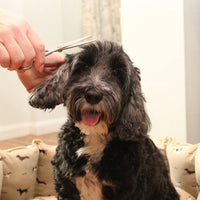
For many people, dogs are more than just pets—they are family. However, for those who suffer from allergies, owning a dog can be a challenge. Fortunately, hypoallergenic dog breeds offer a solution. While no dog breed is entirely allergen-free, certain breeds produce fewer allergens and are considered better suited for individuals prone to allergic reactions. Below, we explore what makes a dog hypoallergenic, highlight some of the best dogs for allergies, and provide insight into what to expect when owning an anti-allergy dog.   What Does Hypoallergenic Mean? The term “hypoallergenic” refers to something that is less likely to trigger an allergic reaction. In the context of dogs, hypoallergenic breeds are those that are less likely to cause allergic symptoms due to their coat type, shedding patterns, or skin conditions. It’s important to understand that even hypoallergenic dog breeds can still produce allergens; the difference is that these breeds generally shed less dander—the primary trigger for pet allergies.  Allergens from dogs typically come from their skin (dander), saliva, and urine, and not from their fur itself. When a dog sheds, these allergens are spread into the environment, which can exacerbate symptoms for allergy sufferers. Dogs that shed less or have hair that grows continuously tend to produce fewer allergens, making them more tolerable for people with sensitivities.   Common Causes of Dog Allergies Before diving into hypoallergenic dog breeds, it's helpful to understand what causes allergic reactions in the first place. People with pet allergies usually react to proteins found in: Dander: Small flakes of skin shed by dogs. Saliva: Dogs lick themselves to clean, leaving saliva on their fur. Urine: Allergy-causing proteins can also be present in dog urine. When these proteins are inhaled or come into contact with the skin, they can trigger sneezing, runny nose, itchy eyes, skin rashes, or even asthma in more severe cases.   Characteristics of Hypoallergenic Dogs While there is no such thing as a completely hypoallergenic dog, certain breeds are less likely to trigger allergic reactions. Here are some common characteristics of anti-allergy dogs: Low Shedding: Dogs that shed less hair release fewer allergens into the environment. Single-Coated Breeds: Breeds with only one layer of coat (as opposed to double-coated breeds) tend to shed less. Hair Instead of Fur: Some breeds have hair instead of fur, which grows continuously and doesn’t fall out as frequently. Minimal Dander: Breeds known for producing less dander are typically better for people with allergies. Size: Smaller dogs produce fewer allergens simply because they have less surface area, resulting in fewer particles being spread around the home.   The Best Dogs for Allergies If you’re an allergy sufferer but can’t imagine life without a dog, you’re in luck. Below are some of the best hypoallergenic dog breeds that can make excellent companions while being kinder to your allergies. Poodle One of the most popular hypoallergenic breeds, Poodles come in various sizes—Toy, Miniature, and Standard—making them a versatile choice for different living spaces. Poodles have curly, dense coats that trap dander, reducing the number of allergens that are released into the air. They also don’t shed much, as their hair grows continuously like human hair. Regular grooming and bathing are necessary to keep their coats in top condition and allergen levels low. Bichon Frise The Bichon Frise is another fantastic hypoallergenic option. These small, cheerful dogs have a double coat with a soft under layer and a curly topcoat that prevents dander from spreading. Although they require frequent grooming to prevent matting, their lack of shedding makes them a great choice for those with allergies. Their playful, affectionate nature makes them ideal companions for families and singles alike. Schnauzer (Miniature, Standard, and Giant) Schnauzers are known for their distinctive beards and wiry coats. Whether Miniature, Standard, or Giant, these dogs shed very little, and their unique coat is excellent at trapping allergens. Regular trimming and grooming are essential to maintain the coat, but Schnauzers are generally low-maintenance when it comes to allergens. They are also highly intelligent and energetic, making them great companions for active households.  Maltese The Maltese is a small dog with a beautiful, long, flowing coat of hair rather than fur. Despite their luxurious coat, Maltese dogs are known for shedding very little. Their hair continuously grows, which reduces the amount of dander they release. However, their coats require regular grooming and brushing to prevent tangles. Maltese dogs are known for being gentle, affectionate, and adaptable to various living conditions. Portuguese Water Dog The Portuguese Water Dog is an excellent hypoallergenic breed for active families. These dogs have curly or wavy coats that shed minimally, making them a good choice for allergy sufferers. Portuguese Water Dogs are energetic, intelligent, and thrive in households where they can get plenty of exercise. Regular grooming is required to keep their coats in good shape and reduce allergens. Shih Tzu Known for their royal lineage and luxurious coats, Shih Tzus have a hypoallergenic coat that sheds very little. Like the Maltese, they have hair rather than fur, which grows continuously and is less likely to spread allergens. Shih Tzus are affectionate, friendly, and love being the centre of attention. They do, however, require regular grooming to keep their long hair manageable. Yorkshire Terrier (Yorkie) Yorkshire Terriers, or Yorkies, have silky hair that resembles human hair. They are one of the smallest hypoallergenic dog breeds, making them ideal for allergy sufferers who want a dog with minimal shedding. Their coats require consistent grooming to prevent tangles and keep allergens at bay. Yorkies are known for their bold personalities and affectionate nature, making them great companions in smaller living spaces like apartments. Living with a Hypoallergenic Dog: Tips for Allergy Sufferers Even if you have one of the best dogs for allergies, managing a pet’s allergens takes effort. Here are some strategies to reduce allergic reactions when living with a hypoallergenic dog: Regular Grooming: Frequent grooming, including bathing and brushing, helps reduce dander and allergens on your dog’s coat. Consider using anti-allergy shampoos to further minimise allergens. Clean Your Home Frequently: Vacuuming, dusting, and using air filters can help trap dander and prevent allergens from accumulating in your home. Regularly washing your dog’s bedding also reduces the build-up of allergens. Designate Dog-Free Zones: Creating allergy-free spaces in your home, such as your bedroom, can provide you with a haven free of pet allergens. Wash Your Hands: After playing with or handling your dog, wash your hands to avoid transferring allergens to your face or other sensitive areas. Owning a dog doesn’t have to be off-limits for allergy sufferers. By choosing one of the many hypoallergenic dog breeds, such as the Poodle, Bichon Frise, or Portuguese Water Dog, you can enjoy the companionship of a pet while minimising your exposure to allergens. Remember that no dog breed is completely allergen-free, but with regular grooming and proper home care, it’s possible to keep allergic reactions at bay and live happily with your new furry friend. At Lords & Labradors, we offer a variety of luxury pet products to keep your hypoallergenic dog happy, healthy, and comfortable. Visit our website to explore our range of grooming products, bedding, and accessories designed for every breed and allergy need.

By Laura Rudd

Read more
Turning a crate into a cosy den for your dog
21.08.24 August 21, 2024 Getting A Puppy Featured

Turning a crate into a cosy den for your dog

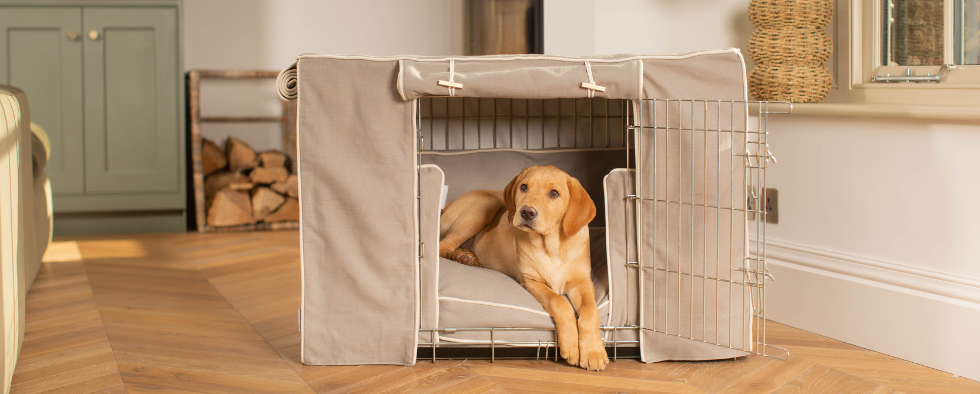
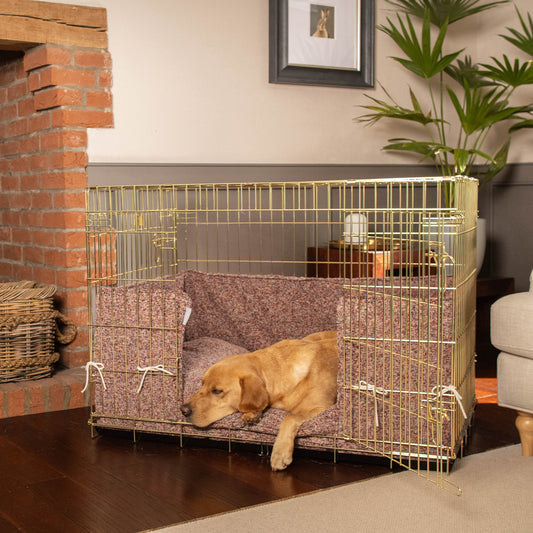
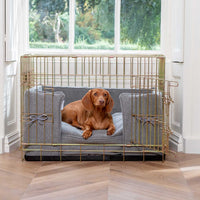
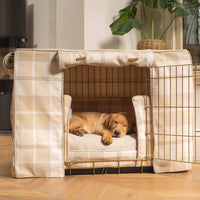
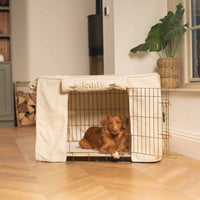
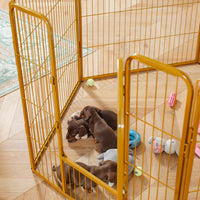
Did you know, crate training is one of the most effective ways to provide your puppy with a safe and secure environment? Transforming a simple crate into a cosy den can take your dog's comfort to the next level. Not only does a well-prepared crate help with training, but it also offers your dog a personal retreat where they can relax, feel secure, and unwind. In this guide, we’ll explore the essentials of turning a crate into a cosy den for your dog, with a focus on the best items to put in a puppy crate and how to create a welcoming space that your dog will love.  The Importance of a Cosy Puppy Den A cosy den mimics the natural instincts of wild canines who seek out small, enclosed spaces to rest. For your dog, their crate should be a place where they feel safe and content, not a punishment or place of confinement. A well-designed puppy den offers numerous benefits: Security: Dogs feel safer in an enclosed space, which can reduce anxiety, especially during times of stress, such as fireworks or when you're away from home. Training: Crate training aids in toilet training, helps prevent destructive behaviour, and establishes a routine. Rest: A quiet, comfortable crate allows your dog to get the rest they need without being disturbed. Choosing the Right Crate Before diving into what to put in your puppy crate, it's crucial to select the right crate for your lifestyle and breed of dog. The crate should be large enough for your dog to stand, turn around, and lie down comfortably, but not so large that they can eliminate in one corner and sleep in another. For puppies, consider dividing your crate up by using a smaller bed such as our Cosy & Calming Puppy crate bed. Crates come in various materials, including metal, plastic, and fabric. Metal crates offer better ventilation and visibility, fabric crates are lightweight and portable but may not be suitable for dogs who chew, or for long periods of use.   What to Put in Your Puppy Crate Comfortable Bedding The foundation of a cosy den is comfortable bedding. Choose a soft, durable crate cushion or bed that fits snugly in the crate. Look for materials that are easy to clean and provide excellent support. Here at Lords & Labradors, we offer a large range of crate bedding suitable for all breeds. When choosing bedding, consider your dog’s specific needs. Puppies may prefer something plush and warm, while some dogs might benefit from a crate mat and a blanket. Ensure that the bedding suits your needs, such as machine washable or chew resistant or simply just match your home decor.   Crate Covers & Bumpers Adding a crate cover and a bumper can enhance the den-like feel of the crate. Covering the crate can create a dark, cave-like environment that many dogs find comforting. However, it’s important to monitor your dog’s reaction; some dogs may feel confined with a cover and prefer a more open view. Here at Lords & Labradors, our covers come with roll-up panels, allowing you to adjust the level of darkness and airflow to suit your and your dog’s needs. Our bumpers provide a cosy wall like environment, making the crate even cosier to snuggle into.   Toys and Chews Toys and chews are essential for keeping your dog entertained and mentally stimulated while in their crate. Choose durable, safe toys that your dog can’t destroy or swallow. Chew toys can be soothing for teething puppies and help them settle in their crate, whilst interactive toys, such as puzzle feeders or treat-dispensing balls, can also be a great addition to your puppy’s den. They provide mental stimulation and help alleviate boredom, making the crate a more inviting place for your dog.   Water Bowl or Dispenser Hydration is key, especially if your dog will be spending extended periods in their crate. A spill-proof water bowl or a water bowl that attaches to the crate can ensure your dog always has access to fresh water without making a mess.   Scented Items Dogs have a strong sense of smell, and familiar scents can be incredibly comforting. Consider placing an item that carries your scent, such as an old t-shirt or a blanket you’ve used, in the crate. This can help reduce separation anxiety and make your puppy feel closer to you when you’re not around. However, ensure that any scented item is safe for your dog. Avoid anything with loose threads or small parts that could be swallowed.   Creating a Positive Crate Experience Once you’ve set up your puppy’s den, it’s important to create positive associations with the crate. Here are some tips to help your dog love their new space: Introduce the Crate Gradually Allow your dog to explore the crate on their own terms. Leave the door open and place treats or toys inside to encourage them to enter. Reward your dog with praise and treats when they go into the crate voluntarily.   Make It a Happy Place Never use the crate as a punishment. The crate should be a positive, safe space where your dog feels secure. Feed your dog in the crate, offer special toys they only get when in the crate, and always make sure they have plenty of comfort items inside.   Use the Crate for Short Periods at First Start with short crate sessions and gradually increase the time your dog spends inside. This helps your dog get used to the crate without feeling confined. Always ensure your dog has had a chance to relieve themselves and has exercised before being crated.   Maintain a Routine Dogs thrive on routine. Set a schedule for crate time, feeding, and bathroom breaks. Consistency will help your dog understand when it’s time to relax in their crate and when it’s time to play or go outside.   Turning a crate into a cosy den for your dog is an investment in their comfort and well-being. By selecting the right crate, adding the appropriate items, and creating a positive experience, you can ensure that your dog sees their crate as a safe haven. Whether you’re crate training a puppy or providing a sanctuary for an older dog, the tips above will help you create a space that meets your dog’s needs and makes them feel right at home.   For more luxury pet essentials to complete your puppy’s den, visit Lords & Labradors, where we offer a curated selection of high-quality products to pamper your pet.  

By Laura Rudd

Read more
How to Teach Your Dog Fun Tricks
15.08.24 August 15, 2024 Owning a Dog Featured

How to Teach Your Dog Fun Tricks

Teaching your dog tricks is not only a fun way to bond with your pet, but it also stimulates their mind and improves their obedience. Whether you’re a seasoned dog owner or new to the world of canine companionship, learning how to teach your pet fun tricks can be a rewarding experience for both you and your dog. In this guide, we'll explore the best methods for dog training tricks, ensuring you and your furry friend enjoy the process. Why Teach Your Dog Tricks? Before diving into the specific tricks, it's essential to understand the benefits of training your dog. Teaching tricks is more than just a party trick—it's a way to enrich your dog's life. Here’s why you should consider adding some fun training sessions to your routine:  Mental Stimulation - Dogs are intelligent creatures that need mental challenges to stay stimulated. Training tricks engages their brain, keeping them mentally stimulated and reducing the likelihood of boredom-related behaviours like chewing or barking. Strengthening the Bond - Training your dog creates a stronger bond between you and your pet. It fosters trust, improves communication, and enhances your dog's obedience, making them more responsive to your commands. Physical Exercise - Many tricks, such as rolling over or jumping, provide a good amount of physical exercise. This is especially beneficial for high-energy breeds that require more than just a daily walk to burn off energy. Socialisation and Confidence Building -Performing tricks in front of others can help boost your dog's confidence and social skills. It also provides an excellent opportunity to show off your pet's talents, making them the star of any gathering.   Essential Tips Before You Start Before you begin teaching your dog tricks, it's crucial to lay the groundwork to ensure success. Here are some essential tips to keep in mind:  Patience is Key - Teaching tricks requires patience. Dogs, like humans, learn at different paces, so it's essential to remain calm and encouraging throughout the training process. Avoid frustration, and remember that each small step forward is progress. Use Positive Reinforcement - Positive reinforcement is the most effective way to teach your dog tricks. Reward your dog with treats, praise, or playtime when they successfully perform a trick. This approach encourages them to repeat the behaviour.  Keep Training Sessions Short - Dogs have short attention spans, so it's best to keep training sessions between 5 to 10 minutes long. Short, frequent sessions are more effective than long, infrequent ones. Aim for two to three training sessions per day.  Consistency is Crucial - Consistency is essential in dog training. Use the same commands and gestures each time you practice a trick. This helps your dog understand what you’re asking and makes learning quicker.  Choose the Right Environment - Start training in a quiet, distraction-free environment where your dog can focus on learning. Once they’ve mastered the trick in this setting, gradually introduce distractions to ensure they can perform the trick in various environments.   Step-by-Step Guide to Teaching Fun Dog Training Tricks Now that you’re prepared, let’s dive into some fun tricks you can teach your dog. Remember to be patient, use positive reinforcement, and, most importantly, have fun! Shake Hands Command: "Shake" This classic trick is a great starting point for beginners. It’s simple, and most dogs can learn it quickly. Steps: Have your dog sit in front of you. Hold a treat in your hand and let your dog see it. Slowly move your hand close to your dog’s paw while saying, "Shake." Gently lift their paw and give them the treat immediately, accompanied by lots of praise. Repeat several times, and gradually, your dog will start lifting their paw on their own when they hear the command. Roll Over Command: "Roll Over"  Rolling over is a fun trick that also provides your dog with a bit of exercise. Steps: Start with your dog in a lying down position. Hold a treat near their nose and slowly move it around to their shoulder, encouraging them to follow the treat with their head. As they turn their head, gently help them to roll over by guiding their body with your hand. Once they complete the roll, reward them with the treat and praise. Practice this trick in small increments, rewarding any progress until your dog can roll over completely on command. Play Dead Command: "Bang" or "Play Dead" This trick is sure to impress your friends and family. It’s a bit more advanced, but with patience, your dog will catch on. Steps: Start with your dog in a lying down position. Hold a treat near their nose and slowly move it over their head toward their shoulder. As their head follows the treat, gently guide their body into a lying-on-their-side position. Once they’re lying on their side, say the command "Bang" or "Play Dead," and reward them with a treat and praise. Repeat the process, gradually adding a dramatic pause before giving the treat. Spin Command: "Spin" Spinning is a fun and straightforward trick that adds a bit of flair to your dog’s repertoire.  Steps: Have your dog stand in front of you. Hold a treat in front of their nose and slowly move your hand in a circular motion. As your dog follows the treat, they’ll naturally begin to spin. Once they complete the circle, reward them with the treat and praise. Practice this trick until your dog spins in response to the "Spin" command without needing the treat to guide them. High Five  Command: "High Five" This trick is similar to "Shake Hands" but adds a bit more excitement.  Steps: Start with your dog in a sitting position. Hold a treat in your hand, slightly higher than for the "Shake" command. Say "High Five" and wait for your dog to lift their paw. As they raise their paw, give them a gentle tap with your hand, simulating a high five, and then reward them with the treat. With practice, your dog will lift their paw for a high five on command.   Troubleshooting Common Challenges Even with the best intentions, you might encounter some challenges when teaching your dog new tricks. Here’s how to address common issues: Your Dog Isn’t Interested - If your dog seems disinterested in learning tricks, try switching up the rewards. Some dogs prefer praise or playtime over treats. Also, ensure that training sessions are fun and engaging for your dog.  Your Dog Is Distracted - If your dog gets easily distracted, try practicing in a quieter environment. As they improve, gradually introduce more distractions to build their focus.  Progress Is Slow - Remember, patience is crucial. If progress is slow, break the trick down into smaller steps and reward even the smallest successes. Teaching your dog fun tricks is a fantastic way to bond with your pet while providing them with the mental and physical stimulation they need. By following the tips and step-by-step instructions in this guide, you’ll be well on your way to mastering the art of dog training tricks. Remember to be patient, consistent, and, most importantly, enjoy the time spent with your furry friend. With regular practice, your dog will not only learn new tricks but will also become a more confident and well-behaved companion. So grab some treats, and start teaching your pet some fun tricks today!

By Laura Rudd

Read more
The Cost of Owning a Dog
15.08.24 August 15, 2024 Getting A Puppy Featured

The Cost of Owning a Dog

Owning a dog is a joyful and rewarding experience, but it’s essential to understand the financial commitment involved before bringing a furry friend into your home. The cost of owning a dog in the UK can vary significantly depending on several factors, including the breed, size, and health of the dog, as well as your lifestyle and location. Below, we explore the various costs associated with dog ownership, including initial expenses, ongoing monthly costs, and unexpected expenses, to help you answer the crucial question: How much does a dog cost per month?  Initial Costs of Owning a Dog Before you even bring a dog home, there are several one-time costs to consider. These initial expenses can add up quickly, but they are necessary to ensure that your new pet is well-equipped and ready for a happy life with you. Purchase Price or Adoption Fee The first cost you’ll encounter is the price of the dog itself. If you choose to buy from a breeder, the cost can range widely depending on the breed. For example, a pedigree dog from a reputable breeder can cost anywhere from £500 to over £3,000. On the other hand, adopting a dog from a rescue centre is generally more affordable, with fees typically ranging from £150 to £300. Adoption also has the added benefit of giving a dog in need a loving home. Vaccinations and Microchipping Once you have your dog, you’ll need to ensure they are up-to-date on their vaccinations. Initial vaccinations usually cost between £50 and £100. Microchipping, which is a legal requirement in the UK, typically costs around £15 to £30.  Neutering/Spaying If your dog isn’t already neutered or spayed, you should budget for this procedure. The cost can vary depending on the size and gender of the dog, but generally, it ranges from £100 to £300.  Essential Equipment To ensure your dog is comfortable in their new home, you’ll need to purchase some essential items. Here at Lords & Labradors, we recommend: A Dog bed: £20 to £100 Collar and lead: £10 to £50 Food and water bowls: £5 to £30 Toys: £10 to £50 Crate or carrier: £30 to £150 Insurance It’s advisable to take out pet insurance to cover any unexpected veterinary bills. The cost of pet insurance can vary significantly depending on the level of cover and the breed of your dog, but you should expect to pay between £20 and £50 per month. This is one of the first recurring costs you’ll encounter, but it’s essential to consider as it can save you a significant amount of money in the long run.   Total Initial Costs When you add up the purchase or adoption fees, vaccinations, microchipping, neutering, and essential equipment, the initial cost of owning a dog can range from £500 to £3,500 or more. This is an important factor to consider when asking, "How much is a dog?" The initial outlay is just the beginning, and understanding the ongoing costs is crucial for long-term planning. Ongoing Monthly Costs Now that you’ve welcomed your new companion into your home, it’s time to consider the ongoing costs of dog ownership. These monthly expenses will be a significant part of your budget for the duration of your dog’s life. Food The cost of dog food varies depending on the size of your dog and the quality of the food you choose. On average, you can expect to spend between £20 and £60 per month on dog food. Premium or specialised diets may cost more, but providing high-quality nutrition is essential for your dog’s health and longevity. Regular Veterinary Care Even after the initial vaccinations, your dog will require regular veterinary check-ups, which may include annual vaccinations, flea and worm treatments, and dental care. Routine veterinary costs can range from £10 to £30 per month. It’s also wise to set aside some money each month for unexpected veterinary expenses not covered by insurance. Grooming Grooming costs depend on the breed of your dog and whether you choose to groom them yourself or hire a professional. Some breeds require regular grooming to keep their coats healthy and tangle-free. Professional grooming services can range from £20 to £70 per session, with most dogs needing grooming every 4 to 8 weeks. If you choose to groom your dog at home, you’ll still need to invest in grooming tools, which can add up over time. Pet Insurance As mentioned earlier, pet insurance is a monthly expense that can range from £20 to £50. This cost will depend on the level of cover you choose, the age, and the breed of your dog. While it might seem like an optional expense, pet insurance is highly recommended as it can prevent financial strain if your dog becomes ill or injured. Dog Walking and Daycare If you work long hours or are frequently away from home, you may need to consider dog walking or daycare services. Dog walking typically costs around £10 to £15 per walk, while doggy daycare can range from £30 to £50 per day. These services ensure that your dog gets the exercise and socialisation they need, even when you’re not around. Total Monthly Costs So, how much does a dog cost per month? On average, you can expect to spend between £70 and £150 per month on your dog’s care. This estimate includes food, regular veterinary care, pet insurance, and grooming, but can vary depending on your dog’s specific needs and your lifestyle. Additional costs, such as dog walking or daycare, can significantly increase your monthly budget. Unexpected Costs While it’s important to budget for the expected monthly costs of owning a dog, it’s equally crucial to prepare for the unexpected. Dogs can develop health issues, require emergency veterinary care, or need surgery, all of which can result in significant costs.  Veterinary Emergencies Even with pet insurance, there are often excess fees and limits on coverage that mean you could still face substantial out-of-pocket expenses in the event of a veterinary emergency. Surgery, diagnostic tests, or treatment for chronic conditions can quickly add up, sometimes costing thousands of pounds.  Behavioural Training If your dog develops behavioural issues, you may need to invest in professional training. The cost of dog training varies, but private sessions can range from £30 to £100 per hour. Group classes are usually more affordable but may still add a notable expense to your budget. Replacement of Damaged Items Puppies are often known for their tendency to chew on furniture, shoes, and other household items. While this behaviour can be managed with training, there’s always the possibility that you’ll need to replace damaged items, adding to the overall cost of ownership. Owning a dog is a long-term commitment, both emotionally and financially. Understanding the costs involved is crucial to ensuring that you can provide a stable and loving home for your pet throughout their life. From the initial purchase price or adoption fee to the ongoing monthly expenses, the question “How much is a dog?” encompasses more than just the upfront cost. It’s about being prepared for the responsibility and ensuring that your dog’s needs are met, now and in the future. By carefully considering these factors, you’ll be better equipped to make an informed decision about bringing a dog into your life, ensuring that both you and your new companion enjoy a happy and healthy relationship for years to come.  

By Laura Rudd

Read more
Luxury Dog Beds For Every Interior - The L&L Collection 2024
22.07.24 July 22, 2024 Product Spotlight Featured

Luxury Dog Beds For Every Interior - The L&L Collection 2024

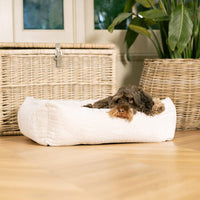
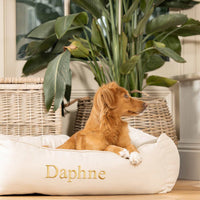
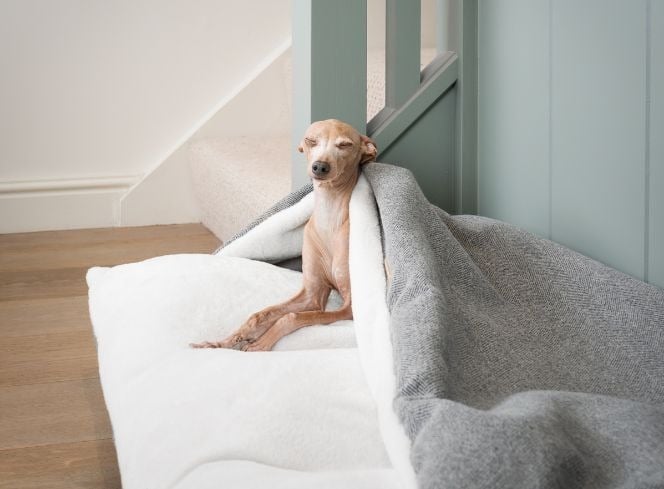
When choosing a dog bed there are a number of things to take into consideration. It needs to be the right size for your dog or puppy; it needs to be comfortable; and it needs to stand up to use and wash well. High on our list of priorities is the look of the bed too. All of the practicalities are super important to us, but we also want a dog bed that looks stylish and works well in our home. At Lords & Labradors we take all of these things into consideration when designing our luxury pet beds. We fuse good looks and practicality to bring you stunning pet beds that will look lovely in every home. Here we take you through some of the new additions to the range for 2024! Our New Luxury Dog Beds The Dog Box Bed Over the last few years our box beds have become firm favourites in the L&L collection. Excitingly we've now extended the range into our anti-anxiety Faux Fur, opulent Velvet & cosy Inchmurrin fabrics. The box bed comes in 3 sizes to suit a range of breeds, from a miniature dachshund up to extra-large breeds such as Labradors and Dalmatians. They are perfect for dogs who like to snuggle into the corner of their bed or who like to rest their head on the side. We’ve included a reversible inner cushion with a super soft reverse that is ideal for those chillier nights when the plush texture will help keep pups’ cosy.    High Wall Beds  Our super cosy high wall bed is quickly becoming one of our most popular styles, they are a sleepy pup’s dream! This year we've extended the popular range with both our Faux Fur and Inchmurrin fabrics, so we're sure we will have something to match your interior. The beds are oh-so-soft and squishy and your pup will love snuggling up inside.  Sleepy Burrows Bed If you’re pup loves curling up under a blanket or hiding themselves when they snooze, our Sleepy Burrows beds may be just what your pup needs. These are similar to our Dog Cushions but are designed with a hood type blanket, so your pet can get cosy between the blanket layer and cushion should they wish. We’ve designed them in all of our L&L fabrics, and feature a zip to ensure easy, machine washable cleaning. There are so many gorgeous fabrics to choose from, but some of our favourites are our Bouclé and Faux Fur fabrics. Your little pups are going to adore snuggling up for nap times in here!

By Zac Girdlestone

Read more
Can Dogs Fly on Planes in the UK?
17.07.24 July 17, 2024 Owning a Dog Featured

Can Dogs Fly on Planes in the UK?

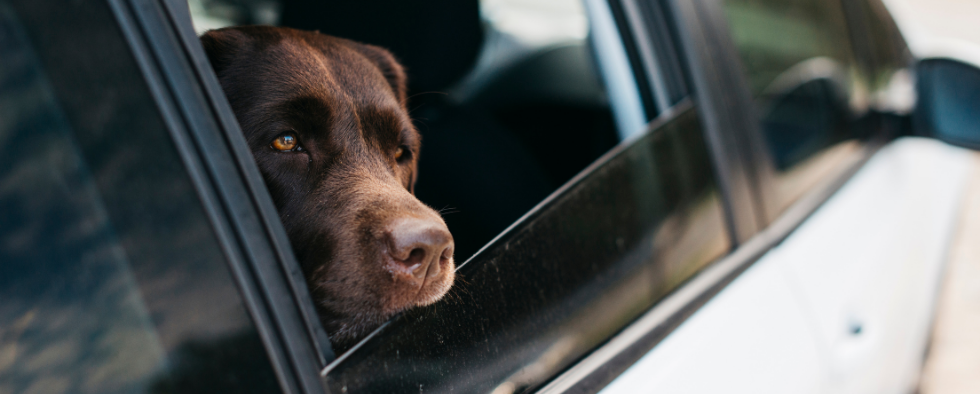
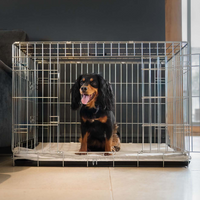
Put simply, yes, dogs can fly on planes in the UK, but there are specific regulations and requirements that you must adhere to. The UK has strict rules regarding pet travel to ensure the safety and well-being of animals during flights. It's important to check with your airline and the UK's Pet Travel Scheme (PETS) for the most current regulations. Here at Lords and Labradors, we have all the gear to make your travels safe & seamless. Key Regulations for Flying with Dogs in the UK Microchip and Vaccination: Your dog must be microchipped and vaccinated according to country & airline regulations. Ensure that these vaccinations are up-to-date and your dog's microchip details are correctly registered. Pet Passport or Health Certificate: You will need a pet passport or an official health certificate issued by an authorised vet. This document should include details of your dog's microchip number, details of their vaccination, and other relevant health information. Tapeworm Treatment: Dogs must receive tapeworm treatment before entering the UK. This treatment should be administered by a vet and recorded in the pet passport or health certificate. Approved Airlines and Routes: Only certain airlines and routes are approved for pet travel. Check with your airline to ensure they are authorised to transport pets to and from the UK. Preparing Your Dog for Air Travel Proper preparation is so important for a safe and comfortable journey and flight for your dog. Here are some essential steps to take before your journey: Choose the Right Crate Invest in an IATA (International Air Transport Association) approved travel crate. The crate should be spacious enough for your dog to stand, turn around, and lie down comfortably. Ensure the crate is well-ventilated and secure. Acclimate Your Dog to the Crate Well before your trip, start getting your dog used to the travel crate. Place the crate in your home and encourage your dog to explore it. Gradually increase the amount of time your dog spends in the crate to help them feel comfortable and secure. Health Check and Documentation Visit your vet for a thorough health check. Ensure all vaccinations are up-to-date and obtain a pet passport or health certificate. Discuss any concerns you have about travelling with your vet, and consider asking for help and advice if your dog is particularly anxious. Book Early and Confirm Details Book your flight well in advance and inform the airline that you will be travelling with a dog. Confirm all details regarding pet travel, including crate size requirements, fees, and documentation needed. Tips for a Smooth Flight with Your Dog Exercise Before the Flight Give your dog plenty of exercise before the flight to help them relax and expend excess energy. A tired dog is more likely to rest during the journey. Limit Food and Water Intake Avoid feeding your dog a large meal before the flight to prevent motion sickness. Offer water up until departure but limit the amount to avoid accidents in the crate. Comfort Items Place a familiar blanket or toy in the crate to provide comfort and a sense of security. These items can help reduce stress and anxiety during the flight. Check-In Early Arrive at the airport early to allow plenty of time for check-in and security procedures. This will also give your dog time to acclimate to the airport environment. During the Flight Ensure the crate is securely fastened in the cargo hold or under the seat in front of you, depending on your airline's policies. Remain calm and composed, as dogs can pick up on their owner's anxiety. Post-Flight Care Once you arrive at your destination, take the following steps to ensure your dog’s comfort and well-being: Immediate Care After the flight, take your dog out of the crate as soon as possible and allow them to stretch, hydrate, and relieve themselves. Check for any signs of stress or discomfort. Settling In Give your dog time to adjust to the new environment. Maintain a calm demeanour and provide comfort items such as their favourite toys or blankets to help them feel at home. Monitor Health Monitor your dog’s health closely in the days following the flight. Look out for signs of dehydration, stress, or illness, and consult a vet if you have any concerns. Choosing the Right Airline and Flight Not all airlines have the same policies regarding pet travel. Research and choose an airline that is known for its pet-friendly policies and good reputation for handling animals. Some airlines offer special pet travel programs that provide additional care and comfort for your furry friend. Key Considerations When Choosing an Airline Pet Travel Program: Look for airlines with dedicated pet travel programs that offer additional services such as temperature-controlled cargo holds and specialised care. Flight Duration: opt for direct flights whenever possible to minimise the stress of multiple take-offs and landings. Cabin vs. Cargo: Small dogs may be allowed to travel in the cabin with you, while larger dogs will need to be in the cargo hold. Ensure the cargo hold is temperature-controlled and meets safety standards. Flying with your dog requires careful planning and preparation, but with the right approach, it can be a safe and enjoyable experience for both of you. By understanding the regulations, preparing your dog properly, and choosing the right airline, you can ensure a smooth journey. At Lords & Labradors, we offer a range of travel accessories to help make your trip as comfortable and stress-free as possible. Safe travels!

By Laura Rudd

Read more
How to Choose the Right Dog Feeding Bowl for My Dog
11.07.24 July 11, 2024 Owning a Dog Featured

How to Choose the Right Dog Feeding Bowl for My Dog

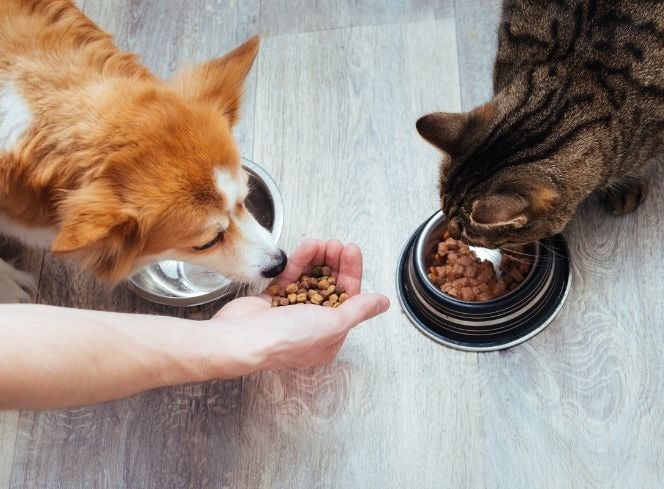
Selecting the right feeding bowl for your dog is more important than you might think. It impacts not only your dogs comfort while eating but also their health and hygiene. With a plethora of options available, from traditional dog bowls to elevated dog bowls on stands, making the right choice can be daunting. This guide will help you understand the key considerations and benefits of different types of dog bowls, particularly focusing on the increasingly popular dog bowls on stands. Understanding Your Dog’s Needs Before diving into the specifics of different types of dog bowls, it's important to understand your dog’s unique needs. Factors such as breed, size, age, eating habits, and health conditions play a significant role in determining the best feeding bowl for your furry friend. Size and Breed: Larger breeds may need bigger bowls with higher capacities, while smaller breeds require appropriately sized bowls to avoid overfeeding. Some breeds benefit from 'long eared' dog bowls, where as others may benefit from a slow feeder bowl. Age: Puppies might benefit from smaller, shallower bowls, whereas senior dogs might need elevated bowls to reduce strain on their neck and joints. Eating Habits: Fast eaters might benefit from slow feeder bowls to prevent gulping and subsequent digestive issues. The Benefits of Dog Bowls on Stand Dog bowls on stands, also known as elevated or raised dog bowls, have become increasingly popular for their numerous benefits. Here are some key benefits your dog may find from using one: Improved Digestion Elevated dog bowls can help improve your dog's digestion by allowing food to travel more efficiently down the digestive tract. This is particularly beneficial for large breeds and dogs with certain health conditions. Reduced Strain on Joints For older dogs or those with arthritis, bending down to eat can be painful and stressful on their joints. Dog bowls on stands elevate the food to a comfortable height, reducing the strain on your dog's neck, hips, shoulders, and joints. Better Posture Eating from an elevated bowl can help promote better posture, especially in large breed dogs. This can prevent long-term musculoskeletal issues and promote overall well-being. Cleanliness and Hygiene Raised dog bowls can help keep the feeding area cleaner. They prevent food and water from spilling onto the floor, reducing the chance of bacterial growth and keeping the feeding area hygienic. Types of Dog Bowls Here at Lords & Labradors, we offer various types of dog bowls, each with its unique features and benefits. Here’s a closer look at some popular options: Standard Dog Bowls These are the most common type of dog bowls, typically made from stainless steel, plastic, or ceramic. They are simple, affordable, and come in various sizes. However, they may not offer the ergonomic benefits of elevated bowls. Dog Bowls on Stand As we've looked into, elevated bowls come with a stand that raises the bowls to a more comfortable height for your dog. They are ideal for larger breeds, senior dogs, and dogs with certain health conditions. Slow Feeder Bowls Designed to slow down fast eaters, these bowls have ridges or obstacles that make it more challenging for dogs to gulp down their food. This can prevent choking, bloating, and other digestive issues. Automatic Feeders Automatic feeders are perfect for busy pet owners. They dispense a pre-measured amount of food at scheduled times, ensuring your dog gets fed even when you’re not home. Travel Bowls Portable and often collapsible, travel bowls are convenient for on-the-go feeding. They are typically made from flexible materials like silicone or fabric. Choosing the Right Dog Bowl on a Stand When selecting an elevated dog bowl, there are several factors to consider to ensure it meets your dog's needs: Height of the Stand The height of the stand should be appropriate for your dog’s size. The bowl should be at the level of your dog's chest to allow for comfortable eating without straining their neck. Material Choose a bowl made from durable, non-toxic materials. Stainless steel is a popular choice due to its durability, ease of cleaning, and resistance to bacterial growth. Ceramic bowls are also good but can be heavier and prone to breaking. Avoid plastic bowls as they can harbor bacteria and may cause allergic reactions in some dogs. Stability The stand should be stable and sturdy enough to prevent tipping, especially if your dog is a vigorous eater. Look for stands with non-slip feet, or wall mounted to keep them securely in place. Ease of Cleaning Opt for bowls that are easy to remove and easy to wash. This will make cleaning and maintaining hygiene much easier. Capacity Ensure the bowls have enough capacity to hold your dog’s meals comfortably. This is especially important for larger breeds that require more food. Additional Tips for Feeding Your Dog Regular Cleaning: Clean your dog’s bowls regularly to prevent the buildup of bacteria and ensure a healthy feeding environment. Proper Placement: Place the bowl in a quiet area to allow your dog to eat without distractions or stress. Monitor Eating Habits: Keep an eye on your dog’s eating habits. If you notice any changes, such as eating too fast or showing signs of discomfort, consider adjusting your feeding setup or consulting your veterinarian. Choosing the right dog feeding bowl is so important for your pet's health and comfort. Dog bowls on stands offer numerous benefits, including improved digestion, reduced strain on joints, better posture, and enhanced cleanliness. By considering your dog's specific needs and preferences, you can select the perfect bowl to ensure they enjoy every meal comfortably and safely. At Lords & Labradors, we offer a wide range of high-quality dog bowls and feeding accessories designed to meet the unique needs of every dog. Explore our collection today and find the perfect feeding solution for your furry friend.  

By Laura Rudd

Read more
What's the best? Soft or Firm dog bed
10.07.24 July 10, 2024 Owning a Dog Featured

What's the best? Soft or Firm dog bed

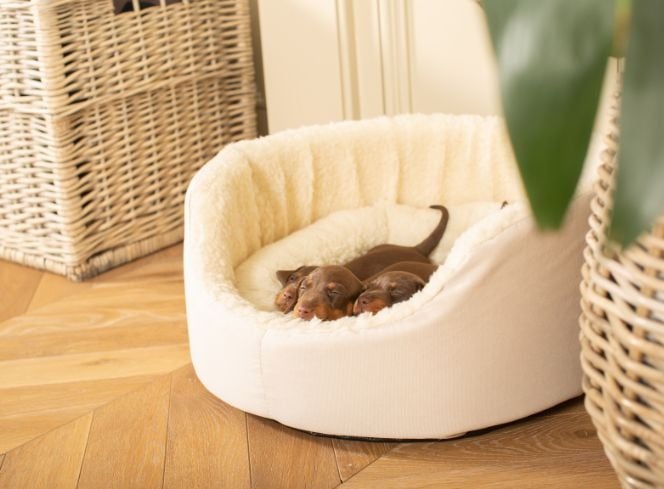
Choosing the right bed for your dog can be so overwhelming when there is so many beds available to choose from. Our dogs do have a preference much like us humans. It can be challenging to decide whether a soft dog bed or a firm one is the best choice for your furry friend. Our guide will delve into the benefits and considerations of both types of beds, helping you make an informed decision, for you and your pet.  Understanding Your Dog's Needs Before diving into the specifics of soft and firm dog beds, it's important to understand your dog's unique needs. Factors such as age, breed, size, health, and sleeping habits play a significant role in determining the best type of bed for them. Key Considerations Age and Health : Older dogs or those with joint issues may require more support to alleviate pressure points and promote better sleep. Breed and Size : Larger breeds may benefit from firmer support, while smaller breeds might prefer the cosiness of a soft bed. Sleeping Habits : Observe your dog’s sleeping position and habits. Do they curl up in a ball, sprawl out, or like to burrow? The Benefits of a Soft Dog Bed Soft dog beds are designed to provide a plush, cushioned sleeping surface that many dogs find incredibly comfortable. Here are some benefits of opting for a soft dog bed: Comfort and Cosiness Soft dog beds offer a high level of comfort, making them ideal for dogs that enjoy snuggling and burrowing. The plush material can provide a sense of security and warmth, particularly beneficial for smaller breeds and puppies. Flexibility Some dog beds often come with flexible stuffing, such as memory foam, allowing the bed to contour to your dog's body. This can be particularly comforting for dogs that prefer to nestle into their bed. Variety of Styles Soft dog beds are available in various styles, especially our Lords & Labradors donut beds. Dog beds designed with raised, plush edges, providing a cosy, enclosed space, can help anxious dogs feel secure. The Benefits of a Firm Dog Bed Firm dog beds, on the other hand, provide more structured support. These beds are often recommended for dogs with specific health needs. Here are the advantages of choosing a firm dog bed: Support Firm dog beds are ideal for dogs with arthritis, hip dysplasia, or other joint issues. The firmer surface helps distribute weight evenly, reducing pressure on joints and providing much-needed support.  Durability Firm beds are often more durable and maintain their shape over time. This makes them a good investment for larger or more active dogs that might wear down a softer bed more quickly. Easy to Clean Many of our firmer dog beds come with removable, washable covers, making them easier to clean and maintain. This is particularly important for dogs that spend a lot of time outdoors and might bring dirt into their bed. Comparing Soft and Firm Dog Beds When deciding between a soft and firm dog bed, consider the following aspects to determine which one best suits your dog's needs. Comfort Level Soft Dog Beds: Best for dogs that love to curl up and snuggle. They provide a plush, cosy surface that can mimic the feeling of cuddling with their owner/littermates. Firm Dog Beds: Best for dogs that need extra support. They provide a stable, even surface that can help alleviate pain and discomfort associated with joint issues. Durability and Maintenance Soft Dog Beds: Generally, less durable than firm beds. The soft filling can flatten over time, especially with heavy use. However, they are often machine washable. Firm Dog Beds: Typically, more durable and maintain their shape longer. They often come with removable covers that are easy to clean. Health Considerations Soft Dog Beds: Suitable for young, healthy dogs without any joint issues. They offer a comfortable and inviting space for dogs that don't require additional support. Firm Dog Beds: Ideal for older dogs or those with health issues. They provide the necessary support to keep your dog comfortable and alleviate pain. Dog Nest Beds Dog nest style beds, such as our Lords & Labradors Donut beds and our Lords & Labradors High Wall beds, combine elements of both soft and firm beds. They feature a soft, cushioned interior with raised edges, providing a sense of security and support. This type of bed is particularly popular among dogs that enjoy curling up and feeling enclosed. Here are some benefits of the dog nest bed: Security and Comfort The raised edges create a cosy, enclosed space that can help reduce anxiety and promote a sense of security. Versatility Our Lords & Labradors dog beds come in various sizes and styles, making them suitable for different breeds and preferences. Supportive Edges While the interior is soft, the raised edges can provide additional support for your dog's head and neck, combining the benefits of both soft and firm beds. Choosing between a soft or firm dog bed ultimately depends on your dog's individual needs and preferences. Soft dog beds are ideal for dogs that love to snuggle and feel warm and cosy, while firm dog beds provide the necessary support for dogs with joint issues or those that need more structured support.  At Lords & Labradors, we offer a wide range of high-quality dog beds designed to meet the unique needs of every dog. Whether you’re looking for a soft dog bed, a firm bed, or something 'in-between', we have the perfect solution to ensure your furry friend enjoys restful and rejuvenating sleep.

By Laura Rudd

Read more
How to Choose a Dog Bed for More Than One Dog
10.07.24 July 10, 2024 Owning a Dog Featured

How to Choose a Dog Bed for More Than One Dog

Selecting the perfect dog bed can be a challenging task, especially when you have more than one furry friend to consider. Ensuring that both dogs have a comfortable place to rest is crucial for both their health and happiness. This guide will help you navigate the process of choosing the right bed for 2 dogs, addressing all the essential factors to ensure your pets get the best sleep possible. Understanding the Needs of Multiple Dogs Dogs, like us humans, need a good night’s sleep to stay healthy and happy. When you have two dogs, their sleeping arrangements should cater to their collective and individual needs. Whether your dog’s prefer sleeping together or separately, finding the right bed that accommodates both is essential. Key Considerations for Choosing a Bed for 2 Dogs Size and Space One of the most crucial factors when choosing a bed for 2 dogs is size. The bed should be large enough to accommodate both dogs comfortably, allowing them to stretch out and move around without feeling cramped. Measure your dogs when they are lying down and add some extra space to ensure they have plenty of room. Comfort and Support Look for beds that provide ample support and comfort. Memory foam or orthopaedic beds are excellent choices, especially for older dogs or those with joint issues. These materials help distribute weight evenly and relieve pressure points, ensuring a good night’s sleep for both dogs. Durability and Material A bed for 2 dogs needs to be durable enough to withstand twice the wear and tear. Choose beds made from high-quality materials that are resistant to chewing and scratching. Additionally, look for beds with removable, washable covers or wipe clean covers to make cleaning easier and maintain hygiene. Sleeping Preferences Consider your dogs' sleeping preferences. Do they like to cuddle up together, or do they prefer their own space? You may find having two beds side by side suit your dogs better than one bigger bed for them to share. Types of Dog Beds Suitable for 2 Dogs Extra-Large Dog Beds Extra-large beds provide ample space for both dogs to sleep together comfortably. These beds come in various shapes and materials, ensuring you can find one that suits your dogs' needs.   Sofa Topper Dog Beds Sofa Topper beds lay along your sofa providing a cosy environment for two dogs to snuggle together. This is only of course if you allow your dogs to make themselves at home on your furniture, which makes them ideal for dogs that enjoy lounging and cuddling. Cushions If your dogs are prefer sleeping near or together, consider getting large, comfortable dog cushion that fit well in a spacious area in your home. This option allows both dogs to have their own defined space while sharing the same sleeping area. Additional Tips for Choosing a Bed for 2 Dogs Observe Your Dogs' Behaviour Keep note of how your dogs interact with each other during their nap time. Do they prefer being close, or do they need their own space? Understanding their behaviour will help you choose a bed that suits their preferences. Consult Your Veterinarian Your veterinarian can provide valuable insights into your dogs' health and comfort needs, especially if either dog has medical conditions that require special bedding. Invest in Quality While it may be tempting to go for cheaper options, investing in a high-quality bed will pay off in the long run. A well-made bed will last longer and provide better comfort and support for your dogs. Consider Multiple Beds In some cases, it might be better to have separate beds for each dog. This is especially true if your dogs have different sleeping preferences or if one dog tends to dominate the bed. Choosing the right bed for 2 dogs involves considering their size, comfort, durability, and sleeping preferences. Whether you opt for an extra-large bed, or separate beds, the goal is to ensure both dogs have a comfortable and supportive place to rest. At Lords & Labradors, we offer a wide range of high-quality dog beds designed to meet the unique needs of multiple dogs. By selecting the right bed, you can provide your furry friends with the restful sleep they need to stay healthy and happy.

By Laura Rudd

Read more

loyal customer in 17 countries

Why Shop With Us?

  • Free Delivery

    Orders over £75 qualify for free standard UK delivery. Orders under £75 will be calculated at the checkout.

  • Shopping Made Easy

    Gain exclusive access to sales and shop all your pets favourites on the go by downloading our app.

  • Designed in the UK

    Our own brand products are lovingly designed in our specialist UK workshop to our exacting standards.

  • We're Here For You

    Contact our Pet Experts on Chat or by email at sales@lordsandlabradors.co.uk