Did you know dogs spend 12 to 14 hours a day sleeping? That's a lot of time in bed so it's no surprise that their bed might be looking a little worse for wear. Dogs are creatures of comfort so making sure they have a a clean and supportive bed is essential for their overall well-being. In this guide, our Pet Experts explore the signs that indicate it's time to change your dog's bed and share expert tips on how to care for your canine's cherished sleeping spot.
How Often Should You Replace Your Dog’s Bed?
Determining how often to replace your dog's bed depends on several factors including the quality of the bed, your dog's size and activity level, and any specific health considerations. As a general guideline, it's advisable to replace your dog's bed every 1 to 3 years, or sooner if signs of wear and tear become noticeable.
Signs It's Time to Change Your Dog's Bed:
Visible Wear and Tear: Over time, your dog's bed may start showing signs of wear and tear, such as flattened cushions, lumps, or torn fabric. If you notice any significant damage, it's a clear indication that it's time to consider a replacement.
Lingering Odours: Despite regular cleaning, dog beds can accumulate odours over time, especially if your furry friend enjoys outdoor adventures or has accidents indoors. Lingering smells that persist even after washing could signal the need for a new bed.
Loss of Support: Just like humans, dogs require proper support for their joints and muscles, especially as they age or if they have existing health conditions. If your dog's bed no longer provides adequate support or has become too soft, it's time to invest in a new one to ensure their comfort and well-being. It might be worth investing in an orthopaedic dog bed if your dog’s breed is prone to joint issues.
Allergies and Skin Irritations: Dogs can develop allergies or skin irritations from prolonged exposure to dust mites, pet dander, or other allergens that accumulate in their beds over time. If you notice your dog scratching more than usual or experiencing skin issues, a new bed with hypoallergenic materials may offer relief.
Preference for Alternative Sleeping Spots: Dogs are creatures of habit, and if you notice your furry friend opting for alternative sleeping spots around the house instead of their bed, it could indicate that they're no longer comfortable or satisfied with their current sleeping arrangements. It’s worth looking at how your dog likes to sleep so you can get the best bed shape to suit their sleeping style, our Information Hub has a guide on how to choose the perfect dog bed for your dog.
Top Ways to Care for Your Dog's Bed:
Regular Washing: Establish a routine for washing your dog's bed to remove dirt, hair, and odour-causing bacteria. Most of our Lords & Labradors dog beds are machine washable, we have a handy guide on how to wash your dog’s bed here.
Use a Removable Cover: Opt for dog beds with removable, machine-washable covers for easy cleaning. Having a spare cover on hand allows you to swap them out while one is being laundered, ensuring your pup always has a fresh and clean place to sleep. We also sell bamboo bed covers which are great for popping over your dog’s bed to help keep them clean especially after a muddy dog walk, they will act as an additional layer of defence against moisture and stains, extending the life of the bed!
Vacuum and Spot Clean: In between washings, use a handheld vacuum or lint roller to remove hair and debris from the surface of the bed. Spot clean any stains or spills promptly to prevent them from setting into the fabric.
Rotate and Fluff: Just like flipping a mattress, periodically rotate your dog's bed to distribute wear evenly and prevent premature sagging. Fluffing the bed's filling helps maintain its loft and support over time.
Sun and Air Dry: On sunny days, take advantage of natural sunlight by airing out your dog's bed outdoors. Sunlight helps eliminate odours and kills bacteria, leaving the bed feeling fresh and revitalised.
Inspect Regularly: Take time to inspect your dog's bed for any signs of damage, loose seams, or worn-out stuffing. Promptly address any issues to prevent further deterioration and ensure your pup's safety and comfort.
By recognising the signs that it's time to change your dog's bed and implementing proper care and maintenance techniques, you can provide your furry friend with a clean, comfortable, and supportive sleeping environment. Remember, a happy and well-rested pup makes for a happier pet parent too!
If you’re looking to upgrade your dog’s bed why not check out our collection of luxury dog beds? Bedding is our speciality, we design and craft all of our bedding here in our Lincolnshire workshop so you can be sure your dog will be getting the best sleep possible in one of our luxury dog beds.
The Importance Of Correct Nutrition For Dogs And Cats!
Ensuring optimal nutrition for our beloved pets is paramount for their overall health and well-being. As responsible pet owners, it is crucial to understand the significance of providing nutritionally complete and balanced meals to our furry friends. In this comprehensive guide, we will delve into the world of dog and cat nutrition, exploring the importance of the right food choices, nutritionally complete homemade recipes, and the best commercial options available.
Understanding Dog and Cat Nutrition
Your pet's nutrition plays a pivotal role in their vitality and longevity. Just like humans, dogs and cats require a balanced diet that fulfils their specific dietary needs. A well-rounded diet supports their immune system, maintains a healthy weight, and promotes optimal organ function. Pet food ranges from being more processed to being raw and rich in natural ingredients, finding the right fit for your pet is important!
Dog Food Nutrition
Choosing the right dog food is a key aspect of canine care. With an abundance of options available, it's essential to prioritise nutritionally complete choices. To make an informed decision, consider using a dog food nutrition calculator and comparing different products. Look for the best nutritional dog food that meets your pet's unique requirements, taking into account factors such as breed, size, and age. Our favourite nutritionally rich dog foods are Orijen, Carnilove and Acana, they are all designed with your dogs nutrition in mind.
Dog Nutrition Facts and Guide
Understanding dog nutrition facts is imperative for providing the best care. Refer to a dog food nutrition guide to navigate through the plethora of choices available in the market. Learn about your dog's daily nutritional requirements and make informed decisions that contribute to their overall health and happiness.
Cat Food Nutrition
Cats, being obligate carnivores, have unique nutritional requirements. The best cat food for nutrition considers their need for high-quality protein and essential nutrients. Explore dry cat food nutrition labels to ensure your feline friend receives a balanced diet that supports their specific dietary needs. For a cat food which is high in protein and great for fussy felines we love Carnilove, they all have at least 80% wild origin meat content and contain No grains, potatoes, GMO, soy, sugar, preservatives or colourants.
Daily Nutritional Requirements for Cats
Cats require a carefully balanced diet to thrive. Knowing the daily nutritional requirements for cats is essential for choosing the right cat food. Consult with your vet to understand the specific needs of your cat, such as the importance of taurine and other essential nutrients crucial for their health.
In conclusion, the importance of correct nutrition for dogs and cats cannot be overstated. Whether choosing commercial options or crafting homemade recipes, prioritising nutritionally complete meals is key to ensuring your pet's health and happiness. Stay informed about dog and cat nutrition, consult with professionals, and make choices that align with your pet's unique requirements. By providing the best nutritional dog food or cat food, you contribute to a longer, healthier life for your furry companions. Here at Lords & Labradors we have a large range of both cat and dog food so you can pick the best option for you and your pet
Crate training is an important part of settling in a new puppy. A crate provides a safe, quiet space for your pup and will help them to get used to their nighttime routine and with toilet training. A dog crate can be made into a cosy den that will be loved by your new four-legged friend for a lifetime. In this article we will explain the best crate set-up for puppies, how to change the set-up as they grow up and also how to look after your crate and crate bedding.
How To Make The Perfect Crate Set-Up For A Puppy
Crate training your puppy will have lots of advantages, helping them to settle and feel safe in their home as well getting them into a consistent bedtime routine. The perfect crate for a puppy will feel safe, warm and cosy. It’s important that it’s inviting so that they feel compelled to use it.
With this in mind we’d suggest the following items:
Crate Cover
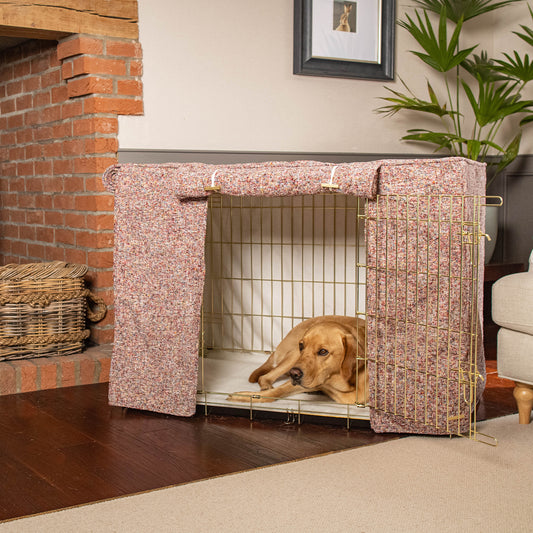
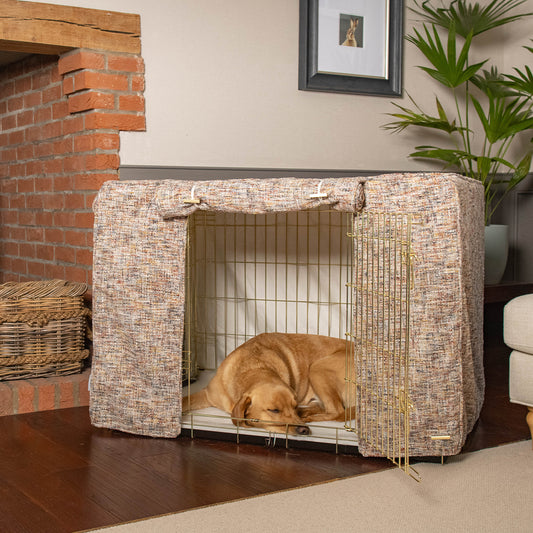
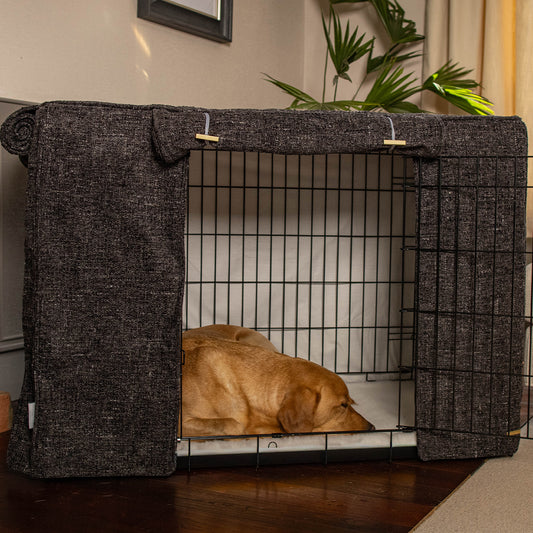
[product]Crates in their basic form can be rather draughty and a little bit unsightly! A crate cover will not only make the crate look stylish, but it will make the crate feel cosy inside. Our crate covers feature roll down doors which can be lowered when it’s time for bed. Puppy will soon learn when they should be sleeping (doors rolled down) and when it’s time to get up (doors rolled up). Our crate covers come in a range of fabrics which have been designed to match your home and they're all machine washable, making them brilliant for puppies!
Cosy & Calming Puppy Crate Bed
[product]
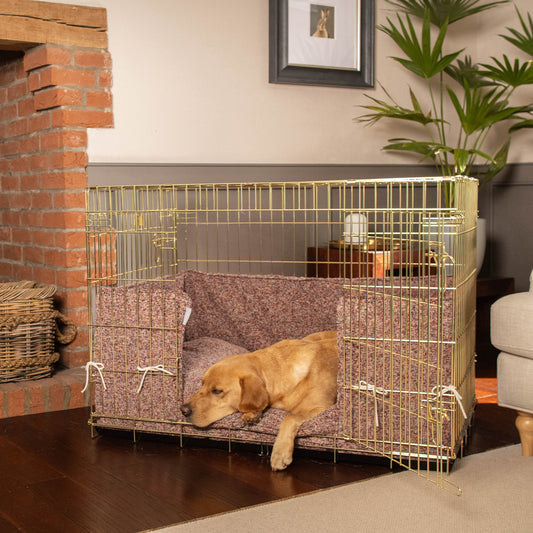
Our cosy and calming beds have been designed with crate training in mind. Each size is made to fill exactly one half of the corresponding crate size. So if you have a small crate for a Chihuahua for example, the small bed will fit in exactly one half of the crate. This then leaves room for a puppy pad in the other half along with a bowl for water. They come in a range of our printed cotton fabrics and feature a reversible cushion pad inside - one side covered in super plush sherpa!
Puppy Pads
Whilst we don’t want to encourage puppies to pee in the crate, it’s also important to note that they can’t hold themselves for very long at all. Whilst you will be able to take them outside at regular intervals during the day, this may not be the case at night. When you put them to bed, putting a puppy pad in one half of the crate will help to stop any accidents from dirtying their bed or crate tray.
Crate Bowls
Puppies will need access to water at all times and a crate bowl is a brilliant accessory as it can be fastened to the crate walls. This will ensure it doesn’t get tipped over or knocked like a standard bowl might.
The Perfect Crate Set-Up For An Adult Dog
As your dog becomes toilet trained and they begin to need the full space of the crate for their bed, you will need to consider swapping out the puppy accessories for their proper adult bed. At Lords & Labradors we specialise in crate bedding that will make your dog’s den look stunning as well as super comfortable inside.
Crate Cushion
Our crate cushions are designed to fit our crates perfectly. They come in a range of fabulous fabric designs from luxurious tweeds to printed cottons. There really is something to suit every taste and home.
Crate Bumper
Crate walls aren’t the most comfortable things to snuggle up to, and if your dog likes to curl in the corner of their bed, they will need something other than metal bars! That’s where our fabulous bumpers come in. They sit around the edge of the crate cushion and create a spongey layer of warmth around the walls. Perfect for snuggling up in the corner when nap time calls!
Crate Cover
Our crate covers are perfect for setting a routine with your dog, when the doors are rolled down it will signal to them it's time to sleep. Our crate covers are fully lined to help keep light out and come in matching fabrics to our bumpers and cushions to you can be sure crate will look stylish!
Crate Set Aftercare and How To Clean A Crate
With a little love and care your crate set will last a long time. Here we detail how to look after your crate set:
The Crate - The crate is made of sturdy metal and is really easy to keep clean. Our crates are easy to wipe clean and the tray is removable so you can get into the corners properly. It’s really important to make sure the crate is completely dry before setting back up and allowing your pet back in, we recommend drying your crate to avoid any rusting.
Lords & Labradors Cushion & Bumper Covers - For our bedding from our core collection you will be able to remove the covers on the cushions and bumpers. Turn the cover inside out and machine wash on a 20 degree gentle cycle. Allow the covers to air dry (do not tumble dry). Once dry return the inner cushion to the cover.
Essentials Plush Collection Bumpers & Cushions - Our bumpers and cushions from the Essentials Plush Collection don't have removable covers, we recommend spot washing your essentials plush bumpers and cushions.
Lords & Labradors Crate Covers - Our crate covers are all machine washable on a 20 degree gentle cycle, apart from our oil cloth crate covers. After washing, we recommend air drying your crate cover over your crate to help keep it in shape and to make sure it doesn't shrink. A cool iron on the reverse of the cotton fabrics is fine if necessary, but often they won’t even need that. Our tweeds and Savanna fabrics are super fast drying and they will come out of the spin almost dry. Just give them an air and they’ll be ready to use again in no time at all!
Cushion and bumper inners - The cushion and bumper inners are protected by waterproof interlinings, so won’t need washing. This will preserve the inner fillings. The waterproof liners are wipe clean. If they become soiled, simply wipe down with a mild pet-safe detergent and they’ll be as good as new again.
Cosy and Calm Puppy Bed - Our puppy beds are fully machine washable. You can put the whole bed in the machine and wash on a 20° cycle. When removed, simply shake and plump the cushion back into shape and leave to air dry.
Follow these simple steps and your crate sets will last and look stunning for years to come!
We’re getting to that time of year again where we’re travelling more with our pets to the beach, staycations and even trips to a different location for a long walk. No matter how long the journey - even if it’s a trip to the local vets - you should ensure your dog is properly restrained and safe to travel. Here in the UK it’s the law when travelling by car your dog needs to be restrained. In this blog, we breakdown how to travel safely with your pet.
What Is The Law With Dogs In Cars?
The Highway Code states in their Rules about Animals, when in a vehicle, dogs are to be suitably restrained so they cannot distract you while you’re driving or injure you, or themselves, if you should need to stop quickly. If you were in an accident caused by your dog distracting you whilst you were driving, this could be considered as ‘dangerous driving’. It’s also good to check your insurance policy, as car insurance providers may require you to restrain your pet.
Is It The Law To Restrain A Dog In A Car?
It is the law to restrain your dog when travelling in your car. So as fun as it is for your pooch to sit with their head out of the window, they must be suitably restrained so they cannot distract you and potentially hurt either you or themselves. When it comes to where your dog should be when travelling, although there are no laws against your dog travelling in the footwell of the car, unfortunately they would not be properly restrained and if you did have an accident, you may be prosecuted for ‘dangerous driving’.
When choosing where your dog should be properly restrained, no matter what method you choose, your dog should not sit in the front seat - securing them in the boot or back seat behind a front seat is considered a safer option.
How To Secure A Dog In The Car
There are many safety products you can choose from, which can help with travelling safely in the car. It’s most important you choose a solution that’s suitable and comfortable for your pooch, and it has been installed and executed correctly to ensure the safety of your pet. Here at Lords & Labradors, we’d recommend the following for safe travel.
Dog Carriers
Our pet carriers come in different sizes and weights which will vary for the suitability for you and your dog. It’s a lighter option to our metal crates and are easily packed away if you’re staying away from home. Carriers are great when travelling by car and when taking your dog from the car into a safe place to let them out and stretch their legs. They keep your pooch safe and settled whilst travelling.
Travel Harnesses
Our pet-friendly harnesses come in a variety of sizes, suitable to your dogs breed and size. Travel harnesses are easy to fit onto your dog and it’s quick to clip them into place. They’re specially designed to prevent your dog from moving around whilst in the car, all whilst keeping your pet safe and comfortably restrained.
Travel Crates
Crating your dog keeps them safe & secure - using a crate to transport your pet has the added benefit if they’re already used to being crated at home. If your dog is used to being crated, often when travelling they’ll feel safer and their surroundings will reduce any anxiety your dog may have around travelling.
How Long Can A Dog Travel In A Car
Being stuck in the car can be hard for your dog! Not only will your dog need regular toilet breaks, they’ll also need to stretch their legs and get some of their energy out. When stopping for your dog to toilet and stretch their legs, you could also give them some food and water to avoid any spillages whilst travelling. Ideally you should try to keep to your dogs routine where possible (even when travelling) - every 2 to 4 hours for about 15 to 30 minutes is a good guide to follow, however you’ll know what is best for your dog and how they travel. If you’re planning a lengthy trip, try to go on few shorter journeys to see how your dog is likely to react.
You may be preparing for the all important ‘Gotcha Day’, the day celebrated by all dog parents as the day you brought your pup home. Taking your puppy home for the first time is exciting, especially if you have prepared for their arrival. Puppy shopping can be so much fun, but also overwhelming if you’re a new pet parent, or if you’ve not had a puppy for a few years. There will be some things you do need to buy for necessity and some things that are worth buying for your new pup. Here at Lords & Labradors we’ve put together the 10 puppy essentials you’ll need to get your new puppy settled.
Our Top 10 Items To Buy For Your New Puppy
1) What crate to buy?
Firstly, if you’ve decided to crate train your puppy, you’ll need a crate that will see you through from puppyhood to adulthood. You’ll need a crate the appropriate size so you can fit a puppy bed at one end and a puppy training pad the other incase they need to toilet when left in their crate. It also gives your pup enough room to stretch, play and sleep if crated during the daytime. Depending on your training methods, you may want to place the crate somewhere the puppy can be near to you, but also not directly in a high traffic area of your home. Remember the crate is your puppy’s den, so discourage any children from climbing inside.
2) Where should my puppy sleep?
We recommend a puppy bed that’s easy for your pup to get in and gives them enough support and comfort whilst they sleep. Our Cosy & Calm Puppy Box Beds have been carefully designed with your puppy in mind. The beds are super squishy and soft, and have the most comfortable sides for your pup to snuggle right into. If you have chosen to crate train your pup, our vet bed is really popular, as it’s cosy, comfortable, robust and relatively puppy proof - it’s easily washed and dried too. It can be used with or without our Cosy & Calm puppy box bed.
3) What will my new puppy eat?
It’s recommended you initially use the same food that your puppy comes home with, in order to avoid any tummy upset during their first few days with you. Once your puppy has settled, you can gradually introduce a new food to their diet. It’s good to check the food guidelines of the food you choose to feed your pup, as often they’ll give you the correct guidelines on how to introduce the new food to your pup.
Make sure you have a clean bowl for water and a clean bowl for food, you can opt for a slanted water bowl if you have a spaniel breed to reduce your dogs ears from getting soaked in their water.
4) Puppy Toilet Training
Top of your list should be a reliable pack of puppy training pads, not only are they great for training your young pup, but they are invaluable when travelling (pop in the bottom of their carrier/crate to catch any travel sickness or accidental toilet trips). You can also use them to absorb muddy, wet paws after your pup has had a play in puddles!
5) How to settle my new puppy at night
When settling your new puppy at night, our heart beat sheep will be your puppy's new best friend. The heart beat sheep features a beating heart inside that mimics the beat of Mum's heart. They're designed to offer comfort and calm to new puppies who may feel nervous in their new home; they help to stop separation anxiety too. Alongside the heart beat sheep, you could pop in a heat pad under your dogs bed/cushion to keep them warm and to mimic the feeling of having siblings/mum near. Both the heat and the heart beat sheep will provide comfort for your puppy, especially whilst they are settling in and adjusting overnight.
6) How to keep your new puppy entertained
Toys will provide something to chew on for your pup, which you’ll find are essential if you want to avoid your puppy chewing on your furniture. Choose a variety of textures, styles and sizes to keep your puppy engaged and interested. You may want to keep a toy box so your pup can choose what they’d like to play with, or keep a few toys in rotation so your puppy doesn’t get bored with them.
You can also buy toys you can fill with treats or their food. If you want/need to leave your puppy - remember to build this up slowly, and don’t leave your new puppy for a long period of time - you could try freezing a peanut butter filled KONG (remember to use doggy/puppy friendly peanut butter). Freezing the toy will take them longer to work through and will give some relief to their sore teething gums and teeth.
7) Does my new puppy need a collar?
You may want to purchase your dogs collar before they arrive home with you, however it’s advised to purchase the correct size collar for your puppy, which you may have to wait until they’re here to measure them properly. It is a legal requirement to have a tag with your details on incase your puppy gets lost or strays away, but it’s advised not to add your puppy’s name to the tag.
8) How will I get my new puppy home?
Collecting your puppy to take them home is really exciting, but it’s best to be prepared. Make sure you have a suitable carrier/crate to store them in safely for the journey. It’s important your dog is restrained as it is the law to keep your puppy properly restrained whilst driving. In your carrier, you may want to pop in a blanket that smells like home and a scent blanket that smells like their mum and litter mates. It’s also good to have some puppy training pads to hand incase of any car sickness or accidental toilet trips.
9) When to start training my new puppy?
You can start with bonding and training your puppy almost straight away, get some high quality, puppy training treats (make sure to check the guidelines), and enjoy teaching them new tricks - you’ll be amazed at how quick they learn!
10) When do I start grooming my puppy?
It’s recommend that even if your pup won’t require grooming at first, you should regularly brush them to get them used to being groomed and handled. Choose a simple, soft brush and/or comb for the first couple of months. There will be a time you will need to wash your puppy, make sure you’re not using human shampoo as this will upset your puppy's PH levels and may not be compatible with your puppy flea treatment. It’s best to invest in a puppy shampoo that you can use when and if you need to bathe your puppy. We have our own puppy grooming set in our Petplex collection called the 'Puppy Purifier' it has a shampoo and a cologne to help keep your puppy smelling fresh.
As a responsible dog owner, understanding the implications of leaving your dog in a car is crucial. This topic raises several questions: Is it illegal to leave your dog in the car?, Can you leave a dog in a car?, and What are the laws regarding dogs left in cars in the UK? This comprehensive guide aims to answer these questions and provide essential information about leaving dogs in cars.
Understanding the Dangers
Before delving into the legality and guidelines, it's important to understand why leaving your dog in a car can be dangerous. Even on a mild day, the temperature inside a car can quickly rise to dangerous levels. Dogs are particularly vulnerable to heatstroke, which can be fatal. A dog's body temperature is higher than a human's, and they cannot cool down as efficiently.
Is It Illegal to Leave Your Dog in the Car?
In the UK, there isn't a specific law that outright states it's illegal to leave your dog in the car. However, the Animal Welfare Act 2006 makes it illegal to mistreat or neglect animals. Under this act, pet owners have a legal duty to ensure the welfare of their pets. Leaving a dog in a car in conditions that could cause suffering or harm falls under neglect and can be prosecuted.
Dogs Left in Cars Law UK
Under the Animal Welfare Act, if leaving your dog in the car leads to suffering, you could face an unlimited fine and up to six months in prison. The law is clear that causing unnecessary suffering to an animal is a criminal offence. This means that if a passerby or the police deem that your dog is in distress in a car, you could be prosecuted.
Safe Temperature to Leave Dog in Car UK
While it is generally advised never to leave your dog in a car, if you must do so for a very short period, the temperature outside plays a significant role. Even at temperatures as low as 21°C (70°F), the temperature inside a car can rise to over 40°C (104°F) within an hour, putting your dog at severe risk. On warmer days, this can happen even faster.
How Long Can You Leave a Dog in a Car?
The safest approach is to never leave your dog in a car alone. However, if you absolutely must, ensure it is for no longer than a few minutes, and always consider the weather. Keep windows slightly open, park in the shade, and provide water, but these measures are not foolproof. Heat can still build up rapidly, leading to potential danger for your dog.
Can You Leave a Dog in the Car?
Given the risks and potential legal consequences, it is highly discouraged to leave your dog in the car. It's always best to err on the side of caution and avoid it whenever possible. If you are running errands, consider taking your dog with you or leaving them at home in a safe environment.
What to Do If You See a Dog Left in a Car
If you see a dog left in a car and believe it is in distress, there are steps you can take:
Assess the Situation: Check for signs of distress such as panting, drooling, lethargy, or unresponsiveness.
Locate the Owner: If possible, try to find the owner. They might be in a nearby store or location.
Contact Authorities: If the dog appears to be in immediate danger, call the police or the RSPCA (Royal Society for the Prevention of Cruelty to Animals). They have the authority to break into the car to rescue the dog if necessary.
Record Details: Note the car's make, model, colour, and registration number. This information will be helpful for authorities.
Alternatives to Leaving Your Dog in the Car
To avoid the risks and legal issues associated with leaving your dog in the car, consider these alternatives:
Take Your Dog with You: If the destination is dog-friendly, bring your pet along.
Leave Your Dog at Home: In a safe, comfortable environment with water and proper ventilation.
Use Dog Daycare Services: Many areas have dog daycare facilities where your pet can be looked after while you run errands.
Ask a Friend or Neighbour: If you have a trusted friend or neighbour, see if they can look after your dog temporarily.
Conclusion
Is it illegal to leave your dog in the car? The answer lies in the potential for harm and distress caused to the dog. In the UK, the Animal Welfare Act ensures that neglect and causing unnecessary suffering to animals are punishable by law. Given the rapid rise in temperature inside vehicles, it is always best to avoid leaving your dog in a car. By understanding the dangers and legal implications, you can ensure the safety and well-being of your furry friend.
Remember, when in doubt, always prioritise your pet's health and safety over convenience. Being a responsible pet owner means making decisions that safeguard your pet's welfare, even if it requires extra effort or planning.
If you’re looking to keep your dog cool this summer check out our dog cooling collection, it has everything from cooling mats to paddling pools and swim toys to help keep them cool, calm and collected!
As dog owners, you may often wonder if your furry friends experience illness and discomfort similar to your own. One question we ask ourselves every cold and frosty season is whether our dogs can get the common cold, and if they can, can they catch it directly from their owner?
We explore if your dog can ‘catch a cold’ and what we can do to prevent any cold like symptoms in our pets.
Can dogs get the common cold?
The simple answer is yes, your dog can get a cold. But rest assured, they are different from the colds us humans experience. They cannot catch the cold virus that causes symptoms in humans. They can however experience symptoms such as sneezing and congestion, caused by certain infections. So no, your dog can’t catch your common cold, but they do experience a ‘dog cold’. Thankfully you won’t be able to catch your dogs cold, and each dog may experience these ‘colds’ differently.
Understanding the symptoms, causes, and treatments of canine colds can help you ensure your pet's health and well-being.
Understanding Canine Colds
Dogs can suffer from respiratory infections that resemble human colds. These infections can be caused by viruses, bacteria, or other pathogens. While these viruses can cause cold-like symptoms, they are specific to dogs and do not typically affect humans. Dogs can ‘catch a cold’ from places where dogs often congregate, such as parks, kennels, fields and other likely places. Your dog’s general environment will also affect their likeliness of catching a disease or virus, such as, damp, poor ventilation, poor hygiene and overcrowding. Other illnesses, such as diabetes, can also weaken your dogs immune system which makes them more prone to infections.
Symptoms of a Dog Cold
If your dog has a cold, you might notice symptoms similar to those of a human cold.
Common signs include:
Runny nose: Just like humans, dogs can have nasal discharge or congestion.
Sneezing: Frequent sneezing can indicate a respiratory infection.
Coughing: A persistent cough is a common symptom of a canine cold.
Watery eyes: Your dog’s eyes might appear watery or irritated.
Lethargy: Dogs with colds often exhibit decreased energy levels and may be less active.
Loss of appetite: A sick dog might eat less than usual.
Mild fever: A very mild fever can accompany a respiratory infection.
Not every dog will show every symptom, however it is essential you keep a close eye on your dog and ensure they’re eating and drinking water. If you are concerned about your dogs health, it is important you call your vet for advice.
Causes of Canine Colds
Several factors can contribute to a dog catching a cold such as, exposure to already infected dogs - canine colds are very contagious. If your dog interacts with an infected dog at a park, kennel, or even on a walk, they are at risk.
Do look out for poor ventilation, as environments with poor air circulation can facilitate the spread of infections, similarly to us humans. Stress is also a big factor, just like in humans, stress can weaken a dog's immune system, making them more susceptible to infections.
If your dog is of a certain age, or has poor health, or even is a young puppy, their immune systems may be more vulnerable to colds.
What to do if you think your dog has a cold
While most canine colds are mild and resolve on their own, it’s essential to provide proper care to ensure a swift recovery. Your dogs cold should only last a few day’s, and if symptoms do not improve within this time, or should they get worse, you should contact your veterinarian.
Here are some tips to help your dog if you suspect they have a cold:
Rest: Ensure your dog gets plenty of rest. Limit their activity and provide a comfortable, warm place to sleep.
Hydration: Encourage your dog to drink plenty of water to stay hydrated.
Nutrition: Offer nutritious food, even if they have a reduced appetite. Warming the food slightly can make it more appealing.
Avoid Exposure: Keep your dog away from other dogs to prevent spreading the infection.
If your dog’s symptoms do persist for more than a few days or worsen, consult your veterinarian, they can rule out more severe conditions and may prescribe medications if necessary. If you think your dog's immune system needs a boost we recommend having a look at the Vet's Best Immune Support tablets, these tasty chewables are packed with plant-based prebiotics and antioxidants which can help boost your dog's immune system and wellbeing.
While dogs can get colds, they typically experience milder symptoms compared to us humans. By recognising the signs and providing appropriate care, you can help your furry friend recover quickly. Always keep an eye on their health and consult a veterinarian if you have any concerns. With proper prevention and care, your dog can enjoy a happy, healthy life free from the sniffles.
Here at Lords & Labradors we stock everything your dog could want when recovering from a nasty cold, we've got tasty treats and cuddly toys to help them feel better.
How to Keep Cats Cool in Summer: Essential Tips for Pet Owners
As the summer heat intensifies, it's crucial to ensure your feline friends stay cool and comfortable. Cats are particularly sensitive to high temperatures, and excessive heat can lead to serious health issues like heatstroke. In this guide, we'll explore practical strategies for keeping cats cool in summer, providing you with essential tips to help your pet beat the heat.
Understanding the Risks of Heat for Cats
Before diving into how to keep your cat cool in summer, it's important to understand why it's necessary. Cats do not sweat like humans do; they have very few sweat glands meaning they use other tricks to cool themselves down. Grooming themselves is a key way your cat will cool themselves down, as the saliva evaporate and help to cool down. They are also likely to take long naps in a cool spot on a hot day and they may also use panting to cool themselves down.
3 reasons overheating is dangerous for your cat
Heatstroke: This is a life-threatening condition that can cause organ failure.
Dehydration: High temperatures can quickly lead to dehydration, impacting your cat's overall health.
Burns: Hot surfaces like pavements can burn a cat’s sensitive paw pads.
Recognising Signs of Overheating
Even with these precautions, it’s vital to know the signs of overheating in cats so you can act quickly if necessary. Watch out for:
Excessive panting: Unlike dogs, cats don't pant often, so this is a significant red flag.
Lethargy: If your cat seems unusually tired or weak, they might be overheated.
Drooling: Excessive drooling can be a sign of heat stress.
Red or pale gums: These can indicate that your cat is overheating.
Vomiting and diarrhoea: These symptoms can accompany heatstroke.
If you notice any of these signs, it’s essential to act immediately. Move your cat to a cooler area, offer water, and use cool (not cold) water to dampen their fur. Contact your veterinarian for further advice.
How to Keep Your Cat Cool in Summer
Battersea have put together 7 helpful ways you can help keep your cat safe and cool this summer
1. Use suncream
If you have an outdoor cat with light coloured fur they are likely at risk of getting sunburned. If your cat will allow you to try putting some animal friendly suncream on them to help prevent sunburn. We love the BeSunsafe sun protection as it is also insect repelling and is full of natural ingredients.
2. Provide plenty of shade
Make sure there are plenty of shady spots in your garden for your cat to lay in to help keep them cool whilst they are outdoors.
3. Provide Plenty of Fresh Water
One of the simplest yet most effective ways to keep your cat cool in summer is ensuring they have access to fresh, clean water at all times. Consider placing multiple water bowls around your home to encourage your cat to drink more frequently. You might also invest in a cat water fountain, which can be more appealing to cats due to the continuous flow of water. We love the Catit Pixi fountain, it comes in 4 fun colours and provides your cat with a 24/7 stream of water to drink from.
4. Keep inside your house cool
Maintaining a cool indoor environment is crucial for keeping cats cool in summer, especially indoor cats. Here are some tips to achieve this:
Air Conditioning and Fans: If possible, keep the air conditioning on during hot days. Fans can also help circulate air, but ensure they are safe and out of your cat's reach.
Curtains and Blinds: Close curtains or blinds during the hottest parts of the day to block out direct sunlight.
Netting frames: Fit netted frames over your windows in summer so you can keep your home well ventilated without worrying about your cat escaping
Cool Spots: Create cool spots for your cat to lounge in. This could be a tiled bathroom floor, a shaded area, or a cool mat designed for pets.
5. Don’t overexcite your cat
Keeping your cat calm will help them stay cool on really hot days. For playful cats try putting down a couple of ice cubes for them to play with whilst keeping them hydrated and cool.
6. Check your shed
Your cat may choose to hide from the sun in your shed or garage if they have been open so make sure to check for your cat before closing them!
7.Know the signs of heatstroke in cats
Heatstroke can be really serious and acting quickly is important in keeping your cat safe. Here’s what you need to watch out for
Agitation
Stretching out and breathing rapidly
Extreme distress
Skin hot to the touch
Glazed eyes
Vomiting and drooling
Conclusion
Keeping cats cool in summer is a vital part of pet care. By providing plenty of fresh water, creating a cool environment, grooming regularly, and being vigilant for signs of overheating, you can ensure your cat stays safe and comfortable. Incorporate these cooling tips for cats into your summer routine to help your feline friend enjoy the season without the stress of overheating.
At Lords & Labradors, we offer a range of products designed to keep your pets comfortable and happy. Explore our collection of cooling mats, water fountains, and grooming tools to help keep your cat cool this summer.
As a pet owner, you may have experienced moments when you catch your feline friend gazing intently at you. Whether you're sitting on the couch, working at your desk, or even waking up to those piercing eyes, you might find yourself wondering, "Why is my cat staring at me?" This seemingly mysterious behaviour can actually be quite fascinating once you understand the underlying reasons.
Understanding Cat Behaviour
Cats are known for their enigmatic and sometimes perplexing behaviours. Unlike dogs, who are often more expressive and direct in their actions, cats tend to be subtler in their ways. When your cat is staring at you, it can mean a variety of things, depending on the context and their body language.
1. Seeking Attention
One of the most common reasons for your cat staring at you is them looking for your attention. Cats are independent creatures, but they also enjoy social interaction. If your cat stares at you and then starts meowing or purring, it's likely they want some affection, playtime, or even a treat. This is their way of communicating their needs and desires to you.
2. Curiosity and Observation
Cats are naturally curious animals. They spend a lot of their time observing their surroundings and the people in their environment. When your cat is staring at you, they might just be curious about what you're doing. This is especially true if you're engaged in an activity that piques their interest, like cooking or using a computer. Their stare can be a sign of their inquisitive nature.
3. Bonding and Affection
Believe it or not, a cat staring at you can be a sign of affection and bonding. Cats have a unique way of showing their love, and direct eye contact is one of them. This gesture indicates that your cat feels safe and comfortable around you. Giving your cat some fuss and attention when they do this will help to reinforce the bond.
4. Hunger or Expectation
If your cat tends to stare at you around mealtime, they are likely reminding you that it's time to eat. Cats quickly learn routines and can be quite persistent when they're hungry. Staring can be their way of signalling that they expect you to fill their food bowl or give them a treat.
5. Health and Well-being
Sometimes, a cat’s staring can be related to their health. If your cat seems to be staring at you more than usual and displays other unusual behaviours like lethargy, changes in appetite, or vocalisations, it might be a sign of an underlying health issue. It’s always a good idea to consult with a vet if you notice any significant changes in your cat's behaviour.
6. Instinctual Behaviour
Cats are natural hunters, and staring is a part of their predatory instinct. When they fix their gaze on something, they are essentially in a hunting mode. If your cat is staring at you, they might be practicing their hunting skills. This behaviour is more common in younger cats and kittens who are still honing their instincts.
Decoding Your Cat’s Body Language
To fully understand why your cat is staring at you, it’s important to pay attention to their overall body language. Here are some key indicators to watch for:
Relaxed Body and Ears: If your cat’s body is relaxed, ears are in a neutral position, and they are softly blinking, the stare is likely affectionate.
Tense Body and Pinned Ears: A stiff body and ears pinned back could indicate that your cat is feeling threatened or anxious. In this case, the stare might be a warning sign.
Dilated Pupils: Wide, dilated pupils can indicate excitement or fear. Assess the situation to determine the cause of this reaction.
Tail Position: A tail that is held high and twitching slightly can show curiosity or happiness, while a fluffed-up tail indicates fear or aggression.
How to Respond to Your Cat’s Stare
Responding to your cat’s stare appropriately can help strengthen your bond and ensure their needs are met. Here are some tips:
Acknowledge Them: If your cat is staring at you for attention, take a moment to pet them, play with them, or simply talk to them. This helps reinforce positive behaviour.
Observe Their Needs: If the stare is accompanied by meowing near their food bowl, it’s probably time for a meal. Ensure you maintain a consistent feeding schedule.
Provide Stimulation: Cats need mental and physical stimulation. Offer toys, climbing structures, and interactive play to keep them engaged. Our range of cat trees are designed to keep your cat stimulated and appeal their natural playful instinct.
Health Check: If you notice any changes in behaviour along with the staring, schedule a vet visit to rule out any health issues.
Conclusion
Understanding why your cat is staring at you can deepen your relationship and ensure your feline friend is happy and healthy. Whether they are seeking attention, showing affection, or simply curious, recognising these behaviours can help you respond appropriately. Remember, each cat is unique, and their staring can have multiple meanings depending on the context. Pay attention to their body language and overall behaviour to decode their message accurately.
By being attentive and responsive, you can create a nurturing environment that caters to your cat’s needs, making both of your lives more harmonious. So the next time your cat stares at you, take it as an opportunity to connect and understand your furry companion better.
Shop everything you could need for your cat here at Lords & Labradors, from cat trees to food to toys we really have everything you could need.
A walk is one of your dog’s favourites parts of the day, however, choosing the right equipment is crucial for a comfortable and safe experience. The primary debate for many dog owners is whether to use a harness or a collar. Each option has its own advantages and disadvantages, and the best choice often depends on your dog’s breed, size, health, and behaviour. In this article, our Pet Experts explore the differences between harnesses and collars to help you make an informed decision.
Harness vs Collar: What’s the Difference?
A harness is designed to distribute pressure evenly across a dog’s chest and back, while a collar sits around the neck. This fundamental difference in design means that each has distinct impacts on your dog’s comfort and health.
Dog Harnesses
Advantages of Using a Harness
Better Control: Harnesses provide more control, especially for larger or more energetic dogs. They are ideal for training and managing dogs that tend to pull on the lead.
Reduced Risk of Injury: By distributing pressure across the chest, a harness reduces the risk of neck injuries. This is particularly important for breeds prone to respiratory problems or those with a delicate trachea, such as Pugs or Yorkshire Terriers.
Prevents Escaping: A well-fitted harness can prevent dogs from slipping out, which is a common issue with collars. This added security is beneficial for dogs that are known escape artists.
Versatility: Many harnesses come with additional features like handles for extra control, or reflective strips for better visibility during nighttime walks.
Disadvantages of Using a Harness
Complexity: Harnesses can be more complicated to put on and take off compared to collars. This can be a hassle for both the dog and the owner if the dog is particularly fidgety
Dislike: Not all dog’s like the sensation of having a harness put over their head, however getting them used to a harness early can help with this.
Comfort: If not properly fitted, a harness can cause chafing or discomfort. It's essential to ensure that the harness is the right size and adjusted correctly.
Limited Styles: While harnesses come in various designs, they may not offer the same stylish options as collars, which can be a consideration for those who like their pets to make a fashion statement.
Our Top 3 Harnesses
Here at Lords & Labradors we put a lot of time into sourcing the best walking accessories for your pup. We want them to be both practical and stylish, here are our top 3 harnesses.
Ruffwear Front Range Harness: The Ruffwear Front Range Harness allows you to enjoy your outdoor adventures with your favourite canine companion wherever you're going. It has 4 points of adjustment allowing full range of motion. The Front Range harness also has clips on both the front and back allowing you more control over your dog and helps to distribute any pressure more evenly when your dog pulls.
Cocopup NAKD Harness: The Cocopup Nakd Harness fuses style and practicality together. It comes in seven stylish colours and has matching collars and leads available. With adjustable neck and chest straps, a safety locking feature, and 4 sizes to choose from, you can be sure to find the perfect fit for your pup. The clasps also have a safety locking feature which is great for any pups who have a habit of escaping their harness.
Barbour Travel and Exercise Harness: The Barbour Travel & Exercise Dog Harness seamlessly blends comfort and safety, making it an ideal choice for both exercise and travel. Crafted by Barbour, this harness features a padded chest and adjustable straps to ensure a secure and comfortable fit for your dog. The reflective piping enhances visibility during nighttime walks, providing peace of mind, while the integrated car seatbelt loop keeps your pup secure during car journeys. The harness also features Barbour's iconic tartan pattern which you can match to your own Barbour quilted jacket, so you and your pup can be the most stylish pair in the park.
Dog Collars
Advantages of Using a Collar
Simplicity: Collars are straightforward to put on and take off, making them convenient for daily use.
Identification: Collars can hold ID tags, making it easier to identify your dog if they get lost. Some harnesses have this feature, but collars are typically more reliable for this purpose.
Training: Collars can be useful for training purposes, particularly for dogs that respond well to quick corrections.
Variety: Collars come in a wide range of styles, colours, and materials, allowing for personalisation and fashion-forward choices.
Disadvantages of Using a Collar
Risk of Injury: Collars can cause neck injuries, especially if the dog pulls hard or if sudden pressure is applied. This is a significant concern for dogs with delicate necks or those prone to respiratory issues.
Limited Control: Collars do not provide the same level of control as harnesses, making them less effective for managing stronger dogs who like to pull.
Choking Hazard: Dogs that pull on the lead can experience choking or discomfort with collars, potentially leading to negative associations with walking.
Our Top 3 Collars
Lords & Labradors Essentials Collars: Our Essentials Twill and Herdwick collars are the perfect lightweight collar. They are available in 7 sizes and are handcrafted in Italy. Featuring sturdy silver hardware and leather accents, these collars are a durable choice for your pup. Whether you pick the bobbly woven texture of Herdwick or the lovely linen texture of Twill, your dog will be stepping out in style with our Essentials collars.
Lords & Labradors Italian Padded Leather Collars: Our padded leather collars are consciously hand crafted in Italy, using the finest Italian leather. They come in six sizes and have a soft padding round the inside of the collar making them super comfy for your dog. These are a great choice, paired with our leads it’s sure to look stylish
Dogs & Horses Soft Rolled Leather Collar: Made from a butter soft leather, these rolled collars are a great choice for long haired dogs as the rolled shape stops the hair from matting. These collars are made using heritage craftsmanship here in England and are available in a large range of both sizes and colours.
Collar or Harness for Dog Walking: Making the Right Choice
When deciding between a dog harness vs collar, consider your dog’s specific needs and behaviours. Here are some factors to keep in mind:
Breed and Size: Larger breeds or those with respiratory issues may benefit more from a harness. Smaller breeds with less pulling power may do well with a collar.
Health Conditions: Dogs with neck or spinal issues should avoid collars to prevent further injury. A harness can provide a safer option.
Training Needs: If your dog is still learning lead manners, a harness can offer better control and reduce the risk of injury. For well-trained dogs, a collar may suffice.
Activity Level: Active dogs that participate in sports or outdoor adventures may need the added security and control of a harness.
Is a Harness Better Than a Collar?
Ultimately, whether a harness or collar is better depends on your dog. For most dog owners, a harness is often the more practical choice, particularly for walks and outdoor activities. However, collars remain a convenient and stylish option for everyday use, especially when fitted with ID tags for quick identification, and some dogs do walk better with a collar rather than a harness. This is one of them things that has no right answer, it will ultimately come down to what suits your lifestyle and which your dog walks better with.
In conclusion, both harnesses and collars have their place in a dog’s wardrobe. By understanding the pros and cons of each, you can make an informed decision that best suits your dog's needs and lifestyle. Whether you choose a harness or collar, the most important factor is ensuring that your dog is comfortable, safe, and happy during your walks together.
Here at Lords & Labradors we have a wide range of designer walking accessories, with both luxurious and practical options to suit every dog’s unique needs. Shop our collection here.
SIGN UP FOR USEFUL TIPS & GUIDES STRAIGHT TO YOUR INBOX
13.05.24May 13, 2024HealthFeatured
Do Dogs Get Hayfever?
As the seasons change and pollen fills the air, many of us find ourselves battling the dreaded symptoms of hayfever. But what about our furry companions? Can dogs suffer from hayfever too? In this article, our Pet Experts explore the intriguing question: do dogs get hayfever?
Can Dogs Get Hayfever?
The short answer is yes, dogs can indeed suffer from hayfever, although it's not as common as it is in humans. Just like people, dogs can be allergic to various environmental allergens such as pollen, dust mites, mold, and even certain foods.
Symptoms of Hayfever in Dogs:
Identifying hayfever in dogs can be a bit tricky since they can't tell us how they're feeling. However, there are some telltale signs that your furry friend may be suffering from allergies:
Itchy skin: One of the most common symptoms of hayfever in dogs is constant scratching or licking of the skin, particularly around the face, paws, and belly. If they have itchy skin it’s worth bathing them in a shampoo designed of sensitive skin, like the PetPlex derma doctor shampoo, especially after any long walks outside in grassy ares to help minimise their symptoms.
Watery eyes: If your dog's eyes are red, watery, or swollen, it could be a sign of hayfever.
Sneezing and coughing: Just like humans, dogs with hayfever may sneeze or cough frequently, especially after exposure to allergens.
Ear infections: Allergies can also contribute to ear infections in dogs, so keep an eye out for excessive ear scratching or head shaking.
Runny nose: Nasal discharge or a runny nose is another common symptom of hayfever in dogs.
Can Dogs Get Hayfever Tablets?
Yes, there are hayfever tablets available for dogs that can help alleviate their symptoms. These tablets typically contain antihistamines, which work by blocking the histamine receptors in your dog's body, reducing the allergic response. However, it's crucial to consult with your vet before giving your dog any medication, as some human antihistamines can be toxic to dogs and it’s crucial to get the right dose for their size.
Can Dogs Get Hayfever Eyes?
Absolutely! Dogs can experience allergic conjunctivitis, commonly known as hayfever eyes. Symptoms include redness, swelling, and itching around the eyes, as well as excessive tearing or discharge. If you notice these symptoms in your dog, it's essential to consult with your vet to determine the best course of treatment.
Conclusion:
In conclusion, dogs can indeed suffer from hayfever, experiencing symptoms such as itching, sneezing, watery eyes, and a runny nose. If you suspect that your dog may be suffering from hayfever, it's crucial to consult with your veterinarian for a proper diagnosis and treatment plan. With the right care and management, you can help keep your canine companion comfortable and allergy-free all year round.
Here at Lords & Labradors we pride ourselves on our in-house team of Pet Experts, between them they have years of pet owning experience and are on hand to answer queries about our products and their suitability - chat to them here.
How to Soothe Burned Dog Paws: Expert Tips for Canine Paw Care
As temperatures rise during the scorching summer months, it’s important to keep your dog’s health in mind, including their sensitive paw pads. Dogs can suffer from burned paw pads due to various reasons, including hot pavements, artificial grass, sand, or even chemicals.
In this guide, we'll delve into the essential steps on how to treat, care for, and soothe burned dog paws, ensuring your canine companion stays comfortable and healthy throughout the summer.
Understanding Burned Dog Paws:
Before diving into treatment methods, it's crucial to understand how dogs can end up with burned paws, especially during the summer season. The primary cause of burned paw pads in dogs is walking on hot surfaces such as asphalt, concrete, sand, artificial grass or metal. These surfaces absorb and retain heat, making them particularly hazardous for your dog's delicate paw pads. Additionally, exposure to chemicals like road salt, lawn fertilisers, or pool additives can also lead to burns on your dog's paws.
How to Prevent Burned Dog Paws in Summer:
Prevention is key when it comes to protecting your dog's paws from burns. Vets Now have put together 4 easy steps you can take this summer to protect your dog’s paws:
Follow the seven second rule. Place the back of your hand on the pavement or surface you are planning to walk your dog on for seven seconds, if it’s too hot for your hadn’t then it’s too hot for your dog’s paws
Keep to natural grass. Artificial grass retains much more heat than natural grass. We recommend opting for shady routes and natural grassy areas when walking your dog to minimise contact with hot surfaces
Schedule walks during cooler times of the day, such as early morning or late evening, to avoid hot surfaces.
Protect their paws Invest in booties or paw balm to create a barrier between your dog’s paws and any hot surfaces.
How to Treat Burned Dog Paws:
If your dog does end up with burned paw pads, prompt treatment is essential to alleviate discomfort and promote healing. Follow these steps to care for your dog's burned paws:
Assess the Severity: Start by examining your dog's paws to assess the extent of the burns. Minor burns may present as redness or blistering, while more severe burns can cause swelling, raw patches, or even peeling of the skin.
Cooling Compress: Apply a cool, damp cloth to your dog's burned paw pads to help reduce inflammation and soothe discomfort. Avoid using ice directly on the paws, as it can cause further damage.
Gentle Cleaning: If there are any foreign substances or debris stuck to the burned paw pads, gently clean the area with lukewarm water and mild pet-safe soap. Pat the paws dry with a clean towel afterward.
Moisturise: After cleaning and drying your dog's paws, apply a pet-safe moisturising balm or aloe vera gel to promote healing and keep the paw pads hydrated. Avoid products containing harsh chemicals or fragrances, as they may irritate the sensitive skin further.
Protective Bandaging: For more severe burns or to prevent your dog from licking or chewing the affected paw pads, consider applying a breathable, non-adhesive bandage. Ensure that the bandage is not too tight and check it regularly for signs of irritation.
Rest and Restricted Activity: Encourage your dog to rest and avoid strenuous activity while their paw pads heal. Limit outdoor time, especially during the hottest parts of the day, to prevent further damage.
We recommend keeping a first aid kit on hand with the above items in, our Pet Experts particularly love the Charlie The Vet first aid kit as it was designed by vets for pets to give owners the tools and knowledge needed to treat common at-home emergencies.
How to Soothe Burned Dog Paws:
In addition to the above treatment steps, there are several additional methods you can use to soothe your dog's burned paw pads and promote healing:
Oatmeal Baths: Prepare a soothing oatmeal bath for your dog by adding finely ground oatmeal to lukewarm water. Soak your dog's paws in the oatmeal solution for 5-10 minutes to relieve itchiness and inflammation. We also recommend keeping an oatmeal paw balm on hand to further reduce the inflammation, we love both the Pet Head Oatmeal Paw Butter and the Bugalugs nose and paw balm - both are super hydrating and kind to sore paws.
Epsom Salt Soaks: Epsom salt has natural anti-inflammatory properties that can help alleviate pain and reduce swelling in burned paw pads. Dissolve Epsom salt in warm water and soak your dog's paws for 10-15 minutes.
Natural Remedies: Consider using natural remedies such as calendula cream or coconut oil to soothe and moisturise your dog's burned paw pads. These ingredients have anti-inflammatory and healing properties that can aid in the recovery process.
Comfortable Sleeping Area: Ensure that your dog has a comfortable and padded sleeping area to rest their paws while they heal. Avoid hard surfaces or abrasive materials that could further irritate the burned paw pads.
Conclusion:
Taking proactive measures to prevent burned dog paws and promptly treating any injuries is crucial for maintaining your dog's paw health, especially during the summer months. By following the expert tips outlined in this guide, you can ensure that your canine companion stays comfortable, happy, and free from paw pad burns all season long. Remember to consult with your vet if you have any concerns about your dog's paw injuries or if you notice signs of infection.
With proper care and attention, you can keep your dog's paws safe and sound, allowing them to enjoy outdoor adventures without the risk of discomfort or injury.Here at Lords & Labradors we focus on sourcing and making the best quality pet products, including the best grooming and first aid products to help soothe and protect your dog’s paws this summer - shop here.
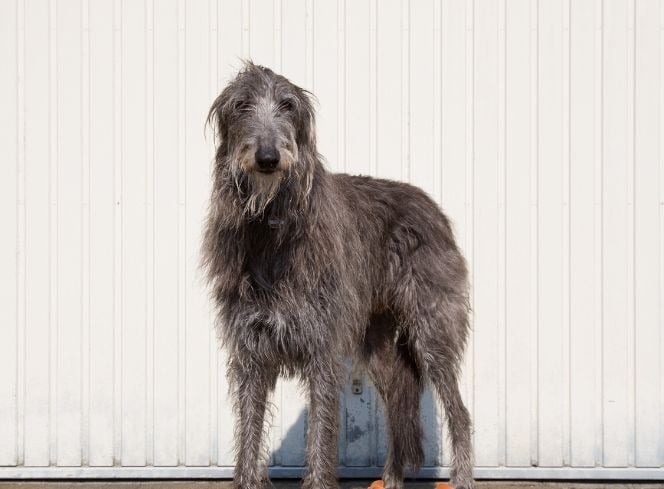
Welcome to the ultimate guide on Deerhounds! If you're considering adding a Deerhound to your family or already have one, you're in for a delightful journey. These majestic creatures are known for their grace, loyalty, and gentle nature. In this comprehensive guide, we'll delve into the various aspects of Deerhound ownership, from their personality and traits to health concerns, training tips, dietary needs, grooming requirements, and more.
Deerhound Fact file
Kennel Club Breed Group
Hounds
Size
Large
Weight
34-50kg
Daily Exercise
2+ Hours
Coat Type
Wiry medium length
Coat Colours
Black & Grey, Blue Brindle, Blue Grey, Brindle, Dark Brindle, Dark Grey, Grey, Grey Brindle
Lifespan
10+ years
Deerhound Personality and Traits
Deerhounds are a breed steeped in history and renowned for their noble demeanour. They possess a gentle and affectionate disposition, making them wonderful companions for families and individuals alike. Here are some key personality traits of Deerhounds:
Gentle Giants: Deerhounds are large yet remarkably gentle dogs. Despite their size, they are known for their calm and composed demeanour, making them excellent pets for households with children.
Loyal Companions: These dogs form strong bonds with their families and thrive on companionship. They are known for their unwavering loyalty and devotion to their owners.
Independent Thinkers: While Deerhounds are intelligent, they can also exhibit a streak of independence. This trait requires patient and consistent training to channel their intelligence effectively.
Sighthounds: As sighthounds, Deerhounds have a keen instinct for chasing prey. While they may have a strong prey drive, proper training and socialisation can help manage this behaviour effectively.
Deerhound Health Issues
Like all breeds, Deerhounds are prone to certain health issues. It's essential for prospective owners to be aware of these conditions and take proactive measures to maintain their pet's well-being. Common health issues in Deerhounds include:
Gastric Torsion (Bloat): Deerhounds, like many deep-chested breeds, are susceptible to gastric torsion, a life-threatening condition where the stomach twists upon itself.
Heart Disease: Dilated cardiomyopathy (DCM) is a concern in Deerhounds
Bone and Joint Issues: Large breeds like Deerhounds may be prone to conditions such as hip dysplasia and osteoarthritis.
Regular vet visits, a nutritious diet, and maintaining an active lifestyle are key components of ensuring the overall health and well-being of your Deerhound.
Raising a Deerhound
Raising a Deerhound requires patience, consistency, and plenty of love. Whether you're welcoming a Deerhound puppy into your home or adopting an adult, here are some tips for providing the best care:
Obedience Training: Start obedience training early to establish boundaries and reinforce desirable behaviours. Positive reinforcement techniques, such as treats and praise, work well with Deerhounds. Their strong prey-drive means they will respond well to working or training for food, try using some of their food as a reward and giving them some every time they display a positive behaviour for the first couple of weeks - this will really help their training!
Socialisation: Introduce your Deerhound to various people, animals, and environments to help them develop into well-adjusted adults. Our top tip is start introducing them to lots of different things, places and people from a young age, it will really help their confidence.
Consistency: Deerhounds respond best to consistent training methods and clear communication from their owners. Before picking your Deerhound puppy up it’s a good idea to think about the boundaries and training you want to put in place for them so you can hit the ground running
Deerhound House Training
Consistency: Establish a regular schedule for feeding, bathroom breaks, and playtime to help your Deerhound understand expectations. We recommend taking them outside every hour for the first few days and staying outside until they have relieved themselves and then rewarding them for doing so to help teach them expectations
Positive Reinforcement: Reward your Deerhound with praise and treats when they go to the toilet outside, this will help them to associate going outside with positive emotions and means they’re much more likely to keep going outside.
Patience: House training takes time and patience. Be consistent and avoid punishment for accident, they’re much more likely to respond to a positive reaction when they do something right.
Crate Training a Deerhound Puppy
By nature your Deerhound puppy, as with all dogs, is a den animal - meaning their natural instinct is to sleep and rest in a small enclose den space. By providing your Deerhound puppy with a crate you are giving them this den to retreat to, it can really help to settle them and make them more comfortable in their new home. Here at Lords & Labradors crates and crate bedding is our speciality - we’ve put our crate training must haves below to help you make the perfect puppy crate.
Crate Training Shopping List
Deluxe Dog Crate - Our deluxe dog crates come in three colours, gold, silver and black. We’d recommend an XXL crate for a Deerhound
Puppy Crate Bed - Make their crate inviting with a comfy bed; we developed our Cosy & Calming Puppy Crate Beds for this exact purpose. They fill half of the crate and are designed to cocoon your puppy to sleep. They come in all of our most popular fabrics so there’s sure to be one your puppy will love
Puppy Pads or Vet Bed - Your puppy won’t be able to hold their bladder through the night at first, encourage them not to go on their bed by giving them space to go with a puppy pad or a piece of vet bed
Comforter or blanket - It will be a big adjustment for your puppy to go from sleeping with their mum and litter every night to sleeping on their own so it’s worth giving them something such as a scent blanket which smells of their mum or a heartbeat sheep which replicates their mums heartbeat to help settle in them first few nights!
Crate training top tips
Safe Haven: Introduce the crate as a safe and comfortable space for your Deerhound puppy. Make it cosy with blankets and toys.
Gradual Introduction: Gradually introduce your puppy to the crate, starting with short periods and gradually increasing the duration.
Positive Association: Associate the crate with positive experiences, such as meals and quiet rest time.
If you want to know more about crate training check out our Ultimate Crate Training Guide, our Pet Experts have put together their top tips and tricks for successfully crate training your puppy.
Deerhound Dietary Needs
A well-balanced diet is essential for the health and vitality of your Deerhound. Consider the following factors when selecting food for your pet:
Nutritional Requirements: Choose a high-quality dog food formulated for large breeds. Ensure it provides essential nutrients, including protein, carbohydrates, fats, vitamins, and minerals.
Avoid Overfeeding: Deerhounds can be prone to obesity, which can exacerbate joint issues. Monitor portion sizes and avoid overfeeding.
Hydration: Provide access to fresh water at all times, especially during hot weather and after exercise.
For both puppies and adult Deerhounds we recommend looking at really high quality brands who prioritise a protein rich formula, for this we particularly love brands such as Orijen, Acana and Carnilove.
How Much Exercise Does A Deerhound Need?
Deerhounds are active dogs that require regular exercise to stay healthy and happy. However, their exercise needs may vary based on age, health, and individual preferences. As a general guideline:
Adult Deerhounds
Aim for at least one hour of moderate to vigorous exercise per day but preferably around 2 hours. This can include brisk walks, runs in a secure area, and interactive play sessions.
Puppies and Seniors
Adjust exercise routines to accommodate the age and energy levels of your Deerhound. Puppies may require shorter, more frequent bursts of activity with plenty of interactive activities to stimulate them and a gradual buildup of walking time to help their bones and joints to develop properly. While seniors may prefer leisurely walks and gentle play in their older age.
Best Walking Accessories For A Deerhound
When taking your Deerhound for walks, consider investing in the following accessories to enhance comfort and safety:
Collar and Lead: Choose a sturdy collar and lead combination that provides control without restricting movement. We recommend looking at our padded leather collar and lead sets, the padding in the collars is super comfy for your deerhounds neck, whilst the lead is sturdy and durable due to the fine, Italian leather that they have been crafted in.
Harness: If you have a puppy or your Deerhound pulls a lot, a harness can distribute pressure more evenly across your their body, reducing strain on the neck and preventing injuries. We particularly love the Ruffwear Front Range harnesses for big dogs like Deerhounds, they have a strong construction and are adjustable at both the neck and chest so you can get the perfect fit for you dog.
Best Toys For Deerhound
Deerhounds enjoy a variety of toys that cater to their instincts and preferences. Consider the following options when selecting toys for your pet:
Chew Toys: Provide durable chew toys to satisfy your Deerhound's natural urge to chew and prevent destructive behaviour. If your Deerhound is a chewer look at both the KONG extreme range and the GiGwi duraspikes range which have been designed with chewers in mind
Interactive Toys: Puzzle toys and treat dispensers can engage your Deerhound's mind and provide mental stimulation. We love the Nina Ottosson range for some really fun interactive toys
Soft Toys: Plush toys can offer comfort and companionship, especially for Deerhounds that enjoy cuddling. The KONG cozies are both cute and cuddly!
Best Beds For Deerhounds
Give your Deerhound the gift of sleep with one of our luxury dog beds. Our Rhino Tough range is perfect for them, the beds come in a large range of sizes and colours. They are stuffed with deep-hollow fibre so are supportive for your Deerhound’s joints, and they come in our 3 most popular bed shapes so your Deerhound can get really comfy however they sleep.
Deerhound Grooming Tips and Best Grooming Products
While Deerhounds have a relatively low-maintenance coat, regular grooming is still essential to keep them looking and feeling their best. Here are some grooming tips and recommended products:
Brushing: Use a soft-bristled brush to remove loose hair and prevent matting. Brush your Deerhound's coat at least once a week to keep it clean and healthy.
Bathing: Bathe your Deerhound as needed, using a mild dog shampoo to avoid stripping natural oils from the skin. The PetPlex Dirt Defeater shampoo and conditioner is both gentle on their coat and smells like tropical fruits, it’s our go-to for washing our dogs with.
Nail Trimming: Keep your Deerhound's nails trimmed to prevent overgrowth and discomfort. Use a quality nail trimmer designed for dogs.
Ear Care: Check your Deerhound's ears regularly for signs of infection or irritation. Clean them gently with a veterinarian-approved ear cleaner.
In conclusion, Deerhounds are magnificent creatures that bring joy, companionship, and grace to any household. They are gentle giants so make great family pets and are super easy to love. Looking to shop for your Deerhound? Then look no further than our Deerhound shop, we’ve carefully curated our top picks for your Sighthound to make shopping for them easy - shop here.
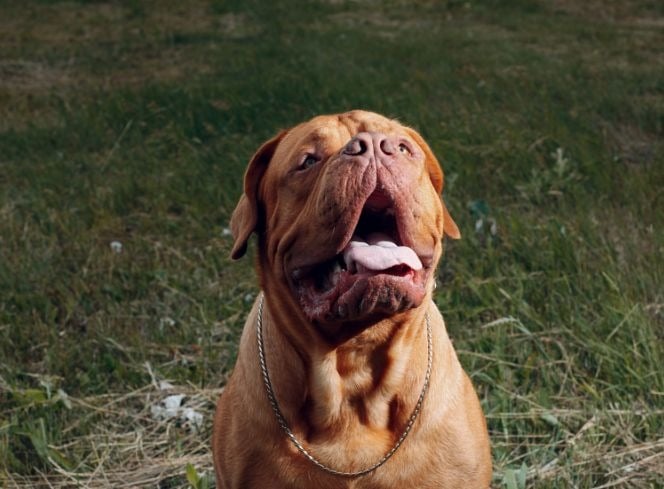
If you're considering bringing a Dogue De Bordeaux into your family or you're already a proud owner of this majestic breed, you're in for a treat! Known for their impressive size, gentle demeanour, and loyalty, Dogue De Bordeaux, also referred to as French Mastiffs, are captivating companions that leave an indelible mark on the hearts of those who welcome them into their homes. In this comprehensive guide, we'll delve into everything you need to know about Dogue De Bordeaux, from their personality and health issues to training tips and grooming essentials.
Dogue De Bordeaux Facts and Information
Dogue De Bordeaux Fact File
Kennel Club Breed Group
Working
Size
Large
Weight
45-68 kg
Daily Exercise
1+ hours a day
Coat Type
Short and smooth
Coat colours
Fawn, Isabella, Mahogany, Red, Red & White, Red With Black Mask, Red With Brown Mask and Tan
Lifespan
10+ years
Origin and History
Originating from France, the Dogue De Bordeaux has a rich history dating back centuries. These dogs were once employed as guardians of castles, estates, and livestock, showcasing their innate protective instincts and unwavering loyalty to their families.
Physical Appearance
Dogue De Bordeaux is characterised by its robust and muscular build, with a distinctive wrinkled face and a powerful jaw. Their short coat comes in various shades of fawn, ranging from light to dark, with occasional white markings on the chest and toes.
Dogue De Bordeaux Personality and Traits
Temperament
Known for their gentle disposition and affectionate nature, Dogue De Bordeaux are devoted family companions. Despite their imposing size, they are remarkably gentle with children and possess a calm demeanour, making them excellent family pets.
Loyalty and Protective Instincts
Dogue De Bordeaux are fiercely loyal to their families and possess a natural instinct to protect their loved ones. While they may appear aloof with strangers, they form deep bonds with their owners and demonstrate unwavering devotion.
Gentle Giants
Despite their intimidating appearance, Dogue De Bordeaux are affectionately referred to as "gentle giants" due to their loving and docile nature. They thrive on human companionship and enjoy being an integral part of the family unit.
Dogue De Bordeaux Health Issues
Common Health Concerns
Like all breeds, Dogue De Bordeaux may be prone to certain health issues, including hip dysplasia, elbow dysplasia, heart problems, and respiratory issues due to their brachycephalic (short-nosed) anatomy. Responsible breeding and regular veterinary care are essential to ensure their well-being.
Weight Management
Due to their large size, Dogue De Bordeaux are susceptible to obesity, which can exacerbate existing health conditions and impact their overall quality of life. Maintaining a balanced diet and providing regular exercise are crucial in preventing weight-related issues.
Veterinary Care
Regular veterinary check-ups, vaccinations, and preventive care measures are vital for maintaining your Dogue De Bordeaux's health and detecting any potential issues early on.
Raising a Dogue De Bordeaux
Puppyhood
When bringing home a Dogue De Bordeaux puppy, it's essential to create a nurturing and structured environment to promote their physical and emotional development. Socialisation, positive reinforcement, and establishing routines are key aspects of raising a well-adjusted puppy.
Crate Training
Introducing crate training early on can help provide your Dogue De Bordeaux with a safe and comfortable space of their own while aiding in housebreaking and preventing destructive behaviours. If you’re wanting to crate train your Dogue De Bordeaux, our Crate training guide has all of our Pet Experts top tips and tricks for making it as smooth as possible!
Obedience Training
Consistent and positive reinforcement-based obedience training is essential for fostering good behaviour and strengthening the bond between you and your Dogue De Bordeaux. Patience, consistency, and gentle guidance are key principles in effective training.
Exercise Needs
While Dogue De Bordeaux enjoy leisurely strolls and lounging indoors, they also require regular exercise to maintain their physical health and mental well-being. Aim for daily walks and engaging play sessions to fulfil their exercise requirements. Shop our walking accessories here.
Dietary Needs
Nutrition
Providing a balanced and nutritious diet is crucial for supporting your Dogue De Bordeaux's overall health and vitality. Opt for high-quality dog food formulated for large breeds and consult with your veterinarian to determine the appropriate feeding regimen for your pet's age and activity level. Some high quality brands to explore are Carnilove, Orijen and Acana, all three brands are rich in protein content and have specific large breed formulations to support your Dogue De Bordeaux at every stage of life from puppy to adult to senior.
Feeding Schedule
Establishing a consistent feeding schedule helps regulate your Dogue De Bordeaux's appetite and prevents overeating. Divide their daily food portions into multiple meals to aid in digestion and prevent bloating, a common concern in deep-chested breeds.
Grooming Tips
Coat Care
Dogue De Bordeaux have a short coat that requires minimal grooming. Regular brushing helps remove loose hair and prevents matting, particularly during seasonal shedding periods.
Bathing
Dogue De Bordeaux’s are prone to skin irritation so we recommend using a sensitive formulation of shampoo when bathing them. PetPlex Derma doctor has been formulated specifically for dogs with sensitive skin, its fragrance, silicone and paraben free and full of mild ingredients so is great for sensitive puppies.
Facial Wrinkles
Pay special attention to the facial wrinkles characteristic of the breed, as they can trap moisture and debris, leading to skin irritation and infections. Gently clean the wrinkles with a damp cloth or wipe and ensure thorough drying to prevent moisture buildup.
Nail Trimming and Dental Care
Regular nail trims and dental care are essential aspects of your Dogue De Bordeaux's grooming routine. Trim nails as needed to prevent overgrowth and discomfort, and incorporate regular brushing and dental treats to maintain oral health.
Best Beds For Dogue De Bordeaux
Invest in a spacious and durable dog bed that accommodates your Dogue De Bordeaux's size and provides ample support for their joints and muscles. Opt for orthopaedic or memory foam beds to alleviate pressure points and promote restful sleep. All of our beds have a deep hollow fibre filling so are super supportive for your Dogue De Bordeaux’s joints, our Rhino tough range is a great choice for your Dogue De Bordeaux!
Best Toys For Dogue De Bordeaux
Choose sturdy and interactive toys that cater to your Dogue De Bordeaux's size and strength. Look for toys made from durable materials such as rubber or nylon that can withstand vigorous chewing and play sessions. Shop our durable toys here.
Conclusion
In conclusion, Dogue De Bordeaux are remarkable companions cherished for their gentle demeanour, unwavering loyalty, and distinctive appearance. By understanding their unique needs and providing them with love, care, and proper training, you can cultivate a fulfilling and harmonious relationship with your beloved French Mastiff. Remember, your Dogue De Bordeaux is more than just a pet – they are a cherished member of the family deserving of the best care and companionship.
Whether you're considering adding a Dogue De Bordeaux to your family or already have one by your side, embrace the journey of companionship and revel in the joy of sharing your life with these magnificent creatures. With patience, dedication, and a whole lot of love, your Dogue De Bordeaux will undoubtedly enrich your life in ways you never imagined. Shop our handpicked collection for Dogue De Bordeaux’s here.
If you're considering adding a Red Setter to your family or already have one, congratulations! Red Setters, also known as Irish Setters, are beautiful and energetic dogs known for their stunning red coats and friendly dispositions. In this comprehensive guide, we'll delve into all aspects of Red Setter ownership, from their personality and traits to health concerns, training tips, dietary needs, grooming essentials, and more.
Red Setter Facts and Information
Red Setters originated in Ireland, where they were selectively bred for their hunting abilities and striking appearance. They are descendants of various land spaniels and setters, with the breed's modern characteristics refined over centuries of breeding. Red Setters are known for their elegant and athletic build, with a graceful yet powerful presence. They possess a keen sense of smell and exceptional hunting instincts, making them valuable companions for bird hunters and outdoor enthusiasts. Red Setters are also cherished for their affectionate and friendly nature, forming strong bonds with their families and enjoying companionship and attention.
Red Setter Fact File
Kennel Club Breed Group
Gundogs
Size
Large
Daily Exercise
2+ hours a day
Coat Type
Medium length, flat and wavy
Coat Colours
Red
Lifespan
10+ years
Red Setter Personality and Traits
One of the most endearing qualities of Red Setters is their affectionate and outgoing nature. They are known for being friendly, playful, and highly sociable dogs, making them excellent companions for families and individuals alike. Red Setters thrive on human interaction and are generally good with children and other pets when properly socialised. Their energetic disposition means they enjoy plenty of physical and mental stimulation. Red Setters have a keen sense of smell and love to explore, making them excellent candidates for activities like hiking, jogging, and agility training.
Red Setter Health Issues
Like all breeds, Red Setters may be prone to certain health issues, including:
Hip Dysplasia
Progressive Retinal Atrophy (PRA)
Hypothyroidism
Canine Leukocyte Adhesion Deficiency (CLAD)
Regular veterinary check-ups and a healthy lifestyle can help mitigate the risk of these conditions. Responsible breeding practices can also play a significant role in reducing the incidence of genetic health problems.
Raising a Red Setter
Raising a Red Setter requires patience, consistency, and dedication. Early socialisation and training are crucial to ensuring they develop into well-behaved and balanced adults. Positive reinforcement techniques work best with Red Setters, as they respond well to praise and rewards.
Red Setter Training
Training a Red Setter requires a firm yet gentle approach. These intelligent dogs thrive on mental stimulation and enjoy learning new commands and tricks. Positive reinforcement training, such as treats and praise, is really effective when training your Red Setter.
Red Setter Puppy Training Tips
When training a Red Setter puppy, start with short, frequent sessions to keep their attention and prevent boredom. Use positive reinforcement techniques and be patient as your puppy learns. Consistency is key, so be sure to enforce rules and boundaries consistently.
Crate Training a Red Setter Puppy
Crate training can be a valuable tool for both housebreaking and providing your puppy with a safe space of their own. Choose a crate that is appropriately sized for your Red Setter, with enough room for them to stand up, turn around, and lie down comfortably; we recommend an XXL size in our deluxe dog crates for Red Setters.
For a Red Setter puppy we recommend using one of our Cosy & Calming puppy crate beds, they fill half of the crate so are perfect for crate training and are designed to cocoon your puppy to sleep. If you’re looking to crate train your Red Setter puppy our ‘Complete Crate Training Guide’ has been written by our Pet Experts and contains all of their tips, tricks and advice on how to successfully crate train your puppy - read it here.
Best Bed for a Red Setter
When selecting a bed for your Red Setter, opt for a durable and comfortable option that provides adequate support for their joints. Look for beds with orthopaedic foam or memory foam to cushion pressure points and promote restful sleep, our Twill orthopaedic mattresses are a perfect choice for a supportive bed. Alternatively our Rhino tough range is a great choice if your Red Setter is a chewer, they are made from a durable faux leather and are chew and scratch resistant.
How Much Exercise Does a Red Setter Need?
Red Setters are a high-energy breed that requires plenty of exercise to stay happy and healthy. Aim for at least an hour, if not 2, of vigorous activity each day, which can include walks, runs, playtime, and interactive toys to keep them mentally stimulated.
Best Walking Accessories for a Red Setter
Invest in high-quality walking accessories such as a sturdy lead, harness, and collar. For Red Setters we’d recommend picking a durable material such as leather for their collar and lead, our padded leather collars and leads are a great choice as they are handcrafted using the finest Italian leather so are great quality.
Best Food For Red Setters
A balanced diet is essential for maintaining your Red Setter's overall health and well-being. Choose a premium-quality dog food formulated for large dogs that is rich in high-quality protein, as well as essential vitamins and minerals. For both adults and puppies we recommend looking at the following brands: Carnilove, Orijen and Acana, all three brands are really high quality with good ingredients, and they all have both puppy ands adult formulations specifically designed for large dogs.
Best Toys for Red Setters
Red Setters are active and playful dogs that enjoy a variety of toys to keep them entertained. Choose durable toys that are suitable for chewing, fetching, and interactive play. Puzzle toys and treat-dispensing toys are excellent options to challenge their problem-solving skills and provide mental stimulation. To appeal to their hunting nature we recommend looking at the Nerf range of interactive dog toys, from the Trackshot launcher duck to the tennis ball launchers, the Nerf toys will appeal to their retrieving instincts.
Red Setter Grooming Tips and Best Grooming Products
Regular grooming is essential for maintaining your Red Setter's coat and skin health. Brush their coat at least once a week to remove loose hair and prevent matting. Use a slicker brush or grooming mitt to gently remove tangles and distribute natural oils throughout the coat.
Invest in high-quality grooming products such as shampoo, conditioner, and grooming tools designed specifically for long-haired breeds like Red Setters. The Bugalugs all in 1 shed control shampoo is perfect for Reed Setters, the formula cleans, soothes and nourishes, reducing shedding with essential oils such as aloe vera, wheat proteins and oat kernel oil.
Be sure to check their ears regularly for signs of infection and trim their nails as needed to prevent overgrowth and discomfort.
In conclusion, Red Setters are wonderful companions known for their beauty, intelligence, and loving nature. By providing proper care, training, and attention to their needs, you can enjoy a fulfilling and rewarding relationship with your Red Setter for years to come.
Remember, each Red Setter is unique, so take the time to understand your dog's individual personality and preferences. With love, patience, and commitment, you'll be rewarded with a loyal and devoted companion for life. To shop the best picks for your Red Setters check out our Red Setter collection - we’ve hand selected the best products specifically for them.



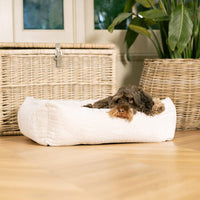


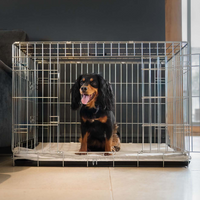
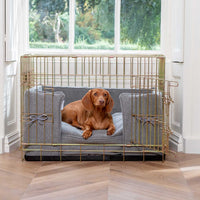
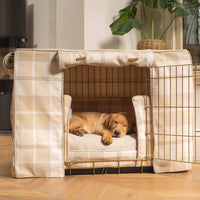


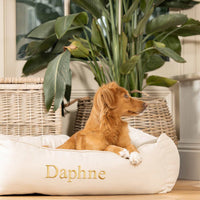
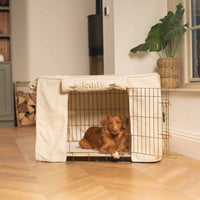
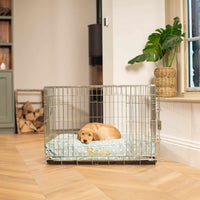


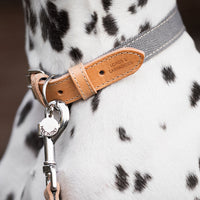
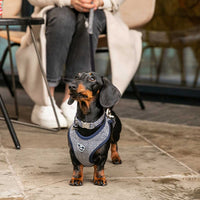
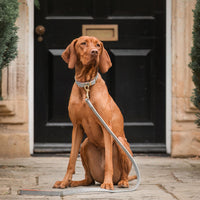


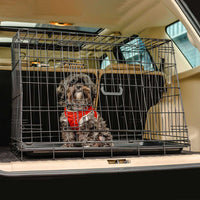
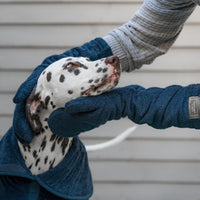
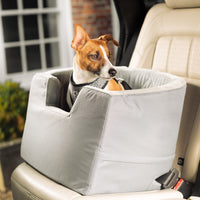


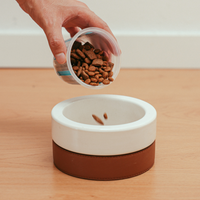
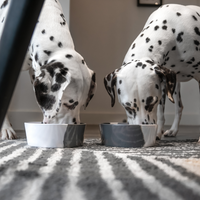



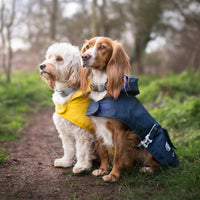
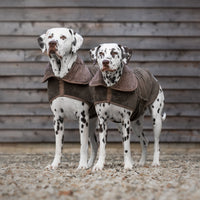


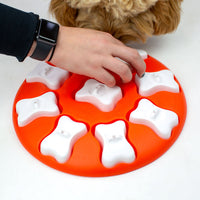



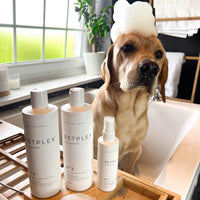


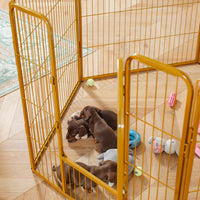


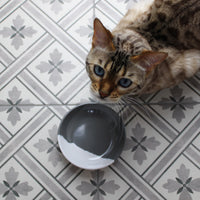


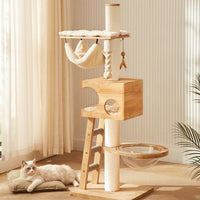
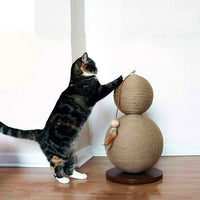


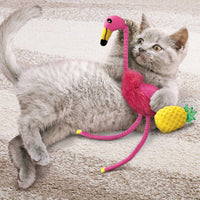


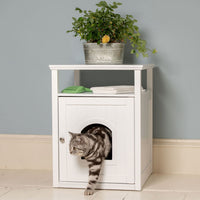
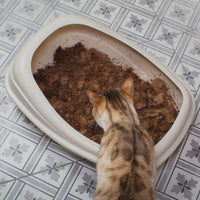



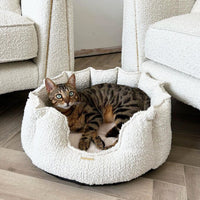
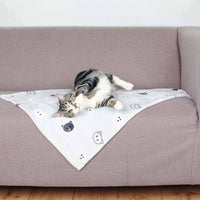
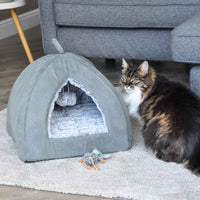



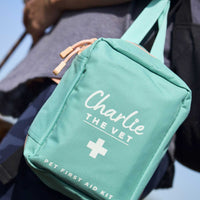


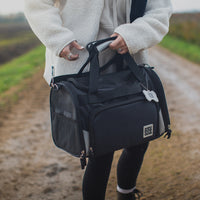

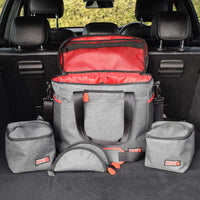




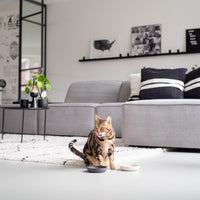


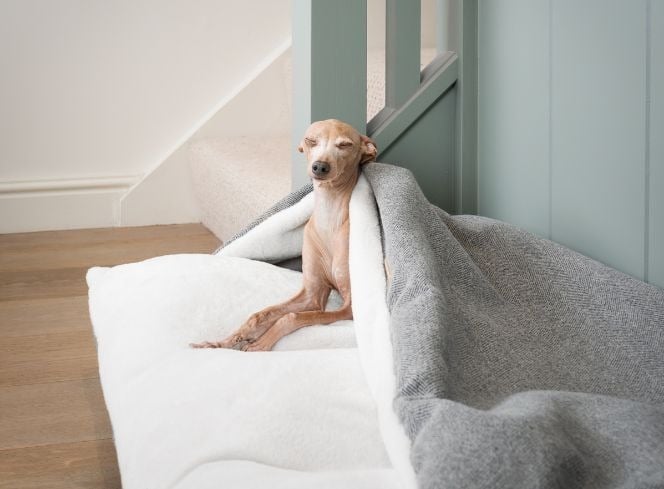
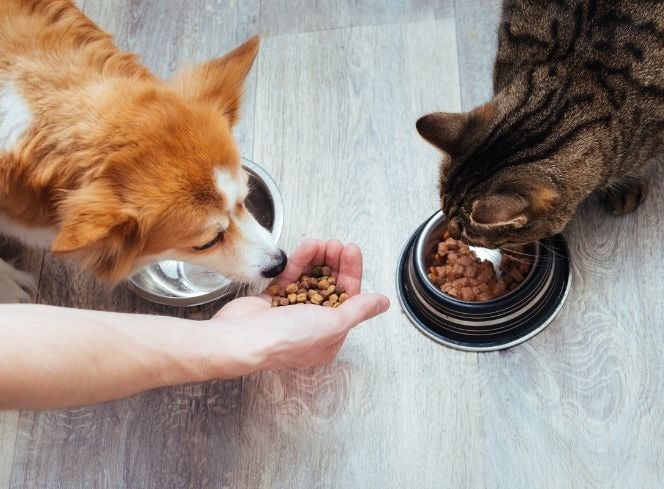
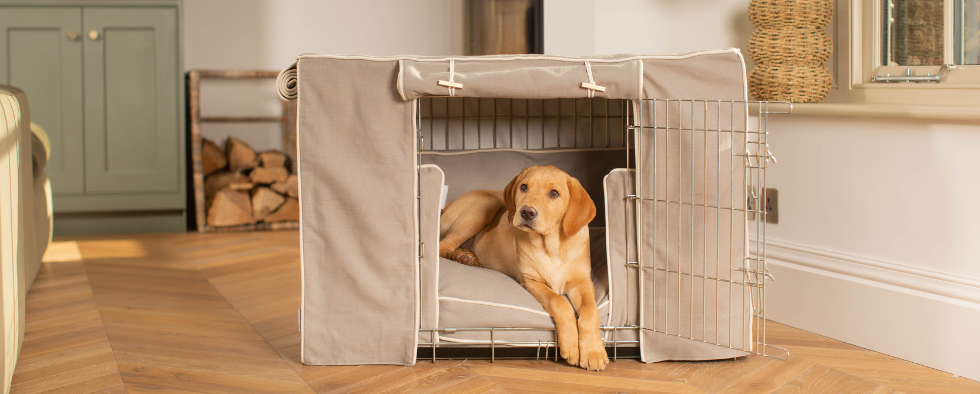
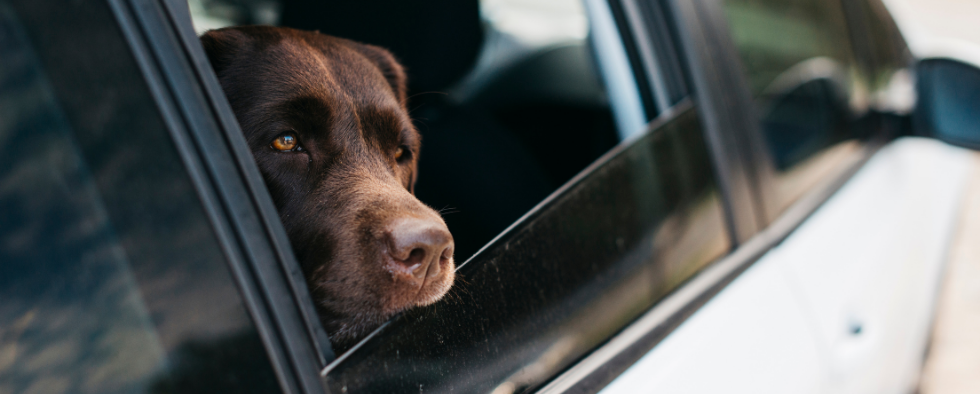
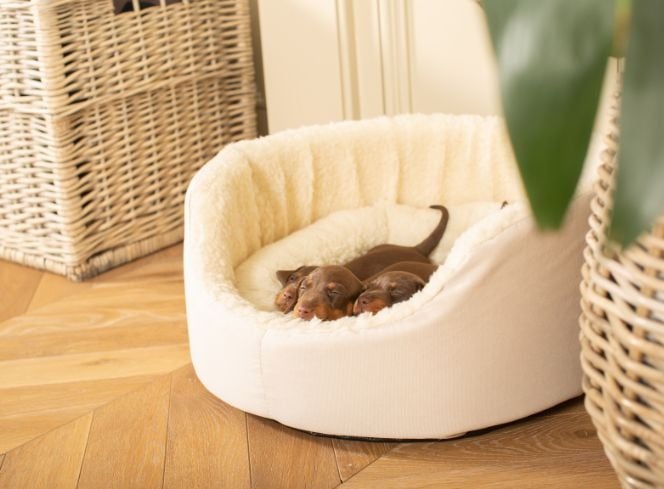

.jpg?v=1717592589808&options=)