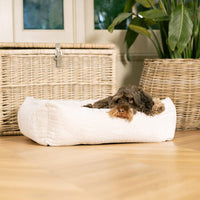
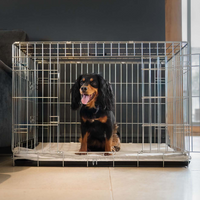
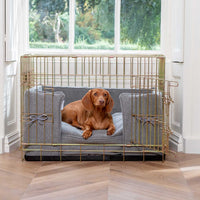
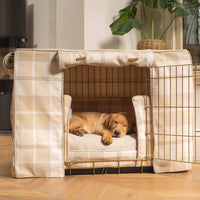
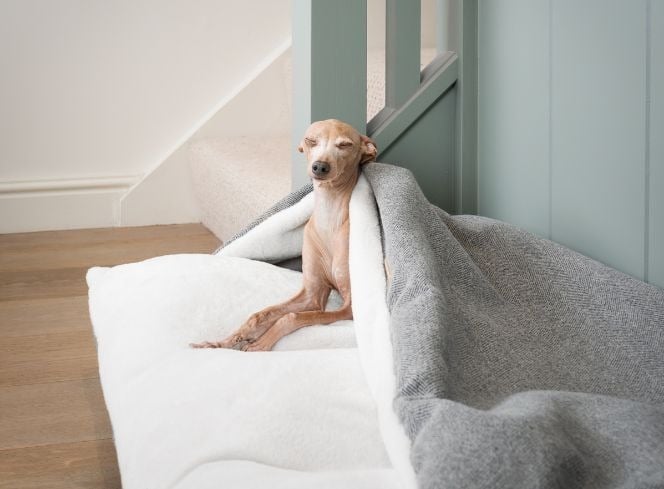
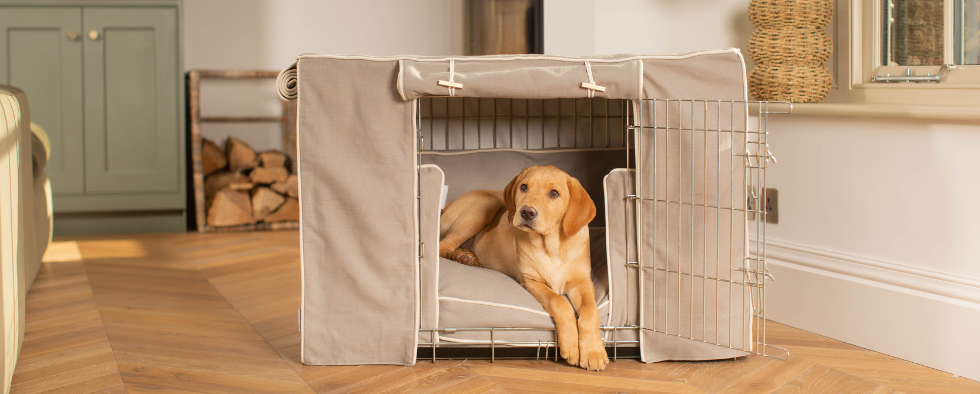
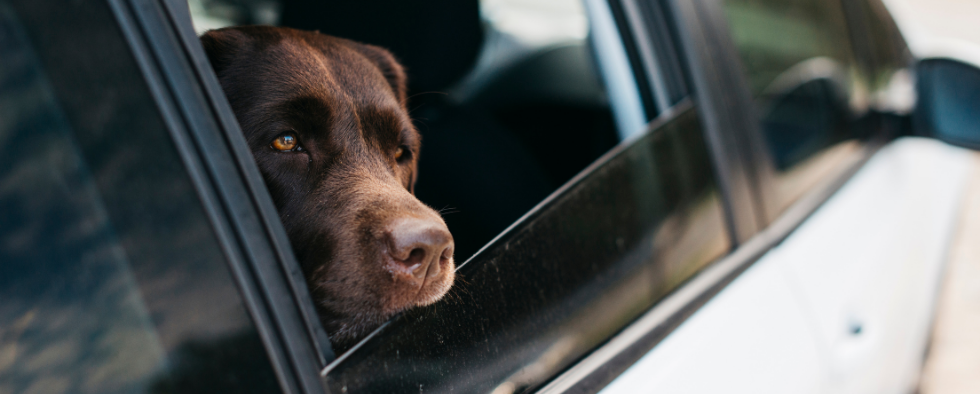
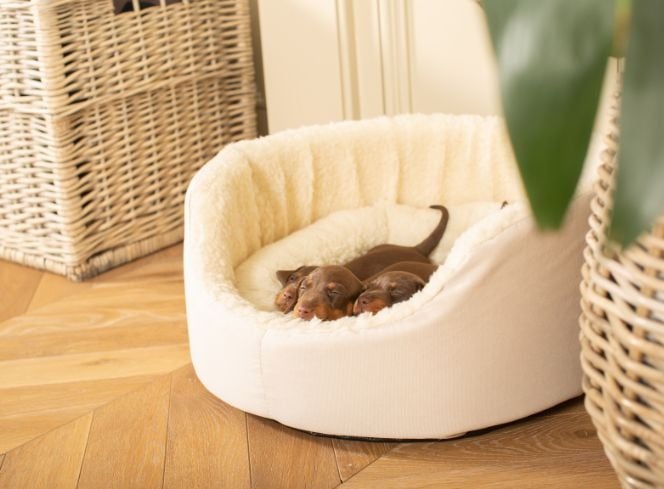
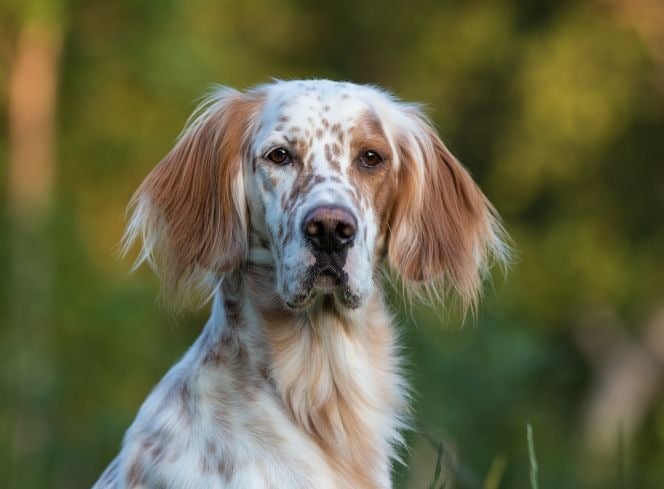
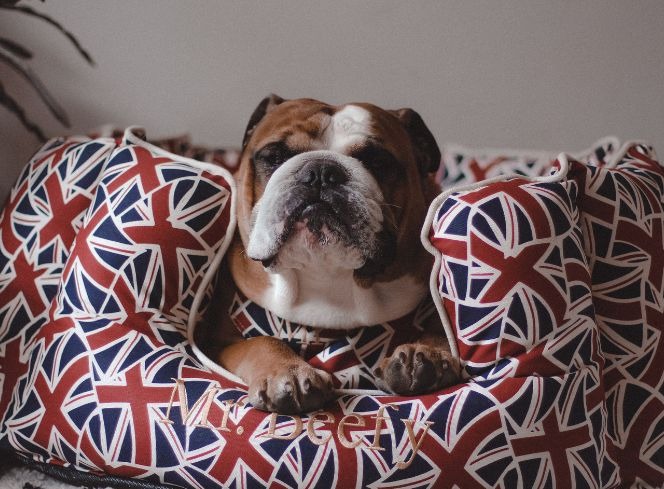
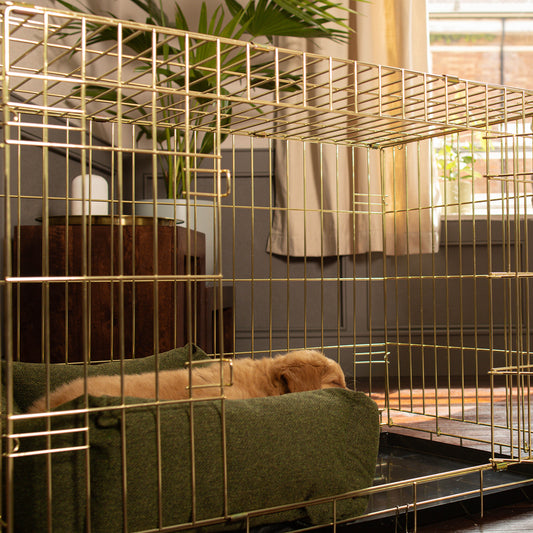
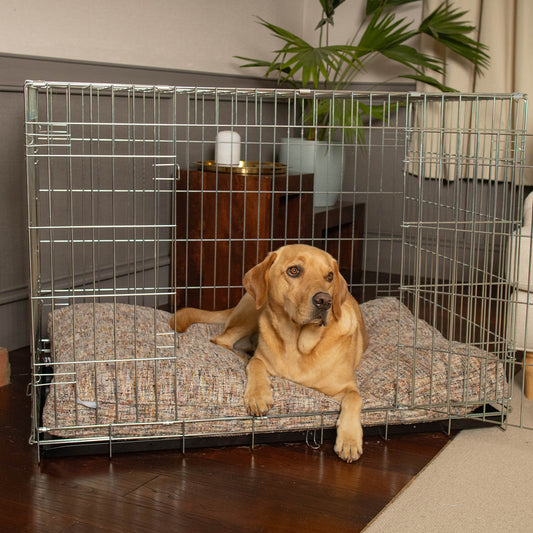
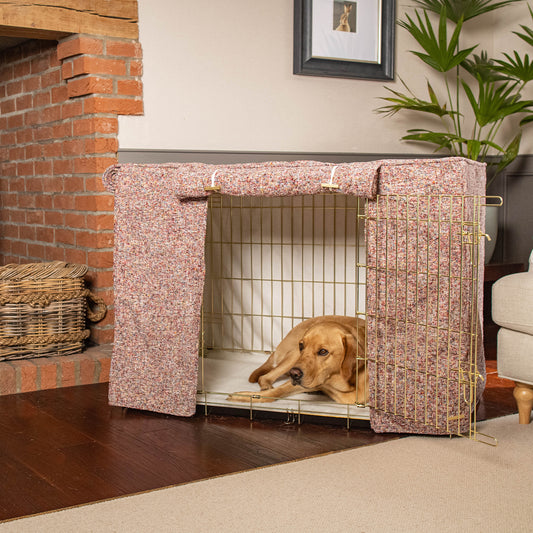
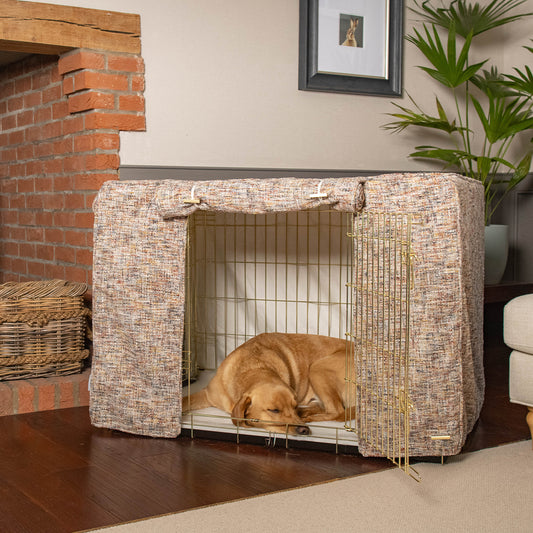
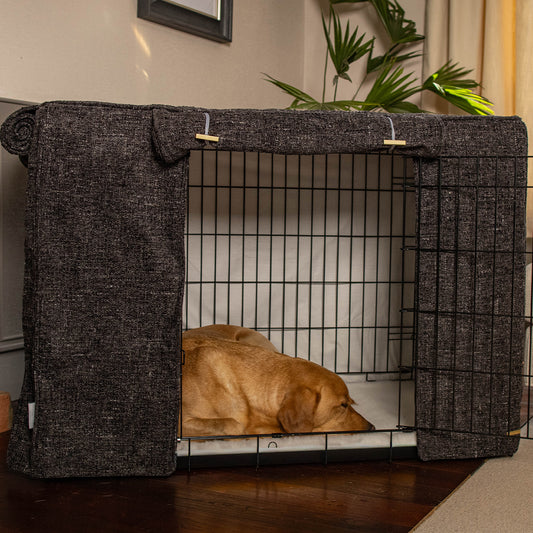
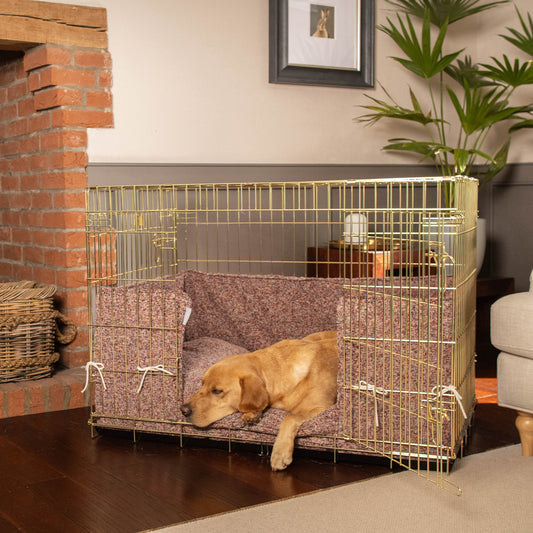
Did you know dogs spend 12 to 14 hours a day sleeping? That's a lot of time in bed so it's no surprise that their bed might be looking a little worse for wear. Dogs are creatures of comfort so making sure they have a a clean and supportive bed is essential for their overall well-being. In this guide, our Pet Experts explore the signs that indicate it's time to change your dog's bed and share expert tips on how to care for your canine's cherished sleeping spot.
How Often Should You Replace Your Dog’s Bed?
Determining how often to replace your dog's bed depends on several factors including the quality of the bed, your dog's size and activity level, and any specific health considerations. As a general guideline, it's advisable to replace your dog's bed every 1 to 3 years, or sooner if signs of wear and tear become noticeable.
Signs It's Time to Change Your Dog's Bed:
Visible Wear and Tear: Over time, your dog's bed may start showing signs of wear and tear, such as flattened cushions, lumps, or torn fabric. If you notice any significant damage, it's a clear indication that it's time to consider a replacement.
Lingering Odours: Despite regular cleaning, dog beds can accumulate odours over time, especially if your furry friend enjoys outdoor adventures or has accidents indoors. Lingering smells that persist even after washing could signal the need for a new bed.
Loss of Support: Just like humans, dogs require proper support for their joints and muscles, especially as they age or if they have existing health conditions. If your dog's bed no longer provides adequate support or has become too soft, it's time to invest in a new one to ensure their comfort and well-being. It might be worth investing in an orthopaedic dog bed if your dog’s breed is prone to joint issues.
Allergies and Skin Irritations: Dogs can develop allergies or skin irritations from prolonged exposure to dust mites, pet dander, or other allergens that accumulate in their beds over time. If you notice your dog scratching more than usual or experiencing skin issues, a new bed with hypoallergenic materials may offer relief.
Preference for Alternative Sleeping Spots: Dogs are creatures of habit, and if you notice your furry friend opting for alternative sleeping spots around the house instead of their bed, it could indicate that they're no longer comfortable or satisfied with their current sleeping arrangements. It’s worth looking at how your dog likes to sleep so you can get the best bed shape to suit their sleeping style, our Information Hub has a guide on how to choose the perfect dog bed for your dog.
Top Ways to Care for Your Dog's Bed:
Regular Washing: Establish a routine for washing your dog's bed to remove dirt, hair, and odour-causing bacteria. Most of our Lords & Labradors dog beds are machine washable, we have a handy guide on how to wash your dog’s bed here.
Use a Removable Cover: Opt for dog beds with removable, machine-washable covers for easy cleaning. Having a spare cover on hand allows you to swap them out while one is being laundered, ensuring your pup always has a fresh and clean place to sleep. We also sell bamboo bed covers which are great for popping over your dog’s bed to help keep them clean especially after a muddy dog walk, they will act as an additional layer of defence against moisture and stains, extending the life of the bed!
Vacuum and Spot Clean: In between washings, use a handheld vacuum or lint roller to remove hair and debris from the surface of the bed. Spot clean any stains or spills promptly to prevent them from setting into the fabric.
Rotate and Fluff: Just like flipping a mattress, periodically rotate your dog's bed to distribute wear evenly and prevent premature sagging. Fluffing the bed's filling helps maintain its loft and support over time.
Sun and Air Dry: On sunny days, take advantage of natural sunlight by airing out your dog's bed outdoors. Sunlight helps eliminate odours and kills bacteria, leaving the bed feeling fresh and revitalised.
Inspect Regularly: Take time to inspect your dog's bed for any signs of damage, loose seams, or worn-out stuffing. Promptly address any issues to prevent further deterioration and ensure your pup's safety and comfort.
By recognising the signs that it's time to change your dog's bed and implementing proper care and maintenance techniques, you can provide your furry friend with a clean, comfortable, and supportive sleeping environment. Remember, a happy and well-rested pup makes for a happier pet parent too!
If you’re looking to upgrade your dog’s bed why not check out our collection of luxury dog beds? Bedding is our speciality, we design and craft all of our bedding here in our Lincolnshire workshop so you can be sure your dog will be getting the best sleep possible in one of our luxury dog beds.
The Importance Of Correct Nutrition For Dogs And Cats!
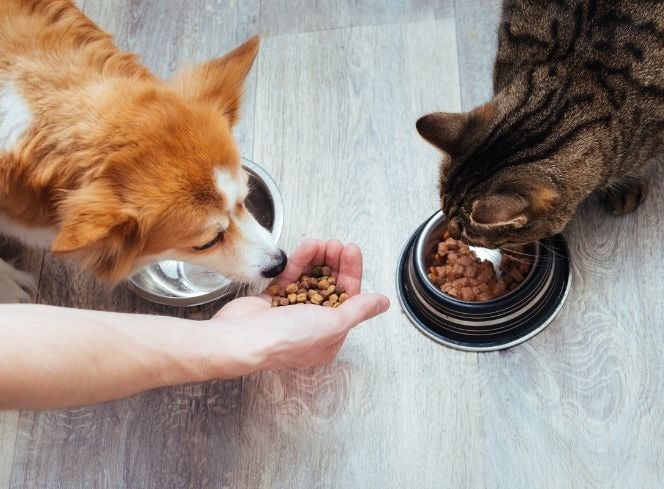
Ensuring optimal nutrition for our beloved pets is paramount for their overall health and well-being. As responsible pet owners, it is crucial to understand the significance of providing nutritionally complete and balanced meals to our furry friends. In this comprehensive guide, we will delve into the world of dog and cat nutrition, exploring the importance of the right food choices, nutritionally complete homemade recipes, and the best commercial options available.
Understanding Dog and Cat Nutrition
Your pet's nutrition plays a pivotal role in their vitality and longevity. Just like humans, dogs and cats require a balanced diet that fulfils their specific dietary needs. A well-rounded diet supports their immune system, maintains a healthy weight, and promotes optimal organ function. Pet food ranges from being more processed to being raw and rich in natural ingredients, finding the right fit for your pet is important!
Dog Food Nutrition
Choosing the right dog food is a key aspect of canine care. With an abundance of options available, it's essential to prioritise nutritionally complete choices. To make an informed decision, consider using a dog food nutrition calculator and comparing different products. Look for the best nutritional dog food that meets your pet's unique requirements, taking into account factors such as breed, size, and age. Our favourite nutritionally rich dog foods are Orijen, Carnilove and Acana, they are all designed with your dogs nutrition in mind.
Dog Nutrition Facts and Guide
Understanding dog nutrition facts is imperative for providing the best care. Refer to a dog food nutrition guide to navigate through the plethora of choices available in the market. Learn about your dog's daily nutritional requirements and make informed decisions that contribute to their overall health and happiness.
Cat Food Nutrition
Cats, being obligate carnivores, have unique nutritional requirements. The best cat food for nutrition considers their need for high-quality protein and essential nutrients. Explore dry cat food nutrition labels to ensure your feline friend receives a balanced diet that supports their specific dietary needs. For a cat food which is high in protein and great for fussy felines we love Carnilove, they all have at least 80% wild origin meat content and contain No grains, potatoes, GMO, soy, sugar, preservatives or colourants.
Daily Nutritional Requirements for Cats
Cats require a carefully balanced diet to thrive. Knowing the daily nutritional requirements for cats is essential for choosing the right cat food. Consult with your vet to understand the specific needs of your cat, such as the importance of taurine and other essential nutrients crucial for their health.
In conclusion, the importance of correct nutrition for dogs and cats cannot be overstated. Whether choosing commercial options or crafting homemade recipes, prioritising nutritionally complete meals is key to ensuring your pet's health and happiness. Stay informed about dog and cat nutrition, consult with professionals, and make choices that align with your pet's unique requirements. By providing the best nutritional dog food or cat food, you contribute to a longer, healthier life for your furry companions. Here at Lords & Labradors we have a large range of both cat and dog food so you can pick the best option for you and your pet
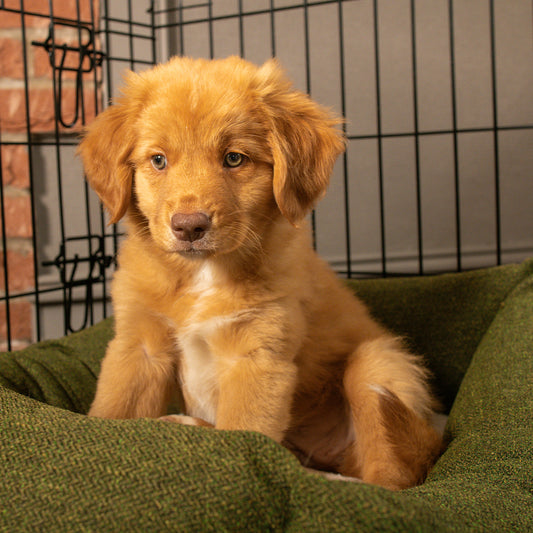
Crate training is an important part of settling in a new puppy. A crate provides a safe, quiet space for your pup and will help them to get used to their nighttime routine and with toilet training. A dog crate can be made into a cosy den that will be loved by your new four-legged friend for a lifetime. In this article we will explain the best crate set-up for puppies, how to change the set-up as they grow up and also how to look after your crate and crate bedding.
How To Make The Perfect Crate Set-Up For A Puppy
Crate training your puppy will have lots of advantages, helping them to settle and feel safe in their home as well getting them into a consistent bedtime routine. The perfect crate for a puppy will feel safe, warm and cosy. It’s important that it’s inviting so that they feel compelled to use it.
With this in mind we’d suggest the following items:
Crate Cover
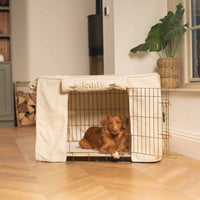
[product]Crates in their basic form can be rather draughty and a little bit unsightly! A crate cover will not only make the crate look stylish, but it will make the crate feel cosy inside. Our crate covers feature roll down doors which can be lowered when it’s time for bed. Puppy will soon learn when they should be sleeping (doors rolled down) and when it’s time to get up (doors rolled up). Our crate covers come in a range of fabrics which have been designed to match your home and they're all machine washable, making them brilliant for puppies!
Cosy & Calming Puppy Crate Bed
[product]
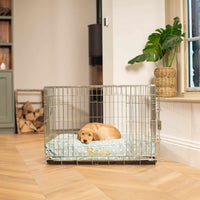
Our cosy and calming beds have been designed with crate training in mind. Each size is made to fill exactly one half of the corresponding crate size. So if you have a small crate for a Chihuahua for example, the small bed will fit in exactly one half of the crate. This then leaves room for a puppy pad in the other half along with a bowl for water. They come in a range of our printed cotton fabrics and feature a reversible cushion pad inside - one side covered in super plush sherpa!
Puppy Pads
Whilst we don’t want to encourage puppies to pee in the crate, it’s also important to note that they can’t hold themselves for very long at all. Whilst you will be able to take them outside at regular intervals during the day, this may not be the case at night. When you put them to bed, putting a puppy pad in one half of the crate will help to stop any accidents from dirtying their bed or crate tray.
Crate Bowls
Puppies will need access to water at all times and a crate bowl is a brilliant accessory as it can be fastened to the crate walls. This will ensure it doesn’t get tipped over or knocked like a standard bowl might.
The Perfect Crate Set-Up For An Adult Dog
As your dog becomes toilet trained and they begin to need the full space of the crate for their bed, you will need to consider swapping out the puppy accessories for their proper adult bed. At Lords & Labradors we specialise in crate bedding that will make your dog’s den look stunning as well as super comfortable inside.
Crate Cushion
Our crate cushions are designed to fit our crates perfectly. They come in a range of fabulous fabric designs from luxurious tweeds to printed cottons. There really is something to suit every taste and home.
Crate Bumper
Crate walls aren’t the most comfortable things to snuggle up to, and if your dog likes to curl in the corner of their bed, they will need something other than metal bars! That’s where our fabulous bumpers come in. They sit around the edge of the crate cushion and create a spongey layer of warmth around the walls. Perfect for snuggling up in the corner when nap time calls!
Crate Cover
Our crate covers are perfect for setting a routine with your dog, when the doors are rolled down it will signal to them it's time to sleep. Our crate covers are fully lined to help keep light out and come in matching fabrics to our bumpers and cushions to you can be sure crate will look stylish!
Crate Set Aftercare and How To Clean A Crate
With a little love and care your crate set will last a long time. Here we detail how to look after your crate set:
The Crate - The crate is made of sturdy metal and is really easy to keep clean. Our crates are easy to wipe clean and the tray is removable so you can get into the corners properly. It’s really important to make sure the crate is completely dry before setting back up and allowing your pet back in, we recommend drying your crate to avoid any rusting.
Lords & Labradors Cushion & Bumper Covers - For our bedding from our core collection you will be able to remove the covers on the cushions and bumpers. Turn the cover inside out and machine wash on a 20 degree gentle cycle. Allow the covers to air dry (do not tumble dry). Once dry return the inner cushion to the cover.
Essentials Plush Collection Bumpers & Cushions - Our bumpers and cushions from the Essentials Plush Collection don't have removable covers, we recommend spot washing your essentials plush bumpers and cushions.
Lords & Labradors Crate Covers - Our crate covers are all machine washable on a 20 degree gentle cycle, apart from our oil cloth crate covers. After washing, we recommend air drying your crate cover over your crate to help keep it in shape and to make sure it doesn't shrink. A cool iron on the reverse of the cotton fabrics is fine if necessary, but often they won’t even need that. Our tweeds and Savanna fabrics are super fast drying and they will come out of the spin almost dry. Just give them an air and they’ll be ready to use again in no time at all!
Cushion and bumper inners - The cushion and bumper inners are protected by waterproof interlinings, so won’t need washing. This will preserve the inner fillings. The waterproof liners are wipe clean. If they become soiled, simply wipe down with a mild pet-safe detergent and they’ll be as good as new again.
Cosy and Calm Puppy Bed - Our puppy beds are fully machine washable. You can put the whole bed in the machine and wash on a 20° cycle. When removed, simply shake and plump the cushion back into shape and leave to air dry.
Follow these simple steps and your crate sets will last and look stunning for years to come!
We’re getting to that time of year again where we’re travelling more with our pets to the beach, staycations and even trips to a different location for a long walk. No matter how long the journey - even if it’s a trip to the local vets - you should ensure your dog is properly restrained and safe to travel. Here in the UK it’s the law when travelling by car your dog needs to be restrained. In this blog, we breakdown how to travel safely with your pet.
What Is The Law With Dogs In Cars?
The Highway Code states in their Rules about Animals, when in a vehicle, dogs are to be suitably restrained so they cannot distract you while you’re driving or injure you, or themselves, if you should need to stop quickly. If you were in an accident caused by your dog distracting you whilst you were driving, this could be considered as ‘dangerous driving’. It’s also good to check your insurance policy, as car insurance providers may require you to restrain your pet.
Is It The Law To Restrain A Dog In A Car?
It is the law to restrain your dog when travelling in your car. So as fun as it is for your pooch to sit with their head out of the window, they must be suitably restrained so they cannot distract you and potentially hurt either you or themselves. When it comes to where your dog should be when travelling, although there are no laws against your dog travelling in the footwell of the car, unfortunately they would not be properly restrained and if you did have an accident, you may be prosecuted for ‘dangerous driving’.
When choosing where your dog should be properly restrained, no matter what method you choose, your dog should not sit in the front seat - securing them in the boot or back seat behind a front seat is considered a safer option.
How To Secure A Dog In The Car
There are many safety products you can choose from, which can help with travelling safely in the car. It’s most important you choose a solution that’s suitable and comfortable for your pooch, and it has been installed and executed correctly to ensure the safety of your pet. Here at Lords & Labradors, we’d recommend the following for safe travel.
Dog Carriers
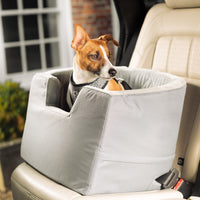
Our pet carriers come in different sizes and weights which will vary for the suitability for you and your dog. It’s a lighter option to our metal crates and are easily packed away if you’re staying away from home. Carriers are great when travelling by car and when taking your dog from the car into a safe place to let them out and stretch their legs. They keep your pooch safe and settled whilst travelling.
Travel Harnesses
Our pet-friendly harnesses come in a variety of sizes, suitable to your dogs breed and size. Travel harnesses are easy to fit onto your dog and it’s quick to clip them into place. They’re specially designed to prevent your dog from moving around whilst in the car, all whilst keeping your pet safe and comfortably restrained.
Travel Crates
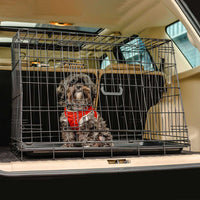
Crating your dog keeps them safe & secure - using a crate to transport your pet has the added benefit if they’re already used to being crated at home. If your dog is used to being crated, often when travelling they’ll feel safer and their surroundings will reduce any anxiety your dog may have around travelling.
How Long Can A Dog Travel In A Car
Being stuck in the car can be hard for your dog! Not only will your dog need regular toilet breaks, they’ll also need to stretch their legs and get some of their energy out. When stopping for your dog to toilet and stretch their legs, you could also give them some food and water to avoid any spillages whilst travelling. Ideally you should try to keep to your dogs routine where possible (even when travelling) - every 2 to 4 hours for about 15 to 30 minutes is a good guide to follow, however you’ll know what is best for your dog and how they travel. If you’re planning a lengthy trip, try to go on few shorter journeys to see how your dog is likely to react.
You may be preparing for the all important ‘Gotcha Day’, the day celebrated by all dog parents as the day you brought your pup home. Taking your puppy home for the first time is exciting, especially if you have prepared for their arrival. Puppy shopping can be so much fun, but also overwhelming if you’re a new pet parent, or if you’ve not had a puppy for a few years. There will be some things you do need to buy for necessity and some things that are worth buying for your new pup. Here at Lords & Labradors we’ve put together the 10 puppy essentials you’ll need to get your new puppy settled.
Our Top 10 Items To Buy For Your New Puppy
1) What crate to buy?
Firstly, if you’ve decided to crate train your puppy, you’ll need a crate that will see you through from puppyhood to adulthood. You’ll need a crate the appropriate size so you can fit a puppy bed at one end and a puppy training pad the other incase they need to toilet when left in their crate. It also gives your pup enough room to stretch, play and sleep if crated during the daytime. Depending on your training methods, you may want to place the crate somewhere the puppy can be near to you, but also not directly in a high traffic area of your home. Remember the crate is your puppy’s den, so discourage any children from climbing inside.
2) Where should my puppy sleep?
We recommend a puppy bed that’s easy for your pup to get in and gives them enough support and comfort whilst they sleep. Our Cosy & Calm Puppy Box Beds have been carefully designed with your puppy in mind. The beds are super squishy and soft, and have the most comfortable sides for your pup to snuggle right into. If you have chosen to crate train your pup, our vet bed is really popular, as it’s cosy, comfortable, robust and relatively puppy proof - it’s easily washed and dried too. It can be used with or without our Cosy & Calm puppy box bed.
3) What will my new puppy eat?
It’s recommended you initially use the same food that your puppy comes home with, in order to avoid any tummy upset during their first few days with you. Once your puppy has settled, you can gradually introduce a new food to their diet. It’s good to check the food guidelines of the food you choose to feed your pup, as often they’ll give you the correct guidelines on how to introduce the new food to your pup.
Make sure you have a clean bowl for water and a clean bowl for food, you can opt for a slanted water bowl if you have a spaniel breed to reduce your dogs ears from getting soaked in their water.
4) Puppy Toilet Training
Top of your list should be a reliable pack of puppy training pads, not only are they great for training your young pup, but they are invaluable when travelling (pop in the bottom of their carrier/crate to catch any travel sickness or accidental toilet trips). You can also use them to absorb muddy, wet paws after your pup has had a play in puddles!
5) How to settle my new puppy at night
When settling your new puppy at night, our heart beat sheep will be your puppy's new best friend. The heart beat sheep features a beating heart inside that mimics the beat of Mum's heart. They're designed to offer comfort and calm to new puppies who may feel nervous in their new home; they help to stop separation anxiety too. Alongside the heart beat sheep, you could pop in a heat pad under your dogs bed/cushion to keep them warm and to mimic the feeling of having siblings/mum near. Both the heat and the heart beat sheep will provide comfort for your puppy, especially whilst they are settling in and adjusting overnight.
6) How to keep your new puppy entertained
Toys will provide something to chew on for your pup, which you’ll find are essential if you want to avoid your puppy chewing on your furniture. Choose a variety of textures, styles and sizes to keep your puppy engaged and interested. You may want to keep a toy box so your pup can choose what they’d like to play with, or keep a few toys in rotation so your puppy doesn’t get bored with them.
You can also buy toys you can fill with treats or their food. If you want/need to leave your puppy - remember to build this up slowly, and don’t leave your new puppy for a long period of time - you could try freezing a peanut butter filled KONG (remember to use doggy/puppy friendly peanut butter). Freezing the toy will take them longer to work through and will give some relief to their sore teething gums and teeth.
7) Does my new puppy need a collar?
You may want to purchase your dogs collar before they arrive home with you, however it’s advised to purchase the correct size collar for your puppy, which you may have to wait until they’re here to measure them properly. It is a legal requirement to have a tag with your details on incase your puppy gets lost or strays away, but it’s advised not to add your puppy’s name to the tag.
8) How will I get my new puppy home?
Collecting your puppy to take them home is really exciting, but it’s best to be prepared. Make sure you have a suitable carrier/crate to store them in safely for the journey. It’s important your dog is restrained as it is the law to keep your puppy properly restrained whilst driving. In your carrier, you may want to pop in a blanket that smells like home and a scent blanket that smells like their mum and litter mates. It’s also good to have some puppy training pads to hand incase of any car sickness or accidental toilet trips.
9) When to start training my new puppy?
You can start with bonding and training your puppy almost straight away, get some high quality, puppy training treats (make sure to check the guidelines), and enjoy teaching them new tricks - you’ll be amazed at how quick they learn!
10) When do I start grooming my puppy?
It’s recommend that even if your pup won’t require grooming at first, you should regularly brush them to get them used to being groomed and handled. Choose a simple, soft brush and/or comb for the first couple of months. There will be a time you will need to wash your puppy, make sure you’re not using human shampoo as this will upset your puppy's PH levels and may not be compatible with your puppy flea treatment. It’s best to invest in a puppy shampoo that you can use when and if you need to bathe your puppy. We have our own puppy grooming set in our Petplex collection called the 'Puppy Purifier' it has a shampoo and a cologne to help keep your puppy smelling fresh.
Are you considering welcoming an English Setter into your home? Or perhaps you already have one and want to learn more about caring for this elegant and energetic breed? Look no further! In this comprehensive guide, we'll delve into everything you need to know about English Setters, from their personality and traits to health considerations, training tips, grooming advice, and more.
English Setter Facts and Information
Before we delve into the specifics, let's cover some basic facts about the English Setter. The English Setter's origins can be traced back to England, where it was selectively bred in the 19th century. Developed as a specialised hunting dog, the English Setter played a vital role in locating and retrieving. This breed is renowned for its stunning feathered coat, distinctive setter gait, and friendly demeanour.
English Setter Fact File
Kennel Club Breed Group
Gundog
Size
Large
Weight
29-36kg
Daily Exercise
2+ hours a day
Coat Type
Medium length, flat and wavy
Coat Colours
Black and white (blue belton), orange and white (orange belton), lemon and white (lemon belton), liver and white (liver belton), tricolour, that is blue belton and tan or liver belton and tan
Lifespan
10-12 years
English Setter Personality and Traits
The English Setter is celebrated for its gentle and affectionate nature. These dogs thrive on human companionship and are typically excellent family pets. They are known for their playful and sociable disposition, making them great companions for both adults and children. English Setters are also intelligent and eager to please, traits that make them highly trainable.
English Setter Health Issues
Like all breeds, English Setters may be prone to certain health issues. Among the most common health concerns for this breed are hip dysplasia, elbow dysplasia, progressive retinal atrophy (PRA), and hypothyroidism. Responsible breeding practices and regular veterinary check-ups can help mitigate the risk of these conditions. As with any pet, it's essential to provide proper nutrition, regular exercise, and preventative healthcare to ensure your English Setter leads a long and healthy life.
Raising an English Setter
Raising an English Setter requires dedication, patience, and consistency. Early socialisation is crucial to help your puppy develop into a well-adjusted adult dog.
Expose them to various people, animals, and environments to help them become confident and well-mannered companions. Establishing a routine for feeding, exercise, and training will also help set the foundation for a happy and harmonious relationship with your English Setter.
English Setter Training
English Setters are intelligent dogs that respond well to positive reinforcement training methods. They thrive on praise and rewards, so be sure to use plenty of treats and verbal encouragement during training sessions. Consistency and patience are key when teaching your English Setter basic obedience commands such as sit, stay, come, and heel. Enrolling in puppy classes or working with a professional dog trainer can also be beneficial, especially for first-time dog owners.
English Setter House Training
Toilet training is an essential aspect of raising a well-behaved English Setter. Establishing a consistent routine for bathroom breaks and rewarding your puppy for eliminating outdoors can help expedite the house training process. Crate training can also be a useful tool for teaching your English Setter to hold their bladder and bowels until they are taken outside.
Crate Training an English Setter Puppy
Crate training provides your English Setter puppy with a safe and secure space of their own. Introduce the crate gradually, using positive reinforcement to create a positive association with the space, our crate training guide has all of our top tips on how to successfully crate train your English Setter puppy. With patience and consistency, your English Setter will learn to view their crate as a cosy retreat rather than a confinement. Shop our deluxe dog crates here and our cosy & calming puppy crate bed here for the perfect crate set up.
Best Bed for an English Setter
When choosing a bed for your English Setter, opt for a sizeable, durable bed that provides ample support and comfort. Look for beds with orthopaedic foam or memory foam to cushion your Setter's joints and alleviate pressure points. Consider a bed with a removable, machine-washable cover for easy cleaning, as English Setters can be prone to shedding and dirt. Our Rhino Tough beds are wipe clean so are perfect
How Much Exercise Does an English Setter Need?
English Setters are an active breed that thrives on regular exercise and mental stimulation. Aim for at least an hour, if not 2, of physical activity each day, which can include brisk walks, runs, games of fetch, or off-lead play in a securely fenced area. Engaging your Setter in activities that tap into their natural hunting instincts, such as scent games or agility training, can also help keep them mentally and physically fulfilled.
Best Walking Accessories for an English Setter
When it comes to walking accessories for your English Setter, invest in a sturdy lead, collar and harness. For harnesses we love the Ruffwear front range harnesses, they come in a big range of sizes and are adjustable at both the neck and chest so you can get a good fit.
Best Food for an English Setter
Providing a nutritious and balanced diet is essential for maintaining your English Setter's overall health and well-being. Choose a high-quality dog food formulated for active breeds, the PRO PLAN Dog Large Adult Athletic Dog Food is a great choice for your English Setter with its high nutrients levels it’s great for keeping them fit and healthy.
Best Food for an English Setter Puppy
During the puppy stage, it's crucial to feed your English Setter a diet specifically formulated for growth and development. Look for puppy foods that contain essential nutrients such as protein, fat, vitamins, and minerals to support healthy bone and muscle growth, like the Acana puppy food. Divide your English Setter puppy's daily food allowance into several small meals to prevent digestive upset and maintain steady energy levels.
Best Toys for English Setters
English Setters are playful and energetic dogs that enjoy a variety of toys to keep them mentally stimulated and entertained. Look for toys that cater to your Setter's natural instincts, such as interactive puzzle toys for stimulation, plush toys for comfort, and durable chew toys to satisfy their urge to gnaw. For hunting dogs like English Setters we particularly love the Nerf interactive range of toys, they’re designed for dogs who love to hunt and retrieve and our own dogs have had hours of fun with them.
English Setter Grooming Tips
Maintaining your English Setter's coat requires regular grooming to keep it healthy and free from mats and tangles. Brush your Setter's coat several times a week using a slicker brush or grooming rake to remove loose hair and prevent matting. Pay special attention to areas prone to tangling, such as behind the ears, under the legs, and around the tail.
Bathe your English Setter as needed, using a gentle dog shampoo formulated for their specific coat type, such as the Bugalugs shed control shampoo which has a formula that cleans, soothes and nourishes, reducing shedding with essential oils such as aloe vera, wheat proteins and oat kernel oil.
In conclusion, the English Setter is a magnificent breed known for its beauty, intelligence, and loving nature. By understanding their personality, addressing their health needs, providing proper training and socialisation, and maintaining a consistent grooming regimen, you can ensure that your English Setter thrives as a beloved member of your family. Whether you're a seasoned Setter enthusiast or a first-time owner, the bond you share with your English Setter is sure to be one of a kind.
Shop our handpicked English Setter collection here.
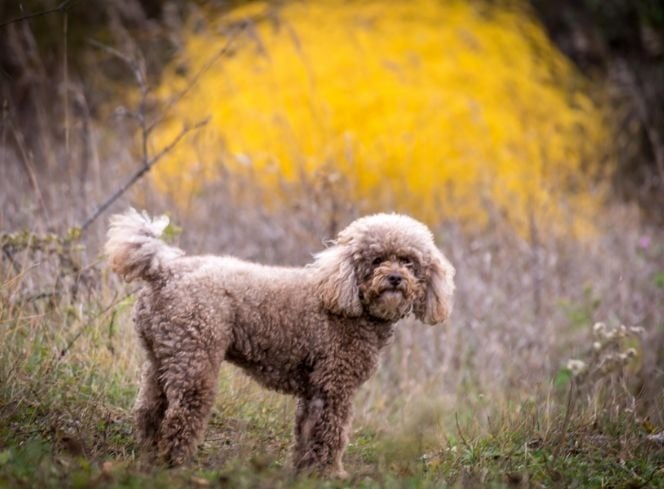
If you've ever been charmed by the elegance and intelligence of a Miniature Poodle, you're not alone. These delightful companions have captivated hearts around the world with their striking appearance, lively personality, and remarkable intelligence. In this comprehensive guide, we'll delve into everything you need to know about Miniature Poodles, from their distinctive traits to their unique health needs, training tips, and grooming essentials.
Miniature Poodle Facts and Information
Fact File
Kennel Club Breed Group
Utility
Size
Small
Weight
4.5 - 7kg
Daily Excercise
Up to 1 hour a day
Coat Type
Medium curly
Coat colours
Apricot, Black, Blue, Brown, Cream, Red, Silver & White
Lifespan
Over 12 years
Origin and History
Miniature Poodles, like their Standard counterparts, trace their lineage back to the standard poodle breed, which originated in Germany. However, the Miniature Poodle was specifically bred to be a smaller version, likely for companionship and as a household pet. Their exact origins are somewhat mysterious, but they gained popularity in France and eventually became beloved pets worldwide.
Appearance
Miniature Poodles are characterised by their elegant appearance, intelligent expression, and distinctive curly coats their hypoallergenic coat and non-shedding nature make them a popular choice for individuals and families seeking a low-maintenance yet stylish companion.
Temperament
Miniature Poodles are renowned for their intelligence, charm, and playful nature. They are highly trainable and excel in various canine sports and activities. Additionally, Miniature Poodles are known for their affectionate and loyal demeanour, making them wonderful companions for individuals and families alike.
Miniature Poodle Personality and Traits
Miniature Poodles possess a range of endearing personality traits that make them stand out among dog breeds:
Intelligent: Miniature Poodles are exceptionally intelligent and thrive on mental stimulation. They enjoy learning new tricks, solving puzzles, and participating in obedience training.
Playful: Despite their small size, Miniature Poodles have boundless energy and love to play. They enjoy interactive games, fetch, and activities that engage their minds and bodies.
Affectionate: Miniature Poodles form strong bonds with their owners and thrive on companionship. They enjoy spending time with their family members and are known for their loving and loyal nature.
Alert: Miniature Poodles are naturally alert and make excellent watchdogs. They have a keen sense of their surroundings and will alert their owners to any potential dangers or intruders.
Miniature Poodle Health Issues
While Miniature Poodles are generally healthy dogs, they may be prone to certain health issues, including:
Hip Dysplasia: Like many other breeds, Miniature Poodles can be susceptible to hip dysplasia, a condition that affects the hip joints and can cause pain and mobility issues.
Progressive Retinal Atrophy (PRA): PRA is a hereditary eye disorder that can lead to progressive vision loss in Miniature Poodles. Regular eye examinations by a veterinarian can help detect and manage this condition.
Patellar Luxation: This condition involves the dislocation of the kneecap and can cause discomfort and lameness in affected dogs. Proper veterinary care and monitoring are essential for managing patellar luxation.
Dental Issues: Miniature Poodles may be prone to dental problems such as tartar buildup and gum disease. Regular dental care, including brushing and dental check-ups, can help maintain oral health.
Raising A Miniature Poodle: Training and Care Tips
Raising a Miniature Poodle requires patience, consistency, and dedication. Here are some essential tips for nurturing a happy and well-behaved Miniature Poodle:
Miniature Poodle Training Tips
Start training your Miniature Poodle early using positive reinforcement techniques such as treats, praise, and clicker training. Focus on basic commands such as sit, stay, come, and heel, and gradually introduce more advanced obedience training exercises.
House Training Your Miniature Poodle
Establish a consistent routine for house training your Miniature Poodle puppy, including regular toilet breaks after meals, naps, and playtime. Use rewards and positive reinforcement to encourage appropriate elimination behaviour.
Crate Training Your Miniature Poodle
Introduce your Miniature Poodle puppy to a crate as a safe and comfortable den-like space. Use positive associations and gradual acclimation to help your puppy feel secure in their crate.
Our deluxe crates and cosy & calming puppy crate beds make the perfect crate training set up, for Miniature Poodles we’d recommend our medium crate. Our pet experts have written a handy crate training guide for dog owners who are looking to crate train their puppy, it contains all their tips, tricks and advice to make crate training as easy as possible.
Miniature Poodle Exercise Needs
Miniature Poodles are energetic dogs that require regular exercise to stay healthy and happy. Aim for at least 30 minutes to an hour of daily exercise, including walks, playtime, and interactive games. Make sure you’ve got a good quality collar and lead to walk your Miniature Poodle puppy with; we love our Herdwick walking sets, the wooly texture matches their coat and it comes in three beautiful neutrals.
Miniature Poodle Dietary Needs
Provide your Miniature Poodle with a balanced diet that meets their nutritional requirements. Choose high-quality dog food formulated for small breeds, like the Acana small breed puppy and dog foods - they contain all the essential nutrients your Miniature Poodle will need.
Best Beds For Miniature Poodles
Give your Miniature Poodle the perfect place to sleep with one of our luxury dog beds. The Bouclé Luxe collection will look super cute with your Poodles coat, the woolly texture of the Bouclé will complement their curls perfectly. Our Bouclé collection comes in all of our most popular bed shapes so there’s sure to be one your puppy will love.
Miniature Poodle Grooming Essentials
Grooming is an essential aspect of caring for a Miniature Poodle's distinctive coat. Follow these grooming tips to keep your Miniature Poodle looking and feeling their best:
Brushing: Miniature Poodles have dense, curly coats that require regular brushing to prevent matting and tangling. Use a slicker brush or comb to remove loose hair and detangle knots. Our brush guide will help you find the perfect brush for their coat type.
Professional Grooming: Schedule regular visits to a professional groomer for haircuts and maintenance grooming. Professional groomers can trim your Miniature Poodle's coat to your desired length and ensure proper hygiene.
Bathing: Bathe your Miniature Poodle as needed to keep their coat clean and fresh. Use a mild dog shampoo and thoroughly rinse their coat to remove any soap residue. The PetPlex curl perfecter shampoo and detangling spray is perfect bathing your Miniature Poodle with, they are formulated to professional grooming standards and contain all the best ingredients to keep their curls looking perfect.
Ear Care: Check your Miniature Poodle's ears regularly for signs of wax buildup, redness, or irritation.
Dental Care: Maintain your Miniature Poodle's oral health by brushing their teeth regularly with a canine toothpaste and toothbrush. Dental chews and toys can also help promote dental hygiene.
Conclusion
In conclusion, Miniature Poodles are charming, intelligent, and affectionate companions that bring joy and laughter to their owners' lives. By understanding their unique personality traits, health needs, and grooming requirements, you can provide your Miniature Poodle with the love and care they deserve. Whether you're embarking on obedience training adventures or enjoying leisurely walks together, the bond between you and your Miniature Poodle is sure to be a rewarding journey filled with love and companionship.
Treat your Miniature Poodle to all of our must haves in our Miniature poodle shop here.
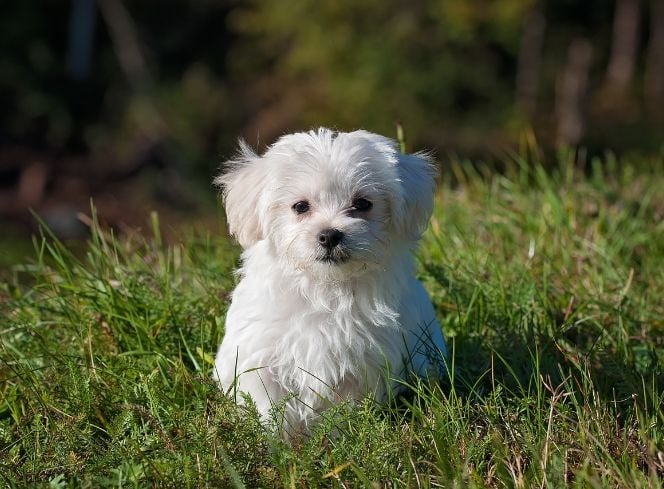
If you've ever been charmed by the elegance and grace of a Maltese, you're not alone. With their luxurious white coats and gentle demeanour, Maltese dogs have captured the hearts of dog lovers worldwide. In this ultimate guide, we'll delve into everything you need to know about Maltese, from their personality traits to health issues, training tips, grooming needs, and dietary requirements.
Maltese Facts and Information
Originating from the Mediterranean island of Malta, the Maltese breed boasts a rich history that dates back thousands of years. Believed to be one of the oldest toy breeds, Maltese dogs were cherished companions of royalty and aristocrats throughout history. Their diminutive size and endearing demeanour have made them popular pets and show dogs for centuries.
Maltese Fact File
Kennel Club Breed Group
Toy
Size
Small
Weight
3-4kg
Daily Exercise
Up to 30 minutes
Coat type
Long
Coat colours
White, White With Black Points, White With Lemon Markings
Lifespan
Over 12 years
Maltese Personality and Traits
Maltese dogs are renowned for their affectionate and loving nature. They thrive on human companionship and are incredibly loyal to their owners. Despite their small stature, Maltese possess a confident and fearless demeanour. They are known for their playful antics and enjoy being the centre of attention. One of the defining traits of the Maltese breed is their intelligence. They are quick learners and respond well to positive reinforcement training methods. However, their intelligence can sometimes lead to stubbornness, so consistent and patient training is key.
Maltese Health Issues
While Maltese are generally healthy dogs, like all breeds, they are prone to certain health issues. Some common health concerns for Maltese include:
Patellar Luxation: This condition occurs when the kneecap becomes dislocated from its normal position.
Hypoglycemia: Maltese puppies, in particular, are susceptible to low blood sugar levels, which can be life-threatening if not addressed promptly.
Dental Problems: Due to their small size and delicate jaws, Maltese are prone to dental issues such as tooth decay and gum disease. Regular teeth cleaning and using dental treats will help keep their teeth as healthy as possible
Respiratory Problems: Their small noses and flat faces can predispose Maltese to respiratory difficulties, especially in hot or humid weather.
Regular veterinary check-ups, a nutritious diet, and proper grooming can help mitigate many of these health concerns and ensure your Maltese leads a happy and healthy life.
Raising a Maltese: Training Tips and House Training
Raising a Maltese puppy requires patience, consistency, and plenty of love. Here are some essential tips for raising a well-behaved and obedient Maltese:
Maltese Puppy Training Tips
Start Early: Begin training your Maltese puppy as soon as you bring them home. Early socialisation and obedience training are crucial for shaping their behaviour.
Positive Reinforcement: Use rewards such as treats, praise, and playtime to reinforce desired behaviours.
Be Consistent: Establish clear rules and boundaries from the start and enforce them consistently.
Patience is Key: Maltese puppies may take longer to house train compared to larger breeds. Be patient and consistent with your training efforts.
House Training a Maltese Puppy
House training a Maltese puppy requires dedication and consistency. Here are some tips to help you succeed:
Establish a Routine: Take your puppy outside regularly, especially after meals, naps, and playtime.
Use Positive Reinforcement: Praise and reward your puppy when they eliminate outside to reinforce good behaviour.
Monitor Behaviour: Keep an eye on your puppy's body language and take them outside immediately if you notice signs that they need to go.
Crate Training a Maltese Puppy
Crate training can be a valuable tool for housebreaking and providing your Maltese puppy with a safe and comfortable space of their own. Our deluxe crates and cosy & calming puppy crate beds are perfect for crate training your Maltese puppy with, they create the perfect cosy den. Make sure to introduce the crate gradually, and make it a positive experience by offering treats and toys inside. Our crate training guide has all of our Pet Experts tips and tricks for crate training your Maltese puppy to help make it as smooth as possible.
Grooming Tips and Best Products
Maintaining a Maltese's luxurious coat requires regular grooming. Here are some grooming tips to keep your Maltese looking their best:
Brush Daily: Brush your Maltese's coat daily to prevent mats and tangles.
Bathing: Bathe your Maltese as needed, using a mild dog shampoo to keep their coat clean and shiny. The Animology white wash dog shampoo is perfect for bathing your Maltese, it has a mild, deep cleaning and stain removing formulation so will help keep their coat looking bright and white.
Trimming: Regularly trim your Maltese's nails and keep their ears clean to prevent infections.
Invest in high-quality grooming products specifically designed for Maltese dogs, including brushes, combs, and shampoos formulated for white coats.
Conclusion
In summary, the Maltese breed is a delightful companion known for their affectionate nature, intelligence, and elegance. By understanding their personality traits, health needs, and training requirements, you can provide your Maltese with the love and care they deserve. Whether you're considering adding a Maltese to your family or already have one by your side, this ultimate guide serves as a valuable resource for all things Maltese. With proper care and attention, your Maltese will bring joy and companionship for years to come. Don’t forget to shop our Maltese collection which has been filled with our top picks for your Maltese.
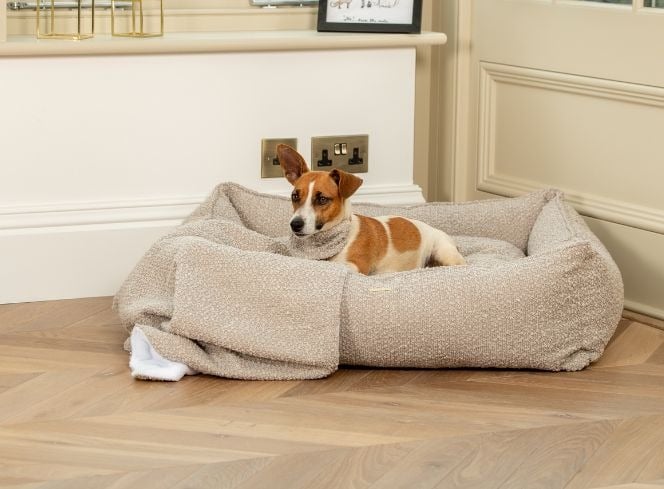
Jack Russells, with their boundless energy and undeniable charm, have captured the hearts of dog lovers around the world. If you're considering adding one of these spirited companions to your family or already have one by your side, this ultimate guide is your go-to resource for everything you need to know about Jack Russells – from their personality quirks to their health needs and training tips.
Jack Russell Facts and Information
Developed in England in the 19th century, Jack Russells were bred for fox hunting by Reverend John Russell. They were prized for their agility, intelligence, and ability to pursue foxes underground.
Jack Russell Fact File
Kennel Club Breed Group
Terrier
Size
Small
Daily Exercise
1+ hours daily
Coat Type
Smooth or rough short coat
Coat Colours
White With Black Markings, White With Black/Tan Markings, White With Tan Markings
Lifespan
10+ years
Jack Russell Personality and Traits
One of the most endearing qualities of Jack Russells is their lively and outgoing personality. They are highly intelligent and thrive on mental stimulation and physical activity. Jack Russells are also known for their strong prey drive, which can sometimes lead to chasing behaviour, especially towards smaller animals.
Their tenacious nature and bold demeanour make them excellent watchdogs, but it's essential to provide proper socialisation from an early age to prevent any aggression or excessive barking tendencies.
Jack Russell Health Issues
While Jack Russells are generally healthy dogs, like all breeds, they are prone to certain health issues. These may include:
Patellar Luxation: A condition where the kneecap slips out of place.
Legg-Calve-Perthes Disease: A degenerative disease affecting the hip joint.
Lens Luxation: Dislocation of the eye lens.
Deafness: Some Jack Russells may be prone to deafness, especially those with a predominantly white coat.
Regular veterinary check-ups, a balanced diet, and maintaining a healthy weight are crucial for keeping your Jack Russell in optimal health.
Raising a Jack Russell
Raising a Jack Russell requires patience, consistency, and plenty of love. Here are some essential tips for nurturing a happy and well-adjusted Jack Russell puppy:
Socialisation: Introduce your Jack Russell to various people, environments, and other animals early on to help them develop positive social skills.
Training: Start training early using positive reinforcement techniques. Jack Russells respond well to praise and rewards.
Exercise: Provide ample opportunities for exercise and mental stimulation to prevent boredom and destructive behaviour.
Jack Russell Training Tips
Training a Jack Russell can be both rewarding and challenging due to their independent nature. Here are some training tips to help you establish a strong bond with your Jack Russell:
Consistency: Be consistent with commands and expectations.
Positive Reinforcement: Use treats, praise, and toys to motivate and reward desired behaviours.
Patience: Jack Russells can be stubborn, so patience is key during training sessions.
Jack Russell House Training and Obedience
House training and teaching obedience commands are essential aspects of raising a well-behaved Jack Russell. Here are some tips for house training and fostering obedience in your Jack Russell:
Establish a Routine: Stick to a consistent schedule for feeding, bathroom breaks, and training sessions.
Use a Crate: Crate training can help with housebreaking and provide a safe space for your Jack Russell when unsupervised. It also will help your Jack Russell to sleep through the night if you make their crate a cosy safe den for them. Our crate training guide has everything you need to know about how to set up the perfect crate and how to crate train your Jack Russell puppy.
Positive Reinforcement: Reward good behaviour and ignore or redirect unwanted behaviour.
How Much Exercise Does a Jack Russell Need?
Jack Russells have high energy levels and require plenty of exercise to stay happy and healthy. On average, they need at least an hour of vigorous exercise every day. This can include walks, playtime, and interactive games that stimulate both their body and mind.
Best Walking Accessories for a Jack Russell
Investing in the right walking accessories can enhance your Jack Russell's outdoor adventures. For a sturdy harness look at the Ruffwear front range harnesses, they help to distribute pressure if your Jack Russell is prone to pulling. For a good quality collar and lead our Twill walking sets are perfect, they are handmade in Italy and come in three beautiful colours.
Best Food for a Jack Russell
A well-balanced diet is essential for your Jack Russell's overall health and well-being. Choose high-quality dog food formulated for small breeds and monitor their portion sizes to prevent obesity. We recommend looking at brands like Carnilove, Acana and Orijen, they are all rich in protein and nutrients so are great for keeping your Jack Russell healthy.
Best Dog Bed for a Jack Russell
Provide your Jack Russell with a cosy, supportive bed for quality rest and relaxation. Our Jack Russell’s love a high wall bed, it helps them feel cosy and safe when they’re sleeping.
Best Toys for a Jack Russell
When it comes to toys, opt for interactive toys that challenge their problem-solving skills, like the Nina Ottosson toys which are lots of fun. They will also love durable chew toys to satisfy their natural urge to gnaw, our Jack Russells love the Gnosher toys to chew on.
Jack Russell Grooming Tips and Products
Despite their short coat, Jack Russells require regular grooming to keep them looking and feeling their best. Brush them weekly to remove loose hair and prevent matting. Additionally, trim their nails, clean their ears, and brush their teeth regularly to maintain optimal hygiene.
If your Jack Russells are anything like ours they will go in every muddy puddle on their walks so a good quality shampoo is a must, the PetPlex dirt defeater is our go to because we love the tropical scent!
In conclusion, Jack Russells are spirited, intelligent, and affectionate companions that bring joy and excitement to any household. By understanding their unique personality traits, addressing their health needs, and providing proper training and care, you can forge a deep and lasting bond with your Jack Russell for years to come.
Shop all of our top Jack Russell picks in our personalised collection here.
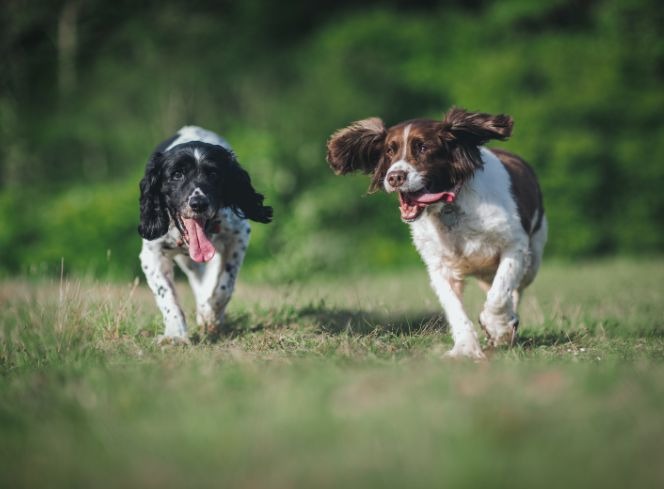
Springer Spaniels are renowned for their boundless energy, friendly demeanour, and undying loyalty. If you're considering bringing home one of these delightful dogs or if you already have a Springer Spaniel as part of your family, this ultimate guide is tailored just for you. From their fascinating traits to their specific dietary needs and grooming tips, let's dive into everything you need to know about Springer Spaniels.
Springer Spaniel Facts and Information
The Springer Spaniel originated in England and was bred as a versatile hunting dog, particularly skilled in flushing and retrieving game birds. Springer Spaniels boast a well-balanced and athletic physique, combining strength, agility, and endurance.
Their sturdy build enables them to navigate rugged terrain with ease. They have large, expressive eyes that radiate intelligence and warmth. Their pendulous ears are long and feathered, framing their face and enhancing their charming appearance.
Springer Spaniel Fact File
Kennel Club Breed Group
Gundog
Size
Medium
Daily Exercise
2+ hours a day
Coat Type
Medium length smooth coat
Coat Colours
Black & White, Black White & Tan, Liver & White, Liver White & Tan
Lifespan
10+ years
Springer Spaniel Personality and Traits
The Springer Spaniel personality is characterised by intelligence, enthusiasm, and a strong desire to please their owners. They thrive on companionship and enjoy being an integral part of the family. Known for their outgoing nature, Springer Spaniels are great with children and other pets, making them excellent additions to households of all kinds.
Their traits include a keen sense of smell, remarkable agility, and an innate ability to retrieve game. These traits make them exceptional hunting companions and adept participants in various dog sports and activities.
Springer Spaniel Health Issues
Like all dog breeds, Springer Spaniels may be prone to certain health issues. Among the most common concerns are hip dysplasia, progressive retinal atrophy (PRA), and ear infections due to their floppy ears that can trap moisture and debris. Regular vet check-ups, proper nutrition, and maintaining a healthy weight can help mitigate these risks and ensure a long, happy life for your Springer Spaniel.
Raising A Springer Spaniel
Raising a Springer Spaniel requires patience, consistency, and plenty of love and attention. Early socialisation is key to helping them develop into well-rounded, confident dogs. Introduce them to various people, environments, and experiences to build their confidence and prevent shyness or fearfulness later in life.
Springer Spaniel Training
Springer Spaniels are highly trainable and eager to learn, making them a joy to train for both novice and experienced owners. Positive reinforcement methods work best with this breed, as they respond well to praise, treats, and playtime as rewards for good behaviour. Make sure to stock up on training treats before your Springer Spaniel comes home!
Obedience training is essential for establishing boundaries and ensuring that your Springer Spaniel understands basic commands such as sit, stay, come, and heel. Consistent training sessions and regular mental stimulation help keep their active minds engaged and prevent boredom-induced behaviours. Interactive toys like the Nina Ottosson range are great for keeping their active minds busy!
Springer Spaniel House Training and Crate Training
House training a Springer Spaniel puppy requires patience and consistency. Establish a regular schedule for feeding, bathroom breaks, and playtime to help them understand when and where it's appropriate to relieve themselves. Crate training can aid in housebreaking by providing a safe and comfortable space for your puppy when unsupervised, our crate training guide has been crafted by our Pet Experts to help walk you through the crate training process!
Exercise Needs of a Springer Spaniel
Springer Spaniels have high energy levels and require ample exercise to keep them happy and healthy. Aim for at least an hour of physical activity each day, which can include brisk walks, jogging, interactive play sessions, and retrieving games. When looking for walking accessories why not explore our collection, we’ve hand selected our range to bring you the best of the best!
Best Food for Springer Spaniels
Providing a balanced diet is crucial for meeting the nutritional needs of your Springer Spaniel. Choose high-quality dog food formulated for their age, size, and activity level, we particularly love the Acana foods for Springer Spaniels as they are both rich in meat and nutrients so keep them in tip top shape!
Best Toys and Accessories for Springer Spaniels
When it comes to toys, Springer Spaniels enjoy a variety of options to keep them mentally stimulated and physically active. Look for interactive toys, puzzle feeders, and durable chew toys to satisfy their natural instincts and prevent boredom. Fulfil their hunting and retrieving instincts with the Nerf interactive dog toy range, we’re certain that your Springer Spaniel will love chasing after the Trackshot duck launcher!
Best Bed for Springer Spaniels
Choose a comfortable and supportive bed that accommodates your Springer Spaniel's size and sleeping habits. In our experience Springer Spaniels usually love a donut bed to curl up in, shop our donut beds here.
Grooming your Springer Spaniel
Grooming your Springer Spaniel regularly helps keep their coat healthy and free of tangles and mats. Brush them at least a few times a week to remove loose hair and prevent shedding. Pay special attention to their ears to prevent infections, and trim their nails as needed to maintain optimal foot health.
If your Springer Spaniels are anything like ours they will be in every patch of water and muddy puddle on your walks so will be mucky pups, the PetPlex dirt defeater range is perfect for them! It’s formulated to clean their coat without stripping all of its natural oils and smells beautiful, perfect for freshening them up in between grooms!
Conclusion
In summary, Springer Spaniels are beloved for their affectionate nature, intelligence, and boundless energy. By understanding their unique traits, addressing their specific needs, and providing proper training and care, you can enjoy a fulfilling and rewarding relationship with your Springer Spaniel for years to come.
Looking to treat your Springer Spaniel? Why not check out our Springer Spaniel collection? It's filled with our top picks to keep your Springer Spaniel's tail wagging, shop now!
SIGN UP FOR USEFUL TIPS & GUIDES STRAIGHT TO YOUR INBOX
13.03.24March 13, 2024Dog Breed GuideFeatured
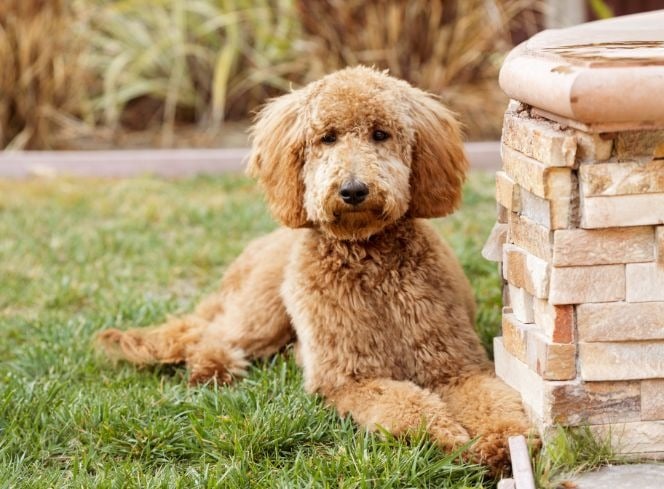
Golden Doodle Ultimate Guide
Are you considering adding a Golden Doodle to your family? Or perhaps you're already a proud parent of one of these adorable and affectionate pups? Either way, you've come to the right place! In this comprehensive guide, we'll delve into everything you need to know about Golden Doodles, from their fascinating traits and health considerations to grooming tips and dietary needs. Let's embark on a journey to discover the ins and outs of these wonderful companions.
Golden Doodle Facts and Information
The Golden Doodle, a crossbreed between a Golden Retriever and a Poodle, has gained immense popularity in recent years due to its charming personality and hypoallergenic coat. These designer dogs come in various sizes, ranging from miniature to standard, and exhibit a wide array of coat colours, including cream, gold, apricot, and chocolate. If you’re looking to get a Golden Doodle it’s definitely worth checking out both of our Golden Retriever and Poodle guides for information on each breed because after all your puppy will be a perfect blend of them both.
Golden Doodle Personality and Traits
Golden Doodles are renowned for their friendly and affectionate nature. They thrive on human companionship and are incredibly social animals, making them excellent family pets and therapy dogs. Their intelligence, combined with their eager-to-please attitude, makes them highly trainable and adaptable to various living situations.
Golden Doodle Health Issues
Like all breeds, Golden Doodles are susceptible to certain health issues. While they generally enjoy robust health, potential concerns include hip dysplasia, elbow dysplasia, and progressive retinal atrophy. Regular veterinary check-ups, a balanced diet, and adequate exercise can help mitigate these risks and ensure your Golden Doodle's well-being.
Raising A Golden Doodle: Training and Socialisation
Proper training and socialisation are crucial aspects of raising a well-behaved and happy Golden Doodle. Begin obedience training and socialisation early to instil good behaviour and prevent any undesirable habits from forming. Positive reinforcement techniques work wonders with this breed, as they respond eagerly to praise and rewards.
Golden Doodle Training Tips
Start training sessions early and keep them short to maintain your pup's focus and enthusiasm.
Use positive reinforcement techniques such as treats, praise, and play to reinforce desired behaviours.
Be patient and consistent with training, as Golden Doodles thrive on routine and clear expectations.
Golden Doodle House Training and Crate Training
House training and crate training are essential for teaching your Golden Doodle good manners and providing them with a safe and secure space of their own. Here are some tips for successful house and crate training:
Establish a regular schedule for potty breaks and stick to it diligently.
Use positive reinforcement and rewards when your puppy eliminates outside or in their designated potty area.
Introduce the crate gradually, making it a comfortable and inviting space with soft bedding and toys.
Never use the crate as a form of punishment, as it should be a positive and reassuring environment for your dog.
Golden Doodle Crate Training Shopping List
Dog crate - the first essentials for crate training is a crate. For Golden Retrievers we’d recommend an XXL in one of our deluxe dog crates
Crate Bed - Our cosy and calming puppy crate beds are perfect for crate training your puppies
Vet bed or puppy pads - to give your pup somewhere to relieve themselves that’s not their bed - accidents happen!
Our Pet Experts have put together their top tips and tricks for crate training your Golden Doodle - read here
Exercise Needs of a Golden Doodle
Golden Doodles are energetic and active dogs that require regular exercise to stay healthy and happy. Aim for at least 30 to 60 minutes of physical activity each day, which can include walks, playtime, and interactive games. Tailor your exercise routine to your dog's age, size, and individual preferences.
Best Walking Accessories For A Golden Doodle
For a Golden Doodle you will need sturdy walking accessories, we recommend looking at leather collars and leads. Our padded leather collection is a perfect choice, the padding in the collars is comfortable for them to wear and the leads are super sturdy.
Golden Doodle Dietary Needs
A well-balanced diet is essential for maintaining your Golden Doodle's overall health and vitality. Opt for premium-quality dog food formulated specifically for their size, age, and activity level. Consult with your veterinarian to determine the optimal feeding schedule and portion sizes for your individual dog.
Best Food For A Golden Doodle Puppy
When selecting food for your Golden Doodle puppy, look for options that contain high-quality protein sources, essential vitamins and minerals, and limited fillers or additives. Choose a puppy formula designed to support healthy growth and development during this critical stage of life, we particularly like the Acana puppy food for this stage of life!
Grooming Tips for Golden Doodles
Golden Doodles have a unique coat that requires regular grooming to prevent matting and maintain its luxurious texture. Brush your dog's coat several times a week to remove loose hair and prevent tangles. Schedule professional grooming sessions as needed to trim their coat and keep it looking neat and tidy.
In conclusion, Golden Doodles are delightful companions known for their loving demeanour, intelligence, and versatility. By understanding their unique traits, addressing their specific needs, and providing them with love and care, you can enjoy a fulfilling and enriching relationship with your beloved Golden Doodle for years to come.
Remember, each Golden Doodle is a unique individual with their own personality and preferences, so take the time to nurture their individuality and celebrate the special bond you share. With patience, commitment, and affection, you can create cherished memories and embark on countless adventures together with your loyal canine companion.
Invest in your Golden Doodle's well-being by prioritising their health, training, and grooming needs, and you'll be rewarded with a lifetime of joy, companionship, and unconditional love.
Shop all the best things for your Golden Doodle in our collection here.
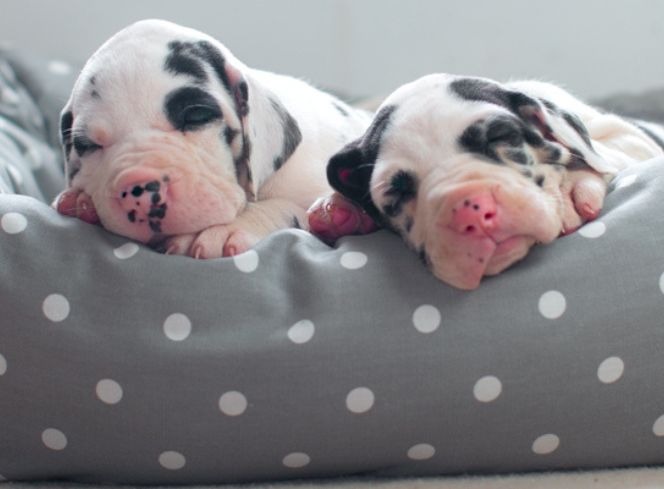
The Great Dane Ultimate Guide: Everything You Need to Know
Welcome to the Great Dane Ultimate Guide, where we delve into the fascinating world of this majestic and lovable giant breed. Whether you're a prospective owner, a current Great Dane enthusiast, or simply curious about these gentle giants, this comprehensive guide will provide you with valuable insights into every aspect of Great Dane ownership.
Wanting to shop for best food, toys and beds for your Great Dane? Why not look at our Great Dane shop, we've curated our top picks for your Great Dane especially for you.
Great Dane Facts and Information
Let's start with some basic facts about the Great Dane breed. Known for their imposing size and graceful demeanour, Great Danes are truly remarkable dogs. Originally bred in Germany to hunt wild boar, today they are cherished companions and family pets around the world.
Great Dane Personality and Traits
One of the most striking characteristics of the Great Dane is its gentle and affectionate nature. Despite their imposing size, Great Danes are known for their friendly disposition and love for human companionship. They are often referred to as "gentle giants" due to their calm and patient demeanour, making them excellent family pets.
Great Danes are also incredibly loyal and protective, making them wonderful watchdogs. While they may appear imposing to strangers, Great Danes are typically friendly and welcoming to those they know. However, proper socialisation from an early age is crucial to ensure they are well-adjusted and confident around people and other animals.
Great Dane Health Issues
Like all breeds, Great Danes are susceptible to certain health issues. Due to their large size, they are prone to conditions such as hip dysplasia, bloat, and heart problems. It's essential for Great Dane owners to be aware of these potential health concerns and to work closely with their veterinarian to ensure their dog's well-being.
Regular vet check-ups, a nutritious diet, and moderate exercise can help mitigate the risk of certain health issues. Additionally, it's important to provide proper joint support, especially as Great Danes age, to maintain their mobility and overall quality of life.
Raising a Great Dane
Raising a Great Dane requires careful consideration and dedication. From puppyhood to adulthood, providing a loving and nurturing environment is key to raising a well-adjusted and happy Great Dane.
Great Dane Training
Training is an essential aspect of Great Dane ownership. Despite their gentle nature, Great Danes are powerful dogs that require consistent and firm leadership. Early obedience training and socialisation are crucial to ensure they develop good manners and behaviour.
From basic commands to more advanced obedience training, consistency and positive reinforcement techniques work best with Great Danes. Patience and understanding are key, as these intelligent dogs respond well to praise and rewards.
Great Dane House Training
House training a Great Dane can be challenging due to their size, but with patience and consistency, it can be accomplished. Establishing a routine, providing frequent opportunities for outdoor bathroom breaks, and rewarding good behaviour are essential for successful house training.
Investing in a sturdy and spacious crate can also aid in house training, as it provides a safe and comfortable space for your Great Dane when unsupervised. Remember to be patient and consistent, and your Great Dane will eventually learn appropriate bathroom habits.
How Much Exercise Does a Great Dane Need?
Despite their large size, Great Danes have relatively low exercise requirements compared to smaller, more active breeds. However, they still benefit from daily walks and moderate exercise to maintain their overall health and well-being.
Aim for at least two moderate walks per day, along with plenty of opportunities for play and mental stimulation. Avoid strenuous exercise, especially during hot weather, as Great Danes are prone to overheating due to their size and coat colour.
Best Walking Accessories for a Great Dane
When it comes to walking accessories for your Great Dane, opt for sturdy and comfortable gear that can withstand their size and strength. We recommend investing quality materials such as leather for your Great Dane, leather is durable and sturdy so makes a great option. Our Italian padded leather walking collection is perfect for your Great Dane, the padding on the collar makes it comfortable on their neck and the leather is real Italian leather so you can be sure it’s of the best quality. The collection comes in four stylish colour ways, shop now.
Great Dane Dietary Needs
Proper nutrition is essential for maintaining your Great Dane's health and vitality. As a large and fast-growing breed, Great Danes have unique dietary requirements that should be carefully considered.
Best Food for a Great Dane Puppy
During the puppy stage, it's crucial to feed your Great Dane a high-quality puppy food specifically formulated for large breeds. These diets are balanced to support healthy growth and development while minimising the risk of skeletal issues associated with rapid growth.
Look for puppy foods that contain optimal levels of protein, fat, calcium, and phosphorus to support bone and muscle development. Avoid overfeeding and excessive supplementation, as this can contribute to skeletal problems and obesity in Great Dane puppies.
We recommend a combination of both wet and dry food to feed your Great Dane puppy. For dry food we love the Acana large breed puppy food, it has 70% quality animal ingredients so it’s super protein rich which will help support your Great Dane puppies rapid growth. It also has no artificial preservatives, flavours or colours so you can be sure you are feeding your puppy the best. For wet food we recommend the Carnilove Salmon with Blueberries puppy food, it is both grain free and potato free so is highly digestible. The salmon supports the skin, heart, brain and joints to promote healthy physical development for your pup, whilst the blueberries promote urinary health and also support brain development and function. This wet food contains 85% wild-origin meat so is protein rich which is perfect for supporting your puppies growth.
Best Food for a Great Dane
As your Great Dane matures, transitioning to an adult formula is recommended to meet their changing nutritional needs. Choose a premium dog food that is formulated for large breeds and contains high-quality ingredients, such as real meat, whole grains, and essential vitamins and minerals.
Avoid foods with fillers, by-products, and artificial additives, as these provide little nutritional value and can contribute to digestive upset and other health issues. Consult with your veterinarian to determine the best diet plan for your Great Dane based on their age, weight, and activity level.
As a starting point we recommend looking at Acana, Orijen and Carnilove foods, all three brands have protein rich foods with no additives and high nutritional values.
Best Dog Food for Senior Great Dane
As Great Danes age, their nutritional needs may change, requiring adjustments to their diet to support their overall health and well-being. Senior-specific formulas are available that are tailored to the needs of older dogs, including joint support, weight management, and digestive health.
Look for senior dog foods that contain glucosamine, chondroitin, and omega-3 fatty acids to support joint health and mobility. Reduced calorie and fat content can help prevent obesity and maintain a healthy weight in senior Great Danes.
Great Dane Bed: Orthopaedic Comfort
Providing a comfortable and supportive bed is essential for your Great Dane's overall comfort and well-being. Great Danes, like many large breeds, can be prone to joint issues such as hip dysplasia and arthritis. Therefore, investing in an orthopaedic bed can provide much-needed support for their joints, especially as they age.
Look for orthopaedic dog beds that feature memory foam or supportive foam padding to cushion your Great Dane's body and relieve pressure points. Opt for a bed with a removable and machine-washable cover for easy cleaning, as Great Danes can be prone to shedding and drooling. Our orthopaedic mattresses are constructed with a thick orthopaedic foam and have a removable machine washable plush cover so are the perfect choice for your Great Dane.
Ensure the bed is large enough to accommodate your Great Dane's size comfortably. A bed that allows them to stretch out fully and rest their head comfortably is ideal for promoting relaxation and quality sleep.
Best Toys for Great Danes
When it comes to toys, Great Danes have unique needs due to their size and strength. Choosing durable and size-appropriate toys is essential to prevent accidents and ensure safe playtime for your Great Dane. Look for toys made from high-quality materials that can withstand rough play and heavy chewing. Rubber toys, such as KONG, are excellent choices for Great Danes as they are durable and can help satisfy their natural chewing instincts.
Interactive toys, such as puzzle feeders or treat-dispensing toys, can provide mental stimulation and prevent boredom in Great Danes, we love the Nina Ottosson range. Additionally, soft plush toys can offer comfort and companionship during quiet moments of relaxation, for more durable plush toys look at the Gigwi duraspikes range they are designed for dogs who love to chew.
In conclusion, Great Danes are truly remarkable dogs with a gentle and loving nature. By understanding their unique needs and providing proper care, training, and nutrition, you can ensure a happy and fulfilling life for your Great Dane companion. Whether you're enjoying leisurely walks together or cozying up for cuddle time, the bond you share with your Great Dane is truly special. Shop everything your Great Dane needs in our Great Dane shop here.
Did you know dogs spend 12 to 14 hours a day sleeping? That's a lot of time in bed so it's no surprise that their bed might be looking a little worse for wear. Dogs are creatures of comfort so making sure they have a a clean and supportive bed is essential for their overall well-being. In this guide, our Pet Experts explore the signs that indicate it's time to change your dog's bed and share expert tips on how to care for your canine's cherished sleeping spot.
How Often Should You Replace Your Dog’s Bed?
Determining how often to replace your dog's bed depends on several factors including the quality of the bed, your dog's size and activity level, and any specific health considerations. As a general guideline, it's advisable to replace your dog's bed every 1 to 3 years, or sooner if signs of wear and tear become noticeable.
Signs It's Time to Change Your Dog's Bed:
Visible Wear and Tear: Over time, your dog's bed may start showing signs of wear and tear, such as flattened cushions, lumps, or torn fabric. If you notice any significant damage, it's a clear indication that it's time to consider a replacement.
Lingering Odours: Despite regular cleaning, dog beds can accumulate odours over time, especially if your furry friend enjoys outdoor adventures or has accidents indoors. Lingering smells that persist even after washing could signal the need for a new bed.
Loss of Support: Just like humans, dogs require proper support for their joints and muscles, especially as they age or if they have existing health conditions. If your dog's bed no longer provides adequate support or has become too soft, it's time to invest in a new one to ensure their comfort and well-being. It might be worth investing in an orthopaedic dog bed if your dog’s breed is prone to joint issues.
Allergies and Skin Irritations: Dogs can develop allergies or skin irritations from prolonged exposure to dust mites, pet dander, or other allergens that accumulate in their beds over time. If you notice your dog scratching more than usual or experiencing skin issues, a new bed with hypoallergenic materials may offer relief.
Preference for Alternative Sleeping Spots: Dogs are creatures of habit, and if you notice your furry friend opting for alternative sleeping spots around the house instead of their bed, it could indicate that they're no longer comfortable or satisfied with their current sleeping arrangements. It’s worth looking at how your dog likes to sleep so you can get the best bed shape to suit their sleeping style, our Information Hub has a guide on how to choose the perfect dog bed for your dog.
Top Ways to Care for Your Dog's Bed:
Regular Washing: Establish a routine for washing your dog's bed to remove dirt, hair, and odour-causing bacteria. Most of our Lords & Labradors dog beds are machine washable, we have a handy guide on how to wash your dog’s bed here.
Use a Removable Cover: Opt for dog beds with removable, machine-washable covers for easy cleaning. Having a spare cover on hand allows you to swap them out while one is being laundered, ensuring your pup always has a fresh and clean place to sleep. We also sell bamboo bed covers which are great for popping over your dog’s bed to help keep them clean especially after a muddy dog walk, they will act as an additional layer of defence against moisture and stains, extending the life of the bed!
Vacuum and Spot Clean: In between washings, use a handheld vacuum or lint roller to remove hair and debris from the surface of the bed. Spot clean any stains or spills promptly to prevent them from setting into the fabric.
Rotate and Fluff: Just like flipping a mattress, periodically rotate your dog's bed to distribute wear evenly and prevent premature sagging. Fluffing the bed's filling helps maintain its loft and support over time.
Sun and Air Dry: On sunny days, take advantage of natural sunlight by airing out your dog's bed outdoors. Sunlight helps eliminate odours and kills bacteria, leaving the bed feeling fresh and revitalised.
Inspect Regularly: Take time to inspect your dog's bed for any signs of damage, loose seams, or worn-out stuffing. Promptly address any issues to prevent further deterioration and ensure your pup's safety and comfort.
By recognising the signs that it's time to change your dog's bed and implementing proper care and maintenance techniques, you can provide your furry friend with a clean, comfortable, and supportive sleeping environment. Remember, a happy and well-rested pup makes for a happier pet parent too!
If you’re looking to upgrade your dog’s bed why not check out our collection of luxury dog beds? Bedding is our speciality, we design and craft all of our bedding here in our Lincolnshire workshop so you can be sure your dog will be getting the best sleep possible in one of our luxury dog beds.
Introduction
Puppy insurance is an essential and important part of the pet ownership journey that gives owners peace of mind that should the worst happen, their pup is protected.
Simply put, pet insurance exists to help owners looking to protect their canine companions from unexpected health issues and the associated costs of veterinary care. Much like health insurance for us humans, puppy insurance like that offered by our friends over at Waggel, covers a range of treatments, surgeries and medications that may be needed throughout your puppy’s life.
Taking out a puppy insurance policy is just one of the many ways you can protect your pet and ensure they’re being cared for in the best way possible. Whilst puppy insurance protects your pet from accidents and illnesses, treating your pup to the best pet products is sure to contribute to their health and wellbeing too. This means making sure your pup is welcomed home in true style with high-quality pet products that are made to last - like those from Lords & Labradors.
Why Puppy Insurance Matters
Pet insurance is particularly crucial during a puppy's early years when they are more susceptible to accidents, illnesses and the development of unforeseen health conditions. Many owners push the thought of insurance from their minds and think that because their pet is young, they’re unlikely to experience any issues. Sadly, this couldn’t be further from the truth. By investing in puppy insurance, you can ensure that you’re consistently providing the best possible care for your furry friend without the worry of facing overwhelming veterinary fees and bills.
Without an insurance policy in place, you risk having to pay substantial fees if your pet were suddenly to become ill or involved in an accident. During a time of stress and upset, who would want to be worrying about vet bills? Without the added stress of paying hundreds or even thousands for treatment, you can focus on what’s most important, helping your dog get back to optimal health.
Vet fees can quickly add up and can become a financial burden in a time of anxiety. From surgery costs to medication and x-rays, an insurance policy in place for your pup can give you added peace of mind during times of uncertainty ultimately meaning you’ll have one less thing to worry about.
When it comes down to it, we all want what's best for our pets and our love for them means that we’ll always choose the best things for them, whether this be premium pet insurance or premium pet products. Being a pet owner means going one step beyond to ensure our furry friends are living the life they truly deserve.
Understanding Puppy Insurance
Puppy insurance is a pet insurance policy that can be taken out when a dog is as young as 8 weeks old. Most insurers require puppies to be 8 weeks old before they are eligible for an insurance policy simply because this is the youngest they can be separated from their littermates and mother. Separating a puppy from their litter too early can cause them to exhibit fear, anxiety and reactivity which is something no prospective owner wants for their new addition.
Insuring your puppy from 8 weeks means that they’ll be protected as soon as they join your family. Doing this early on in your puppy’s life means you can avoid pre-existing condition exclusions often put in place by insurance providers to ensure you aren’t claiming on a condition your pet already had before you took out your policy.
To break it down, if your pup was insured from 8 weeks old and suddenly at 2 years old developed a health condition that required veterinary care, you’d be able to claim for treatment relating to the condition for the entirety of your dog’s life as long as you remain with the same insurer, pay your monthly premiums and have a Lifetime policy in place.
However, if you waited until your puppy became an adult and then tried to claim on something they suffered with as a puppy when they weren’t insured, this would be classed as pre-existing and means your claim will likely be declined leading to more stress in an already worrisome situation.
At Waggel, they’re all about making insurance simple and do so by only offering one type of policy, Lifetime. A Lifetime policy means that you can continue to claim for any conditions your dog may develop throughout their entire life, as long as you renew your policy each year.
When purchasing a puppy, some owners are offered temporary pet insurance policies that protect their pet as they settle into their new home. They are often offered by breeders with the purchase of a puppy and don’t involve handing over any bank details. The catch is that they’re not a long-term solution and expire automatically after 4 weeks.
Switching to a Lifetime insurance policy, like that provided by Waggel, can eliminate any potential complications and ensure your puppy is protected from as young as 8 weeks old leaving no time for pre-existing conditions to develop.
Types Of Puppy Insurance
Waggel offers Lifetime policies only for one simple reason; because they’re the most comprehensive. Though they’re considered one of the more expensive types of pet insurance, Lifetime policies offer peace of mind to owners who can continue to claim for the same condition year after year as long as their policy stays active. Waggel also offers flexibility by allowing you the ability to adjust your Annual Coverage and Excess each year to suit your financial needs.
There are, however, other types of puppy insurance available such as maximum benefit, time-limited and accident-only policies.
Maximum benefit puppy insurance policies refer to a mid-level type of cover for injuries, accidents and illnesses. With a maximum benefit policy in place, you can continue to claim per condition up to a pre-specified limit. Once this limit is reached, you won’t be able to claim for the condition anymore until it resets or the policy is renewed.
Time-limited policies may seem more affordable than Lifetime and maximum benefit but they can be limiting in terms of what they offer. Essentially, they allow you to claim for conditions your dog has developed up to a timed limit. Once this timeframe has passed, you’ll be unable to claim. It’s commonly used for short-term illnesses and injuries, though health conditions can be unpredictable and reappear at any time throughout your dog’s life. With a time-limited policy in place, it’s unlikely you’d be able to claim for the same condition again which can be worrying for many owners.
Accident-only policies are considered one of the more cost-effective forms of pet insurance simply because they only cover treatment and medical expenses related to accidents. Whilst this may be tempting for new pet owners who haven’t experienced ownership before, pets are very unpredictable and can develop health conditions at any point during their lifespan which an accident-only plan is unlikely to cover.
For peace of mind, flexibility and continuous protection year after year, a Lifetime policy is sure to provide everything your pet needs and more.
What Puppy Insurance Can Cover
So, you’ve decided to take out puppy insurance but what’s really included in your policy? Most comprehensive policies like Lifetime and maximum benefit include coverage for veterinary fees such as diagnostics, surgery, medication and procedures, third-party liability in the event your dog is involved in a legal matter for which you’re deemed legally responsible, and the purchase price if your pet passes away, is stolen or goes missing.
All of the above can go a long way in providing your pup with the best start to life. Some policies go even further, like Waggel’s Lifetime policies that also include dental and travel cover for pet owners.
Dental health is a very important aspect of canine health and shouldn’t be overlooked. As a pet owner, it’s your responsibility to ensure your dog’s teeth are annually checked and deemed healthy by a vet. Your vet will be required to note down on their records that your puppy’s teeth are in optimal health in order for you to submit a dental-related claim in the future. Without a record of good dental health, insurers will be unable to determine the original condition of your dogs when they were young.
With travel cover included as part of your policy, you can rest assured that your puppy is protected even when you’re both out of the country. Waggel offers coverage for emergency treatment when you’re on holiday outside of the UK and within a country of the Pet Travel Scheme for up to 90 days each year.
No one wants to think of a time when their pet isn’t here anymore, especially in the excitement of bringing home a puppy. However, as a pet owner it’s something you want to know is covered during a time of sadness. When searching for pet insurance, it’s a good idea to look for policies that include death cover and benefits such as coverage for the purchase price of your pet if they pass away from an accident or illness.
Exclusions In Puppy Insurance
Whilst we wish puppy insurance covered everything, there are some things that are excluded. As mentioned above, most pet insurance providers exclude pre-existing conditions from policies which is why it’s so important to get your pet insured as soon as possible.
Other things that aren’t typically covered in puppy insurance policies include routine, preventative and cosmetic treatments. Routine treatments such as vaccinations and flea and worm treatment are typically excluded as insurers focus on specific treatments instead. This also means you’ll be unable to claim for the cost of neutering or spaying your puppy. Fortunately, lots of vets have health plans in place which, by paying a monthly cost, can help you secure discounts for routine and elective treatments. Health plans often work in conjunction with pet insurance policies so you can continue to get the best price for treatment and protection for your pet at the same time.
Conclusion
Puppy insurance is a vital part of pet ownership that can ensure your pet is protected from as little as 8 weeks old. Choosing the right kind of policy is important as you want to ensure you get the most comprehensive kind of coverage. We recommend Lifetime insurance like that offered by Waggel as it includes cover for things such as vet fees and dental treatment.
Insuring your puppy early means you can skip the worry of pre-existing conditions and rest easy knowing you can claim back the cost of treatment for any condition your dog may face in the future.
Taking care of your new addition also extends beyond insurance and includes incorporating high-quality pet products from Lords & Labradors. To ensure your new furry friend gets the best start to life, why not explore Lifetime policies and get a free, no-obligation quote from Waggel?
As a Waggel member, you’ll have access to an exclusive membership platform where you can book free vet, behaviour and nutrition consultations. So, when they say they’ve got your back, they really mean it.
Once your insurance policy is live you can gain immediate peace of mind knowing your pet is protected for life. And if you’re thinking of celebrating this little win, why not explore even more premium pet products with Lords & Labradors offering comfort and luxury for your dog throughout every phase of their life?
The British Bulldog, with its distinctive appearance and lovable nature, has charmed its way into the hearts of many dog enthusiasts. Whether you are a prospective owner or a seasoned bulldog lover, this comprehensive guide is designed to provide you with an expert insight into the various facets of British Bulldog care. From their unique traits and charming personality to health considerations, training tips, exercise needs, and essential accessories like toys, food, and beds, we've got you covered. We've also put together a shopping guide for your Bulldog which is tailored to their needs, click here to shop.
British Bulldog Traits:
British Bulldogs are known for their distinctive appearance, characterised by a muscular build, loose skin, and a pushed-in nose. Their iconic wrinkled face and distinct underbite make them easily recognisable. Despite their tough exterior, they are affectionate, loyal, and gentle, making them excellent companions.
British Bulldog Personality:
The British Bulldog is renowned for its amiable and calm temperament. Known to be excellent with children, they are affectionate, loyal, and make great family pets. Bulldogs are not particularly high-energy dogs, preferring to lounge around with their owners rather than engaging in intense physical activities.
British Bulldog Health:
While British Bulldogs are generally hardy, they can be prone to certain health issues. Common concerns include respiratory problems due to their flat faces, joint issues, and skin infections. Regular veterinary check-ups, a balanced diet, and proper grooming can help prevent and address potential health issues.
British Bulldog Training:
Training a British Bulldog requires patience and consistency. They respond well to positive reinforcement, and early socialisation is crucial for ensuring a well-behaved adult dog. Basic obedience training, including commands like sit, stay, and come, should be introduced early in their development.
British Bulldog Training Tips:
Consistency is Key: Bulldogs respond well to consistent routines and clear expectations. Stick to a regular feeding and walking schedule.
Positive Reinforcement: Reward good behaviour with treats and praise. Bulldogs thrive on positive reinforcement.
Socialisation: Expose your Bulldog to various people, places, and situations from a young age to ensure they grow up to be well-adjusted and sociable.
British Bulldog Exercise Needs:
Despite their somewhat lazy appearance, British Bulldogs require regular exercise to maintain a healthy weight and prevent boredom-related behaviour issues. However, their exercise needs are moderate compared to more active breeds. Daily walks and short play sessions are usually sufficient.
How Much Exercise Does a British Bulldog Need?
On average, a British Bulldog needs around 30 minutes to one hour of exercise per day. This can be divided into short walks and play sessions to keep them physically and mentally stimulated. Be mindful of their brachycephalic nature, and avoid strenuous activities during hot weather.
British Bulldog Toys:
Providing suitable toys is essential to keep your British Bulldog entertained and mentally stimulated. Choose toys that are durable and safe for their chewing tendencies. We have a large range of chewing toys which are perfect for bulldogs, the KONG extremes are great for bulldogs. They are made from ultra durable rubber and can be stuffed with treats for a rewarding playtime.
Best Food for British Bulldog:
A nutritious diet is vital for the overall health of your British Bulldog. Opt for high-quality dog food formulated for medium to large breeds. Consider their age, weight, and any specific health concerns when selecting the best food for your Bulldog. For a high-quality dog food we love brands like Orijen, Acana and Carnilove, they are all rich in protein and nutrients to help your Bulldog be at their healthiest.
British Bulldog Puppy Food:
Puppies require a specially formulated diet to support their growth and development. Choose a puppy food that meets their nutritional needs, including essential vitamins and minerals for bone and muscle development. For Bulldog puppies we love the PRO PLAN All sizes Puppy for Sensitive Digestion with OPTIDIGEST, it is a complete and balanced dry food which is grain free and packed full of nutrients to help your Bulldog puppy grow.
British Bulldog Bed:
Investing in a comfortable bed is crucial for your Bulldog's well-being. Look for a bed with adequate support for their joints, especially considering their predisposition to joint issues. Opt for easy-to-clean materials since Bulldogs can be
prone to drooling. For a wipe clean dog bed why not look at our Rhino Tough range? They are made from faux leather so are super easy to clean and come in 6 beautiful earthy tones which we just love!
In conclusion, the British Bulldog is a charming and lovable breed that brings joy to countless households. By understanding their unique traits, catering to their personality, ensuring proper health care, offering consistent training, meeting exercise needs, and providing the right accessories, you can ensure a happy and fulfilling life for your British Bulldog companion. Remember, a well-cared-for Bulldog is a happy Bulldog!