





























Lords & Labradors Information Hub

The home of handy tips and advice dedicated to pet owners

How to Get Your Puppy to Sleep Through the Night: A Comprehensive Guide
09.10.23 October 09, 2023 Getting A Puppy Featured

How to Get Your Puppy to Sleep Through the Night: A Comprehensive Guide

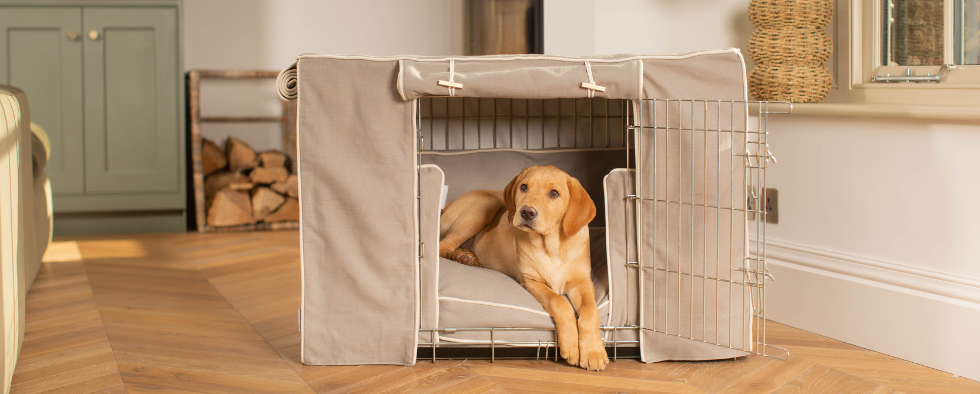
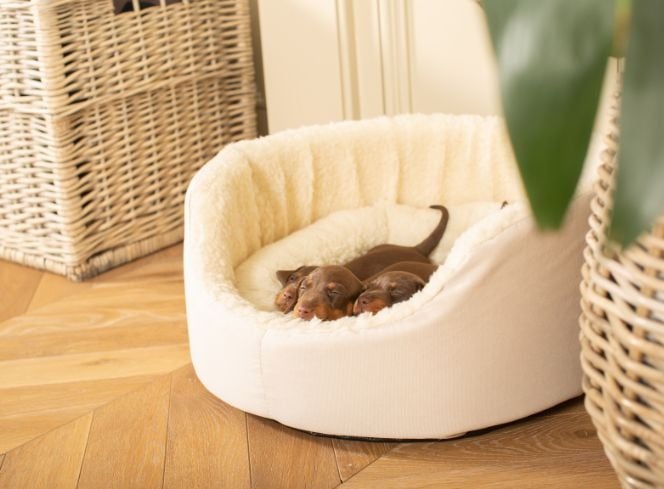
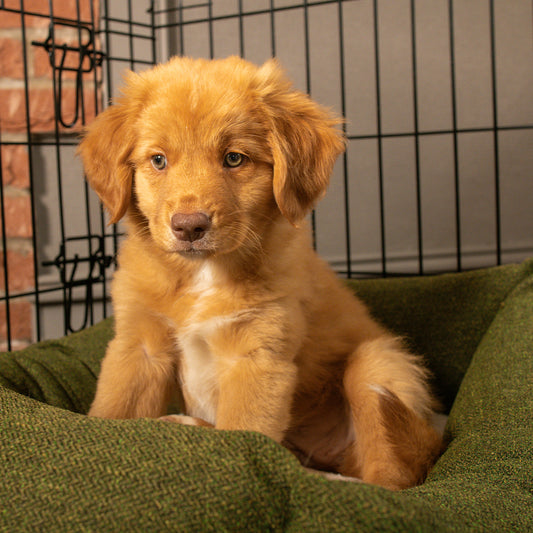
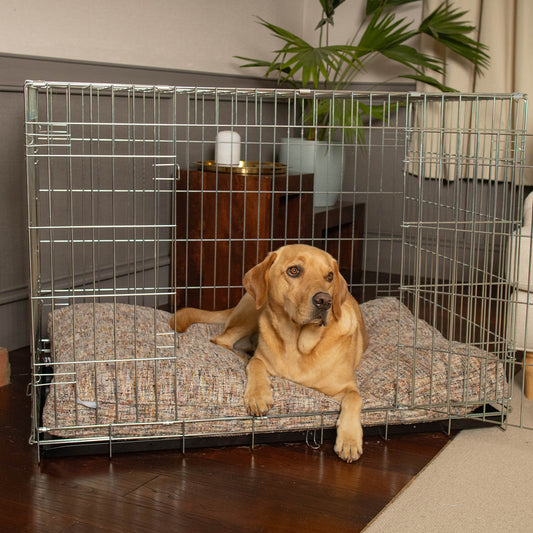
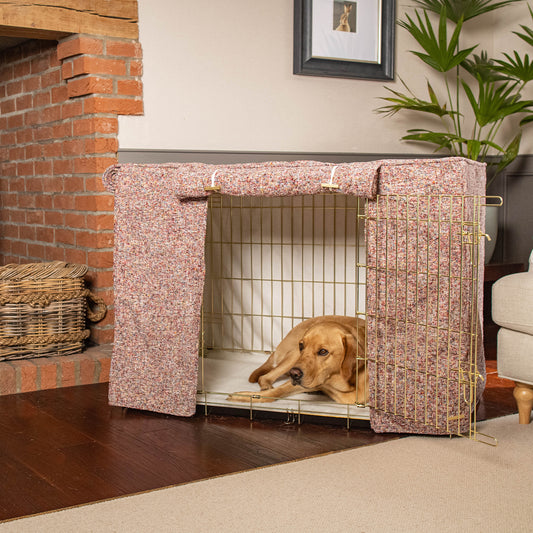
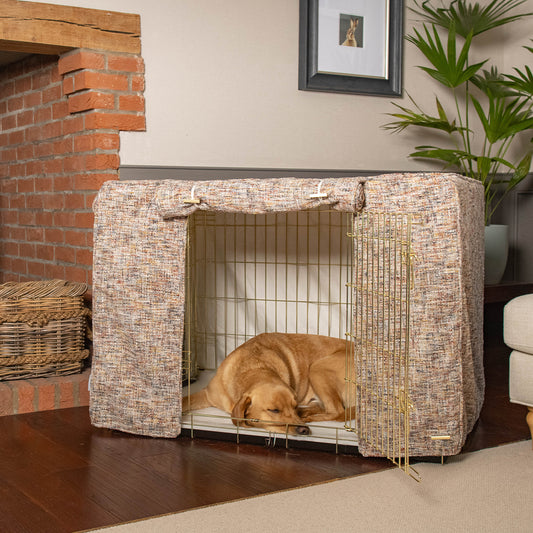
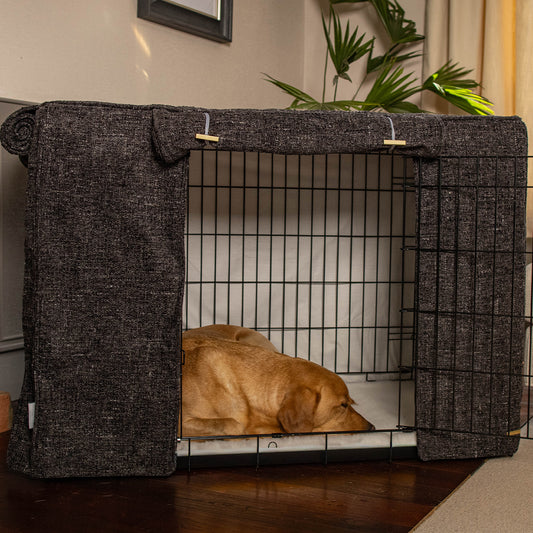
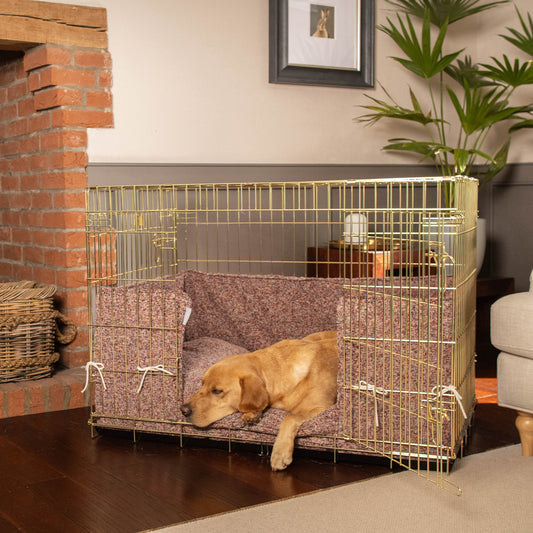
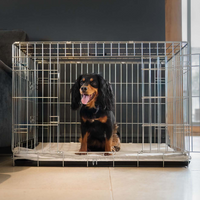
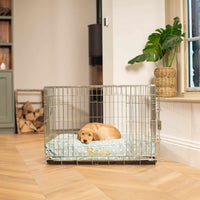
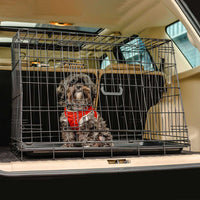
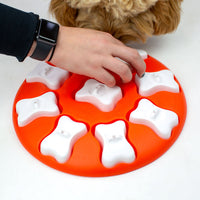
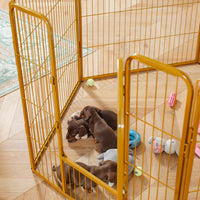
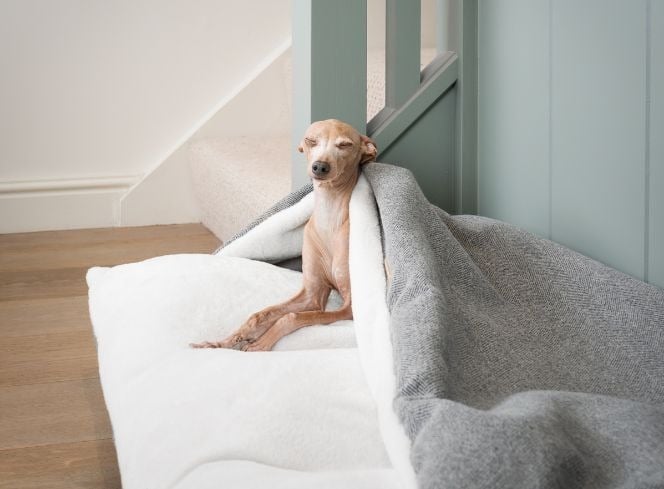
Welcoming a new puppy into your home is an exciting and joyous occasion. However, the first few nights can be a challenging time for both you and your furry friend. Puppies are known for their boundless energy and curiosity, which can make it difficult for them to settle down and sleep through the night. But fear not! With the right strategies and a little patience, you can help your puppy establish a healthy sleep routine. In this guide, we'll explore effective techniques to ensure your puppy gets a restful night's sleep, allowing you to do the same. Understanding Your Puppy's Sleep Patterns Before we dive into the tips and tricks for a peaceful night's sleep, it's crucial to understand your puppy's natural sleep patterns. Puppies, like human infants, have shorter sleep cycles and may wake up more frequently during the night. This behaviour is entirely normal and usually diminishes as your puppy grows older. On average, puppies need about 18 to 20 hours of sleep per day, but they'll sleep in shorter bursts throughout the day and night.   Establishing a Bedtime Routine Consistency is key when it comes to getting your puppy to sleep through the night. Creating a bedtime routine can help signal to your puppy that it's time to wind down and rest. Here's a simple routine you can follow: Set a regular bedtime: Choose a specific time for your puppy's bedtime and stick to it as closely as possible. This consistency will help regulate their internal clock. Toilet break: Before heading to bed, take your puppy outside for a bathroom break. This helps reduce the chances of nighttime accidents. Quiet playtime: Engage in calm and quiet play with your puppy before bedtime. Avoid overly stimulating activities that could leave them too excited to sleep. Snuffling or puzzle toys are great ways to wear their brains out without getting them too excited. Create a comfortable sleeping area: Ensure your puppy has a comfortable and safe sleeping space. A crate can be an excellent choice, as it provides a sense of security. We recommend setting your puppies crate up with one of our Cosy & Calming puppy crate beds filling half the space and then a piece of vet bed or a puppy pad on the other half. Dim the lights: As bedtime approaches, dim the lights in the room to signal to your puppy that it's time to sleep. The Power of Exercise A tired puppy is more likely to sleep soundly through the night. Make sure your puppy gets plenty of exercise and mental stimulation during the day. Long walks, playtime, and puzzle toys can help tire them out, making it easier for them to settle down at night.   Watch the Water and Food Limit your puppy's water and food intake in the evening to reduce the likelihood of nighttime toilet breaks. However, ensure they have access to fresh water throughout the day to stay hydrated.   Nighttime Comfort To make your puppy's sleeping area as inviting as possible, consider the following: Soft bedding: Provide comfortable bedding inside your puppy's crate or designated sleeping area. Our crate sets are perfect for creating your puppies dream sleep sanctuary. White noise: Some puppies find white noise or soft background music soothing. You can use a white noise machine or a calming playlist to create a peaceful ambiance. Puppy-safe toys: This will depend on your puppy but you could try including a few quiet, puppy-safe toys in the sleeping area to keep your puppy occupied if they wake up during the night, however you may find that this just excited your puppy too much when they’re supposed to be sleeping.   Handling Nighttime Wake-Ups Even with the best efforts, your puppy may still wake up during the night. When this happens: Stay calm: Avoid getting frustrated or upset. Remember that your puppy is still learning. Quietly address their needs: If your puppy needs to go potty, take them out to their designated spot, but do so quietly and without playing or engaging in stimulating activities. Avoid excessive attention: Minimise interaction during nighttime wake-ups to prevent reinforcing the idea that waking up at night is playtime.   Gradual Adjustments As your puppy grows, their ability to sleep through the night will improve. Be patient and understanding during the early months, and gradually, you'll find that your puppy needs fewer nighttime wake-ups.   Helping Older Dogs Sleep Through the Night If you have an older dog that's struggling with nighttime sleep, consider factors like comfort, pain, or anxiety. Consult with your veterinarian to address any potential underlying issues that might be affecting your dog's sleep. In conclusion, getting your puppy to sleep through the night requires consistency, patience, and a well-structured routine. Understanding your puppy's natural sleep patterns and providing a comfortable sleeping environment are essential steps in this process. With time and the right approach, you can help your puppy develop healthy sleep habits, ensuring peaceful nights for both you and your four-legged companion. Sweet dreams to you and your furry friend!

By Megan Willis

Read more
8 Tips For Walking Your Dog At Night Safely
09.10.23 October 09, 2023 Owning a Dog Featured

8 Tips For Walking Your Dog At Night Safely

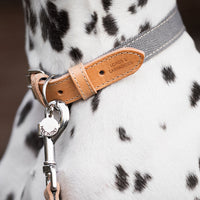
As the seasons change and we find ourselves in the midst of autumn and approaching winter, the days grow shorter, and darkness descends upon us earlier. For dog owners, this shift in daylight hours can present a challenge when it comes to walking our furry companions. Walking your dog at night during these darker months can still be a delightful experience, offering tranquility and cooler temperatures, but it also brings its own unique set of challenges. To ensure a safe and enjoyable night walk with your dog as we enter the autumn and winter seasons, it's crucial to be well-prepared and take the necessary precautions, including the use of reflective gear for dog walking. In this article, we will provide you with 8 expert tips to help you navigate the changing seasons and walk your dog safely at night.   1. Invest in Reflective Gear Investing in reflective gear for dog walking is essential for night-time outings. Outfit your dog with a reflective collar, lead, or harness to make them more visible to passing vehicles. We recommend the Zoon flash and go rechargeable collar, it comes in multiple sizes and is super adjustable so you’re sure to get the right fit. Similarly, consider wearing reflective clothing or accessories yourself to enhance your visibility to others. [product]   2. Stay on Familiar Paths Walking your dog at night is not the best time to explore new and unfamiliar paths. Stick to routes that you and your dog are well-acquainted with to reduce the risk of stumbling or getting lost.   3. Keep Your Dog On The Lead Even if your dog is well-behaved off-lead during daytime walks, it's advisable to keep them on the lead at night. This provides better control and prevents them from wandering into potential dangers, like roads or other animals.   4. Choose Well-Lit Areas Opt for well-lit routes whenever possible. Walking in areas with streetlights or well-illuminated paths can significantly enhance safety during your night-time dog walks.   5. Carry Essentials Pack essentials such as a torch, poo bags, and a fully charged phone with emergency numbers programmed in. These items will prove invaluable if you encounter any unexpected situations.[product]   6. Train Your Dog Before embarking on night walks, ensure your dog is well-trained and responsive to commands like "stop," "stay," and "come." A well-trained dog is easier to manage in low-light conditions.   7. Stay Aware Maintain situational awareness throughout your walk. Keep an eye out for potential hazards, such as uneven paths, potholes, or other pedestrians. Additionally, be cautious of wildlife that may be more active at night.   8. Be Prepared for Weather Changes Weather conditions can change rapidly at night, so check the forecast before heading out and dress appropriately. Bring extra layers, an umbrella, or rain gear as needed to ensure both you and your dog stay comfortable. Walking your dog at night can be a wonderful experience, provided you prioritise safety and preparedness. By following these 8 expert tips and using reflective gear for dog walking, you can enjoy the benefits of night-time dog walks while minimising the risks. Remember that your safety and the safety of your canine companion should always come first, so take every precaution to ensure a safe and enjoyable night walk.

By Megan Willis

Read more
Psychological Benefits of Having Cats and Dogs
02.10.23 October 02, 2023 Health Featured

Psychological Benefits of Having Cats and Dogs

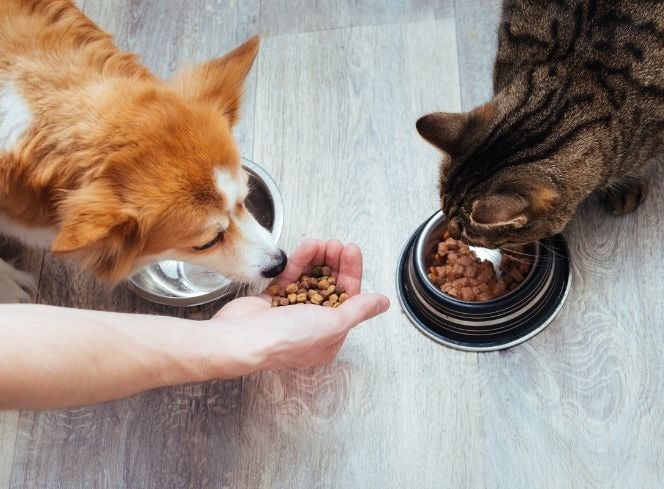
In the hustle and bustle of our daily lives, it's easy to overlook the incredible impact that our furry companions can have on our mental and emotional well-being. Cats and dogs, often regarded as our faithful friends, provide not only companionship but also a plethora of psychological benefits. With World Mental Health Day coming up we thought we’d explore the remarkable psychological benefits of having cats and dogs, shedding light on why these four-legged friends are often referred to as "man's best friend" and "purr-fect" companions.   Psychological Benefits of Having Cats Cats are renowned for their independent nature, but beneath that cool exterior lies a wealth of psychological advantages for their owners. Let's delve into some of the psychological benefits of having cats. Stress Reduction: Spending time with a cat can lower stress levels. The soothing sound of a cat's purring has been shown to reduce stress and anxiety. Improved Mood: Cat owners often report an improvement in their mood and a reduction in feelings of loneliness and depression. The simple act of petting a cat can release feel-good chemicals in the brain. Companionship: Cats offer a sense of companionship, especially for individuals living alone. Their presence can combat feelings of isolation. Lower Blood Pressure: Interacting with cats has been linked to lower blood pressure, which can contribute to overall cardiovascular health.   Psychological Benefits of Having a Dog Dogs, on the other hand, are renowned for their loyalty, boundless energy, and affection. Here are some of the psychological benefits of having a dog: Stress Reduction: The presence of a dog can significantly reduce stress levels. Petting, cuddling, or even just looking into your dog's eyes can trigger the release of oxytocin, the "love hormone." Mental Health Benefits of Walking Your Dog: Regular walks with your dog provide an excellent opportunity for exercise and fresh air, which are crucial for mental well-being. The routine of daily walks can also help establish a sense of structure in your life. Emotional Benefits: Dogs are highly attuned to their owners' emotions. They can offer comfort and support during difficult times, making them valuable emotional companions. Lowering Loneliness: Dogs are social animals, and their companionship can alleviate feelings of loneliness and isolation, especially for individuals living alone.   Best Dogs for Mental Health While any dog can bring joy and companionship, certain breeds are renowned for their positive impact on mental health. Breeds like Golden Retrievers, Labrador Retrievers, and Beagles are often considered among the best dogs for mental health due to their friendly and loving nature.   Mental Health Benefits of Owning Both Cats and Dogs The unique combination of cats' and dogs' qualities can provide a well-rounded approach to improving your mental health. Here are some mental health benefits of owning both cats and dogs: Diverse Companionship: Cats and dogs offer different types of companionship. While cats provide tranquility and independence, dogs offer energetic playfulness and loyalty. This diversity can cater to various emotional needs. Enhanced Social Interaction: Owning both cats and dogs can encourage social interaction. Taking your dog for walks or having friends over to meet your pets can foster connections with others. Responsibility and Routine: The responsibility of caring for pets, including feeding, grooming, and exercise, can create a structured routine that promotes mental well-being. In conclusion, the psychological benefits of having cats and dogs are substantial. Whether you prefer the independent charm of a cat or the unwavering loyalty of a dog, these four-legged friends contribute to lower stress levels, improved mood, and enhanced mental well-being. The choice between cats and dogs may ultimately depend on your lifestyle and preferences, but the emotional and mental benefits of sharing your life with a furry companion are undeniable. So, if you haven't already, consider opening your heart and home to one of these wonderful creatures—they may just become your most trusted allies in the pursuit of better mental health.

By Megan Willis

Read more
Brushing The Dog: How Often Should You Brush Your Dog
19.09.23 September 19, 2023 Owning a Dog Featured

Brushing The Dog: How Often Should You Brush Your Dog

There’s nothing better when your pooch is all clean and smelling lovely, with their beautiful coat cleaned and brushed - but, when it comes to brushing your dog, you might be wondering if your dog even needs brushing, and if they do, exactly how often they require brushing? Adopting a short-haired dog unfortunately doesn’t mean your dog doesn’t need brushing, every dog requires help to keep their coat looking, smelling and feeling nice, we discuss how often your dog requires brushing, and how to keep their coat looking lovely.   How Often Should You Brush Your Dog? Your dog’s coat may need some help in taking care of, and dependant on their type of coat will determine how frequently it’ll require brushing. Generally, if you have a short haired breed like a Jack Russell, your dog’s coat should be ok to be brushed weekly (this is assuming they’re not rolling around in the wet mud!). Longer haired dog’s such as a Maltese will require daily brushing to keep them comfortable. If your pet sheds, such as a Labrador retriever, they will also require brushing twice weekly, to avoid build up and discomfort. It's best to start the brushing routine when they’re young, however, you can train your dog to enjoy the bonding process of being brushed at any age. Although the tools and technique will vary from breed to breed, and your dog’s temperament, these are the tips we recommend to follow whilst grooming your dog.   Removing Mats  Start by teasing out any mats your dog has. This may decrease week-by-week if you keep your brushing routine. You may want to opt for a de-matting comb, teasing out the knots in your dog’s fur gently.   De-shed Once your dog is free from any mats, go over with a de-shedding tool only if your dog has a thick undercoat, or is prone to shedding.   Brushing When you’ve picked out the perfect tool for brushing your dog, make sure they’re dry and comfortable before brushing in the direction of the way their fur grows. For longer haired breeds, you may want to work in sections. To help make the process more enjoyable for you and your dog, you may want to spray your dog with a pet-safe detangling spray.   Best Dog Brush Depending on your dog’s breed will determine the best brush, consider the guidance below before purchasing the brush as these recommendations may work better for you and your dog  Coat Type Example Breed Recommended Brush Wiry Hair Terriers Slicker brush or a medium to fine tooth comb. Short & Smooth Fur Greyhounds Soft Bristle Brush or Grooming Glove Short Fur with Undercoat Labrador retriever Undercoat rake, medium to fine tooth comb, slicker brush Long & Silky fur Cocker Spaniel Slicker brush, medium to fine tooth comb Long & Coarse fur Shih tzu Slicker brush, Pin brush, medium/fine tooth comb Long fur with undercoat Border Collie Undercoat rake, medium to fine tooth comb, slicker brush Curly fur Poodle Slicker Brush, medium/fine tooth comb   Please use the above as guidance of which tool to use to brush your pet, as with all breeds, taking the time to brush them will not only physically be more comfortable, but it will strengthen their bond too.

By Megan Willis

Read more
Are Cats Scared Of Fireworks?
19.09.23 September 19, 2023 Health Featured

Are Cats Scared Of Fireworks?

As we enter the season of celebrations, it’s often we turn to fireworks to make those occasions extra special. It’s well known our canine friends are often scared of fireworks and there are calming remedies to help, (you can find our dogs & fireworks guide here), but what does mean for our feline friends? Here we explore if cats are afraid of fireworks, and what you can do to help them through the celebrations.   Cats And Fireworks It is very likely your cat will be frightened of fireworks, some may be scared by the loud noises, and some may be scared by just the sight – they may even find both elements terrifying to them. If you can, try to keep your cat indoors on evenings such as ‘bonfire night’ and ‘New Year’s Eve’, even if you’re not having a firework display yourself, you can’t be sure neighbours won’t be putting on their own displays. When keeping your cat indoors, don’t forget to put out a litter tray with easy access for your cat to use at their leisure. When keeping your cat indoors, go through your home and ensure you have no windows or doors open that would be easy for your cat to escape to. Remember cats can squeeze themselves to fit into very small, tight spaces which may be dangerous for them, so block these off to ensure they’re able to play and sleep in a safe space. It’s good to create a safe place for them to retreat to whilst the festivities are going on – somewhere they feel warm, safe and cosy – somewhere almost den like. You can encourage use of the area with adding toys, treats and their favourite blanket. This will make them feel secure and should limit the level of anxiety they feel. A hooded bed placed high up on a shelf is ideal, as long as it is safe. Whilst keeping your cat indoors, do not shut them in a confined area. Allow access to all of your home, providing it is safe to do so. Keeping them locked away may encourage their need to escape and they may end up hurting themselves. If your cat does get distressed throughout a firework display, try not to pick them up as this can increase the level of anxiety which could provoke aggression. Your cat is very perceptive, so try to keep yourself calm throughout, if they see you acting normally, it may decrease their level of anxiety. We also stock a range of cat calming products which may help keep your cat calm during fireworks. If you're wondering how cat calming products work and the best ones to use why not check out our cat calming guide?   How To Block Out Firework Noise For Cats Turning on a radio and keeping it at a level volume is a good way to drown out any noise of fireworks and keep your home calm. Look out for radio stations which play ‘calming music’, there are often stations which play ‘pet friendly’ music throughout ‘bonfire night’ and ‘New Year’s Eve’. Whilst you’re trying to block out any noise from the fireworks, don’t forget to block the windows too, shutting curtains where possible to shut out any of the colourful flashes which is likely to scare your cat.  Buying your cat a treat or toy is a great way to distract from firework noise and flashing. A treat your cat can lick, such as a paste is a great option that your cat can work on and will take some time. Pureed treats often have high water content too which is great to keep your cat hydrated. Here at Lords & Labradors, we have lots of calming options which may be useful to you and your pet throughout the ‘firework season’.    Why Are Cats Scared Of Fireworks It’s hard to determine what your cat is most afraid of around fireworks, but it’s likely to be a combination of the loud noise, the unpredictability and the flashing that unsettles them and seems frightening. If your cat suffers from anxiety throughout firework displays, we recommend speaking to your vet, and/or a cat behaviourist as soon as you can. It’s best to address the anxiety before the season starts to desensitise your feline, which may take time.

By Laura Rudd

Read more
Can Dogs Eat Pumpkin? Our Guide To Dogs At Halloween
19.09.23 September 19, 2023 Seasonal Featured

Can Dogs Eat Pumpkin? Our Guide To Dogs At Halloween

Nothing says Halloween like a freshly carved pumpkin lit up, by people’s doors and windows. If you happen to be taking part in this tradition this year, be mindful of your furry friend lurking by whilst you carve away your colourful squash. It goes without saying to keep all sharp and dangerous objects out of the way of your canine, but what about the pumpkin itself? In short, yes your dog can eat pumpkin flesh. Pumpkins are actually found in a lot of dog food, and may even be an ingredient in the food or treats they already eat! You may need to be careful with which part of the pumpkin they eat however, here’s our guide to if dogs can eat pumpkin!   Can Dogs Eat Raw Pumpkin? It’s always good to check with your vet before offering your dog a new food, but often pumpkin flesh is ok for your dog to eat and you may find they enjoy it. Try to avoid the prickly stalk from the pumpkin as this could cause irritation in your dog’s mouth and may be harmful when ingested. It’s also advised to remove the skin of the pumpkin as it can act as a choking hazard and if ingested there’s a serious risk of gut obstruction. If you do decide to feed your dog pumpkin flesh, do bake it first, or offer a pumpkin puree – unsweetened. Feeding raw pumpkin can be very hard to swallow and digest.   Dogs At Halloween As we draw closer to Halloween, it’s good to know what activities your dog can and can’t partake in, especially as there’s a lot more activity we do around this time! Pumpkin carving and trick or treating sound fun and inviting for us humans, but what about our dogs? Trick or Treating is fun for the little people in our life, and gets us out of the house often for a walk around neighbouring houses and streets. Try taking your dog along with you if you can. It’s likely you will have visitors knocking on your door, destressing your dog whilst you’re out, so taking your pooch along with you also means it’s likely they’ll enjoy the walk and escape the anxiety of lots of doorbell ringing where nobody is home to answer! You could even dress your dog up in fancy dress or add something to their lead to celebrate the season with you. We have a fun range of Halloween costumes this year which you should definitely check out if you're looking to dress your dog up this Halloween! Be mindful some dogs do not like being dressed up and be wary of adding anything that makes a noise which could scare or irritate your dog. You can find our best Halloween treats & toys here, so even if you don’t leave your home, your dog can join in on the festivities safely and anxiety free for you, knowing all the toys and treats you provide as dog safe and dog friendly.   Dog Trick Or Treat Don’t forget to keep your colourful and sweet trick or treat sweets out of reach of your dog as often these treats to us, are poisonous to our dogs. Why not make some dog treats or bake your own doggy cakes so your pup gets an extra special treat too! There may even be events around your area where you can take your dog to dog friendly ‘trick or treat’ events, where the dogs sniff out their very own treats! This may be something you adopt in your own home, or simply provide them with a snuffle mat they can enjoy! However you’re spending this Halloween, we hope it’s filled with fun and lots of doggy safe adventures!

By Laura Rudd

Read more
Create Your Ideal Puppy Bedtime Routine
19.09.23 September 19, 2023 Getting A Puppy Featured

Create Your Ideal Puppy Bedtime Routine

Us humans are creatures of habits, you may not realise you have a ‘bedtime routine’, but you most likely do, which helps wind you down from the day and settle you to a good night’s sleep. Whether this be brushing your teeth and climbing into your softest bedsheets, or reading a few pages of your book, it’s important to create the perfect bedtime routine, so it’s not surprising our puppy’s need a routine too to help them wind down from the day and recognise when ‘bedtime’ also means ‘sleep time’. Here, we have compiled a helpful guide to creating your puppy’s bedtime routine to ensure you both get the best night sleep.   Puppy Bedtime Routine Your puppy may need encouragement to go to sleep, they should eventually settle when they’re tired enough, so you may need to play with them or take them for a walk earlier in the evening to tire them out. Try to start your ‘wind down time’ around 30 minutes before their scheduled bedtime. From this time, avoid playing with them or have them interacting with any stimulating toys that will keep them alert. You may need to separate them from events that would excite them (like bath time if you have children who love to squeal and splash) and giving them a simple chew toy may a better toy to leave them with. Take your puppy out to the toilet just before you’re going to put them to bed. Ensure it is long enough for them to relieve themselves properly before settling down for the night.   Puppy Sleep Routine Once they’ve been to the toilet and settled for the night, choose them a comfortable place to sleep; this may be their bed, in a playpen or a crate. Create the space for your puppy to feel cosy and so they associate relaxing in this space. Ensure the bed is in a low-traffic area of your home so they’ll be undisturbed. Avoid putting any toys in your puppy’s sleep area as you may find they opt for ‘play time’ over ‘sleep time’. Turning the lights out may be a ‘sure sign’ of bedtime, and a habit your puppy will get used to, to feel settled and to recognise the significance of ‘bedtime’. Try to limit the amount of times you switch the lights on and off, so your pup knows once the lights are out – it is sleeping time. If your puppy is struggling to settle why not try one of our crate covers. They're perfect for popping over your puppies crate so it's dark for them and you can roll the doors down to help signal that it's 'sleep time' to get them in a good routine.    Good Bedtime for Puppy Your pup’s bedtime will often be determined by your own routines and plans and will vary depending on the level of exercise your puppy gets and the lifestyle they live with you. Your puppy will generally need about 12 hours of sleep a night, so this may change their bedtime with your morning routines too. Remember your pup needs to sleep throughout the day too! Usually, your puppy should go to bed around 2 hours before you head to bed, it might be useful to take your puppy to the toilet just as you’re heading to bed, so they’ve had another toilet break opportunity, which may help them last longer throughout the night. As tempting as it may seem, try not to let your dog sleep on you on an evening and encourage them sleeping in their bed. Balancing the activity of your pup and how much sleep they need takes time, but you’ll soon learn your puppy’s routine as they learn yours which will make for a seamless night’s sleep!

By Laura Rudd

Read more
How To Bathe A Cat
19.09.23 September 19, 2023 Health Featured

How To Bathe A Cat

A well-known fact about cats is how clean they are, as they clean themselves regularly. You may never have thought about bathing your cat, but it’s sometimes necessary to give them a little help and bathe them yourself. If your cat is covered in something sticky, smelly or if they have picked something up, it’s best to give them a bath and keep them clean. Here are our tips to keep your feline looking, feeling and smelling fresh. How To Wash A Cat Start With Your Cats Claws  Their form of defence is their claws, so it’s best to focus on these before you put your cat straight into a stream of water. Keep the atmosphere calm and focused so you can trim your cats claws appropriately. We recommend using specific cat nail clippers to cut your cats nails with. If you're wanting to know the best way to cut your cats claws why not check out our blog on how to trim your cat's claws?   Brush Them First Once you’re happy with your cats claws, give your cat a brush over, removing any excess hair sitting in your cats coat. Cats shed all year round, so getting the excess hair from them will ensure for a more efficient bath time.   Introducing The Bath Generally your cat won’t enjoy the bathing process and won’t be willing if they’re hungry or tired. So, try to time the grooming just right in their day, so they’ll be more comfortable throughout. You may want to play with them beforehand, or even offer them some catnip. Bathing If you don’t have a rubber bathmat, fold a towel and place it on the bottom of the bath so your cat has something sturdy to stand on. Fill the bath with a couple of inches of lukewarm water and place your cat in the water. You may need a second pair of hands to help with washing.   Shampooing Do not use human shampoo on your cats fur, use a specially designed cat shampoo to avoid any unnecessary trips to the vet. Start at your cats neck and work your way over their body to finish with the shampooing of their tail. It’s unlikely your cat will go under the water, so use a jug to pour clean water over them to rinse out all of the shampoo. Washing Their Face We don’t recommend pouring water over your cats face and ears, instead, use a clean damp cloth to wipe over their face to clean. Drying Dry your cat fully and brush through if your cat needs it. Our Drying Mitts are great for lifting your cat out of the bath and drying them straight away. Finally, don’t forget to finish with a really tasty, high reward treat. Treats and praise will make the while process more enjoyable for your cat, and they may let you bathe them again!

By Laura Rudd

Read more
How To Clean Your Dog's Teeth
19.09.23 September 19, 2023 Health Featured

How To Clean Your Dog's Teeth

Oral health for your dog is just as important as keeping your mouth and teeth clean as a human. Neglecting your dog’s teeth can lead to plaque build-up which can cause disease which is very common in dogs. To avoid your dog’s discomfort (and a large vet’s bill), it’s best to keep on top of your dog’s oral health. In this blog we discuss how to clean your dog’s teeth, and why it is so important. Brushing Dogs Teeth The way you brush your dog’s teeth will vary on their breed – check with your vet if you’re unsure, but there will be different ways you should be brushing due to your dog’s needs. For example, if you have a French Bulldog, or a flat-faced breed, due to the jaw alignment, you may need to be brushing in a certain way, and more frequently to avoid dental disease. Brushing your dog’s teeth may need some training and extra guidance from you, as your dog may not willingly let you in their mouth. If possible, use our guide below to follow: Using your finger only, brush along your dog’s mouth until they’re comfortable with you brushing your finger across their teeth. Once they’re happy with you brushing their teeth, introduce doggy toothpaste and gently rub across the teeth. Once your dog is comfortable enough with you using your finger to ‘brush’ their teeth, you can progress to an actual brush. It’s good to use a specially designed doggy toothbrush as this has been tried and tested for the utmost comfort for your dog. Gradually build up your brushing time up to two minutes, 2-4 times a week. This might take time, but it should get easier the more gradually you do this. End with a high value reward when your dog cooperates with you and lets you brush their teeth. Try to pick a treat that promotes fresh breath and clean teeth. It’s important you don’t use human toothpaste on your dog as it can be toxic. Enzymatic dog toothpaste will help to reduce the bad breath and break down plaque – dog toothpaste is often chicken or liver flavour which your dog will find super tasty!   How Often Should You Brush Dogs Teeth? Daily brushing will help prevent the build-up of plaque and tartar which may lead to gingivitis and dental disease. Your dog’s teeth will be checked by your vet regularly but do keep a look out for any change in your dog’s eating habits, red or swollen gums, discolouration of teeth or fractured/missing teeth.   How To Freshen Dog's Breath Without Brushing If your dog won’t let you in to brush their teeth, try to help them take care of their teeth naturally. Providing your dog with plenty of chew toys and dental treats can help to prevent plaque and tartar build up whilst also combatting boredom.

By Laura Rudd

Read more
Why Do Cats Sleep So Much?
19.09.23 September 19, 2023 Owning a Cat Featured

Why Do Cats Sleep So Much?

Whether you have an indoor house cat or an outdoor loving cat, you may wonder why they really need to sleep so much? Even if they don’t have a particularly ‘busy’ day with playing, surely they can’t be so exhausted they need to sleep for 12+ hours each day? We discuss your felines sleeping schedule and why it is so important your cat gets the sleep they need.   How Long Do Cats Sleep? Simply, cats sleep to conserve their energy to hunt for their food. Even if your cat has never had to hunt for their meal, their instinct to sleep and prepare for the hunt is still there. If you’ve ever wondered where the term ‘cat nap’ comes from, you’ll be unsurprised to hear our feline friends are the reason this phrase was coined. Although, your cat may not always be asleep - they may look like they are, but often your cat will curl up and get cosy for what looks like an ideal nap spot; however, they may just be cosying up to rest. Depending on your cats age will often depend on how much sleep they need in general. Very young cats & kittens will likely sleep most of the day, usually between 16-20 hours with short bursts of energy between meals, where as your ‘teenage’ cats will often have erratic sleep schedules to accommodate their intense playful nature. Your adult cat will tend to sleep in a routine that will average around 12-20 hours of sleep per day. Your senior cat will likely have a lower mobility than younger cats, and it’s likely they will sleep much longer periods throughout the day.   Do Cats Sleep More In The Winter? You may have noticed your cats sleeping pattern changes with the change in weather and temperature. When the temperature drops throughout winter, it’s likely your cat will be spending more time sleeping. Cats sleep more during the colder months as they use their instinct to store their energy and fat reserves for the winter. It’s also likely, as their owner, you will be spending more time indoors, perhaps heading to bed earlier due to darker evenings/mornings, so your cat will likely follow your routine change too. Why not treat them to some new cosy blankets or even a bed to help keep them cosy and warm whilst they snooze away this winter?    Why Does My Cat Sleep On Me? Cats are most vulnerable when sleeping, so you might find your cat sleeps by, or on you, in an attempt to feel safe and secure whilst they sleep. Instinctively they will choose their favourite companion to cuddle up to create a sense of security, so they can enjoy a peaceful sleep. They may also choose you to cuddle up to simply because you’re warm and they trust you. So enjoy the extra cuddles whilst they snooze away, knowing they chose you, because you make them feel safe and secure! If you’re concerned about how much your cat is sleeping, get in touch with your Vet, who will be able to advise on the symptoms your cat is displaying, and whether their sleep schedule is normal for them. 

By Laura Rudd

Read more

loyal customer in 17 countries

Why Shop With Us?

  • Free Delivery

    Orders over £75 qualify for free standard UK delivery. Orders under £75 will be calculated at the checkout.

  • Shopping Made Easy

    Gain exclusive access to sales and shop all your pets favourites on the go by downloading our app.

  • Designed in the UK

    Our own brand products are lovingly designed in our specialist UK workshop to our exacting standards.

  • We're Here For You

    Contact our Pet Experts on Chat or by email at sales@lordsandlabradors.co.uk