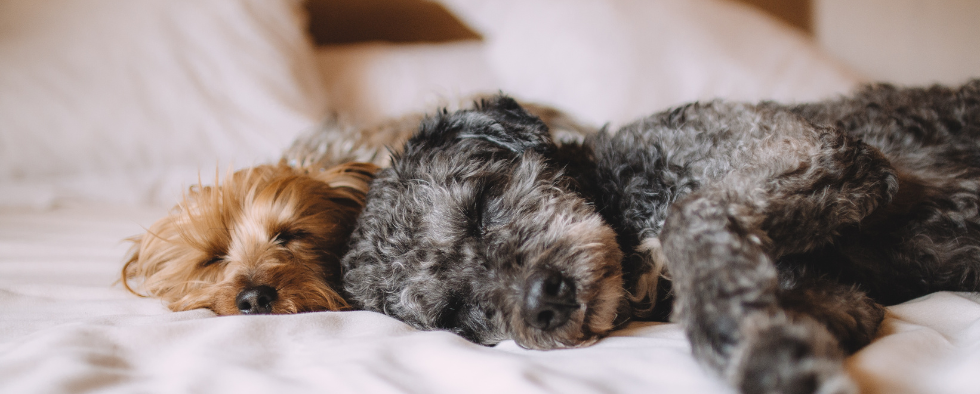
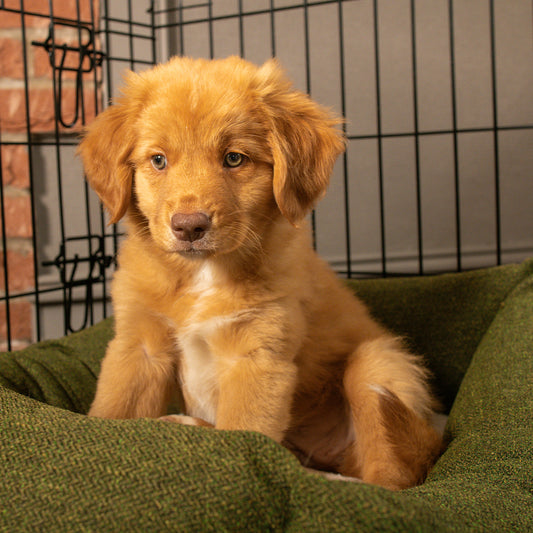
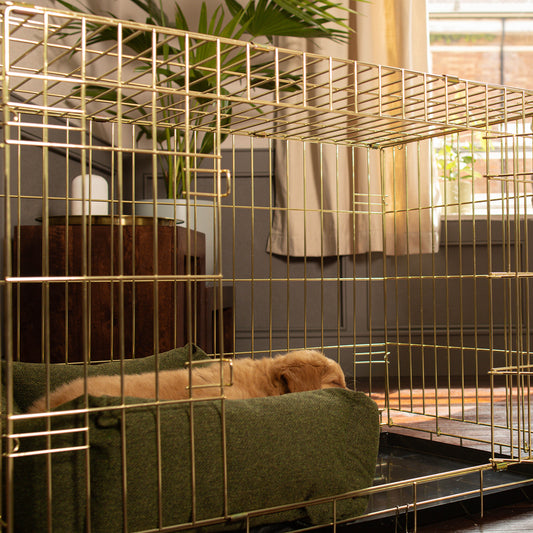
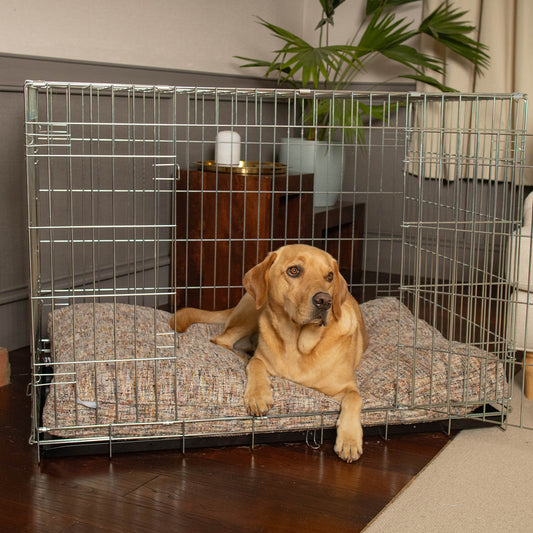
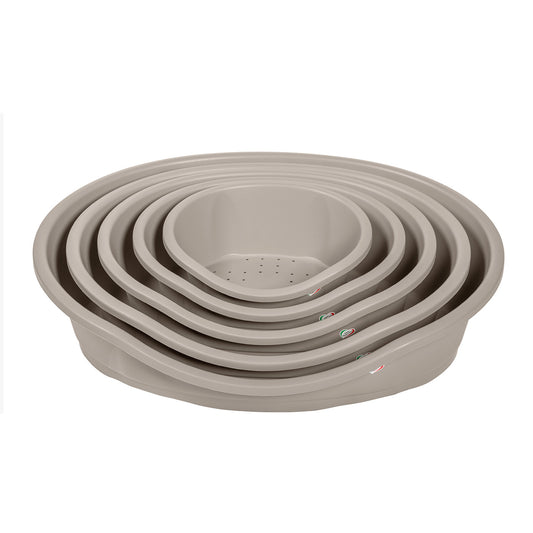
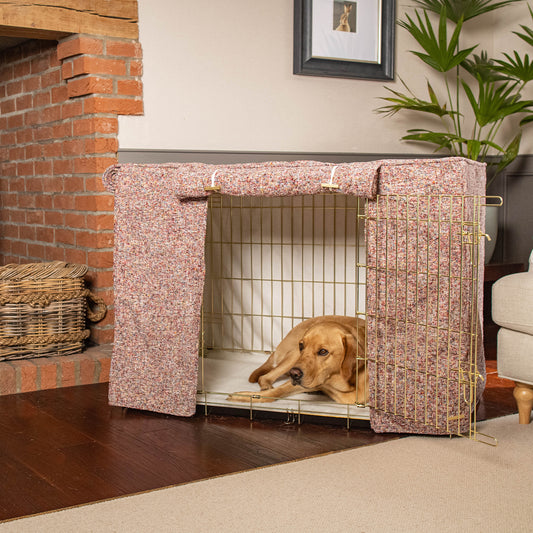
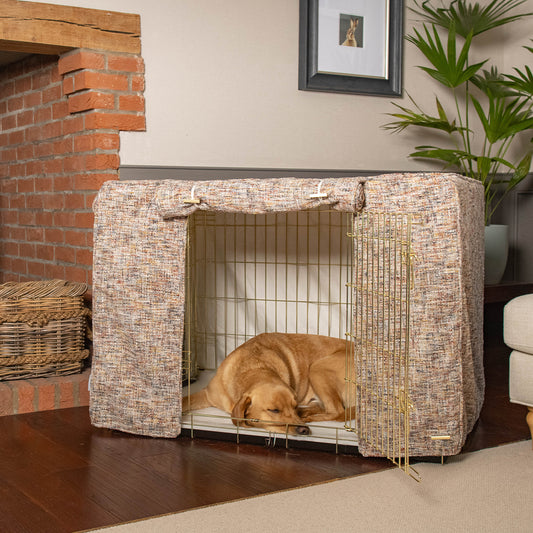
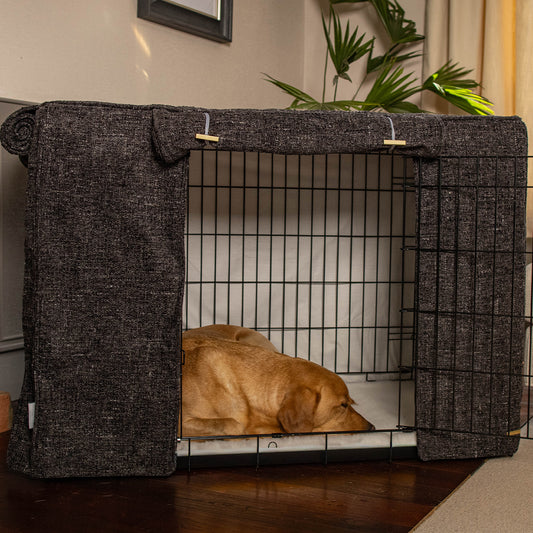
Did you know dogs spend 12 to 14 hours a day sleeping? That's a lot of time in bed so it's no surprise that their bed might be looking a little worse for wear. Dogs are creatures of comfort so making sure they have a a clean and supportive bed is essential for their overall well-being. In this guide, our Pet Experts explore the signs that indicate it's time to change your dog's bed and share expert tips on how to care for your canine's cherished sleeping spot.
How Often Should You Replace Your Dog’s Bed?
Determining how often to replace your dog's bed depends on several factors including the quality of the bed, your dog's size and activity level, and any specific health considerations. As a general guideline, it's advisable to replace your dog's bed every 1 to 3 years, or sooner if signs of wear and tear become noticeable.
Signs It's Time to Change Your Dog's Bed:
Visible Wear and Tear: Over time, your dog's bed may start showing signs of wear and tear, such as flattened cushions, lumps, or torn fabric. If you notice any significant damage, it's a clear indication that it's time to consider a replacement.
Lingering Odours: Despite regular cleaning, dog beds can accumulate odours over time, especially if your furry friend enjoys outdoor adventures or has accidents indoors. Lingering smells that persist even after washing could signal the need for a new bed.
Loss of Support: Just like humans, dogs require proper support for their joints and muscles, especially as they age or if they have existing health conditions. If your dog's bed no longer provides adequate support or has become too soft, it's time to invest in a new one to ensure their comfort and well-being. It might be worth investing in an orthopaedic dog bed if your dog’s breed is prone to joint issues.
Allergies and Skin Irritations: Dogs can develop allergies or skin irritations from prolonged exposure to dust mites, pet dander, or other allergens that accumulate in their beds over time. If you notice your dog scratching more than usual or experiencing skin issues, a new bed with hypoallergenic materials may offer relief.
Preference for Alternative Sleeping Spots: Dogs are creatures of habit, and if you notice your furry friend opting for alternative sleeping spots around the house instead of their bed, it could indicate that they're no longer comfortable or satisfied with their current sleeping arrangements. It’s worth looking at how your dog likes to sleep so you can get the best bed shape to suit their sleeping style, our Information Hub has a guide on how to choose the perfect dog bed for your dog.
Top Ways to Care for Your Dog's Bed:
Regular Washing: Establish a routine for washing your dog's bed to remove dirt, hair, and odour-causing bacteria. Most of our Lords & Labradors dog beds are machine washable, we have a handy guide on how to wash your dog’s bed here.
Use a Removable Cover: Opt for dog beds with removable, machine-washable covers for easy cleaning. Having a spare cover on hand allows you to swap them out while one is being laundered, ensuring your pup always has a fresh and clean place to sleep. We also sell bamboo bed covers which are great for popping over your dog’s bed to help keep them clean especially after a muddy dog walk, they will act as an additional layer of defence against moisture and stains, extending the life of the bed!
Vacuum and Spot Clean: In between washings, use a handheld vacuum or lint roller to remove hair and debris from the surface of the bed. Spot clean any stains or spills promptly to prevent them from setting into the fabric.
Rotate and Fluff: Just like flipping a mattress, periodically rotate your dog's bed to distribute wear evenly and prevent premature sagging. Fluffing the bed's filling helps maintain its loft and support over time.
Sun and Air Dry: On sunny days, take advantage of natural sunlight by airing out your dog's bed outdoors. Sunlight helps eliminate odours and kills bacteria, leaving the bed feeling fresh and revitalised.
Inspect Regularly: Take time to inspect your dog's bed for any signs of damage, loose seams, or worn-out stuffing. Promptly address any issues to prevent further deterioration and ensure your pup's safety and comfort.
By recognising the signs that it's time to change your dog's bed and implementing proper care and maintenance techniques, you can provide your furry friend with a clean, comfortable, and supportive sleeping environment. Remember, a happy and well-rested pup makes for a happier pet parent too!
If you’re looking to upgrade your dog’s bed why not check out our collection of luxury dog beds? Bedding is our speciality, we design and craft all of our bedding here in our Lincolnshire workshop so you can be sure your dog will be getting the best sleep possible in one of our luxury dog beds.
The Importance Of Correct Nutrition For Dogs And Cats!
Ensuring optimal nutrition for our beloved pets is paramount for their overall health and well-being. As responsible pet owners, it is crucial to understand the significance of providing nutritionally complete and balanced meals to our furry friends. In this comprehensive guide, we will delve into the world of dog and cat nutrition, exploring the importance of the right food choices, nutritionally complete homemade recipes, and the best commercial options available.
Understanding Dog and Cat Nutrition
Your pet's nutrition plays a pivotal role in their vitality and longevity. Just like humans, dogs and cats require a balanced diet that fulfils their specific dietary needs. A well-rounded diet supports their immune system, maintains a healthy weight, and promotes optimal organ function. Pet food ranges from being more processed to being raw and rich in natural ingredients, finding the right fit for your pet is important!
Dog Food Nutrition
Choosing the right dog food is a key aspect of canine care. With an abundance of options available, it's essential to prioritise nutritionally complete choices. To make an informed decision, consider using a dog food nutrition calculator and comparing different products. Look for the best nutritional dog food that meets your pet's unique requirements, taking into account factors such as breed, size, and age. Our favourite nutritionally rich dog foods are Orijen, Carnilove and Acana, they are all designed with your dogs nutrition in mind.
Dog Nutrition Facts and Guide
Understanding dog nutrition facts is imperative for providing the best care. Refer to a dog food nutrition guide to navigate through the plethora of choices available in the market. Learn about your dog's daily nutritional requirements and make informed decisions that contribute to their overall health and happiness.
Cat Food Nutrition
Cats, being obligate carnivores, have unique nutritional requirements. The best cat food for nutrition considers their need for high-quality protein and essential nutrients. Explore dry cat food nutrition labels to ensure your feline friend receives a balanced diet that supports their specific dietary needs. For a cat food which is high in protein and great for fussy felines we love Carnilove, they all have at least 80% wild origin meat content and contain No grains, potatoes, GMO, soy, sugar, preservatives or colourants.
Daily Nutritional Requirements for Cats
Cats require a carefully balanced diet to thrive. Knowing the daily nutritional requirements for cats is essential for choosing the right cat food. Consult with your vet to understand the specific needs of your cat, such as the importance of taurine and other essential nutrients crucial for their health.
In conclusion, the importance of correct nutrition for dogs and cats cannot be overstated. Whether choosing commercial options or crafting homemade recipes, prioritising nutritionally complete meals is key to ensuring your pet's health and happiness. Stay informed about dog and cat nutrition, consult with professionals, and make choices that align with your pet's unique requirements. By providing the best nutritional dog food or cat food, you contribute to a longer, healthier life for your furry companions. Here at Lords & Labradors we have a large range of both cat and dog food so you can pick the best option for you and your pet
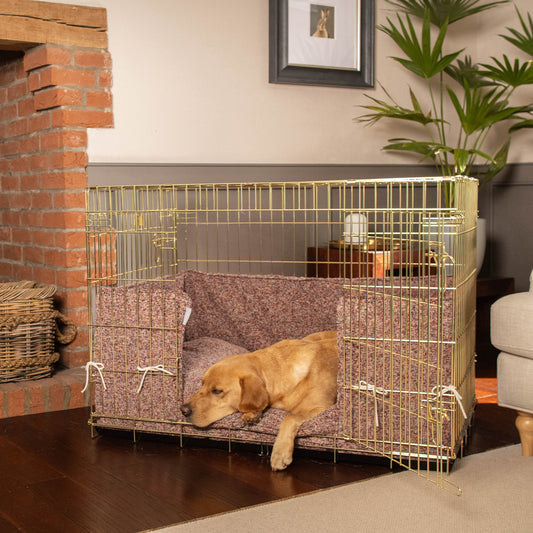
Crate training is an important part of settling in a new puppy. A crate provides a safe, quiet space for your pup and will help them to get used to their nighttime routine and with toilet training. A dog crate can be made into a cosy den that will be loved by your new four-legged friend for a lifetime. In this article we will explain the best crate set-up for puppies, how to change the set-up as they grow up and also how to look after your crate and crate bedding.
How To Make The Perfect Crate Set-Up For A Puppy
Crate training your puppy will have lots of advantages, helping them to settle and feel safe in their home as well getting them into a consistent bedtime routine. The perfect crate for a puppy will feel safe, warm and cosy. It’s important that it’s inviting so that they feel compelled to use it.
With this in mind we’d suggest the following items:
Crate Cover
[product]Crates in their basic form can be rather draughty and a little bit unsightly! A crate cover will not only make the crate look stylish, but it will make the crate feel cosy inside. Our crate covers feature roll down doors which can be lowered when it’s time for bed. Puppy will soon learn when they should be sleeping (doors rolled down) and when it’s time to get up (doors rolled up). Our crate covers come in a range of fabrics which have been designed to match your home and they're all machine washable, making them brilliant for puppies!
Cosy & Calming Puppy Crate Bed
[product]
Our cosy and calming beds have been designed with crate training in mind. Each size is made to fill exactly one half of the corresponding crate size. So if you have a small crate for a Chihuahua for example, the small bed will fit in exactly one half of the crate. This then leaves room for a puppy pad in the other half along with a bowl for water. They come in a range of our printed cotton fabrics and feature a reversible cushion pad inside - one side covered in super plush sherpa!
Puppy Pads
Whilst we don’t want to encourage puppies to pee in the crate, it’s also important to note that they can’t hold themselves for very long at all. Whilst you will be able to take them outside at regular intervals during the day, this may not be the case at night. When you put them to bed, putting a puppy pad in one half of the crate will help to stop any accidents from dirtying their bed or crate tray.
Crate Bowls
Puppies will need access to water at all times and a crate bowl is a brilliant accessory as it can be fastened to the crate walls. This will ensure it doesn’t get tipped over or knocked like a standard bowl might.
The Perfect Crate Set-Up For An Adult Dog
As your dog becomes toilet trained and they begin to need the full space of the crate for their bed, you will need to consider swapping out the puppy accessories for their proper adult bed. At Lords & Labradors we specialise in crate bedding that will make your dog’s den look stunning as well as super comfortable inside.
Crate Cushion
Our crate cushions are designed to fit our crates perfectly. They come in a range of fabulous fabric designs from luxurious tweeds to printed cottons. There really is something to suit every taste and home.
Crate Bumper
Crate walls aren’t the most comfortable things to snuggle up to, and if your dog likes to curl in the corner of their bed, they will need something other than metal bars! That’s where our fabulous bumpers come in. They sit around the edge of the crate cushion and create a spongey layer of warmth around the walls. Perfect for snuggling up in the corner when nap time calls!
Crate Cover
Our crate covers are perfect for setting a routine with your dog, when the doors are rolled down it will signal to them it's time to sleep. Our crate covers are fully lined to help keep light out and come in matching fabrics to our bumpers and cushions to you can be sure crate will look stylish!
Crate Set Aftercare and How To Clean A Crate
With a little love and care your crate set will last a long time. Here we detail how to look after your crate set:
The Crate - The crate is made of sturdy metal and is really easy to keep clean. Our crates are easy to wipe clean and the tray is removable so you can get into the corners properly. It’s really important to make sure the crate is completely dry before setting back up and allowing your pet back in, we recommend drying your crate to avoid any rusting.
Lords & Labradors Cushion & Bumper Covers - For our bedding from our core collection you will be able to remove the covers on the cushions and bumpers. Turn the cover inside out and machine wash on a 20 degree gentle cycle. Allow the covers to air dry (do not tumble dry). Once dry return the inner cushion to the cover.
Essentials Plush Collection Bumpers & Cushions - Our bumpers and cushions from the Essentials Plush Collection don't have removable covers, we recommend spot washing your essentials plush bumpers and cushions.
Lords & Labradors Crate Covers - Our crate covers are all machine washable on a 20 degree gentle cycle, apart from our oil cloth crate covers. After washing, we recommend air drying your crate cover over your crate to help keep it in shape and to make sure it doesn't shrink. A cool iron on the reverse of the cotton fabrics is fine if necessary, but often they won’t even need that. Our tweeds and Savanna fabrics are super fast drying and they will come out of the spin almost dry. Just give them an air and they’ll be ready to use again in no time at all!
Cushion and bumper inners - The cushion and bumper inners are protected by waterproof interlinings, so won’t need washing. This will preserve the inner fillings. The waterproof liners are wipe clean. If they become soiled, simply wipe down with a mild pet-safe detergent and they’ll be as good as new again.
Cosy and Calm Puppy Bed - Our puppy beds are fully machine washable. You can put the whole bed in the machine and wash on a 20° cycle. When removed, simply shake and plump the cushion back into shape and leave to air dry.
Follow these simple steps and your crate sets will last and look stunning for years to come!
We’re getting to that time of year again where we’re travelling more with our pets to the beach, staycations and even trips to a different location for a long walk. No matter how long the journey - even if it’s a trip to the local vets - you should ensure your dog is properly restrained and safe to travel. Here in the UK it’s the law when travelling by car your dog needs to be restrained. In this blog, we breakdown how to travel safely with your pet.
What Is The Law With Dogs In Cars?
The Highway Code states in their Rules about Animals, when in a vehicle, dogs are to be suitably restrained so they cannot distract you while you’re driving or injure you, or themselves, if you should need to stop quickly. If you were in an accident caused by your dog distracting you whilst you were driving, this could be considered as ‘dangerous driving’. It’s also good to check your insurance policy, as car insurance providers may require you to restrain your pet.
Is It The Law To Restrain A Dog In A Car?
It is the law to restrain your dog when travelling in your car. So as fun as it is for your pooch to sit with their head out of the window, they must be suitably restrained so they cannot distract you and potentially hurt either you or themselves. When it comes to where your dog should be when travelling, although there are no laws against your dog travelling in the footwell of the car, unfortunately they would not be properly restrained and if you did have an accident, you may be prosecuted for ‘dangerous driving’.
When choosing where your dog should be properly restrained, no matter what method you choose, your dog should not sit in the front seat - securing them in the boot or back seat behind a front seat is considered a safer option.
How To Secure A Dog In The Car
There are many safety products you can choose from, which can help with travelling safely in the car. It’s most important you choose a solution that’s suitable and comfortable for your pooch, and it has been installed and executed correctly to ensure the safety of your pet. Here at Lords & Labradors, we’d recommend the following for safe travel.
Dog Carriers
Our pet carriers come in different sizes and weights which will vary for the suitability for you and your dog. It’s a lighter option to our metal crates and are easily packed away if you’re staying away from home. Carriers are great when travelling by car and when taking your dog from the car into a safe place to let them out and stretch their legs. They keep your pooch safe and settled whilst travelling.
Travel Harnesses
Our pet-friendly harnesses come in a variety of sizes, suitable to your dogs breed and size. Travel harnesses are easy to fit onto your dog and it’s quick to clip them into place. They’re specially designed to prevent your dog from moving around whilst in the car, all whilst keeping your pet safe and comfortably restrained.
Travel Crates
Crating your dog keeps them safe & secure - using a crate to transport your pet has the added benefit if they’re already used to being crated at home. If your dog is used to being crated, often when travelling they’ll feel safer and their surroundings will reduce any anxiety your dog may have around travelling.
How Long Can A Dog Travel In A Car
Being stuck in the car can be hard for your dog! Not only will your dog need regular toilet breaks, they’ll also need to stretch their legs and get some of their energy out. When stopping for your dog to toilet and stretch their legs, you could also give them some food and water to avoid any spillages whilst travelling. Ideally you should try to keep to your dogs routine where possible (even when travelling) - every 2 to 4 hours for about 15 to 30 minutes is a good guide to follow, however you’ll know what is best for your dog and how they travel. If you’re planning a lengthy trip, try to go on few shorter journeys to see how your dog is likely to react.
You may be preparing for the all important ‘Gotcha Day’, the day celebrated by all dog parents as the day you brought your pup home. Taking your puppy home for the first time is exciting, especially if you have prepared for their arrival. Puppy shopping can be so much fun, but also overwhelming if you’re a new pet parent, or if you’ve not had a puppy for a few years. There will be some things you do need to buy for necessity and some things that are worth buying for your new pup. Here at Lords & Labradors we’ve put together the 10 puppy essentials you’ll need to get your new puppy settled.
Our Top 10 Items To Buy For Your New Puppy
1) What crate to buy?
Firstly, if you’ve decided to crate train your puppy, you’ll need a crate that will see you through from puppyhood to adulthood. You’ll need a crate the appropriate size so you can fit a puppy bed at one end and a puppy training pad the other incase they need to toilet when left in their crate. It also gives your pup enough room to stretch, play and sleep if crated during the daytime. Depending on your training methods, you may want to place the crate somewhere the puppy can be near to you, but also not directly in a high traffic area of your home. Remember the crate is your puppy’s den, so discourage any children from climbing inside.
2) Where should my puppy sleep?
We recommend a puppy bed that’s easy for your pup to get in and gives them enough support and comfort whilst they sleep. Our Cosy & Calm Puppy Box Beds have been carefully designed with your puppy in mind. The beds are super squishy and soft, and have the most comfortable sides for your pup to snuggle right into. If you have chosen to crate train your pup, our vet bed is really popular, as it’s cosy, comfortable, robust and relatively puppy proof - it’s easily washed and dried too. It can be used with or without our Cosy & Calm puppy box bed.
3) What will my new puppy eat?
It’s recommended you initially use the same food that your puppy comes home with, in order to avoid any tummy upset during their first few days with you. Once your puppy has settled, you can gradually introduce a new food to their diet. It’s good to check the food guidelines of the food you choose to feed your pup, as often they’ll give you the correct guidelines on how to introduce the new food to your pup.
Make sure you have a clean bowl for water and a clean bowl for food, you can opt for a slanted water bowl if you have a spaniel breed to reduce your dogs ears from getting soaked in their water.
4) Puppy Toilet Training
Top of your list should be a reliable pack of puppy training pads, not only are they great for training your young pup, but they are invaluable when travelling (pop in the bottom of their carrier/crate to catch any travel sickness or accidental toilet trips). You can also use them to absorb muddy, wet paws after your pup has had a play in puddles!
5) How to settle my new puppy at night
When settling your new puppy at night, our heart beat sheep will be your puppy's new best friend. The heart beat sheep features a beating heart inside that mimics the beat of Mum's heart. They're designed to offer comfort and calm to new puppies who may feel nervous in their new home; they help to stop separation anxiety too. Alongside the heart beat sheep, you could pop in a heat pad under your dogs bed/cushion to keep them warm and to mimic the feeling of having siblings/mum near. Both the heat and the heart beat sheep will provide comfort for your puppy, especially whilst they are settling in and adjusting overnight.
6) How to keep your new puppy entertained
Toys will provide something to chew on for your pup, which you’ll find are essential if you want to avoid your puppy chewing on your furniture. Choose a variety of textures, styles and sizes to keep your puppy engaged and interested. You may want to keep a toy box so your pup can choose what they’d like to play with, or keep a few toys in rotation so your puppy doesn’t get bored with them.
You can also buy toys you can fill with treats or their food. If you want/need to leave your puppy - remember to build this up slowly, and don’t leave your new puppy for a long period of time - you could try freezing a peanut butter filled KONG (remember to use doggy/puppy friendly peanut butter). Freezing the toy will take them longer to work through and will give some relief to their sore teething gums and teeth.
7) Does my new puppy need a collar?
You may want to purchase your dogs collar before they arrive home with you, however it’s advised to purchase the correct size collar for your puppy, which you may have to wait until they’re here to measure them properly. It is a legal requirement to have a tag with your details on incase your puppy gets lost or strays away, but it’s advised not to add your puppy’s name to the tag.
8) How will I get my new puppy home?
Collecting your puppy to take them home is really exciting, but it’s best to be prepared. Make sure you have a suitable carrier/crate to store them in safely for the journey. It’s important your dog is restrained as it is the law to keep your puppy properly restrained whilst driving. In your carrier, you may want to pop in a blanket that smells like home and a scent blanket that smells like their mum and litter mates. It’s also good to have some puppy training pads to hand incase of any car sickness or accidental toilet trips.
9) When to start training my new puppy?
You can start with bonding and training your puppy almost straight away, get some high quality, puppy training treats (make sure to check the guidelines), and enjoy teaching them new tricks - you’ll be amazed at how quick they learn!
10) When do I start grooming my puppy?
It’s recommend that even if your pup won’t require grooming at first, you should regularly brush them to get them used to being groomed and handled. Choose a simple, soft brush and/or comb for the first couple of months. There will be a time you will need to wash your puppy, make sure you’re not using human shampoo as this will upset your puppy's PH levels and may not be compatible with your puppy flea treatment. It’s best to invest in a puppy shampoo that you can use when and if you need to bathe your puppy. We have our own puppy grooming set in our Petplex collection called the 'Puppy Purifier' it has a shampoo and a cologne to help keep your puppy smelling fresh.
Fetching a ball is not only a classic dog game but also an excellent exercise to stimulate your furry friend both mentally and physically. Teaching your dog to fetch requires patience, consistency, and a well-structured approach. In this guide, we will walk you through the step-by-step process of training your dog to fetch, whether it's a playful puppy or a mature companion.
Why do dogs like fetch?
Engaging in a game of fetch extends beyond mere entertainment—it fosters a dynamic interplay of energy expenditure and cherished companionship for both canine and human participants. Yet, delving into the roots of a dog's penchant for fetch unveils an intricate interplay of innate instincts and their desire to please their human counterparts. The act of chasing and dutifully returning an object encapsulates a canine's earnest aspiration to accomplish a task that resonates with their loyalty-driven nature. The allure amplifies, particularly when rewards are involved, rendering the endeavour a fulfilling gesture in their eyes.
Upon the fling of the ball, an intrinsic script unfurls within a dog's being. The ball's trajectory simulates the erratic movement of potential prey, a visual cue that prompts a primal reflex. This reflex, honed through generations of predatory heritage, compels the dog to retrieve the object, the echoes of their forebears reverberating in this playful pursuit. An intricate symphony of neural pathways culminates in the release of dopamine, activating their reward centres, and consequently magnifying the joy they derive from this interactive sport—mirroring the exhilaration of the hunt itself.
However, not all canines possess an equal fervour for fetch. Their breed and temperament interlace to determine their disposition toward this spirited game. For breeds steeped in their hunting lineage, such as Cocker Spaniels and Border Terriers, the act of capturing and returning a tossed ball epitomises an intrinsic yearning. This yearning, stemming from their primal impulse, thrives as an end in itself, fusing reward and satisfaction within the act of fetch.
In the tapestry of the dog-human relationship, fetch knits a narrative that stretches back through generations of cooperation, instinct, and companionship.
A Step by Step Guide To Teaching Your Dog Fetch
Understanding the Basics of Fetch
Before diving into the training process, it's essential to understand the fundamental concepts of fetch. Fetch involves five main steps:
Throwing the ball,
Chasing the ball,
Picking the ball up,
Bringing the ball back to you
Dropping the ball ready for you to throw again.
1. Choosing The Perfect Ball
Selecting the appropriate equipment can greatly influence your dog's ability to learn how to fetch. Opt for a ball or toy that is safe, durable, and easy for your dog to carry in its mouth. Tennis balls and rubber fetch toys are popular choices. Additionally, ensure you're in an enclosed area to prevent your dog from running off with the toy.
[product]
For fetch we love the KONG Squeak Air balls which come in a range of sizes perfect for any dog and we also love the Chuckit Fetch Medley which includes three unique balls, each adding its own spin to fetch. Both Chuckit and KONG have their own ball launchers which make throwing long distances so much easier.
2. Introduce the Toy
Begin by introducing the ball or toy to your dog. Allow them to sniff and interact with it, creating a positive association. Playfully engage with the toy to spark your dog's curiosity, if your dog sees you being excited with the ball they will start to get excited about the ball too.
3. Use Positive Reinforcement
Positive reinforcement is key when teaching your dog to fetch. Reward your dog with treats, praise, or petting for any interaction with the toy. Gradually increase the criteria for rewards, only offering them when your dog shows interest in picking up the toy.
4. Teaching Retrieval
To teach your dog to retrieve, start by tossing the toy a short distance away. Encourage your dog to go after it by using an enthusiastic tone. If your dog picks up the toy and starts coming back, celebrate their success and reward them upon return.
5. Adding the "Drop" Command
Teaching your dog to drop the ball is another important aspect of fetch and is often the part of fetch most dog owners struggle with. When your dog returns to you, hold a treat close to their nose while giving the command "drop." As they release the toy to take the treat, reinforce the action with praise. If your dog is struggling with dropping the ball try playing the swap and drop game. For this you will need two balls, ones with a squeaker in tend to work better for this game. Begin by tossing the first ball, and when your enthusiastic pup dashes to retrieve it, introduce the second ball as a playful enticement - start squeaking the ball to entice them back.
[product]
Once your pup returns to you, whether clutching the first toy or not, send the second ball off in a new direction. Seize the moment to pick up the first toy as they chase the second one. Now, let the delightful cycle commence: toss one ball, tease with the other. The excitement will likely build to a point where your pup can't wait to get that next toy, and the magic happens – dropping the first toy and happily loping it back to you. This joyful anticipation will gradually turn into habit, setting the stage for your dog to graduate to fetching with a solo toy.
6. Progress Gradually
As your dog becomes more comfortable with fetching, you can gradually increase the distance you throw the toy. Maintain the positive reinforcement and excitement throughout the training process.
7. Stay Patient and Consistent
Remember, every dog learns at their own pace. Be patient and maintain a consistent training routine. Keep sessions short and engaging, ending on a positive note to keep your dog excited about fetch.
8. Practice Makes Perfect
Consistent practice is the key to success. Regularly engage in fetch sessions with your dog to reinforce their skills and build a strong bond between you two.
In conclusion, teaching a dog to fetch is a rewarding endeavour that fosters both mental stimulation and physical activity. By following the steps outlined in this guide and tailoring them to your dog's unique personality, you'll be well on your way to enjoying countless hours of fetch-filled fun. So, grab that ball, get out there, and embark on an exciting journey of teaching your dog the art of fetch!
Just like holidays and beach days, BBQs and alfresco dining are synonymous with summer. However, our friends at Vets Now, treat more injuries and poisonings during summer, with a number of cases associated with barbecues.
Dave Leicester, Head of Telehealth at Vets Now, explains:
“We see a number of unusual injuries at this time of year as barbecues and summertime parties in particular can be hazardous for pets. As well as swallowing kebab skewers, eating cooked bones, developing food poisoning, or sustaining burn injuries from stealing piping hot food from the barbecue, pets can also sustain traumatic injuries such as getting their tails stuck in patio doors and exercise related mishaps.”
Top 5 ways to keep your dog safe at BBQ's
Remember Party Food Is Not For Pets - Make sure you keep food and drink out of reach. Be aware which human foods are dangerous to your pets, and make sure your guests know the rules too. Alcohol, corn on the cob and bones are particularly dangerous barbecue hazards. Foods high in fat can cause inflammation of the pancreas (pancreatitis) which can be very serious, and sometimes even fatal.
Establish Boundaries - Sizzling sausages and other delicious hot food can be hard for a dog to resist. But hot food, when swallowed whole, could cause damage to the digestive tract, resulting in ulcers and dehydration. Ensure this doesn’t happen by establishing boundaries. Grease drippings can also be alluring but combined with gravel grease can get stuck in their digestive tract.
Know Your Plants - If you’re planning to spruce up your garden, make sure you know which plants are poisonous to your pet. For example, lilies are particularly poisonous to cats, laburnum is poisonous to dogs, and daffodils, rhododendron and yew are poisonous to both cats and dogs.
Keep Rubbish Out Of Reach - We all know how skilled our pets, particularly dogs, can be when it comes to sniffing out tasty leftovers. If covered in grease or other food leftovers, aluminium foil, plastic wrap, matches and kebab skewers can be very dangerous if your pet gets hold of them.
Make Sure Your Dog Doesn’t Go For A Wander Alone - Parties can be a busy time with visiting friends, so make sure your pet doesn’t make an escape in the commotion. It may be worth making sure there’s an unoccupied room for them to relax in. But be careful they don’t get shut into a conservatory or greenhouse, as these can heat up very easily in summer and cause heat stroke which is often life-threatening.
As dog owners, we've all experienced that familiar sight: our furry best friends panting heavily, their tongues lolling out, as if they've just sprinted a marathon.
Often panting occurs after a brisk walk or vigorous playtime but it's not always as simple as it seems. While panting is a natural cooling mechanism for dogs, it can also be a signal of underlying issues that require attention and care. As responsible pet parents, it's essential to decode the language of our four-legged pals and recognise the reasons behind their breathless moments.
In this week’s blog post, we'll embark on a journey into the world of canine panting, exploring the various reasons why dogs engage in panting, how to tell the difference between normal and excessive panting, what to do if your dog is panting and when you should contact your vet
What Is Panting?
Panting is when your dog’s breathing is rapid and shallow, usually with their tongue lolling out. Usually this is nothing to worry about but in some circumstance it can indicate something more serious.
Why Is My Dog Panting?
Your dog is usually panting as a response to something, either trying to cool themselves down after exercise or on a hot day. But sometimes your dog may be panting for other reasons, so it’s important to look at your dog’s body language and the wider situation so you can assess the reason your dog may be panting. Some of the most common reasons for dogs panting include:
Exercise
The most common reason for dogs panting is after exercise to try to cool themselves down. Dogs can’t sweat like humans to cool down, so instead panting allows them to inhale and humidify the air before exhaling, this increases the evaporation of water and cools their body from inside out. If your dog is panting after exercise there’s usually no reason to worry, as long as it’s not too hot, they will be absolutely fine.
Heat
Similarly to exercise, if your dog is too hot they will pant to cool themselves down. Excessive panting could be a symptom of heatstroke, heatstroke is brought on by a sudden rise in body temperature and can often be fatal. Other symptoms of heatstroke include:
Racing heart
Skin which is hot to touch
Glassy eyes
Unsteadiness on feet
Vomiting
Discolouration of gums
Seizures
If you spot any of these signs contact your vet straight away. Our blog Heat Stroke In Dogs, has all our tips on how to keep your pet safe in summer and how to avoid heatstroke.
Excitement
A lot of dogs pant when they’re excited, often if they’ve been given a new toy or treat or are meeting new people they will pant. This is a way for them to show they’re excited and is usually accompanied by whining.
Stress or Anxiety
Similarly to excitement, dogs who are in a stressful or anxiety provoking situation will pant and whine. It’s important to look at your dog’s body language to assess if this is the case, if they are hiding, avoiding eye contact and yawning or pinning their ears back and tucking their tails away the panting could be a sign that your dog is feeling either stressed or anxious. In our research we found that separation anxiety and dog anxiety were the two most common canine mental health disorders in the UK.
Obesity
Obesity is unfortunately a growing problem in dogs. Overweight dogs are more likely to pant as they struggle to get the fresh oxygenated blood round their systems so are out of breath and panting. If you think your dog may be overweight speak to your vet about the best way to help manage them loosing weight.
Illness or Pain
Dogs are exceptionally good at hiding pain, panting coupled with other symptoms like coughing, drinking and weeing more or low energy could indicate that your dog is either ill or in pain. Illnesses such a BOAS (Brachycephalic Obstructive Airway syndrome), heart disease, Cushing’s diseases, respiratory diseases and disorders or high temperatures and fevers all can cause excessive panting in dogs. If you think your dog is ill or in pain, contact your vet straight away for an assessment.
Medications
If your dog is on prednisone or another steroid they may be experiencing increased panting as a side effect.
Poisoning
One of the most common emergencies vets and vet nurses see is poisoning, whether that’s chocolate or raisin digestion, eating dangerous plants or licking a toxic substance like antifreeze, rat poison or slug killer, they can all cause panting. If you think your dog has been poisoned or eating something they shouldn’t, contact your vet right away.
Allergic Reactions
If your dog has recently started a new medication, in very rare cases they may have an allergic reaction. If your dog is having an allergic reaction they may be struggling to breathe and start panting more. Contact your vet right away if you think your dog is having an allergic reaction.
How To Tell If My Dog Is Panting Too Much
If you’re wondering what the difference between normal dog panting and excessive panting is and how to tell the difference, then there’s a few key things to look at:
What are they doing? Is there an obvious cause for the panting? - As we mentioned above, dog’s panting will usually correlate with external factors like exercise or excitement which is completely normal. Healthy dogs don’t usually pant for no reason.
Does it appear excessive compared to their normal panting pattern or with more exertion than normal? - You know your dog best and will be able to tell if their panting is different to normal, or if it seems more intense.
Are there any other symptoms? - If your dog’s panting is coupled with other symptoms like lethargy, not eating, coughing, discolouration of their gums or tongue, it could be a sign that the panting is a result of illness. We recommend speaking to your vet if this is the case
Has their panting changed sounds? - Listen to the sound of their panting and if there is a change is sound it could be a sign of another condition at play. For example if your dog has laryngeal Paralysis, which is common in Labradors and Golden Retrievers, their panting will often sound abrasive as a result of the disfunction in their vocal cords. Or if your dog is flat faced their panting is more likely to include snorting sounds. Both of these conditions predispose them to heatstroke, which panting is an indicator of.
If your dog is panting but still getting hotter, this could also be a sign of heatstroke.
What To Do If Your Dog Is Panting Heavily
If your dog is panting heavily there’s a few things to consider.
Look for the reason - is it hot, have they been running about or are they excited. If there’s no obvious reason, contact your vet. If it’s simply from excitement or exercise give your dog a little space and time to calm down and their panting should slow dow.
If it’s from overheating, you will need to act quickly but don’t panic. You will want to move your dog into the shade and offer them cool but not cold water, gently cool them down with water and then contact your vet immediately. Remember the best way to manage heat-stroke is to avoid it, don’t leave your dog in a parked car on a hot day, provide plenty of shade and water, and make sure not to walk them if it’s too hot.
If you suspect their panting is because of stress, stay calm and try to remove them from the situation. Once they are out the way of any danger or triggering circumstances, comfort and reassure your dog.If there’s lots of situations that repeatedly cause your dog stress and anxiety, it may be worth contacting a behaviourist who can work with your dog to overcome their fears
If there’s other symptoms which cause you to think there may be an underlying issue like illness, pain, an allergic reaction or poisoning - make an appointment with your vet. They can then assess your dog and figure out the cause of their excessive panting.
When To Contact A Vet For Heavy Panting
Your dog suddenly starts panting with no obvious cause
You think they’re in pain, suffering from an allergic reaction or poisoning
Their panting is constant and intense
Their tongue or gums look blue, purple or white - this is a sign they’re not getting enough oxygen
They are displaying signs of heatstroke If you are unsure contact your vet - if you’re worried or concerned always talk to your vet, that’s what they’re there for.
Questions To Ask Your Vet About Your Dogs Panting
Is my dog’s panting normal or abnormal?
What can be done to determine the cause?
What can be done to treat the cause?
Does Your Dog Breathe Fast While Sleeping?
If your dog is panting at night and the room they’re sleeping is cool, there could be a lot of reasons for this. We recommend taking your dog to the vets to find the underlying issue causing their panting at night. The reasons behind this could include anxiety - either separation anxiety if they sleep separately to you or part of a night terror, check out our blog on night terrors if you suspect your dog may be suffering from them. If you think anxiety may be causing your dog's panting at night, try putting the radio on from some background noise or using a calming diffuser.In conclusion, while panting is a natural cooling mechanism for dogs, it can also be a sign of underlying issues. As responsible pet owners, it's vital to recognise the reasons behind our dog's heavy panting and seek veterinary help if needed. By understanding their needs and being proactive in their care, we can ensure our beloved companions lead happy and healthy lives filled with joy and love.
As a new dog owner, deciding whether to crate train your pup or provide them with a cosy dog bed can be a tough choice. Both options have their pros and cons, and finding the right fit for you and your furry friend is essential. In this article, we'll explore the advantages and disadvantages of both sleeping arrangements and offer tips on transitioning from a crate to a bed. So, let's dive in!
Crate Training Your Pup
Crate training is an excellent way to help your puppy settle into their new home. It offers a safe den-like space where they can enjoy some quiet time, take a nap, or chew on their favourite toy.
Advantages Of Using A Crate:
Provides a safe space for your dog.
Assists in toilet training and managing separation anxiety.
Keeps them safe from potential dangers.
Harder for your dog to destroy compared to a dog bed.
Great for travel, whether in the car or unfamiliar environments.
Disadvantages of Crate Training:
Improper training may lead to fear or negative associations with the crate.
Crates can be large, and not every home has enough space.
Some dogs may find them less cosy compared to a dog bed.
Dog Crate Sets
At Lords & Labradors, we've designed crate bedding to create the ultimate cosy den for your dog. Our crate sets consist of four parts:
The Dog Crate: With a variety of 5 sizes available, our crates are guaranteed to offer the perfect fit. Boasting thicker bars and a metal tray, they are more durable than standard dog crates.
Crate Cushion: A super plump cushion with deep hollow fibre filling, perfect for comfort. Most of our crate cushions also have removable covers, making for easy washing. They can also be used as a standalone bed, making them perfect for travel.
Crate Bumper: Padded bumpers that line the inside of the crate, offering a comfortable resting spot for your dog's head.
Crate Cover: The last item in our crate sets is our crate covers. These fit over the crate and really help to transform it from being an unsightly dog crate to being part of your home. They're also great for helping to make the crate extra cosy and settling your dog in to a routine by establishing when it's time to sleep.
Crate Training Tips
To make crate training a positive experience, take it slow and reward your puppy every time they enter the crate. You can even feed them meals in there to help them get used to it. Remember, never use the crate as punishment. For more tips and tricks, check out our comprehensive crate training guide written by our pet experts.
Using a Dog Bed
Dog beds have their advantages too, offering more freedom for dogs that prefer snuggling and are easier to move around the house.
Advantages of Dog Beds:
Gives your dog more freedom, suitable for certain personalities.
Less bulky than a crate, making them easier to move around.
Cosier and perfect for dogs that love to snuggle.
Disadvantages of Dog Beds:
Dogs can roam around at night and potentially chew on things they shouldn't.
Some dogs may chew and rip apart dog beds, meaning you have to replace them more frequently than a crate
Choosing the Right Bed for Your Dog
Consider your dog's sleeping preferences when selecting a bed. Whether they like to curl up or stretch out, we have a handy guide to help you choose the best bed for your furry companion.
How To Transition From A Dog Crate To A Dog Bed
If you've crate-trained your puppy and want to transition to a bed, it requires patience and a gradual approach. Here's how:
Leave the crate door unlocked and slightly open for a few nights, containing them in one room to avoid overwhelming freedom.
Fully open the crate door at bedtime, allowing them to explore but still have the option to return to the crate if needed.
Once your dog is comfortable, remove the crate and have them sleep on the cushion or mat they used in the crate. Later, you can switch to a new dog bed.
Remember, every dog is unique, and finding the right sleeping arrangement may require some trial and error. Check out our range of crate bedding and luxury dog beds to get a better idea of what will work best for you and your beloved pup. Happy sleeping!
If you've ever witnessed your beloved furry friend experiencing night terrors, you know how distressing it can be. Just like humans, dogs can have nightmares too. Night terrors in dogs can leave both pets and owners feeling helpless and concerned.In this article, we'll delve into the world of dog night terrors, exploring what they are, why they occur, how to identify the symptoms, and most importantly, what you can do to help your furry friend. So, let's jump right in!
What Are Dog Night Terrors?
Dog night terrors are episodes of intense fear or anxiety that occur during sleep. They are also known as sleep terrors or parasomnias, and are characterised by intense fear, anxiety, and agitation during sleep. These episodes are often accompanied by physical manifestations such as trembling, whimpering, or even trying to escape from the perceived threat. Although we can't fully understand what our dogs experience during these episodes, it's important to remember that night terrors can be distressing for both the dog and their owner. Night terrors are different from regular nightmares, as dogs experiencing night terrors are not fully awake and may not be aware of their surroundings.
Can Dogs Have Night Terrors?
Yes, dogs can indeed have night terrors. While it is difficult to determine the exact content of their dreams or nightmares, research suggests that dogs may experience similar dream patterns to humans. It's important to note that the exact causes and triggers of dog night terrors are still not fully understood by scientists. However, it is believed that factors such as anxiety, past traumas, or certain medications may contribute to these episodes.
Why Do Dogs Have Night Terrors?
Understanding the underlying causes of dog night terrors is crucial in addressing the issue effectively. Several factors can contribute to these episodes, including:
Anxiety or stress
Dogs with a history of anxiety or fear-based behaviours may be more prone to night terrors. Traumatic experiences or a lack of socialisation can contribute to these anxieties.
Medications
Certain medications can potentially disrupt a dog's sleep pattern and trigger night terrors
Medical conditions
Certain medical conditions, such as epilepsy or sleep disorders, can trigger night terrors in dogs. It is important to consult with a veterinarian to rule out any underlying health issues
Age
Puppies and older dogs are more likely to experience night terrors due to the developmental stages or age-related health issues
Environmental factors
Changes in the dog's environment, such as moving to a new home or exposure to loud noises, can contribute to night terrors. Dogs are creatures of habit and disruptions to their routine can sometimes cause stress and anxiety.
Dog Night Terror Symptoms
Identifying the symptoms of night terrors in dogs is crucial in order to provide the necessary care and support. Here are some signs to look out for:
Rapid eye movement (REM) under closed eyelids
Intense vocalisation: Dogs experiencing night terrors may let out loud and distressing vocalisations such as growls, barks, whimpers, or howls
Uncontrolled movements: During night terrors, dogs may exhibit sudden and uncontrolled movements like thrashing their legs & body or trembling/shaking
Dilated pupils and rapid breathing: Dogs in the midst of a night terror may have dilated pupils and rapid, shallow breathing.
Disorientation upon awakening: Unlike nightmares where dogs wake up fully aware, dogs with night terrors may appear disoriented and confused upon waking up.
Is My Dog Having Night Terrors Or Seizures? What’s The Difference?
Differentiating between night terrors and seizures is essential, as the treatment approaches may vary. Here are some key distinctions:
Night terrors: Dogs experiencing night terrors may appear partially awake, exhibit intense fear or anxiety, and display physical symptoms like shaking or vocalising. They are usually responsive to external stimuli.
Seizures: During a seizure, dogs are generally unaware of their surroundings, may lose control of their bodily functions, and exhibit repetitive or convulsive movements. They are less likely to respond to external stimuli.
If you're unsure whether your dog is having night terrors or seizures, it's best to consult your veterinarian for a proper diagnosis and treatment
What To Do If My Dog Has Night Terrors
Although you may feel helpless when your dog experiences night terrors, there are several strategies you can implement to help alleviate their distress:
1. Create a safe and comforting environment
Provide a designated sleeping area that is quiet and free from distractions. Use a comfortable dog bed and consider using familiar scents, such as a blanket with your scent or calming aromatherapy products.
2. Establish a consistent routine
Dogs thrive on routine, so establish a regular sleep schedule and stick to it. Incorporate calming activities before bedtime, such as gentle play or a relaxing massage.
3. Exercise and mental stimulation
Engage your dog in regular physical exercise to help reduce anxiety and promote better sleep. Provide mental stimulation through interactive toys or puzzle games to tire their mind as well.
4. Use positive reinforcement and rewards
Reward calm behaviour and reinforce positive associations with bedtime routines. Consider using relaxation techniques, such as gentle massage or music designed for dogs, to help them unwind before sleep.
5. Seek professional help and advice
If your dog's night terrors persist or worsen, it is important to consult with a veterinarian or a veterinary behaviourist. They can assess your dog's specific situation and provide tailored guidance and, if necessary, recommend appropriate treatments or therapies.
Should You Wake a Dog Up From a Night Terror?
In most cases, it is not recommended to wake a dog up from a night terror. Abruptly waking them can startle and confuse them, prolonging the episode. Instead, create a soothing environment by dimming the lights and minimising any loud noises. Your dog can pick up on your emotions, so it's important to remain calm and composed during an episode whilst it runs its course. Once the episode has passed, gently reassure your dog with soothing words and gentle strokes. This can help them feel safe and secure.
When to See a Vet For Dog Nightmares
If your dog's night terrors persist, worsen over time, or significantly impact their quality of life, it's important to consult with your veterinarian. They can conduct a thorough examination, rule out any underlying medical conditions, and provide guidance on appropriate treatment options.
While dog night terrors can be a distressing experience, there are steps you can take to help your furry friend. By understanding the causes, recognising the symptoms, and implementing appropriate strategies, you can provide comfort and support to your dog during these episodes. Remember, each dog is unique, so it may take time to find the most effective solution. If you're concerned about your dog's night terrors or need further guidance, consult with a veterinarian for professional advice. With patience, love, and proper care, you can help your dog navigate through their night terrors and ensure their well-being.
SIGN UP FOR USEFUL TIPS & GUIDES STRAIGHT TO YOUR INBOX
20.07.23July 20, 2023Owning a DogFeatured
How To Stop Your Dog Sleeping On Your Bed
There's no denying the irresistible charm of snuggling up with our dogs under the covers. The warmth they bring, the adorable cuddles, and those puppy dog eyes that beg us to share our sleeping sanctuary. But let's face it: a good night's rest is essential for both you and your pup, and sometimes, it's necessary to establish boundaries to ensure everyone gets their well-deserved beauty sleep. So whether it’s wanting more space, them waking you up too early or the hair all over your clean sheets that’s led you to wanting your bed back, our Pet Experts have put together their top tips to help your strike a paw-sitive balance that ensures your furry friend feels loved and secure, while still allowing you to enjoy the undisturbed slumber you so deserve. In this blog we'll explore practical strategies, gentle training techniques, and cosy alternatives that will keep your dog snug and content, while you reclaim your bed as a haven for rest and rejuvenation.
Step 1: Get Your Dog The Perfect New Bed
You’ll want to start by getting your dog a new bed of their own. We recommend watching how they like to nap in the day, if the stretch out or curl up, to help decide what shape bed to treat your dog to. Dogs spend between 12 and 18 hours of their day asleep, so getting the right bed is crucial to helping this process go as smoothly as possible. Our pet experts have written a handy guide on how to choose the perfect dog bed, which is definitely worth a read before getting your pup a new bed. Remember, comfort is key – ensure their bed is soft, supportive, and the right size for them. Beds are our specialty, we design all of our beds here in our Lincolnshire workshop and our core collection is all handmade by our talented seamstresses to ensure your dog gets the best nights sleep possible.
Step 2: Find the Perfect Spot for Their New Bed
Selecting the right spot for your dog's new bed is crucial for their acceptance. First things first, designate a specific area in your home where your dog will sleep from now on. This area should be quiet, cosy, and away from high-traffic zones to minimise disturbances during the night. Ideally, choose a space that offers your dog a sense of security and belonging. Observe your dog's behaviour and determine their favourite sleeping spots. Place the bed there to increase the chances of them naturally gravitating towards it.
Step 3: Get Them to Form Positive Associations with Their New Bed
Dogs are more likely to embrace their new sleeping area if they associate it with positive experiences. Encourage them to explore and use their new bed by placing their favourite toys, treats, or even a familiar-scented blanket on it. This will create a positive association and make the bed a more appealing place to rest.
We recommend using positive reinforcement training to teach your dog the command ‘on your bed’. Start by giving them a treat and praise every time they go on their bed out of choice, if you’ve used clicker training with your pup in the past you can click every time they get in the bed as well to help reinforce that their bed is a positive space. Once they start going in their bed out of free will, you can begin to add the command ‘on your bed’ every time they go on their bed, soon your dog will learn what ‘on your bed’ means which will be helpful in the transition from them sleeping on your bed to sleeping on their bed. Top Tip: to avoid giving your dog too many treats, you can always try using some of their dry food allowance as a reward.
Step 4: Tire Them Out Before Bed
A well-exercised dog is more likely to sleep through the night in their designated area. Before bedtime, take your dog for a brisk walk or engage in some playtime to burn off excess energy. This will help them feel more relaxed and content when settling into their new bed. Enrichment activities are great for tiring your dog’s brain out, try a snuffle mat or a puzzle toy like the Nina Ottosson ones to help wear them out.
Step 5: Train the 'Off' Command
Teaching your dog the "off" command is essential if they are used to jumping onto your bed. Use positive reinforcement techniques to reward them for staying off your bed. Whenever they attempt to climb on, firmly say "off" and redirect them to their own bed using the “On Your Bed” command, providing treats and praise when they comply.
Step 6: Make Getting to Your Bed Difficult
To further discourage your dog from attempting to sleep on your bed, make it physically difficult for them to access it. You can use dog gates, close the bedroom door, or block the bed with large pillows or cushions. This physical barrier will reinforce the idea that their new sleeping area is the designated spot for them.
Step 7: Ignore the Whining and Be Consistent
When introducing the new sleeping arrangement, your dog might protest or whine initially. It's essential to remain firm and consistent during this transition period. Avoid giving in to their demands to sleep on your bed and ignore the whining. If you respond to their pleas, they may learn that whining leads to getting their way. Instead, reinforce positive behaviour by rewarding them when they choose to sleep in their own bed.
Conclusion:
Helping your dog transition to their own sleeping area can lead to better sleep for both of you and foster a sense of independence in your furry companion. By following these seven steps – creating the perfect sleep spot, making it inviting, using positive reinforcement, tiring them out before bedtime, teaching the 'off' command, creating obstacles to your bed, and staying consistent – you can successfully train your dog to sleep in their designated spot, creating a harmonious environment for everyone in your home. Remember to be patient and understanding during the process, as it might take some time for your dog to fully adjust to the change. Happy sleeping!
The UK’s best locations for a dog friendly getaway, revealed!
Summer holiday season is fast approaching, and according to a recent study, 72% of Brits still prefer staycations in 2023, despite international travel having opened up again post-pandemic.
And when it comes to holidaying as a pet parent, staycations can be the paw-fect way to enjoy some much-needed R&R without having to leave your beloved dog behind.
Luckily, the UK has plenty of gorgeous locations on offer, ideal for hosting a well-deserved break for you and your dog. Naturally, for those holidaying on home soil with a pooch, ensuring your destination of choice has plenty to keep both you and your pup happy and entertained is key. Nobody likes a ‘ruff deal’!
With this in mind, we quizzed 2,000 UK dog owners about their thoughts on booking a holiday abroad if it meant leaving their four-legged friend behind, as well as asking them to share their top staycation choices and must haves for when they’re booking a dog friendly getaway.
Using our findings, we then compared key data points relating to holidaying with a dog for the top 45 locations (that had come from the survey) and awarded a number of points for each in order to inform our list of the UK’s best locations for a dog friendly getaway. Read on to learn more...
That Guilty Feeling
According to our findings, one in eight (13%) UK dog owners say they never holiday abroad because they feel guilty leaving their four-legged friend behind, instead opting for staycations here at home. And one in nine (11%) told us they actually choose to take their pet abroad with them when they go!
For almost half, whilst they admit it bothers them to leave their pooch behind, leaving them with family and friends gives them peace of mind to enjoy a holiday outside of the UK from time to time.
Interestingly, almost ten percent of dog owners we surveyed (8%) told us they never opt take a staycation with their dog.
Regionally, it was Birmingham residents discovered to be feeling the guiltiest when it comes to leaving their doggo behind when jetting off on their jollies, as more than a quarter of residents (28%) say they never holiday away from UK soil as they simply cannot leave their pet behind. In stark contrast, just seven percent of Leeds residents would do agree.
Women were found to be the most likely to forgo an international getaway due to the guilt they felt about leaving their dog behind, with one in six saying they never holiday abroad for this reason (16%), compared to just one in nine men (11%).
A fifth of male dog owner (21%) even stated that leaving their pet behind whilst they get in some air miles does not bother them at all and they can do so guilt free.
The Price of True Love: Just How Much are UK Dog Owners Willing to Pay for a Dog Friendly Staycation?
When we quizzed our panel of dog lovers about how much they’d be willing to spend to bring their four-legged friend away with them on a UK staycation, we learned that UK dog owners are willing to fork out an extra £50 per night on average to take their furry friend along with them on their UK staycation.
On this basis, with 11 million dogs living in the UK alone in 2023, if each pooch enjoyed a single night away each year, it would mean an additional £550million for the UK travel industry
According to our findings, Londoners are the biggest spenders on this front with residents in the capital sharing that they’d be willing to pay £65.41 per night on average in order to treat their pet to join them in some R&R.
The average additional cost per night dog owners in the city would splash out for their dog to join them on their UK staycation
UK City
Avg. £ (GBP) per night
London
£65.21
Newcastle
£60.00
Belfast
£56.30
Manchester
£55.17
Liverpool
£51.53
Bristol
£51.09
Birmingham
£45.53
Southampton
£37.33
Leeds
£37.15
Nottingham
£36.36
Cardiff
£35.09
Glasgow
£33.17
Norwich
£31.60
Sheffield
£28.68
Edinburgh
£18.50
Meanwhile, Edinburgh dog owners would pay the least (£18.50 per night on average), splashing out a substantial £46.91 less per night than those in the UK’s capital.
Those aged between 25 and 34 were revealed to be the most generous when it came to their dogs, saying they’d be willing to splash out a whopping £73.17 on average per night so their pet could come along on their UK getaway.
In comparison, those over 65 say they’d spend they least (£19.29).
How Much are UK Dog Owners Willing to Pay for a Dog Friendly Staycation
Next, we asked the survey panel to share their favourite dog-friendly holiday locations, with Newquay in Cornwall claiming top spot amongst UK dog owners. Other popular locations included Whitby, York, Windermere, and London. Whilst at the bottom of the list, Douglas on the Isle of Man was found to be the least in favour with UK dog owners. Alongside Douglas, Derby, Reading, Southwold, and Nottingham all found themselves amongst the least favoured within the rankings.
What do Brits Want the Most from a Dog Friendly Staycation?
We also asked our 2,000 dog owners to share their top considerations when booking a dog friendly staycation, with plenty of places to walk their pup coming out at the top of the list (42%).
Other staycation “musts” included having dog friendly pubs in the local area (36%), plenty of dog friendly accommodation to pick from (35%), and of course, a good range of dog friendly restaurants and cafes (35%).
UK Dog Owners Top Considerations When Booking a Dog-Friendly Staycation
Places to go walking - 42%
Dog friendly pubs - 36%
Dog friendly accommodation -35%
Dog friendly restaurants/cafes - 26%
A dog friendly garden in your accommodation -15%
A vets close by - 13%
Dog friendly beaches nearby - 12%
Dog friendly shops (non-dog/pet shops) - 12%
Dog friendly transport - 10%
Relaxing Surroundings – 7%
The UK’s Best Locations for a Dog Friendly Getaway, Revealed
Finally, we compiled and compared key data points relating to holidaying with a dog in 45 UK locations, all of which were informed by our pet owner survey.Points were then awarded based on the highest number of local walking routes, dog friendly pubs, hotels and other accommodation, vets in the area, pet shops, and of course the average weather.
So, who came out as top dog? We reveal all...
1. Bath, Somerset
Overall, Bath was crowned the UK's top location for a dog friendly getaway in our rankings, scoring 72 points out of a possible 100.
Despite missing out on a place in the top 20 locations for a dog friendly holiday in our initial survey findings, the city secured the number one spot in our rankings thanks to its 56 dog friendly pubs within a 10-mile radius (0.56 per 1,000 residents), 20 B&Bs and hotels in the area, and an average of 18.8 dry days per month between June and September.
Bath also scored highly for dog friendly aspects such as having 12 RCVS vets in the local area (0.13 per 1,000 residents), and 40 dog friendly pubs within a 10-mile radius (0.43 per 1,000 residents).
2. Lincoln
Although it was found to be the top choice for a dog-friendly staycation by UK dog owners according to our survey, Newquay in Cornwall placed at number nine in the rankings.
Lincoln scored just half a point behind leading city, Bath with 71.5/100, and those visiting the cathedral city in search of a dog-friendly getaway can take advantage of its 121 local walking routes (1.10 per 1,000 residents), 103 dog-friendly cottages and self-catering options, as well as an average temperature across June to August of 21 degrees Celsius.
Additionally, Lincoln boasts 18.6 dry days per month on average across June to August, and 22 dog-friendly restaurants (0.22 per 1,000 residents).
3. Whitby, North Yorkshire
The North Yorkshire seaside town of Whitby is up next, placing at number three on our list of the UK’s top holiday locations for a dog-friendly staycation (71/100).
Tourists considering a trip to the beautiful seaside town of Whitby in the coming months with their pup in tow can enjoy 100 local walking routes (7.94 per 1,000 residents), 52 dog friendly pubs within a 10-mile radius (1 per 1,000 residents), 35 pet shops (0.67 per 1,000 residents), and an average temperature across June to August of 20.3 degrees Celsius – not forgetting fish, chips and plenty of ice cream too!
4. Bakewell, Peak District
In fourth place is the pretty Peak District town of Bakewell, which scored 70.5 points out of a possible 100.
Dogs and their owners visiting the beautiful market town for a dog friendly staycation this summer will be greeted by a very generous 325 local walking routes (92.88 per 1,000 residents), 45 dog-friendly pubs (12.86 per 1,000 residents), and 20 RCVS vets in the local area (5.72 per 1,000 residents), and five pet shops within a 10-mile radius of the town (1.43 per 1,000 residents).
5. Southwold, Suffolk
Number five is on the list is another pretty seaside town, Southwold, which is located a little further down the UK coastline in Suffolk.
Scoring 70 out of a possible 100, alongside easy access to the beach, visitors to the coastal Suffolk town of Southwold will find eight dog friendly restaurants (8.42 per 1,000 residents), four pet shops (4.21 per 1,000 residents), an average of 18.6 dry days per month between June and September, as well as an average daytime temperature of 21 degrees Celsius across the same three-month period.
The Full List of Rankings
Rank
Location
Score (out of 100)
1
Bath, Somerset
72
2
Lincoln
71.5
3
Whitby, North Yorkshire
71
4
Bakewell, Peak District
70.5
5
Southwold, Suffolk
70
6
Oxford
69.5
7
Skegness, Lincolnshire
69
8
Keswick, Cumbria
67
9
Newquay, Cornwall
66.5
10
Sandown, Isle of Wight
66
11
Helmsley, North Yorkshire Moors
64.5
12
Stratford Upon Avon, Warwickshire
64
13
Salisbury, Wiltshire
62.5
14
Torquay, Devon
62
15
Cheltenham, Gloucestershire
61.5
16
Derby
61
17
Windermere, Cumbria
58
18
Eastbourne, Sussex
55
19
Bamburgh, Northumbria
54.5
20
Inverness, Highlands
54
21
Norwich, Norfolk
54
21
Norwich, Norfolk
53.5
22
Ilkley, Yorkshire Dales
53
23
York
52.5
24
Melrose, Scottish Borders
52
25
Great Yarmouth, The Norfolk Broads
50.1
26
Brighton
50
27
Dover, Kent
48
28
Bristol
45
29
Blackpool
44.5
30
Douglas, Isle of Man
44
31
London
43.5
32
Nottingham
43
33
Reading, Berkshire
41
34
Bournemouth, Dorset
41.5
35
Plymouth, Devon
41
36
Edinburgh
40
37
Swansea, Wales
39
38
Cardiff, Wales
38
39
Southend on Sea, Essex
36
40
Newcastle Upon Tyne
33.5
41
Lancaster
33
42
Birmingham
26.5
43
Liverpool
26
44
Glasgow
20
45
Belfast
14
The Lowest Scoring UK Escapes
At the very bottom of the dog-friendly holiday rankings was Belfast securing an overall score of just 14 out of 405.
Sadly, despite being a popular tourist destination, the Northern Irish city received a low score and placed last on our list of rankings due to having just 14 dog friendly pubs within 10 miles of the city (0.02 per 1,000 residents), six dog friendly hotels and B&Bs, two dog friendly self-catering options, and an average of 13.4 dry days per month between June and August.
Other locations that placed at the bottom end of the list, included Glasgow (20/100), Liverpool (26/100), Birmingham (26.5/100) and Lancaster (33/100).
Top Tips for Holidaying with Your Dog
With our findings in mind, we thought we would share some of our top tips for holidaying with a dog....
Traveling to and Around your Destination with a Dog
Whether you opt to reach your staycation venue by train, car, or bus, traveling with a dog can take a bit of careful pre-preparation and planning.
For example, if your dog is not used to traveling by vehicle, it’s advisable to get in some practise runs locally, before you head off on a longer journey. This will give your pet plenty of time to get used to the new smells, sounds and general surroundings, as well as familiarising them with the unusual sensation of being inside a moving vehicle.
If you’re traveling to your destination by car specifically, then it’s worth noting that in the UK (and in many other countries) it is a legal requirement to secure your dog whilst driving, this is for your own safety as well as theirs.
The Highway Code states in their Rules about Animals, that when in a vehicle, dogs must be suitably restrained so they cannot distract drivers or injure you, or themselves. If you find they have managed to get loose in the vehicle, then you must find a safe place to pull over and stop the car quickly.
As such, there are a number of ways in which you can ensure your dog is safely secured and still comfortable, especially if you have a lengthy drive ahead of you.
If you have the space, then for smaller dogs especially, it’s often preferable to have them inside the main car space alongside the rest of the family. In this instance, you may find a doggy booster seat to be the best solution for your pet as it allows them to ride safely up front, giving them the opportunity to see what’s going on outside of the car, whilst still being secured via a harness attachment. This option is better suited to smaller breeds.
For larger breeds, you could opt for a tether. This clever attachment fixes to ISO fix point or to your seatbelt and means you can safely attach it to your pet's travel harness, meaning they cannot wander around your vehicle freely whilst in motion.
Alternatively, you may decide that a travel crate or carrier in the boot of the vehicle is a more suitable option as it gives you back that valuable space in the main body of your car. If you do choose this method of securing your pet, you can make sure they feel safe and comfortable by adding in their favourite bed or pet blanket to help make the crate a little more comfortable for their journey.
Finally, make sure you plan in plenty of stops along the way. This will allow your pet to stretch their legs, have a drink of water or a small snack, as well as getting in those much-needed toilet breaks, and give you chance to praise and reassure them.
What to Pack?
Much like with humans, dogs tend to come with a rather large number of travel essentials. When packing for a holiday with your pooch, we’d recommend considering the following items, even for a shorter getaway:
• Bedding and blankets• A few of their favourite toys• Food and snacks• Doggy bowls• Plenty of poo bags• Any medication they might be on• A doggy first aid kit• Harnesses, collars, and leads• Any wet weather gear they may need (onesies, coats, etc.)• Spare towels you don’t mind the dog using• Doggy shampoo + pet wipes• Details of local vets – just in case!• A rucksack or bag to pop the essentials in for when you’re out and about.
Conclusion
It’s great to see so many dog owners enjoying all the UK has to offer, there really is an abundance of choice when it comes to getting out and about and exploring the beautiful country we live in.
We hope our study has highlighted some of the beautiful destinations on home soil that are there to explore. And dog or no dog, we truly believe there is something for everyone just a stone's throw away from home.
Whether you prefer a city break, a countryside jaunt with a good dog friendly pub at the end, or even a coastal break, wherever your travels take you to this summer, we hope you and your pet enjoy your adventures!
Our Study Sources and Methodology
Survey of 2,000 UK dog owners conducted in June 2023 Population Data - https://worldpopulationreview.com/ and https://www.citypopulation.de/en/uk
of local 'Walking Routes' per 1,000 residents - https://www.plotaroute.com/routes/walking
of 'Dog Friendly Pubs' per 1,000 residents - https://www.dogfriendly.co.uk/ and https://www.useyourlocal.com/
of 'Dog-Friendly Hotels & B&Bs' - https://www.dogfriendly.co.uk/hotels-b-and-b
of 'Dog-Friendly Cottages & Self Catering' - https://www.dogfriendly.co.uk/cottages-and-self-catering
of 'Dog Friendly Restaurants' Listed on TripAdvisor, per 1,000 residents - https://www.tripadvisor.co.uk/ - limited searches to specific places and not surrounding areas
of RCVS Vets in Local Area per 1,000 residents - https://findavet.rcvs.org.uk/home/
of 'Pet Shops' (within 10 miles of location) per 1,000 residents - https://www.yell.com/ and For Douglas: Google Listings
Dry Days June - Aug - https://www.meteoblue.com/en/weather
Temp Days June - Aug - https://www.meteoblue.com/en/weather
Every season brings a set of challenges for dogs and their owners. Fluctuating temperatures and changeable weather can have an effect on various aspects of our lives. When it comes to dog grooming, you may well have a pretty set routine depending on the breed of your dog, but this routine may need to be adapted slightly as the seasons change.
With Summer on the horizon and temperatures rising, we thought we’d discuss our top dog grooming tips for the Summer months. There are a number of things to consider at this time of year, such as keeping your dog cool and keeping ticks and other insects at bay. Read on to find out more about adapting your grooming regime for the Summer.
Top Dog Grooming Tips For The Summer
1. Brushing your dog
It’s important to remember that our pets have inbuilt cooling systems. It may be tempting to clipper your dog, but this isn’t always necessary. You may think that shaving your dog will keep them cool, but unless your dog is used to being clipped it can actually cause discomfort and lead to skin problems. Instead, go for a nice trim and a good brushing routine to keep your dog’s coat Summer-ready.
Brushing your dog is good for them at all times of year, to help keep the coat tangle-free and glossy, but it’s essential during the warmer months when your dog will naturally shed more than usual. Using the correct tools and brushing well will help to remove any winter undercoat and prevent excessive moulting.
It’s important to do what is best for your particular breed of dog. If you have a particularly long-haired breed, then they will require extra care and attention. Consider speaking to your vet to see what they recommend or find a groomer who specialises in grooming your particular dog’s breed.
2. Keep your dog’s nails trimmed
Your dog will probably spend more time exploring and playing outside at this time of year. It’s essential that their nails are kept in tip-top condition so that they don’t overgrow. If left to grow too long, your dog’s nails can split and break which can be painful. Keep them neatly trimmed with a set of dog nail clippers and your pup can enjoy the Summer season without any paw problems.
3. Increase Bathing
Depending on the breed of your dog, you may wish to consider increasing the number of baths you give your dog. Baths can help to reduce shedding in the summer, helping to remove all the loose fur from their coat.
Regular bathing can also help reduce the risk of parasites. You could even consider switching to a flea and tick repelling pet shampoo to help keep pests at bay.
We love the PetPlex grooming range for bath time, they're formulated to a professional grooming standard and keep our dogs smelling fresh for days.
If you do increase the number of bath-times just keep an eye on your dog’s skin and coat condition. You don’t want to over-groom and risk drying out the skin or coat. Consider applying a skin soothing balm after baths to keep the skin nourished and supple.
4. Keep an eye on your dog’s ears
Many dogs like to take a dip in the heat, whether it’s a swim in the sea or a paddle in a cool stream. Wet ears can promote ear infections though, especially if your dog’s ears fold over. Always take care to dry your dog after a dip and try to keep the ear dry too. You could use an ear cleaner if you wish to help keep ear problems at bay. We’d suggest checking your dog’s ears at least once a week during the summer. Even if they haven’t been in water, sweat can build up in the ear which can pose a breeding ground for bacteria.
5. Keep an eye on your dog’s paw pads
Your dog’s paws are actually very sensitive and ensuring they stay healthy is a must. Paw pads can really suffer in Summer due to hot pavements. It’s essential that you check the temperature of footpaths before you take your pup for a walk to make sure it is safe. Hot concrete can be really dangerous and can burn your dog’s paw pads. On top of this, keep your dog’s paws well-conditioned to help stop them cracking - you could ask your dog’s professional groomer to pay particular attention to their feet during the summer months to help keep them in the best condition possible.
6. Consider applying sunscreen to your dog
Dogs, just like humans, can suffer from sunburn, especially those with white fur and short coats. Even longhaired breeds can catch the sun on sensitive areas such as their noses, ears or bellies. Consider applying to sunscreen to the sensitive parts of your dog that might get burnt. Ideally use a sun cream made especially for pets, or alternatively try a sunscreen for children and babies - if you go for the later, make sure it is pet safe though. Source a fragrance-free cream that doesn’t contain zinc oxide. If you’re not sure, consult your vet to see if they have any suitable recommendations.
As we enter Summer, and temperatures begin to rise, you may be wondering if you can put ice in your dog’s water bowl and is it safe? Cooling mats and paddling pools are more than likely your go-to for keeping your dog cool during the hot weather and whilst they’re great for use while you can be with your dog, what about when you’re away from the home? Each year, the main question is whether ice can be put in your dog's water bowl, and if it is safe to do so. According to animal charities and vets, ice is usually okay to put in your dog's bowl.
In this blog, we explore how often you should be washing your dog's bowl, when it's okay to give them ice, and what type of dog bowl is best for you and your dog.
When Can I Give My Dog Ice?
Generally, it is usually okay to put some ice in your dog’s water bowl – there are just a few things to make sure of to keep your dog safe:
Make sure the ice cubes aren’t too big for your dog, so that they’re not a choking hazard
If your dog is showing signs of heatstroke do not give them ice, and contact your vet immediately
Does your dog wolf down their food? Try giving them smaller ice cubes or ice shavings so they don’t damage their teeth
How Do I Know If My Dog Has Heatstroke?
As temperatures soar, as a dog owner, you should be aware of potential heatstroke (or sometimes referred to as heat stress). Your pooch responds to heat the same way us humans do, luckily, we have sweat glands all over our body, however your dog will only have them around their nose & paws - many pooches rely on panting and external cooling to lose the heat. The good news is, you can prevent heat stroke in dogs, by knowing the symptoms and keeping your dog cool and out of direct sunlight. Look out for signs of excessive panting, drooling, agitation/restlessness, very red or pale gums, bright red tongue, increased heart rate, breathing distress, vomiting, signs of mental confusion, dizziness, weakness, seizures and collapsing. If your dog experiences any of these, contact your vet immediately and don’t feed your dog ice unless instructed to do so.
How Often Should You Wash Your Dog Bowls?
In order to keep your dog's bowls germ and bacteria-free, you should wash them with warm soapy water after each meal/use. Dog bowls easily build up bacteria due to the bacteria being transferred whilst eating and flourishing on any leftovers. Bacteria can lead to health problems and tummy upsets for your dog so it’s best to keep on top of keeping them clean. You may want to alternate bowls and have a few spare so your dog always has access to fresh water whilst their bowl is being cleaned.
Are Ceramic Or Metal Bowls Better For Dogs?
With lots of options and sizes of dog bowls, you may be wondering what to opt for, and what is best for you and your pooch. If you want to refresh your dog's bowls before summer to put those ice cubes in, it’s good to know bowls come in a few different materials, ceramic, metal, and plastic, and finding the right bowl for your dog is important for both you and your pup.
Metal Bowls
Metal bowls are a great and durable choice for your dog as they won’t easily scratch or dent – even boisterous dogs are unlikely to break them. They are one of the most hygienic options as bacteria cannot easily survive on stainless steel. Regularly cleaning your bowls will ensure all bacteria has been removed.
Metal bowls, however, don’t come in the same patterns and colours as other materials, so if your pooch is style conscious, maybe look at another material. If your dog is playful at mealtimes, metal bowls might be easy to pick up and play with - if this is likely for your dog, you might want to consider using a heavier ceramic bowl instead.
Ceramic Bowls
Ceramic bowls come in a much wider variety of patterns and colours so are great for matching your interiors and even personalising with your pooch’s name. They are usually heavier than metal bowls so are less likely to move whilst your dog is eating - so are great for messy eaters too! The glazing on ceramic bowls makes them easy to clean and helps protect them from bacteria but do make sure you are washing them after mealtimes to avoid any nasty stomach upsets for your pooch.
Are Plastic Bowls Bad For Dogs?
Plastic bowls are a popular choice due to being inexpensive, lightweight, and relatively long-lasting but are they safe for your dog? There are many reasons why purchasing plastic bowls isn't recommended for long term use, dogs that are prone to scratching and chewing plastic bowls may make mealtimes unsafe and often plastic bowls allow bacteria to build up if not properly cleaned regularly. It is also possible for dogs to develop allergies to plastic which may irritate their skin.
A great alternative to plastic is the range of melamine bowls by Tarhong, they have the practicality of plastic but are also dishwasher friendly – so easy to keep up your bowl hygiene too. However, if your dog does prefer a plastic bowl, we recommend getting a high-quality, food-grade plastic and replacing it once there are signs of wear and tear.
Wanting to create the pawfect outdoor space? Here's our pet experts tips on how to make sure your garden is pet friendly ready for Summer
Spending time outdoors is one of our favourite things to do during the warmer months. Our gardens often become an extension of the living area in the Summer, enjoyed by humans and pets alike.
You may be concerned about how safe your garden is for your four-legged friends. In this article we’ll discuss how to make your garden and outdoor spaces safe for your cats and dogs. Creating a dog-friendly garden can take a bit of time and effort, but it’ll be worth it in the long run.
8 Ways To Make Your Garden Pet Friendly
1. Choose pet friendly plants
Flowers add colour, fragrance and texture to our gardens, but certain varieties can actually be toxic to both cats and dogs. Make sure you do a bit of research before you select your bedding plants to make sure you don’t accidentally poison your pets.
Our favourite pet friendly plants include:
- Sunflower
- Lavender
- Cornflowers
- Marigolds
- Herbs such as Rosemary, Sage, Thyme etc.
Some of the main varieties to avoid are:
Lilies - Lilies pose the biggest risk to cats. They’re extremely dangerous to our feline friends as the toxins that they contain can cause kidney failure. All parts of the plant are toxic, so it’s best to avoid them altogether. They are less dangerous to dogs and rabbits, but can still cause tummy upsets, so we’d suggest choosing something different for your pet-safe garden design.
Daffodils - Another common plant and one that crops up in lots of gardens is the daffodil. Their sunny appearance marks the beginning of Spring and makes them a favourite flower for many green fingered gardeners. They’re a serious hazard for pets though, and toxic to both cats and dogs. They can cause a range of symptoms such as vomiting and diarrhoea. They should definitely be avoided if you share your garden with pets.
Chrysanthemums - These popular blooms certainly look beautiful, but they contain pyrethrins which if ingested can cause gastrointestinal upset. In extreme cases your pup may even develop depression and loss of coordination if any part of the plant is consumed.
Other plants to avoid include:
- Autumn Crocus,- Amarylis,- Azaleas, Tulips- English Ivy- Foxgloves- Hydrangea- Larkspur- Tomato plants (green fruit, stems and leaves)- Wisteria
What to do if your pet has eaten a toxic plant
If you think your dog or cat may have eaten a toxic plant always call your vet, they will be able to help you decide the next steps. Common symptoms include: vomiting, diarrhoea and skin irritations. Not all pets will have symptoms so it's important to contact your vet whether they have symptoms or not.
2. Ensure your garden is enclosed
You may be okay with your cat having a roam around the neighbour’s gardens, but you probably don’t want your pup to stray outside of the boundary. A good sturdy fence or hedge is ideal and will help to keep your pet inside.
A good quality fence is also a good way to keep your pet safe from any plant beds that do contain toxic flowers. Make sure the fences are erected correctly and that you check them regularly for any damage or holes!
When choosing the type of fencing, take into account your particular breed of dog and their age. If you have a dog who can find their way out of anything, you’ll need to consider investing in something really strong.
3. Beware of hazardous creepy crawlies
Our gardens are alive with all kinds of creatures from birds to insects. Some can be a nuisance to gardeners in general, but even more so if you have pets. Snails and slugs won’t just make a beeline for your plants and vegetables, but they can also cause serious health conditions in our four-legged friends.
Some garden pests can carry lungworm. If your dog eats a snail or slug with lungworm the parasite can be transferred to them which can lead to severe health issues. These can range from difficulty breathing to seizures and even heart failure.
We’d suggest keeping your lawn trimmed so that you can spot and remove any pests quickly. Make sure you regularly check your pet’s outdoor water bowls too, as snails can sometimes find their way in.
Supervise your pet at all times when they’re exploring. If you think they’ve eaten anything of concern consult your vet and get their advice immediately.
4. Keep toxic chemicals away from pets
Many gardens have a series of chemicals that need to be kept securely locked away from our pets. Weed killers, compost and fertilisers for example all need to be kept securely in garden sheds or garages. Make sure any spillages are cleaned straight away too.
We’d suggest doing some research when selecting a weed killer to see if it’s suitable for use in a pet-friendly garden. We’d also suggest not using fertilisers at all, or only using them in fenced off areas that your pets can’t get to.
5. Plant larger or mature plants
When selecting the plants and shrubs for your garden, consider buying more mature, larger specimens. Small young plants may be at risk of being trampled by pets before they have time to grow.
Try to plant hardy border plants where possible and try using decorative fences or rocks around young plants where needed, to deter your dog from trampling and spoiling them.
6. Use containers or raised beds
Containers are great for small gardens and patios. They’re also a great way to decorate your garden if you share it with a dog who just can’t resist digging. Raised flower beds, troughs or large pots will help to protect your plants from playful pups.
Hanging baskets and window boxes are also a brilliant way to add floral arrangements that your dogs can’t get to.
7. Designate a pet play area
Consider creating a play area just for your pets. You could lay paths for them to explore, make some natural obstacles for them and pop some of their favourite outdoor toys there. If your dog loves to dig, you could even make a spot just for digging. Make sure there is somewhere for them to relax and lounge and try to create a shaded area for sunny days - it’s important to protect our pets from the heat when the mercury rises to extremes!
8. Teach your dog good manners!
Brushing up on your pup’s basic training can really help to encourage good behaviour in the garden. If your dog understands basic commands such as Stop, Heel and Sit, then they’re much less likely to wreak havoc where they shouldn’t. You could even train your dog to use certain parts of the garden and to avoid others.
With a bit of planning, you'll soon have a garden that the whole family can enjoy, both human and pet alike. Follow our guidelines and always check that products and plants that you're considering are animal-safe.



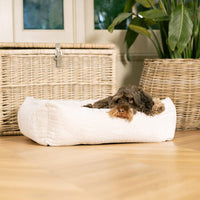


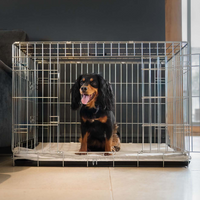

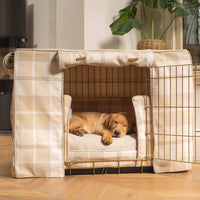



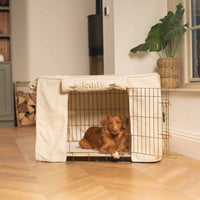
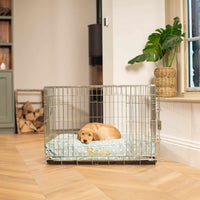




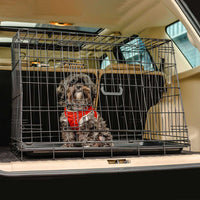
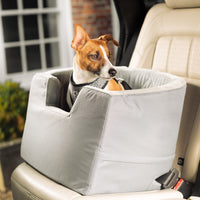


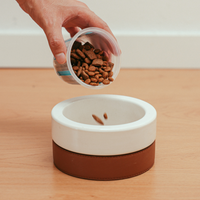
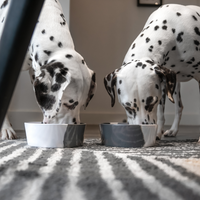
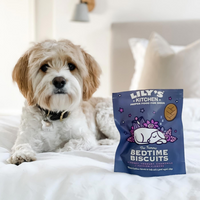


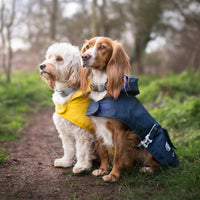
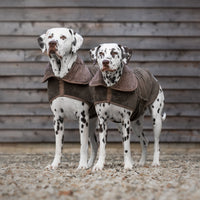


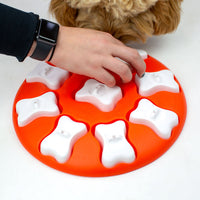
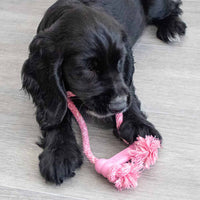
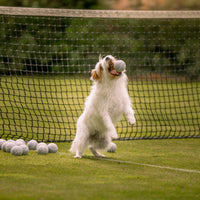


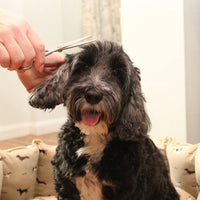




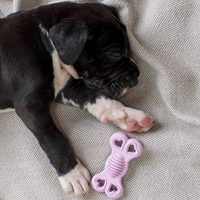
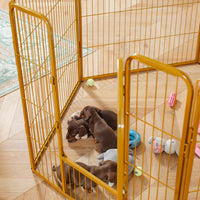










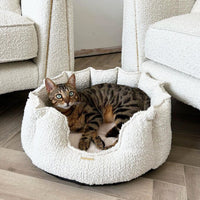




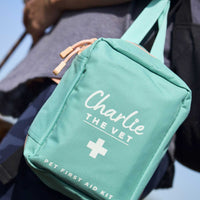


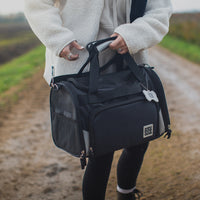

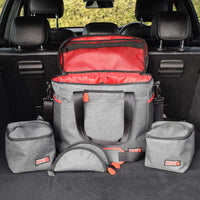






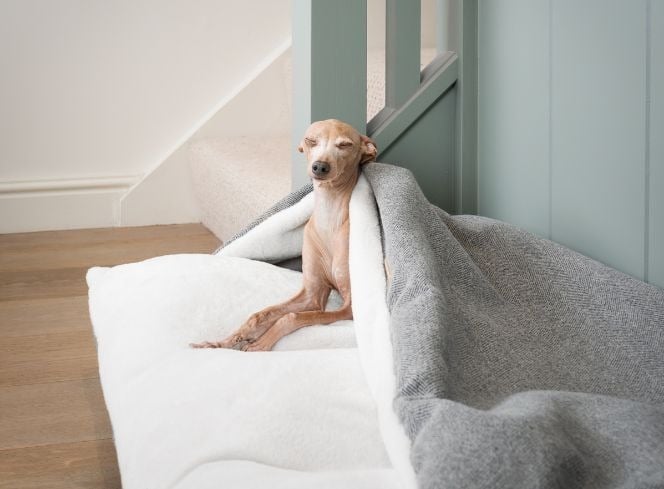
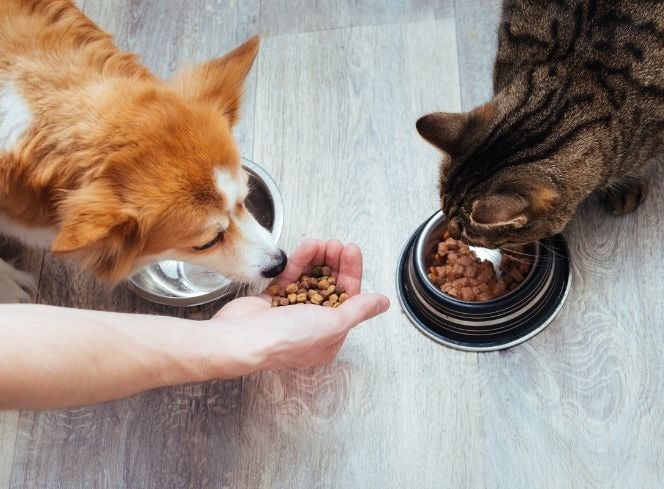
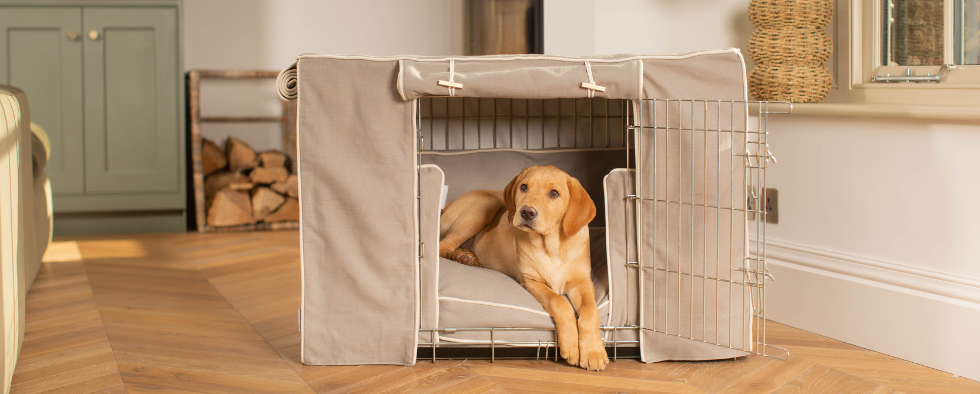
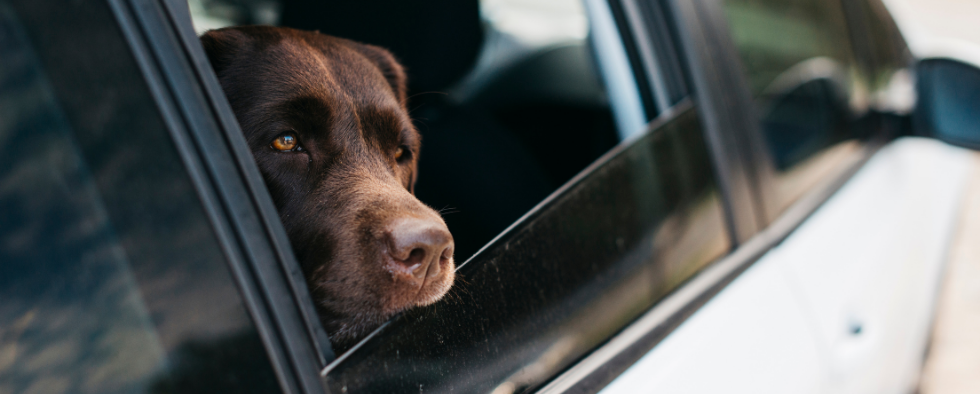
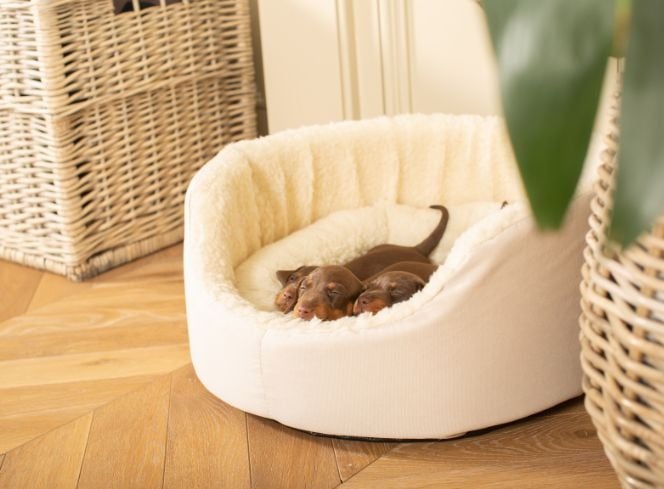
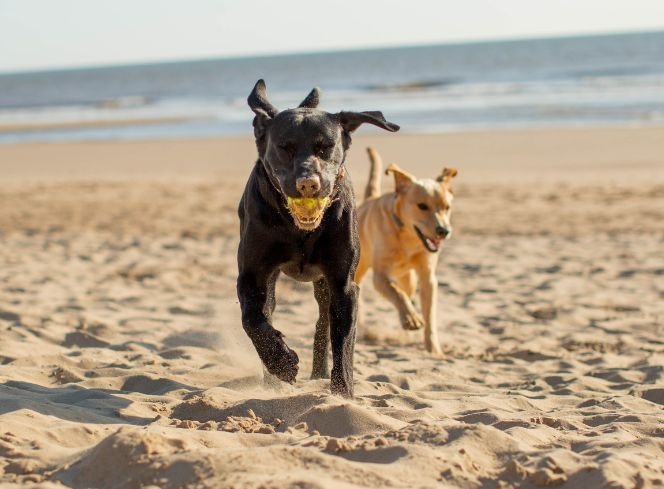

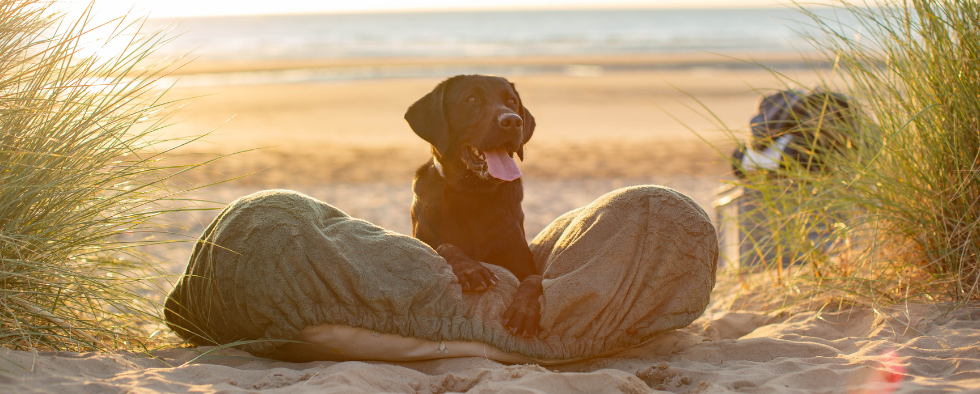
.jpg?v=1690547063208&options=)