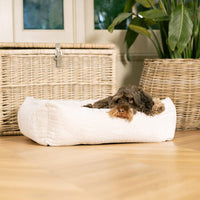
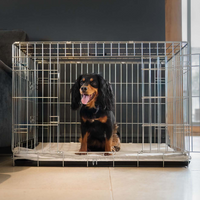
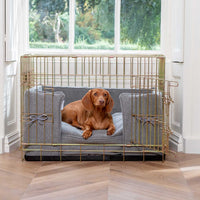
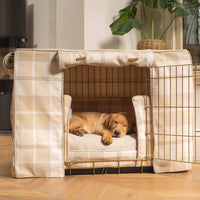
The Miniature Dachshund, often affectionately called the "Mini Dachshund" or "Wiener Dog," is a small and long-bodied breed known for its distinctive shape and spirited personality. With its short legs and elongated back, this charming canine originally hails from Germany and was developed for hunting. Despite their diminutive size, Miniature Dachshunds exhibit confidence and a playful demeanor. Their expressive eyes and distinctive coat colors add to their undeniable charm, making them popular companions for those seeking a compact yet lively canine friend.
Getting a new Miniature Dachshund Puppy? How exciting! Here at L&L we are Dachshund lovers and a few of us are lucky enough to be Dachshund owners. We've put together this blog post with our top Miniature Dachshund product recommendations based on our years of trying and testing products with our own Dachshund puppies, as well as our tips and tricks that we've learnt along the way.
Miniature Dachshund History
The Dachshund breed has existed since the 16th Century and was developed in Germany. The name derives from the German words dachs (badger ) and hund (dog). Smaller Dachshunds were sought after to be used on European hare which lived in small burrows. At first, these miniature Dachshunds were just the smallest of their litter, but later Miniature Dachshunds were bred intentionally through the time-consuming process of selective breeding. Originally bred to hunt, but now just as popular as family pets, Miniature Dachshunds are highly intelligent, active dogs who make devoted members of the family. An ever-popular companion to many, we have compiled a list below of the essential items you'll need for your Miniature Dachshund puppy
Miniature Dachshund Breed Characteristics
The Miniature Dachshund is well-known for its signature stature, the long body and short legs are iconic. Dachshunds come in three types of coat: smooth, long-haired and wire-haired. They also come in a variety of colours from beautiful black and tan to delicious dapples.
Miniature Dachshund Temperament
They may be small but they have huge personalities, they are fiercely independent are truly tiny hunters. However, they are also affectionate and loving little dogs who thrive on positive reward based training.
Keeping them focused can be a challenge sometimes due to their excellent sense of smell making it easy to sniff something interesting and get distracted. Patience and focus from you is key when training your Miniature Dachshund.
Dog Walking Accessories
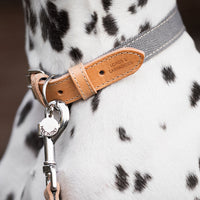
Dachshunds are active dogs and benefit from walks and exercise, keeping them fit and strong is super important in helping to build the back muscles they need to protect their long backs. Finding a harness suitable for the small frame of your Mini Dachshund is key. We love the range from. Ruffwear. The XXS Hi & Light Harness is ideal and then you can size up as your puppy grows. Match with a lead and you have the ideal walking set for a miniature dachshund.
Dog Car Booster Seat
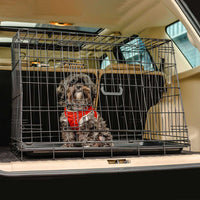
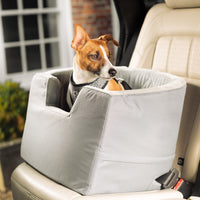
Travelling your dog safely in the car is an important consideration for all dog owners. A booster seat is ideal for small breeds - the tether attaches to your dogs harness to keep them secure and the seat sits high on the car seat so your pup can see where they are going on their travels. Easy-to-fit and collapsible they make journeys both safe and fun for your pup.
We particularly love the Trixie Car Seat for Dogs, the high walls and fleecy inside help to make your mini dax as comfy and cosy as possible.
Miniature Dachshund Fleeces
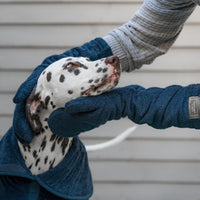
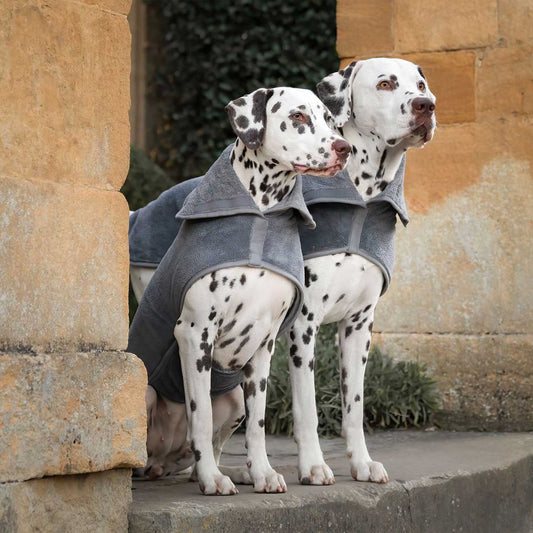
A coat is a must for all Dachshunds; both practical and stylish they will keep their tummies warm. Here at L&L we have designed the perfect fleece just for your pup, each coat is made-to-order and can be tailored to your dogs specific size; perfect for long-bodied Dachshunds. Available in an array of fleece designs.
Toys for Miniature Dachshunds
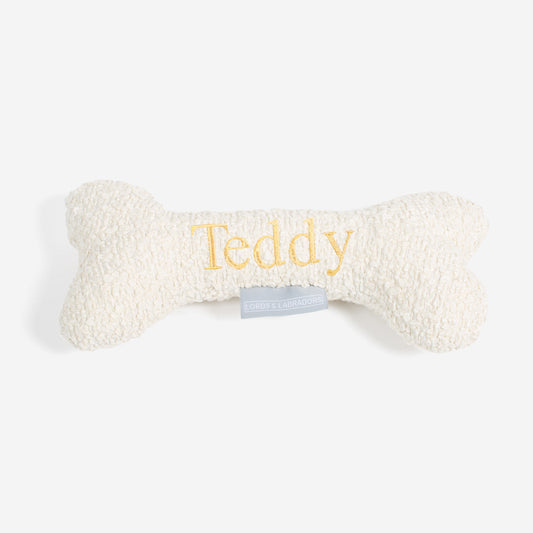
Every puppy, no matter their breed, need an array of toys. Toys aren't just fun, but can also help with teething and puppy development in general. Miniature Dachshunds being bred for hunting means that they are highly inquisitive and intelligent dogs, this means they need plenty of stimulation to keep them out of mischief. Playtime will prevent boredom which can lead to destructive behaviour. Our range of toys will ensure your puppy has plenty of fun!
1. Heartbeat Sheep for puppy snuggles. The heartbeat vibrations will help comfort your Dachshund whilst they are settling into their new home and can help to stop any feelings of separation anxiety.
2. KONG puppy for chewing and teething puppies. Top tip - try filling with your puppies wet food or some dog friendly peanut butter as a great enrichment activity that's sure to keep them occupied
3. Beco Ball for chasing. Dachshunds have lots of energy and a game of fetch is a great way to help burn some of it!
Dog Crate, Cover, Cushion and Bumper Set
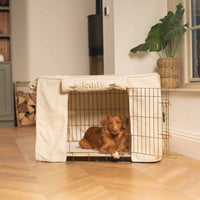
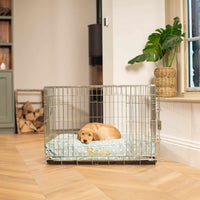
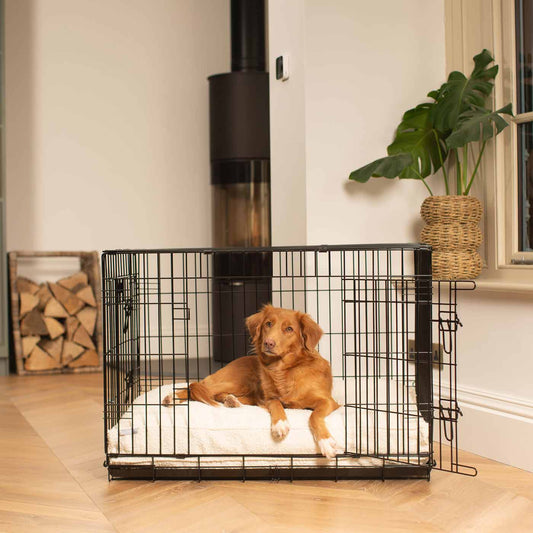
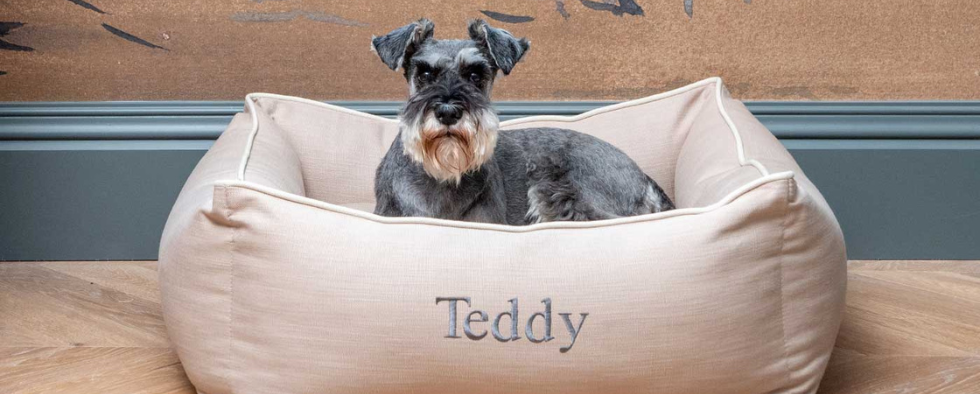
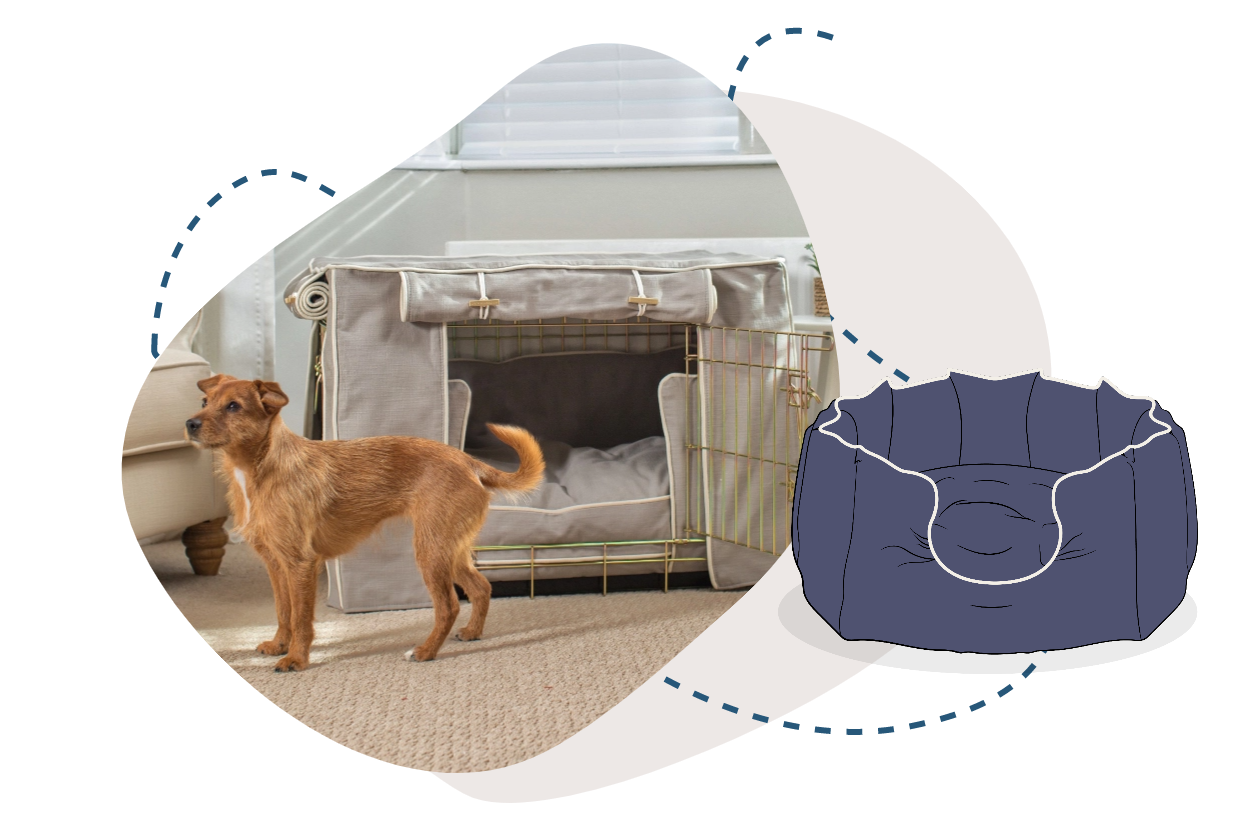
Our crate sets are an essential for anyone looking to crate-train their new puppy and, with the addition of our lovely L&L bedding, will make a beautiful covered bed to use through adulthood. We suggest starting with one of our Cosy and Calming beds to fill half their crate, this will help massively with toilet training as the separation means your dog instinctively won't want to mess up their bed so will do their business in the other half of the crate. We recommend putting a puppy pad and some vet bed on the other half of the crate just to help clean up any mess. As they grow up a cushion with bumper which will create a wall of cosiness around the inside of the crate for them to cuddle up to when sleeping. The addition of a matching cover will create a truly cosy, den-like experience.
Introduction
Puppy insurance is an essential and important part of the pet ownership journey that gives owners peace of mind that should the worst happen, their pup is protected.
Simply put, pet insurance exists to help owners looking to protect their canine companions from unexpected health issues and the associated costs of veterinary care. Much like health insurance for us humans, puppy insurance like that offered by our friends over at Waggel, covers a range of treatments, surgeries and medications that may be needed throughout your puppy’s life.
Taking out a puppy insurance policy is just one of the many ways you can protect your pet and ensure they’re being cared for in the best way possible. Whilst puppy insurance protects your pet from accidents and illnesses, treating your pup to the best pet products is sure to contribute to their health and wellbeing too. This means making sure your pup is welcomed home in true style with high-quality pet products that are made to last - like those from Lords & Labradors.
Why Puppy Insurance Matters
Pet insurance is particularly crucial during a puppy's early years when they are more susceptible to accidents, illnesses and the development of unforeseen health conditions. Many owners push the thought of insurance from their minds and think that because their pet is young, they’re unlikely to experience any issues. Sadly, this couldn’t be further from the truth. By investing in puppy insurance, you can ensure that you’re consistently providing the best possible care for your furry friend without the worry of facing overwhelming veterinary fees and bills.
Without an insurance policy in place, you risk having to pay substantial fees if your pet were suddenly to become ill or involved in an accident. During a time of stress and upset, who would want to be worrying about vet bills? Without the added stress of paying hundreds or even thousands for treatment, you can focus on what’s most important, helping your dog get back to optimal health.
Vet fees can quickly add up and can become a financial burden in a time of anxiety. From surgery costs to medication and x-rays, an insurance policy in place for your pup can give you added peace of mind during times of uncertainty ultimately meaning you’ll have one less thing to worry about.
When it comes down to it, we all want what's best for our pets and our love for them means that we’ll always choose the best things for them, whether this be premium pet insurance or premium pet products. Being a pet owner means going one step beyond to ensure our furry friends are living the life they truly deserve.
Understanding Puppy Insurance
Puppy insurance is a pet insurance policy that can be taken out when a dog is as young as 8 weeks old. Most insurers require puppies to be 8 weeks old before they are eligible for an insurance policy simply because this is the youngest they can be separated from their littermates and mother. Separating a puppy from their litter too early can cause them to exhibit fear, anxiety and reactivity which is something no prospective owner wants for their new addition.
Insuring your puppy from 8 weeks means that they’ll be protected as soon as they join your family. Doing this early on in your puppy’s life means you can avoid pre-existing condition exclusions often put in place by insurance providers to ensure you aren’t claiming on a condition your pet already had before you took out your policy.
To break it down, if your pup was insured from 8 weeks old and suddenly at 2 years old developed a health condition that required veterinary care, you’d be able to claim for treatment relating to the condition for the entirety of your dog’s life as long as you remain with the same insurer, pay your monthly premiums and have a Lifetime policy in place.
However, if you waited until your puppy became an adult and then tried to claim on something they suffered with as a puppy when they weren’t insured, this would be classed as pre-existing and means your claim will likely be declined leading to more stress in an already worrisome situation.
At Waggel, they’re all about making insurance simple and do so by only offering one type of policy, Lifetime. A Lifetime policy means that you can continue to claim for any conditions your dog may develop throughout their entire life, as long as you renew your policy each year.
When purchasing a puppy, some owners are offered temporary pet insurance policies that protect their pet as they settle into their new home. They are often offered by breeders with the purchase of a puppy and don’t involve handing over any bank details. The catch is that they’re not a long-term solution and expire automatically after 4 weeks.
Switching to a Lifetime insurance policy, like that provided by Waggel, can eliminate any potential complications and ensure your puppy is protected from as young as 8 weeks old leaving no time for pre-existing conditions to develop.
Types Of Puppy Insurance
Waggel offers Lifetime policies only for one simple reason; because they’re the most comprehensive. Though they’re considered one of the more expensive types of pet insurance, Lifetime policies offer peace of mind to owners who can continue to claim for the same condition year after year as long as their policy stays active. Waggel also offers flexibility by allowing you the ability to adjust your Annual Coverage and Excess each year to suit your financial needs.
There are, however, other types of puppy insurance available such as maximum benefit, time-limited and accident-only policies.
Maximum benefit puppy insurance policies refer to a mid-level type of cover for injuries, accidents and illnesses. With a maximum benefit policy in place, you can continue to claim per condition up to a pre-specified limit. Once this limit is reached, you won’t be able to claim for the condition anymore until it resets or the policy is renewed.
Time-limited policies may seem more affordable than Lifetime and maximum benefit but they can be limiting in terms of what they offer. Essentially, they allow you to claim for conditions your dog has developed up to a timed limit. Once this timeframe has passed, you’ll be unable to claim. It’s commonly used for short-term illnesses and injuries, though health conditions can be unpredictable and reappear at any time throughout your dog’s life. With a time-limited policy in place, it’s unlikely you’d be able to claim for the same condition again which can be worrying for many owners.
Accident-only policies are considered one of the more cost-effective forms of pet insurance simply because they only cover treatment and medical expenses related to accidents. Whilst this may be tempting for new pet owners who haven’t experienced ownership before, pets are very unpredictable and can develop health conditions at any point during their lifespan which an accident-only plan is unlikely to cover.
For peace of mind, flexibility and continuous protection year after year, a Lifetime policy is sure to provide everything your pet needs and more.
What Puppy Insurance Can Cover
So, you’ve decided to take out puppy insurance but what’s really included in your policy? Most comprehensive policies like Lifetime and maximum benefit include coverage for veterinary fees such as diagnostics, surgery, medication and procedures, third-party liability in the event your dog is involved in a legal matter for which you’re deemed legally responsible, and the purchase price if your pet passes away, is stolen or goes missing.
All of the above can go a long way in providing your pup with the best start to life. Some policies go even further, like Waggel’s Lifetime policies that also include dental and travel cover for pet owners.
Dental health is a very important aspect of canine health and shouldn’t be overlooked. As a pet owner, it’s your responsibility to ensure your dog’s teeth are annually checked and deemed healthy by a vet. Your vet will be required to note down on their records that your puppy’s teeth are in optimal health in order for you to submit a dental-related claim in the future. Without a record of good dental health, insurers will be unable to determine the original condition of your dogs when they were young.
With travel cover included as part of your policy, you can rest assured that your puppy is protected even when you’re both out of the country. Waggel offers coverage for emergency treatment when you’re on holiday outside of the UK and within a country of the Pet Travel Scheme for up to 90 days each year.
No one wants to think of a time when their pet isn’t here anymore, especially in the excitement of bringing home a puppy. However, as a pet owner it’s something you want to know is covered during a time of sadness. When searching for pet insurance, it’s a good idea to look for policies that include death cover and benefits such as coverage for the purchase price of your pet if they pass away from an accident or illness.
Exclusions In Puppy Insurance
Whilst we wish puppy insurance covered everything, there are some things that are excluded. As mentioned above, most pet insurance providers exclude pre-existing conditions from policies which is why it’s so important to get your pet insured as soon as possible.
Other things that aren’t typically covered in puppy insurance policies include routine, preventative and cosmetic treatments. Routine treatments such as vaccinations and flea and worm treatment are typically excluded as insurers focus on specific treatments instead. This also means you’ll be unable to claim for the cost of neutering or spaying your puppy. Fortunately, lots of vets have health plans in place which, by paying a monthly cost, can help you secure discounts for routine and elective treatments. Health plans often work in conjunction with pet insurance policies so you can continue to get the best price for treatment and protection for your pet at the same time.
Conclusion
Puppy insurance is a vital part of pet ownership that can ensure your pet is protected from as little as 8 weeks old. Choosing the right kind of policy is important as you want to ensure you get the most comprehensive kind of coverage. We recommend Lifetime insurance like that offered by Waggel as it includes cover for things such as vet fees and dental treatment.
Insuring your puppy early means you can skip the worry of pre-existing conditions and rest easy knowing you can claim back the cost of treatment for any condition your dog may face in the future.
Taking care of your new addition also extends beyond insurance and includes incorporating high-quality pet products from Lords & Labradors. To ensure your new furry friend gets the best start to life, why not explore Lifetime policies and get a free, no-obligation quote from Waggel?
As a Waggel member, you’ll have access to an exclusive membership platform where you can book free vet, behaviour and nutrition consultations. So, when they say they’ve got your back, they really mean it.
Once your insurance policy is live you can gain immediate peace of mind knowing your pet is protected for life. And if you’re thinking of celebrating this little win, why not explore even more premium pet products with Lords & Labradors offering comfort and luxury for your dog throughout every phase of their life?
Humans spend a third of their lives in bed, so you probably spent ages choosing the right bed and mattress to make sure that you get the best night’s sleep possible and don’t end up like Goldilocks with a bed that’s not right! But what about choosing the perfect dog bed?
A dog can spend a significant amount of time in their bed, and as a beloved member of your family, your furry friend needs a bed that they’re happy and comfortable with. But how exactly do you choose the right bed for your dog?
For many dogs, their bed is an important part of their lives that helps with relaxing, unwinding and gaining some personal space away from humans and other animals. It may be tempting as a dog owner to allow your pooch to carry out their naps in your bed or on other items of furniture around the house, but as a dog bed offers suitable support to your dog and a sanctuary for them during downtime, it’s important they have one.
In this guide we take a closer look at choosing a dog bed, one that’s perfect for dreaming and sleeping all night long!
Do Dogs Need Beds?
On average, dogs spend between 12 and 18 hours of the day asleep, so a bed that’s comfortable, supportive and suits their needs is key for any dog. It’s only natural that your four-legged friend may choose to take power naps beside you on the sofa or even spend moments sleeping in your bed, but a dog bed is an important asset in any dog’s life and it is often recognised as their own environment for having time by themselves, relaxing and unwinding after a long day causing mischief.
Other benefits to dog beds include:
Contributing to health and comfort
Easing feelings of stress and anxiety
Improving the training process
Offering quality sleep
Preserving condition of human furniture
Preventing behavioural issues
How to choose a dog bed
There are loads of dog beds to choose from here at Lords & Labradors but picking the right bed for your dog can be overwhelming. Fortunately, you can use a few key factors to pick out the best option for your dog based on the breed and size of your dog and how they like to sleep.
The key things to think about when choosing a dog bed are
Size
Sleeping Styles
Comfort
How To Choose A Dog Bed Size
Size plays an important role in deciding the correct bed for your dog. If you have a Dachshund, an extra-large bed designed for sprawling out may be excessive, just as you would be lucky to fit any part of a Doberman in a small igloo bed.
A dog bed needs to be big enough for them to comfortably lie in all their favourite positions whilst still being small enough for them to feel cosy & safe in. All our dog beds, here at Lords and Labradors, have a size guide which will help give you an idea of which bed we’d recommend for your breed.
Measuring your dog will help to give you an idea of what size dog bed they will need. To do this, wait until they are sleeping and measure them in centimetres from their nose to their back paws. You should then add around 25 centimetres onto the measurement you’ve taken and a bed with a similar length should be ideal for your furry friend.
How To Choose A Dog Bed Style
As well as the size of your dog, how they sleep is also an important factor to consider. Your dog will give you clues about what bed they’d sleep best in and how they like to sleep every single day. Some dogs love to stretch out, whereas other dogs love to curl up with their nose touching their tail. Here we talk you through the different styles of dog bed and what sleep style they suit.
Mattress Beds/Cushions
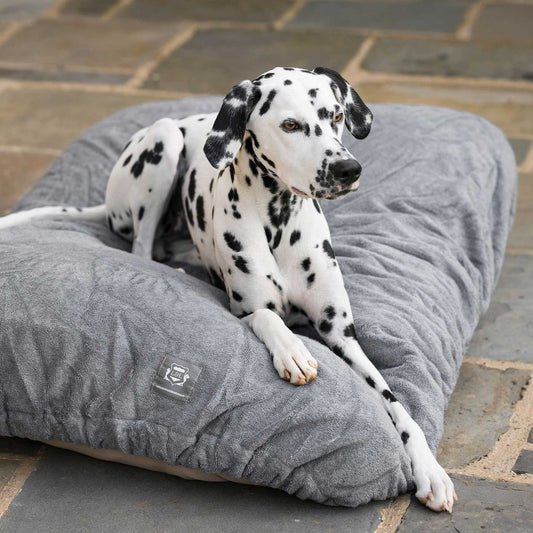
Is your dog a side sleeper? Do they love to sprawl out whilst sleeping? Maybe a cushion or a mattress bed is for them, this will give them the space to stretch out whilst still being super comfy. Our crate cushions also work great as standalone cushions for dogs who love their sleep space.
High Wall Beds
The tall squishy walls of a high wall bed are great for dogs who love something to rest their head on whilst still curling up . The high sides will help to keep them feeling safe and secure, so they can really get cosy during nap time. Our high wall beds have a lowered front edge so it’s easy for your dog to get in and out.
Donut Beds
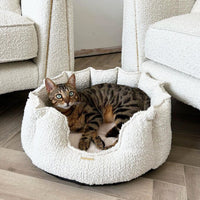
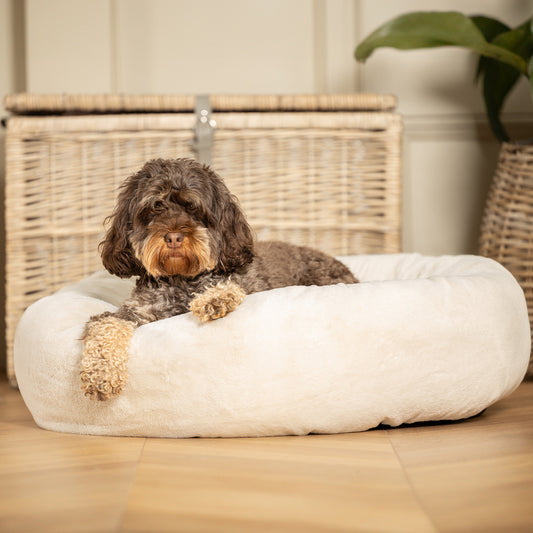
Donut beds as the name suggest are a circle shape with a raised ring round the side. These are great dog bed for dogs who suffer with anxiety and like to curl up in their bed to unwind, the cosy sides will cocoon them and make them feel safe. We’ve made our donut beds with the most sumptuously soft faux fur so it’s perfect for snuggling up in for those all important naps.
Box Beds
Does your dog like to stretch out but still love something to rest their head on? A dog box bed is a perfect choice for them. The square shape means they’ve got plenty of space to stretch out but the padded edges are soft and perfect for hanging their head off whilst napping.
Orthopaedic Beds
Just like we can get orthopaedic mattresses, you can get orthopaedic dog beds. These are a great choice for dogs who have specific health needs, like joint problems or senior dogs who need a little more support. The foam inner on our L&L Orthopaedic mattress has been designed to provide plenty of support for dogs who need it. They’re also low to the floor so they’re easy for dogs with aches and pains to get on and off.
Den Beds
Does your dog like to burrow and hide? Breeds such as Dachshunds and Jack Russels were bred to go to ground when hunting so have a natural instinct to tunnel and burrow, so a den bed is perfect for them. Our den beds are round and have a comfy cushions so are perfect for curling up in but the attached blanket means they can hide and burrow before settling down to sleep.
Picking the perfect puppy bed
Are you getting a new puppy? You’ll probably want to get them a puppy bed before transitioning to an adult bed. Puppy beds are usually slightly smaller than the adult beds to stop your puppy from feeling lost in their new bed. We have two styles of puppy beds here at L&L, both of which have been tested with our own puppies to make sure they’re fit for purpose
Cosy & Calming Puppy Crate Bed
Our cosy & calming puppy beds are exactly as the name suggests, cosy and calming. They have been designed to fill just over half of a dog crate so if you’re crate training your puppy this will help divide their crate and aid their toilet training. The rectangle beds have padded raised walls all the way round for your puppy to snuggle up in and the cushion in the middle is made from the softest fleece, perfect for all those naps your puppy needs!
Grow With Me Puppy Beds
Our newest addition to our bed range, the grow with me puppy beds have high walls to create a feeling of security for nervous puppies. They feature a soft removable ring which you can take out as your puppy grows. This means the bed is never too big for your puppy and it can grow with them. This is perfect dog bed to choose for more nervous puppies or puppies who love to be cocooned and curled up
Do dogs need soft beds?
Dog beds are available in a selection of different materials, so it’s important you choose the most suitable option for your dog. A dog bed needs to be firm enough to offer support to your dog but comfortable enough to make them feel cosy and relaxed.
For puppies, a super soft dog bed with sides to prevent them from tumbling out will make them feel more settled, especially if they’ve recently moved into your home. However, this type of bed may be too small to fit a larger dog, and as older dogs may struggle to get out of a bed that’s particularly spongy, a dog cushion would be more fitting, and it would help to support their ageing joints.
For more destructive dogs you might want a dog bed that’s made out of something more hardwearing, like our Rhino Tough faux-leather beds, rather than a soft furry beds!
How Long Do Dog Beds Last?
Whether your dog is prone to bringing snacks to bed, walking mud all over their bed or scratching at it and kneading it until it feels exactly right, it’s to be expected that it will become damaged and eventually require replacing. A dog bed’s lifespan could be several years if it’s a good quality or a matter of weeks if it’s not.
However, you can extend the time you use a dog bed by washing it as instructed on the label and cleaning away any food or dirt as soon as it comes into contact with it. Dogs are messy creatures by design, but it’s a shame to let them ruin a perfectly good bed, especially if it’s one they’re particularly fond of.
How Often Should You Replace A Dog Bed
As dogs are unpredictable, it’s not always easy to anticipate when they will do something that totally ruins their bed. It may be in good condition for several months before they pull out a thread while scratching it and end up accidentally ripping it open and pulling out all the stuffing. Unfortunately, if this happens, it’s unlikely that you will be able to fix it and the best solution will be to replace it entirely with a new dog bed.
However, you may be wondering when you should give up on your pooch’s bed and invest in a new one. Situations where you should consider replacing your dog bed include when:
It smells and repeated washing isn’t removing the nasty odour
It’s infested with fleas and nothing is working to remove them
The stuffing is falling out, the material is ripped and it’s totally beyond repair.
How Many Dog Beds Should A Dog Have?
All dogs should have at least one bed, but if your dog spends time in different rooms, providing multiple beds can mean that they feel more comfortable in each room and are less inclined to jump on human furniture.
If you have more than one dog, it would be advisable to provide a bed for each of them. However, if they tend to snuggle up together, it could make sense to choose a bed that’s big enough to support both of them.
What Dog Bed Should I Buy?
So, when it comes to identifying the best dog bed for your furry friend, consider their wants and needs and match it with an option that ticks all the right boxes. If your dog is large, check that they’ll fit in the bed. If they’re prone to scratching and digging in their bed, make sure the material is strong enough to withstand this level of wear and tear. If they’re old, pick a bed that’s designed to support them effectively.
If you’re still not sure what dog bed to choose, why not chat to one of our Customer Care team? They’re pet experts with years of knowledge, they can help to advise you on which dog bed will suit your dog!
Still not sure what bed to get your dog? Why not chat to one of our pet experts? They're bed experts and will be able to advise you which bed will be the best fit and shape for your dog, call us on +44 1790 720 900 or email us on sales@lordsandlabradors.co.uk
If your dog's old bed has passed the condition check and you're ready to find it a new home, the next step is figuring out where to actually take it. The options are more varied than most people expect, and the best choice will depend on where you live, what condition the bed is in, and which organisations in your area are most in need right now. From large national charities to small community foster networks, there are plenty of places that would genuinely welcome a clean, comfortable bed for a dog who needs one.
How to decide if a used dog bed is suitable to donate
Before you load that old dog bed into your car, take a moment to honestly assess whether it will actually help another dog. Animal shelters and rescue organizations work with limited space and volunteers, so they need donations that genuinely make a difference rather than items that create extra work.
Start with the sniff test. If you can detect any lingering odors after a thorough wash, the bed probably belongs in the bin. Dogs have incredible noses, and what seems faint to us can be overwhelming to them. Persistent smells often signal bacteria or hygiene issues that make a bed unsuitable for a new home.
Next, examine the fabric and filling carefully. Small tears or worn spots are usually fine, but beds with large rips, exposed stuffing, or structural damage create real safety hazards. A nervous rescue dog might tear at loose threads or swallow filling, turning your thoughtful donation into an unexpected vet bill for an already stretched organization.
Check for permanent stains, particularly around areas where your dog typically rested their head or favorite sleeping spot. Minor discoloration happens with any well-loved bed, but extensive staining suggests deep-set odors or hygiene concerns that washing simply cannot address.
Here's the golden rule: would you feel comfortable giving this bed to a friend's dog? If you're hesitating because it looks too shabby or smells questionable, trust that instinct. Rescue dogs deserve the same consideration you'd show any beloved pet.
Most shelters specifically request "gently used" bedding because they understand how quickly unsuitable donations can overwhelm their storage and volunteer time. When deciding where to donate used dog beds, remember that a clean, lightly worn bed will genuinely improve another dog's comfort and sleep.
If your current bed doesn't meet that standard, don't worry. You might consider purchasing something new to donate instead, or explore other meaningful ways to support your local animal welfare organizations. The goal is helping, not adding to their workload.
Where to donate used dog beds in the UK and USA
Finding the right home for your dog's old bed depends largely on where you live and which organizations near you currently need donations. Every charity, shelter, and rescue group sets its own rules about what they can accept, so the golden rule is always to call or check their website before loading up your car.
UK Donation Options
Local animal shelters and rescue centres often welcome clean, good-condition dog beds, especially during winter months when comfort items are most needed. Many have specific hygiene requirements and may ask you to wash items in non-bio detergent first.
RSPCA branches and other national charities like Dogs Trust or Battersea frequently accept pet bedding donations, though individual branches may have different policies depending on their current storage capacity and volunteer availability.
Pet food banks and animal pantries that support struggling pet owners typically welcome bedding alongside food donations. These grassroots organizations often have the most flexible acceptance criteria and understand that a warm bed can be just as crucial as a full food bowl.
Homelessness charities such as Crisis or local rough sleeping outreach teams sometimes accept pet supplies for people living on the streets with their dogs, where a clean bed can make an enormous difference to both human and canine wellbeing.
Foster networks and breed-specific rescues often run on tight budgets and genuinely appreciate donated bedding. They're particularly grateful for emergency foster placements where a frightened rescue dog needs immediate comfort in an unfamiliar home.
Local Facebook community groups or neighborhood apps like Nextdoor can connect you directly with foster carers or new pet owners who need affordable bedding options.
USA Donation Options
Municipal animal shelters and SPCAs across most states accept clean pet bedding, though many require items to be machine-washable and free from significant wear or damage.
ASPCA branches and Humane Society locations typically have established donation programs with clear guidelines about acceptable bedding types and cleaning requirements posted on their websites.
Breed-specific rescue organizations often maintain wish lists that include bedding. They're usually happy to provide specific guidance about their current needs and drop-off procedures, particularly if you're donating multiple items.
Pet food pantries and low-income pet support programs welcome bedding donations alongside food and medical supplies, helping families keep their pets comfortable during difficult times.
Veterans' organizations that provide service dog support or general pet assistance to former military personnel often accept bedding donations for their programs.
Community foster programs and trap-neuter-return groups frequently need clean bedding for temporary housing situations and recovery care after medical procedures.
Local animal control facilities may accept donations, particularly in areas where municipal budgets for comfort items are limited.
Remember that donation needs change constantly based on intake levels, storage space, and seasonal demand. A quick phone call saves everyone time and ensures your thoughtful donation actually helps rather than creating extra work for already stretched volunteers. Think of it as finding the perfect match for your dog's old favorite spot.
Questions to ask before you drop off a dog bed
A quick phone call or email before you load up the car can save you from an awkward "sorry, we can't take this" conversation at the shelter door. Most animal charities genuinely appreciate when donors check their current needs first, and you'll feel confident your donation will actually help a dog in need.
Here are the essential questions to ask any shelter or rescue before dropping off your used dog bed:
"Do you currently accept donated used dog beds?" Some organizations have policies against used bedding due to space constraints or hygiene protocols, while others welcome them gratefully.
"What sizes do you need most right now?" Many shelters house more small to medium dogs than giant breeds, so that enormous bed from your Great Dane might not be their priority.
"Are there any materials you can't accept?" Some facilities prefer waterproof or easily sanitized beds over plush fabric ones that hold odors and require special washing.
"Do you need me to wash it first, or do you handle cleaning donated items?" This saves confusion and ensures you're preparing the bed correctly for their protocols.
"What are your current drop-off hours and procedures?" Many smaller rescues operate on volunteer schedules, and showing up unannounced might mean no one's there to receive your donation.
"Would towels, blankets, or smaller items be more useful right now?" Shelters often have greater need for easily washable linens than bulky bedding, especially during busy seasons.
Most shelters will gladly guide you toward their most urgent needs when you ask where to donate used dog beds or other pet supplies. They might even suggest other local organizations if they're currently overstocked, helping you find the perfect home for your donation while supporting the broader network of animal welfare groups in your area.
How to clean and prepare a dog bed for donation
A freshly cleaned dog bed makes all the difference between a donation that gets snapped up immediately and one that sits in a storage room gathering dust. Taking time to properly prepare your dog's old bed shows respect for the shelter staff and ensures another pup gets something genuinely useful rather than another chore for overwhelmed volunteers.
Here's how to get your donation shelter-ready:
Check the care label first and follow washing instructions exactly. Some beds need gentle cycles or air drying, while others can handle hot water and tumble drying that kills lingering bacteria.
Remove all covers and cushion inserts if possible. Wash covers separately from foam or fiber filling, as they often need different care. This also lets you clean every surface thoroughly.
Use pet-safe or fragrance-free detergent to avoid triggering allergies in sensitive dogs. A cup of white vinegar in the rinse cycle naturally eliminates odors without harsh chemicals.
Dry everything completely before reassembling. Damp spots lead to musty smells and potential mold, making your donation unusable. Air dry foam inserts if the label recommends it.
Inspect carefully for damage once clean. Small tears can be mended with fabric patches, but extensive damage means the bed should be recycled rather than donated.
Package in a clean plastic bag to protect it during transport. Include a note with the bed's dimensions and any relevant details like "machine washable" or "suitable for medium dogs."
Durable, washable beds with removable covers or waterproof liners are often the most valuable donations. They're easier for shelters to sanitize between dogs and hold up better to frequent washing. If you're wondering where to donate used dog beds that meet these criteria, animal shelters particularly appreciate beds they can quickly prep for the next resident.
Taking these preparation steps transforms your old dog bed from potential clutter into a genuinely helpful resource. Shelter staff will appreciate receiving something clean and ready to use, and you'll know your donation will quickly find its way to a dog who needs it. The extra effort ensures your gesture of kindness creates less work, not more, for people already stretched thin caring for animals.
What to do if your old dog bed cannot be donated
Sometimes even our best intentions can't save a beloved dog bed that's seen better days. If your furry friend's old bed is heavily soiled, torn beyond repair, or has stuffing spilling out everywhere, shelters and rescue organizations simply can't accept it. They don't have the resources to deal with items that create more work than help.
When donation isn't an option, you still have several ways to handle that well-loved bed responsibly:
Look into textile recycling programs that accept pet bedding materials. Many councils now offer textile collection points that can process old fabrics into insulation or cleaning cloths, even when they're not suitable for reuse.
Salvage usable filling if the outer cover is shot but the stuffing remains clean and dry. You can repurpose it for homemade pet toys, draft stoppers, or even garden cushioning around delicate plants.
Check your local council's waste guidelines for bulky item collection or special disposal instructions. Some areas have specific protocols for pet bedding that ensure proper handling.
Research manufacturer take-back programs if you remember the brand. Some companies now accept their old products for proper recycling or disposal.
Explore local upholstery shops who might want clean filling materials for their own projects.
When you're ready to replace that worn-out bed, consider choosing a washable, durable option that will stay fresh longer and be easier to pass along when your dog outgrows it. Machine-washable covers and quality construction mean the next bed might actually make it to donation status someday, helping another pup down the line.
This approach keeps perfectly good beds out of landfills while ensuring shelters receive only the donations they can actually use. Your dog gets a fresh, comfortable sleeping spot, and you've done right by both the environment and future rescue dogs.
A simple plan to donate responsibly and help another dog
Ready to make a real difference for a dog in need? This straightforward approach ensures your donation truly helps rather than creates extra work for already stretched shelters and rescues.
Start with an honest inspection of your old dog bed. Look for excessive wear, stubborn odors, or damage that no amount of cleaning can fix. If it passes this reality check, give it a proper wash and thorough dry before packing it up. A fresh-smelling, clean bed shows respect for both the organization and the dogs who'll curl up on it.
Before you load up the car, make that crucial phone call. Ask what they actually need right now. Some shelters are drowning in blankets but desperately short on food bowls. Others have strict rules about bed sizes or materials. This quick conversation makes sure you're filling a real gap, not adding to their storage headaches.
When you've found the perfect spot to donate your used dog bed, arrange a drop-off time that works for them. Most places prefer scheduled deliveries over surprise donations, especially smaller rescues juggling volunteer schedules.
What if your bed is too tatty for donation? You can still help. Pop a tenner in their donation box, offer a few hours of dog-walking, or buy a brand-new bed specifically for them. The goal isn't clearing your cupboards—it's genuinely supporting dogs who need a soft place to rest.
Once you know where your old dog bed stands, the next question is what to actually do with it. And the answer is rarely as simple as tossing it in the bin and moving on. Depending on its condition, an old dog bed might have plenty of life left in it as a donation, a repurposed household staple, or even a refreshed sleeping spot with a few simple fixes. Even beds that are truly beyond saving deserve a more thoughtful send-off than landfill if you can manage it. Here is a look at every option worth considering, so you can make the right call for your dog, your home, and the environment.
How to tell if an old dog bed is ready for reuse, repair, or retirement
Before deciding what to do with old dog beds, take a moment to honestly assess whether they're still safe and comfortable for your furry friend. This quick evaluation will guide you toward the right next step, whether that's a thorough clean, creative repurposing, or complete retirement.
Start with the support test. Press down firmly on different areas of the bed. Has the filling compressed into hard, uncomfortable lumps? Does it feel completely flat where your dog usually sleeps? When a bed loses its cushioning, it's no longer providing the joint support your pup needs, especially as they age.
Run your hands along all the seams and fabric surfaces, checking for tears or worn spots. Even small holes can quickly become bigger problems when curious dogs start pulling at loose threads. More importantly, exposed stuffing creates a choking hazard that's simply not worth the risk.
Now for the smell test – probably the most telling assessment of all. While pet beds naturally develop some odour over time, anything that persists after a proper wash signals trouble. Deep-set smells usually mean urine or bacteria have penetrated the filling, creating an unhygienic situation that regular cleaning can't fix.
Look closely for any signs of moisture damage. Black spots, strange discoloration, or that telltale musty smell all point to mold or mildew. These beds pose genuine health risks and should be retired immediately, no matter how attached your dog might be.
Finally, check whether the interior materials are breaking down. Loose foam pieces or escaping stuffing bits can be dangerous if swallowed.
If your dog's bed passes these checks but just needs refreshing, you're in luck – some simple fixes might give it new life. However, beds with serious structural damage, stubborn odours, or any signs of mould need to go. When you're ready to replace it entirely, choosing the right bed from the start can help you avoid these issues down the road.
The good news? Even beds that are no longer suitable for sleeping can often find new purpose around your home.
Can you recycle old dog beds? What to check before you throw one away
The honest truth about recycling dog beds? It's trickier than most of us would like. Dog beds are basically material sandwiches—foam padding wrapped in fabric covers, complete with zippers, waterproof linings, and sometimes memory foam. Your local council treats each of these components differently, which means the whole bed rarely goes anywhere together.
Before you surrender to the general waste bin, spend five minutes separating the parts. It's often the difference between responsible disposal and adding to landfill unnecessarily.
Start by dismantling what you can:
Pull off any removable covers first—these fabric pieces have the best shot at finding a second life somewhere. Check the care labels while you're at it to identify whether you're dealing with cotton, polyester, or blends.
Next, separate the stuffing from waterproof backing. You'll likely find polyester filling, memory foam chunks, plastic zippers, and vinyl or PVC waterproof layers. Each material follows different disposal rules.
Then do some local detective work:
Ring your household waste and recycling centre directly about foam components. Many accept bulky foam items but don't shout about it on their websites. Ask specifically about pet bedding—some centres have dedicated areas you wouldn't know existed.
Check if textile banks near you accept clean pet bedding covers. Policies vary wildly, but some clothing donation points and textile recycling spots will take clean fabric, regardless of its previous four-legged occupants.
Reality check time: Genuinely recyclable dog beds are unicorns because of these mixed materials. Don't expect the whole bed to fit into your household recycling bin—focus on separating components properly instead.
Council guidelines shift regularly too, so what worked last year might not apply now. A quick phone call beats assumptions every time.
Sometimes the kindest environmental choice when deciding what to do with old dog beds isn't recycling at all—donation or repurposing often makes more sense for beds with life left in them.
Easy ways to repurpose an old dog bed around the house
Before you decide what to do with old dog beds, consider giving yours a second life around the house. When a bed isn't quite right for your pup's nightly sleep anymore but still has decent structure and padding, repurposing can be both practical and eco-friendly.
Here are some clever ways to put that old bed to work:
Crate padding - Cut the cushion to fit inside your dog's travel crate or use it alongside dedicated dog crate beds for extra comfort during car journeys or vet visits. Just make sure it doesn't make the space too cramped.
Car boot liner - Pop the old bed in your boot to protect the carpet when transporting muddy dogs, wet gear, or gardening supplies. The waterproof backing on many dog beds makes this particularly brilliant.
Garden kneeling pad - Transform a flat bed into your new best friend for weeding and planting. Your knees will thank you, and it beats buying a separate gardening mat.
Muddy paw station - Position it by your back door as a landing spot for wet or dirty paws after walks. Trust me, it's much easier to chuck an old dog bed in the wash than constantly mop floors.
Utility room comfort spot - Create a cosy corner where your dog can rest while you tackle laundry or household tasks. It gives them their own designated space without claiming prime real estate elsewhere.
Outdoor relaxation mat - Perfect for patios or garden lounging during supervised outdoor time. This works especially well for older dogs who need softer surfaces under their joints.
Before repurposing any bed, give it a thorough wash and inspection. Skip the reuse entirely if the bed is heavily soiled, torn beyond repair, or if your dog had any contagious health issues while using it. Some wear and tear is absolutely fine, but hygiene and safety come first. A good clean and perhaps a fresh washable cover can extend the useful life of many beds that aren't quite ready for the bin.
When donating makes sense — and when it doesn’t
Donating your old dog bed can genuinely help rescue animals, but shelters and rehoming centres have standards they need to maintain for the vulnerable pets in their care. Most organisations desperately want quality bedding, yet they can only accept items that meet basic safety and hygiene requirements.
Reputable shelters typically look for beds that are:
Structurally sound with no rips, tears, or exposed stuffing that animals might swallow
Free from heavy stains, persistent odours, or deep-set smells that won't budge
Made from materials that can be properly sanitised between different animals
From smoke-free homes, since many rescue animals arrive with respiratory sensitivities
Even beds donated with the best intentions often get declined for safety reasons. Heavily soiled bedding that can't be thoroughly cleaned poses health risks. Torn covers with protruding filling create choking hazards. Items carrying persistent smells from accidents, medications, or strong household scents can overwhelm sensitive noses. Beds that are completely flattened or worn out simply won't provide the comfort rescue animals need.
Here's the crucial bit: call ahead instead of just showing up with your old bed. Shelter staff know their current needs, any temporary restrictions, and whether your specific bed meets their standards. Some facilities get swamped with donations during peak seasons, while others might be running short on bedding.
This quick conversation saves you a pointless trip and ensures your bed actually helps animals rather than creating extra work for already stretched volunteers. When shelters receive unsuitable donations, they face disposal costs that could have been spent on veterinary care or food instead.
Simple DIY fixes if your dog’s favourite bed just needs a refresh
Sometimes what to do with old dog beds isn't about disposal at all. If your pup still gravitates toward their well-worn favorite, a few simple refreshes can breathe new life into a bed that's structurally sound but looking tired. These budget-friendly fixes let you extend the bed's lifespan while keeping your dog happy with their familiar spot.
Restuff with fresh filling - Remove old, compressed stuffing and replace it with new polyester fiberfill, memory foam pieces, or even repurposed stuffing from old pillows. You'll be amazed how this instantly restores bounce and support to a flat, tired bed.
Patch small tears and worn spots - Use fabric patches or iron-on repair tape to seal minor rips before they become major problems. Sturdy canvas or denim works brilliantly for high-wear areas where your dog's nails might catch.
Add a removable washable cover - Slip a pillowcase over smaller beds or sew a simple zippered cover using durable fabric. This protects the original bed while making your life infinitely easier when accidents happen.
Layer with protective throws or blankets - Quality washable options like those in Lords & Labradors' twill bedding collection work beautifully as protective layers. They add comfort while creating a barrier against dirt, drool, and those mysterious wet paw prints.
Reinforce loose seams and edges - Hand-stitch wobbly seams or add fabric tape to prevent further unraveling. Focus on the spots where your dog climbs in and out, since that's where most wear happens.
These DIY solutions work best when the bed's basic structure remains solid and your dog genuinely still enjoys their spot. A few hours of simple repairs can easily add months or even years to a beloved bed's life, making this approach both wallet-friendly and wonderfully practical.
Choosing a better replacement bed so the next one lasts longer
If you've reached the end of the road with your current dog bed, now's the perfect moment to invest in something that will genuinely last. The secret isn't grabbing whatever catches your eye online—it's matching your choice to your dog's actual sleeping habits and your household's reality.
Start by watching how your dog sleeps. Does she curl up like a croissant, sprawl out like she owns the place, or lean against walls for security? Sprawlers need generous space to stretch, while curlers love raised edges that create a cosy nest feeling. Senior dogs benefit enormously from memory foam or orthopaedic support, especially if you've noticed them moving stiffly after naps.
Your home's practical demands matter just as much. If your dog tracks in mud or spends time outdoors, prioritise beds with removable, machine-washable covers. Heavy shedders do better with smooth fabrics that release hair easily, while determined chewers need reinforced seams and bite-resistant materials. These details trump pretty patterns every time when you're trying to avoid another round of what to do with old dog beds.
Size matters more than most people think. Too many of us choose beds that look proportional to our living rooms rather than comfortable for our dogs. Your pup should stretch out fully without bits hanging over the edge. When torn between two sizes, go bigger.
Quality construction determines how long your investment lasts. Double-stitched seams, robust zippers, and filling that won't pancake flat within months—these features separate beds that endure from ones destined for quick replacement. Our guide to picking a dog bed walks through evaluating construction quality before you commit.
Better beds cost more upfront, but they'll save you money and disposal headaches down the line. Your dog deserves proper comfort, and you deserve not to repeat this replacement dance every year.
A stuffed dog bed is one of those things that absolutely needs regular washing and also one of those things that can go spectacularly wrong if you approach it without a plan. Too much heat and the filling shrinks into a sorry little lump. Too much agitation and the seams give way mid-cycle. Too little rinsing and you're left with a stiff, detergent-laden bed that your dog will probably refuse to sleep on anyway. The good news is that once you know the right method for your specific bed, the whole process becomes surprisingly straightforward. Here's everything you need to get it right from start to finish, without the soggy, misshapen disaster that puts so many pet parents off washing day altogether.
How to wash a dog bed with stuffing without ruining the shape
Washing a stuffed dog bed doesn't have to mean ending up with a lumpy, misshapen mess that takes forever to dry. With the right approach, you can get your pup's favorite sleeping spot clean and fresh while keeping that cozy, supportive shape they love.
The secret is understanding what you're working with before you dive in. Every dog bed comes with a care label that tells you exactly how it wants to be treated, but many of us skip this crucial first step. Some beds handle a spin in the washing machine beautifully, while others need gentler hand washing or strategic spot cleaning to avoid turning into a soggy disaster.
Start by checking the care label and figuring out what type of filling you're dealing with. Memory foam behaves completely differently than polyester fiberfill or down alternative when it gets wet. Then there's the cover situation—removable zip covers are an absolute game-changer, but plenty of beds come as one piece that needs special handling.
Your cleaning method depends on three key factors: what the manufacturer recommends, what your washing machine can handle, and how dirty the bed actually is. A lightly soiled bed with a removable cover calls for a totally different strategy than tackling a non-removable cover that's survived muddy paws, drool, and that mysterious smell only dogs seem capable of creating.
Once you've done this quick assessment, you can confidently choose your approach. Machine washing works brilliantly when conditions are right and saves you loads of time. Hand washing gives you complete control over delicate fillings that might fall apart in the machine. Spot cleaning handles quick touch-ups between deep cleans without the full production.
Each method has its sweet spot, and picking the right one means your dog gets back to their clean, comfortable bed while you avoid wrestling with a waterlogged mess that refuses to dry properly.
Check the label, zip covers and filling before anything goes in the wash
Before you toss that muddy dog bed into the washing machine, take five minutes to give it a proper once-over. This quick inspection will save you from discovering a washing machine full of soggy stuffing or pulling out a misshapen mess that your pup will never want to sleep on again.
Start with your pre-wash detective work:
Hunt down the care label first - Those little washing symbols tell you everything you need to know about maximum temperature and whether machine washing is even safe. Some beds can only handle cool water, while others are perfectly happy with a warm wash.
Test all zippers and look for removable covers - If there's a zippered cover, see if it comes off easily. Many beds have removable outer covers that wash beautifully on their own, leaving you with just the inner cushion to tackle separately.
Feel around for waterproof liners or barriers - Some beds have plastic or waterproof layers tucked inside that can melt or warp in hot water. You'll definitely want to know about these before choosing your wash settings.
Run your hands along every seam - Check for loose threads, small tears, or worn spots that might split open mid-cycle. Nothing worse than fishing polyester filling out of your washing machine drain.
Figure out what's actually inside - Give the bed a good squeeze to identify whether you're dealing with loose polyester stuffing, memory foam chunks, or a solid foam core. Each type needs different handling.
What should never see the inside of your washing machine: Solid memory foam inserts (they'll crumble), beds with broken zippers that might burst open, or anything with significant tears in the fabric.
Yes, this inspection phase might feel tedious when you're staring at a bed that frankly smells like eau de wet dog. But it's the difference between a successfully refreshed bed and pulling out what looks like a deflated pillow that's lost all hope of being comfortable again.
The easiest way to machine wash a dog bed with stuffing
When you know how to wash a dog bed with stuffing in the machine, you'll save hours compared to hand washing while getting far better results against the dirt, hair, and that distinctive doggy smell that builds up over time. Machine washing reaches deep into the filling to tackle allergens and bacteria that surface cleaning simply can't touch.
Shake off loose debris and hair outside or in your garden. Give the bed a proper shake from all angles, then tackle stubborn fur patches with a lint roller or vacuum. Trust me, this step prevents your washing machine from turning into a hair-clogged disaster zone.
Pre-treat stains and smelly spots with a pet-safe enzyme cleaner or make a paste from baking soda and water. Pay attention to corners where your dog's head rests and any obvious mud streaks or little accident marks. Let the treatment work for 10-15 minutes before washing.
Choose a gentle, fragrance-free detergent and use half the usual amount. Strong scents can bother sensitive dog noses, while too much soap creates residue that's nearly impossible to rinse from thick stuffing. Skip fabric softeners completely—they actually reduce the filling's natural fluffiness.
Stick to cool or warm water (30-40°C maximum) to prevent shrinkage and color fading. Hot water might feel more thorough, but it breaks down stuffing structure and can set protein-based stains like drool or muddy paw prints permanently.
Balance your washing machine load by tossing in clean towels if you're only washing one small bed. This stops the bed from clumping to one side during the spin cycle, which can damage both the bed's shape and your machine's drum.
Use the gentlest cycle available and always add an extra rinse. That second rinse removes lingering detergent residue that would otherwise attract fresh dirt and leave the bed feeling stiff and unwelcoming.
Reshape while damp once the cycle finishes. Gently fluff any flattened areas while the stuffing is still pliable—it's much easier now than after everything's dried solid.
Machine washing every two to three weeks keeps your dog's sleeping space genuinely fresh and hygienic. Your pup gets a clean, comfortable bed that actually smells pleasant, and you get the satisfaction of knowing you've conquered those mystery stains and persistent odors without spending your weekend scrubbing by hand.
How to hand wash or spot clean a stuffed dog bed when the machine isn’t the best option
When your dog's bed is too large for your washing machine, made from delicate materials, or carries a "hand wash only" label, you'll need to roll up your sleeves for a gentler approach. Those enormous orthopedic beds that barely fit through the bedroom door definitely won't squeeze into your washer, and vintage-style beds with delicate fabrics deserve the careful touch that only hand washing can provide.
Hand washing your stuffed dog bed:
Set up your washing station in the bathtub, utility sink, or grab a large basin if you're working outdoors. First, remove as much loose fur and debris as possible with a lint roller or your vacuum's brush attachment.
Prepare your cleaning solution with cool water and a small amount of gentle detergent or pet-safe enzyme cleaner. Skip the hot water — it sets stains deeper and can break down certain filling materials over time.
Submerge and work the bed gently, pressing it down into the water rather than wringing or twisting. Pay extra attention to those heavily soiled spots where your pup loves to rest their head by gently kneading the fabric and letting the cleaning solution penetrate the stuffing slowly.
Rinse until the water runs clear with cool, clean water. You'll likely need several rinse cycles before no soap bubbles appear when you press the bed, but thorough rinsing prevents skin irritation later.
Remove excess water carefully by laying the bed flat and gently pressing down, or rolling it between clean towels. Resist the urge to wring or twist — that's how you end up with permanently lumpy filling.
Quick spot cleaning between washes:
Blot fresh accidents immediately with paper towels, then treat with pet enzyme cleaner and a clean cloth
Sprinkle baking soda over the entire surface, let it sit for 30 minutes, then vacuum away odors
Use pet-safe fabric freshener spray for quick refreshes
Wait for muddy paw prints to dry completely, then tackle them with a damp cloth and mild soap
Hand-washed beds need a full 24 to 48 hours to dry completely, so plan ahead. If you find yourself avoiding wash day because the process feels overwhelming, consider upgrading to a bed with a removable, washable cover — your future self will thank you.
Drying a dog bed properly so it stays fresh, fluffy and safe to sleep on
Proper drying makes all the difference between a fresh, comfortable bed your dog will love and a damp, smelly mess that breeds bacteria. When stuffed dog beds don't dry completely, the filling clumps into hard lumps, moisture gets trapped in the centre creating that musty smell we all dread, and your pup ends up with an uneven surface that's anything but cozy.
Step-by-Step Drying Process:
Check the care label first to see if tumble drying is safe. Most polyester-filled beds can handle low heat, but memory foam or specialty fillings often need air-drying only.
For machine drying, use the lowest heat setting and toss in two clean tennis balls or wool dryer balls. These bounce around breaking up clumps while keeping the stuffing fluffy throughout the cycle.
Stop every 30 minutes to remove the bed and fluff it by hand, redistributing any stuffing that's bunched up in corners. It might feel like overkill, but this step prevents those frustrating hard spots.
For air-drying, lay the bed flat on a clean surface in direct sunlight if possible. Sunlight naturally kills bacteria and speeds things up considerably.
Flip the bed every 2-3 hours and give it a good shake to prevent the filling from settling on one side. Think of it like turning a roast – even exposure is everything.
Press different areas gently to check for cool or damp spots, paying special attention to thick seams and corners where moisture loves to hide.
Signs Your Bed Is Fully Dry:
- No cool spots when you press firmly into the thickest areas
- Stuffing moves freely and springs back when squeezed
- No musty or damp smell anywhere on the bed
Patience really pays off here. Rushing the drying process undermines all your washing efforts and creates the perfect environment for mold. Once you've mastered this routine, the whole process of how to wash a dog bed with stuffing becomes wonderfully manageable, and your dog gets to enjoy that perfect combination of clean and comfortable every time.
How often to wash your dog’s bed and when it’s time for a new one
How often you wash your dog's bed really depends on your furry friend's lifestyle and habits. If you have a muddy adventure pup who loves rolling in grass and splashing through puddles, you'll probably find yourself tackling their bed weekly. Indoor dogs with shorter coats might only need a fortnightly wash, while senior dogs who spend most of their time snoozing indoors can often go three to four weeks between washes.
Trust your nose here. When you catch that unmistakable "dog bed" scent from across the room, it's definitely time for a wash. Puppies and dogs who drool heavily, shed loads, or have skin conditions will need more frequent cleaning to keep things fresh and hygienic.
Even with the best care, there comes a point when washing a dog bed with stuffing becomes more trouble than it's worth. If the filling has gone permanently flat and lumpy despite gentle washing, or if odours linger even after a thorough clean, your dog deserves something better. Visible wear like torn seams, exposed stuffing, or fabric that feels rough against your hand means it's time to move on.
This is exactly why many pet parents are switching to beds with removable, washable covers and high-quality filling that bounces back wash after wash. We've designed our dog beds with busy families in mind – covers that zip off easily for machine washing, paired with inner cushions that maintain their shape and support through countless cleaning cycles. Your dog gets the comfort they deserve, and you get genuinely easy care bedding that actually stays fresh and supportive long-term.
Foam dog beds and accidents are an inevitable combination. Especially if you share your home with a puppy, a senior dog, or simply a pup who got caught short. The good news is that foam, even the premium memory foam kind, is far more forgiving than it looks. The difference between a bed that comes out fresh and one that's permanently ruined almost always comes down to those crucial first few minutes and knowing which steps to take in which order. Here's exactly how to handle it — from the moment you discover the accident all the way through to a fully clean, dry, odor-free bed your dog will be happy to curl up on again.
How to clean urine from a foam dog bed without ruining the filling
With the right approach, you can absolutely save that bed and have it smell fresh again, even if it's a beloved memory foam mattress that sets you back considerably.
The secret to cleaning urine from a foam dog bed successfully lies in staying methodical rather than panicking and dousing everything with whatever cleaning products you have under the sink. Foam handles proper care beautifully, but it does need a gentler touch since you can't simply toss the whole thing in the washing machine like a regular cushion.
This guide covers everything you need: your immediate game plan when you spot that dreaded wet patch, deep-cleaning the foam insert itself, eliminating stubborn odours that signal "toilet" to your pup instead of "cosy bed," and ensuring thorough drying to prevent mold taking hold. Memory foam dog beds get special attention here—these premium fills need extra care but respond wonderfully when treated right.
We'll also help you recognise when it's time to retire a bed rather than wage an endless cleaning battle. Sometimes, particularly with older foam or repeated heavy soiling, starting fresh becomes the healthier choice for your dog.
Here's the encouraging truth: most accidents are completely salvageable with patience and proper technique. Whether you're dealing with a one-off puppy mishap or your senior dog's occasional leak, that favourite napping spot can be restored to its former glory.
What to do first when you find pee on the bed
Finding pee on your dog's beloved foam bed can feel overwhelming, but taking the right first steps makes all the difference between a successful clean-up and a lingering mess that haunts you for weeks. Acting quickly and methodically prevents urine from soaking deeper into the foam, where it becomes nearly impossible to remove completely.
Here's exactly what to do the moment you discover the accident:
Strip everything immediately - Remove any removable covers, blankets, or washable outer layers from the bed. Speed matters here because urine continues spreading through fabric and foam every second it sits.
Blot, don't rub - Using clean paper towels or old towels, press firmly into any wet spots to absorb as much liquid as possible. Resist the urge to scrub or wipe, which only pushes urine deeper into the foam's tiny air pockets.
Separate washable from non-washable parts - Set aside covers and removable pieces that can go in your washing machine. Keep the foam insert separate since most foam requires different cleaning methods.
Check care labels before doing anything else - Some memory foam breaks down with certain cleaners or too much water. A quick label check now saves you from accidentally destroying an expensive bed.
Key mistake to avoid: Never immediately soak or saturate the foam with water or cleaning solutions. This drives urine deeper into the material and creates perfect conditions for mold and mildew.
I learned this the hard way when my Labrador Max had an overnight accident on his memory foam bed. I panicked and doused the whole thing with water, thinking I was diluting the mess. Instead, I created a soggy disaster that took days to dry and still smelled faintly of pee weeks later.
Now that you've contained the situation and separated your materials, you're ready to tackle the actual cleaning process. The specific method depends on whether the foam itself got wet, but these first steps give you the best foundation for whatever comes next.
How to clean urine from the foam itself step by step
Cleaning foam inserts requires a gentle touch because too much moisture can break down the structure, trap odors deep inside, and create the perfect breeding ground for mold. Memory foam is particularly vulnerable since it's designed to absorb and hold its shape—which unfortunately means it can also absorb and hold those unwanted smells. The key is removing the urine without drowning the foam completely.
Blot up fresh urine immediately using paper towels or clean cloths. Press firmly and repeatedly to pull as much liquid as possible from the foam before it soaks deeper. Think of it like pressing water out of a sponge—you want to work quickly while the accident is still surface-level.
Check both sides of the foam insert to locate the full affected area. Urine has a sneaky way of seeping straight through, so you'll likely need to treat the entire contaminated section, not just where you can see the stain.
Mix your cleaning solution using one part white vinegar to two parts water, or combine a few drops of enzyme cleaner with water in a spray bottle. Skip harsh chemicals that could irritate your dog's skin later—they'll be sleeping on this bed, after all.
Spray lightly on the soiled area without creating a soggy mess. You want the solution to penetrate where the urine went, but over-wetting will make drying nearly impossible and could damage the foam's structure permanently.
Work the solution in gently using your fingers or a soft cloth. Press and massage the cleaning solution into the foam, focusing on the most heavily soiled spots. You're trying to break up the urine so you can lift it out.
Blot with clean, damp cloths to remove the cleaning solution and dissolved urine. This step prevents soap residue from attracting more dirt and odors down the line—trust me, you don't want to create a magnet for future messes.
Extract as much moisture as possible by pressing dry towels into the foam. For thick inserts, don't be shy about applying pressure or even standing on the towels. You might need several rounds of this.
Do the sniff test once the area is slightly drier. If you still catch a whiff of urine, repeat steps 3-7 before moving on to drying.
Memory Foam Alert: Never oversaturate memory foam—it can take days to dry completely and may never bounce back to its original shape. Use minimal liquid and focus on thorough moisture extraction. A fan helps speed things along, but avoid direct heat which can crack or damage the foam.
Most accidents clean up beautifully with patience and this method. If the foam still smells strongly after a complete clean and dry, or feels permanently different, replacement might be your kindest option for your dog's comfort.
How to get rid of lingering urine smell and stains
Once you've tackled the initial mess, it's time to move on to the next challenge: making sure there's no lingering smell or pesky yellow stain on your dog's foam bed. Even when you think you've cleaned it thoroughly, urine crystals might still be hiding deep within the material. Dogs have a nose for these things, so let's ensure they have their comfy spot back odor-free.
Here's a step-by-step guide on how to clean urine from a foam dog bed effectively, focusing on neutralizing those odors and stains:
Apply enzyme cleaner liberally on the affected area, using your hands to work it into the foam. These specialized cleaners break down the uric acid crystals responsible for that familiar, persistent smell.
Give the cleaner around 10-15 minutes to work. This wait time is crucial, so don't rush through it. Allowing the enzymes to do their job can save you from having to clean the same spot over and over again.
Sprinkle baking soda over the damp area. This not only helps absorb any remaining moisture but also tackles odors as it dries.
Leave it for 2-3 hours, then vacuum thoroughly to remove all traces of the baking soda from the foam surface.
Spritz with clean water using a spray bottle, and then gently blot the area with clean towels. This step helps eliminate any remaining cleaner residue.
Pro tip: Opt for enzyme cleaners specifically made for pet urine. They contain a blend of bacteria and enzymes that completely break down uric acid crystals, unlike general household cleaners that merely mask the smell temporarily.
When using cleaning products, avoid mixing them—particularly vinegar with enzyme cleaners or bleach with ammonia-based products, as these can neutralize each other or even create hazardous fumes. Lastly, ensure the foam dries completely before letting your dog use the bed again. Damp foam can encourage mold growth and exacerbate those unwanted urine odors instead of getting rid of them.
For more tips on maintaining your dog's bed, check out our guide on dog bed care.
Drying the bed properly so mould and smells do not come back
After you've tackled the cleaning process, proper drying becomes absolutely critical to your success. Even the most thorough cleaning job falls flat if moisture gets trapped inside the foam, creating the perfect breeding ground for mold and bacteria that will bring those unpleasant smells right back. Think of drying as the final step that locks in all your hard work.
Here's how to dry your foam dog bed completely:
Position the foam in a well-ventilated area with good air circulation—ideally outdoors on a covered porch or near open windows if weather permits.
Place clean towels underneath and on top of the foam initially to absorb excess moisture, replacing them when they become saturated.
Ensure airflow reaches both sides by propping the foam on a drying rack, clean outdoor furniture, or rotating it every few hours.
Use fans or a dehumidifier to speed the process, especially in humid conditions or during winter months.
Allow 24-48 hours for complete drying, depending on foam thickness and weather conditions.
Avoid direct sunlight or heat sources like radiators, which can break down foam structure over time.
Quick Drying Test: Squeeze the center of the foam gently. If it feels cool, heavy, or releases any moisture, it needs more time. Completely dry foam should feel light and spring back immediately.
While your bed dries, set up a temporary sleeping area using spare blankets or a backup bed. Your dog won't mind the temporary arrangement, and you'll thank yourself for the patience later. Many pet parents find that waterproof mattress protectors under the regular cover make future cleanups much easier. This waiting period might feel long, but rushing back to a damp bed will undo all your efforts and potentially create bigger problems down the road.
When to replace the bed and how to make the next clean-up easier
Sometimes even the most thorough cleaning can't bring a foam dog bed back to life. If your pup has had multiple accidents on the same bed, or the foam has started breaking down into crumbly pieces, it's time to say goodbye. Persistent odours that return even after deep cleaning usually mean urine has penetrated too deeply into the foam's structure to ever fully eliminate.
You'll also want to replace beds where the foam has lost its shape or developed permanent staining that won't budge. Memory foam beds are particularly tricky since their dense structure traps odours more stubbornly than regular foam. If you're dealing with an elderly dog or a puppy still learning house training, a bed that's weathered several accidents might simply become unhygienic to keep.
Making future clean-ups easier starts with choosing the right bed design. Look for beds with removable, machine-washable covers that zip off completely. Waterproof liners between the cover and foam create an extra barrier against accidents—think of them as insurance for your sanity. Some pet parents swear by placing a waterproof mattress protector under the entire bed for added peace of mind.
When shopping for your next bed, consider how you'll clean urine from the foam dog bed before you even bring it home. Beds with memory foam inserts that can be removed entirely make the whole process much simpler. Multiple cover options mean you can rotate them during washing, so your pup always has a clean, dry spot to curl up.
The key is being proactive rather than reactive. A little prevention goes a long way toward keeping both you and your dog happy when accidents happen. Because let's be honest. If you have a dog long enough, they absolutely will happen.
Whether your dog sleeps like a pretzel or sprawls like they own the entire bed, their bedtime habits are telling a story worth paying attention to. Dogs communicate so much through body language when they're awake. It turns out, they keep right on communicating even when they're snoozing. From the tight little donut curl to the full belly-up flop, each position is a small window into how your pup is truly feeling. Here's what the most common dog sleeping positions actually reveal and what simple changes you can make to help your dog sleep even better.
Why Dog Sleeping Positions Matter More Than You Might Think
Most of us have caught our dogs in some pretty amusing sleep positions—sprawled like starfish across the entire sofa, curled up so tight they look like furry donuts, or somehow managing to sleep upside down with their legs dangling off the couch. But here's something that might surprise you: those quirky dog sleeping positions actually reveal quite a bit about what's going on in your pup's world.
The way your dog chooses to settle down for a snooze often reflects how they're feeling in that moment. Are they warm enough? Do they feel safe and secure? How deeply are they planning to rest? A dog who flops onto their back with all four paws in the air is essentially saying "I feel completely safe here"—after all, exposing that vulnerable belly takes serious confidence. Meanwhile, a dog curled into a tight little ball might be conserving body heat or seeking that cozy, protected feeling we all crave sometimes.
Learning to read these sleeping cues can help you better understand your dog's comfort levels and make thoughtful tweaks to their sleep setup when needed. Just remember that dog sleeping behavior is more like a helpful hint than a definitive diagnosis. If your usually sprawling Lab suddenly prefers tight curls, it could signal something worth noting—or they might have simply discovered that smaller positions feel extra cozy on chilly nights.
Common Dog Sleeping Positions and What They Usually Mean
Every dog has their favorite way to settle down for a snooze, and these dog sleeping positions offer fascinating glimpses into how your furry friend is feeling. While every pup is unique, certain sleep styles often reflect similar needs for comfort, security, or temperature control. Think of these patterns as gentle clues about your dog's inner world rather than absolute rules.
The Curled Up Ball: Your dog tucks their paws under their body and wraps their tail around themselves, creating a cozy circle. This classic position helps conserve body heat and protects vital organs, suggesting your pup might be feeling chilly or seeking extra security. You'll see this one especially often with smaller dogs or during cooler weather.
The Side Sleeper: Lying on their side with legs extended signals a relaxed, comfortable dog. This position shows real trust in their environment since it leaves their belly completely exposed. Dogs who regularly choose this sleep style tend to feel secure and settled in their home.
The Sphinx Pose: Your dog lies on their belly with front paws stretched forward and head up or resting on their paws. This position allows for quick movement if needed, so it often means your dog wants to rest but stay somewhat alert to their surroundings. Perfect for the family guardian who's always on duty.
The Superman: Sprawled flat on their belly with all four legs stretched out makes your pup look like they're flying through dreamland. This position helps dogs cool down quickly and is especially popular with energetic breeds who want to be ready to spring back into action at a moment's notice.
The Back Sleeper: A dog sleeping on their back with belly exposed demonstrates ultimate trust and confidence. This vulnerable position also provides maximum cooling, so you'll often spot it during warmer weather or after particularly active play sessions. Not all dogs feel comfortable enough to sleep this way.
The Burrower: Some dogs love tunneling under blankets, pillows, or even your laundry pile. This cozy habit usually indicates a desire for warmth and security, creating their own little den where they feel completely protected from the world.
The Cuddle Bug: Dogs who press against you, other pets, or furniture while sleeping are seeking comfort through physical contact. This bonding behavior shows deep affection and often means your dog finds the most security when close to their favorite family members.
Your dog's sleeping habits will naturally shift based on the season, their age, and daily activities. The most valuable insights come from noticing your individual dog's patterns over time rather than analyzing any single sleep session.
What Your Dog’s Sleep Style Can Tell You About Comfort, Temperature, And Routine
While your dog's sleeping position might seem like pure preference, it's actually shaped by practical factors like their age, breed, and daily environment. Understanding these influences helps you create the perfect sleep setup that truly works for your pup.
Several key factors determine how your dog chooses to rest:
Age and joint comfort: Senior dogs with arthritis often curl up tightly for joint support and warmth, while puppies sprawl everywhere without a care. If your older Labrador suddenly starts sleeping stretched out instead of curled up, they might be telling you that tight positions now feel uncomfortable on stiff joints.
Coat type and temperature regulation: Thick-coated breeds like Golden Retrievers frequently sleep belly-up or sprawled on cool floors during warmer months, while thin-coated dogs like Whippets burrow under blankets or curl into tight balls to stay warm.
Room temperature and seasonal changes: Your dog's positions shift naturally with the weather. That same pup who sleeps belly-up on kitchen tiles in July might switch to curling against your legs when January rolls around.
Bed placement and household activity: Dogs sleeping in busy family areas often choose alert positions like lying on their side with ears perked, while those in quiet bedrooms feel secure enough for deep sleep on their backs with legs in the air.
Exercise and daily routine: Well-exercised dogs typically sleep more soundly in relaxed positions, while under-stimulated pups might sleep lightly, ready to spring into action at any sound.
Pay attention to your dog's patterns throughout different seasons and life stages. Simple adjustments like adding a heated bed for creaky joints or moving their sleeping spot away from drafty hallways can transform their comfort. These dog sleeping positions reveal genuine comfort needs rather than just adorable quirks.
When a Change in Sleeping Position Is Worth Paying Attention
Most dogs naturally shift between different sleeping positions based on comfort, temperature, and mood, but some changes in sleeping behavior deserve a closer look. While occasional variation is perfectly normal, persistent shifts in how or where your dog sleeps can sometimes signal underlying discomfort or stress.
Here are specific warning signs to watch for in your dog's sleeping behavior:
Sudden restlessness or inability to settle into any position for more than a few minutes
Reluctance to lie down or frequent repositioning throughout the night
Unusual stiffness or difficulty getting up from their sleeping spot
Seeking isolated hiding spots for sleep when they normally enjoy being near the family
Sleeping in uncharacteristic locations, like choosing hard floors when they typically prefer their cozy bed
Panting, whining, or showing signs of discomfort while trying to settle
These changes in dog sleeping positions may indicate pain, joint discomfort, anxiety, or other health concerns. If you notice these behaviors persisting for more than a few days, or if they're accompanied by other symptoms like changes in appetite or energy levels, it's worth having a conversation with your vet.
Keep in mind that not every position change signals trouble. Your dog might simply be adjusting to seasonal temperature shifts or responding to household changes like a new baby or recent move. The key is paying attention to patterns and trusting your instincts about what feels normal for your particular pup. You know your dog better than anyone.
How To Help Your Dog Sleep Well In The Position That Suits Them Best
Understanding dog sleeping positions gives you a wonderful starting point for creating the perfect sleep setup for your furry friend. The key is observing what your dog naturally gravitates toward, then making small adjustments to support their preferences.
Start with the basics: a quality bed that matches their sleeping style. Dogs who love to stretch out need plenty of space, while those who curl up tight often prefer smaller, cosier spots with raised edges for that den-like feeling. If your dog sleeps on their back, they're telling you they feel completely secure and tend to run warm, so focus on breathable materials rather than thick padding.
Temperature makes a real difference too. Notice where your dog chooses to sleep throughout the seasons. That summer floor-sleeper might appreciate a cooling mat, while your winter cuddler often benefits from a warmer, more insulated bed.
Location matters just as much as the bed itself. Some dogs sleep best right in the heart of family activity, while others need a quiet corner away from the hustle and bustle. Watch whether your dog seeks out the same spot consistently or moves around based on household rhythms and the time of day.
Keep an eye on any sudden changes in sleeping behavior, as these can sometimes signal discomfort or health shifts worth discussing with your vet. Most importantly, let your dog's natural preferences guide your choices rather than trying to change what already works perfectly for them.
If you’ve ever found yourself staring at your cat and wondering, “Who’s really in charge here?” then you’re not alone. From ignoring commands to opening doors and outsmarting the treat tin, cats have an uncanny knack for making us feel like the daft ones in the relationship.
So, are our feline companions secretly geniuses in fur coats, or are we just a bit too easily impressed by their antics? Let’s find out whether your cat might just be smarter than you think (and possibly smarter than you).
How Smart Are Cats, Really?
Cats are clever, there’s no doubt about that. While they might not do your taxes or fetch your slippers (they’d argue they have people for that), cats are masters of observation, memory, and problem-solving.
Research has shown that cats have complex cognitive abilities similar to those of young children. They can learn routines, recognise words, and even manipulate humans to get what they want (we see you, breakfast-at-5-a.m. crowd).
In short, cats are less about obedience and more about strategy. They’re not trying to impress you, they’re working out the quickest route to what they want.
Smarter Than You Think: Signs of Feline Intelligence
So how do you know if your cat’s secretly running mental rings around you? Here are a few tell-tale signs that your moggy’s mind might be sharper than expected:
They’ve Trained You, Not the Other Way Around: Does your cat meow in a certain way and you immediately respond with food, a cuddle, or by opening a door? Congratulations, you’ve been trained. Cats are expert behaviourists who quickly learn what gets them results. You think you’re in control, but they’ve been conducting a long-term psychology experiment, and you’re the subject.
They Solve Problems (Especially Food-Related Ones): Whether it’s nudging open cupboards, jumping on worktops, or working out how to knock the treat jar off the shelf, cats have impressive problem-solving skills. Studies show they can learn through observation, meaning they watch us perform tasks and then replicate them. That explains how they somehow open doors you swore were cat-proof.
They Remember Everything (Especially the Important Stuff): Your cat might appear aloof, but their memory is surprisingly sharp. They can recall people, places, and experiences for years, particularly if food or comfort is involved. So yes, they definitely remember that time you were late with dinner… and they’re still judging you for it.
They Communicate Intentionally: Cats meow primarily to humans, not to each other. Each meow, trill, or chirrup has meaning, and they quickly learn which sounds get the biggest reaction. In essence, they’ve built a custom language just for you. If that’s not intelligent adaptation, what is?
They Know How to Get What They Want (and When): From sitting on your laptop mid-email to knocking objects off the table until you pay attention, cats are experts at controlling human behaviour. They’ve learned through trial and error exactly how to push our buttons, sometimes literally.
Cat Intelligence vs. Human Intelligence
It’s unfair to directly compare cat and human intelligence, after all, we’ve evolved to be good at very different things. But when it comes to certain types of smarts, cats could give us a run for our money.
Cats excel in instinctive intelligence, they can hunt, problem-solve, and navigate their environment with ease. Their emotional intelligence is also underrated; many cats can sense their owner’s mood and adjust their behaviour accordingly. Ever noticed your cat curling up with you when you’re unwell or stressed? That’s empathy at work.
In other words, while you might be smarter at paying bills, your cat’s definitely cleverer at manipulating emotions and maximising comfort, which arguably makes them the true genius of the household.
Are Some Cat Breeds Smarter Than Others?
Some breeds are particularly known for their brainpower. If your cat’s a bit of a mastermind, they might belong to one of these sharp-minded groups:
Siamese: Chatty, curious, and quick to learn tricks, these cats love mental stimulation.
Bengal: Adventurous and athletic, with the brains to match.
Abyssinian: One of the oldest and most intelligent breeds; they learn by watching.
Maine Coon: Gentle giants with a problem-solving streak.
Sphynx: Exceptionally social and observant, they read humans like a book.
Of course, every cat is unique. Even your laid-back British Shorthair can surprise you with a moment of sheer genius (usually when you least expect it).
Can You Make Your Cat Even Smarter?
Absolutely! Cats thrive on mental stimulation, and just like us, they need to exercise their minds. Here are some ways to encourage their inner Einstein:
Interactive Play: Toys that move, rattle, or hide treats tap into your cat’s hunting instincts and keep their brain buzzing.
Puzzle Feeders: These make mealtimes a mental workout, challenging your cat to think before they eat.
Training & Tricks: Believe it or not, cats can learn tricks just like dogs, you just need patience (and a lot of treats).
Try starting with our guide: Train Your Cat: Top Tricks for Clever Cats.
New Experiences: Rotate toys, rearrange play areas, and give them safe access to different views, a sunny windowsill, a cat tree, or a secure garden enclosure.
The more variety you add, the more your cat’s intelligence will shine through. And who knows, they might even start teaching you a few tricks.
So… Is My Cat Smarter Than Me?
In their own way, yes probably! Cats may not understand quantum physics, but they’ve mastered the art of getting what they want with minimal effort. They’re observant, emotionally intuitive, and endlessly resourceful.
So next time your cat outsmarts you, don’t take it personally, just admire their brilliance (and maybe offer them a treat for their trouble).
Keep Their Brilliant Minds Busy
From interactive toys and cat trees to treats and puzzle feeders, Lords & Labradors has everything you need to keep your clever kitty mentally stimulated and endlessly entertained.
Because if your cat is smarter than you, the least you can do is keep them happy about it!
Can You Flush Your Dog and Cat’s Poo Down the Toilet? The Truth About Pet Waste Disposal in the UK
If you’re a pet owner, you’ll know that clearing up after your furry friend isn’t the most glamorous part of the job. Whether you’re scooping cat litter or bagging up after a dog walk, you’ve probably wondered at some point: can you just flush it down the toilet and save yourself the hassle?
It sounds quick, clean, and even eco-friendly. But before you send that little parcel swirling away, let’s bust the myth once and for all. Flushing pet poo, whether it’s from your dog or cat, is not the answer, and it could cause more harm than good.
Here’s why flushing pet waste isn’t as simple as it seems, and what you should do instead to dispose of it safely and sustainably.
Myth #1: “It’s just like human waste, so it’s fine to flush.”
If only! While it might seem logical that pet and human waste can go down the same route, the truth is a little murkier.
Dog and cat poo can carry parasites, bacteria, and pathogens that human sewage systems aren’t designed to treat. The most well-known is Toxoplasma gondii, a parasite found in cat faeces that can survive traditional sewage treatment. Once it reaches waterways, it can harm marine wildlife and even pose risks to human health.
So while it may vanish from sight, it doesn’t vanish from the world, flushing pet poo simply moves the problem elsewhere.
Myth #2: “Flushing is better for the environment than using poo bags.”
Many eco-conscious pet owners in the UK want to reduce plastic use, which is fantastic, but flushing animal waste isn’t the greener option it appears to be.
Most UK water treatment plants aren’t built to process animal waste, meaning harmful microorganisms can slip through filtration systems and contaminate rivers and coastal waters. Over time, this disrupts delicate ecosystems and affects aquatic life.
A better alternative? Biodegradable or compostable poo bags. They break down much faster than traditional plastic and can be safely disposed of in general waste bins.
Myth #3: “Flushing pet waste every now and then won’t hurt.”
Unfortunately, even the odd flush can lead to unpleasant consequences. Pet waste can clump, swell, and block pipes, especially when mixed with cat litter or pet hair. This can cause slow drains, nasty smells, or even full-blown plumbing disasters.
So, even if you only do it occasionally, flushing pet poo is a risk that’s just not worth taking, particularly in older UK plumbing systems that aren’t designed for it.
Myth #4: “Flushable cat litter makes it okay.”
Flushable litters might sound like the perfect solution, but they come with a catch. Even those labelled “flushable” may not fully break down in water. Many are made from biodegradable materials like corn, paper, or wood that absorb moisture and expand, risking pipe blockages or build-up over time.
What’s more, UK water companies, including Thames Water and Severn Trent, strongly advise against flushing any kind of cat litter, even if the packaging says otherwise. So while flushable litter sounds handy, it’s best to play it safe and bin it instead.
Myth #5: “Flushing helps keep the house smelling fresh.”
We get it, when you’re trying to keep your home smelling lovely, sending the smell down the drain feels like the fastest fix. But there are much better ways to stay fresh without risking your plumbing.
For cat owners, try using high-quality odour-control litter and scoop trays daily. For dog owners, bag and bin waste straight away during walks and use eco-friendly sprays or wipes at home.
And if you want to level up your clean-up routine, Lords & Labradors offers a range of stylish litter trays, cleaning sprays, and accessories designed to make pet parent life a little more elegant (and a lot less smelly).
So, How Should You Dispose of Dog and Cat Poo Safely?
Here’s what UK pet owners should do instead:
🐾 Dog waste: Always bag it, ideally in a biodegradable or compostable bag, and place it in general waste or designated dog waste bins. Never flush it, even if the bag claims to be “flushable.”
🐾 Cat waste: Scoop the litter daily and dispose of waste in the household rubbish. For hygiene, use a liner or small biodegradable bag and wash your hands thoroughly afterwards.
If you’re aiming for a more sustainable setup, you can look into pet waste composting systems, though remember, compost made from animal waste should never be used on edible plants.
The Final Flush: Don’t Do It!
So, can you flush cat poo or dog poo down the toilet?
In short, no!
It might seem convenient, but flushing pet waste can cause plumbing issues, environmental harm, and even health risks. Stick to tried-and-tested disposal methods instead: bag it, bin it, and keep it out of the loo.
Your drains (and the UK’s waterways) will thank you for it.
Keep Your Home Fresh and Planet-Friendly
Dealing with pet mess doesn’t have to be unpleasant. From eco-friendly poo bags and litter trays to pet-safe cleaning products, Lords & Labradors has everything you need to keep your home fresh, hygienic, and stylish, without flushing your way into trouble.
Because when it comes to your pets, the only thing that should go down the toilet is… toilet paper! 🐾
At Lords & Labradors, we specialise in dog crate bedding and accessories. Our dog crate cover and bed sets are available in a stylish choice of fabrics and come in a variety of sizes. These sets create the ultimate comfort spot for your puppy or adult dog. Luxury dog crates...
Read more
At Lords & Labradors, we specialise in dog crate bedding and accessories. Our dog crate cover and bed sets are available in a stylish choice of fabrics and come in a variety of sizes. These sets create the ultimate comfort spot for your puppy or adult dog.
Luxury dog crates
All our deluxe dog crates are made from pet-safe metal and feature removable trays to make them practical and super easy to clean. With sizes ranging from small to XXL, there’s a dog crate set to suit all breeds. Crates are essential when it comes to house training your new puppy. We always suggest buying a larger size dog crate and bed for your puppy so they can grow into it, saving you from having to purchase a new crate when they’re older.
Luxury crate bedding
Our luxury bedding is hand-crafted and designed to the highest quality, appearing both practical and stylish. Bumpers sit around the edge of the crate cushion to provide a super-soft wall of comfort for your pooch. All our bumpers and cushions feature waterproof linings in case of any accidents. It’s recommended to choose a dog crate with a cover – they’ll provide your draughty, bare cage with a fresh new look and offer some privacy for your dog too. They’re particularly great for helping young puppies settle into their night-time routines and offer nervous dogs an extra feeling of security.
Purchase your dog crate set online today
Treat your four-legged friend to one of our stylish dog crate, cover, bedding and bumper sets by browsing our online range today. If you’re struggling to decide which one would be perfect for your pooch, contact our team today who will be more than happy to help. You’ll have 28 days to return your product if you’re unhappy with it for any reason. Our Lords & Labradors items also come with a 365-day quality guarantee, so it’s easy to see why we’ve received so many positive reviews. We also offer free delivery on all orders over £75. Browse the range and order your dog crate set today.
Read less
Top
Choosing a selection results in a full page refresh.