


































































![[color:savanna stone]](http://www.lordsandlabradors.co.uk/cdn/shop/files/savanna-stone-box-bed_2ca02489-c009-499b-b051-4c8be1270b5c.jpg?v=1690282259&width=533)














How Long Can Puppies Walk? A Simple Guide
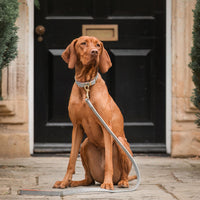
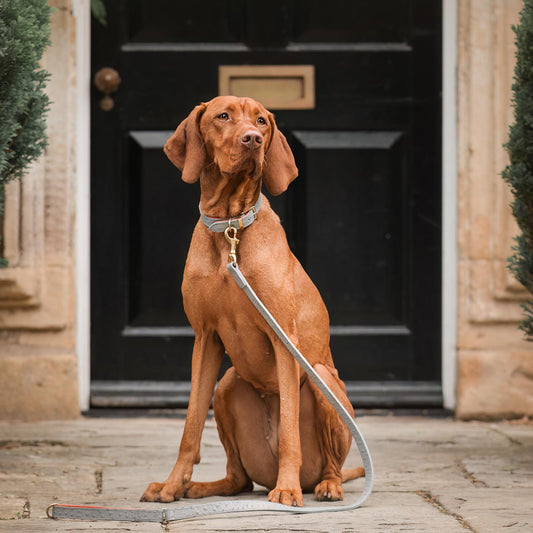
Knowing how long puppies can walk is one of those questions that sounds simple until you are actually standing at the front door with an excitable eight-week-old and no idea how far to go. The answer depends on age, breed, size, and how well you learn to read your puppy’s cues along the way. This guide breaks it all down, from a handy age-by-age walking chart to practical tips for building up distance safely as your puppy grows. How long can puppies walk? A simple guide for new puppy parents One of the first things new puppy parents want to know is how long their puppy should be walking each day. It feels like it should have a simple answer. But watch a ten-week-old Labrador tear around the garden and you might assume he could handle anything — when in reality, how long puppies can walk safely has very little to do with how much energy they seem to have. Age matters most, but breed, size, and overall fitness all shape the picture too. A four-month-old Cavalier King Charles Spaniel has very different needs to a four-month-old Golden Retriever, even if both are equally determined to sniff every blade of grass along the way. The most widely used starting point is the five-minutes-per-month rule: five minutes of walking per month of age, up to twice a day. A three-month-old puppy, then, would walk for around 15 minutes at a time. It is not a rigid law, but it exists for good reason. Puppies have soft, still-developing growth plates in their bones, and too much repetitive exercise before those plates close can cause real, lasting joint damage. A puppy who seems full of energy is not necessarily a puppy whose body is ready for long walks. This is especially worth keeping in mind in those early weeks, when everything is new and you are still finding your rhythm together. If you are just bringing your puppy home for the first time, walks are only one small part of what lies ahead — and there is absolutely no rush to do too much, too soon. The five-minutes-per-month rule, plus a handy age-based walking guide The five-minutes-per-month rule is one of the most widely shared pieces of puppy advice, and honestly, it’s earned its reputation. It gives you a simple, sensible starting point for figuring out how long puppies can walk at each stage of development. The idea is beautifully straightforward: allow five minutes of walking per month of age, up to twice a day. A three-month-old puppy gets around 15 minutes per session; by five months, you’re looking at closer to 25. Puppy Age Max Walk Duration (Per Session) Notes 8 weeks 5 minutes Short sniff-and-explore outings only. Very gentle to start. 3 months 15 minutes Two short walks daily is plenty. Prioritise new sights and smells over distance. 4 months 20 minutes Puppy walking distance starts to increase slowly. Watch for signs of tiring. 5 months 25 minutes Confidence usually grows here. Keep surfaces soft where possible. 6 months 30 minutes Still very much a puppy, whatever their size might suggest. 9 months 45 minutes Larger breeds especially need restraint. Growth plates are still developing. 12 months 45–60 minutes Smaller breeds may be ready for longer walks. Always assess individually. Good to Know: This formula is a guide, not gospel. Breed size plays a big role. Giant breeds like Great Danes may actually need less than the formula suggests, because their growth plates take longer to close. And every puppy is different — some flag earlier than you’d expect, while others seem to have boundless energy regardless. Let your individual pup lead the way. When puppies can go for long walks really depends on breed and development, but most are ready for more substantial exercise somewhere between 12 and 18 months. Worth noting too: conditions like cold weather can cut any walk short, whatever the age. Our guide to walking your dog in cold weather is worth bookmarking before the temperature drops. No formula replaces actually watching your puppy. If they’re lagging behind, flopping down mid-pavement, or suddenly very interested in stopping — that’s your cue to turn for home. Why some puppies need less — or more — walking than others The five-minute rule gives you a brilliant starting point, but every puppy is different. Breed, body shape, and a handful of other factors all influence how long your puppy can safely walk — so it’s worth looking beyond age alone before you lace up your trainers. Breed size and growth rate: Larger breeds like Labradors and Golden Retrievers grow faster and carry more weight through their joints, making them more vulnerable to overexertion than smaller breeds at the same age. Flat-faced breeds: Bulldogs, Pugs, and French Bulldogs overheat and tire more quickly due to restricted airways, so their walks often need to be shorter and slower. Short-legged breeds: Dachshunds and Basset Hounds have a different skeletal structure that puts extra pressure on their spines and limbs, especially on uneven ground. Weather and heat: Puppies struggle to regulate their temperature, so on warmer days it’s worth keeping walks shorter and heading out earlier in the morning before the heat builds. Terrain: Rough, hilly, or slippery surfaces demand far more effort than a flat pavement stroll, even if the distance looks the same on paper. General health: Any illness, recent vaccination, or growth-related condition can change what your puppy can comfortably handle on a given day. One thing that catches a lot of new puppy parents off guard: a puppy who seems full of energy isn’t necessarily a puppy whose body is ready for more. Growth plates — the soft areas of developing bone — remain vulnerable to stress injury well into adolescence, long after your puppy looks completely tireless. Bouncy behaviour isn’t a green light to go further. Getting this balance right early really does pay off. Tailoring walks to your individual puppy’s needs protects their joints through the most critical window of development, and building a thoughtful routine now sets them up for a happy, active adult life. That investment in regular exercise only becomes more rewarding as they grow. How to build up your puppy’s walks without overdoing it Building up walks gradually is one of the kindest things you can do for a growing puppy. It takes a little patience, but the principle is simple: start small, add time slowly, and let your puppy’s body set the pace. Their joints and growth plates are still developing, and pushing too far too soon can cause real, lasting harm. Start short and stay consistent. Begin with just 5 to 10 minutes per outing, even if your puppy looks ready to run a marathon. Increase time gradually. Add a few minutes each week rather than making big jumps. Puppy exercise by age should always feel comfortable and well within their limits. Build in rest breaks. Let your puppy sniff, sit, or simply take a breather. That is not wasted time — it is part of the walk. Mix things up. A short training stop, a good sniff of the hedgerow, or a gentle play moment all count toward mental and physical enrichment. How much exercise a puppy needs goes well beyond steps. Choose soft ground where you can. Grass and earth are much kinder on young joints than pavement, particularly for bigger breeds. Signs your puppy has had enough Lagging behind or pulling toward home Sitting or lying down mid-walk Heavy or laboured panting Limping or favouring a leg Reluctance to move forward How far puppies can walk matters far less than how well they recover afterwards. Quality always beats distance. Long walks will come — you will know your puppy is ready when they bounce home looking like they could do it all again. If you have just welcomed a new puppy and want to get the basics right from the start, our bringing a new puppy home guide is a great place to begin. Off-lead or on-lead: what’s best for puppy walks right now? For young puppies, on-lead walking is almost always the safer choice — and not just for the obvious traffic reasons. Walking on the lead teaches your puppy to move calmly beside you, builds focus, and helps them take in the big, noisy world without getting completely overwhelmed. It also keeps distance in check. A puppy charging after every smell, stranger, or squirrel is covering far more ground than it looks, which can quietly tip into too much exercise for joints that are still developing. That said, off-lead time absolutely has its place. Secure, enclosed spaces where your puppy can sniff freely and potter about at their own pace offer something a structured walk simply can’t — unstructured exploration that’s genuinely tiring in the best way. It’s mentally stimulating, physically gentle, and great for confidence. The catch is recall. A puppy who doesn’t come back reliably yet is better off on a long line than given full freedom in open spaces. Get that foundation solid first, then gradually extend the trust. Whatever setup works for you right now, good gear makes the whole thing easier. A well-fitted harness spreads pressure across the chest rather than the neck, which matters a lot when your puppy is still figuring out how to walk on a lead without bouncing off it. Paired with a quality lead — like the Lords & Labradors Herdwick Dog Lead — even a short walk feels calm and in control. The right kit really does take the friction out of those early walks, for both of you.