















































































Choosing the right bed for your furry friend shouldn’t feel like a puzzle, but when you’re comparing elevated dog bed vs memory foam options, it’s easy to get overwhelmed by all the promises of better sleep and comfort. Your pup’s age, size, sleeping style, and temperature preferences all play a role in determining which bed will become their new favorite spot. We’ll walk you through the key differences in joint support, temperature control, and maintenance so you can make a confident choice that fits both your dog’s needs and your lifestyle.
Understanding Elevated Dog Beds and Memory Foam: What’s the Difference?
When you’re standing in the pet store aisle or scrolling through countless options online, the choice between elevated dog bed vs memory foam can feel overwhelming. Both types promise better sleep for your furry friend, but they work in completely different ways to achieve that goal.
Elevated dog beds feature a raised platform design that lifts your pup off the ground using a sturdy frame and breathable fabric or mesh surface. Think of it like a camping cot for dogs. These beds promote airflow underneath, which naturally helps regulate your dog’s body temperature. You’ll often see them recommended for outdoor use or hot climates because they prevent your dog from absorbing heat from warm floors.
Memory foam beds take a different approach, focusing on contouring support. They use dense foam that responds to your dog’s weight and body heat, creating a customized sleeping surface that cradles pressure points. If you’ve ever watched an older dog struggle to get comfortable on a thin bed, you’ll appreciate how memory foam can make a real difference for joint comfort.
The key distinction lies in their primary strengths: elevated beds excel at temperature control and cleanliness, while memory foam beds prioritize joint support and pressure relief. Many pet parents find themselves choosing based on their dog’s life stage. Elevated beds tend to be popular for active younger dogs who run hot, while memory foam often becomes the go-to choice for senior pups or dogs dealing with arthritis.
Understanding these fundamental differences helps you match your dog’s specific needs with the right bed type. If you’re curious about exploring the full spectrum of dog bed options and materials, it’s worth understanding how different styles work before diving deeper into this comparison.
Joint Support: Which Bed Offers Better Comfort for Your Pup?
When your furry friend starts taking a little longer to get up from their nap or hesitates when jumping onto the sofa, joint comfort becomes a priority. Whether you choose an elevated dog bed or memory foam, each offers unique benefits for joint support. Knowing these differences helps you make the best choice for your pup’s needs.
| Elevated Dog Beds | Memory Foam Beds |
|---|---|
| Provides a firm, stable surface | Contours to the body, reducing joint pressure |
| Encourages better spinal alignment | Distributes weight evenly for comfort |
| Reduces pressure points by positioning joints well | Cradles arthritic joints, supporting natural body curves |
| Suited for dogs favoring firm surfaces | Ideal for those needing cushioning on sensitive spots |
| Retains shape and support over time | Adapts to body heat and weight for custom comfort |
Several factors help decide between elevated dog beds and memory foam:
- Sleeping Style: Dogs who love sleeping on their back might appreciate memory foam’s snug fit, while those who stretch out on their side could find an elevated bed’s firm support more beneficial.
- Joint Issues: If your pup struggles with advanced arthritis, memory foam can offer the pressure relief they need. Dogs with less severe joint conditions might do well with the sturdy support of an elevated bed.
- Size and Weight: A larger breed like a Labrador might compress memory foam too much, leading it to lose effectiveness over time. Elevated beds maintain their supportive structure regardless of your dog’s weight.
- Temperature Preferences: If your dog tends to feel warm while sleeping, elevated beds can provide better airflow. On the other hand, memory foam retains warmth, which is helpful for dogs who sleep cold.
For pups with significant joint pain, memory foam often provides the comforting touch they need. Meanwhile, elevated beds are excellent for offering consistent, firm support, especially for larger breeds prone to hip dysplasia. If joint support is just one part of the decision, check out our dog bed buying guide for a complete overview of factors like size and materials to help find the perfect match for your four-legged family member.
Temperature Regulation: Keeping Your Dog Cool or Cozy
When your Golden Retriever pants all night in summer or your senior Labrador seeks out the warmest spot in winter, you realize how crucial temperature regulation is for your dog’s comfort and quality sleep. The elevated dog bed vs memory foam choice often comes down to whether your pup runs hot or cold, and understanding how each bed type manages temperature can help you make the right decision.
| Feature | Elevated Dog Beds | Memory Foam Beds |
|---|---|---|
| Airflow | Excellent - mesh or fabric allows air circulation from all sides | Limited - dense foam can restrict air movement |
| Heat Retention | Minimal - elevated design prevents heat buildup | High - foam contours to body and retains warmth |
| Seasonal Suitability | Perfect for spring and summer months | Ideal for fall and winter comfort |
| Best Climate | Hot, humid environments or homes without air conditioning | Cool climates or well-climate-controlled homes |
Your dog’s sleeping habits reveal everything about their temperature needs. If they sprawl across cool tile floors or seek out the bathroom’s ceramic surface, they’re telling you they run warm. But if you find them burrowed under blankets or pressed against heating vents, they crave cozy warmth.
Watch for these temperature clues throughout the day:
- Excessive panting during sleep or restlessness on warmer nights
- Coat thickness and breed tendencies (Huskies versus Greyhounds have very different needs)
- Seasonal shifts in where they choose to nap
- How they react to different surfaces around your home
Large dogs and thick-coated breeds typically thrive with elevated beds’ natural cooling airflow. Smaller pups, seniors, or thin-coated breeds often gravitate toward memory foam’s heat-retaining embrace. If your dog seems caught between needing support and temperature control, box bed options with breathable yet supportive designs can offer that sweet spot for year-round comfort.
Remember, the best bed works with your dog’s natural preferences, not against them.
Hygiene and Maintenance: Which Bed is Easier to Keep Clean?
When you’re weighing elevated dog bed vs memory foam options, cleaning convenience often becomes the deciding factor, especially if you’re dealing with a drooling Saint Bernard or a muddy Golden Retriever who loves puddle jumping. Dog beds take a real beating, and choosing one that fits your cleaning style can save you countless hours of scrubbing.
Elevated Dog Beds:
- Mesh surfaces let dirt and debris fall straight through instead of getting trapped
- Quick-drying materials mean you’re back in business faster after washing
- Most frames can be hosed down or wiped clean in minutes
- Excellent air circulation prevents that musty smell from taking hold
- Replacement covers cost much less than buying new memory foam inserts
Memory Foam Beds:
- Removable, washable covers make surface cleaning pretty straightforward
- Quality options include waterproof liners that protect the foam core
- Thick cushioning can trap odors if accidents seep through to the foam
- Foam cores need longer drying times and careful handling to prevent mold
- Premium models often have multiple cover layers for easier maintenance
Your lifestyle really matters here. If you’re constantly heading outdoors with an active pup, elevated beds tend to be more forgiving. But if you’re caring for a senior dog who has occasional accidents indoors, a memory foam bed with solid waterproof protection might work better for your situation.
Busy pet parents usually find elevated beds the clear winner for hassle-free maintenance. However, if your dog needs that extra comfort and joint support, the additional cleaning effort of memory foam beds often feels worth it. Think honestly about how often you want to tackle deep cleaning when making your choice—proper cleaning techniques can help either bed type last years longer.
Breed Suitability: Finding the Perfect Fit for Your Furry Friend
When it comes to deciding between an elevated dog bed vs memory foam for your furry friend, consider how your dog’s breed characteristics influence their comfort. Different breeds have varying sizes, weights, and sleeping habits, which can impact which bed type they’d prefer.
Small breeds, like Chihuahuas, Yorkies, and Pugs, often gravitate toward memory foam beds. These beds provide a snug, nest-like support that keeps them warm and secure. On the other hand, large breeds such as Great Danes, German Shepherds, and Labs might benefit from both bed types. While elevated beds offer joint relief and make it easier for big dogs to get on or off, memory foam beds deliver essential support for their heavier frames. Your choice could hinge on joint health or climate—cooling dog beds might make a significant difference in warmer environments.
For senior dogs, regardless of breed, memory foam beds frequently prove more beneficial. Their aging muscles and joints appreciate the contoured support these beds provide. Meanwhile, active breeds like Border Collies and Retrievers could thrive with elevated beds, as the airflow helps prevent overheating after they’ve been romping around.
Puppies’ needs shift as they mature, so a single bed might not cut it. Consider the Grow with Me Puppy Bed, which adapts to their changing size and preferences over time, eliminating the need for multiple purchases.
Remember your dog’s quirks. If your Greyhound seeks the coolest spot in the house, they might enjoy an elevated bed for its breezy airflow. If your Cavalier King Charles Spaniel loves snuggling under blankets, then a plush memory foam bed might be their ideal sanctuary. Weighing considerations like weight, coat thickness, and age will guide you to the best choice for your four-legged family member.
Making the Right Choice: Which Bed is Best for Your Dog?
Choosing between an elevated dog bed vs memory foam really comes down to knowing your dog and understanding what makes them comfortable. If you’re caring for a senior pup dealing with arthritis or hip issues, memory foam delivers that gentle, pressure-relieving support their joints crave. But if your four-legged friend tends to overheat or you live in a muggy climate, the natural airflow of an elevated bed could transform their sleep quality.
Take a moment to observe your dog’s habits. Does your pup sprawl out like they’re trying to cool their belly when it’s warm? That’s a strong signal they’d love the ventilation an elevated bed provides. On the flip side, if they curl into a tight ball and seem stiff come morning, the contouring embrace of memory foam might help them wake up feeling more limber.
Your lifestyle matters too. Heavy shedders and the occasional accident-prone pup make elevated beds appealing since they’re generally simpler to keep clean. But dogs who love to dig, nest, and burrow often gravitate toward the cozy give of memory foam.
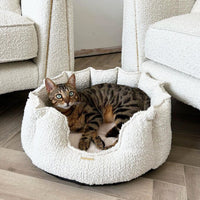
For those wanting the best of both worlds, seek out beds that marry supportive materials with smart airflow design. The Nest Dog Bed combines memory foam comfort with a removable, machine-washable cover that keeps maintenance stress-free.
Here’s the truth: the perfect bed is whichever one your dog actually chooses to use. Watch where they naturally migrate for naps. If they’re always seeking out cool kitchen tiles, elevated beds are calling their name. If they keep trying to steal your spot on the memory foam mattress, consider that their vote for cushioned comfort.