











How do Big Dogs Travel on Planes
29.05.26 May 29, 2026 Owning a Dog

How do Big Dogs Travel on Planes

Planning air travel with your large furry companion feels overwhelming at first, but understanding how big dogs travel on planes becomes much simpler once you know the essentials. From selecting the perfect travel crate and navigating airline policies to preparing your gentle giant for the journey ahead, this guide walks you through every step of making air travel a comfortable experience for both you and your beloved pet. With the right preparation and knowledge, you’ll transform what seems like a daunting process into a manageable adventure that gets your four-legged family member safely to your destination. Understanding Airline Policies for Big Dogs When you’re planning to fly with your gentle giant, understanding how big dogs travel on planes starts with accepting that most large breeds simply won’t squeeze into the cabin with you. While airlines typically welcome pets under 20 pounds in carriers beneath the seat, your Labrador, German Shepherd, or Golden Retriever will need to journey in the aircraft’s pressurized cargo hold. Every airline writes its own rulebook for large dog travel, so dig into specific policies well before you book anything. British Airways accepts dogs up to 75kg including their crate, while Virgin Atlantic sets slightly different limits. Most major carriers require advance reservations for pet cargo—sometimes weeks ahead during peak travel times when everyone seems to be flying with their four-legged family members. Here’s some reassuring news: cargo holds on passenger planes are pressurized and climate-controlled, just like where you’ll be sitting. Your dog won’t endure a cold, dark journey below. That said, airlines often impose seasonal restrictions during extreme weather to protect pets from temperature swings during ground handling—those tarmac waits can be brutal in July or January. Size rules extend beyond simple weight calculations. Airlines measure your dog and travel crate together, making a well-fitted carrier crucial for meeting requirements. While some carriers restrict certain breeds due to breathing issues, this typically affects flat-faced dogs like bulldogs rather than most large breeds. International travel brings extra layers of paperwork and planning. EU destinations require pet passports, while countries like Australia mandate lengthy quarantine periods. Contact your destination’s agricultural department months ahead—these requirements aren’t suggestions, and last-minute scrambling rarely ends well. Here’s something learned through experience: always book directly with airlines when traveling with pets. Third-party booking sites often miss crucial details about pet reservations, leaving you stranded at check-in. Direct booking also lets you communicate special needs and ensures your dog’s spot is properly secured, which matters since many airlines limit pets per flight. Budget carriers frequently don’t accept pets at all, while premium airlines usually offer more thoughtful pet services. When comparing options, consider the airline’s animal transport reputation alongside their pet fees—your dog’s comfort and safety are worth the extra research. Choosing the Right Travel Crate for Your Big Dog Your crate choice can make or break your big dog’s flying experience. Airlines will turn dogs away at check-in if their crate doesn’t meet strict safety standards, and even if you clear that hurdle, the wrong crate puts your furry friend at risk during the flight. Getting this decision right protects both your travel plans and your dog’s wellbeing. When selecting a travel crate for your large dog, focus on these essential features: IATA approval certification - Look for the official International Air Transport Association stamp, which ensures the crate meets global airline standards Adequate ventilation on multiple sides - Your dog needs proper airflow during the journey, with ventilation openings covering at least 16% of the total wall space Heavy-duty latching system - Secure metal latches and bolts prevent accidental opening during baggage handling Proper sizing with room to move - Your dog should be able to stand, turn around, and lie down comfortably without the crate being oversized Reinforced construction materials - Sturdy plastic or fiberglass construction that can withstand the rigors of cargo handling Leak-proof bottom design - Prevents accidents from affecting other cargo and keeps your dog comfortable Here’s what many pet parents don’t realize: your dog will likely spend hours in this crate, from check-in through baggage claim. That’s why comfort features matter just as much as safety requirements. Quality travel crates designed specifically for large breeds address both needs seamlessly. The Lords & Labradors Silver Deluxe Dog Crate collection exemplifies this balance, offering sizes up to XXL with airline-compliant features that give pet parents confidence when preparing big dogs for air travel. Think of the right crate as more than just meeting airline requirements. It becomes your dog’s safe haven during the stressful airport experience, giving them a familiar, secure space when everything else feels overwhelming. Preparing Your Big Dog for Air Travel Getting your large dog ready for air travel takes patience and planning, but the effort pays off when you see your furry friend handle the journey with confidence. The key to understanding how big dogs travel on planes successfully lies in thorough preparation—it’s what transforms a potentially stressful ordeal into a manageable adventure for everyone involved. Essential Preparation Steps: Start crate training 4-6 weeks early - Begin with short periods in the travel crate during meal times, gradually increasing duration until your dog sees it as their cozy den, not a prison. My friend Sarah’s Golden Retriever initially whined for twenty minutes straight, but by week three, he was voluntarily napping in there. Schedule a pre-travel vet visit - Most airlines require health certificates issued within 10 days of travel. Your vet can also recommend anxiety management strategies tailored to your dog’s personality—some dogs benefit from compression wraps, while others need prescription calming aids. Practice airport sounds and scenarios - Play recordings of plane engines, airport announcements, and bustling crowds at home while your dog relaxes in their crate. YouTube has excellent “airport ambiance” videos that work perfectly for this desensitization training. Introduce familiar comfort items - Pack a well-loved blanket or your old t-shirt in the crate. These familiar scents provide reassurance when everything else feels foreign and overwhelming. Adjust feeding schedule gradually - Start feeding your dog 4-6 hours before departure time in the weeks leading up to travel. This prevents motion sickness and gives their digestive system time to adapt to the new routine. Consider calming supplements - If your dog tends toward anxiety, discuss natural calming aids with your vet well before travel day. Testing effectiveness takes time—you don’t want to discover on departure morning that melatonin makes your pup drowsy instead of calm. Practice car trips to simulate travel day - Load the crate in your car for progressively longer drives, mimicking the transport experience to the airport. Planning Timeline: Start preparation 4-6 weeks before your departure date. This timeline gives your dog space to adjust gradually and lets you identify any issues early enough to address them properly. Every dog adapts differently to new experiences, so watch for your pet’s individual responses and adjust accordingly. Those weeks you invest in preparing your large dog for air travel create the foundation for a calmer, more confident traveler—and a much less anxious pet parent. Packing Essentials for Your Dog’s Flight Understanding how big dogs travel on planes successfully starts with smart packing—the difference between a nerve-wracking journey and one where you can breathe easy knowing your pup has everything they need. Since your large dog will spend the flight in cargo, every item you pack becomes their lifeline to comfort and safety during those hours apart from you. What to pack for your big dog’s flight: Familiar bedding or blanket - That old throw from the couch that smells like home? Perfect. It’ll provide emotional comfort when everything else feels unfamiliar Spill-proof water and food dishes - Attach these securely to the crate door so ground crew can refill them without opening the crate 24-hour food supply - Pack extra kibble in a clearly labeled bag attached to the crate—flight delays happen, and you want your dog fed on schedule Favorite comfort toy - Choose something sturdy that won’t fall apart if they get anxious and give it extra attention Complete health documentation - Vaccination records, health certificates, and your vet’s contact info, all in a waterproof pouch Emergency contact card - Your phone number, destination details, and any special care instructions clearly written and attached to the crate Absorbent bedding material - Layer puppy training pads or newspaper under their blanket for accidents during the long journey Backup leash and collar with ID tags - Pack extras with current contact details—things can get misplaced during baggage handling Important: Airlines require water and food dishes to be accessible from outside the crate without opening the door. This isn’t just bureaucracy—it’s how ground crew can care for your dog during layovers. While products like our Ultimate Weekaway Bag work beautifully for small dogs traveling in-cabin, big dog parents need to pack everything directly into or onto the travel crate itself. Think of the crate as your dog’s temporary home—stock it like you would for an overnight stay. Navigating the Airport with Your Big Dog Airport procedures for large dogs require more time and coordination than flying with smaller pets, but with the right preparation, you can navigate the process smoothly. Unlike small dogs that travel in the cabin, your big dog will go through a specialized check-in process that involves multiple departments and additional paperwork. Here’s the step-by-step airport process for flying with large dogs: Arrive at least 3-4 hours early for domestic flights and 4-5 hours for international travel to allow extra time for paperwork and crate inspection Complete check-in at the special services counter where airline staff will review your dog’s health certificates, verify crate requirements, and process cargo documentation Proceed to the designated pet drop-off area where your dog’s crate will be inspected and your pup will be transferred to the cargo handling team Complete your own security screening and head to your gate, knowing your dog is in professional hands Board your flight with the peace of mind that your dog was loaded safely onto the same aircraft Keep your large dog calm during airport hustle with these tried-and-true strategies: Pack familiar items like their favorite blanket or toy in an organized travel bag to provide comfort during the check-in process Take frequent potty breaks in designated pet relief areas before the final crate time Speak in soothing tones and maintain your usual calm energy—our dogs are emotional mirrors, picking up on every bit of our stress Bring high-value treats to reward good behavior during inspections and handling Consider using calming supplements recommended by your vet if your dog is particularly anxious I’ll be honest: patience is your secret weapon here. Airport staff handling large dogs know their stuff, but procedures naturally take longer than standard check-ins. When you build in that extra time buffer, you remove the pressure that makes both you and your dog tense. Your Golden Retriever doesn’t need to sense your panic about missing the flight on top of everything else they’re processing in that busy, unfamiliar environment. Post-Flight Care for Your Big Dog After touching down, your big dog will likely feel a mix of relief and disorientation. Just like we need a moment to collect ourselves after a long flight, your furry companion deserves some gentle care to help them transition back to solid ground. Start with hydration. Offer small amounts of water every few minutes rather than letting them gulp down a whole bowl at once. Their stomach might be a bit unsettled from the journey, and you want to avoid any digestive upset on top of travel stress. Once you’ve collected your luggage and found a quiet spot, give your dog a chance to stretch and relieve themselves. Airport pet relief areas are perfect for this, but if you’re already outside, any grassy area will do. Don’t be surprised if they seem a bit wobbly or clingy at first. My friend’s Golden Retriever, Max, practically glued himself to her side for the first hour after his cross-country flight. Keep a close eye on their behavior over the next 24 hours. Some dogs bounce back immediately, while others might seem quieter than usual or have slightly different eating patterns. This is completely normal. Watch for excessive panting, lethargy that lasts more than a day, or any signs of illness that seem unusual for your dog. Consider keeping their routine gentle for the first day or two. Short walks instead of long hikes, familiar foods, and plenty of rest will help them readjust. Remember, just like bringing home a new family member requires patience and care, helping your big dog recover from air travel is all about taking things slowly and following their lead.

By Adele Busby

Read more

Planning air travel with your large furry companion feels overwhelming at first, but understanding how big dogs travel on planes becomes much simpler once you know the essentials. From selecting the perfect travel crate and navigating airline policies to preparing your gentle giant for the journey ahead, this guide walks you through every step of making air travel a comfortable experience for both you and your beloved pet. With the right preparation and knowledge, you’ll transform what seems like a daunting process into a manageable adventure that gets your four-legged family member safely to your destination.

Understanding Airline Policies for Big Dogs

When you’re planning to fly with your gentle giant, understanding how big dogs travel on planes starts with accepting that most large breeds simply won’t squeeze into the cabin with you. While airlines typically welcome pets under 20 pounds in carriers beneath the seat, your Labrador, German Shepherd, or Golden Retriever will need to journey in the aircraft’s pressurized cargo hold.

Every airline writes its own rulebook for large dog travel, so dig into specific policies well before you book anything. British Airways accepts dogs up to 75kg including their crate, while Virgin Atlantic sets slightly different limits. Most major carriers require advance reservations for pet cargo—sometimes weeks ahead during peak travel times when everyone seems to be flying with their four-legged family members.

Here’s some reassuring news: cargo holds on passenger planes are pressurized and climate-controlled, just like where you’ll be sitting. Your dog won’t endure a cold, dark journey below. That said, airlines often impose seasonal restrictions during extreme weather to protect pets from temperature swings during ground handling—those tarmac waits can be brutal in July or January.

Size rules extend beyond simple weight calculations. Airlines measure your dog and travel crate together, making a well-fitted carrier crucial for meeting requirements. While some carriers restrict certain breeds due to breathing issues, this typically affects flat-faced dogs like bulldogs rather than most large breeds.

International travel brings extra layers of paperwork and planning. EU destinations require pet passports, while countries like Australia mandate lengthy quarantine periods. Contact your destination’s agricultural department months ahead—these requirements aren’t suggestions, and last-minute scrambling rarely ends well.

Here’s something learned through experience: always book directly with airlines when traveling with pets. Third-party booking sites often miss crucial details about pet reservations, leaving you stranded at check-in. Direct booking also lets you communicate special needs and ensures your dog’s spot is properly secured, which matters since many airlines limit pets per flight.

Budget carriers frequently don’t accept pets at all, while premium airlines usually offer more thoughtful pet services. When comparing options, consider the airline’s animal transport reputation alongside their pet fees—your dog’s comfort and safety are worth the extra research.

Choosing the Right Travel Crate for Your Big Dog

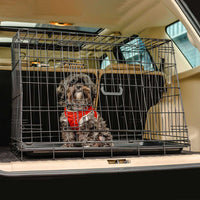
Your crate choice can make or break your big dog’s flying experience. Airlines will turn dogs away at check-in if their crate doesn’t meet strict safety standards, and even if you clear that hurdle, the wrong crate puts your furry friend at risk during the flight. Getting this decision right protects both your travel plans and your dog’s wellbeing.

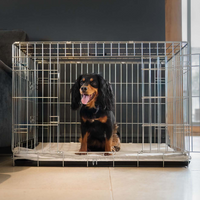
When selecting a travel crate for your large dog, focus on these essential features:

  • IATA approval certification - Look for the official International Air Transport Association stamp, which ensures the crate meets global airline standards
  • Adequate ventilation on multiple sides - Your dog needs proper airflow during the journey, with ventilation openings covering at least 16% of the total wall space
  • Heavy-duty latching system - Secure metal latches and bolts prevent accidental opening during baggage handling
  • Proper sizing with room to move - Your dog should be able to stand, turn around, and lie down comfortably without the crate being oversized
  • Reinforced construction materials - Sturdy plastic or fiberglass construction that can withstand the rigors of cargo handling
  • Leak-proof bottom design - Prevents accidents from affecting other cargo and keeps your dog comfortable

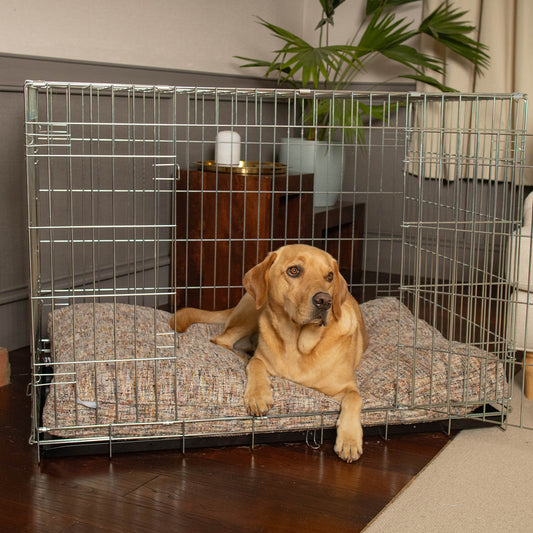
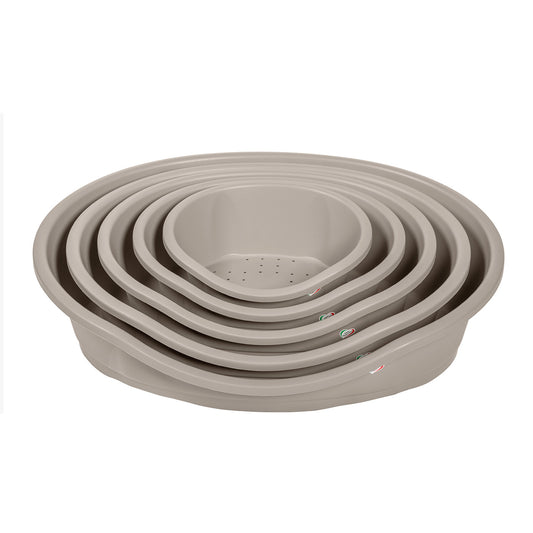
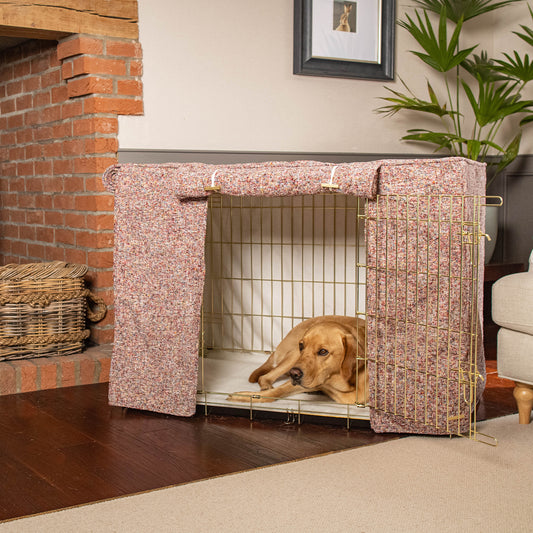
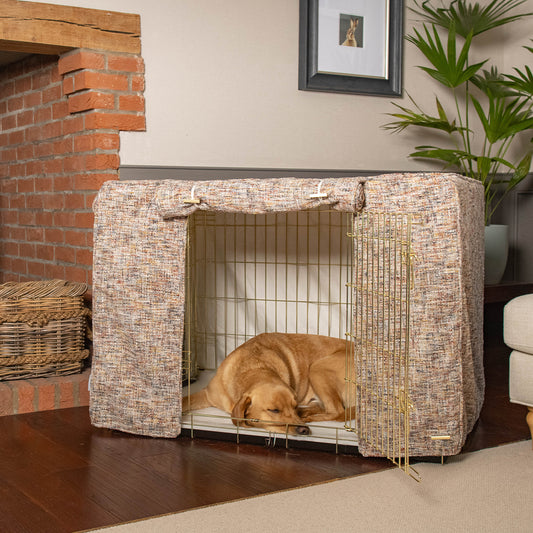
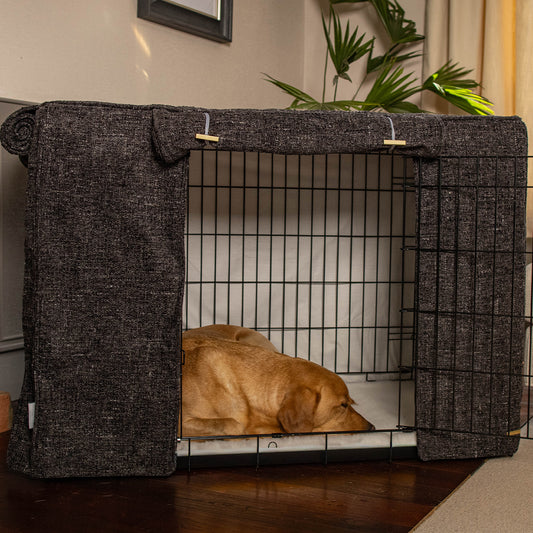
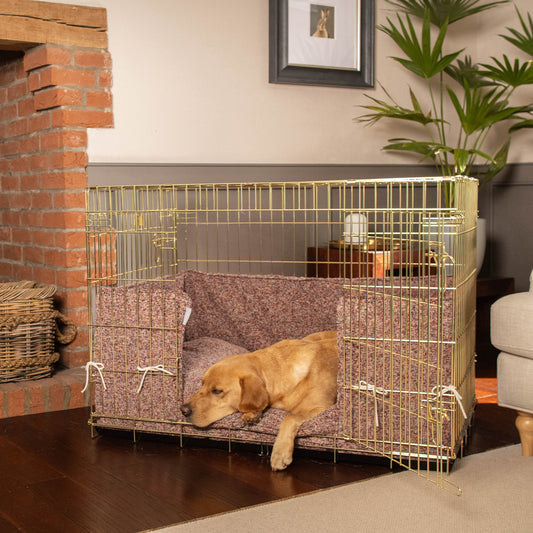
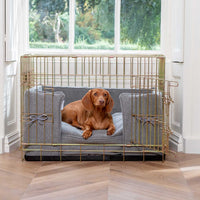
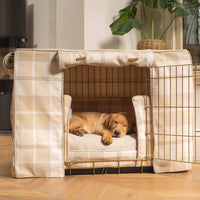
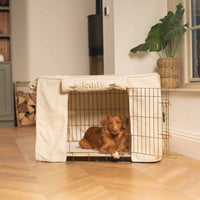
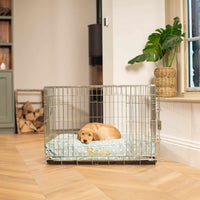
Here’s what many pet parents don’t realize: your dog will likely spend hours in this crate, from check-in through baggage claim. That’s why comfort features matter just as much as safety requirements. Quality travel crates designed specifically for large breeds address both needs seamlessly. The Lords & Labradors Silver Deluxe Dog Crate collection exemplifies this balance, offering sizes up to XXL with airline-compliant features that give pet parents confidence when preparing big dogs for air travel.

Think of the right crate as more than just meeting airline requirements. It becomes your dog’s safe haven during the stressful airport experience, giving them a familiar, secure space when everything else feels overwhelming.

Preparing Your Big Dog for Air Travel

Getting your large dog ready for air travel takes patience and planning, but the effort pays off when you see your furry friend handle the journey with confidence. The key to understanding how big dogs travel on planes successfully lies in thorough preparation—it’s what transforms a potentially stressful ordeal into a manageable adventure for everyone involved.

Essential Preparation Steps:

  1. Start crate training 4-6 weeks early - Begin with short periods in the travel crate during meal times, gradually increasing duration until your dog sees it as their cozy den, not a prison. My friend Sarah’s Golden Retriever initially whined for twenty minutes straight, but by week three, he was voluntarily napping in there.
  2. Schedule a pre-travel vet visit - Most airlines require health certificates issued within 10 days of travel. Your vet can also recommend anxiety management strategies tailored to your dog’s personality—some dogs benefit from compression wraps, while others need prescription calming aids.
  3. Practice airport sounds and scenarios - Play recordings of plane engines, airport announcements, and bustling crowds at home while your dog relaxes in their crate. YouTube has excellent “airport ambiance” videos that work perfectly for this desensitization training.
  4. Introduce familiar comfort items - Pack a well-loved blanket or your old t-shirt in the crate. These familiar scents provide reassurance when everything else feels foreign and overwhelming.
  5. Adjust feeding schedule gradually - Start feeding your dog 4-6 hours before departure time in the weeks leading up to travel. This prevents motion sickness and gives their digestive system time to adapt to the new routine.
  6. Consider calming supplements - If your dog tends toward anxiety, discuss natural calming aids with your vet well before travel day. Testing effectiveness takes time—you don’t want to discover on departure morning that melatonin makes your pup drowsy instead of calm.
  7. Practice car trips to simulate travel day - Load the crate in your car for progressively longer drives, mimicking the transport experience to the airport.

Planning Timeline: Start preparation 4-6 weeks before your departure date. This timeline gives your dog space to adjust gradually and lets you identify any issues early enough to address them properly.

Every dog adapts differently to new experiences, so watch for your pet’s individual responses and adjust accordingly. Those weeks you invest in preparing your large dog for air travel create the foundation for a calmer, more confident traveler—and a much less anxious pet parent.

Packing Essentials for Your Dog’s Flight

Understanding how big dogs travel on planes successfully starts with smart packing—the difference between a nerve-wracking journey and one where you can breathe easy knowing your pup has everything they need. Since your large dog will spend the flight in cargo, every item you pack becomes their lifeline to comfort and safety during those hours apart from you.

What to pack for your big dog’s flight:

  • Familiar bedding or blanket - That old throw from the couch that smells like home? Perfect. It’ll provide emotional comfort when everything else feels unfamiliar
  • Spill-proof water and food dishes - Attach these securely to the crate door so ground crew can refill them without opening the crate
  • 24-hour food supply - Pack extra kibble in a clearly labeled bag attached to the crate—flight delays happen, and you want your dog fed on schedule
  • Favorite comfort toy - Choose something sturdy that won’t fall apart if they get anxious and give it extra attention
  • Complete health documentation - Vaccination records, health certificates, and your vet’s contact info, all in a waterproof pouch
  • Emergency contact card - Your phone number, destination details, and any special care instructions clearly written and attached to the crate
  • Absorbent bedding material - Layer puppy training pads or newspaper under their blanket for accidents during the long journey
  • Backup leash and collar with ID tags - Pack extras with current contact details—things can get misplaced during baggage handling

Important: Airlines require water and food dishes to be accessible from outside the crate without opening the door. This isn’t just bureaucracy—it’s how ground crew can care for your dog during layovers.

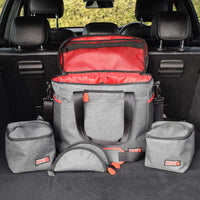
While products like our Ultimate Weekaway Bag work beautifully for small dogs traveling in-cabin, big dog parents need to pack everything directly into or onto the travel crate itself. Think of the crate as your dog’s temporary home—stock it like you would for an overnight stay.

Airport procedures for large dogs require more time and coordination than flying with smaller pets, but with the right preparation, you can navigate the process smoothly. Unlike small dogs that travel in the cabin, your big dog will go through a specialized check-in process that involves multiple departments and additional paperwork.

Here’s the step-by-step airport process for flying with large dogs:

  1. Arrive at least 3-4 hours early for domestic flights and 4-5 hours for international travel to allow extra time for paperwork and crate inspection
  2. Complete check-in at the special services counter where airline staff will review your dog’s health certificates, verify crate requirements, and process cargo documentation
  3. Proceed to the designated pet drop-off area where your dog’s crate will be inspected and your pup will be transferred to the cargo handling team
  4. Complete your own security screening and head to your gate, knowing your dog is in professional hands
  5. Board your flight with the peace of mind that your dog was loaded safely onto the same aircraft

Keep your large dog calm during airport hustle with these tried-and-true strategies:

  • Pack familiar items like their favorite blanket or toy in an organized travel bag to provide comfort during the check-in process
  • Take frequent potty breaks in designated pet relief areas before the final crate time
  • Speak in soothing tones and maintain your usual calm energy—our dogs are emotional mirrors, picking up on every bit of our stress
  • Bring high-value treats to reward good behavior during inspections and handling
  • Consider using calming supplements recommended by your vet if your dog is particularly anxious

I’ll be honest: patience is your secret weapon here. Airport staff handling large dogs know their stuff, but procedures naturally take longer than standard check-ins. When you build in that extra time buffer, you remove the pressure that makes both you and your dog tense. Your Golden Retriever doesn’t need to sense your panic about missing the flight on top of everything else they’re processing in that busy, unfamiliar environment.

Post-Flight Care for Your Big Dog

After touching down, your big dog will likely feel a mix of relief and disorientation. Just like we need a moment to collect ourselves after a long flight, your furry companion deserves some gentle care to help them transition back to solid ground.

Start with hydration. Offer small amounts of water every few minutes rather than letting them gulp down a whole bowl at once. Their stomach might be a bit unsettled from the journey, and you want to avoid any digestive upset on top of travel stress.

Once you’ve collected your luggage and found a quiet spot, give your dog a chance to stretch and relieve themselves. Airport pet relief areas are perfect for this, but if you’re already outside, any grassy area will do. Don’t be surprised if they seem a bit wobbly or clingy at first. My friend’s Golden Retriever, Max, practically glued himself to her side for the first hour after his cross-country flight.

Keep a close eye on their behavior over the next 24 hours. Some dogs bounce back immediately, while others might seem quieter than usual or have slightly different eating patterns. This is completely normal. Watch for excessive panting, lethargy that lasts more than a day, or any signs of illness that seem unusual for your dog.

Consider keeping their routine gentle for the first day or two. Short walks instead of long hikes, familiar foods, and plenty of rest will help them readjust. Remember, just like bringing home a new family member requires patience and care, helping your big dog recover from air travel is all about taking things slowly and following their lead.

Related Products

Related Collections

Next Article
What to Do If Puppy Cries in Crate at Night

Related Articles

  • How to Choose the Right Size Crate for Your Dog
    21.07.26 July 21, 2026 Owning a Dog

    How to Choose the Right Size Crate for Your Dog

    Getting the right fit for your dog’s crate makes a bigger difference than most people realise, and knowing how to choose the right size dog crate is simpler than it looks once you have a few key numbers to hand. This guide walks you through measuring your dog properly, planning ahead for a growing puppy, and thinking about how the crate will fit into your everyday life. You’ll also find advice on the extras that help a crate feel like a proper den rather than just a box your dog happens to sleep in. How to choose the right size dog crate without second-guessing yourself Choosing the right crate size comes down to one simple idea: your dog needs enough room to stand up, turn around, and stretch out comfortably — but not so much space that it stops feeling like a cosy den and starts feeling like a draughty hallway. That balance matters more than most people expect. A crate that’s too large can leave a dog feeling unsettled, particularly during those early weeks of getting used to it. Dogs are naturally drawn to snug, enclosed spaces, and a well-fitted crate tends to feel far more reassuring than one with room to spare. The most common mistake? Sizing by breed name alone. A “Labrador-sized” crate sounds like it should cover it, but two Labs can look completely different in build. A lean working type and a stockier show dog might need very different dimensions. So before you start comparing products, get your dog’s actual measurements: length from nose to tail, and height from the floor to the top of their head when standing. Those two numbers will do most of the work for you. The other key decision is whether you’re buying for a puppy or a fully grown dog. Puppies grow quickly — sometimes faster than you’d think — so crate sizing for a puppy involves a little more forward planning than sizing for an adult. Get clear on those two things first: your dog’s measurements and their life stage. Once you have both, the rest of the decision becomes much more straightforward. Our dog crate sets are a great place to start browsing once you’ve got your numbers to hand. Start with your dog’s measurements, not the breed label Breed labels are a helpful starting point, but they’re not reliable enough to base a purchase on. A Cocker Spaniel can come in wildly different shapes and sizes depending on their lineage and build, and the same goes for almost every breed. Getting your dog’s actual measurements is the only way to feel genuinely confident about how to choose the right size dog crate. Here’s how to do it properly: Body length: Measure from the tip of the nose to the base of the tail (not the tip). This gives you the minimum internal length the crate needs to be. Standing height: Measure from the floor to the top of the head or ears while your dog stands naturally. This tells you how tall the crate needs to be. Natural posture: Notice whether your dog stands tall and upright or carries themselves low and compact. Two dogs with identical measurements can still need slightly different headroom depending on how they naturally hold themselves. A note on weight: Useful as a rough guide, but never the whole story. Two 30kg Labradors can easily need different crate sizes based on build and bone structure alone. Once you have your dog’s measurements, add around 10cm to both figures. Your dog should be able to stand up, turn around, and stretch out comfortably without brushing the sides. That’s the sweet spot. If you’re still finding your feet with crates generally, our introduction to dog crates is a great place to start before you buy. Getting the fit right for a puppy who’s still growing Figuring out what size crate to buy for a puppy is one of the trickier parts of those early weeks. You want something that fits them now without being so roomy it sets back toilet training, but you also don’t want to find yourself buying a second crate six months down the line. The good news is you don’t have to. A crate with a divider panel is the most practical solution for a growing pup. Start with the panel positioned to give your puppy just enough room to stand, turn around, and lie down comfortably, then gradually move it back as they grow. The space stays snug and den-like throughout, without you having to start from scratch. A few things worth keeping in mind as you work out the right crate sizing for your dog: Base your crate choice on your breed’s expected adult measurements, then work backwards Measure your puppy every two to three weeks, particularly during fast growth phases Adjust the divider when they start looking cramped or can no longer stretch out fully Resist jumping up a size too soon — a crate that feels vast rarely feels safe to a young dog If your pup is a mix, ask your vet for a realistic adult size estimate rather than guessing Those in-between months go quickly, and a bit of forward planning makes the whole thing far less stressful. Pairing a well-sized crate with a grow-with-me puppy bed means the sleeping space keeps pace with your pup too, so nothing ever feels too big or too sparse along the way. Choose the crate size for how you’ll actually use it day to day Knowing how to choose the right size dog crate isn’t just about measuring your dog from nose to tail. Where the crate will live and what you’ll actually use it for each day shapes the decision just as much as the numbers do. Overnight sleeping. For nighttime use, a snug, den-like fit works best. A crate that’s too roomy can feel unsettling rather than secure, especially for dogs who take a while to wind down. Toilet training a puppy. Keep it cosy. Too much space and a puppy may decide one end is the bathroom. Crate sizing for dogs in training works best when there’s just enough room to stand, turn, and lie down comfortably. Quiet time or a safe retreat. If the crate doubles as your dog’s go-to calm spot throughout the day, a little extra room to stretch out is a genuinely kind choice. Car travel. Consider boot space and how often the crate needs moving. A lightweight, collapsible option will usually serve you better than a heavier everyday crate. A permanent spot in a shared living space. Here, aesthetics matter alongside fit. You want something that looks as good in your home as it feels for your dog. Think through your typical week before you decide. Browse the Lords & Labradors crate collection to find options designed around how real dogs and families actually live. Don’t forget the extras that make the crate feel right Once you’ve settled on the right crate size, what you put inside it matters just as much as the dimensions themselves. The right extras can turn a plain wire box into somewhere your dog genuinely wants to spend time — but bulky or mismatched accessories can eat into the floor space you carefully measured. It’s worth thinking about each one before you buy. Here’s what to keep in mind: A well-fitted bed or mattress gives your dog a comfortable surface without bunching up against the sides. Flat, supportive options tend to work better than thick, oversized cushions that reduce usable space. A crate cover cuts out visual stimulation and creates a darker, den-like feel that helps many dogs settle more quickly — especially useful in busier households where there’s always something going on. A bumper set lines the inner walls with soft padding, which is particularly helpful for puppies who tend to press or lean against the sides. It adds warmth and cosiness without dramatically reducing floor space. Our cosy crate bed set brings all of these elements together in one thoughtfully designed package, so everything fits and works as it should from day one. The goal is a snug interior that feels calm and safe — not a cramped one. Get both the crate size and the setup right, and your dog has the best possible foundation for settling in happily. How to make the final choice with confidence When you’ve done the measuring, thought about your dog’s daily routine, and browsed your options, the final choice usually comes down to a handful of simple things. Run through this quick checklist before you commit. Start with your dog’s measurements. Nose to tail and floor to the top of the ears are your two non-negotiables. Add around 10cm to each, and you’ve got the internal crate dimensions you’re actually shopping for. Check the fit feels cosy, not cavernous. Dogs who love to curl up in a corner often feel more settled in a snugger space. If you’re buying ahead for a growing puppy, use a divider to keep things proportional now and simply move it back as they fill out. Think about where the crate will live. A crate destined for the car boot has different needs to one tucked into a bedroom corner. Measure doorways, check your boot space, and picture where this crate will actually spend its time. Don’t overlook the finishing touches. A well-chosen crate cover can turn even a slightly generous-sized crate into a proper den. Take a look at the Lords and Labradors crate cover collection to find something that suits both your crate and your home. Choosing the right size dog crate really does come down to measuring carefully, thinking practically, and trusting what you already know about your dog. You know them best.

    By Adele Busby

    Read more
  • Signs Your Dog Is in Pain But Hiding It
    17.07.26 July 17, 2026 Owning a Dog

    Signs Your Dog Is in Pain But Hiding It

    Dogs are brilliant at keeping up appearances, and spotting the signs your dog is in pain often comes down to noticing the small, easy-to-brush-off shifts in their everyday behaviour. In this article, we cover what those hidden signals actually look like, what might be causing them, and when it’s time to pick up the phone to your vet. We’ve also pulled together some simple ways to keep your dog comfortable at home while you wait for answers. Why dogs hide pain so well — and why it’s easy to miss Dogs are remarkably good at hiding pain, and it has nothing to do with stubbornness or being “dramatic.” It comes down to instinct. In the wild, showing weakness could make an animal vulnerable, so dogs learned to carry on as normally as possible even when they were uncomfortable. That survival instinct is still there, even if your dog’s biggest challenge today is beating you to the best spot on the sofa. That is what makes the signs your dog is in pain so easy to miss at first. Your dog may still greet you at the door, get excited for dinner, or trot over when you pick up the lead. On the surface, they seem mostly normal. But underneath, something may have changed. Often, the hidden signs of pain in dogs are small. Your dog might pause before jumping into the car, settle down more slowly than usual, seem a bit quieter, or keep licking the same spot on their leg. These are not random quirks or a phase. They are dog discomfort signs, and they matter. Spotting signs of pain in dogs early can help your vet get to the cause sooner and stop things from getting worse. It also helps you support your dog more gently at home while you work out what is going on. The best starting point is knowing your dog’s usual habits, energy, and body language. When you know their normal, it is much easier to spot when something feels off. If you are unsure what to look for, our guide to understanding your dog’s body language is a helpful place to start. The subtle signs your dog is in pain but hiding it Most dogs are remarkably good at carrying on as normal even when something hurts, which means the signs your dog is in pain are often quiet, easy-to-dismiss shifts in everyday behaviour rather than dramatic yelping or obvious limping. Every dog is different too. One might go quiet and withdrawn while another becomes clingy and shadow-like. There’s no single script for how dogs show discomfort, which is exactly what makes it so easy to miss. Here are the most common signs to watch for: Reluctance to use stairs or jump up — if your dog hesitates at the bottom of the stairs or stops leaping onto the sofa they once claimed as their own, something may be making movement uncomfortable. Slower on walks, or losing interest in them — a dog who used to drag you to the park but now hangs back or wants to turn home early may be hurting, not bored. Licking or chewing one spot repeatedly — dogs often focus attention on a painful area, even when the source is internal rather than on the skin. Panting without an obvious cause — panting after a run is normal; panting while resting on a cool evening is worth noting. Hiding or withdrawing — choosing to sit alone in another room is a classic instinctive response to not feeling right. Grumpiness when touched — flinching, growling, or snapping when you stroke a particular area is a clear signal that something is wrong there. Changes in sleep — sleeping far more than usual, or seeming restless and unable to settle, can both point to discomfort. Reduced appetite — pain is tiring and distracting, and many dogs simply lose interest in food when they’re struggling. Unusual clinginess — some dogs do the opposite of withdrawing and become velcro-like, seeking reassurance constantly. Postural changes — a hunched back, tucked tail, or reluctance to stand fully can all suggest that holding a normal position hurts. Research backs up just how tuned-in owners are to these shifts. In a study where owners documented behavioural changes in dogs during the first week after clinical discharge, and veterinarians independently reviewed the videos as a reference perspective, the most commonly reported changes were in walking, playing with objects, and playing with their owner — all everyday things any dog parent would naturally pick up on. Worth knowing: Hidden signs of pain in dogs rarely arrive all at once. More often they build gradually, or appear in small clusters. One quieter morning means little. A dog who has been slower, less playful, and off their food for several days is telling you something. You don’t need to know what’s wrong to act on what you’re seeing. Noticing these patterns early is often the difference between catching something minor and letting it go unchecked — and no one knows your dog better than you do. What can cause pain in dogs? Pain in dogs can come from all sorts of everyday issues, not just major illness or obvious injury. If you’re noticing subtle signs your dog is in pain, it often helps to think about what might be going on physically as well as behaviourally. Common causes of pain in dogs include: Sore or stiff joints: your dog may rise more slowly, hesitate before climbing stairs, or stop jumping onto the sofa like they used to Sprains and minor injuries: a pulled muscle, strained paw, or small cut can lead to licking, limping, or favouring one side Dental pain: dogs with toothache might drop food, chew on one side, or go off crunchy treats Ear problems: ear discomfort often shows up as head shaking, scratching, or seeming unusually grumpy when touched Skin irritation: sore, itchy patches under the fur can make a dog restless, twitchy, or unsettled at bedtime Digestive upset: tummy pain may cause pacing, a hunched posture, or less interest in meals Age-related stiffness: older dogs can slow down so gradually that dog discomfort signs are easy to mistake for “just ageing” Pain does not look the same in every dog. Some become quiet and clingy, while others seem restless, snappy, or less like themselves. For joint stiffness in particular, gentle daily movement can help support comfort. This guide to regular exercise for dogs is a helpful place to start. When to call the vet — and what not to do at home Some signs your dog is in pain are easy to dismiss as an off day — but certain symptoms should always prompt a vet call rather than a wait-and-see approach. Pick up the phone if you notice: Sudden changes in behaviour or movement with no obvious cause Symptoms lasting more than 24 to 48 hours without improvement Signs that are getting worse, not staying the same Limping, stiffness, or reluctance to put weight on a limb Vomiting, loss of appetite, or refusing water Laboured, shallow, or unusually fast breathing Whimpering, flinching when touched, or out-of-character aggression And a really important one: never give your dog human pain relief. Ibuprofen and paracetamol are both toxic to dogs and can cause serious harm, even in small doses. Always wait for your vet’s guidance before giving anything. In the meantime, jot down a few notes before your appointment. It sounds simple, but it genuinely helps: When the symptoms first appeared and how they’ve changed since Which specific behaviours feel different, even the ones that seem minor Whether anything could have triggered it — a tumble, a new walk route, a boisterous play session Any recent changes to their diet, routine, or environment Your vet will get a much clearer picture from that kind of detail, and your dog gets answers faster. You’re also welcome to share your pet’s details with us at Lords & Labradors — we’re always happy to help however we can. How to make an uncomfortable dog more comfortable while you wait While you’re waiting for your vet appointment, there are some simple things you can do to help your dog feel more settled without risking making things worse. Keep movement gentle and short. A slow potter around the garden is fine; long walks, boisterous play, and anything involving a lot of jumping around is best avoided for now. If your dog normally charges up the stairs or vaults onto the sofa, try to discourage that too. A ramp or set of pet steps can make a real difference here, letting them get where they want to go without putting extra strain on sore joints or muscles. Their sleeping setup is worth thinking about too. A soft, supportive surface does a lot of quiet work when a dog is uncomfortable. If you’ve noticed them circling before lying down, hesitating to settle, or getting up more slowly than usual, those can all be dog pain symptoms centred around the joints. An orthopaedic or high-walled bed helps take pressure off the bits that are hurting and gives them somewhere genuinely comfortable to rest while they recover. Beyond that, try to keep their routine as normal as you can. Dogs take real comfort from predictability, and familiar mealtimes and gentle outings can help keep anxiety in check while their body does its thing. Frequently Asked Questions How do you tell a dog is suffering? You can often tell a dog is suffering by small changes in behaviour rather than dramatic crying or limping. Watch for slowing down on walks, reluctance to jump or use stairs, repeated licking, panting at rest, hiding, grumpiness when touched, appetite changes, restlessness, or unusual clinginess. What position do dogs lay in when in pain? Dogs in pain often lie or stand in ways that protect the sore area, such as with a hunched back, a tucked tail, or a reluctance to stretch out fully. You might also notice them circling, hesitating before lying down, or struggling to get comfortable and settle. How to know if a dog is in pain or hurt? You usually know a dog is in pain or hurt by noticing what feels different from their normal routine and body language. Common clues include stiffness, limping, slower walks, avoiding stairs or jumps, licking one area, panting without cause, eating less, withdrawing, or becoming unusually clingy or snappy.

    By Adele Busby

    Read more
  • Best Orthopedic Dog Beds for Large Dogs
    26.06.26 June 26, 2026 New Products

    Best Orthopedic Dog Beds for Large Dogs

    Finding the best orthopedic dog beds for large dogs is genuinely worth getting right, because a bed that works for a Spaniel simply will not cut it for a Golden Retriever or a Great Dane. In this guide, we cover everything that actually matters: foam depth, washability, durability for heavy sprawlers, and what changes when your dog gets older and slower to get up. Whether you are shopping on a budget or looking for a long-term investment for a senior dog, we have broken it all down so you can find the right fit for your specific dog. Best orthopedic dog beds for large dogs: how to choose the right one Large dogs put a lot through their joints every single day, and a flat cushion just doesn't cut it once you've got a Labrador, a Golden Retriever, or a Great Dane settling in for a long sleep. The best orthopedic dog beds for large dogs do something genuinely different: they use high-density foam to distribute your dog's body weight evenly, take the pressure off hips, elbows, and shoulders, and help muscles recover properly between walks. Before you start comparing products, it helps to know what actually matters. Foam quality is the big one. Look for a solid memory foam or high-resilience foam base of at least four inches — anything thinner and a heavier dog will compress straight through it. Size matters just as much. Your dog should be able to stretch out fully without a limb dangling off the edge, so measure them before you buy. Cover washability is easy to overlook until it suddenly isn't. For big dogs, a removable machine-washable cover isn't a bonus — it's a basic requirement. Think muddy paws after a wet walk, moulting season, the occasional drool patch. You'll be glad it zips off. It's also worth thinking about your dog's age and how they sleep. A younger dog who sprawls and digs needs something durable and low-sided. A senior dog with stiff joints needs a bed that's easy to step into and offers deeper support. Best all-round orthopedic beds for big dogs who need everyday support When you live with a big dog who drops onto their bed at the end of the day with a dramatic sigh, the filling inside really matters. The best orthopedic dog beds for large dogs do more than look plush. They need to support heavier bodies evenly, hold their shape over time, and be easy to keep clean after muddy walks, shedding season, and everyday life. Slumba Orthopaedic Dog Mattress by Lords & Labradors — This is the one we’d point most pet parents towards for dependable everyday comfort, especially if your dog is older, heavy-set, or simply loves stretching right out. The Slumba Orthopaedic Dog Mattress has deep supportive foam that helps spread weight more evenly, so there’s less chance of hips and shoulders dipping awkwardly into the bed. It also has a removable washable cover, which is a genuine win if your dog brings half the garden back indoors. High-sided memory foam beds — A lovely option for dogs who like a bit of structure around them or always use the edge of the bed as a pillow. For an orthopedic dog bed for large dogs, look for sturdy bolsters, a non-slip base, and enough foam depth to stop the bed feeling flat under a heavier frame. Flat orthopedic mattress styles — These are often the best dog beds for large dogs who sprawl, sleep hot, or don’t want to climb over raised sides. A simple mattress shape also fits nicely in open spaces like kitchens, utility rooms, or beside your bed. For larger dogs, many pet parents find 4 inches or more of supportive foam offers better everyday comfort. What makes these styles such strong all-rounders is the balance of comfort, support, and practicality. For nightly use, that’s what really counts. Best orthopedic beds for senior dogs and dogs with stiff joints Older dogs, and dogs living with arthritis or joint stiffness, need more than just a soft place to lie down. The best orthopedic dog beds for large dogs in this category deliver deeper pressure relief, foam support that holds its shape overnight, and a low step-in height that lets a stiff dog settle without struggling on the way down. When choosing for a senior or joint-compromised large dog, look for: High-density memory foam of at least 4 inches to properly support heavier body weight A waterproof inner liner, especially useful if your dog is older and occasionally caught short Bolster edges that support the head and neck once they finally relax into sleep A non-slip base to keep the bed stable on hard floors when they're getting in and out A low or open entry point so there's no barrier to step over The three designs that tend to work best here are memory foam mattress beds, bolster-surround beds, and raised ortho frames. Flat mattress beds give full-body contact and suit dogs who love to stretch right out. Raised frames keep a dog off cold floors, though they work better for dogs who still move fairly easily. For large dogs that shift position through the night and need something to lean into, a bolster-surround bed often comes out on top. Our square bolster dog beds are a strong pick here, offering wraparound support that genuinely helps big dogs feel settled rather than just parked somewhere soft. If your dog is showing early signs of stiffness, getting the right bed in place sooner rather than later is one of the simplest things you can do for their long-term comfort. Best durable orthopedic beds for large breeds that love to sprawl or dig Some large dogs treat a bed like part of their settling ritual: a few tight circles, a good scratch, then a full-body flop. If that sounds familiar, the best orthopedic dog beds for large dogs need to do more than feel comfortable on day one. They need to cope with daily wear and still keep their shape. Feature Why It Matters What to Look For   Tough outer fabric Helps the bed stand up to scratching, digging, and repeated pawing Canvas, durable microfibre, or other hard-wearing fabrics Removable washable cover Makes muddy paws, moulting season, and the odd accident much easier to manage A cover that zips off easily and can go in the wash Supportive foam base Gives bigger dogs steadier joint support and is less likely to flatten quickly A thick, structured base that feels resilient Non-slip bottom Stops the bed sliding while your dog circles or climbs in Textured or grippy underside A few practical tips help when choosing a large dog bed for joint support: If your dog sprawls right to the edges, an extra large orthopedic dog bed gives them room without hanging off the sides Raised edges can be handy for dogs who like to lean or rest their chin, but the centre should still feel stable and supportive A washable cover is worth its weight in gold if your dog sheds heavily or loves the garden Be cautious with beds labelled “orthopaedic” if they rely mostly on soft fill rather than a proper foam base If you like the cosy box-bed style, the Lords & Labradors Essentials Plush Box Bed is a useful one to compare against your checklist, especially if you want something practical, snug, and easy to live with day to day. Best orthopedic beds by budget and value for large dogs Price matters, but with the best orthopedic dog beds for large dogs, value is really about how well the bed suits your dog’s stage of life. A younger, healthy Labrador who flops down after a muddy walk may be perfectly happy on a well-made large dog bed for joint support with sturdy filling and a washable cover. An older giant breed who’s slower to get up usually benefits from thicker, denser foam that holds its shape night after night. Budget-Smart Picks Premium Investment Picks   Price Range £60–£120 £130–£250+ Foam Type Supportive standard foam High-density memory foam Ideal Dog Size/Age Young adults, growing large breeds Seniors, giant breeds, dogs over 32kg Best Use Case Everyday comfort, guest bed, younger dog Ongoing joint support, stiffness, recovery It’s usually worth spending more if your dog: is older and seems stiff after naps is a giant breed putting lots of weight on the bed every day has arthritis, hip issues, or reduced mobility needs a bed that won’t flatten too quickly If your dog is still growing, or just needs a comfortable everyday spot, a simpler orthopedic dog bed for large dogs can be the smarter buy. But if you’re looking for longer-lasting support, especially for a big dog who sleeps deeply and spends hours in bed, premium foam often earns its keep. You can browse Lords & Labradors’ luxury dog beds collection if you want to compare more supportive, extra large options. How to pick the best orthopedic bed for your large dog The right bed really does come down to knowing your dog — their size, how they sleep, and where they are in life. For younger large breeds who just need reliable everyday support, a quality memory foam dog bed with a washable cover is usually the sweet spot. Good cushioning, easy to keep clean, no unnecessary fuss. Older dogs, or those managing arthritis, stiff joints, or post-surgery recovery, need a bit more thought. Deeper foam, a lower entry point, and bolster sides they can actually lean into all make a real difference. Senior dogs tend to sleep longer and heavier, so that extra support earns its keep quickly. If your dog is a sprawler, a digger, or just reliably hard on everything they own, durability matters as much as foam quality. Look for reinforced covers and a dense base layer that holds its shape over months of use, not just the first few weeks. On budget, spending a little more upfront on an extra large orthopedic dog bed almost always makes more sense than replacing a cheaper one every year. A good bed can genuinely grow with your dog's needs as they age. Ultimately, the best orthopedic dog beds for large dogs are the ones that fit your specific dog — their weight, their sleep style, their life stage. That combination will always matter more than any single feature on a label.  

    By Adele Busby

    Read more
  • Why Does My Dog Lay On My Pillow When I Get Up
    23.06.26 June 23, 2026 Owning a Dog

    Why Does My Dog Lay On My Pillow When I Get Up

    There is something quietly wonderful about a dog who gravitates straight to your pillow the moment you get up, and if you have ever found yourself wondering why does my dog lay on my pillow when I get up, the reasons are far sweeter than you might expect. In this article, we look at the real instincts behind the behaviour, from scent-seeking and warmth to the bond your dog feels with you, and how to tell the difference between simple affection and something worth keeping an eye on. We also share some gentle, practical ways to redirect the habit so everyone gets a good night’s sleep. Why does my dog lay on my pillow when I get up? You roll out of bed, pop the kettle on, and come back to find your dog curled up on your pillow like it was always meant to be theirs. If that sounds familiar, you’re definitely not the only one asking, why does my dog lay on my pillow when I get up? In most cases, the answer is really quite sweet. Your pillow is full of your scent, still warm from where you were lying, and wonderfully soft. For a dog, that combination is hard to resist. If you’ve ever wondered why does my dog sleep on my pillow or why does my dog lay in my spot after I get up, it usually comes down to comfort and closeness rather than cheekiness. Dogs are comfort-seekers, and your smell helps them feel safe and settled. Add a cosy, just-vacated sleeping spot, and it makes perfect sense that they’d choose it. It’s also why some dogs sleep in their owner’s bed or hop straight into your seat on the sofa the second you stand up. They’re not trying to take over the house. They just like being close to their favourite person in the cosiest way possible. For most dogs, this little pillow takeover is completely normal and affectionate. If you’d rather keep your pillow for yourself, it can help to offer an inviting alternative, like one of these cosy puppy beds, so they still get that same sense of comfort nearby. The real reasons your dog has claimed your pillow If you’ve ever asked yourself why your dog lays on your pillow the moment you get up, you’re in very good company. It’s one of those habits that looks a little cheeky on the surface but is actually rooted in some genuinely sweet instincts — and a few practical ones too. Scent comfort: Your scent is at its strongest on your pillow, which means lying there feels, to your dog, like you haven’t fully gone anywhere. Dogs experience the world nose-first, and being wrapped in your familiar smell is genuinely calming for them. It’s their version of holding onto a little piece of you. Warmth-seeking: That spot where you’ve been sleeping holds your body heat long after you’ve got up. Dogs are natural warmth-seekers, and a pillow that’s already perfectly warm is simply irresistible. Think of it as the canine equivalent of pinching your jumper off the sofa. Territorial behaviour: Some dogs aren’t just after comfort — they’re making a quiet claim on the space. Lying in your spot is a way of anchoring themselves to it. This is rarely about dominance in the way older thinking suggested; it’s more about feeling settled and secure in their environment. Separation proximity: Dogs who feel especially bonded to their owners often want to close the gap the moment you leave the room. For those with a strong need to stay near your scent, a dedicated space of their own — somewhere soft, familiar, and genuinely cosy, like a calming crate bed — can really help them settle without needing to raid yours. Most pillow-claiming is simple habit or affection. If your dog seems distressed when you get up rather than just opportunistic, that’s worth a closer look — but we’ll come to that. The majority of the time, this is your dog’s way of staying close to you. The rest of this article will help you make sense of exactly what they’re telling you. What your dog is telling you with this little pillow takeover When your dog shuffles over to claim your pillow the moment you get up, they’re not just after the fluffiest spot in the room. It’s a form of communication — a quiet way of staying close to you even after you’ve left. Think of it as their version of keeping a hand on the connection. Here are some of the emotional signals this behaviour can carry: Bonding and affection. Your dog loves you, and your pillow smells exactly like you. Sleeping where you slept is one of the most direct ways they can express that closeness. Comfort through your scent. Your smell genuinely soothes them. It triggers feelings of safety, especially for dogs who are sensitive to shifts in routine or a bit more anxious by nature. Mild reassurance-seeking. If your dog tends to follow your every move, lying in your spot is their way of holding onto your presence while you’re in another room making coffee. Staying connected while you go about your day. It’s a small act of loyalty. A quiet way of saying, I was with you, and I’m still with you. Social signalling. Sharing sleep spaces is deeply meaningful to dogs. It reinforces trust and the kind of closeness that makes them feel secure. Did You Know? Dogs have up to 300 million olfactory receptors, compared to around six million in humans. Your pillow isn’t just fabric to them — it’s an emotional anchor, loaded with your scent and everything that makes them feel safe. Taken together, these signals point to something genuinely reassuring: pillow-stealing is nearly always a sign of healthy attachment. If you want to get better at reading these small, sweet moments, our guide to understanding your dog’s body language is a brilliant place to start. When pillow stealing is harmless — and when to pay a bit more attention For the vast majority of dogs, pillow stealing is one of those completely harmless quirks that just comes with the territory of sharing your life with them. Usually just sweet Seeking out your scent because it feels safe and familiar Settling into the warmth you’ve left behind in the bedding Following a little morning routine they’ve quietly established for themselves Simply wanting to stay close to you, even after you’ve left the room If you’ve ever asked yourself why your dog lays on your pillow when you get up, the answer is almost always rooted in affection and comfort. Nothing to worry about. Worth a closer look Clinginess that follows you through the whole day, not just at bedtime Visible distress when left alone — panting, pacing, or whining Growling or stiffening if you approach the pillow while they’re on it A sudden change in sleep habits that feels out of character That last one is worth paying attention to. Dogs are creatures of habit, so anything that shifts noticeably is worth a gentle check-in with your vet. Most dogs simply want closeness and comfort, and having their own inviting space to settle into can genuinely help with that. If your dog could do with a snug spot to call their own, our Sleepy Burrows collection is a lovely place to start. Either way, knowing what’s normal for your dog is always the most reliable guide. How to keep everyone happy at bedtime and beyond If your dog has claimed your pillow as their personal throne, you really don’t need to wage war over it. A few small, thoughtful changes can make bedtime work beautifully for both of you. Start by giving your dog a sleeping spot they actually want to use. The reason so many dogs sleep on your pillow comes down to scent and safety, so the goal is simply to recreate that feeling somewhere else. Try placing their bed in your bedroom, close to yours if possible, and tuck a worn t-shirt or old pillowcase inside it. That familiar smell does a surprising amount of reassuring work without you having to do much else. Routine is your other best friend here. Dogs who know what to expect at bedtime tend to settle faster and feel far less compelled to claim your spot the moment you leave it. A short pre-bed walk, a calm wind-down, and a consistent “go to your bed” cue can gently shift the habit over time — no stress, no drama. For dogs who burrow into your bedding seeking that cosy, held feeling, the sleeping surface really matters. Something like the Sleepy Burrows Bed in Calming Anti-Anxiety Dusk Faux Fur is designed for exactly that type of dog — the ones who want to sink in and feel wrapped up rather than simply lie on top of something flat. Pillow stealers tend to fall into this category more often than not. The goal isn’t to take something away from your dog. It’s to give them something just as good, somewhere that feels entirely their own.

    By Adele Busby

    Read more

loyal customer in 17 countries

Why Shop With Us?

  • Free Delivery

    Orders over £75 qualify for free standard UK delivery. Orders under £75 will be calculated at the checkout.

  • Shopping Made Easy

    Gain exclusive access to sales and shop all your pets favourites on the go by downloading our app.

  • Designed in the UK

    Our own brand products are lovingly designed in our specialist UK workshop to our exacting standards.

  • We're Here For You

    Contact our Pet Experts on Chat or by email at sales@lordsandlabradors.co.uk