


































































Dogs are brilliant at keeping up appearances, and spotting the signs your dog is in pain often comes down to noticing the small, easy-to-brush-off shifts in their everyday behaviour. In this article, we cover what those hidden signals actually look like, what might be causing them, and when it’s time to pick up the phone to your vet. We’ve also pulled together some simple ways to keep your dog comfortable at home while you wait for answers.
Why dogs hide pain so well — and why it’s easy to miss
Dogs are remarkably good at hiding pain, and it has nothing to do with stubbornness or being “dramatic.” It comes down to instinct. In the wild, showing weakness could make an animal vulnerable, so dogs learned to carry on as normally as possible even when they were uncomfortable. That survival instinct is still there, even if your dog’s biggest challenge today is beating you to the best spot on the sofa.
That is what makes the signs your dog is in pain so easy to miss at first. Your dog may still greet you at the door, get excited for dinner, or trot over when you pick up the lead. On the surface, they seem mostly normal. But underneath, something may have changed.
Often, the hidden signs of pain in dogs are small. Your dog might pause before jumping into the car, settle down more slowly than usual, seem a bit quieter, or keep licking the same spot on their leg. These are not random quirks or a phase. They are dog discomfort signs, and they matter.
Spotting signs of pain in dogs early can help your vet get to the cause sooner and stop things from getting worse. It also helps you support your dog more gently at home while you work out what is going on.
The best starting point is knowing your dog’s usual habits, energy, and body language. When you know their normal, it is much easier to spot when something feels off. If you are unsure what to look for, our guide to understanding your dog’s body language is a helpful place to start.
The subtle signs your dog is in pain but hiding it
Most dogs are remarkably good at carrying on as normal even when something hurts, which means the signs your dog is in pain are often quiet, easy-to-dismiss shifts in everyday behaviour rather than dramatic yelping or obvious limping. Every dog is different too. One might go quiet and withdrawn while another becomes clingy and shadow-like. There’s no single script for how dogs show discomfort, which is exactly what makes it so easy to miss.
Here are the most common signs to watch for:
- Reluctance to use stairs or jump up — if your dog hesitates at the bottom of the stairs or stops leaping onto the sofa they once claimed as their own, something may be making movement uncomfortable.
- Slower on walks, or losing interest in them — a dog who used to drag you to the park but now hangs back or wants to turn home early may be hurting, not bored.
- Licking or chewing one spot repeatedly — dogs often focus attention on a painful area, even when the source is internal rather than on the skin.
- Panting without an obvious cause — panting after a run is normal; panting while resting on a cool evening is worth noting.
- Hiding or withdrawing — choosing to sit alone in another room is a classic instinctive response to not feeling right.
- Grumpiness when touched — flinching, growling, or snapping when you stroke a particular area is a clear signal that something is wrong there.
- Changes in sleep — sleeping far more than usual, or seeming restless and unable to settle, can both point to discomfort.
- Reduced appetite — pain is tiring and distracting, and many dogs simply lose interest in food when they’re struggling.
- Unusual clinginess — some dogs do the opposite of withdrawing and become velcro-like, seeking reassurance constantly.
- Postural changes — a hunched back, tucked tail, or reluctance to stand fully can all suggest that holding a normal position hurts.
Research backs up just how tuned-in owners are to these shifts. In a study where owners documented behavioural changes in dogs during the first week after clinical discharge, and veterinarians independently reviewed the videos as a reference perspective, the most commonly reported changes were in walking, playing with objects, and playing with their owner — all everyday things any dog parent would naturally pick up on.
Worth knowing: Hidden signs of pain in dogs rarely arrive all at once. More often they build gradually, or appear in small clusters. One quieter morning means little. A dog who has been slower, less playful, and off their food for several days is telling you something.
You don’t need to know what’s wrong to act on what you’re seeing. Noticing these patterns early is often the difference between catching something minor and letting it go unchecked — and no one knows your dog better than you do.
What can cause pain in dogs?
Pain in dogs can come from all sorts of everyday issues, not just major illness or obvious injury. If you’re noticing subtle signs your dog is in pain, it often helps to think about what might be going on physically as well as behaviourally.
Common causes of pain in dogs include:
- Sore or stiff joints: your dog may rise more slowly, hesitate before climbing stairs, or stop jumping onto the sofa like they used to
- Sprains and minor injuries: a pulled muscle, strained paw, or small cut can lead to licking, limping, or favouring one side
- Dental pain: dogs with toothache might drop food, chew on one side, or go off crunchy treats
- Ear problems: ear discomfort often shows up as head shaking, scratching, or seeming unusually grumpy when touched
- Skin irritation: sore, itchy patches under the fur can make a dog restless, twitchy, or unsettled at bedtime
- Digestive upset: tummy pain may cause pacing, a hunched posture, or less interest in meals
- Age-related stiffness: older dogs can slow down so gradually that dog discomfort signs are easy to mistake for “just ageing”
Pain does not look the same in every dog. Some become quiet and clingy, while others seem restless, snappy, or less like themselves. For joint stiffness in particular, gentle daily movement can help support comfort. This guide to regular exercise for dogs is a helpful place to start.
When to call the vet — and what not to do at home
Some signs your dog is in pain are easy to dismiss as an off day — but certain symptoms should always prompt a vet call rather than a wait-and-see approach.
Pick up the phone if you notice:
- Sudden changes in behaviour or movement with no obvious cause
- Symptoms lasting more than 24 to 48 hours without improvement
- Signs that are getting worse, not staying the same
- Limping, stiffness, or reluctance to put weight on a limb
- Vomiting, loss of appetite, or refusing water
- Laboured, shallow, or unusually fast breathing
- Whimpering, flinching when touched, or out-of-character aggression
And a really important one: never give your dog human pain relief. Ibuprofen and paracetamol are both toxic to dogs and can cause serious harm, even in small doses. Always wait for your vet’s guidance before giving anything.
In the meantime, jot down a few notes before your appointment. It sounds simple, but it genuinely helps:
- When the symptoms first appeared and how they’ve changed since
- Which specific behaviours feel different, even the ones that seem minor
- Whether anything could have triggered it — a tumble, a new walk route, a boisterous play session
- Any recent changes to their diet, routine, or environment
Your vet will get a much clearer picture from that kind of detail, and your dog gets answers faster. You’re also welcome to share your pet’s details with us at Lords & Labradors — we’re always happy to help however we can.
How to make an uncomfortable dog more comfortable while you wait
While you’re waiting for your vet appointment, there are some simple things you can do to help your dog feel more settled without risking making things worse.
Keep movement gentle and short. A slow potter around the garden is fine; long walks, boisterous play, and anything involving a lot of jumping around is best avoided for now. If your dog normally charges up the stairs or vaults onto the sofa, try to discourage that too. A ramp or set of pet steps can make a real difference here, letting them get where they want to go without putting extra strain on sore joints or muscles.
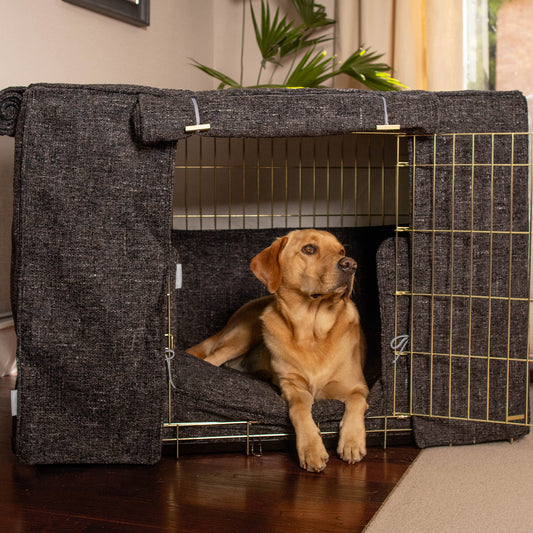
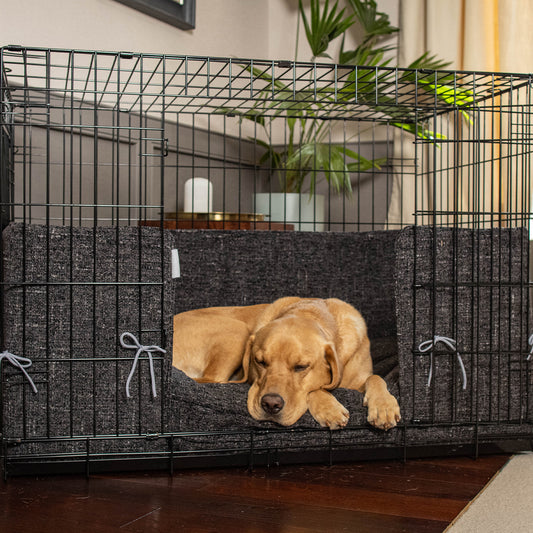
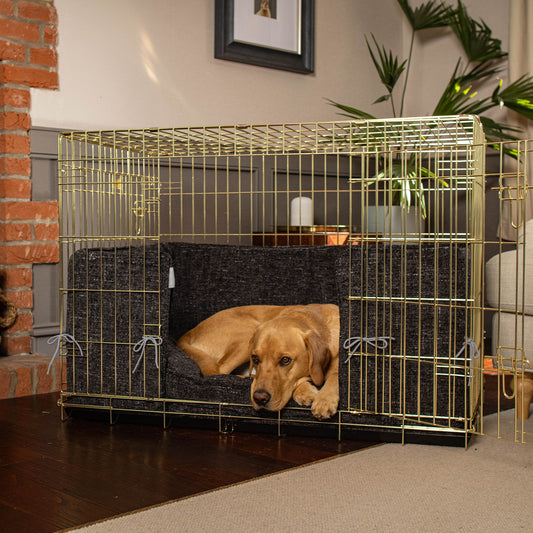
Their sleeping setup is worth thinking about too. A soft, supportive surface does a lot of quiet work when a dog is uncomfortable. If you’ve noticed them circling before lying down, hesitating to settle, or getting up more slowly than usual, those can all be dog pain symptoms centred around the joints. An orthopaedic or high-walled bed helps take pressure off the bits that are hurting and gives them somewhere genuinely comfortable to rest while they recover.
Beyond that, try to keep their routine as normal as you can. Dogs take real comfort from predictability, and familiar mealtimes and gentle outings can help keep anxiety in check while their body does its thing.
Frequently Asked Questions
How do you tell a dog is suffering?
You can often tell a dog is suffering by small changes in behaviour rather than dramatic crying or limping. Watch for slowing down on walks, reluctance to jump or use stairs, repeated licking, panting at rest, hiding, grumpiness when touched, appetite changes, restlessness, or unusual clinginess.
What position do dogs lay in when in pain?
Dogs in pain often lie or stand in ways that protect the sore area, such as with a hunched back, a tucked tail, or a reluctance to stretch out fully. You might also notice them circling, hesitating before lying down, or struggling to get comfortable and settle.
How to know if a dog is in pain or hurt?
You usually know a dog is in pain or hurt by noticing what feels different from their normal routine and body language. Common clues include stiffness, limping, slower walks, avoiding stairs or jumps, licking one area, panting without cause, eating less, withdrawing, or becoming unusually clingy or snappy.