






























































Few things throw off a walk quite like a dog who plants their paws and flatly refuses to go the direction you had in mind. If your dog refuses to walk certain directions, there’s nearly always a reason behind it, whether that’s fear, discomfort, or simply a strong opinion about where the good smells are. This guide covers how to tell those causes apart, what you can do to gently build confidence back up, and when it’s worth calling in a vet or behaviourist for extra support.
Why your dog suddenly refuses to walk one way
If your dog suddenly plants their paws and refuses to move in a certain direction, it can feel completely baffling — especially when they were perfectly happy heading that way last week. But this is rarely stubbornness. Most of the time, your dog is trying to tell you something.
Dogs build strong associations with the places they visit, and those associations can form faster than you might expect. A route that takes you past a noisy building site, a garden where a dog charges the fence, or even a spot where something once startled them can quickly become somewhere they’d rather avoid. When your dog stops walking or pulls back on the lead heading a particular way, that’s communication, not defiance.
It’s also worth taking seriously. The more often a dog is pushed through something that worries them, the stronger that negative association tends to become. Understanding what’s driving the behaviour, on the other hand, gives you a real chance to actually help.
The signals are usually there if you know what to look for: a tucked tail, flattened ears, a sudden reluctance to move forward, or frantic sniffing to avoid making eye contact with whatever’s ahead. These are all your dog’s way of saying “I’m not sure about this.” Our guide to understanding your dog’s body language is a great starting point if you’d like to get better at reading those cues before we dig into the causes.
The most common reasons dogs avoid certain routes
There’s almost always a reason when a dog refuses to walk certain directions, even if it isn’t immediately obvious. Dogs can’t tell us what’s wrong, so their behaviour on the lead is often the clearest signal we have. Pinning down the cause is the first step to making walks enjoyable again for both of you.
- Fear or negative associations. A dog that freezes outside a particular house, digs their paws in near a certain gate, or turns back at the same point every time has often had a bad experience there. It might have been something that only happened once — a sudden loud noise or an unexpected run-in with another dog — but the memory sticks. That reluctance isn’t defiance. It’s self-protection.
- Stubbornness or personal preference. Some dogs simply have opinions about where they want to go. One that consistently pulls toward home, or always steers for the park and resists anywhere else, is usually showing a preference rather than fear. It’s especially common in dogs who’ve settled into a comfortable routine and aren’t particularly interested in anything that disrupts it.
- Overstimulation from busy environments. A dog that shuts down near traffic or crowded streets is often overwhelmed, not difficult. The noise, movement, and unpredictability can become genuinely too much to process. Dogs pushed past their threshold may also start barking on walks, which is worth paying attention to as another sign that they’re struggling.
- Physical pain or discomfort. If your dog slows right down, starts labouring on a slope, or suddenly stops after turning a particular corner, pain could easily be the reason. Rough surfaces, uneven ground, or an underlying joint issue can all make certain routes feel uncomfortable in ways that are easy to miss until you know what to look for.
Each of these behaviours is your dog’s way of trying to tell you something. Recognising which pattern fits yours is where the real progress begins.
How to tell fear, pain, and simple preferences apart
When a dog refuses to walk certain directions, the behaviour usually falls into one of three categories: fear, physical discomfort, or a plain old preference. The good news? Your dog’s body language will often tell you which one you’re dealing with — you just need to know what to look for.
Signs it may be fear or anxiety
- Ears flattened against the head
- Tail tucked under the body
- Panting without any physical exertion
- Freezing mid-walk and refusing to budge
- Whale eye (whites of the eyes showing)
- Pulling back hard on the lead
- Barking or lunging at a specific spot on the route
Signs it may be pain or physical discomfort
- Stopping suddenly at the same point on a familiar route
- Limping or favouring one leg
- Reluctance to put weight on a paw
- Slowing pace noticeably over time
- Whimpering or vocalising when encouraged to move forward
- Stiffness after resting, particularly in older dogs
Worth knowing: Fear responses are usually triggered by something your dog sees, hears, or smells. Pain responses tend to be consistent, progressive, or tied directly to movement.
Simple preferences are a different thing entirely. If your dog enthusiastically pulls toward their favourite sniff spot or drags you down a familiar street with their tail up and body relaxed, that’s not a red flag — that’s just a dog with opinions. But if you’re noticing persistent freezing, any hint of lameness, or a sudden shift in how your dog behaves on walks, it’s worth a vet visit to rule out anything physical before you do anything else.
Gentle training steps to rebuild confidence on tricky walks
If your dog refuses to walk certain directions, think of confidence-building as lots of tiny wins rather than one big breakthrough. The goal is to help them feel safe enough to choose forward movement again.
- Keep early walks short and successful. Pick a route your dog already copes with and end before they feel overwhelmed. A calm five-minute outing is far more useful than a stressful twenty-minute one.
- Reward the choice to move. If your dog stops walking on walks or pulls back on the lead, watch for the smallest brave decision: one step forward, a relaxed glance at the trigger, or choosing to sniff and re-engage. Mark that moment with a treat or warm praise.
- Start farther away than you think. When a dog won’t walk in one direction, there is usually a point where they still feel okay. That is where training starts. If the post box, corner, or noisy road is too much, move back until their body softens, then build up gradually over several sessions.
- Make things predictable. Familiar routes, similar walk times, and a steady pace help nervous dogs settle. Once they are moving happily again, you can gently add in new directions.
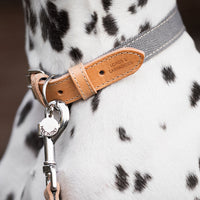
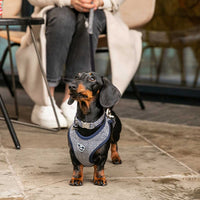
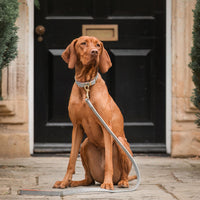
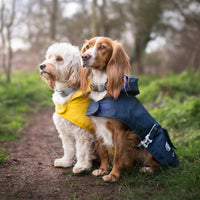
- Use comfortable walking kit. A loose lead and a well-fitted harness can reduce pressure and help your dog feel more secure during desensitisation work. If you are reviewing your setup, a padded walking collection is a helpful example of softer, supportive kit.
- Stay consistent and calm. Your dog does not need perfect walks. They just need regular, low-pressure practice.
Desensitisation means exposing your dog to the scary or tricky thing at a level they can cope with, then very slowly increasing the challenge as their confidence grows.
When to speak to a vet or behaviourist
Sometimes the kindest thing you can do is ask for help. If your dog refuses to walk certain directions and nothing you try seems to be making a difference, it’s a good sign that some expert guidance is in order.
Start with your vet, especially if the refusal came on suddenly or out of nowhere. If your dog is also limping, slowing down on walks, or seeming stiff and reluctant at home, pain could easily be the culprit. Conditions like arthritis, soft tissue injuries, or sore paws can be surprisingly easy to miss, and they can look a lot like stubbornness from the outside. A quick health check rules out anything physical before you turn your attention to behaviour.
If your vet gives the all-clear but your dog still pulls back on the leash, freezes, or refuses to go a certain way, a qualified behaviourist is your next call. This is particularly important when the avoidance feels emotional — rooted in fear or anxiety — because pushing through those moments without the right guidance can deepen the problem rather than resolve it.
Look for someone accredited by the ABTC or APBC who uses positive, reward-based methods. A good behaviourist will work at your dog’s pace, help you understand what’s really going on, and give you a practical plan to move forward. Most dogs do get there with the right support behind them.