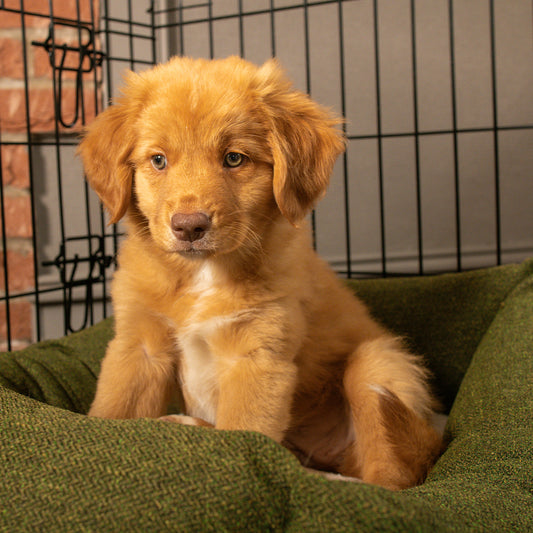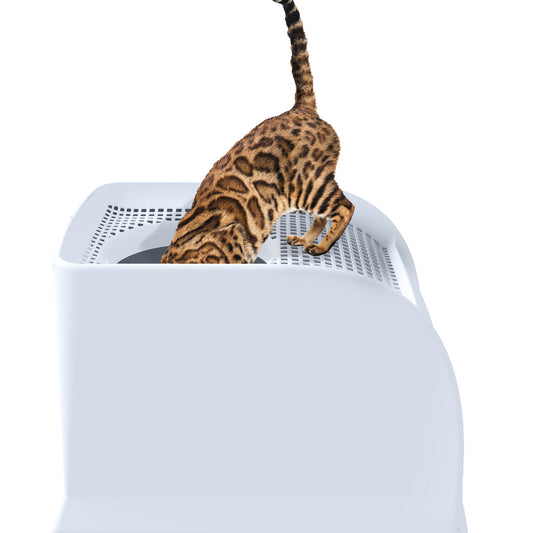




















































































Bringing a new kitten home when you already have a dog is one of those things that feels both exciting and quietly nerve-wracking — and you are definitely not alone in that. Knowing how to introduce a kitten to a dog in a way that feels calm and considered makes a real difference to how both pets settle in together. This guide walks you through everything from scent swapping and first meetings to escape routes, reading the signs, and building a routine that works for the whole household.
Before They Meet: What Your Dog and Kitten Need to Feel Safe
The most successful kitten and dog introductions happen long before the two animals are ever in the same room. That might sound counterintuitive, but the groundwork you lay in the days before their first meeting makes an enormous difference to how both pets experience that moment.
Start by thinking honestly about your dog. A relaxed, older dog who has met cats before is a very different prospect to a young, excitable terrier who still chases squirrels like it’s his life’s work. Neither situation is a deal-breaker, but knowing your dog’s temperament helps you set a realistic pace. If he has a strong prey drive or finds it hard to settle around small, fast-moving animals, plan for a slower introduction and be kind to yourself about the timeline.
Your kitten needs their own safe space before anything else happens. Set up a quiet room they can call their own — somewhere with a cosy bed, a litter tray, food, water, and a spot to hide if the world feels like too much. And to a tiny kitten, it often does. Letting them settle into a calm, familiar base before any introductions begin means they have a chance to find their feet rather than going straight into the deep end.
Your dog needs some reassurance too. Keep their routine as normal as possible: same walks, same mealtimes, same cuddles on the sofa. Consistency tells them that the new arrival is not costing them anything.
A slow start is not a sign things are going wrong. More often than not, it is exactly the right approach. For more on building a bond that lasts, our guide to getting your dog and cat to get along is well worth a read.
How to Swap Scents So They Get Used to Each Other
Before your dog and kitten ever share the same room, letting them get used to each other’s scent is one of the most important steps you can take. Smell is everything to both species. Giving them time to investigate each other’s scent on their own terms, without any pressure or expectation, helps take the edge off that first face-to-face meeting before it even happens.
The swap itself is simple. Take a blanket or soft toy from the kitten’s space and place it somewhere your dog can sniff freely, then do the reverse. A dedicated soft scent blanket works particularly well here because it holds scent effectively and moves easily between rooms. Then just let them get on with it. Some animals will sniff once and wander off. Others will circle back repeatedly over several days. Both are completely normal, and neither needs your input.
Signs of calm curiosity to look for:
- Relaxed body posture, loose tail, soft ears
- A gentle sniff followed by moving away unbothered
- Returning to the item later without fixating on it
- Settling nearby without any visible tension
Signs you should slow things down:
- Growling or stiffening near the scented item
- Fixated staring that doesn’t ease off
- Pawing aggressively at a door or barrier
- Your kitten hiding, freezing, or refusing to come out of their safe space
How each pet responds at this stage tells you a lot about how to pace the introduction going forward. Rushing the scent swap is one of the most common mistakes people make when introducing a kitten to a dog. Taking an extra few days here costs you nothing, and it can make everything that follows feel significantly calmer for both of them.
The First Face-to-Face Meeting: Keep It Short, Calm, and Supervised
When you finally bring your kitten and dog together for the first time, it can feel like a milestone — and in many ways, it is. But the goal for that very first meeting is actually quite simple: keep it short, keep it calm, and don’t leave either of them to it. Knowing how to introduce a kitten to a dog well comes down to patience and reading the room, not engineering a perfect friendship in one afternoon.
- Pick the right moment. Choose a time when your dog has already been out for a walk or had a good play session and is naturally winding down. A settled dog is far easier to work with than one who’s still fizzing with energy.
- Keep your dog on a lead with slack. A secure, well-fitted lead gives you gentle control without adding tension your dog might pick up on. Hold it loosely — the aim is guidance, not restraint.
- Let the kitten call the shots. Place your kitten in the room and let them decide whether to creep closer or stay put. Don’t carry them over to the dog or try to hurry things along. Their confidence at this stage is everything, and it has to come from them.
- Watch both pets closely. A relaxed dog will have soft eyes, a loose body, and general curiosity rather than intense fixation. For your kitten, watch for puffing up, hissing, or sudden stillness — all signs they need a bit more space and breathing room.
- Keep it brief. Two or three minutes of calm, drama-free interaction is genuinely a brilliant first session. You can always build from there — and you will.
- End before anyone hits their limit. Separate them gently while things are still going well, then give each pet their own space with something familiar nearby.
Good to know: Always wrap up the session before either pet shows signs of stress. Ending on a quiet note isn’t giving up — it’s exactly what a successful introduction looks like.
These early moments set the tone for everything that follows. The calmer and shorter each session feels right now, the quicker trust has a chance to grow between them.
Why Your Kitten Needs an Escape Route and a Dog-Free Zone
One of the most important parts of learning how to introduce a kitten to a dog is making sure your kitten always has somewhere safe to go. Escape routes and dog-free zones are not nice extras to think about later. They are a core part of the plan from day one.
If a kitten feels cornered, even a calm kitten and dog introduction can go off track quickly. Stress rises, confidence drops, and your kitten may hiss, swat, or freeze. Those early moments matter. When your kitten knows it can step away, it is far more likely to stay curious and relaxed instead of frightened.
The easiest way to set this up is to give your kitten more than one retreat option around the house. That might look like:
- Baby gates with a cat-sized gap or low perch nearby. Your kitten can pass through or hop over, while your dog stays on the other side.
- Cat trees, window perches, or shelving. Height helps kittens feel secure. From up high, they can watch what is going on without feeling pressured to interact.
- A dedicated kitten room. In the early days, this can be a spare room or quiet corner with the door gated off. It gives your kitten a place to eat, nap, use the litter tray, and properly switch off.
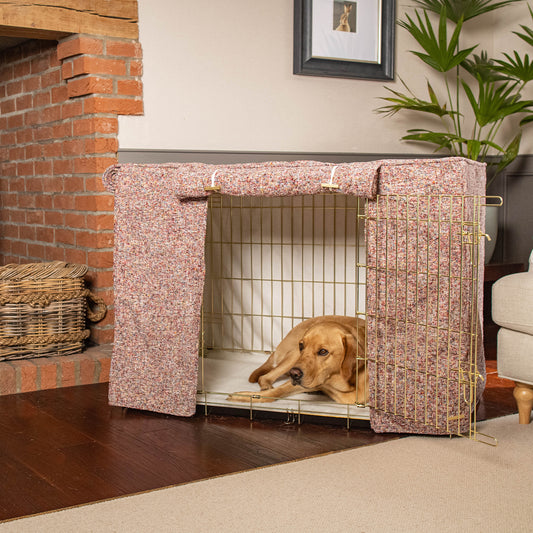
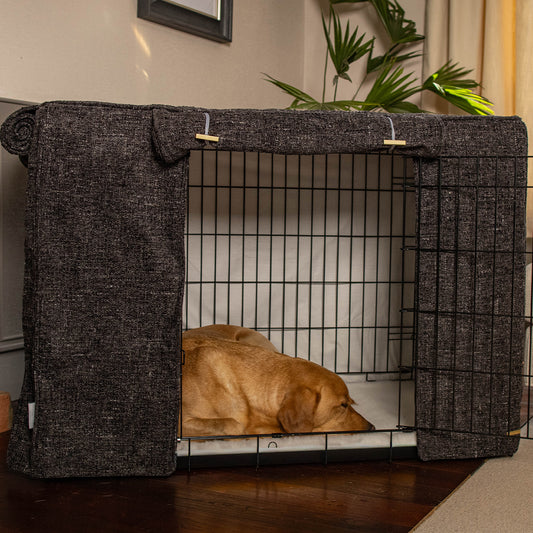
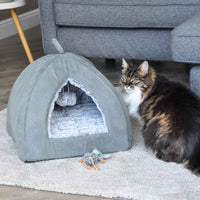
- A covered bed or crate left open. Some kittens love a small, cosy hideaway, especially after a busy introduction session.
Think about the route too, not just the resting spot. If your kitten jumps down from a shelf, can it get to safety without running past the dog? Can it move from one room to another without feeling trapped? These small details make introducing cats and dogs much smoother in real life.
Your kitten should always be able to remove itself from the interaction. That sense of choice is what builds confidence. Over time, a kitten that feels safe enough to retreat will usually feel safe enough to come back, sniff, observe, and eventually settle beside the dog on its own terms.
What Good Progress Looks Like — and When to Slow Down
Progress when introducing a kitten to a dog rarely follows a straight line. Some days feel like a real breakthrough. Others, it might seem like you’re back to square one. That’s completely normal — and knowing what to watch for means you can respond calmly rather than second-guessing yourself.
Signs the Introduction Is Going Well
- Your dog glances at the kitten and looks away, showing curiosity rather than fixation
- Both animals have loose, relaxed body posture when they’re in the same room together
- Your kitten approaches the barrier or shared space with interest, rather than bolting
- Your dog settles down and rests while the kitten moves around nearby
- Both animals are eating, playing, and sleeping as normal, without signs of sustained stress
Signs You Need to Slow Down
- Your dog is stalking, staring intensely, or can’t be redirected away from the kitten
- Either animal freezes repeatedly when the other appears
- Your kitten is hissing, spitting, or spending most of their time hiding rather than exploring
- Your dog is barking, lunging, or whining in a focused, persistent way
- Stress behaviours are creeping in regularly — think panting, pacing, or a change in appetite
A gentle reminder: Spotting a warning sign isn’t a failure. Stepping back a stage is exactly the right call. One slower day now saves a lot of stress further down the line.
Even the most experienced pet parents find that introducing a kitten to a dog takes longer than they expected. The key is staying observant and trusting what you’re seeing in front of you. Understanding your dog’s body language is one of the most valuable skills you can bring to this process — it helps you read the room early and respond before small moments of tension have a chance to grow.
Settling Into Everyday Life: Building a Routine They Can Both Live With
Once the early introductions are behind you, the real magic starts to happen in the everyday moments. Building a predictable routine is one of the kindest things you can do for both your dog and your new kitten — consistency helps anxious animals relax, and gives confident ones the structure to thrive.
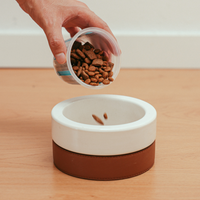
Start with mealtimes. Feed them separately, in their own spaces, at the same times each day. It removes tension around food and helps both pets associate mealtimes with calm rather than competition. As trust builds, you can gradually move their feeding spots closer together — but there’s genuinely no rush.
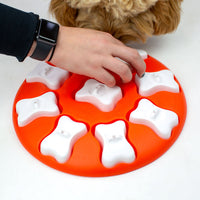
Enrichment matters more than people realise. A bored dog is far more likely to fixate on the kitten, so make sure yours is getting enough exercise, mental stimulation, and quality time with you. A well-exercised dog is simply easier to manage around a curious new housemate. The same logic applies to your kitten. A good play session before they share a space can take the edge off for both of them.
Keep noticing and reinforcing the positive moments. When your dog settles calmly nearby, acknowledge it. When your kitten starts exploring without darting for cover, that’s real progress — even if it looks small. Those little wins add up faster than you’d expect.
Supervision doesn’t need to be constant forever, but in those first few weeks it’s worth staying present when they share a room. As you see them both relax, you can start stepping back.
Introducing a kitten to a dog well takes patience, but a thoughtful routine makes it so much easier to get there. Much like settling a new puppy into your home, the time you invest in those early weeks builds the foundation for something that genuinely lasts.
Frequently Asked Questions
How long does it take for a dog to get used to a kitten?
It depends on your dog’s temperament and the pace of the introduction, so there isn’t a fixed timeline. Some dogs settle quickly, while others need a much slower approach, especially if they’re excitable or have a strong prey drive. Calm, short, supervised sessions usually lead to better long-term progress.
How do I tell if my dog wants to eat my kitten?
Watch for intense staring, stalking, barking, lunging, or a level of fixation you can’t easily interrupt. A dog who is coping well will look relaxed, stay curious without locking on, and settle while the kitten moves nearby. If your dog can’t disengage, slow everything down and add more distance.
How long does it take for a cat to get used to a new dog?
There isn’t a set timeline, because each kitten or cat settles at their own pace. Confidence tends to grow more smoothly when they have a safe room, escape routes, and short, calm introductions on their own terms. Steady, low-pressure progress matters far more than trying to rush a friendship.