



























































Jack Russell Terriers are one of those breeds that genuinely get under your skin, and whether you’re already smitten or still doing your research, having a solid jack russell terrier care guide to hand makes all the difference. This guide covers everything from understanding their temperament and managing that famous prey drive, to the daily care habits and kit that set you up for a calmer, happier life together. Think of it as the practical, honest rundown that helps you decide if this breed is right for you, and hit the ground running if it is.
What to Expect from a Jack Russell Terrier: Personality, Energy and Everyday Life
Jack Russells have a way of taking over your life in the best possible way. One minute they’re curled up on your lap looking impossibly sweet, the next they’re halfway up the garden after a squirrel. That contrast is pretty much the whole breed in a nutshell.
Bred originally to hunt foxes, the Jack Russell Terrier is fearless, fast and genuinely clever. They were built to make independent decisions underground, which means they arrive pre-wired with confidence and a healthy streak of stubbornness. If you’ve ever tried to recall one mid-scent, you’ll know exactly what that looks like in practice.
What makes them so loveable is also what makes them a handful. Jack Russells are sharp, curious and endlessly entertaining. They pick things up quickly — great for training — but they get bored just as fast. Leave a Jack Russell under-stimulated for too long and they’ll find their own fun, usually involving your skirting boards or a mysteriously relocated shoe.
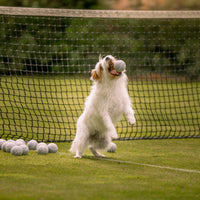
Their prey drive is genuinely strong. Small animals, fast-moving objects, a rustling hedge — they’ll clock all of it in an instant. That’s not a flaw, it’s just who they are. It does mean that off-lead freedom takes time and solid recall training to earn, and some environments will never be quite right for it.
Energy-wise, expect a dog who needs real daily exercise, not just a lap around the block. Mental stimulation matters every bit as much as physical activity with this breed, sometimes more. A tired Jack Russell is a happy one; a bored Jack Russell is a creative one.
For families, singles and active households alike, they make brilliant companions — loyal, funny and surprisingly affectionate once they trust you. If you want a fuller picture of what day-to-day life with one actually looks like, our Jack Russell ultimate guide is well worth a read before you dive into the detail here.
Jack Russell Terrier Care Basics: Exercise, Training and Mental Stimulation
Getting your head around what a Jack Russell actually needs before you bring one home will save you a lot of surprises. These little dogs pack a remarkable amount of energy and intelligence into a compact frame, and the daily input they require genuinely catches most new owners off guard. Think of them less like a small dog and more like a working dog who just happens to fit on your lap.
In practice, that comes down to four things done consistently:
- Exercise: Aim for at least 60 minutes of active exercise every day, split across two walks if you can. A lap around the block before work will not cut it. Jack Russells need purposeful movement, off-lead time where possible, and proper opportunities to run, sniff and explore.
- Training: Start early, stay consistent and keep sessions short. Ten minutes of focused training twice a day beats a single half-hour session every time. Recall is especially worth prioritising given how strong their prey drive is — build it gradually in low-distraction environments before testing it somewhere busier.
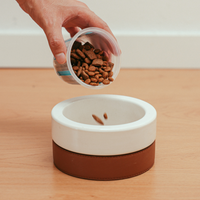
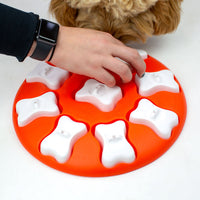
- Mental stimulation: Physical exercise alone will not tire a Jack Russell out. Puzzle feeders, scent work and training games give their busy brains something constructive to focus on. Try swapping a meal from the bowl a few times a week and making them work for it instead — it takes two minutes to set up and buys you noticeably calmer evenings.
- Enrichment: A structured routine prevents a lot of the destructive behaviour this breed is unfairly known for. Chews, snuffle mats and varied outdoor routes all help. Predictability is your friend here, even when life is hectic.
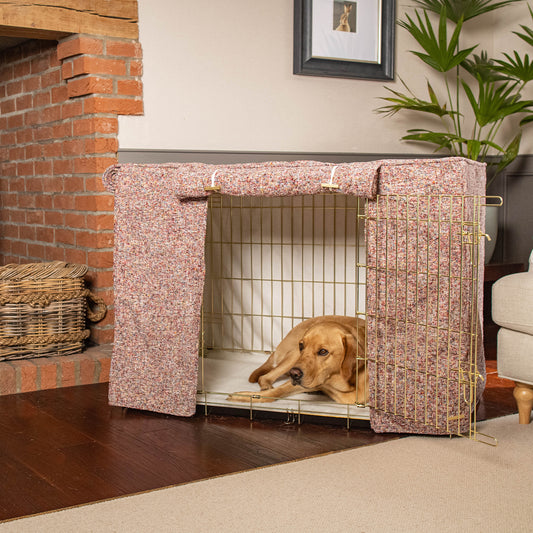
Worth knowing: Crate training is one of the most useful tools for settling an energetic Jack Russell, particularly during the puppy months. Done well, a crate becomes their safe space rather than something to resist. Our crate training guide walks you through how to introduce it calmly and at the right pace.
Get these four things working together and you will see the best of what a Jack Russell has to offer: sharp, affectionate and genuinely brilliant company. You do not need to be a perfect owner. You just need to be a consistent one, and that is exactly what this breed responds to.
How to Manage a High Prey Drive Without Losing Your Mind
If your Jack Russell has ever locked eyes on a squirrel and completely forgotten you exist, welcome to life with a terrier. Prey drive isn’t a training failure or a personality flaw — it’s simply what these dogs were bred for. In practice, that means bolt-worthy distractions on walks, enthusiastic digging in the garden and intense fixation on anything small and fast-moving, whether that’s a cat, a rabbit or a plastic bag caught in the wind.
The good news is that you can absolutely work with it. Here’s how:
- Use a well-fitted harness and long line on walks. A harness gives you more control without putting pressure on your Jack Russell’s throat when they lunge, and a long line lets them sniff and explore freely without you white-knuckling a short lead the entire time. For ideas on keeping those on-lead walks genuinely enjoyable, this guide is worth bookmarking.
- Secure your garden properly. Jack Russells are clever diggers and surprisingly agile jumpers. Check your fence line regularly, and if you’ve got a determined escape artist on your hands, consider burying wire mesh along the base.
- Build recall with rewards that actually compete. Dry kibble won’t cut it when there’s a fleeing squirrel involved. Use something genuinely exciting — cooked chicken, strong-smelling treats — and practise in low-distraction environments before expecting it to hold in a busy park.
- Channel the instinct into enrichment. Snuffle mats, treat-dispensing toys and food hide-and-seek games all tap into the same hunting and investigating drive, just without the collateral garden damage.
- Try scent work. A simple nose work game at home can mentally exhaust a Jack Russell faster than a long walk. It’s one of those things that sounds low-key until you see a terrier completely absorbed in it.
A well-exercised, mentally engaged Jack Russell is a noticeably calmer housemate. Prey drive doesn’t disappear, but with the right habits in place, it stops feeling like something that’s running the household.
The Best Kit for a Jack Russell Terrier: What to Buy First
Getting the right kit sorted before your Jack Russell arrives makes a genuine difference. This is a breed with serious energy, a stubborn streak, and enough intelligence to figure out that flimsy harness clip in about thirty seconds flat — so what works for a laid-back Labrador really won’t cut it here. Browse our full range of Jack Russell accessories to find pieces built with this breed’s personality in mind.
Here’s what to prioritise from day one:
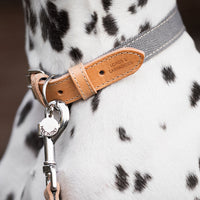
- Harness: A well-fitted, escape-proof harness gives you far better control on walks than a collar, which a determined Jack Russell can slip in seconds.
- Lead: A standard fixed-length lead works best for building recall and loose-lead walking — retractable leads and a breed this reactive to movement are a bad combination.
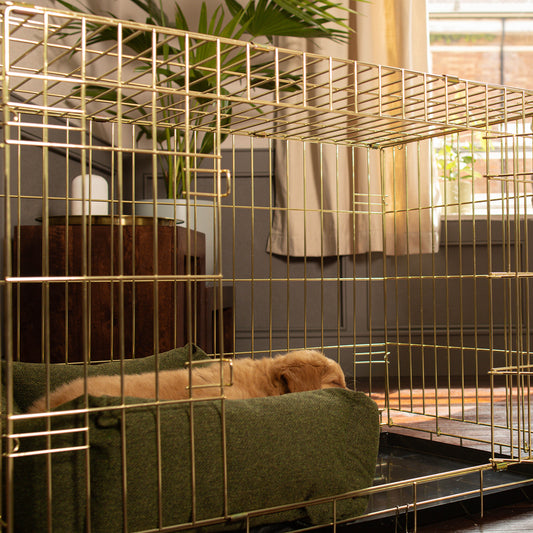
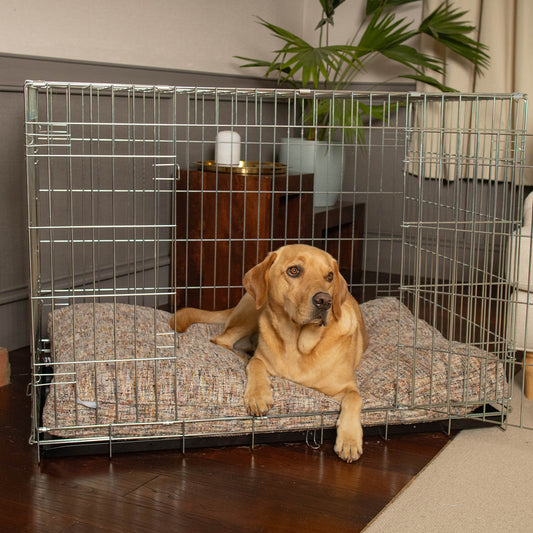
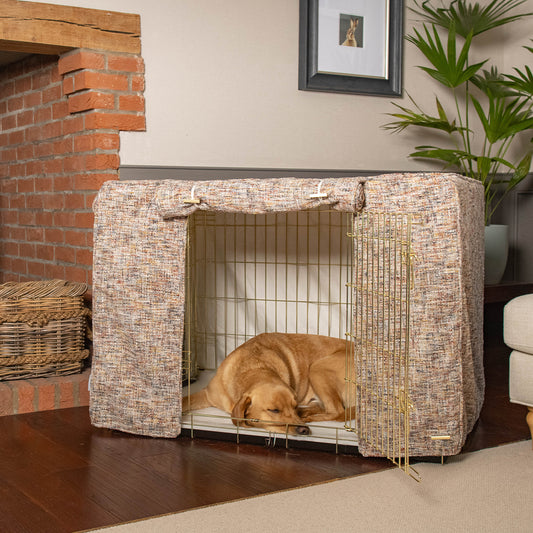
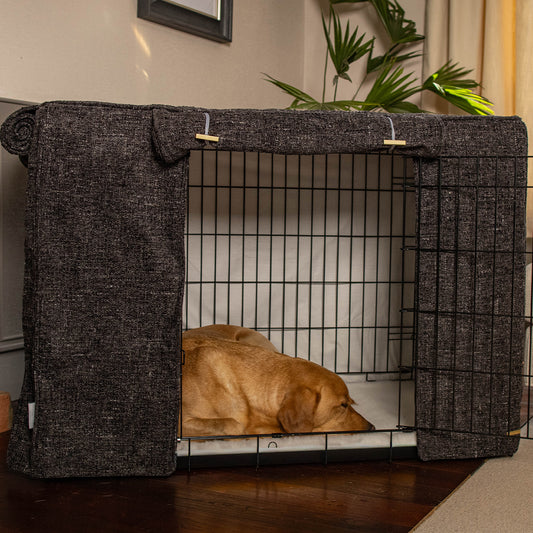
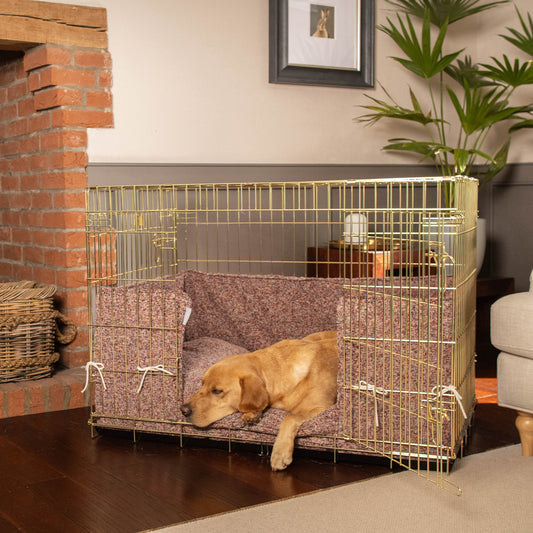
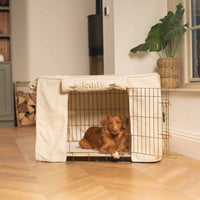
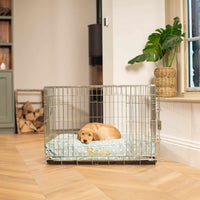
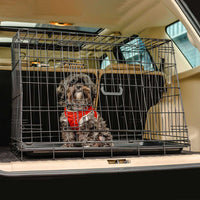
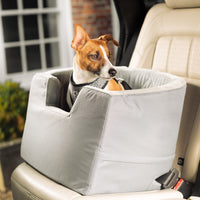
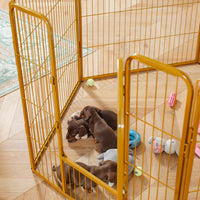
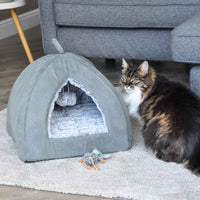
- Crate: Jack Russells genuinely take to having their own den. A snug, appropriately sized crate supports calm settling and makes overnight routines much smoother.
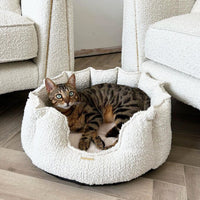
- Bed: A bolstered or enclosed bed inside the crate gives them the cosy, tucked-in feeling they naturally seek out.
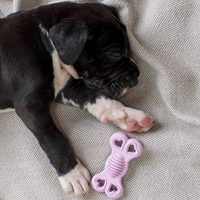
- Indestructible chew toys: These dogs are serious chewers. Flimsy toys won’t survive the first afternoon, so go straight for durable rubber or nylon options.
- Puzzle and enrichment toys: Mental stimulation tires a Jack Russell out just as effectively as physical exercise — sometimes more so.
- Slicker brush and grooming mitt: Both smooth and rough-coated Jacks need regular brushing to keep their coat tidy and cut down on shedding around the house.
- High-value training treats: Small, soft, and smelly is the winning formula. Low-value rewards rarely hold their attention long enough to matter.
Buying tip: prioritise fit and durability over novelty. A harness that gaps, or a toy that lasts five minutes, ends up costing you twice.
Get the foundations right early and the whole shape of puppy care feels more manageable — less firefighting, more actual progress.
Grooming, Health and Comfort: Keeping Your Jack Russell in Good Shape
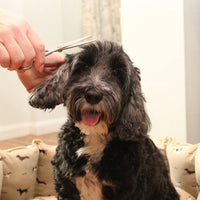
Keeping a Jack Russell in good shape is simpler than it sounds. It really comes down to a handful of consistent habits that, once they feel normal, take very little time and make a genuine difference to how your dog looks, feels and moves.
Here are the key things to stay on top of:
- Coat brushing: Smooth-coated Jack Russells need a quick brush once or twice a week. Rough or broken coats benefit from a little more attention to prevent matting and keep loose hair under control.
- Nail trimming: Active dogs naturally wear their nails down on hard surfaces, but it’s still worth checking every few weeks. Long nails affect gait and can cause real discomfort over time.
- Teeth brushing: Aim for a few times a week using dog-safe toothpaste. It feels fiddly at first, but most dogs settle into it faster than you’d expect.
- Ear checks: A quick look inside each ear once a week is all it takes to catch any redness or build-up before it becomes a problem.
- Post-exercise checks: After a run or a good rummage through the undergrowth, run your hands over your dog to check for thorns, cuts or any sign of soreness.
Two things worth watching for during routine checks: skin irritation after outdoor adventures, and joint stiffness in older or very active dogs after a big day out. Neither should cause panic, but catching changes early keeps small things small.
Starting these habits during jack russell terrier puppy care makes everything easier down the line. For more on brushing and bathing technique, our full dog grooming guide is a great next step.
Is a Jack Russell Terrier the Right Dog for You?
Jack Russell Terriers are genuinely brilliant dogs, but they are not the right fit for everyone, and there is absolutely no shame in that.
If you lead an active life, enjoy training, and want a dog that keeps you on your toes, a Jack Russell will reward you endlessly. They thrive with people who have clear routines, a sense of humour about muddy paws, and the patience to redirect a dog who has decided the garden hedge is his sworn nemesis. First-time owners can absolutely make it work, but going in prepared makes all the difference. If you are still weighing up your options, our guide to the best dog breeds for first-time owners is well worth a read before you commit.
If you have a quieter household, very young children, or limited time for daily exercise and training, it is worth pausing to think carefully. Jack Russells are not lap dogs. They need real engagement, proper outlets, and an owner who genuinely respects their terrier temperament rather than hoping it mellows on its own.
When you do decide this is your breed, getting the setup right from the start saves an enormous amount of stress. Good kit, consistent training, and attention to their health and comfort all shape the dog they grow into, far more than most people expect.
That is exactly what this Jack Russell Terrier care guide is here for. Whether you are bringing home a puppy or welcoming a rescue, starting well makes every stage of the journey easier.
Frequently Asked Questions
Are Jack Russell terriers easy to take care of?
Not usually in the low-effort sense. Jack Russells are clever, energetic dogs who need daily exercise, consistent training, and plenty of mental stimulation to stay happy and manageable. If you enjoy an active routine and can keep them engaged, they’re very rewarding companions, but they do catch many new owners off guard.
What is the downside of a Jack Russell Terrier?
The biggest downside is usually how much daily input they need. Jack Russells are bright, busy and strong-willed, with a high prey drive and a tendency to get destructive when bored. They can be brilliant little companions, but they’re not an easy fit for quieter homes or limited routines.
What do Jack Russells love the most?
Jack Russells tend to love being busy. They thrive on active walks, sniffing and exploring, training games, scent work, and anything that lets them use their sharp brains and natural hunting instincts. They’re also loyal and affectionate dogs, so plenty of engagement and closeness with their people matters too.