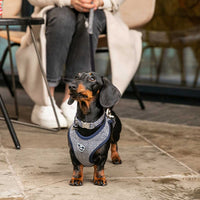
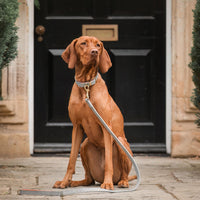
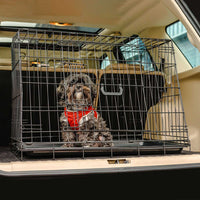
Whether you’d like to support your dog’s hygiene, cut down the cost of visiting your professional groomer, or if you’d like to learn something new - it’s really useful to know how to groom your dog, even if you do take them to a professional groomers for a regular groom.
In this article, we explore how to groom your dog at home and what are the basics of grooming you should know to support your dogs hygiene.
How To Groom A Dog At Home
Grooming your dog at home can provide positive benefits for your pooch, the bonding and time spent together will be invaluable to your dog. Firstly on your list of ‘grooming your dog from home’ should be the correct equipment.
A comb or brush
A safe place to groom where you can secure your dog
Grooming clippers/scissors
Nail Clippers
Eye and ear wash
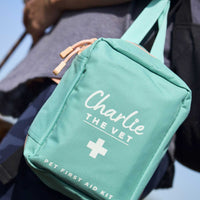
First Aid Kit/ Spray (incase of any accidents)
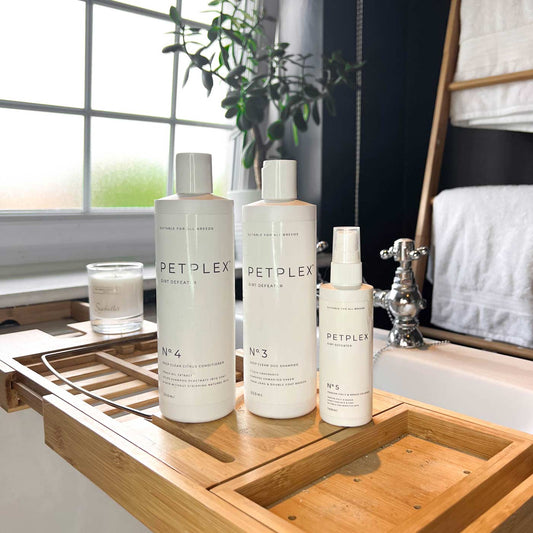
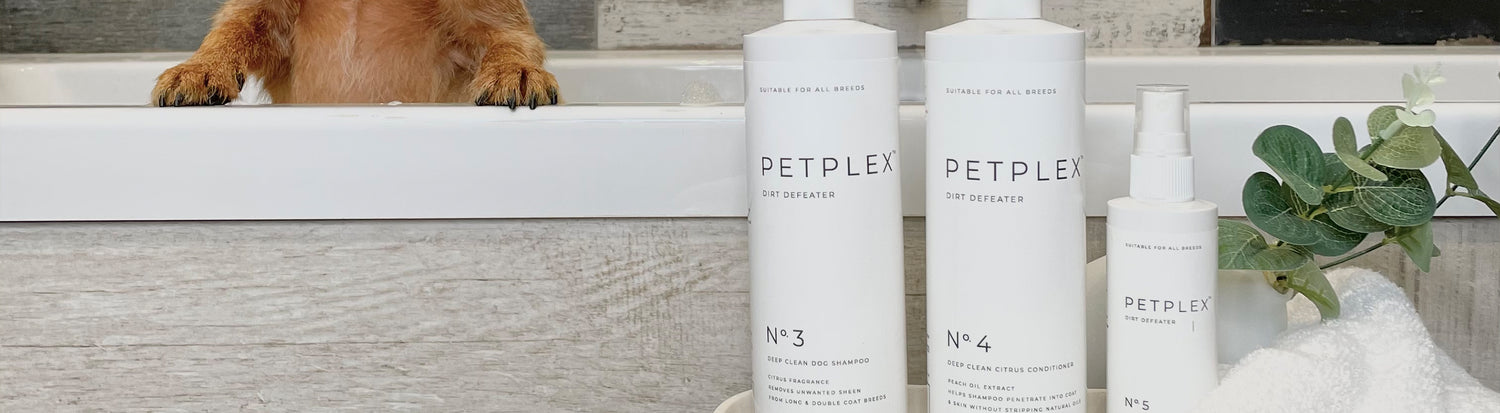
Dog Shampoo
PetPlex
Looking for a new shampoo? Why not try our grooming range which has been formulated to meet your dogs needs, whether theyre playful puppies, have sensitive skin or curly hair which needs a detangle.
How To Groom A Dog
A good method to follow generally is:
To begin with, try brushing your dog, removing the dead hair and clearing out all of the mud/grease build up. (It’s better to brush the dirt out before bathing your dog)
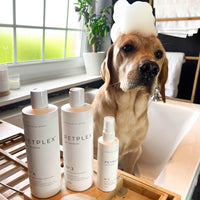
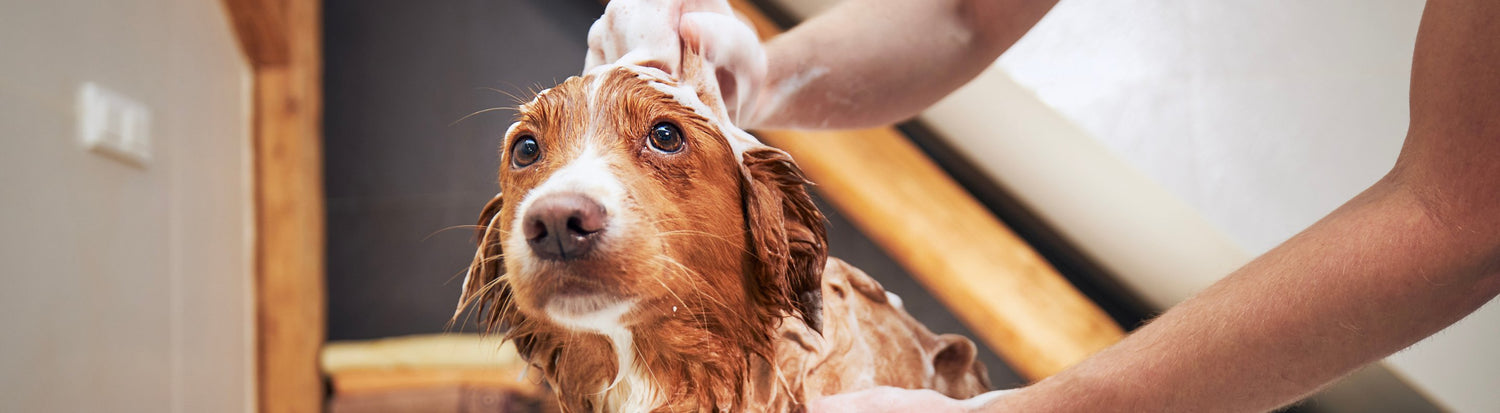
Bathe and wash your dog in warm water with the correct shampoo for their coat.
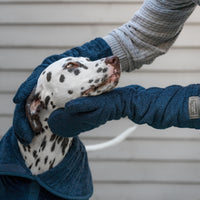
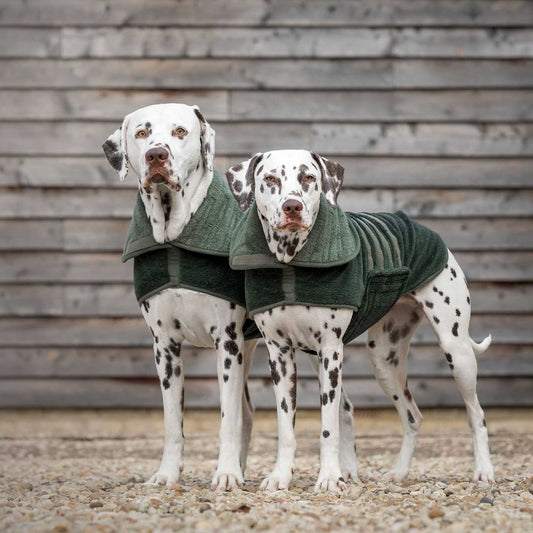
Dry your dog off with a towel or drying coat. (This might be a good time to give your dog a break from the grooming) Our drying mitts are also great for dogs who aren't a fan of putting a drying coat on
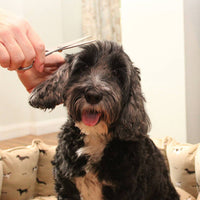
Once your dog is fully dry and clean, if needed you can move onto cutting their fur. Be very careful when using scissors, and make sure you’re using the correct scissors - it’s not advisable to use your old kitchen scissors.
You can then move onto trimming your dog’s nails with a clipper. Always close the clippers quickly; clipping slowly or using dull clippers can cause chipping and splitting.
Don’t forget to check your dogs paws and wash their eyes, ears and teeth - you can use ear cleaner and
You may want to finish with some gorgeous-smelling cologne.
How To Groom A Dog’s Legs
It’s important to make sure you have brushed/combed their legs before cutting any fur. If your dog is used to being groomed, you may find they’re happy for you to use clippers on them. If they’re not used to being groomed, it’s best to gently place the clippers against your dog’s skin so he can hear and feel the vibration. Only use the tips of the sharp shears to trim your dogs feet and legs, which will prevent you from cutting your dog if he moves suddenly. Start slow with clippers and move in opposite directions, except in sensitive areas such as kneecaps and ankles or elbows.
How To Groom A Dog’s Head
Firstly, spend time letting your dog get used to the tools you’re going to use on his face. Use only sharp scissors as blunt scissors will painfully rip your pup’s fur out. It’s important to only cut your dogs fur whilst it’s dry as wet fur will damage and jam up the scissors. Stay calm throughout cutting your dogs head so he stays calm and relaxed throughout.
How To Comb Your Dog’s Hair
It’s important to brush down and out, away from your dog’s skin, and only whilst the coat is dry. Always brush in the direction the coat grows; your dog won’t like to be brushed backwards. Be gentle whilst brushing or you may damage your dog’s coat by pulling and stretching hairs until they break.
How To Comb Out Matted Hair On Dogs
If your dog has a knot/matt in their fur, try combing the matt out by holding the fur below the tangle and gently separate into smaller pieces. Use short, fast strokes with a comb and then with a brush. This way there is less pulling on their skin (which can be painful!).
Whether you’d like to support your dog’s hygiene, cut down the cost of visiting your professional groomer, or if you’d like to learn something new - it’s really useful to know how to groom your dog, even if you do take them to a professional groomers for a regular groom.
In this article, we explore how to groom your dog at home and what are the basics of grooming you should know to support your dogs hygiene.
How To Groom A Dog At Home
Grooming your dog at home can provide positive benefits for your pooch, the bonding and time spent together will be invaluable to your dog. Firstly on your list of ‘grooming your dog from home’ should be the correct equipment.
Looking for a new shampoo? Why not try our grooming range which has been formulated to meet your dogs needs, whether theyre playful puppies, have sensitive skin or curly hair which needs a detangle.
How To Groom A Dog
A good method to follow generally is:
To begin with, try brushing your dog, removing the dead hair and clearing out all of the mud/grease build up. (It’s better to brush the dirt out before bathing your dog)
Bathe and wash your dog in warm water with the correct shampoo for their coat.
Dry your dog off with a towel or drying coat. (This might be a good time to give your dog a break from the grooming) Our drying mitts are also great for dogs who aren't a fan of putting a drying coat on
Once your dog is fully dry and clean, if needed you can move onto cutting their fur. Be very careful when using scissors, and make sure you’re using the correct scissors - it’s not advisable to use your old kitchen scissors.
You can then move onto trimming your dog’s nails with a clipper. Always close the clippers quickly; clipping slowly or using dull clippers can cause chipping and splitting.
Don’t forget to check your dogs paws and wash their eyes, ears and teeth - you can use ear cleaner and
You may want to finish with some gorgeous-smelling cologne.
How To Groom A Dog’s Legs
It’s important to make sure you have brushed/combed their legs before cutting any fur. If your dog is used to being groomed, you may find they’re happy for you to use clippers on them. If they’re not used to being groomed, it’s best to gently place the clippers against your dog’s skin so he can hear and feel the vibration. Only use the tips of the sharp shears to trim your dogs feet and legs, which will prevent you from cutting your dog if he moves suddenly. Start slow with clippers and move in opposite directions, except in sensitive areas such as kneecaps and ankles or elbows.
How To Groom A Dog’s Head
Firstly, spend time letting your dog get used to the tools you’re going to use on his face. Use only sharp scissors as blunt scissors will painfully rip your pup’s fur out. It’s important to only cut your dogs fur whilst it’s dry as wet fur will damage and jam up the scissors. Stay calm throughout cutting your dogs head so he stays calm and relaxed throughout.
How To Comb Your Dog’s Hair
It’s important to brush down and out, away from your dog’s skin, and only whilst the coat is dry. Always brush in the direction the coat grows; your dog won’t like to be brushed backwards. Be gentle whilst brushing or you may damage your dog’s coat by pulling and stretching hairs until they break.
How To Comb Out Matted Hair On Dogs
If your dog has a knot/matt in their fur, try combing the matt out by holding the fur below the tangle and gently separate into smaller pieces. Use short, fast strokes with a comb and then with a brush. This way there is less pulling on their skin (which can be painful!).
SIGN UP FOR USEFUL TIPS & GUIDES STRAIGHT TO YOUR INBOX
Everything You Need For Your New Golden Retriever Puppy
Related Articles
11.11.26November 11, 2026Owning a Dog
Best GPS dog trackers UK: with and without a subscription
Losing sight of your dog, even for a moment, is one of those heart-in-mouth experiences that never really gets easier. This guide to the best dog tracker UK covers everything from live GPS options with monthly subscriptions to simpler no-subscription alternatives, so you can find something that genuinely fits your dog’s life, your usual routes, and your budget. Whether you have a serial escape artist or simply want a little extra reassurance on off-lead walks, there is a good option out there for you.
Best GPS dog trackers UK: what to look for before you buy
Whether your dog is a determined escape artist or simply the sort who follows an interesting scent a bit too enthusiastically, a tracker can bring real peace of mind. If you’re comparing the best dog tracker UK options, it helps to know that not all devices work in the same way.
The biggest difference is between GPS trackers and Bluetooth or radio-frequency tags. Bluetooth options, including AirTags, have their place, but they work over a short range and often depend on nearby phones to update a location. That can be fine in a city, but it is not much help if your dog disappears over a hill on a weekend walk. A proper dog GPS collar uses satellite tracking to show your dog’s location in real time, which is why it is usually the better fit for active dogs and adventurous households.
Once you know you want GPS, there are a few things worth comparing.
Battery life can range from a couple of days to a couple of weeks. If you already have enough gadgets to charge, a longer-lasting tracker will make life much easier.
Network coverage matters, especially in the countryside. Many trackers use mobile networks, so check coverage before you buy.
Size and weight are easy to overlook, but they really matter for smaller breeds. A lightweight tracker will be far more comfortable for a little dog. Pairing it with a secure collar from our mobile dog gear collection can help keep everything snug and practical.
Waterproofing is a must for most UK dogs. Mud, puddles and surprise swims happen.
App quality makes a bigger difference than people expect. A clear, reliable app is what turns a tracker from a nice idea into something genuinely useful.
It’s also worth thinking about subscription vs no-subscription models. If you want live tracking and regular location updates, paying a monthly fee often makes sense. If you only need something simple for occasional peace of mind, a dog tracker with no subscription may suit your routine and budget better.
Best dog trackers with a subscription for everyday peace of mind
If your dog has ever slipped a lead, shot after a squirrel, or gone exploring when your back was turned, a subscription tracker can feel like money well spent. In this part of our best dog tracker UK guide, we’re looking at the models that are geared towards live GPS tracking, app alerts, and more dependable day-to-day support than a simple Bluetooth tag.
Tractive GPS DOG
A very well-known option for UK pet parents who want straightforward live tracking.
Offers real-time GPS location through an app
Includes virtual fence or safe-zone alerts for wanderers and escape artists
Suits everyday walks, holidays, and multi-dog households
Subscription required for full tracking features
Pawfit
A practical choice if you like the idea of location tracking with a few extra wellbeing features.
Combines GPS tracking with activity-style monitoring in the app
Lets you set up safe areas and receive alerts if your dog leaves them
Handy for families where more than one person helps with walks
Subscription required
Weenect Dogs 2
A strong contender for owners who want a dog GPS collar tracker designed specifically for pets.
Built around live GPS tracking and recall support through the app
Safe-zone alerts are useful for dogs who are confident roamers
A good fit for regular walkers who want a pet tracker UK option with app-based control
Subscription required
Kippy Evo
Worth considering if you want tracking plus a broader picture of your dog’s routine.
Offers GPS location tracking alongside activity-related insights
Useful for active dogs who split their time between garden, walks, and bigger adventures
App features can help you keep tabs on movement as well as whereabouts
Subscription required
Pod
Another subscription-based option that many owners look at for live tracking and alert features.
Designed to attach to your dog’s collar for app-based monitoring
Includes location tracking and boundary-style notifications
Best for owners who want a dedicated tracker rather than a general tag
Check current UK network support and app details before buying
The big appeal with these trackers is peace of mind. If your dog is with a dog walker three days a week, spends weekends in the countryside, or has a habit of testing every gate latch, live tracking can make everyday life feel much calmer. And once you’ve chosen the best GPS dog tracker UK option for your routine, it’s worth making sure the rest of your walking kit is just as practical. Our brand spotlight on Mobile Dog Gear is a lovely place to start.
Best dog trackers without a subscription for simple, lower-cost tracking
If you prefer a one-off purchase, a dog tracker with no subscription can be a sensible place to start. For occasional walks, holiday trips, or a practical gift, these trackers keep upfront costs lower than some of the best dog tracker UK options that use a monthly data plan. The trade-off is usually coverage, live tracking detail, or extra features. That is not a dealbreaker for every dog parent, but it is worth knowing before you buy.
No-subscription trackers worth a look:
Tile Mate — Best thought of as a Bluetooth item finder rather than a full dog GPS collar. It can be handy for dogs who stay close by, especially in built-up areas, but performance depends on Bluetooth range and the wider Tile network.
Apple AirTag — Popular with iPhone users and easy to pop on a collar, but it relies on Apple’s Find My network rather than dedicated pet-tracking features. It can work well in busy places, though it is not quite the same as a purpose-built pet tracker UK shoppers might want for regular off-lead adventures.
Cube tracker models — Some Cube devices are marketed with different features or plan options depending on model and retailer, so it is worth checking the small print before buying. They may suit owners who want simple location support without committing long term.
Pawfit models — Pawfit is often chosen for added activity features, but plan structure and data requirements can vary by version. It is best to confirm exactly what is included if you are comparing running costs.
Findster Duo — Often mentioned as a subscription-free option, but availability and real-world performance can vary, so it is worth double-checking current support and specs before relying on it.
Advantages of No-Subscription Trackers
Things to Consider
No monthly fee to budget for
Bluetooth-based models have limited range
Handy for lighter or occasional use
Some rely on nearby users or networks
Easier to give as a gift
Features may be simpler than subscription GPS units
Lower upfront commitment overall
Model details and support can change over time
If simple and lower-cost suits your routine, this type of best dog tracker can still be a helpful choice. Once you have picked one, you can round out your setup with dog essentials at Lords & Labradors.
Best GPS tracker for dogs by lifestyle: city strolls, countryside adventures and Christmas gifting
Finding the best dog tracker UK usually starts with one simple question: what does your dog’s normal life actually look like? A tracker for quick pavement walks, school-run pit stops and café stops will not be the same as one for muddy off-lead weekends.
Best for city strolls: In towns and cities, comfort and convenience matter most. A compact dog GPS collar or tracker that feels light on the collar, gives easy phone access, and sends location updates clearly is often the best fit. If your dog is rarely far from you, a simpler setup may be all you need, so some owners prefer a dog tracker with no subscription to keep ongoing costs lower.
Best for small dogs: For little breeds, weight and size should come first. Look for a tracker that sits neatly on the collar without bouncing or feeling bulky. A smaller unit is usually a better match than a rugged, heavy model made with large sporting dogs in mind. This is one area where “best dog tracker” really means best-sized tracker.
Best for countryside adventures: If your dog disappears into long grass the second you unclip the lead, prioritise battery life, a secure attachment, and a design that can cope with wet weather and rougher ground. For frequent rural walkers, a subscription-based GPS option can make sense if live tracking and wider coverage are top priorities.
Best for multi-dog households: When you have two or three dogs heading off in different directions, app management becomes a big deal. Check whether you can monitor multiple devices easily, how straightforward the alerts are, and whether the monthly cost still feels reasonable if each dog needs their own tracker.
Best Christmas gift pick: A tracker is a lovely practical present for a new puppy parent or someone adopting a rescue. If you’re still deciding what to get a dog for Christmas, choose one that is easy to set up, giftable, and suited to their routine rather than simply the most high-tech option.
How to choose the best dog tracker uk for your dog and your budget
Picking the best dog tracker UK comes down to three things: how your dog spends their days, how much you want to spend upfront, and whether a monthly fee fits your budget long term.
If your dog has a talent for disappearing or you regularly head out into open countryside, a subscription-based GPS tracker is genuinely worth the investment. Real-time location updates and live trail history give you proper peace of mind when it matters most. Trackers like the Tractive GPS and Weenect Dogs 2 are built for exactly this — wide network coverage, reliable accuracy, and performance that holds up well beyond the garden gate.
If your dog mostly walks on lead through familiar streets or sticks close in the park, a no-subscription option could be all you need. One upfront cost, no monthly commitments, done. Just go in with realistic expectations around range and how frequently the location refreshes — it is a different kind of technology, and it shows.
Comfort is worth thinking about too. A tracker only does its job if your dog is actually wearing it, so make sure it works with their current collar or harness setup without adding unnecessary bulk. Not sure whether your dog’s collar is the right fit for clipping on a device? Our guide on how to choose the right collar for your dog is a helpful starting point.
Whatever you land on, the best dog tracker is the one that fits your dog’s actual life. Not the one with the most impressive spec sheet. Trust your gut, know your dog, and you will make the right call.
Best food for senior dogs: what changes as your dog ages
Getting the best senior dog food in the UK for your dog is less about finding the most popular bag on the shelf and more about understanding what’s actually changing inside your dog as they age. From metabolism and muscle mass to joint comfort and digestion, the needs of an older dog are genuinely different from those of a younger one. This guide walks you through what those changes mean in practice, how to choose the right food for your dog’s size and health, and what to look for once you’ve made the switch.
What actually changes in your senior dog’s diet?
As dogs get older, their bodies quietly shift in ways that make a real difference to what they need from their food. It is not always obvious at first. Maybe your dog is leaving a bit more in the bowl, or gaining weight despite eating the same amount they always have. These small changes are worth paying attention to.
The biggest shift is metabolism. Senior dogs burn fewer calories than they did in their younger years, which means food that worked brilliantly at four can start causing weight gain by eight or nine. At the same time, muscle mass naturally decreases with age, so getting enough quality protein actually becomes more important, not less.
Digestion tends to get more sensitive too. Some older dogs develop softer stools or start reacting to foods they used to handle without any issue. Their gut simply is not as resilient as it once was, so easily digestible ingredients and a consistent routine make a genuine difference.
Joint health is another big piece of the puzzle. Many senior dogs slow down because movement becomes uncomfortable, and the right food can help from the inside out. Ingredients like glucosamine and omega-3 fatty acids, found naturally in fish oils, support joint function and keep them moving more comfortably day to day.
The truth is, finding the best senior dog food in the UK means thinking about your specific dog: their size, their weight, their energy levels, and any health niggles they already have. A blanket “senior” label is a starting point, not the whole answer. You can explore a range of options built around these changing needs at the Lords and Labradors senior dog food collection.
Should you choose senior dry dog food, wet food, or a mix?
There’s no single right answer here — and honestly, what works brilliantly for one older dog might not suit another at all. The best senior dog food for your dog often comes down to the individual: their dental comfort, how well they’re staying hydrated, and whether they’ve started giving their bowl the side-eye at dinner time.
Dry Food
Wet Food
Mixed Feeding
Hydration
Lower moisture content
High moisture, great for hydration
Good balance overall
Dental support
Gentle abrasion can help
Softer, less mechanical action
Depends on ratio used
Palatability
Can lose appeal with age
Often more tempting for fussy eaters
Boosts interest in dry food
Convenience
Easy to store and measure
Shorter shelf life once opened
Requires a little more planning
A mixed approach tends to work especially well when:
Your dog has become pickier and needs something more enticing in the bowl
Dental discomfort or missing teeth make crunching harder than it used to be
They’re not drinking enough and need that extra moisture boost from their food
Many senior dog owners find that combining both formats gives them the flexibility to adapt as things change — because with older dogs, things do change. What they happily ate at nine might not cut it at twelve. If you want to weigh up the options in more detail, our guide on wet or dry food for dogs is a helpful next step.
Which ingredients matter most in dog food for older dogs?
Reading a dog food label shouldn’t feel like homework, but a few key checks can make choosing the best senior dog food UK pet parents can buy much simpler. One of the biggest myths in senior dog nutrition is that older dogs always need less protein. In many cases, that’s not true. Senior dogs often do best with good-quality, highly digestible protein to help maintain muscle, especially if they’re slowing down but still active on walks and pottering about at home.
Here’s what to look for:
High-quality digestible protein — Named animal proteins like chicken, turkey, lamb, or salmon are a good sign. These help support lean muscle and are usually easier for older dogs to digest.
Controlled calorie density — If your dog is less active than they used to be, slightly lower calorie food can help prevent gradual weight gain without making them feel short-changed at mealtimes.
Glucosamine and chondroitin — These are popular additions in the best dog food for senior dogs because they support joints and everyday mobility, especially in larger breeds.
Prebiotic fibre — Ingredients such as chicory root or beet pulp can help keep digestion regular, which is handy if your older dog has become a bit more sensitive.
Balanced minerals — A well-balanced recipe matters for overall senior health. Phosphorus is one mineral worth noting, particularly if your dog has kidney concerns or your vet has advised you to pay closer attention to it.
Label tip: Try to spot a named protein in the first one or two ingredients, such as “fresh chicken” or “salmon meal.” Vague terms like “meat derivatives” tell you far less about what’s actually in the bowl.
If you’re also weighing up dry versus wet or mixed feeding, our guide to comparing dry, wet, raw, and fresh dog food can help you narrow it down.
How to choose food for weight, mobility, and breed size
Not every older dog needs the same bowlful. When you’re choosing the best senior dog food UK pet parents can buy, size matters just as much as age.
Small senior dogs often stay quite bright and busy well into later life, but they can be fussy and harder to keep at a healthy weight if portions creep up. For them, smaller kibble, easy-to-chew wet food, or mixed feeding can work really well. You’re usually looking for steady energy, good-quality protein, and something gentle on digestion.
Medium breeds tend to sit in the middle. They may still enjoy a decent walk, but perhaps they are not charging about quite like they used to. In this stage, the best dog food for senior dogs is often a balanced senior recipe with controlled calories and added joint support, especially if you’ve noticed stiffness after a longer outing.
Large breeds usually need a bit more thought. They often reach their senior years sooner, and even a small amount of extra weight can put more strain on hips, elbows, and back joints. If your Labrador or Golden Retriever is slowing down on walks, a lower-calorie senior dog food UK formula with joint-supporting ingredients can be a sensible choice. Some dogs also do better on wet food or mixed feeding if chewing dry food has become less appealing.
If you’re wondering what to feed an older dog who is less active or starting to gain weight, watch for these everyday clues:
They are slower getting up after naps
Their waist is less defined than it used to be
Walks are shorter, steadier, and less enthusiastic
They seem hungry, but need fewer calories
Food helps, but comfort at home matters too. For bigger dogs especially, pairing the right diet with joint supplements and an orthopaedic bed can make daily life easier. It’s worth reading about the best orthopaedic dog beds for large dogs if your dog is stiff first thing in the morning.
Signs the food is working — and when it isn’t
Switching to a new food rarely shows results overnight — most senior dogs need two to four weeks to fully settle in. Knowing what to look for during that window makes it much easier to trust you’ve made the right call.
Signs it’s working
Stable or improving weight — no sudden loss or gain after the first couple of weeks
Firm, consistent stools — a good indicator the digestive system is handling the change well
Steady energy levels — alert and engaged, not flat or unusually tired
Enthusiasm at mealtimes — finishing the bowl and hanging around hopefully afterwards
A healthier coat — fur that looks shinier and feels softer is often one of the first things owners notice
Signs to watch out for
Loose stools or constipation — a little early disruption is normal, but it shouldn’t drag on
Increased scratching or skin irritation — may point to a sensitivity to a particular ingredient
Reluctance to eat — the odd off day happens, but consistently turning their nose up is worth taking seriously
Unusual lethargy — more tired than their normal is a sign the food may not be meeting their needs
Frequent bloating or gas — especially if it keeps coming back
If any of these warning signs persist beyond a week or two, it’s worth revisiting your choice or speaking to your vet. Finding the right fit can take a little patience — every older dog is different. Browse our dog food range to explore options better suited to where your dog is right now.
How to make the final choice with confidence
Choosing the best senior dog food doesn’t have to feel like a research project. Start with what you already know. How old are they? Are they a small breed still trotting around happily at twelve, or a larger dog who’s noticeably slowing down at eight? Do they have any joint stiffness, a tendency to gain weight, or a stomach that needs a little extra care? Those answers alone will narrow things down quickly.
Then think about format. If your dog happily eats dry food and digests it well, a quality senior kibble with solid protein levels and joint support is a great place to start. If they’re fussier, or just need more moisture in their diet, adding some wet food often makes a real difference to both appetite and hydration.
Before you commit, take a look at the ingredients. Named meat sources, glucosamine, omega-3s, and age-appropriate fat levels are the things worth checking for in any senior dog food worth its salt.
After that, try it and watch what happens. The right food tends to show up in the small things: a shinier coat, more comfortable movement, better digestion, a dog who seems that little bit more like themselves.
The best dog food for senior dogs is simply the one your dog thrives on. Trust what you see. You know your dog better than anyone.
Frequently Asked Questions
Does senior dog food really make a difference?
Yes, senior dog food can make a real difference because older dogs often need fewer calories, more digestible ingredients, and support for muscle, joints, and digestion. The right recipe can help with weight control, comfort, appetite, stool quality, and day-to-day energy as your dog ages.
What is the best food for a 15-year-old dog?
The best food for a 15-year-old dog is one that matches their individual needs, not just their age. Look for highly digestible protein, controlled calories, and joint-supporting ingredients, then choose dry, wet, or mixed feeding based on dental comfort, hydration, appetite, and how well they handle their meals.
Slip leads spark a lot of questions, and most of them come down to the same thing: are they kind, and am I using one right? This guide walks you through how to use a slip lead properly, how to fit one so it actually works, and how to decide whether it is the right choice for your dog at all. Whether you are brand new to slip leads or just want to feel more confident with one in your hand, you will find honest, practical answers here.
What a slip lead is and why people use one
A slip lead is one of those pieces of kit that looks deceptively simple but comes with a lot of questions once you start looking into it. At its most basic, it’s a single loop of rope, leather, or webbing that acts as both a lead and a collar in one. No buckle, no clip, no separate collar needed. You create a loop, slip it over your dog’s head, and the lead tightens or loosens depending on how much tension is on the line.
That self-adjusting fit is exactly why so many professionals reach for one without a second thought. Vets use slip leads to guide dogs safely around a clinic without fiddling with unfamiliar collars. Groomers use them to keep dogs secure during a wash or trim. Rescue centres rely on them when a new dog arrives with no collar at all, or when a nervous dog needs to be moved with as little fuss as possible. Trainers often use them for specific exercises where a well-fitted, responsive lead communicates more clearly than a standard collar and lead setup.
For a lot of pet parents, the first proper encounter with a slip lead is at the vet or a rescue centre — watching someone loop one over their dog’s head in a single fluid movement and thinking, oh, so that’s how it works. That ease of use is a big part of the appeal.
What really determines whether a slip lead is comfortable and effective, or uncomfortable and counterproductive, comes down to how you use it. Fit and handling matter far more than most people realise, which is why this guide walks through both in detail. If you’re also thinking about your wider walking setup, our dog lead guide is a great place to compare your options.
How to use a slip lead properly, step by step
If you’re wondering how to use a slip lead without making walks feel stressful, the biggest things are fit, position and a light hand. Used thoughtfully, a slip lead should feel clear and controlled, not harsh.
Make the loop first.
Thread the rope through the metal ring to create the loop. Before it goes on your dog, check that it slides smoothly and doesn’t catch. If it sticks, it won’t loosen as easily when you want it to.
Place it high on the neck.
When learning how to fit a slip lead, this is the bit that matters most. Slip the loop over your dog’s head and move it up so it sits just behind the ears and under the jaw. That higher position usually gives you a bit more guidance with less risk of the lead dropping low and pressing on the softer part of the throat.
Check which way it sits.
A properly fitted slip lead should loosen easily when tension is released. For many dogs, that works best when the ring sits near the top of the neck rather than hanging underneath. Give it a quick test with your hands before you set off so you can see that it tightens and releases smoothly.
Use the stopper.
Most slip leads have a small rubber or leather stopper. Slide it into place so the loop can’t keep tightening beyond a comfortable point. It’s easy to overlook when you’re rushing out the door, but it makes a real difference to day-to-day handling.
Check the fit.
Once the stopper is set, the lead should feel snug but not tight. You should be able to slip two fingers underneath comfortably. Too loose, and it may slide down or even slip off. Too tight, and your dog is likely to feel uncomfortable straight away.
Keep your handling soft.
If you’re using a dog slip lead on a walk, think gentle guidance rather than steady pressure. Ask for a little movement, then soften the lead again as soon as your dog responds. In real life, that might look like a small reminder as your dog forges ahead, followed by a loose lead the moment they come back beside you.
Common mistakes to avoid:
Letting the lead drift down the neck
Forgetting to set the stopper
Keeping constant tension on the lead
Using a loop that’s so loose it can slip off
If you’re just starting out with lead manners, our puppy lead training essentials can help you build calm, confident walking habits from the beginning.
When a slip lead can help and when it is not the right choice
Slip leads are genuinely useful in the right situations, but they are not a one-size-fits-all solution for every dog or every walk. Knowing when to reach for one and when to leave it on the hook matters just as much as knowing how to fit it correctly.
When a slip lead can work well
Vet or grooming visits where you need quick, fuss-free control
Short training sessions focused on loose-lead walking or responsiveness
Working dog contexts where experienced handlers use them as a standard tool
Emergency backup if a collar clip fails mid-walk
Moving dogs calmly between areas, such as from the car to a field gate
When another option may suit your dog better
Longer daily walks where sustained pressure on the neck is a concern
Dogs that pull consistently, since a slip lead tightening repeatedly can cause real discomfort
Puppies still finding their feet and learning what walking on a lead even feels like
Dogs with any history of neck, throat, or tracheal sensitivity
Anxious or reactive dogs that feel noticeably more settled and secure in a well-fitted harness
If your dog fits into any of those second situations, a harness is often the kinder choice for everyday walks. It spreads pressure more evenly across the body, takes any strain off the neck, and gives many dogs a calmer, more comfortable walking experience overall. If you are not sure where to start, our guide on how to choose a dog harness covers what to look for based on your dog’s size, shape, and walking style.
Knowing how to use a slip lead well also means recognising when something else will serve your dog better. That kind of honest, flexible thinking is what good dog handling actually looks like in practice.
Are slip leads cruel? The honest welfare answer
The question of whether slip leads are cruel comes up a lot, and honestly, it is a fair thing to wonder. The short answer is that it is not really about the tool itself — it is about how you use it. In the right hands, with the right dog, a slip lead is a safe and practical piece of kit. Used carelessly or in the wrong situation, it can cause real discomfort.
A few key factors decide which side of that line you end up on:
Fit and positioning. The loop needs to sit high on the neck, just behind the ears. If it drops down toward the throat, it puts pressure on the windpipe and other delicate structures.
Handler technique and timing. A light, well-timed guide is very different from a sustained pull. The lead should release the moment your dog stops pulling — not a second later.
Your dog’s temperament and training level. A dog that already walks fairly well on a lead will respond very differently to a slip lead than one that is reactive, easily startled, or prone to lunging.
Duration of use. Slip leads suit short, purposeful outings well. They are not designed to be worn for hours at a stretch.
Active supervision. A slip lead should never be left on an unsupervised dog or one that is off exploring on their own.
When slip leads are misused, the risks are genuine. Persistent neck pressure, poor positioning, or using one on a dog that is not quite ready for it can cause physical discomfort and stress. Knowing how to use a slip lead correctly is the real deciding factor here — not whether the lead itself is inherently good or bad.
In practice, correct use looks like this: the loop sits high behind the ears, loosens immediately when your dog relaxes, and comes off as soon as the walk is done. It is always an active, hands-on setup — never a passive one.
Getting that right is very achievable with a bit of guidance, and the sections ahead will walk you through exactly that.
How to choose the right lead or collar for your dog
There’s no single perfect lead setup that works for every dog. What suits a calm Spaniel on a quiet country lane might feel completely wrong for a boisterous young Labrador in a busy park — and that’s completely fine. Finding the right everyday option really comes down to your individual dog and how you actually walk together.
Here are the key things worth thinking through:
Size and strength — larger, stronger dogs need a setup that gives you genuine control without putting unnecessary pressure on the neck
Coat type — thick or heavy-coated breeds like Bernese Mountain Dogs or Chow Chows may find a slip lead sits awkwardly and shifts around too much to stay in the right position
Age and neck sensitivity — puppies and senior dogs have more delicate necks, so anything that tightens under tension deserves extra care
Temperament and reactivity — a nervous or reactive dog that lunges without warning isn’t a good candidate for a slip lead on everyday walks
Walking environment — a quiet rural route is a very different proposition from a busy street with unpredictable triggers at every turn
When it comes to comparing your options, harnesses tend to work well for dogs that pull consistently, brachycephalic breeds like Bulldogs or Pugs, and any dog where neck pressure is a genuine concern. Flat collars are a solid, dependable choice for calm, well-trained dogs who walk nicely on a loose lead. Slip leads are generally best reserved for specific training moments, or used by experienced handlers who know exactly how to fit and hold them correctly.
Not sure which collar style suits your dog? Our guide to choosing the right collar walks you through all the options in one place.
Whatever you land on, the goal is always the same: your dog feels comfortable, stays secure, and is easy for you to handle on the walks you actually do.
Using a slip lead with confidence and care
Knowing how to use a slip lead well comes down to three things: fit, timing, and paying attention to your dog. Get those right and it can be a genuinely useful tool. Get them wrong, and good intentions alone won’t prevent discomfort.
The basics are straightforward. Position the loop high on the neck, just behind the ears, and check it sits loose enough to slide two fingers underneath when your dog is relaxed. Make sure the stopper is set so the loop can’t tighten beyond a safe point. Move off calmly, reward your dog for walking close, and keep early sessions short — they’re still figuring out what you’re asking of them.
Keep watching your dog as you go. Repeated pulling, coughing, or reluctance to move are all worth taking seriously. A relaxed dog who checks in with you is telling you the setup is working. A tense or anxious dog is telling you something different, and there’s absolutely no shame in switching to a padded collar or a well-fitted harness instead. The whole point is a dog who actually enjoys their walk.
If you’re working on loose lead walking more generally, it’s worth taking a step back and looking at the broader picture — our guide to common puppy training mistakes covers some of the habits that can quietly undermine even the best efforts.
And whatever equipment you land on, choose it because it suits your dog — not because it’s what someone else at the park is using. That’s the most confident, caring choice you can make.
Frequently Asked Questions
Do vets recommend slip leads?
Yes, vets do use and recommend slip leads in some situations because they’re quick, simple, and help guide dogs safely without fiddling with an unfamiliar collar. That said, they’re best used thoughtfully and for the right dog, rather than treated as the best everyday walking option for every pet.
Are slip leads bad for dogs?
No, slip leads aren’t automatically bad for dogs, but they can be uncomfortable if they’re used poorly or on the wrong dog. Fit, positioning, gentle handling, and keeping pressure off the throat matter most, and many dogs are better suited to a harness for everyday walks.
Do slip leads help with pulling?
They can help in short, focused training sessions, but they’re not the best fix for a dog that pulls consistently. If a slip lead keeps tightening as your dog leans into it, that can cause real discomfort, so many dogs are kinder and more comfortable in a well-fitted harness.
Homemade dog food recipes: vet guidance and easy recipes
Making homemade dog food is one of the most loving things you can do for your dog, but getting it right takes a little more than good intentions and a well-stocked fridge. In this guide, you will find everything from what a nutritionally balanced bowl actually needs, to which ingredients to use or skip, to easy recipes you can realistically cook on a weeknight. We will also cover how to portion, store, and transition meals safely, and when it is worth looping in your vet before you make the switch.
Why make homemade dog food in the first place?
Most pet parents who start making homemade dog food do so because something shifted. Maybe their dog started turning their nose up at the same old kibble. Maybe a vet flagged a sensitivity and suddenly the ingredient list on every bag felt overwhelming. Or maybe they simply noticed their dog seemed brighter, more excited at mealtimes, when something fresh hit the bowl.
Whatever brought you here, you’re not alone in wondering whether a home-cooked meal might suit your dog better.
The good news is that homemade dog food can absolutely work well — dogs can genuinely thrive on it. But there’s a real difference between throwing together whatever’s in the fridge and building a meal that meets your dog’s nutritional needs. That gap is exactly what this guide is here to close.
We’ll walk you through what a balanced homemade meal actually looks like, which ingredients earn a place in the bowl and which to leave well alone, and how to make the switch without upsetting your dog’s digestion along the way. You’ll also find some easy, vet-informed recipes you can realistically cook on a weeknight — no slow Sunday afternoon required.
If you’re thinking more broadly about your dog’s diet and what healthy eating looks like day to day, our guide to healthy dog food and sustainability is well worth a read alongside this one.
The goal here isn’t perfection. It’s helping you feel confident, informed, and genuinely good about what you’re putting in your dog’s bowl. Because when you get homemade dog food right, it shows. And your dog will almost certainly let you know the moment you pick up the pan.
What a healthy homemade dog meal needs to include
A balanced bowl of homemade dog food needs a bit more than cooked meat and whatever veg happens to be in the fridge. Most of us have reached for something simple like chicken and rice at some point, especially after an upset tummy, but a healthy everyday meal needs a wider mix of nutrients. If you are building meals at home, it helps to start with the basics of correct nutrition for dogs, then make sure each bowl covers the key building blocks.
Here’s what that looks like in practice:
Protein: This is the main part of the meal and helps support muscles, tissue repair, immune health, and day-to-day energy. Good choices include chicken, turkey, beef, lamb, eggs, and fish.
Carbohydrates: Dogs do not need huge amounts of carbs, but the right ones can provide steady energy and helpful fibre. Brown rice, oats, quinoa, and sweet potato are all common options in homemade dog food recipes.
Vegetables: Veg bring extra fibre, vitamins, and antioxidants that meat alone will not cover. Cooked carrots, green beans, courgette, broccoli, and spinach are all easy additions for homemade dog food for dogs of many ages.
Healthy fats: Fats matter for skin, coat, brain function, and overall health. Oily fish, sardines, salmon oil, and small amounts of dog-safe oils can all help round out a meal.
Vitamins and minerals: This is the bit many well-meaning pet parents accidentally miss. Dogs need nutrients like calcium, phosphorus, zinc, iodine, and B vitamins in the right balance. That often means including organ meat, bone meal or another calcium source, and sometimes a vet-recommended supplement.
One of the biggest mistakes with DIY dog food is assuming that if the ingredients look wholesome, the meal must be complete. Unfortunately, that is not always the case.
Why chicken and rice isn’t enough: It can be useful for a day or two when your dog has a sensitive stomach, but it is not a complete long-term diet. Feed it every day and your dog can miss out on calcium, essential fatty acids, and other key nutrients.
In short, the best healthy dog food recipes are not just fresh, they are balanced too. That balance is what makes homemade dog food a good long-term option rather than just a kind idea.
Vet guidance: ingredients to use, limit, and avoid
Knowing what goes into your dog’s bowl matters just as much as how you cook it. When vets talk about homemade dog food, ingredient safety is one of the first things they mention, because plenty of everyday foods in a family kitchen are fine for us but not so good for dogs. Once you know the basics, making homemade dog food for dogs feels much more straightforward.
✅ Safe to include
Lean proteins such as chicken, turkey, beef, white fish, and eggs
Carbohydrates like brown rice, oats, and plain cooked pasta
Dog-safe vegetables including carrots, courgette, peas, green beans, and sweet potato
Plain cooked pumpkin or butternut squash
Small amounts of fruit like blueberries or seedless watermelon as occasional extras
⚠️ Feed in moderation
Liver and other organ meats, which are nutritious but very rich and easy to overdo
Spinach, which is fine now and then but best not served all the time
Dairy such as plain yoghurt or cottage cheese, since some dogs tolerate it well and others get an upset tummy
Salmon, which should always be cooked, not raw
Avocado flesh, which is best limited or skipped because it is high in fat; the pit, skin, and leaves should be kept away completely
❌ Always avoid
Grapes and raisins, which can cause sudden kidney problems
Onions, garlic, leeks, and chives in any form
Macadamia nuts and xylitol, often found in some nut butters and sugar-free snacks
Chocolate and cooked bones
A quick word of caution: puppies, senior dogs, and dogs with conditions like kidney disease, diabetes, pancreatitis, or allergies often need more tailored nutrition than standard homemade dog food recipes can offer. If that sounds like your dog, it’s well worth checking in with your vet before you change their meals. A little care at this stage makes healthy dog food recipes much safer and easier to get right.
Easy homemade dog food recipes to try at home
These homemade dog food recipes are meant to be practical starting points: simple enough for a midweek dinner rush, and easy to batch-cook for the freezer. They give you a sensible mix of protein, carbohydrate, and veg, but it’s worth saying clearly that homemade dog food is not automatically nutritionally complete just because it looks wholesome in the bowl. If you plan to feed homemade dog food for dogs regularly, ask your vet or a qualified canine nutritionist to help you balance the diet properly and decide whether you need a supplement. And if life gets busy, a trusted option from our dog food range can make the routine feel much more manageable.
Chicken, Rice, and Veggie Bowl
300g cooked chicken breast, shredded
150g cooked brown rice
100g steamed carrots, diced
50g cooked peas
Let everything cool, then mix well so your dog doesn’t just pick out the chicken and leave the veg behind. This makes a handy everyday meal idea and works well for batch prep. As a rough guide, a 10kg dog may eat around 250–300g per meal, so this batch gives you roughly two to three servings depending on appetite, age, and activity.
Beef and Sweet Potato Mash
250g lean minced beef, browned and drained
200g cooked sweet potato, mashed
100g cooked green beans, chopped
1 tbsp plain, unsweetened Greek yogurt (optional)
Cook the mince thoroughly and drain away excess fat before stirring everything together. The sweet potato gives it a soft texture that many dogs love, especially those who inhale their food in seconds. This batch makes about two generous portions for a medium dog of around 15kg. If your dog is sensitive to dairy, simply skip the yogurt.
Salmon and Oat Supper
200g cooked salmon fillet, flaked with all bones removed
100g cooked rolled oats
100g cooked courgette, diced
1 tsp flaxseed oil (optional)
Flake the salmon carefully and mix through the oats and courgette once cooled. If you use flaxseed oil, keep it to a small amount and treat it as an optional extra rather than a shortcut to a “complete” meal. This recipe makes one to two portions for a smaller dog under 10kg, or a single meal for a larger dog as part of a mixed feeding routine.
Rotating homemade dog food recipes can help add variety across the week, but variety alone does not guarantee balance. Think of these as easy homemade dog food ideas you can use now and then, or build on with professional guidance if you want to feed this way long term. Keep portions realistic for your own dog, store leftovers safely, and if you’re unsure whether a recipe suits their age, health, or breed, it’s always wise to check with your vet first.
How to portion, store, and switch your dog over safely
Getting the practical side right matters just as much as choosing good homemade dog food recipes. Even well-balanced homemade dog food can cause tummy trouble if portions are too generous, meals are stored carelessly, or the change happens too fast.
Start with your vet’s suggested daily calorie intake, then weigh out your dog’s full day of food rather than guessing by eye. From there, split it into however many meals your dog normally has. For example, if your dog eats twice a day, divide the daily amount into two equal portions. It also helps to keep an eye on body condition over the next few weeks. If your dog starts looking a little rounder or leaner than usual, adjust gently and check in with your vet if you’re unsure.
How to transition over 7–10 days:
Days 1–2: 25% homemade food, 75% current food
Days 3–4: 50% homemade, 50% current food
Days 5–6: 75% homemade, 25% current food
Days 7–10: fully switch to homemade meals
If stools go loose or appetite dips, pause and slow the change down
Storage at a glance:
Fridge: keep homemade dog food in an airtight container for 3–4 days
Freezer: freeze meal-sized portions for up to 3 months
Tip: label each container with the date so nothing gets lost at the back
One simple habit makes life easier: portion meals before chilling or freezing. It turns busy evenings into a quick grab-and-serve job.
If you’d like more step-by-step help, our guide to switching your dog’s food safely is a handy next read.
When homemade dog food works well — and when to ask for help
Homemade dog food can be a genuinely wonderful choice — for the right dog, in the right hands. If your dog is a healthy adult, you enjoy cooking, and you’re happy to do a little planning, it can be one of the most nourishing and rewarding ways to feed them.
It tends to work especially well for dogs with food sensitivities, picky eaters who’ve turned their nose up at commercial food, or pet parents who simply want to know exactly what’s going into the bowl. When meals are properly balanced and varied, most dogs absolutely thrive on it.
Some dogs, though, need a little more support. Puppies, seniors, pregnant or nursing dogs, and those managing health conditions like kidney disease, diabetes, or allergies all have specific nutritional needs that are genuinely difficult to meet without professional input. If your dog falls into any of these groups, it’s worth speaking with your vet before you start — or asking for a referral to a qualified canine nutritionist. They’re not there to talk you out of it; they’re there to help you do it well.
And if you notice any changes after switching — loose stools, low energy, a dull coat, unexpected weight shifts — pay attention. Your dog is telling you something needs tweaking.
Homemade dog food, done well, is an act of love. Just make sure that love comes with a little expert backup when it counts.
Frequently Asked Questions
What are the best ingredients to use for homemade dog food?
The best ingredients for homemade dog food are a balanced mix of protein, dog-safe carbohydrates, vegetables, healthy fats, and the right vitamins and minerals. Good staples include chicken, turkey, beef, eggs, fish, brown rice, oats, sweet potato, carrots, green beans, and courgette, with calcium and other nutrients properly covered too.
What are common mistakes in homemade dog food?
Common mistakes include feeding meals that look wholesome but are not actually balanced, relying on chicken and rice long term, missing key nutrients like calcium and essential fatty acids, overdoing rich ingredients like organ meat, using unsafe foods, and switching too quickly, which can upset your dog’s digestion.
What are some good homemade foods for dogs?
Good homemade foods for dogs include simple cooked meals built around lean protein, a gentle carbohydrate, and dog-safe vegetables. Practical options include chicken with brown rice and carrots, beef with sweet potato and green beans, or cooked salmon with oats and courgette, as long as meals are balanced overall.