






















































Getting your springer spaniel puppy checklist right before pickup day is one of the kindest things you can do for both of you. This guide covers everything from the essential kit and breed-specific quirks to feeding routines, early training, and how to make that first week feel settled rather than frantic. Whether your Springer comes from working or show lines, you will find practical, honest advice here to help you feel genuinely ready.
Springer spaniel puppy checklist: what to know before your puppy comes home
Bringing home a Springer Spaniel is one of the most exciting things you can do — and one of the most beautifully chaotic. These dogs are full of personality, deeply affectionate, and built to be busy. If you’ve spent any time around the breed, you’ll already know they don’t really do calm. Springers thrive on connection, movement, and having a job to do, even if that job is just locating every sock you own.
That’s why a Springer Spaniel puppy checklist isn’t just a shopping list. Yes, you’ll need the basics: a crate, a bed, food bowls, a collar. But getting ready for a Springer means thinking beyond the gear. Your home setup, your daily routine, the rhythms of your household — all of it shapes how well your puppy settles in. A breed this energetic and people-focused needs a home that’s genuinely ready for them, not just stocked up for them.
This guide covers all of it. From the spaniel puppy essentials you’ll want in place before day one, to the enrichment ideas and routines that make those first weeks feel manageable rather than overwhelming. We’ve included the practical stuff and the less obvious bits too, because with Springers, it really is the details that make the difference. If you’re still in the early planning stages, our guide on how to prepare for your new puppy pairs well with this one.
Consider this your honest, friendly rundown from people who genuinely love this breed and want your first few weeks together to go brilliantly.
The essential kit for a Springer Spaniel puppy
Getting your Springer Spaniel puppy checklist sorted before your new pup arrives makes those first few days so much calmer. When the right things are already in place, you can focus on bonding and settling in — rather than scrambling for a bowl at midnight or realising your lead is comically oversized for an eight-week-old.
Here’s everything you want ready for day one:
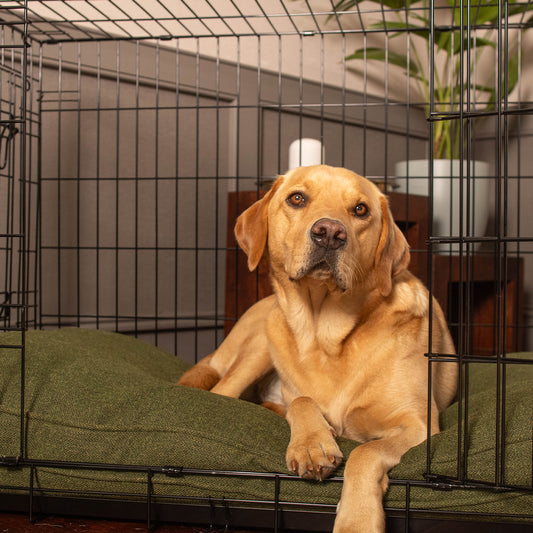
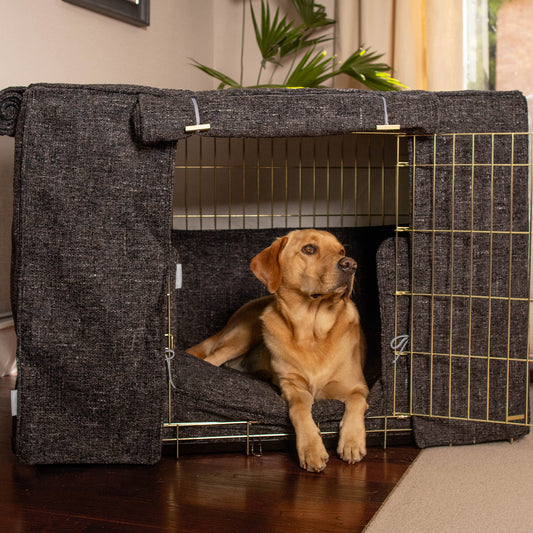
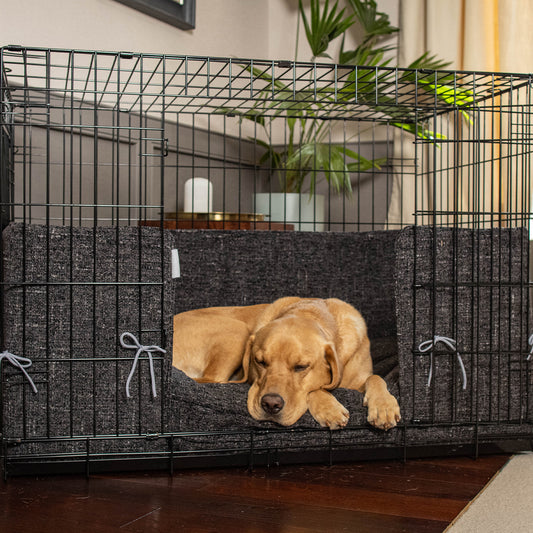
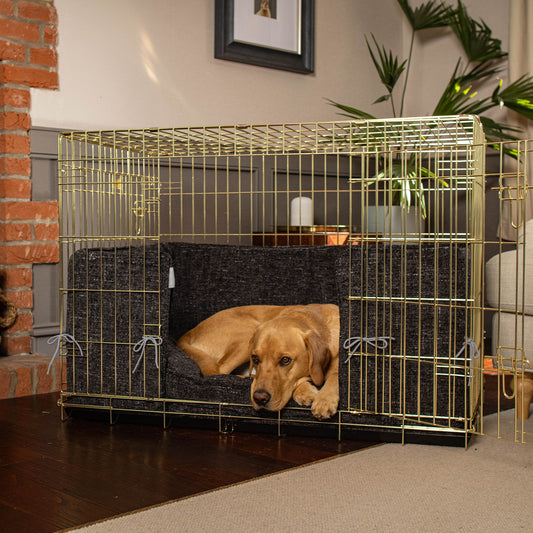
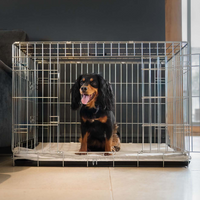
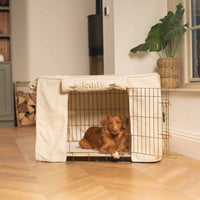
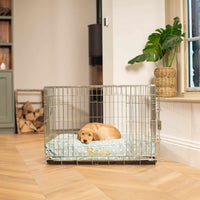
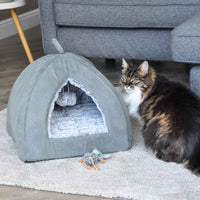
- Crate or den space: Springers are sensitive souls who genuinely thrive with somewhere quiet and enclosed to call their own. A well-sized crate lined with familiar-smelling bedding helps your pup feel secure from the off, and makes toilet training far more straightforward too.
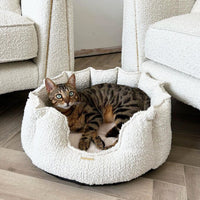
- Bed: A soft, washable bed inside or alongside the crate gives your puppy somewhere properly comfortable to crash between those frantic bursts of energy.
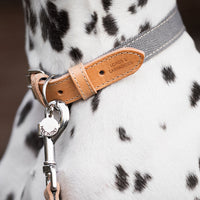
- Collar and harness: A well-fitted harness is much kinder on a young puppy’s neck than a collar alone, and gives you better control when your Springer is already pulling enthusiastically towards every leaf on the pavement.
- Lead: Start short and lightweight. It helps your puppy learn to walk close without feeling overwhelmed, and gives you more confidence too.
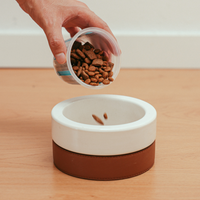
- Food and water bowls: Go for sturdy, easy-to-clean options that won’t flip over the moment your Springer decides to paw at them, which they will.
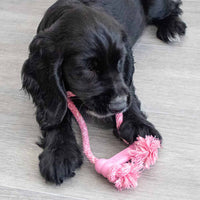
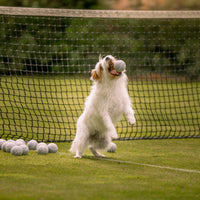
- Puppy-safe toys: Springers have a strong natural retrieve drive, so a mix of chew toys, tuggers, and something fetch-friendly will keep their minds and mouths well occupied.
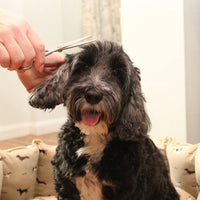
- Grooming tools: A soft slicker brush and a wide-toothed comb are the basics for that silky Springer coat. Starting grooming sessions early means it becomes routine rather than a battle.
- Training treats: Small and soft is the way to go. Reward-based training works brilliantly with this breed, and you’ll go through more treats than you expect in those first weeks.
- Cleaning supplies: Enzyme-based cleaner is non-negotiable during toilet training. Buy more than you think you need.
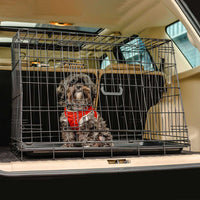
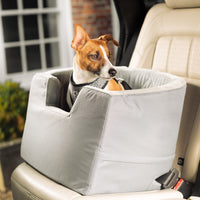
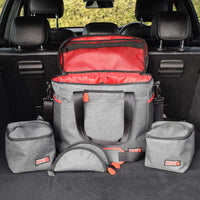
- Travel gear: A secure car crate or well-fitted travel harness keeps your puppy safe on the move and builds good habits from the very first journey home.
If you’d rather tick it all off in one place, the Lords and Labradors puppy essentials collection is a good place to start — everything there is chosen with young dogs in mind.
How much exercise and enrichment does a Springer Spaniel puppy really need?
Springer Spaniels come from a long line of working dogs bred to cover fields all day, so it’s easy to assume your puppy needs the same treatment. In reality, young Springers need far less physical exercise than most new owners expect. What they do need, almost from day one, is mental stimulation — and plenty of it.
Here’s how to think about activity in those early weeks:
- Free play at home. Short bursts of self-directed play in the garden or living room are ideal. Let your puppy set the pace and rest whenever they want to.
- Short structured walks. Brief, gentle outings to explore new sights and smells are great for early socialisation — just keep them short and pressure-free.
- Training games. Five minutes of sit, recall, or name recognition will tire a Springer puppy out faster than a long walk ever could. Seriously.
- What to avoid. Repetitive exercise on hard surfaces or overly long outings can strain developing joints. The big adventures can wait.
A handy rule of thumb: the five-minute rule
Most vets recommend five minutes of exercise per month of age, twice a day. A three-month-old Springer gets around 15 minutes per walk. Simple, easy to remember, and genuinely kind on growing bodies.
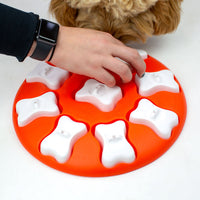
When it comes to enrichment you can start straight away, try scatter feeding kibble in the grass so your puppy has to sniff it out, hide a favourite toy under a blanket, or run through a quick training game before mealtimes. A snuffle mat or simple puzzle feeder is a great addition to your spaniel puppy care kit too, especially on rainy days when outdoor time isn’t happening. These activities tap into a Springer’s natural working instincts and settle them far more effectively than a longer walk would.
For a deeper look at how exercise needs change as your Springer grows up, the Springer Spaniel Ultimate Guide is well worth a read.
Working line vs show line Springer Spaniels: why it matters for your checklist
Not all Springer Spaniels are quite the same, and it really helps to know whether your puppy comes from working or show lines. This is not just breed trivia. It can shape your springer spaniel puppy checklist in practical ways, from the kind of enrichment you buy to how much structure you build into your week.
| Factor | Working Line | Show Line |
|---|---|---|
| Energy Level | Typically very busy and always ready for the next job | Still active, but often a little easier to switch off at home |
| Exercise Outlook | Usually grows into a strong need for activity and purposeful outings | Often happy with regular walks, play and training as they mature |
| Mental Stimulation | Benefits from frequent training games, scent work and tasks | Enjoys training and games, but may be a little less full-on |
| Training Style | Loves consistency and having something to do | Keen to learn and often settles into family routines well |
| Home Setup | Suits active households that can offer space and daily engagement | Often adapts more easily to a slightly calmer home life |
If your puppy is from working lines, it is worth preparing for a dog who may need more from their day as they grow up. In real life, that often means a good stash of puzzle toys, short training sessions woven into your routine, and plans for safe outdoor adventures later on. Young puppies still need to build exercise gradually with age, and your vet can help you judge what is appropriate.
Show line puppies still need plenty of attention, training and enrichment, because spaniel puppy care is never hands-off. But some new owners find they settle into nap times, family evenings and home routines a little more easily.
Whichever line your Springer comes from, the best puppy starter kit is one that matches the dog in front of you. If you want a helpful place to start, you can browse essentials suited to your Springer Spaniel.
Feeding, training, grooming and house rules for the first few weeks
The first few weeks with a Springer Spaniel puppy can feel like a beautiful, chaotic blur — but getting your routines right early makes everything easier. Think of your Springer Spaniel puppy checklist not just as a shopping list, but as a blueprint for daily life. Consistency matters far more than doing everything perfectly from day one.
Feeding. Start with whatever schedule and food your breeder used, even if you plan to switch things up later. Puppies have sensitive stomachs, so any transition to a new food should happen gradually over 7 to 10 days. Measure portions carefully rather than eyeballing it — Springers are enthusiastic eaters and will absolutely convince you they are one meal away from starvation.
Training. Start recall and lead manners from the very first days at home, using positive reinforcement and keeping sessions short — around five minutes is plenty. Frequent, playful moments of training beat long formal sessions hands down at this age. A Springer who learns their name and comes when called early is a genuinely easier, happier dog to live with long-term.
Grooming. Introduce brushing gently from day one, even if there is barely any coat to work with yet. The goal is simply making it feel normal and calm before their full coat comes in. Check their ears regularly too — Spaniel ears trap moisture and debris easily, so a quick look every few days becomes a good habit fast.
House rules. Before your puppy even arrives, agree as a household on whether they can go on the sofa, where they will sleep, and which rooms are off limits. Mixed signals between family members are the fastest route to a very confused puppy. Get everyone on the same page and stick to it — it really does make a difference.
Bedding these routines in during those first weeks sets the tone for everything that follows. For a closer look at navigating those early days, our complete guide to your puppy’s first week covers it all in one place.
Your first-week checklist for settling a Springer Spaniel puppy in confidently
Here’s everything pulled together so you can head into pickup day feeling genuinely ready, not just roughly prepared.
Before your puppy comes home:
- Set up a crate or den with soft bedding somewhere quiet
- Puppy-proof any rooms your Springer will have access to
- Get your puppy food sorted based on your breeder’s recommendation
- Stock up on enzymatic cleaner for accidents — you will get through more than you expect
- Put together your starter kit: collar, ID tag, lead, food and water bowls, puppy pads
- Register with a vet and book an introductory appointment
During the first week:
- Stick to the same meal times from day one
- Keep early training sessions short, positive, and pressure-free
- Limit visitors so your puppy has space to settle without being overwhelmed
- Introduce crate training gradually, with encouragement and no rushing
- Build a toilet routine and reward every success outside straight away
- Build in quiet downtime between play and interaction — rest is doing something
The honest truth is that the right gear makes life easier, but a steady routine is what actually settles a Springer Spaniel puppy. Without structure, even the best-equipped household can feel chaotic to a young dog still finding their feet. With a gentle rhythm in place, you will be surprised how quickly they find their confidence.
Our Puppy’s First Week collection brings everything you need into one place if you want a simple starting point. Beyond that, trust the process, be patient with yourself as much as your puppy, and enjoy it. These early weeks really do go faster than you think.