









































































Bringing home a new baby when you have a bouncy, high-energy dog can feel overwhelming, but with the right approach, your hyperactive pup can become your little one's most devoted protector. Learning how to introduce a hyper dog to a baby takes patience and strategy, but the reward is watching a beautiful friendship bloom between your furry family member and your newest addition. From creating calm environments to reading stress signals and building routines that work for everyone, this guide will help you navigate those crucial first weeks with confidence.
Understanding Your Dog's Energy Levels
Before you learn how to introduce a hyper dog to a baby, you need to understand what's driving your pup's bouncy behavior. High-energy dogs aren't just "excited" – they're often responding to specific triggers like anticipation, lack of mental stimulation, or even anxiety.
Watch for telltale signs: constant pacing, jumping on furniture or people, excessive barking, or that classic "zoomies" behavior where they race around the house. My neighbor's Golden Retriever does this every evening at 6 PM sharp – it's like clockwork! Some dogs also mouth or nip when overstimulated, which becomes especially important to consider with a newborn in the house.
Several factors fuel this hyperactivity. Young dogs naturally have surplus energy that needs an outlet. Certain breeds, like Border Collies or Jack Russell Terriers, were bred for high-intensity work and require significant mental and physical exercise. Even older dogs can become hyper if they're not getting enough stimulation throughout the day.
The arrival of a baby amplifies these energy levels because your dog senses change. New smells, different routines, and altered attention patterns can trigger excitement or stress responses. A dog who usually gets two long walks might suddenly receive shorter, rushed outings, leaving them with pent-up energy right when you need them calmest.
Understanding your dog's specific energy patterns helps you plan better. Does your pup get most wound up in the morning or evening? Do they settle after a good play session, or do they need mental puzzles to truly tire out? Recognizing these patterns – and learning to read your dog's body language – gives you the foundation for successful preparation. Once you know what triggers your dog's hyperactivity, you can start addressing it before baby arrives.
Creating a Safe and Calm Environment
Setting up the right environment is crucial when introducing a hyper dog to a baby. Your lively pup needs clear boundaries and calming influences to manage their energy, while your little one deserves a secure space free from overstimulation. Think of this preparation phase as setting the stage for years of wonderful friendship between your furry and human family members.
Essential Safety Setup Steps:
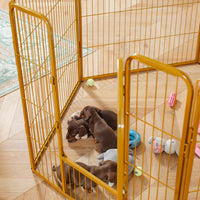
- Use baby gates to create separate areas where your dog can see and smell the baby without direct access.
- Remove high-energy toys and anything that might trigger excitement during the initial meetings.
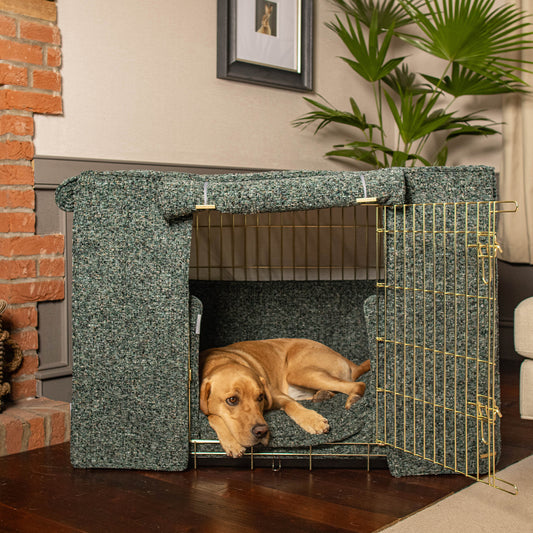
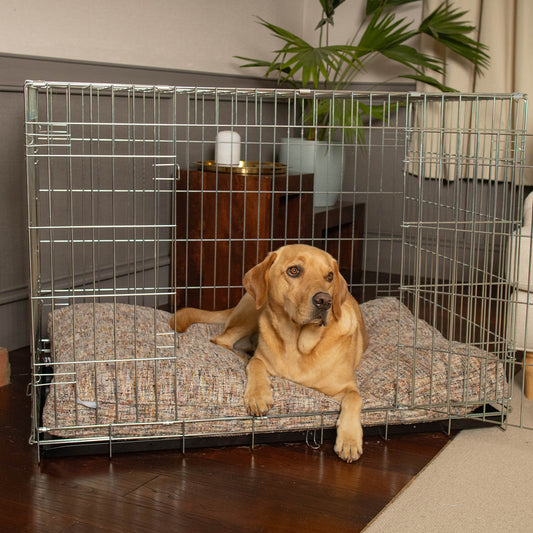
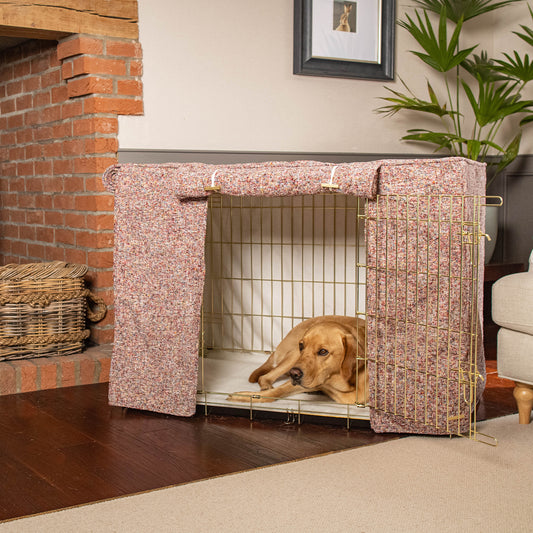
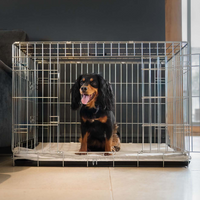
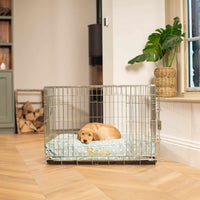
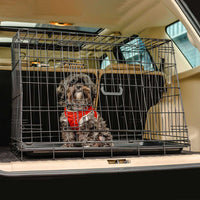
- Arrange a cozy retreat area where your dog can relax when feeling overwhelmed; this could be their favorite spot with a comfy bed or a properly configured crate that feels like a sanctuary.
- Place baby items at heights your dog cannot reach, especially during those first weeks of curiosity.
- Establish clear walking paths to safely move around while carrying your baby.
- Lay non-slip rugs in areas where your dog might get too excited and lose their footing.
Scent Familiarization Process:
Unleash the magic of your dog’s incredible sense of smell. Start by bringing home a baby blanket or onesie from the hospital before your baby arrives. Let your dog explore these new scents at their own pace, praising and rewarding calm sniffing with treats.
Introduce baby lotions, powders, and other products you'll use often, as many dogs find these sweet scents intriguing rather than alarming. In the weeks leading up to the big day, practice carrying a baby doll occasionally—while it might feel a bit silly, it helps your dog get accustomed to seeing you handle something cherished.
Reinforce the "gentle" command while your dog investigates baby-scented items. This teaches them that these new smells are cues for calm behavior rather than playtime excitement.
Having a designated calm space is crucial in this transition period. Your dog needs a spot to retreat when the baby’s cries reach those high notes or when guests visit to meet the new addition. A well-set-up crate or a quiet corner offers them a refuge, helping to avoid overstimulation that might lead to problematic behaviors.
These environmental preparations lay the groundwork your family needs for lasting harmony. When your hyper dog feels secure and understands the household boundaries, they’re more likely to approach their new sibling with curiosity and gentleness, creating a loving and joyful home for all.
Step-by-Step Introduction Process
Learning how to introduce a hyper dog to a baby requires patience, consistency, and a thoughtful approach that prioritizes safety while building positive associations. The key is taking things slowly and allowing your energetic pup to adjust gradually to this life-changing addition to your family.
Step 1: Start with scent introduction before baby arrives
Begin preparing your dog weeks before baby comes home by bringing hospital blankets, clothing, or anything that carries the baby's scent. Let your dog sniff these items calmly while rewarding relaxed behavior with treats and praise. Think of it as giving your pup a gentle heads-up about the new family member coming their way.
Step 2: Practice calm greetings with a doll
Here's where things get a bit theatrical, but trust the process. Use a baby doll to rehearse proper behavior around babies. Carry it around, make those soft cooing sounds, and reward your dog for calm, gentle responses. Your neighbors might think you've lost it, but this step is gold when preparing your dog for a new baby because it sets expectations without the unpredictability of a real infant.
Step 3: Create controlled distance for the first meeting
When you first bring baby home, have another family member hold your dog on a loose leash across the room. Allow your dog to see and smell the baby from a safe distance while you stay calm and positive. Your dog will pick up on your energy, so keep things relaxed. Watch their body language like a hawk for signs of excitement or stress.
Step 4: Reward calm behavior consistently
Every single time your dog displays gentle, relaxed behavior around the baby, immediately reward with treats, praise, or their favorite squeaky toy. This positive reinforcement is your secret weapon for managing hyperactive dogs with infants—you're essentially teaching them that baby equals good things happening.
Step 5: Gradually decrease distance over several days
Only when your dog remains calm at a distance should you slowly allow closer interactions. Move incrementally closer during each session, always maintaining control and watching for overstimulation. Think baby steps here—literally. Never rush this process, especially with high-energy breeds.
Step 6: Supervise all interactions closely
Even after successful introductions, never leave your hyperactive dog alone with the baby. Dog behavior around babies can shift unexpectedly, and constant supervision keeps everyone safe while allowing their relationship to bloom naturally.
Step 7: Maintain your dog's routine and exercise needs
A tired dog is a calmer dog—this golden rule becomes even more important now. Keep up those regular walks, play sessions, and training to help your pup burn excess energy before baby time.
Remember that introducing dogs to newborns is a marathon, not a sprint. Some dogs need weeks or even months to fully adjust, and that's completely normal. Stay patient, stick to your routine, and celebrate those small wins along the way.
Recognizing Signs of Stress and Anxiety
When you're figuring out how to introduce a hyper dog to a baby, keeping an eye on stress signals is truly crucial. Your dog's body language can reveal exactly how they're coping with this significant change, and identifying these signs early can help you adjust before anxiety turns into challenging behavior.
Look for these physical signs of stress:
- Heavy panting, especially if the room isn't warm
- Shaking or trembling without a clear reason
- Unusual drooling in a dog that doesn't usually drool
- Enlarged pupils or that distinct "whale eye" look (when you can see the whites of their eyes)
- Stiff posture or tense muscles
- Shedding more than what's typical for the season
- Pacing or finding it hard to relax
- Reduced appetite or turning down favorite treats
Pay attention to behavioral changes indicating anxiety:
- Hiding away under furniture or avoiding favorite spots
- Chewing on things or digging destructively
- Out-of-the-blue barking or whining
- Setbacks in house training
- Being overly attached, trailing you everywhere
- Uncharacteristic aggression during regular interactions
When you spot these signs, here's what you can do right away:
- Comfortably move your dog from the area without making a scene
- Guide them to a cozy, familiar space with their usual toys and bedding
- Use soothing techniques like gentle massaging or calm breathing exercises nearby
- Stick to your regular routine as much as possible to give them a sense of steadiness
- Consider trying the calming strategies that work well during fireworks season, as their stress signals are similar
It's helpful to remember that some initial unease is perfectly normal when preparing your dog for a new baby. Their whole world is evolving! But, if stress signals continue for more than a couple of weeks, slowing down the introduction process might be a good move. Sometimes, patience is the best support you can offer to both your furry companion and your expanding family. If needed, don't hesitate to reach out to a professional trainer well-versed in dog behavior around babies for additional guidance.
Building a Routine for Harmony
Creating a predictable daily rhythm is your secret weapon in how to introduce a hyper dog to a baby. A structured routine doesn't just help manage your dog's abundant energy; it also sets clear expectations for when it's time to play and when it's time to relax. It's about creating a household schedule that works for everyone, whether they have two legs or four.
Try these friendly strategies to build a routine that ensures everyone stays happy:
- Exercise before the baby's day begins: Take your hyper dog for a brisk walk or have a fun play session before your baby wakes up. This can help your dog be naturally calmer during morning feeds and diaper changes.
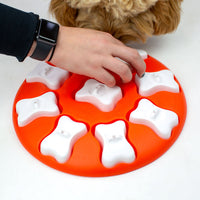
- Align nap times: When it's naptime for your baby, encourage your dog to head to their quiet space with a puzzle toy or chew. It's a great way to teach both that rest time is for everyone.
- Keep consistent meal times: Feed your dog at regular intervals, ideally when you're not busy with the baby, to avoid any competition for attention during feeding.
- Prioritize focused time for your dog: Dedicate 15-20 minutes to engaging with your pup when your baby is content or sleeping, so your furry friend doesn't feel left out.
- Introduce 'calm zones' during baby care: Train your dog to sit on their mat while you're feeding, changing, or soothing your baby, rewarding them for calm behavior.
- End the day peacefully: Enjoy a soothing end-of-day routine with calming activities for both your baby and dog before bedtime.
Dogs flourish with a consistent routine. By reducing stress-related behaviors, you can create a sense of calm and predictability in your household. Just like creating sleep routines for puppies helps them thrive, coordinating your family's rest and activity times fosters a peaceful environment. This will nurture strong bonds between your dog and baby, paving the way for a harmonious household.
When to Seek Professional Help
Sometimes, despite your best efforts to introduce a hyper dog to a baby, you might need backup from a professional dog trainer or animal behaviorist. Here's the thing: reaching out for help doesn't mean you've dropped the ball as a pet parent. It's actually one of the smartest moves you can make for your family's wellbeing.
Watch for warning signs that suggest it's time to call in the pros. If your dog shows persistent stress around your baby that doesn't improve after a few weeks of consistent work, don't wait it out. Red flags include excessive panting when baby's around, destructive episodes triggered by crying, or any resource guarding behavior around baby gear. When your hyperactive pup simply cannot settle during feeding times or refuses to respect nap schedules despite your best routine efforts, a professional can offer strategies tailored specifically to your situation.
You'll definitely want expert guidance if your dog has any history of anxiety or reactivity, even if it's never involved children. A certified positive reinforcement trainer can assess what's actually happening in your home and create a realistic plan for channeling your dog's energy in baby-friendly ways.
Think of professional help as an investment in everyone's happiness, not a white flag. Just like learning how different pets can peacefully coexist sometimes requires expert insight, successfully blending high-energy dogs with newborns often benefits from professional guidance that sets your whole family up for long-term success.