






Dog-Friendly UK Pubs and Restaurants: A Seasonal Guide
14.08.26 August 14, 2026 Owning a Dog

Dog-Friendly UK Pubs and Restaurants: A Seasonal Guide

Finding the best dog friendly pubs UK has to offer takes a little more thought than a quick Google search, especially when you factor in the season, your dog’s temperament, and whether a venue is genuinely set up for them or just loosely tolerant. This guide covers regional picks across the whole country, practical advice for every season, and a straightforward packing list so you can walk in feeling prepared rather than frantic. Whether you’re planning a post-walk Sunday lunch or just want somewhere you can both properly relax, there’s plenty here to help you get it right. Dog-friendly pubs and restaurants in the UK: what to expect this season Taking your dog out for a proper meal together is one of those simple pleasures that’s genuinely worth getting right. Whether you’re searching for dog-friendly pubs across the UK for a weekend walk-and-lunch combo, or just trying to find somewhere that won’t have your dog on edge the moment you step inside, the options are better than ever — but they’re far from equal. Here’s something worth knowing before you start planning: dog-friendly doesn’t always mean dog-welcoming. A pub that’s perfectly relaxed about dogs in summer, when the beer garden is packed and the vibe is easy, might tell you they’re not taking dogs in November. A restaurant that’s ideal for a calm older Spaniel could feel genuinely overwhelming for a bouncy young Labrador who hasn’t yet mastered the art of settling quietly under a table. Seasonal policies, indoor versus outdoor space, noise levels, and the general atmosphere of a venue all shape how much you and your dog actually enjoy the experience. That’s what this guide is here to help with. Inside, you’ll find a regional roundup of dog-friendly pubs and restaurants that both visitors and locals rate highly, practical advice for eating out across every season, and a straightforward packing list so you’re not caught scrambling at the door. We’ve also included tips for those classic soggy-walk-before-lunch situations, because arriving at a pub with a damp, muddy dog is a rite of passage most of us know well. If a pre-lunch walk is on the cards whatever the forecast, it’s worth reading our guide to walking your dog in the rain before you head out. How to choose a dog-friendly pub or restaurant that actually suits your dog When you search for dog friendly pubs UK, you’ll find everything from sleepy village inns to lively dining rooms in the middle of town. The label matters, but the setting matters more. A confident, food-motivated dog might snooze under the table anywhere. A puppy, older dog, or nervous rescue often needs a much calmer setup. Before you choose a venue, think about what will help your dog settle rather than simply what sounds nice for lunch. Here’s what to check: Indoor seating. Some dog friendly restaurants UK only allow dogs in the garden or terrace. That’s lovely on a warm day, but not much fun in wind, rain, or winter. Outdoor space. This is worth asking about properly. Is there a quiet courtyard for toilet breaks? A grassy area nearby for a sniff before you sit down? For energetic dogs, that little reset can make all the difference. Water bowls and a genuinely warm welcome. If staff automatically offer water or show you to a sensible table with room to settle, that’s usually a very good sign. Noise levels and foot traffic. A packed Saturday service can be hard work for dogs who are sound-sensitive or easily overexcited. Midweek lunches or earlier bookings are often easier. Lead rules. Most dog friendly places to eat with dogs will expect leads indoors, so check in advance and plan around it. Space around the table. Big dogs, wriggly adolescents, and older dogs with stiff joints all need enough room to lie down comfortably without being stepped over. Whether the venue suits your dog’s stage of life. Puppies and anxious dogs usually do better somewhere relaxed and forgiving, not in a trendy, tightly packed room. And do book ahead if you can. Even dog friendly pubs near me that look ideal online may only allow dogs in certain areas, limit numbers, or reserve the best dog-suitable tables early. If your dog is still learning to feel comfortable in new places, it also helps to brush up on understanding your dog’s body language before you go. A little planning turns a stressful outing into one you’ll both actually enjoy. A regional roundup of dog-friendly UK pubs and restaurants to try The UK has no shortage of brilliant spots to eat and drink with your dog, and finding the right one really does make the difference between a lovely afternoon and a stressful one. This regional roundup pulls together the kinds of dog-friendly pubs UK owners tend to return to again and again, organised by area so you can start narrowing things down wherever you happen to be based. That said, venue policies shift, ownership changes, and somewhere that was brilliantly set up for dogs last summer might have a different arrangement now. Always check directly before you visit. London Dog-friendly pubs in London are plentiful, but the best ones tend to offer something specific: a quieter corner away from the main dining room, a water bowl waiting on arrival, or a shaded terrace where your dog can settle without the commotion of a busy kitchen nearby. Gastropubs across Hackney, Richmond, and Chiswick are consistently popular with dog owners, often combining excellent food with canal-side or park-adjacent locations that turn the walk there into part of the occasion. Outdoor terraces with dog-friendly seating clearly signed at the entrance Water bowls and dog biscuits offered as standard Quieter side rooms or booths where nervous or reactive dogs feel more comfortable South of England The South has some of the most scenic dog-friendly eateries in the country, from thatched country pubs on the fringes of the New Forest to coastal gastropubs in Cornwall and Devon with views that make any lunch feel like a bit of an event. Many of these venues genuinely lean into their dog-friendly reputation, and you tend to feel it the moment you walk through the door. Pub gardens with enough space for dogs to stretch out without being underfoot Dog menus or complimentary treats available on request Coastal spots with beach walks nearby, making them natural post-walk destinations Midlands and North Dog-friendly restaurants and pubs in the Midlands and North are easy to overlook, but the pub culture up here is some of the warmest you will find anywhere. Think stone-floored inns in the Yorkshire Dales, Peak District pubs with fires going through autumn and winter, and canal-side bars in Manchester and Leeds with outdoor seating that works well for dogs on leads. Flagstone floors and fireside spots that were practically made for muddy dogs Outdoor seating along canal towpaths and riverside locations The kind of staff who know their regulars by name, dog included Scotland and Wales Scotland and Wales offer some spectacular backdrops for eating out with your dog, from lochside inns in the Highlands to slate-built pubs tucked into Snowdonia villages. These venues tend to cater naturally to walkers and their dogs, with practical touches like drying rooms, treat jars near the door, and a general atmosphere that treats your dog as a welcome guest rather than an afterthought. Drying rooms or boot stores for muddy post-walk arrivals Treat jars and water stations close to the entrance Unhurried dining environments that suit longer, more relaxed visits A quick practical note: Always call ahead before visiting any venue. Dog policies, outdoor seating arrangements, and seasonal opening hours change regularly, and a two-minute phone call is always worth it to avoid turning up somewhere that is not quite set up for your dog on that particular day. Before you head out, it is also worth thinking about how your dog is actually feeling, not just what you have planned. A dog who is well-rested and settled makes for a much easier companion at the table, and getting the basics right at home goes a long way towards that. A little preparation before you leave always pays off once you arrive. Seasonal tips for eating out with your dog in spring, summer, autumn, and winter Eating out at dog-friendly pubs across the UK looks pretty different in January than it does in July. A little seasonal thinking goes a long way towards making each outing genuinely relaxed rather than just survivable. Spring Spring pub lunches after a long walk sound idyllic, and honestly, they are. But muddy paws are basically guaranteed from February through April. Tuck a travel towel and some paw wipes into your bag before you leave the house, so you’re not wrestling a soggy Spaniel in the doorway while other diners watch. Many dog-friendly eateries will have a mat near the entrance, but a quick wipe-down before you head inside keeps things friendly with the staff and gets your dog in a calmer headspace too. Summer Hot pavements, busy beer gardens, and long lunches in full sun can take it out of a dog fast, particularly short-nosed breeds or those with thick coats. Always bring fresh water, pick a shaded spot where you can, and if your dog starts panting heavily or seems unsettled, move inside or call it a day early. No one enjoys a meal when they’re worried about their dog. Autumn Autumn brings stunning walks but also wet leaves, low light, and evenings that close in faster than you expect. Dogs can arrive skittish or over-excited after a slippery path, so give them a moment to settle before you sit down to eat. It’s also worth calling ahead from October onwards, since many venues start pulling their outdoor furniture in and dog policies can shift when the garden closes. Winter Cold stone floors and draughty pub entrances are the real challenges once December arrives. Bring a familiar blanket or a travel mat so your dog has somewhere warm to curl up, and make sure you have a proper coat for the walk back to the car. Our dog coats are worth sorting before the temperature really drops. Seasonal essentials to pack Travel towel and paw wipes Collapsible water bowl A familiar blanket or travel mat Dog treats for settling A spare lead in case yours gets wet or muddy It’s always worth doing a quick dog-friendly pubs near me search before you head out, or calling the venue directly. Outdoor seating access and indoor dog policies genuinely do shift with the seasons, and a two-minute call can save a wasted trip. What to pack so your dog can settle in and you can actually enjoy the meal A little preparation really does make the difference between a frantic outing and a genuinely relaxed meal. The dog owners who seem effortlessly calm at dog-friendly pubs across the UK almost always have the same secret: a well-packed bag they grab without thinking. Here’s the practical toolkit worth building before your next visit. Short lead or slip lead — keeps your dog close and manageable in tighter pub spaces without giving them room to wander between tables Treat pouch — quick access to rewards makes it easy to redirect attention and reinforce calm behaviour, especially during longer waits Portable water bowl — dogs get thirsty, particularly after a walk, and not every venue will offer one unprompted Absorbent towel — a genuine lifesaver after muddy paths or rainy car parks before you head inside Poo bags — always, without exception, even when you’re fairly sure you won’t need them Calming chew or long-lasting treat — something to keep your dog happily occupied while you actually eat your food warm Travel mat — gives your dog a familiar scent and a defined spot to settle into, which makes a real difference in busier dog-friendly restaurants where floor space is shared. The Lords & Labradors Bouclé Travel Mat is a brilliant option here: soft enough to feel like home, compact enough to tuck under your arm on the way in Dogs who feel secure and comfortable are far less likely to become restless halfway through your main course. Pack this bag once, leave it by the door, and you’ll always be ready when a spontaneous lunch or afternoon out calls your name. A simple plan for making dog-friendly dining a regular part of your routine The best dog-friendly outings rarely happen by accident. A little planning upfront is what separates a relaxed Sunday lunch from a stressful scramble for a corner table with a dog who can’t quite settle. Start by building a short list of dog-friendly pubs near you that genuinely welcome dogs, not just tolerate them. Check policies before you visit, even if you’ve been before — venues update their rules seasonally, and it’s worth a quick look. And if you want a quieter spot away from the thick of things, booking ahead is always time well spent. Timing matters more than people expect. Mid-week lunches and early Sunday slots are usually much calmer than peak weekend sittings, which makes a real difference if your dog finds busy rooms a lot to take in. Once you find a rhythm that works for both of you, it quickly becomes second nature. Keep a little kit ready by the door so you’re never scrambling on the way out. A travel bowl, a familiar blanket or mat, and a handful of their favourite treats can make all the difference when it comes to helping them settle. You’ll find everything you need for a comfortable outing in the Lords and Labradors dog collection. Most of all, enjoy it. Eating out with your dog is genuinely one of the better parts of life with them by your side, and with a bit of preparation behind you, it can easily become a regular pleasure.

By Adele Busby

Read more

Finding the best dog friendly pubs UK has to offer takes a little more thought than a quick Google search, especially when you factor in the season, your dog’s temperament, and whether a venue is genuinely set up for them or just loosely tolerant. This guide covers regional picks across the whole country, practical advice for every season, and a straightforward packing list so you can walk in feeling prepared rather than frantic. Whether you’re planning a post-walk Sunday lunch or just want somewhere you can both properly relax, there’s plenty here to help you get it right.

Dog-friendly pubs and restaurants in the UK: what to expect this season

Taking your dog out for a proper meal together is one of those simple pleasures that’s genuinely worth getting right. Whether you’re searching for dog-friendly pubs across the UK for a weekend walk-and-lunch combo, or just trying to find somewhere that won’t have your dog on edge the moment you step inside, the options are better than ever — but they’re far from equal.

Here’s something worth knowing before you start planning: dog-friendly doesn’t always mean dog-welcoming. A pub that’s perfectly relaxed about dogs in summer, when the beer garden is packed and the vibe is easy, might tell you they’re not taking dogs in November. A restaurant that’s ideal for a calm older Spaniel could feel genuinely overwhelming for a bouncy young Labrador who hasn’t yet mastered the art of settling quietly under a table. Seasonal policies, indoor versus outdoor space, noise levels, and the general atmosphere of a venue all shape how much you and your dog actually enjoy the experience.

That’s what this guide is here to help with. Inside, you’ll find a regional roundup of dog-friendly pubs and restaurants that both visitors and locals rate highly, practical advice for eating out across every season, and a straightforward packing list so you’re not caught scrambling at the door. We’ve also included tips for those classic soggy-walk-before-lunch situations, because arriving at a pub with a damp, muddy dog is a rite of passage most of us know well.

If a pre-lunch walk is on the cards whatever the forecast, it’s worth reading our guide to walking your dog in the rain before you head out.

How to choose a dog-friendly pub or restaurant that actually suits your dog

When you search for dog friendly pubs UK, you’ll find everything from sleepy village inns to lively dining rooms in the middle of town. The label matters, but the setting matters more. A confident, food-motivated dog might snooze under the table anywhere. A puppy, older dog, or nervous rescue often needs a much calmer setup.

Before you choose a venue, think about what will help your dog settle rather than simply what sounds nice for lunch.

Here’s what to check:

  • Indoor seating. Some dog friendly restaurants UK only allow dogs in the garden or terrace. That’s lovely on a warm day, but not much fun in wind, rain, or winter.
  • Outdoor space. This is worth asking about properly. Is there a quiet courtyard for toilet breaks? A grassy area nearby for a sniff before you sit down? For energetic dogs, that little reset can make all the difference.
  • Water bowls and a genuinely warm welcome. If staff automatically offer water or show you to a sensible table with room to settle, that’s usually a very good sign.
  • Noise levels and foot traffic. A packed Saturday service can be hard work for dogs who are sound-sensitive or easily overexcited. Midweek lunches or earlier bookings are often easier.
  • Lead rules. Most dog friendly places to eat with dogs will expect leads indoors, so check in advance and plan around it.
  • Space around the table. Big dogs, wriggly adolescents, and older dogs with stiff joints all need enough room to lie down comfortably without being stepped over.
  • Whether the venue suits your dog’s stage of life. Puppies and anxious dogs usually do better somewhere relaxed and forgiving, not in a trendy, tightly packed room.

And do book ahead if you can. Even dog friendly pubs near me that look ideal online may only allow dogs in certain areas, limit numbers, or reserve the best dog-suitable tables early.

If your dog is still learning to feel comfortable in new places, it also helps to brush up on understanding your dog’s body language before you go. A little planning turns a stressful outing into one you’ll both actually enjoy.

A regional roundup of dog-friendly UK pubs and restaurants to try

The UK has no shortage of brilliant spots to eat and drink with your dog, and finding the right one really does make the difference between a lovely afternoon and a stressful one. This regional roundup pulls together the kinds of dog-friendly pubs UK owners tend to return to again and again, organised by area so you can start narrowing things down wherever you happen to be based. That said, venue policies shift, ownership changes, and somewhere that was brilliantly set up for dogs last summer might have a different arrangement now. Always check directly before you visit.

London

Dog-friendly pubs in London are plentiful, but the best ones tend to offer something specific: a quieter corner away from the main dining room, a water bowl waiting on arrival, or a shaded terrace where your dog can settle without the commotion of a busy kitchen nearby. Gastropubs across Hackney, Richmond, and Chiswick are consistently popular with dog owners, often combining excellent food with canal-side or park-adjacent locations that turn the walk there into part of the occasion.

  • Outdoor terraces with dog-friendly seating clearly signed at the entrance
  • Water bowls and dog biscuits offered as standard
  • Quieter side rooms or booths where nervous or reactive dogs feel more comfortable

South of England

The South has some of the most scenic dog-friendly eateries in the country, from thatched country pubs on the fringes of the New Forest to coastal gastropubs in Cornwall and Devon with views that make any lunch feel like a bit of an event. Many of these venues genuinely lean into their dog-friendly reputation, and you tend to feel it the moment you walk through the door.

  • Pub gardens with enough space for dogs to stretch out without being underfoot
  • Dog menus or complimentary treats available on request
  • Coastal spots with beach walks nearby, making them natural post-walk destinations

Midlands and North

Dog-friendly restaurants and pubs in the Midlands and North are easy to overlook, but the pub culture up here is some of the warmest you will find anywhere. Think stone-floored inns in the Yorkshire Dales, Peak District pubs with fires going through autumn and winter, and canal-side bars in Manchester and Leeds with outdoor seating that works well for dogs on leads.

  • Flagstone floors and fireside spots that were practically made for muddy dogs
  • Outdoor seating along canal towpaths and riverside locations
  • The kind of staff who know their regulars by name, dog included

Scotland and Wales

Scotland and Wales offer some spectacular backdrops for eating out with your dog, from lochside inns in the Highlands to slate-built pubs tucked into Snowdonia villages. These venues tend to cater naturally to walkers and their dogs, with practical touches like drying rooms, treat jars near the door, and a general atmosphere that treats your dog as a welcome guest rather than an afterthought.

  • Drying rooms or boot stores for muddy post-walk arrivals
  • Treat jars and water stations close to the entrance
  • Unhurried dining environments that suit longer, more relaxed visits

A quick practical note: Always call ahead before visiting any venue. Dog policies, outdoor seating arrangements, and seasonal opening hours change regularly, and a two-minute phone call is always worth it to avoid turning up somewhere that is not quite set up for your dog on that particular day.


Before you head out, it is also worth thinking about how your dog is actually feeling, not just what you have planned. A dog who is well-rested and settled makes for a much easier companion at the table, and getting the basics right at home goes a long way towards that. A little preparation before you leave always pays off once you arrive.

Seasonal tips for eating out with your dog in spring, summer, autumn, and winter

Eating out at dog-friendly pubs across the UK looks pretty different in January than it does in July. A little seasonal thinking goes a long way towards making each outing genuinely relaxed rather than just survivable.

Spring

Spring pub lunches after a long walk sound idyllic, and honestly, they are. But muddy paws are basically guaranteed from February through April. Tuck a travel towel and some paw wipes into your bag before you leave the house, so you’re not wrestling a soggy Spaniel in the doorway while other diners watch. Many dog-friendly eateries will have a mat near the entrance, but a quick wipe-down before you head inside keeps things friendly with the staff and gets your dog in a calmer headspace too.

Summer

Hot pavements, busy beer gardens, and long lunches in full sun can take it out of a dog fast, particularly short-nosed breeds or those with thick coats. Always bring fresh water, pick a shaded spot where you can, and if your dog starts panting heavily or seems unsettled, move inside or call it a day early. No one enjoys a meal when they’re worried about their dog.

Autumn

Autumn brings stunning walks but also wet leaves, low light, and evenings that close in faster than you expect. Dogs can arrive skittish or over-excited after a slippery path, so give them a moment to settle before you sit down to eat. It’s also worth calling ahead from October onwards, since many venues start pulling their outdoor furniture in and dog policies can shift when the garden closes.

Winter

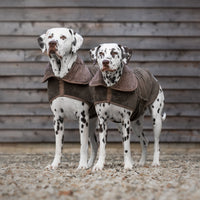
Cold stone floors and draughty pub entrances are the real challenges once December arrives. Bring a familiar blanket or a travel mat so your dog has somewhere warm to curl up, and make sure you have a proper coat for the walk back to the car. Our dog coats are worth sorting before the temperature really drops.

Seasonal essentials to pack

  • Travel towel and paw wipes
  • Collapsible water bowl
  • A familiar blanket or travel mat
  • Dog treats for settling
  • A spare lead in case yours gets wet or muddy

It’s always worth doing a quick dog-friendly pubs near me search before you head out, or calling the venue directly. Outdoor seating access and indoor dog policies genuinely do shift with the seasons, and a two-minute call can save a wasted trip.

What to pack so your dog can settle in and you can actually enjoy the meal

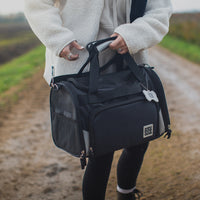
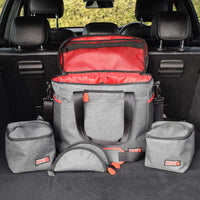
A little preparation really does make the difference between a frantic outing and a genuinely relaxed meal. The dog owners who seem effortlessly calm at dog-friendly pubs across the UK almost always have the same secret: a well-packed bag they grab without thinking. Here’s the practical toolkit worth building before your next visit.

  • Short lead or slip lead — keeps your dog close and manageable in tighter pub spaces without giving them room to wander between tables
  • Treat pouch — quick access to rewards makes it easy to redirect attention and reinforce calm behaviour, especially during longer waits
  • Portable water bowl — dogs get thirsty, particularly after a walk, and not every venue will offer one unprompted
  • Absorbent towel — a genuine lifesaver after muddy paths or rainy car parks before you head inside
  • Poo bags — always, without exception, even when you’re fairly sure you won’t need them
  • Calming chew or long-lasting treat — something to keep your dog happily occupied while you actually eat your food warm
  • Travel mat — gives your dog a familiar scent and a defined spot to settle into, which makes a real difference in busier dog-friendly restaurants where floor space is shared. The Lords & Labradors Bouclé Travel Mat is a brilliant option here: soft enough to feel like home, compact enough to tuck under your arm on the way in

Dogs who feel secure and comfortable are far less likely to become restless halfway through your main course. Pack this bag once, leave it by the door, and you’ll always be ready when a spontaneous lunch or afternoon out calls your name.

A simple plan for making dog-friendly dining a regular part of your routine

The best dog-friendly outings rarely happen by accident. A little planning upfront is what separates a relaxed Sunday lunch from a stressful scramble for a corner table with a dog who can’t quite settle.

Start by building a short list of dog-friendly pubs near you that genuinely welcome dogs, not just tolerate them. Check policies before you visit, even if you’ve been before — venues update their rules seasonally, and it’s worth a quick look. And if you want a quieter spot away from the thick of things, booking ahead is always time well spent.

Timing matters more than people expect. Mid-week lunches and early Sunday slots are usually much calmer than peak weekend sittings, which makes a real difference if your dog finds busy rooms a lot to take in. Once you find a rhythm that works for both of you, it quickly becomes second nature.

Keep a little kit ready by the door so you’re never scrambling on the way out. A travel bowl, a familiar blanket or mat, and a handful of their favourite treats can make all the difference when it comes to helping them settle. You’ll find everything you need for a comfortable outing in the Lords and Labradors dog collection.

Most of all, enjoy it. Eating out with your dog is genuinely one of the better parts of life with them by your side, and with a bit of preparation behind you, it can easily become a regular pleasure.

Related Products

Related Collections

Related Articles

  • Multi-Dog Households: Managing Feeding, Beds, and Space Fairly
    12.08.26 August 12, 2026 Owning a Dog

    Multi-Dog Households: Managing Feeding, Beds, and Space Fairly

    Living with more than one dog brings a particular kind of joy, but it also brings a particular kind of chaos if the everyday routine hasn’t quite caught up with the reality of your household. This guide pulls together practical multi dog household tips covering the three areas that tend to cause the most friction: mealtimes, sleeping arrangements, and shared space. Get these right, and the whole household tends to feel noticeably calmer for dogs and humans alike. Getting the basics right in a multi-dog home Living with more than one dog is one of life’s genuine joys — but anyone who has tried to feed two dogs in the same kitchen at the same time knows it can get complicated fast. The truth is, most tension in a multi-dog home doesn’t come from the dogs themselves. It comes from routines that haven’t quite been thought through yet. When every dog knows what to expect — when they eat, where they sleep, where they can go to decompress — the whole household tends to feel noticeably calmer. Getting there usually takes a few deliberate changes rather than a complete overhaul. The three areas that tend to cause the most friction are mealtimes, resting spots, and general space-sharing. A dog who bolts their food while keeping one eye on their housemate isn’t relaxed. A dog who never quite has a bed to call their own will often drift and unsettled, or quietly compete for the one corner they feel safe in. These are small problems that build slowly, which is exactly why they’re worth sorting out early. The good news is that most multi dog household tips come down to one core idea: giving each dog their own clear place in the routine. Separate feeding spots, dedicated beds, enough space to rest without feeling the need to guard it. It doesn’t require military-level organisation — just a bit of consistency applied in the right places. It also helps to stay tuned into how your dogs are actually feeling from day to day. Understanding your dogs’ body language is one of the most useful skills you can build, and it makes every other part of living with multiple dogs easier to navigate. How to feed multiple dogs without mealtime drama Mealtime is one of the biggest pressure points when you’re living with multiple dogs. One minute everyone is pottering about happily, and the next a bowl appears and the whole mood changes. The good news is that a few simple multi dog household tips can make feeding feel calm, predictable, and much fairer for everyone. The main rule is easy to remember: feed your dogs at the same time, but not too close together. If bowls are side by side, even friendly dogs can start to feel crowded or watchful. Giving each dog their own little eating zone helps them relax and focus on their own meal instead of checking what the others are doing. A practical setup usually looks like this: Keep bowls at least a metre apart, or more if your space allows Use corners, walls, furniture, or doorways to create natural separation Set dogs up so they’re facing away from each other rather than nose-to-nose Choose bowls that suit each dog’s size and eating style, so mealtimes feel easy and comfortable Use raised feeders if they help a particular dog eat in a more comfortable position Keep feeding spots consistent, especially for dogs who like routine Pick bowls up once each dog has finished to stop hovering, swapping, or scavenging Avoid leaving food down in shared spaces between meals Your home layout will shape how you manage multiple dogs at feeding time. In an open-plan kitchen, you might use opposite ends of the room or either side of an island. In a smaller flat, one dog can eat in the kitchen while another eats in the hallway. If you have a dog who eats slowly or seems tense around food, a separate room can make things much easier. It also helps to make each station feel clearly defined. A sturdy bowl, a mat underneath, and a raised feeder if needed can all become part of a familiar routine. That consistency matters more than people sometimes realise. Dogs notice the little patterns of daily life, and when the same setup happens meal after meal, they tend to settle faster. A non-slip pet feeding placemat is a simple addition that can really help. It keeps bowls from sliding, catches the usual splashes and crumbs, and gives each dog a clear “this is my spot” cue. For feeding multiple dogs fairly, those small visual boundaries can make a surprisingly big difference. Spot the early signs of resource guarding before it becomes a habit Resource guarding rarely announces itself with a growl. It creeps in quietly, in the everyday moments you might not think twice about — and catching it early is one of the most genuinely useful multi dog household tips you can put into practice. Small adjustments made before tension takes hold are almost always easier than unpicking a habit that’s had time to settle. Here’s what to watch for: Stiffening or freezing over a food bowl when another dog wanders nearby Eating noticeably faster the moment a second dog enters the room Hard, fixed staring directed at another dog near a valued resource Hovering around a bed or favourite spot, even when they’re not actually using it Blocking a doorway or corner so another dog simply can’t get past Low, easy-to-miss growling that blends into the background Snapping at the air as a warning rather than making contact Carrying a toy or chew away and settling with their back to the room If you notice any of these, the most effective thing you can do is change the environment rather than address the behaviour head-on. Separate feeding zones remove the trigger before it has a chance to become a pattern. Having more beds than dogs means there’s nothing to compete over in the first place. And if tension does flare up in the moment, stepping in calmly to create some distance will always work better than a sharp verbal correction, which tends to add pressure rather than reduce it. Think of yourself less as a referee and more as a quiet organiser of space. It’s also worth saying: resource guarding is completely normal dog behaviour. It doesn’t mean your dogs don’t get along, or that something has gone wrong at home. Most dogs, given a well-managed setup, simply never need to guard because competition isn’t part of their daily experience. That’s the real goal when living with multiple dogs — not intervening constantly, but creating conditions where there’s rarely anything to intervene about. Why every dog needs their own bed and safe space Even the most harmonious pair of dogs can create low-level tension when they have to compete for somewhere comfortable to rest. One of the most practical multi-dog household tips you can act on today is making sure every dog has a sleeping spot that is unambiguously theirs — not shared, not contested, just theirs. When dogs have to negotiate resting spots, you often see subtle stress signals that are easy to miss: a dog circling restlessly before lying down, one consistently getting up when another approaches, or a younger dog who never quite settles. These small moments add up. Over time, they can quietly chip away at the harmony you have worked hard to build. Here are some practical ways to get the bed setup right: Spread beds across different areas. A bed in the living room, one in a quieter corner, and one in the bedroom gives each dog the option to decompress away from the group when they need it. Match the bed to the dog. A sprawling Labrador needs room to stretch out fully, while a Greyhound or Whippet will almost always prefer a raised or bolster-style bed that wraps around them. Think about how each dog actually sleeps before you buy. Use crates as positive den spaces. A crate with a soft liner becomes a retreat rather than a restriction — especially useful for dogs who find busy household energy a bit much. Keep each dog’s bed scent-consistent. Wash beds separately where possible and return them to the same dog. Familiar scent helps dogs settle faster and feel more secure. Never force dogs to share. Even bonded siblings can find this stressful, and it removes the sense of ownership that makes a bed feel genuinely safe. Even dogs that happily sleep together benefit from having their own defined space — choice reduces conflict. Getting the bed arrangement right makes a real difference to the overall calm in your home. When every dog knows where they belong, there is less jostling and more genuine rest. If you are setting things up or refreshing what you have, the dog crate beds at Lords & Labradors are well worth a look — with options to suit different sizes, sleep styles, and spaces. Making shared spaces work day to day Some of the most effective multi-dog household tips have nothing to do with training and everything to do with how you set up your home and run your day. Small tweaks to your layout and routine can quietly reduce tension before it even starts — think of it less as problem-solving and more as designing a home that works with your dogs. Stagger doorways and narrow spaces rather than letting everyone pile through at once. It sounds almost too simple, but it genuinely cuts down on jostling and the low-level grumbling that tends to follow. Rotate toys every few days so no single dog stakes a permanent claim on a favourite. Out of sight really is out of mind. Create separate resting spots near windows or sunny patches. If two dogs are eyeing the same square of afternoon light, a second bed placed nearby gives the other dog a genuine option rather than a consolation prize. Use baby gates after high-energy moments to give dogs a chance to decompress without getting in each other’s faces. Keep feeding and play areas separate so neither space becomes tangled up with competition or guarding. Stick to a predictable daily rhythm for walks, meals, and wind-down time. Dogs find routine genuinely settling, and a consistent schedule means fewer moments where everyone’s a little on edge. Worth knowing: Every dog needs somewhere that’s completely their own. A well-set-up crate does this beautifully — somewhere to retreat without another dog following them in. Our guide to setting up your dog’s crate is a great place to start if you’re not sure where to begin. Living with multiple dogs works best when the home itself does some of the heavy lifting. The right layout and a consistent routine reduce the pressure on your dogs to compete over space, resources, or your attention — and a calmer household really does come down to getting the small stuff right. Keeping the routine fair as your pack changes Living with multiple dogs is never a fixed equation — and honestly, that’s a good thing. Dogs change. A puppy becomes a boisterous adolescent. An older dog slows down and starts craving a quieter corner. A new rescue arrives and shifts the whole dynamic overnight. The routine that worked brilliantly six months ago might need a rethink today, and regularly checking in is one of the most valuable multi dog household tips you can build into your life. Make a habit of watching body language at mealtimes and around resting spots. Tension doesn’t always look dramatic. Stiffening near another dog’s bowl, hovering a little too close, or a dog quietly avoiding their usual bed — these are small signals, but they’re worth paying attention to. When you spot them, adjust the setup rather than waiting to see whether things settle on their own. If a new dog joins the family, take the introduction slowly. For the first few days, keep dogs totally separate in the house before gradually increasing contact, following the principle of smell before see, see before touch. It sounds almost too simple, but it genuinely takes the pressure off everyone — dogs and owners alike. As your pack grows or changes, it’s worth revisiting the basics: enough beds, enough space, enough bowls in the right spots. A routine that feels fair to every dog isn’t something you set once and forget. It’s something you tend, like any relationship worth having. Keep watching, keep adjusting, and trust your instincts. You know your dogs better than anyone.



    By Adele Busby

    Read more
  • How to Know If Dogs Are Bonded With Each Other
    07.08.26 August 07, 2026 Owning a Dog

    How to Know If Dogs Are Bonded With Each Other

    Some dogs share a home peacefully for years without ever forming a real emotional attachment, while others become genuinely inseparable in a way that runs surprisingly deep. Knowing how to know if dogs are bonded with each other comes down to tuning into small, everyday moments rather than dramatic displays. This guide walks you through the clearest signs of a bonded dog pair, what healthy play actually looks like, and how to gently support the relationship your dogs are building together. How to tell when dogs are actually bonded, not just getting along Living with more than one dog, you quickly learn that not all dog relationships are equal. Two dogs can share a home, eat side by side, and spend their days in the same rooms without ever forming a real emotional bond. They get along fine, but there’s no particular pull between them. Then there are dogs who actively seek each other out, settle together without any fuss, and seem genuinely unsettled when the other isn’t around. That second dynamic is what most of us mean when we ask how to know if dogs are bonded with each other. The difference matters more than it might seem. A bonded pair relies on each other for comfort and confidence, not just company. Research published in Scientific Reports found that pet dogs’ relationships with household dogs are characterized by three components: reference, affiliation, and stress, and that some dogs form stronger affiliative bonds with a canine companion than with their own owner. The connection running between two dogs in your home can go surprisingly deep. Spotting the signs of a bonded dog pair is mostly about tuning into small, everyday moments. Forget dramatic displays — it’s the quiet patterns that tell the real story. Where they choose to rest. How they react when separated. Whether they check in on each other as the day goes on. Understanding your dogs’ body language is a brilliant place to start, because bonding shows up in posture and movement just as much as in outward behaviour. The clearest signs dogs share a real bond Knowing how to know if dogs are bonded with each other usually comes down to choice and consistency. Dogs who live together will often share space, nap in the same room, or wander into the kitchen together simply because that is the household routine. A real bond tends to show up in the moments when they seek each other out anyway. Mutual grooming: Licking, gentle nibbling, or nuzzling can be one of the sweeter signs dogs are bonded, especially when both dogs look relaxed and the behaviour happens regularly. On its own, though, licking can also be habit, appeasement, or general social behaviour. If you are curious about the different reasons behind it, our guide on why dogs lick is a helpful next read. Choosing to rest close, or touching: If two dogs consistently settle beside each other or sleep pressed together when they have other comfy spots available, that often points to attachment. If they only do it on the sofa because that is the warmest place in the house, it may just be convenience. Following each other from room to room: This can be one of the clearest bits of dog bonding behavior when it goes both ways and happens across the day, not just when one dog thinks snacks might appear. One dog shadowing the other occasionally does not always mean they are deeply bonded. Leaning or seeking contact for comfort: Some dogs seem to move closer to their companion when something feels unsettling, like visitors arriving or a sudden noise outside. That kind of check-in can suggest trust, but not every bonded pair shows it. Mirroring play styles: One of the easiest ways to tell if two dogs are bonded is seeing how naturally they match each other’s energy, pause together, and re-engage without tension. The best signs of a bonded dog pair show up by choice, in different situations, and over time. Simply co-existing peacefully is lovely too, but it is not quite the same thing. Bonded play looks different from rough play or tension One of the clearest ways to tell if two dogs are bonded is simply to watch how they play together. Bonded dogs tend to find a natural rhythm — loose bodies, soft expressions, and a sense that both are genuinely in on the joke rather than one just tolerating the other. Signs of healthy, bonded play: They swap roles freely, taking turns chasing and being chased without either dog needing to always come out on top They pause mid-play to sniff around or catch a breath, then bounce straight back in together You spot frequent play bows — that classic front-end dip that says “still fun, I promise” Their mouths stay soft and open, never tight or tense One dog will deliberately fumble or hold back to keep things even (this is called self-handicapping, and it’s a lovely thing to see) Either dog can walk away at any point, and the other simply lets them Watch for these red flags instead: One dog pins the other and won’t release when the other dog goes still or squeaks Stiff posture, a tucked tail, or whale eye (where you can see the whites of the eyes) One dog repeatedly trying to escape or hide behind your legs Growling that sounds sharp and flat rather than low and rumbly The same dog always starting things while the other looks tense, flat, or checked out Truly bonded dogs recharge each other rather than wear each other down. If your pair have that easy back-and-forth, giving them the right outlets helps keep it that way. Interactive dog toys are a great way to encourage the kind of cooperative, rewarding play that strengthens their bond over time. Why some dogs become close companions while others just coexist Not every pair of dogs will become inseparable, and that is completely fine. Bonding rarely follows a neat timeline, and how close two dogs actually grow depends on a whole mix of factors that are unique to them as individuals. A few things tend to shape whether dogs become true companions or simply comfortable housemates: Age at first meeting. Puppies introduced early tend to bond more readily than adult dogs meeting for the first time. Individual temperament. A confident, sociable dog usually warms up faster than one who is naturally more cautious or reserved. Early socialisation history. Dogs who had positive experiences with other dogs as puppies generally find it easier to connect later in life. Scent familiarity. Letting dogs get used to each other’s bedding or belongings before they meet in person can help them settle together more easily. Shared daily routine. Walking, eating, and resting on similar schedules builds a quiet but meaningful sense of togetherness over time. Feeling emotionally safe. Both dogs need to feel genuinely secure in the same space before a real bond can take root. It is also worth remembering that bonded dogs do not always look the part. Some pairs show their attachment simply by choosing to nap nearby, or by quietly keeping tabs on each other across the room. That low-key closeness is just as meaningful as the dogs who play together constantly. If you are right at the beginning of that journey, our guide to bringing a puppy home is a great place to start — those early days really do lay the groundwork for everything that follows. When to step in and how to support a healthier dog relationship If you’re not quite sure where your dogs sit on the bonded-to-coexisting spectrum, a few small shifts can make a real difference to how they relate day to day. Start with shared calm routines. Dogs build trust through predictability, so feeding them at the same time, walking them together, and letting them settle in the same room after a walk all create natural opportunities for positive association without any pressure to interact. Resource management matters more than most people realise. Even dogs who genuinely like each other can tip into tension around food bowls, favourite beds, or a well-loved toy. Giving each dog their own dedicated space to eat and rest removes that friction entirely. If crates are part of your setup, a comfortable, familiar space for each dog helps them feel individually secure — and that individual security actually supports their relationship. Our guide to setting up and caring for your dog’s crate is a brilliant place to start if you want to get it right. One-on-one time with each dog is worth protecting too. Separate walks, solo play, individual training sessions — these help each dog feel settled in themselves, and settled dogs tend to make far better companions. If you’re noticing persistent avoidance, repeated conflict, or signs of stress that aren’t resolving, a qualified behaviourist can help you understand what’s really going on and give you a practical plan. Most importantly, trust what you’re already seeing. You know your dogs better than anyone. Whether yours share a deep bond or simply coexist contentedly, understanding the difference helps you give them both exactly what they need.

    By Adele Busby

    Read more
  • Why Do Some Dogs Hate Baths
    06.08.26 August 06, 2026 Owning a Dog

    Why Do Some Dogs Hate Baths

    If you have ever watched your dog sprint joyfully into a freezing pond and then wondered why the same animal turns into a four-legged protest movement at bath time, you are in the right place. Why do some dogs hate baths is actually a really interesting question, and the answer has far more to do with control, comfort, and past experience than any dislike of water itself. In this article we will walk you through what your dog is actually trying to tell you, what might be going on beneath the surface, and some gentle ways to make bath time feel a whole lot less like a ordeal for both of you. Why some dogs panic at bath time but jump straight into lakes and puddles If your dog bolts for the nearest puddle on a walk but turns into a trembling wreck the moment you run the bath, you are definitely not alone. It is one of the most common things pet parents wonder about, and honestly, it makes complete sense that it feels confusing. Here is the thing though: why some dogs hate baths has very little to do with water itself. A dog charging into a lake is making a choice. They picked the moment, the pace, and the direction. Bath time offers none of that. Instead, there is a slippery surface underfoot, a confined space, water coming from above, unfamiliar shampoo smells, and a human leaning over them. Even the gentlest wash can feel pretty overwhelming when you look at it from your dog’s point of view. Think of it this way: if someone suddenly tipped a bucket of water over your head in a small room with no warning, you probably would not enjoy it much either, even if you loved swimming. So when your dog shows signs of dog bath anxiety, it is not stubbornness or drama. It is a completely understandable response to a situation that feels unpredictable and out of their control. A lot of it comes down to reading what your dog is actually communicating, which is something worth getting familiar with. Understanding that shift in context is the first step to making bath time genuinely better for both of you. Why do dogs hate baths but love swimming? Why do dogs hate baths but love swimming? It can feel a bit ridiculous, can’t it? One minute your dog is charging into a muddy pond like it’s the best day of their life, and the next they’re bracing all four paws against the bathroom floor. If you’ve ever wondered why do some dogs hate baths, the answer usually comes down to how different those two experiences feel. Control. Swimming is your dog’s choice. They decide when to jump in, where to paddle, and when they’ve had enough. A bath feels very different because someone else is doing everything to them. Temperature. Outdoor water often feels natural and familiar. Bath water can feel too warm, too cold, or suddenly different when you start rinsing. Smell. Dogs experience scent far more intensely than we do. Strong shampoos, conditioners, and even bathroom cleaning products can be overwhelming. Noise. Running taps, shower heads, splashing water, and bathroom echoes can all add to dog bath anxiety, especially in nervous dogs. Slippery surfaces. Baths don’t offer much grip. If your dog feels their paws sliding about, it can make them feel unsafe very quickly. Confinement. Swimming feels open and fun. Baths feel small, restrictive, and hard to escape from, which is why a dog afraid of bath time may tense up before the water is even on. So while swimming feels playful and self-led, baths can feel unpredictable and uncomfortable. That contrast explains a lot about why do dogs hate baths. If your dog starts licking you during stressful moments, that can be part of how they communicate too. We cover that in more detail here: why dogs lick you. What your dog is telling you during bath time Dogs communicate constantly, and bath time is no exception. Learning to read your dog’s body language is one of the most useful tools for understanding why some dogs hate baths — and for knowing whether they just need a bit of encouragement or a more thoughtful approach altogether. Signs of mild dislike Lip licking or yawning before you’ve even turned the tap on Low or tucked tail Reluctance to walk into the bathroom Shaking off before any water has touched them Leaning away or planting their feet Signs of genuine fear or anxiety Whale eye (the whites of their eyes showing) Freezing or going completely still Trembling or panting Attempting to climb out or bolt Whining, barking, or crying Dislike means your dog is unhappy. Fear means your dog feels genuinely unsafe. The two are different, and they deserve different responses. Both are completely real and worth taking seriously. A dog who dreads bath time is trying to tell you something. Much like a dog who falls apart during fireworks, they’re communicating that their environment feels overwhelming and out of their control. The common thread is often the same: feeling trapped in an unfamiliar situation with no way to predict what happens next. If your dog struggles with that kind of sensory stress more broadly, this guide to keeping dogs calm during fireworks covers some helpful principles that apply well beyond bonfire night. How to make baths feel safer and less overwhelming The good news is that dog bath anxiety is something most pet parents can genuinely work through — it just takes a little patience and the right setup. No professional groomer required. Just some thoughtful adjustments that help your dog feel safer from the moment bath time starts. Use warm, comfortable water. Too cold or too hot and the sensation itself becomes a trigger. Aim for lukewarm, roughly what you’d use for a baby’s bath. Put down a non-slip mat. Slipping on a wet surface is genuinely frightening for dogs. A rubber mat gives them something solid underfoot and helps them feel steady rather than scrambling. Let your dog explore the space before you turn the water on. A dry, calm sniff around the bath or shower tray builds familiarity and takes the edge off that anticipatory dread many dogs carry into the room. Bring the good stuff. A smear of peanut butter on the bath wall or a steady stream of small treats keeps your dog’s focus positive and starts building better associations around bath time. Use a handheld shower attachment. Overhead sprays can feel startling and overwhelming. A handheld nozzle lets you direct water gently, keeping it well away from the face and ears. Keep early sessions short. A five-minute bath that ends on a calm, positive note is worth far more than a long, stressful one. Slow down and lower your voice. Your energy really does set the tone. A quiet, unhurried manner helps more than you might expect. Make the wind-down part of the routine. Finishing bath time with somewhere warm and cosy to settle — like a dedicated resting space designed to help dogs decompress — reinforces that the whole experience leads somewhere good. Small changes, repeated consistently, are how you help a dog that hates baths slowly learn it’s not so bad after all. It won’t happen overnight, but it does happen. When bath avoidance could be a sign of something more Sometimes a dog’s reluctance to be bathed isn’t just a personality quirk — it can point to something physical that genuinely deserves attention. Skin sensitivities are more common than many people realise. If your dog has underlying irritation, dryness, or a mild allergy, water and shampoo can actually sting. A dog who flinches when you lather their back, or who scratches obsessively after a bath, may be reacting to discomfort rather than drama. Joint pain is worth considering too, particularly in older dogs. Standing on a slippery surface while being lifted or repositioned can be really painful for a dog with stiff hips or achy legs. What looks like dog bath anxiety might simply be their only way of saying this hurts. Ear sensitivity is another piece of the puzzle. Dogs who have had ear infections in the past often associate water near their head with pain, so even the gentlest rinse can trigger a strong reaction. And then there are past experiences. A rescue dog carrying fear from previous handling needs patience, not persistence. If you have ruled out anything physical and your dog is otherwise healthy, slow and steady desensitisation at home works well for most. Focus on creating positive associations, keeping sessions short, and making sure they have a warm, comfortable place to settle afterwards — a cosy dog bed they actually want to retreat to can make a real difference to how they wind down. That said, if the fear seems intense or pain feels like a possibility, talking to your vet or a groomer who specialises in nervous dogs is absolutely the right move. Frequently Asked Questions Is it normal for dogs to not like baths? Yes, it’s very normal for dogs to dislike baths. Bath time can feel slippery, noisy, confined, and out of their control, which is very different from choosing to swim or splash in a puddle. For many dogs, it’s stress or uncertainty rather than a dislike of water itself. How do I wash my dog who hates baths? Wash them slowly and make the setup feel safe. Use lukewarm water, a non-slip mat, gentle rinsing with a handheld shower, and plenty of treats or peanut butter to build positive associations. Keep sessions short, stay calm, and let them explore the space before the water goes on.

    By Adele Busby

    Read more
  • Why Do Dogs Bark at Strangers
    03.08.26 August 03, 2026 Owning a Dog

    Why Do Dogs Bark at Strangers

    If you’ve ever watched your dog lose the plot at the postman or stiffen up the moment a visitor walks in, you’re not alone — and there’s usually a very good reason behind it. Understanding why dogs bark at strangers starts with figuring out what they’re actually trying to communicate, whether that’s a bit of nerves, a protective instinct, or simply a heads-up that someone new has arrived. In this article, we’ll walk through the most common causes, how to read what your dog is telling you, and some gentle, practical ways to help them feel more settled around unfamiliar faces. Why dogs bark at strangers in the first place When your dog barks at the parcel courier or launches into a full performance the moment a guest walks through the door, it can feel embarrassing — or just plain baffling. But dog barking at strangers is rarely a sign that your dog is being difficult or badly behaved. Most of the time, they’re simply trying to tell you something. Dogs don’t have the vocabulary we do, so barking is one of their main ways of expressing how they feel. When an unfamiliar face appears, your dog has to make a quick call: is this person safe? That assessment happens in seconds, and how they respond — one sharp bark or a full-on chorus — says a lot about what’s going on for them in that moment. There are a few reasons why dogs bark at strangers. Some feel uncertain or a little unsettled by someone new. Others are protecting their space, their home, or you. And some are simply doing what comes naturally as a watchdog, flagging that something unfamiliar is nearby. Knowing which of those is driving the behaviour makes a real difference when it comes to actually helping your dog feel more at ease. Before jumping to solutions, it’s worth pausing to read what your dog is communicating. Their body language alongside the bark usually tells the fuller story. Our guide to understanding your dog’s body language is a great place to start if you’d like to get better at reading the signs. Fear barking: when a stranger feels worrying or unsafe Fear-based barking is one of the most common reasons dogs bark at strangers, and it’s rarely about aggression. Think of it as an anxiety response — your dog’s way of saying “I’m not sure about this person, and I really need some space.” If your dog looks unsettled rather than bold when they bark, fear is very likely at the root of it. Here are some body language signals to look out for alongside the barking: Backing away or retreating while still barking Barking from behind your legs or pressing close against you A stiff, tense body with weight shifted backwards Tail tucked low or held unusually still Lip licking, yawning, or excessive blinking Whites of the eyes showing (often called “whale eye”) When it comes to why dogs bark at strangers out of fear, it usually comes down to how they’re reading a situation. Direct eye contact, quick movements, someone leaning in to say hello, or a loud voice can all feel genuinely overwhelming to a nervous dog. Factor in a tricky past experience with an unfamiliar person, and it makes complete sense that barking becomes their way of creating distance. If you’ve ever thought “but they were so friendly” — that’s often exactly the point. It’s not about the person; it’s about how the moment feels to your dog. Worth remembering: a lot of well-meaning strangers do things that dogs find uncomfortable without realising it. Crouching down, reaching out a hand, or making prolonged eye contact are classic examples. Fear barking is communication, not a character flaw. Once you start reading what your dog is actually trying to tell you, you can begin taking small, meaningful steps to help them feel safer around new people. Territorial barking: guarding the home, car, or favourite person Territorial barking comes from a deep-rooted instinct to protect what your dog considers theirs — their home, their garden, their people. It’s one of the most common reasons dogs bark at strangers, and once you recognise it, a lot of their behaviour suddenly starts to make sense. Some of the most typical triggers include: Barking the moment someone rings the bell or even turns up the path Window watching and reacting to anyone passing the house or garden Kicking off at pedestrians or other dogs going by the car Barking when a stranger gets too close to you on a walk or in a shared space Alerting loudly when an unfamiliar face enters a room your dog considers their own How to tell it apart from fear or alert barking: Territorial barking tends to be confident, sustained, and forward-facing. Your dog holds their ground rather than retreating. Fear barking is more erratic, often paired with cowering or backing away. Alert barking is usually shorter and settles once your dog feels acknowledged. According to Tufts University’s Cummings School of Veterinary Medicine, dogs that bark when people or dogs walk by the house, yard, or car are likely motivated at least in part by territoriality — which helps explain why this behaviour so often spikes in familiar, enclosed spaces. Dogs who are particularly protective of one person can become more intense in smaller environments too. If your dog uses a crate as their safe space, dog crate bumpers can help create a calmer, more den-like atmosphere — which sometimes takes the edge off that protective tension. Either way, understanding the trigger is always your starting point. Alert barking: your dog’s way of saying ‘something’s happening’ Alert barking is one of the most natural things a dog can do. It’s their way of flagging something unfamiliar — a knock at the door, a delivery driver pulling up outside, or a stranger passing the front window. If you’ve ever asked yourself why dogs bark at strangers, this kind of instinctive alerting is often the simplest explanation. Common triggers include: The doorbell or a knock at the door Delivery drivers or visitors arriving Pedestrians passing the garden or front window Unexpected noises from outside the house A couple of woofs to announce someone’s arrival? Completely normal. But if your dog barks relentlessly at every person who passes, that’s worth paying closer attention to. Alert barking is healthy communication up to a point. When it becomes persistent or intense, it can sometimes signal that something more is going on — anxiety, over-protectiveness, or a dog that just hasn’t learned to settle once the “threat” has passed. If you find yourself wondering why your dog is protective of you every time someone new appears, they may have moved beyond simply sounding the alarm. Every dog is different, of course. But consistent, heightened reactions to strangers are usually a sign your dog could use a bit of extra support feeling calm and confident in the world. Worth knowing: alert barking can also ramp up when you’re out on walks. If that sounds familiar, it’s a pattern worth looking into — we’ve covered it in more detail in our guide to why dogs bark when out walking. What you can do to calm barking around strangers Understanding why dogs bark at strangers is a great starting point, but knowing what to actually do in those moments? That’s where most of us could use a little guidance. The good news is that small, consistent changes can make a real difference over time, without needing to turn your whole routine upside down. Create distance before your dog reacts. If you’re out on a walk and you can feel your dog clocking a stranger ahead, cross the road or quietly turn around before they hit their threshold. Giving them space to breathe makes it much easier to stay calm. Reward calm, every single time. Keep treats in your pocket on walks. The moment your dog notices someone and doesn’t react, mark it with a quiet “yes” and a treat. You’re teaching them that choosing calm is always worth it. Keep guest arrivals low-key. Brief visitors to ignore your dog when they first walk in — no eye contact, no crouching down to say hello straight away. Letting your dog approach in their own time makes the whole thing far less loaded. Build a predictable greeting routine. When visitors always sit down quietly before interacting, your dog starts to learn what’s coming. That predictability genuinely helps them relax. Reduce rehearsal at home. If your dog barks at strangers passing the window, try frosted window film or shifting their bed to a quieter spot. The less they practise the behaviour, the faster the habit starts to fade. Tip: Every calm moment near a stranger is worth marking and rewarding. You’re building a new pattern, one quiet interaction at a time. Patient, realistic management will always do more for your dog than chasing a quick fix. And if anxiety feels like a bigger theme for your pup beyond strangers, our guide to keeping your dog calm during stressful situations is well worth a read. When barking at strangers needs a bit more support Most dogs bark at strangers from time to time, and honestly, that’s just part of having a dog. But if the barking is ramping up in intensity, happening more frequently, or your dog seems genuinely frightened rather than simply on alert, it’s worth getting a little extra support. A few signs it might be time to call in a professional: lunging, snapping, or growling alongside the barking; a dog who can’t settle long after a stranger has left; or barking that keeps getting worse despite everything you’ve tried at home. A qualified trainer or certified behaviourist can help you work out what’s really behind the behaviour and build a plan that suits your dog specifically, not just dogs in general. You know your dog better than anyone. If something feels off, trust that feeling. Getting support early, before things have a chance to escalate, makes the whole process so much easier. There’s no shame in it. The best pet parents ask for help all the time. Frequently Asked Questions What does it mean if a dog barks at a stranger? It usually means your dog is communicating how they feel about someone unfamiliar. They may be worried, protecting their space or people, or simply alerting you that something new is happening. The meaning becomes much clearer when you look at their body language alongside the barking. How do I get my dog to stop barking at strangers? The best way is to help your dog feel calmer before they react and reward that calm consistently. Create more distance, keep greetings low-key, ask visitors to ignore your dog at first, and reduce barking practice at windows. If it’s getting worse or feels intense, get support from a qualified trainer or behaviourist. What are dogs saying when they bark at strangers? They’re usually saying one of three things: ‘I’m not sure about this,’ ‘this is my space,’ or ‘something’s happening.’ Some dogs bark because they feel uneasy, some because they’re being territorial, and others are simply sounding the alarm. Their posture and overall body language help tell you which it is.

    By Adele Busby

    Read more

loyal customer in 17 countries

Why Shop With Us?

  • Free Delivery

    Orders over £75 qualify for free standard UK delivery. Orders under £75 will be calculated at the checkout.

  • Shopping Made Easy

    Gain exclusive access to sales and shop all your pets favourites on the go by downloading our app.

  • Designed in the UK

    Our own brand products are lovingly designed in our specialist UK workshop to our exacting standards.

  • We're Here For You

    Contact our Pet Experts on Chat or by email at sales@lordsandlabradors.co.uk