So you’ve made the decision to get a Bengal kitten? First of all, congratulations! Bengals are a beautiful, intelligent breed and your new feline friend is sure to bring you much joy. Now you’ve made the decision to get a Bengal cat, you might be wondering what you’re going to need for them. Here we take a closer look at the breed and discuss what items you'll need for them.
The Bengal Breed
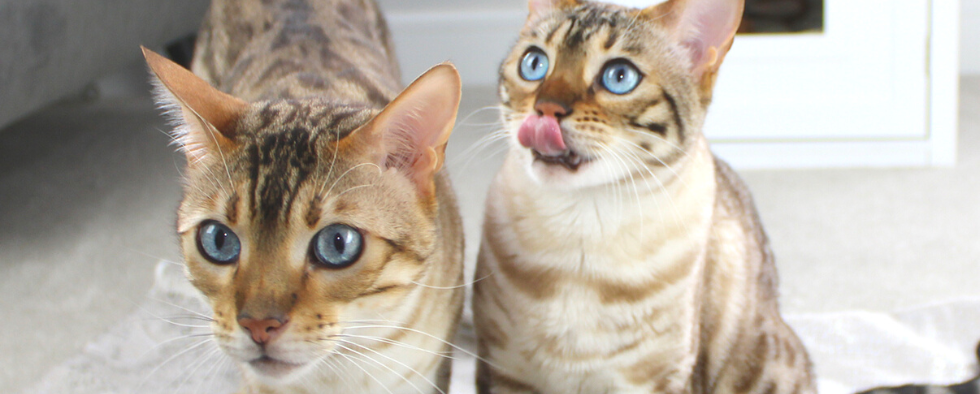
Wild Cat - The Bengal’s bloodline comes from the Asian leopard cat mixed with the domestic cat. They have inherited many of their wild ancestors traits, making them a truly unique pet to own. Depending on their generation (F1 are most closely related to their Asian Leopard heritage, with F2 being a generation down and F3 one down further) Bengals will show a certain amount of adventurousness - the closer to an F1 they are, the more boisterous they might be!
Chatty Cats - Bengals are renowned for being vocal. One of the breeds involved in the initial breeding of the Bengal was the Siamese which are known for their chatty nature. Bengals often like to “talk” to their owners… and aren’t too keen on being ignored!
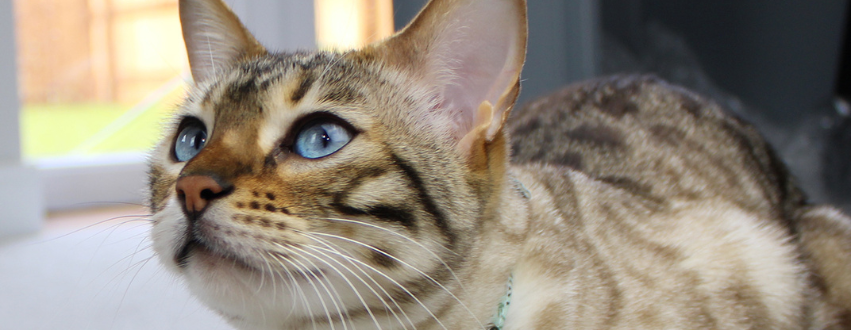
Hunters - All cats have a natural hunting instinct, but it is particularly strong in the Bengal breed. They are among the most active and successful hunters of all domestic cat breeds. If your Bengal is going to be an indoor cat , which many are, you might want to provide plenty of interaction for them.
Bengal Cat Shopping List:
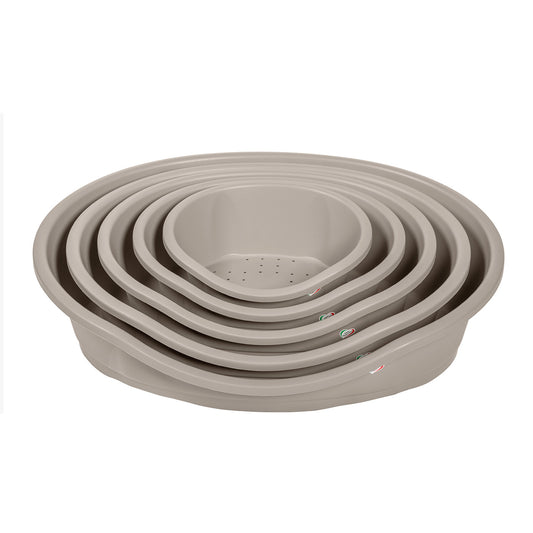
Cat Bed
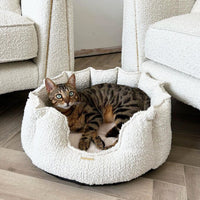
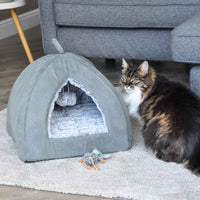
Offering your cat their own space for nap time is a good idea - they may well find a spot on the windowsill or back of an armchair that they like too, but giving them a cat bed of their own offers them a place to retreat to if they want their space. Every cat is different, some more social than others; some cats will choose to sit on or next to you, others will slink off somewhere quiet. A hooded cat bed is a nice option as it offers the privacy that many cats crave.
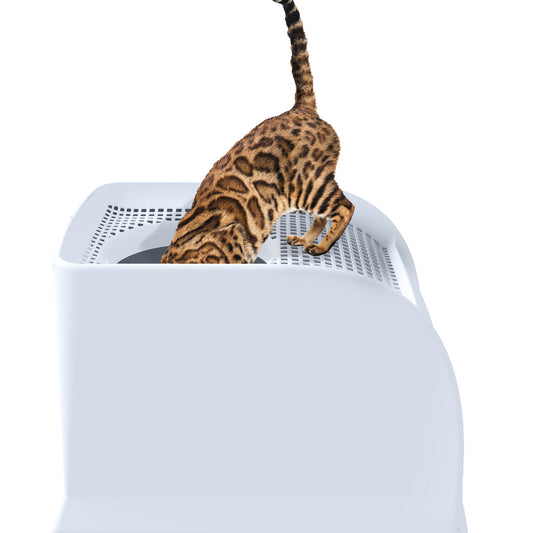
Cat Litter Tray & Accessories
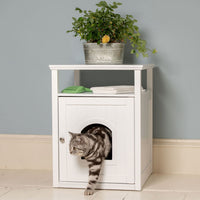
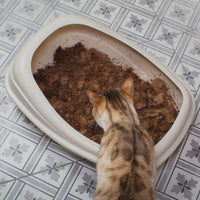
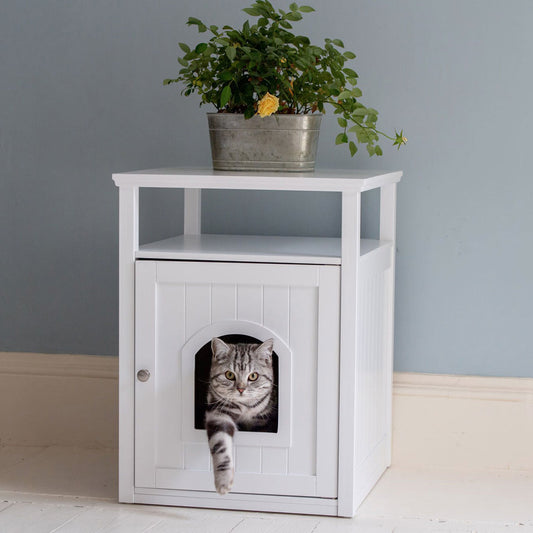
A must for all cats, especially indoor cats, a good quality litter tray and litter is essential. We like the hooded trays as cats tend to like their privacy. We also recommend a clumping litter which allows you to scoop out the waste without fully emptying the tray. It can cost more upfront, but a bag will last much longer, therefore saving in the long-run.
Scratch Tree - A tall, tall scratch tree!
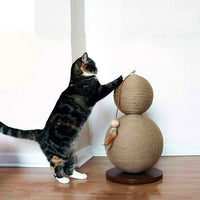
As we’ve mentioned, Bengals are an active, energetic breed and they’ll need plenty of places to climb and exercise, especially as they are more likely to be kept indoors. A tall scratch tree with plenty of platforms is a really good idea as well as some wall mounted platforms. If you have room for something like this in various rooms around the house it will help ensure your cat has plenty of chance for exercise and keep boredom levels low. They may even make one of the platforms their bed, as cats enjoy being high up.
Food and Water Bowls
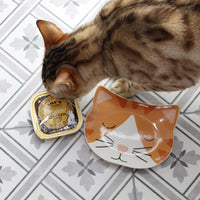
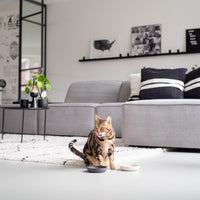
You will need cat bowls or saucers for their food and water. If you can, offer both dry and wet food as well as water. We’d suggest keeping dry food available all day for them to graze on and then give them a wet food meal once or twice a day. Always make sure they have access to water too, whether that’s a cat drinking fountain or a normal bowl.
Lots of Cat Toys!!
Keeping your Bengal entertained will be a full time job! Ensure they have plenty of toys of various types to keep them occupied. Something to hunt and chase as well as something more interactive will ensure they don’t get bored and keep them mentally stimulated.
The Catit Senses 2.0 range of toys is ideal for active indoor cats as the various pieces available can be slotted together in different layouts to create an interactive cat activity centre. There are a number of different sets - you could buy one or two for when they’re a kitten and then keep adding more as they grow older. Change the layouts regularly to keep your cat coming back for more!
Cat Carrier
You’ll need a carrier to transport your cat home and also for vet visits and any other time they may need to travel. If you’ll only need it for short journeys then a fabric carrier may be sufficient. If you are likely to go on longer car journeys then a hard bodied carrier which are car, train and airline approved will be a better option. Safety is paramount and investing in a carrier with more features is highly recommended.
Pet Calming Products
These aren’t necessarily an essential, but some kind of calming product might just help your new arrival settle in more quickly. All pets can suffer from nerves in various situations - moving house, noisy situations such as bonfire night or halloween etc. Pet Remedy have this sorted with their all natural range of calming sprays, plug-in diffusers and wipes.
Cat Harness & Lead
Again, this isn’t necessarily an essential, but many people do choose to train their indoor cat on a harness and lead. If you introduce the harness to them whilst they’re a kitten, they should take to it quite quickly. It’s a nice idea to get indoor cats outside for a bit of exercise in a controlled way without the risk of them running off. A little venture out is sure to appeal to your Bengal’s adventuress nature!
Do make sure they have all their inoculations before you take them out though and ensure they have been treated for fleas.
Cat Grooming Products
Bengals are a short haired breed and so only minimal grooming will be necessary. They have a shallow, low-lying coat which tends to shed very little. They are likely to be able to take care of their own grooming, but a light brush once or twice a week will offer valuable bonding time for you and your pet and also help reduce shedding.
We hope you find our Bengal Shopping List helpful. This isn't a definitive list, but rather a collection of the things we think will most suit this breed in particular. Do have a good browse of the other cat accessories in our online shop. We have a plethora of lovely things that will appeal to cats of all breeds.
If you have any questions about any of the items suggested do get in touch. We're here to help in any way we can!
So you’ve made the decision to get a Bengal kitten? First of all, congratulations! Bengals are a beautiful, intelligent breed and your new feline friend is sure to bring you much joy. Now you’ve made the decision to get a Bengal cat, you might be wondering what you’re going to need for them. Here we take a closer look at the breed and discuss what items you'll need for them.
The Bengal Breed
Wild Cat - The Bengal’s bloodline comes from the Asian leopard cat mixed with the domestic cat. They have inherited many of their wild ancestors traits, making them a truly unique pet to own. Depending on their generation (F1 are most closely related to their Asian Leopard heritage, with F2 being a generation down and F3 one down further) Bengals will show a certain amount of adventurousness - the closer to an F1 they are, the more boisterous they might be!
Chatty Cats - Bengals are renowned for being vocal. One of the breeds involved in the initial breeding of the Bengal was the Siamese which are known for their chatty nature. Bengals often like to “talk” to their owners… and aren’t too keen on being ignored!
Hunters - All cats have a natural hunting instinct, but it is particularly strong in the Bengal breed. They are among the most active and successful hunters of all domestic cat breeds. If your Bengal is going to be an indoor cat , which many are, you might want to provide plenty of interaction for them.
Offering your cat their own space for nap time is a good idea - they may well find a spot on the windowsill or back of an armchair that they like too, but giving them a cat bed of their own offers them a place to retreat to if they want their space. Every cat is different, some more social than others; some cats will choose to sit on or next to you, others will slink off somewhere quiet. A hooded cat bed is a nice option as it offers the privacy that many cats crave.
A must for all cats, especially indoor cats, a good quality litter tray and litter is essential. We like the hooded trays as cats tend to like their privacy. We also recommend a clumping litter which allows you to scoop out the waste without fully emptying the tray. It can cost more upfront, but a bag will last much longer, therefore saving in the long-run.
As we’ve mentioned, Bengals are an active, energetic breed and they’ll need plenty of places to climb and exercise, especially as they are more likely to be kept indoors. A tall scratch tree with plenty of platforms is a really good idea as well as some wall mounted platforms. If you have room for something like this in various rooms around the house it will help ensure your cat has plenty of chance for exercise and keep boredom levels low. They may even make one of the platforms their bed, as cats enjoy being high up.
You will need cat bowls or saucers for their food and water. If you can, offer both dry and wet food as well as water. We’d suggest keeping dry food available all day for them to graze on and then give them a wet food meal once or twice a day. Always make sure they have access to water too, whether that’s a cat drinking fountain or a normal bowl.
Keeping your Bengal entertained will be a full time job! Ensure they have plenty of toys of various types to keep them occupied. Something to hunt and chase as well as something more interactive will ensure they don’t get bored and keep them mentally stimulated.
The Catit Senses 2.0 range of toys is ideal for active indoor cats as the various pieces available can be slotted together in different layouts to create an interactive cat activity centre. There are a number of different sets - you could buy one or two for when they’re a kitten and then keep adding more as they grow older. Change the layouts regularly to keep your cat coming back for more!
You’ll need a carrier to transport your cat home and also for vet visits and any other time they may need to travel. If you’ll only need it for short journeys then a fabric carrier may be sufficient. If you are likely to go on longer car journeys then a hard bodied carrier which are car, train and airline approved will be a better option. Safety is paramount and investing in a carrier with more features is highly recommended.
These aren’t necessarily an essential, but some kind of calming product might just help your new arrival settle in more quickly. All pets can suffer from nerves in various situations - moving house, noisy situations such as bonfire night or halloween etc. Pet Remedy have this sorted with their all natural range of calming sprays, plug-in diffusers and wipes.
Cat Harness & Lead
Again, this isn’t necessarily an essential, but many people do choose to train their indoor cat on a harness and lead. If you introduce the harness to them whilst they’re a kitten, they should take to it quite quickly. It’s a nice idea to get indoor cats outside for a bit of exercise in a controlled way without the risk of them running off. A little venture out is sure to appeal to your Bengal’s adventuress nature!
Do make sure they have all their inoculations before you take them out though and ensure they have been treated for fleas.
Cat Grooming Products
Bengals are a short haired breed and so only minimal grooming will be necessary. They have a shallow, low-lying coat which tends to shed very little. They are likely to be able to take care of their own grooming, but a light brush once or twice a week will offer valuable bonding time for you and your pet and also help reduce shedding.
We hope you find our Bengal Shopping List helpful. This isn't a definitive list, but rather a collection of the things we think will most suit this breed in particular. Do have a good browse of the other cat accessories in our online shop. We have a plethora of lovely things that will appeal to cats of all breeds.
If you have any questions about any of the items suggested do get in touch. We're here to help in any way we can!
SIGN UP FOR USEFUL TIPS & GUIDES STRAIGHT TO YOUR INBOX
Picture Perfect Pets - Christmas Dressing Up Outfits & Accessories for Dogs
Related Articles
16.09.26September 16, 2026Cat Breed Guide
Welcoming A Russian Blue Kitten Into Your Home
Bringing home a Russian Blue kitten is one of those experiences that quickly turns first-time owners into lifelong devotees of the breed. This Russian Blue kitten guide covers everything you need to feel genuinely prepared, from understanding their quietly loyal personality and surprisingly easy-care coat, to setting up your home in a way that helps them settle in with confidence. Whether you’re still in the planning stages or your kitten is arriving this week, you’ll find practical, honest advice here for making those first weeks feel calm and enjoyable for both of you.
Russian Blue kittens: what to expect from the breed
Those striking green eyes and that dense, silvery-blue coat have a way of stopping people in their tracks. And once you’ve actually spent time with a Russian Blue kitten? It’s easy to see why so many owners become completely devoted to the breed.
Russian Blue cats are usually quiet and gentle, with a plush, single-colored coat, as noted by animal researchers at the University of Kansas, and that calm, settled energy is a big part of their appeal. These aren’t typically the kittens doing laps around the living room at midnight (though every kitten has their moments). Russian Blues tend to be thoughtful and observant — the type to follow you quietly from room to room and settle nearby, content just to be close without constantly demanding your attention.
That coat really is something special. The dense, plush double layer carries a soft silvery sheen that catches the light in a way that’s genuinely hard to describe until you see it. It’s beautiful, but it’s also surprisingly practical — lower maintenance than you might expect, especially compared to longer-haired breeds. A win for busy households.
Personality-wise, Russian Blues are loyal and deeply people-focused, but often on their own terms. They can be a little reserved with new faces at first, taking their time to warm up rather than launching themselves at every visitor who walks through the door. With their own family, though, they’re warm, attentive, and often playful well into adulthood — not the aloof cats they’re sometimes made out to be.
Every kitten is their own individual, of course. Breed traits give you a useful starting point, but your Russian Blue will have their own quirks, preferences, and ways of showing affection. If you’d like to see how they compare to other breeds before diving deeper into this Russian Blue kitten guide, our cat breeds and their characteristics guide is a great place to start.
Temperament and personality: are Russian Blue kittens a good fit for your home?
Russian Blue kittens have a personality that feels almost tailor-made for people who want a genuinely close bond with their cat. They’re affectionate and loyal, but they take their time warming up — and understanding that balance before you bring one home makes all the difference.
Deeply bonded with their people: Russian Blues tend to attach closely to one or two family members, often quietly following them from room to room without making any drama about it.
Sensitive to routine: They notice shifts in their environment and feel most settled when daily life is predictable — consistent mealtimes and a calm household rhythm go a long way.
Playful, but not relentless: They love a good play session without ever becoming exhausting about it. Interactive toys and puzzle feeders are a particular hit with this breed.
Quietly vocal: They’ll let you know how they’re feeling, just not at volume. Expect soft chirps and gentle meows rather than a running commentary.
Reserved around strangers: A new face in the house may send your Russian Blue kitten into retreat mode. It’s not unfriendliness — it’s simply how they’re wired.
Curious and switched-on: They pay close attention to everything going on around them, and often seem happiest observing before they decide to join in.
Around children, Russian Blue kittens can thrive when kids are gentle and know to give them space. They’re not fans of rough or unpredictable handling, so a bit of guidance for younger family members goes a long way. With other pets, slow and steady introductions tend to lead to calm coexistence — rushing it rarely helps. As for guests, they may simply not see much of the cat at first, which is completely normal for the breed.
If your home is calm, consistent, and attentive, a Russian Blue kitten is likely to flourish there. They’re not the best fit for noisy or frequently changing environments, but in the right setting, their loyalty and quiet affection make them a truly wonderful companion.
Shedding, grooming, and keeping that plush coat in good shape
One of the loveliest things about welcoming a Russian Blue is that their gorgeous coat is far easier to look after than it looks. This breed is genuinely low-maintenance when it comes to grooming, and that dense double coat actually sheds less than many others you might be comparing them to. It is one of those nice surprises that comes with the breed.
Here is what a simple, consistent grooming routine looks like in practice:
Brush once or twice a week using a soft slicker brush or grooming mitt. A quick five-minute session is usually all it takes to keep things tidy.
Expect a little more shedding in spring and autumn as their coat transitions between seasons. Brushing slightly more often during these periods is the easiest way to keep loose fur off your sofa.
Use a grooming mitt for bonding sessions. Many Russian Blues genuinely enjoy the attention, so what starts as maintenance quickly becomes a quiet ritual you both look forward to.
Skip frequent baths. Their coat is naturally water-resistant and largely self-maintaining, so over-bathing can do more harm than good to that signature silvery sheen.
Quick fact: The Russian Blue’s double coat rarely mats and never needs trimming. It is genuinely one of the easier coats to maintain among pedigree cat breeds.
With Russian Blue kitten care, grooming is less about effort and more about showing up consistently. A short weekly brush, a gentle mitt, and a calm few minutes together goes a long way towards keeping their coat in great condition and strengthening your bond at the same time. If you want to build a proper routine from day one, our full guide to grooming a cat at home covers everything you need.
Creating a calm, kitten-friendly space before they come home
Getting your home ready before your Russian Blue kitten arrives makes a genuine difference to how quickly they find their feet. Russian Blues are naturally cautious — they take in their surroundings carefully before deciding they feel safe. A calm, well-organised space from day one gives them the foundation to settle in without feeling overwhelmed.
Here’s what to have ready before they come home:
A quiet base room. Start with one room rather than the whole house. A spare bedroom or quieter living space works ideal, giving your kitten somewhere calm to decompress without too much noise or movement around them.
A litter tray in a private spot. Tuck it somewhere accessible but away from busy areas. Russian Blues are clean, dignified cats and they appreciate a little privacy when they need it.
A scratching post or pad. Kittens need to scratch, so giving them the right outlet early protects your furniture and helps them feel at home. A sturdy upright post or a flat sisal pad both work brilliantly.
Safe hiding spots. A covered bed, a cardboard box on its side, or a cosy igloo-style hideaway gives your kitten somewhere to retreat when the world feels like a lot. Leave it exactly where it is, even if they spend the first day tucked inside it.
A comfortable resting spot away from foot traffic. Somewhere slightly elevated and out of the way helps a cautious kitten feel secure while they quietly take everything in.
Food and water well away from the litter tray. Cats instinctively avoid eating near where they toilet, so keep these on opposite sides of the room.
Once everything is in place, the most important thing you can do is step back and let your kitten lead. Resist the urge to introduce other rooms or family members too quickly. Our guide on how to settle a new kitten walks you through those first few days in more detail — well worth a read before they arrive.
Your essential Russian Blue kitten kit: the basics you’ll actually use
Getting your home ready for a Russian Blue kitten doesn’t need to mean a frantic trolley dash through a pet shop. Good Russian Blue kitten care really comes down to a handful of well-chosen basics that make those first few weeks feel settled and safe for both of you.
Food and water bowls: Go for shallow, wide bowls that suit a kitten’s small muzzle. Russian Blues can be particular about their routines, so calm, consistent mealtimes start with the right setup.
Litter tray and litter: A low-sided tray is easiest for young kittens to climb in and out of. Keep it tucked in a quiet corner, well away from their feeding area — this breed genuinely values a bit of privacy.
Kitten-safe toys: Russian Blues are quietly curious rather than boisterous. A few lightweight balls and a wand toy give them something to bat and investigate at their own pace, which suits their personality perfectly.
Scratching post: They’re naturally active and need somewhere to direct that energy. A sturdy sisal post they can really dig into is one of those purchases your sofa will thank you for.
A cosy bed: Look for something with raised sides or a hood. Russian Blues tend to gravitate toward enclosed spaces, especially when everything around them is still new and unfamiliar.
A carrier: Leave it out before their first vet visit with a soft blanket tucked inside. It sounds small, but making it feel like a safe space rather than a sudden stress really does help.
A comfort item: A small piece of fabric carrying a familiar scent from their breeder or littermates can ease the transition more than you’d expect.
Tip: Scent plays a surprisingly big role in helping Russian Blues settle. Tucking a worn piece of your clothing into their bed from the very first night is a simple thing that can genuinely make a difference.
Once these essentials are in place, bringing home a new kitten feels far less daunting. If you’d like a convenient starting point, the Lords & Labradors new kitten essentials collection brings many of these basics together in one place, so you can spend less time shopping and more time actually enjoying welcoming them home.
Settling in, routine, and those first few weeks together
Those first few days at home set the tone for everything, so it’s worth going in with a gentle plan rather than just hoping things fall into place.
When your Russian Blue kitten first arrives, resist the urge to show them the whole house straight away. Start them in one quiet room with their bed, litter tray, food, and water close by, and let them explore at their own pace. Russian Blues are naturally cautious, and a smaller, familiar space helps them settle without feeling overwhelmed. Don’t be surprised if they spend the first day tucked under a chair or watching you from a safe distance. That’s completely normal. Give them that space without making a fuss of it.
From day two or three, you can begin opening up the rest of the home gradually, one room at a time. Keep noise low, stick to a consistent feeding schedule, and try to be around as much as you can in those early days. Routine genuinely helps Russian Blues relax. Meals at the same time each day, a play session in the evening, quiet time in between. They pick up on your rhythms quickly and start to build confidence from them.
Play is one of the best trust-building tools you have, especially early on. Short, gentle sessions with a wand toy or feather teaser get them moving, bring them out of their shell, and help them start associating you with good things. Don’t push it if they’re not feeling it yet. A few minutes of play that ends on their terms is always better than a longer session that tips into stress.
For a more detailed look at those early days, our guide to the first five days of owning a kitten is a brilliant companion read to this Russian Blue kitten guide.
By the end of the first few weeks, most Russian Blues start to come out of their shell in the loveliest way. A little patience now goes a long way toward raising a confident, affectionate cat who truly thrives at home with you.
Frequently Asked Questions
What are the downsides of Russian Blue cats?
Russian Blue cats can be reserved with strangers, sensitive to noise and change, and slower to settle in busy homes. They often prefer calm routines, gentle handling, and gradual introductions, so they are not always the easiest fit for loud, unpredictable households or families who expect an instantly outgoing kitten.
Do Russian Blue cats pick one person?
Yes, Russian Blues often bond most closely with one or two people in the home. They are typically loyal and people-focused, quietly following their favourite person from room to room, while still being affectionate with the rest of the family once they feel settled and secure.



















































































![[color:cappuccino]](http://www.lordsandlabradors.co.uk/cdn/shop/products/Lucky-Rebels-Parklane-175cm-3.jpg?v=1673609715&width=533)