






















Ragdoll vs Maine Coon: Comparing The Two Gentle Giants
25.09.26 September 25, 2026 Cat Breed Guide

Ragdoll vs Maine Coon: Comparing The Two Gentle Giants

Both the Ragdoll and the Maine Coon are the kind of cats that genuinely change how people feel about having a cat in the house, and if you’re weighing up ragdoll vs maine coon, the good news is that you’re already choosing well. This guide walks you through the real differences across size, personality, grooming, and ongoing costs so the decision feels grounded in your actual life rather than just a gut feeling. By the end, you’ll have a much clearer sense of which gentle giant is the right fit for your home. Ragdoll vs Maine Coon: which gentle giant suits your home? Both the Ragdoll and the Maine Coon have a way of stopping people in their tracks. Maybe you spotted one draped across a friend’s sofa, or found yourself three videos deep into fluffy cat content at midnight. Either way, you’re here because you’re seriously considering bringing one of these cats home, and you want to get the choice right. And it is a real choice. In the Ragdoll vs Maine Coon conversation, there’s no wrong answer — but there is a better fit depending on your home, your routine, and what you actually want from a cat. Both breeds are gentle, sociable, and surprisingly dog-like in the way they attach to their families. That’s a big part of why they’re so popular. But they have genuinely different personalities, and those differences show up in everyday life more than you might expect. A Ragdoll tends to be calm and deeply affectionate — the kind of cat who’ll follow you from room to room and settle contentedly beside you for the evening. A Maine Coon is more of an active presence, curious and playful, the sort of cat who wants to know what you’re doing in the kitchen and will probably try to help. Same size, very different energy. This guide covers the key differences across size and build, personality, grooming, and ongoing costs, so you can make a decision that feels considered rather than just hopeful. If you’re still exploring your options more broadly, our guide to cat breeds and their characteristics is a good place to start. Size and build: how big do Ragdolls and Maine Coons really get? Both Ragdolls and Maine Coons earn their “gentle giant” reputation, but in a ragdoll vs maine coon comparison, their size shows up in slightly different ways. Neither is a small cat. Ragdolls usually look softer and broader, while Maine Coons tend to have more length, muscle, and that extra-big presence many people notice straight away. Males in both breeds are often larger than females, too. Attribute Ragdoll Maine Coon Average weight range 4–9 kg 4–10 kg Body shape Broad, blocky, and soft-bodied Long, muscular, and rectangular Coat length and texture Long, silky, and semi-plush Long, dense, and shaggy with a layered undercoat Typical size category Large Large to extra-large What their size means in real pet-parent life: Beds and sleeping spots: Both breeds need genuinely roomy beds. Standard cat beds often look tiny surprisingly quickly, especially once your kitten stretches out properly. Lap comfort: Ragdolls tend to flop into you and relax, which often makes them feel more like a classic lap cat. Maine Coons can absolutely be affectionate too, but their heavier, sturdier build can feel like a lot of cat after ten minutes. Carrying them around: With either breed, you may feel as if you are picking up a small dog. Maine Coons often feel especially solid because of their muscle. Space at home: Both like room to stretch, climb, and settle comfortably. A sturdy cat tree and larger hideaways make everyday life much easier. When comparing Ragdoll cat vs Maine Coon, it often comes down to whether you prefer soft and floppy or long and athletic. If a Maine Coon is on your shortlist, our guide to everything you need for your new Maine Coon kitten is a helpful next read. Personality and play style: cuddly shadow or playful adventurer? When it comes to ragdoll vs maine coon, personality is often the deciding factor — and the difference between these two breeds is genuinely striking. One wants to follow you from room to room, perfectly happy just being near you. The other wants to explore every corner of your home and ideally bring you along for the ride. Trait Ragdoll Maine Coon Affection level Deeply devoted, loves lap time Affectionate but on their own terms Energy and play style Calm, gentle, relaxed play Active, curious, playful well into adulthood Vocal habits Quiet, soft-voiced Chatty, chirpy, loves a conversation Independence Low, prefers company Moderate, happy to entertain themselves Ragdoll cat breed traits are built around companionship. Pick one up and they go almost limp in your arms — that famous, floppy relaxation is completely real. They will follow you to the sofa, settle nearby while you work, and seem genuinely content just knowing you are in the room. They are patient, gentle, and wonderfully easy to be around. If you want to deepen that closeness, understanding how your cat communicates can make a real difference — our guide to cat body language is well worth a read. Maine Coon cat breed traits are a different kind of wonderful. These cats have real personality — bold, curious, and endlessly entertaining. Expect chirping at birds through the window, thorough investigation of every delivery box, and a running commentary on whatever you happen to be doing. They are affectionate, but sociable rather than clingy, and they will absolutely choose when cuddles happen. Both breeds are loving in their own way. It really comes down to whether you want a calm, devoted companion or a cat with a big personality and the energy to match. Grooming and coat care: which breed is easier to keep on top of? Both breeds have genuinely beautiful coats, but grooming is one area where the ragdoll vs maine coon comparison gets practical fast. Neither cat is truly low-maintenance, but how much time you’ll spend with a brush in hand does depend on coat texture, density, and how easily each cat’s fur tangles. Grooming Factor Ragdoll Maine Coon Coat type Semi-long, silky, and relatively flat Thick, shaggy, and layered with a water-resistant undercoat Shedding level Moderate Moderate to high Tangle and mat risk Lower, due to minimal undercoat Higher, especially around the ruff, belly, and legs Brushing frequency 2–3 times per week 3–4 times per week, daily during shedding season Bathing needs Occasionally, a few times a year Occasionally, though the dense coat takes longer to dry Ragdolls have a silkier, flatter coat with very little undercoat, which means knots are less likely to sneak up on you. Maine Coons, by contrast, carry a much denser, layered coat built for harsher weather — gorgeous, but more demanding. Their ruff, belly fur, and leg feathering are particular spots to keep an eye on, especially in spring when shedding picks up. For both breeds, starting a brushing routine early is one of the best things you can do. A cat who grows up enjoying it will make your life considerably easier. A wide-toothed comb or quality slicker brush works well for longer fur without pulling or causing discomfort. If you’re not sure where to begin, our guide on how to groom a cat walks you through the whole process. On balance, Ragdolls are the slightly easier option when it comes to coat care. But a Maine Coon who genuinely enjoys being brushed? Honestly, just as manageable. Cost, food, and ongoing care: what does each breed cost to keep? Both the Ragdoll and the Maine Coon sit in a similar bracket when it comes to overall cost, but a few key differences are worth knowing before you commit. Getting a clear picture of the numbers upfront means fewer surprises down the line and a lot more confidence in the choice you’re making. Cost Category Ragdoll Maine Coon Purchase price (kitten) £800–£1,500 £800–£1,500 Monthly food £30–£50 £40–£60 Grooming tools £20–£40 one-off £20–£40 one-off Cat bed / furniture £40–£150 £50–£180 Litter (monthly) £15–£25 £15–£30 Routine vet care (annual) £150–£300 £150–£300 Where Maine Coons do nudge ahead on running costs is food. They’re bigger cats with bigger appetites, and you’ll likely find yourself going through more each month than you would with a Ragdoll. Both breeds benefit from a high-quality diet that supports their size and coat condition, so it’s worth finding something you’re happy feeding long-term. The cat food range at Lords and Labradors is a good place to start, whatever breed you’re bringing home. A few things worth keeping in mind as you weigh up the numbers: Both breeds need regular grooming, but Maine Coons often need extra attention during seasonal moults Screening for HCM, a heart condition seen in both breeds, is worth budgeting for, particularly in the early years Quality food pays off over time, supporting coat health, energy levels, and longevity in large-breed cats Bigger cats tend to need sturdier beds and taller scratching posts, so factor that into your initial setup costs Whichever breed you choose, you’re looking at a real long-term commitment. For the right owner, that’s not a concern. It’s the whole point. Which breed should you choose? A simple way to decide Both breeds are genuinely wonderful, so this really comes down to you and how you live day to day. Choose a Ragdoll if you want a cat who follows you from room to room, loves a lap, and stays calm even in a busy household. They suit people who are home a fair bit and want steady, devoted companionship. If you have young children, or you simply want a cat who’s more likely to flop into your arms than dart behind the sofa, a Ragdoll is often the easier fit. Choose a Maine Coon if you want a bit more personality and playfulness in the mix. They’re sociable and affectionate, but also curious and active in a way that keeps things lively. If you have space to play, enjoy interactive toys and games, or want a cat who’ll entertain the whole household, a Maine Coon tends to thrive in that kind of environment. Think of them as the cat who makes guests say, “Wow, I didn’t know I was a cat person.” When it comes to Ragdoll vs Maine Coon, neither is the wrong answer. Both are gentle, people-oriented cats who form real bonds with their families. The question is whether you want a calm, devoted snuggler or a big, charismatic companion who brings a little more energy to the day. Honestly? Either way, you’re choosing a cat who will genuinely enrich your home. Frequently Asked Questions Which is more expensive, Ragdoll or Maine Coon? Maine Coons are usually a little more expensive to keep overall. Kitten prices are similar for both breeds, but Maine Coons typically cost more each month for food, may need slightly larger beds and furniture, and often need more grooming attention during heavier shedding periods. Are Maine Coons or Ragdolls more cuddly? Ragdolls are generally the more cuddly of the two. They tend to be deeply devoted, love lap time, and often follow their people from room to room, while Maine Coons are affectionate too but usually a bit more independent and more likely to choose cuddles on their own terms. Is a Maine Coon bigger than a Ragdoll? A Maine Coon is often slightly bigger, especially in length and muscle. Both breeds are large cats, but Maine Coons tend to have a longer, more athletic build and can reach a higher top weight, while Ragdolls usually look broader, softer, and more floppy.

By Adele Busby

Read more

Both the Ragdoll and the Maine Coon are the kind of cats that genuinely change how people feel about having a cat in the house, and if you’re weighing up ragdoll vs maine coon, the good news is that you’re already choosing well. This guide walks you through the real differences across size, personality, grooming, and ongoing costs so the decision feels grounded in your actual life rather than just a gut feeling. By the end, you’ll have a much clearer sense of which gentle giant is the right fit for your home.

Ragdoll vs Maine Coon: which gentle giant suits your home?

Both the Ragdoll and the Maine Coon have a way of stopping people in their tracks. Maybe you spotted one draped across a friend’s sofa, or found yourself three videos deep into fluffy cat content at midnight. Either way, you’re here because you’re seriously considering bringing one of these cats home, and you want to get the choice right.

And it is a real choice. In the Ragdoll vs Maine Coon conversation, there’s no wrong answer — but there is a better fit depending on your home, your routine, and what you actually want from a cat. Both breeds are gentle, sociable, and surprisingly dog-like in the way they attach to their families. That’s a big part of why they’re so popular. But they have genuinely different personalities, and those differences show up in everyday life more than you might expect.

A Ragdoll tends to be calm and deeply affectionate — the kind of cat who’ll follow you from room to room and settle contentedly beside you for the evening. A Maine Coon is more of an active presence, curious and playful, the sort of cat who wants to know what you’re doing in the kitchen and will probably try to help. Same size, very different energy.

This guide covers the key differences across size and build, personality, grooming, and ongoing costs, so you can make a decision that feels considered rather than just hopeful. If you’re still exploring your options more broadly, our guide to cat breeds and their characteristics is a good place to start.

Size and build: how big do Ragdolls and Maine Coons really get?

Both Ragdolls and Maine Coons earn their “gentle giant” reputation, but in a ragdoll vs maine coon comparison, their size shows up in slightly different ways. Neither is a small cat. Ragdolls usually look softer and broader, while Maine Coons tend to have more length, muscle, and that extra-big presence many people notice straight away. Males in both breeds are often larger than females, too.

Attribute Ragdoll Maine Coon
Average weight range 4–9 kg 4–10 kg
Body shape Broad, blocky, and soft-bodied Long, muscular, and rectangular
Coat length and texture Long, silky, and semi-plush Long, dense, and shaggy with a layered undercoat
Typical size category Large Large to extra-large

What their size means in real pet-parent life:

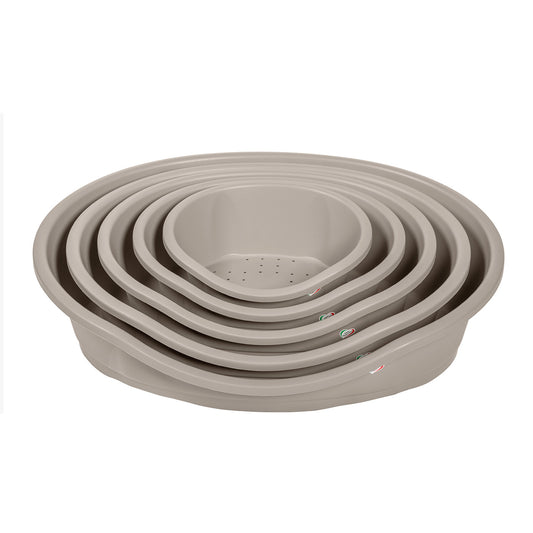
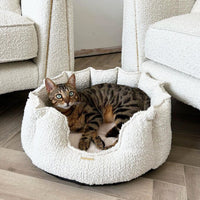
  • Beds and sleeping spots: Both breeds need genuinely roomy beds. Standard cat beds often look tiny surprisingly quickly, especially once your kitten stretches out properly.
  • Lap comfort: Ragdolls tend to flop into you and relax, which often makes them feel more like a classic lap cat. Maine Coons can absolutely be affectionate too, but their heavier, sturdier build can feel like a lot of cat after ten minutes.
  • Carrying them around: With either breed, you may feel as if you are picking up a small dog. Maine Coons often feel especially solid because of their muscle.
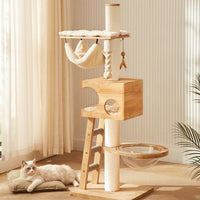
  • Space at home: Both like room to stretch, climb, and settle comfortably. A sturdy cat tree and larger hideaways make everyday life much easier.

When comparing Ragdoll cat vs Maine Coon, it often comes down to whether you prefer soft and floppy or long and athletic. If a Maine Coon is on your shortlist, our guide to everything you need for your new Maine Coon kitten is a helpful next read.

Personality and play style: cuddly shadow or playful adventurer?

When it comes to ragdoll vs maine coon, personality is often the deciding factor — and the difference between these two breeds is genuinely striking. One wants to follow you from room to room, perfectly happy just being near you. The other wants to explore every corner of your home and ideally bring you along for the ride.

Trait Ragdoll Maine Coon
Affection level Deeply devoted, loves lap time Affectionate but on their own terms
Energy and play style Calm, gentle, relaxed play Active, curious, playful well into adulthood
Vocal habits Quiet, soft-voiced Chatty, chirpy, loves a conversation
Independence Low, prefers company Moderate, happy to entertain themselves

Ragdoll cat breed traits are built around companionship. Pick one up and they go almost limp in your arms — that famous, floppy relaxation is completely real. They will follow you to the sofa, settle nearby while you work, and seem genuinely content just knowing you are in the room. They are patient, gentle, and wonderfully easy to be around. If you want to deepen that closeness, understanding how your cat communicates can make a real difference — our guide to cat body language is well worth a read.

Maine Coon cat breed traits are a different kind of wonderful. These cats have real personality — bold, curious, and endlessly entertaining. Expect chirping at birds through the window, thorough investigation of every delivery box, and a running commentary on whatever you happen to be doing. They are affectionate, but sociable rather than clingy, and they will absolutely choose when cuddles happen.

Both breeds are loving in their own way. It really comes down to whether you want a calm, devoted companion or a cat with a big personality and the energy to match.

Grooming and coat care: which breed is easier to keep on top of?

Both breeds have genuinely beautiful coats, but grooming is one area where the ragdoll vs maine coon comparison gets practical fast. Neither cat is truly low-maintenance, but how much time you’ll spend with a brush in hand does depend on coat texture, density, and how easily each cat’s fur tangles.

Grooming Factor Ragdoll Maine Coon
Coat type Semi-long, silky, and relatively flat Thick, shaggy, and layered with a water-resistant undercoat
Shedding level Moderate Moderate to high
Tangle and mat risk Lower, due to minimal undercoat Higher, especially around the ruff, belly, and legs
Brushing frequency 2–3 times per week 3–4 times per week, daily during shedding season
Bathing needs Occasionally, a few times a year Occasionally, though the dense coat takes longer to dry

Ragdolls have a silkier, flatter coat with very little undercoat, which means knots are less likely to sneak up on you. Maine Coons, by contrast, carry a much denser, layered coat built for harsher weather — gorgeous, but more demanding. Their ruff, belly fur, and leg feathering are particular spots to keep an eye on, especially in spring when shedding picks up.

For both breeds, starting a brushing routine early is one of the best things you can do. A cat who grows up enjoying it will make your life considerably easier. A wide-toothed comb or quality slicker brush works well for longer fur without pulling or causing discomfort. If you’re not sure where to begin, our guide on how to groom a cat walks you through the whole process.

On balance, Ragdolls are the slightly easier option when it comes to coat care. But a Maine Coon who genuinely enjoys being brushed? Honestly, just as manageable.

Cost, food, and ongoing care: what does each breed cost to keep?

Both the Ragdoll and the Maine Coon sit in a similar bracket when it comes to overall cost, but a few key differences are worth knowing before you commit. Getting a clear picture of the numbers upfront means fewer surprises down the line and a lot more confidence in the choice you’re making.

Cost Category Ragdoll Maine Coon
Purchase price (kitten) £800–£1,500 £800–£1,500
Monthly food £30–£50 £40–£60
Grooming tools £20–£40 one-off £20–£40 one-off
Cat bed / furniture £40–£150 £50–£180
Litter (monthly) £15–£25 £15–£30
Routine vet care (annual) £150–£300 £150–£300

Where Maine Coons do nudge ahead on running costs is food. They’re bigger cats with bigger appetites, and you’ll likely find yourself going through more each month than you would with a Ragdoll. Both breeds benefit from a high-quality diet that supports their size and coat condition, so it’s worth finding something you’re happy feeding long-term. The cat food range at Lords and Labradors is a good place to start, whatever breed you’re bringing home.

A few things worth keeping in mind as you weigh up the numbers:

  • Both breeds need regular grooming, but Maine Coons often need extra attention during seasonal moults
  • Screening for HCM, a heart condition seen in both breeds, is worth budgeting for, particularly in the early years
  • Quality food pays off over time, supporting coat health, energy levels, and longevity in large-breed cats
  • Bigger cats tend to need sturdier beds and taller scratching posts, so factor that into your initial setup costs

Whichever breed you choose, you’re looking at a real long-term commitment. For the right owner, that’s not a concern. It’s the whole point.

Which breed should you choose? A simple way to decide

Both breeds are genuinely wonderful, so this really comes down to you and how you live day to day.

Choose a Ragdoll if you want a cat who follows you from room to room, loves a lap, and stays calm even in a busy household. They suit people who are home a fair bit and want steady, devoted companionship. If you have young children, or you simply want a cat who’s more likely to flop into your arms than dart behind the sofa, a Ragdoll is often the easier fit.

Choose a Maine Coon if you want a bit more personality and playfulness in the mix. They’re sociable and affectionate, but also curious and active in a way that keeps things lively. If you have space to play, enjoy interactive toys and games, or want a cat who’ll entertain the whole household, a Maine Coon tends to thrive in that kind of environment. Think of them as the cat who makes guests say, “Wow, I didn’t know I was a cat person.”

When it comes to Ragdoll vs Maine Coon, neither is the wrong answer. Both are gentle, people-oriented cats who form real bonds with their families. The question is whether you want a calm, devoted snuggler or a big, charismatic companion who brings a little more energy to the day. Honestly? Either way, you’re choosing a cat who will genuinely enrich your home.

Frequently Asked Questions

Which is more expensive, Ragdoll or Maine Coon?

Maine Coons are usually a little more expensive to keep overall. Kitten prices are similar for both breeds, but Maine Coons typically cost more each month for food, may need slightly larger beds and furniture, and often need more grooming attention during heavier shedding periods.

Are Maine Coons or Ragdolls more cuddly?

Ragdolls are generally the more cuddly of the two. They tend to be deeply devoted, love lap time, and often follow their people from room to room, while Maine Coons are affectionate too but usually a bit more independent and more likely to choose cuddles on their own terms.

Is a Maine Coon bigger than a Ragdoll?

A Maine Coon is often slightly bigger, especially in length and muscle. Both breeds are large cats, but Maine Coons tend to have a longer, more athletic build and can reach a higher top weight, while Ragdolls usually look broader, softer, and more floppy.

Related Products

Related Collections

Related Articles

  • Welcoming A Russian Blue Kitten Into Your Home
    16.09.26 September 16, 2026 Cat Breed Guide

    Welcoming A Russian Blue Kitten Into Your Home

    Bringing home a Russian Blue kitten is one of those experiences that quickly turns first-time owners into lifelong devotees of the breed. This Russian Blue kitten guide covers everything you need to feel genuinely prepared, from understanding their quietly loyal personality and surprisingly easy-care coat, to setting up your home in a way that helps them settle in with confidence. Whether you’re still in the planning stages or your kitten is arriving this week, you’ll find practical, honest advice here for making those first weeks feel calm and enjoyable for both of you. Russian Blue kittens: what to expect from the breed Those striking green eyes and that dense, silvery-blue coat have a way of stopping people in their tracks. And once you’ve actually spent time with a Russian Blue kitten? It’s easy to see why so many owners become completely devoted to the breed. Russian Blue cats are usually quiet and gentle, with a plush, single-colored coat, as noted by animal researchers at the University of Kansas, and that calm, settled energy is a big part of their appeal. These aren’t typically the kittens doing laps around the living room at midnight (though every kitten has their moments). Russian Blues tend to be thoughtful and observant — the type to follow you quietly from room to room and settle nearby, content just to be close without constantly demanding your attention. That coat really is something special. The dense, plush double layer carries a soft silvery sheen that catches the light in a way that’s genuinely hard to describe until you see it. It’s beautiful, but it’s also surprisingly practical — lower maintenance than you might expect, especially compared to longer-haired breeds. A win for busy households. Personality-wise, Russian Blues are loyal and deeply people-focused, but often on their own terms. They can be a little reserved with new faces at first, taking their time to warm up rather than launching themselves at every visitor who walks through the door. With their own family, though, they’re warm, attentive, and often playful well into adulthood — not the aloof cats they’re sometimes made out to be. Every kitten is their own individual, of course. Breed traits give you a useful starting point, but your Russian Blue will have their own quirks, preferences, and ways of showing affection. If you’d like to see how they compare to other breeds before diving deeper into this Russian Blue kitten guide, our cat breeds and their characteristics guide is a great place to start. Temperament and personality: are Russian Blue kittens a good fit for your home? Russian Blue kittens have a personality that feels almost tailor-made for people who want a genuinely close bond with their cat. They’re affectionate and loyal, but they take their time warming up — and understanding that balance before you bring one home makes all the difference. Deeply bonded with their people: Russian Blues tend to attach closely to one or two family members, often quietly following them from room to room without making any drama about it. Sensitive to routine: They notice shifts in their environment and feel most settled when daily life is predictable — consistent mealtimes and a calm household rhythm go a long way. Playful, but not relentless: They love a good play session without ever becoming exhausting about it. Interactive toys and puzzle feeders are a particular hit with this breed. Quietly vocal: They’ll let you know how they’re feeling, just not at volume. Expect soft chirps and gentle meows rather than a running commentary. Reserved around strangers: A new face in the house may send your Russian Blue kitten into retreat mode. It’s not unfriendliness — it’s simply how they’re wired. Curious and switched-on: They pay close attention to everything going on around them, and often seem happiest observing before they decide to join in. Around children, Russian Blue kittens can thrive when kids are gentle and know to give them space. They’re not fans of rough or unpredictable handling, so a bit of guidance for younger family members goes a long way. With other pets, slow and steady introductions tend to lead to calm coexistence — rushing it rarely helps. As for guests, they may simply not see much of the cat at first, which is completely normal for the breed. If your home is calm, consistent, and attentive, a Russian Blue kitten is likely to flourish there. They’re not the best fit for noisy or frequently changing environments, but in the right setting, their loyalty and quiet affection make them a truly wonderful companion. Shedding, grooming, and keeping that plush coat in good shape One of the loveliest things about welcoming a Russian Blue is that their gorgeous coat is far easier to look after than it looks. This breed is genuinely low-maintenance when it comes to grooming, and that dense double coat actually sheds less than many others you might be comparing them to. It is one of those nice surprises that comes with the breed. Here is what a simple, consistent grooming routine looks like in practice: Brush once or twice a week using a soft slicker brush or grooming mitt. A quick five-minute session is usually all it takes to keep things tidy. Expect a little more shedding in spring and autumn as their coat transitions between seasons. Brushing slightly more often during these periods is the easiest way to keep loose fur off your sofa. Use a grooming mitt for bonding sessions. Many Russian Blues genuinely enjoy the attention, so what starts as maintenance quickly becomes a quiet ritual you both look forward to. Skip frequent baths. Their coat is naturally water-resistant and largely self-maintaining, so over-bathing can do more harm than good to that signature silvery sheen. Quick fact: The Russian Blue’s double coat rarely mats and never needs trimming. It is genuinely one of the easier coats to maintain among pedigree cat breeds. With Russian Blue kitten care, grooming is less about effort and more about showing up consistently. A short weekly brush, a gentle mitt, and a calm few minutes together goes a long way towards keeping their coat in great condition and strengthening your bond at the same time. If you want to build a proper routine from day one, our full guide to grooming a cat at home covers everything you need. Creating a calm, kitten-friendly space before they come home Getting your home ready before your Russian Blue kitten arrives makes a genuine difference to how quickly they find their feet. Russian Blues are naturally cautious — they take in their surroundings carefully before deciding they feel safe. A calm, well-organised space from day one gives them the foundation to settle in without feeling overwhelmed. Here’s what to have ready before they come home: A quiet base room. Start with one room rather than the whole house. A spare bedroom or quieter living space works ideal, giving your kitten somewhere calm to decompress without too much noise or movement around them. A litter tray in a private spot. Tuck it somewhere accessible but away from busy areas. Russian Blues are clean, dignified cats and they appreciate a little privacy when they need it. A scratching post or pad. Kittens need to scratch, so giving them the right outlet early protects your furniture and helps them feel at home. A sturdy upright post or a flat sisal pad both work brilliantly. Safe hiding spots. A covered bed, a cardboard box on its side, or a cosy igloo-style hideaway gives your kitten somewhere to retreat when the world feels like a lot. Leave it exactly where it is, even if they spend the first day tucked inside it. A comfortable resting spot away from foot traffic. Somewhere slightly elevated and out of the way helps a cautious kitten feel secure while they quietly take everything in. Food and water well away from the litter tray. Cats instinctively avoid eating near where they toilet, so keep these on opposite sides of the room. Once everything is in place, the most important thing you can do is step back and let your kitten lead. Resist the urge to introduce other rooms or family members too quickly. Our guide on how to settle a new kitten walks you through those first few days in more detail — well worth a read before they arrive. Your essential Russian Blue kitten kit: the basics you’ll actually use Getting your home ready for a Russian Blue kitten doesn’t need to mean a frantic trolley dash through a pet shop. Good Russian Blue kitten care really comes down to a handful of well-chosen basics that make those first few weeks feel settled and safe for both of you. Food and water bowls: Go for shallow, wide bowls that suit a kitten’s small muzzle. Russian Blues can be particular about their routines, so calm, consistent mealtimes start with the right setup. Litter tray and litter: A low-sided tray is easiest for young kittens to climb in and out of. Keep it tucked in a quiet corner, well away from their feeding area — this breed genuinely values a bit of privacy. Kitten-safe toys: Russian Blues are quietly curious rather than boisterous. A few lightweight balls and a wand toy give them something to bat and investigate at their own pace, which suits their personality perfectly. Scratching post: They’re naturally active and need somewhere to direct that energy. A sturdy sisal post they can really dig into is one of those purchases your sofa will thank you for. A cosy bed: Look for something with raised sides or a hood. Russian Blues tend to gravitate toward enclosed spaces, especially when everything around them is still new and unfamiliar. A carrier: Leave it out before their first vet visit with a soft blanket tucked inside. It sounds small, but making it feel like a safe space rather than a sudden stress really does help. A comfort item: A small piece of fabric carrying a familiar scent from their breeder or littermates can ease the transition more than you’d expect. Tip: Scent plays a surprisingly big role in helping Russian Blues settle. Tucking a worn piece of your clothing into their bed from the very first night is a simple thing that can genuinely make a difference. Once these essentials are in place, bringing home a new kitten feels far less daunting. If you’d like a convenient starting point, the Lords & Labradors new kitten essentials collection brings many of these basics together in one place, so you can spend less time shopping and more time actually enjoying welcoming them home. Settling in, routine, and those first few weeks together Those first few days at home set the tone for everything, so it’s worth going in with a gentle plan rather than just hoping things fall into place. When your Russian Blue kitten first arrives, resist the urge to show them the whole house straight away. Start them in one quiet room with their bed, litter tray, food, and water close by, and let them explore at their own pace. Russian Blues are naturally cautious, and a smaller, familiar space helps them settle without feeling overwhelmed. Don’t be surprised if they spend the first day tucked under a chair or watching you from a safe distance. That’s completely normal. Give them that space without making a fuss of it. From day two or three, you can begin opening up the rest of the home gradually, one room at a time. Keep noise low, stick to a consistent feeding schedule, and try to be around as much as you can in those early days. Routine genuinely helps Russian Blues relax. Meals at the same time each day, a play session in the evening, quiet time in between. They pick up on your rhythms quickly and start to build confidence from them. Play is one of the best trust-building tools you have, especially early on. Short, gentle sessions with a wand toy or feather teaser get them moving, bring them out of their shell, and help them start associating you with good things. Don’t push it if they’re not feeling it yet. A few minutes of play that ends on their terms is always better than a longer session that tips into stress. For a more detailed look at those early days, our guide to the first five days of owning a kitten is a brilliant companion read to this Russian Blue kitten guide. By the end of the first few weeks, most Russian Blues start to come out of their shell in the loveliest way. A little patience now goes a long way toward raising a confident, affectionate cat who truly thrives at home with you. Frequently Asked Questions What are the downsides of Russian Blue cats? Russian Blue cats can be reserved with strangers, sensitive to noise and change, and slower to settle in busy homes. They often prefer calm routines, gentle handling, and gradual introductions, so they are not always the easiest fit for loud, unpredictable households or families who expect an instantly outgoing kitten. Do Russian Blue cats pick one person? Yes, Russian Blues often bond most closely with one or two people in the home. They are typically loyal and people-focused, quietly following their favourite person from room to room, while still being affectionate with the rest of the family once they feel settled and secure.

    By Adele Busby

    Read more

loyal customer in 17 countries

Why Shop With Us?

  • Free Delivery

    Orders over £75 qualify for free standard UK delivery. Orders under £75 will be calculated at the checkout.

  • Shopping Made Easy

    Gain exclusive access to sales and shop all your pets favourites on the go by downloading our app.

  • Designed in the UK

    Our own brand products are lovingly designed in our specialist UK workshop to our exacting standards.

  • We're Here For You

    Contact our Pet Experts on Chat or by email at sales@lordsandlabradors.co.uk