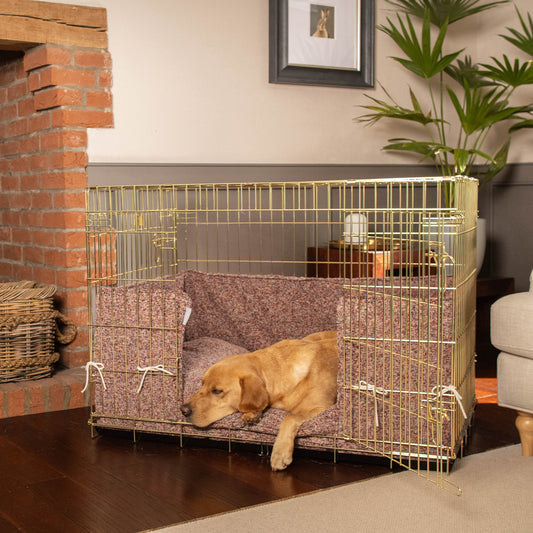
Did you know dogs spend 12 to 14 hours a day sleeping? That's a lot of time in bed so it's no surprise that their bed might be looking a little worse for wear. Dogs are creatures of comfort so making sure they have a a clean and supportive bed is essential for their overall well-being. In this guide, our Pet Experts explore the signs that indicate it's time to change your dog's bed and share expert tips on how to care for your canine's cherished sleeping spot.
How Often Should You Replace Your Dog’s Bed?
Determining how often to replace your dog's bed depends on several factors including the quality of the bed, your dog's size and activity level, and any specific health considerations. As a general guideline, it's advisable to replace your dog's bed every 1 to 3 years, or sooner if signs of wear and tear become noticeable.
Signs It's Time to Change Your Dog's Bed:
Visible Wear and Tear: Over time, your dog's bed may start showing signs of wear and tear, such as flattened cushions, lumps, or torn fabric. If you notice any significant damage, it's a clear indication that it's time to consider a replacement.
Lingering Odours: Despite regular cleaning, dog beds can accumulate odours over time, especially if your furry friend enjoys outdoor adventures or has accidents indoors. Lingering smells that persist even after washing could signal the need for a new bed.
Loss of Support: Just like humans, dogs require proper support for their joints and muscles, especially as they age or if they have existing health conditions. If your dog's bed no longer provides adequate support or has become too soft, it's time to invest in a new one to ensure their comfort and well-being. It might be worth investing in an orthopaedic dog bed if your dog’s breed is prone to joint issues.
Allergies and Skin Irritations: Dogs can develop allergies or skin irritations from prolonged exposure to dust mites, pet dander, or other allergens that accumulate in their beds over time. If you notice your dog scratching more than usual or experiencing skin issues, a new bed with hypoallergenic materials may offer relief.
Preference for Alternative Sleeping Spots: Dogs are creatures of habit, and if you notice your furry friend opting for alternative sleeping spots around the house instead of their bed, it could indicate that they're no longer comfortable or satisfied with their current sleeping arrangements. It’s worth looking at how your dog likes to sleep so you can get the best bed shape to suit their sleeping style, our Information Hub has a guide on how to choose the perfect dog bed for your dog.
Top Ways to Care for Your Dog's Bed:
Regular Washing: Establish a routine for washing your dog's bed to remove dirt, hair, and odour-causing bacteria. Most of our Lords & Labradors dog beds are machine washable, we have a handy guide on how to wash your dog’s bed here.
Use a Removable Cover: Opt for dog beds with removable, machine-washable covers for easy cleaning. Having a spare cover on hand allows you to swap them out while one is being laundered, ensuring your pup always has a fresh and clean place to sleep. We also sell bamboo bed covers which are great for popping over your dog’s bed to help keep them clean especially after a muddy dog walk, they will act as an additional layer of defence against moisture and stains, extending the life of the bed!
Vacuum and Spot Clean: In between washings, use a handheld vacuum or lint roller to remove hair and debris from the surface of the bed. Spot clean any stains or spills promptly to prevent them from setting into the fabric.
Rotate and Fluff: Just like flipping a mattress, periodically rotate your dog's bed to distribute wear evenly and prevent premature sagging. Fluffing the bed's filling helps maintain its loft and support over time.
Sun and Air Dry: On sunny days, take advantage of natural sunlight by airing out your dog's bed outdoors. Sunlight helps eliminate odours and kills bacteria, leaving the bed feeling fresh and revitalised.
Inspect Regularly: Take time to inspect your dog's bed for any signs of damage, loose seams, or worn-out stuffing. Promptly address any issues to prevent further deterioration and ensure your pup's safety and comfort.
By recognising the signs that it's time to change your dog's bed and implementing proper care and maintenance techniques, you can provide your furry friend with a clean, comfortable, and supportive sleeping environment. Remember, a happy and well-rested pup makes for a happier pet parent too!
If you’re looking to upgrade your dog’s bed why not check out our collection of luxury dog beds? Bedding is our speciality, we design and craft all of our bedding here in our Lincolnshire workshop so you can be sure your dog will be getting the best sleep possible in one of our luxury dog beds.
The Importance Of Correct Nutrition For Dogs And Cats!
Ensuring optimal nutrition for our beloved pets is paramount for their overall health and well-being. As responsible pet owners, it is crucial to understand the significance of providing nutritionally complete and balanced meals to our furry friends. In this comprehensive guide, we will delve into the world of dog and cat nutrition, exploring the importance of the right food choices, nutritionally complete homemade recipes, and the best commercial options available.
Understanding Dog and Cat Nutrition
Your pet's nutrition plays a pivotal role in their vitality and longevity. Just like humans, dogs and cats require a balanced diet that fulfils their specific dietary needs. A well-rounded diet supports their immune system, maintains a healthy weight, and promotes optimal organ function. Pet food ranges from being more processed to being raw and rich in natural ingredients, finding the right fit for your pet is important!
Dog Food Nutrition
Choosing the right dog food is a key aspect of canine care. With an abundance of options available, it's essential to prioritise nutritionally complete choices. To make an informed decision, consider using a dog food nutrition calculator and comparing different products. Look for the best nutritional dog food that meets your pet's unique requirements, taking into account factors such as breed, size, and age. Our favourite nutritionally rich dog foods are Orijen, Carnilove and Acana, they are all designed with your dogs nutrition in mind.
Dog Nutrition Facts and Guide
Understanding dog nutrition facts is imperative for providing the best care. Refer to a dog food nutrition guide to navigate through the plethora of choices available in the market. Learn about your dog's daily nutritional requirements and make informed decisions that contribute to their overall health and happiness.
Cat Food Nutrition
Cats, being obligate carnivores, have unique nutritional requirements. The best cat food for nutrition considers their need for high-quality protein and essential nutrients. Explore dry cat food nutrition labels to ensure your feline friend receives a balanced diet that supports their specific dietary needs. For a cat food which is high in protein and great for fussy felines we love Carnilove, they all have at least 80% wild origin meat content and contain No grains, potatoes, GMO, soy, sugar, preservatives or colourants.
Daily Nutritional Requirements for Cats
Cats require a carefully balanced diet to thrive. Knowing the daily nutritional requirements for cats is essential for choosing the right cat food. Consult with your vet to understand the specific needs of your cat, such as the importance of taurine and other essential nutrients crucial for their health.
In conclusion, the importance of correct nutrition for dogs and cats cannot be overstated. Whether choosing commercial options or crafting homemade recipes, prioritising nutritionally complete meals is key to ensuring your pet's health and happiness. Stay informed about dog and cat nutrition, consult with professionals, and make choices that align with your pet's unique requirements. By providing the best nutritional dog food or cat food, you contribute to a longer, healthier life for your furry companions. Here at Lords & Labradors we have a large range of both cat and dog food so you can pick the best option for you and your pet
Crate training is an important part of settling in a new puppy. A crate provides a safe, quiet space for your pup and will help them to get used to their nighttime routine and with toilet training. A dog crate can be made into a cosy den that will be loved by your new four-legged friend for a lifetime. In this article we will explain the best crate set-up for puppies, how to change the set-up as they grow up and also how to look after your crate and crate bedding.
How To Make The Perfect Crate Set-Up For A Puppy
Crate training your puppy will have lots of advantages, helping them to settle and feel safe in their home as well getting them into a consistent bedtime routine. The perfect crate for a puppy will feel safe, warm and cosy. It’s important that it’s inviting so that they feel compelled to use it.
With this in mind we’d suggest the following items:
Crate Cover
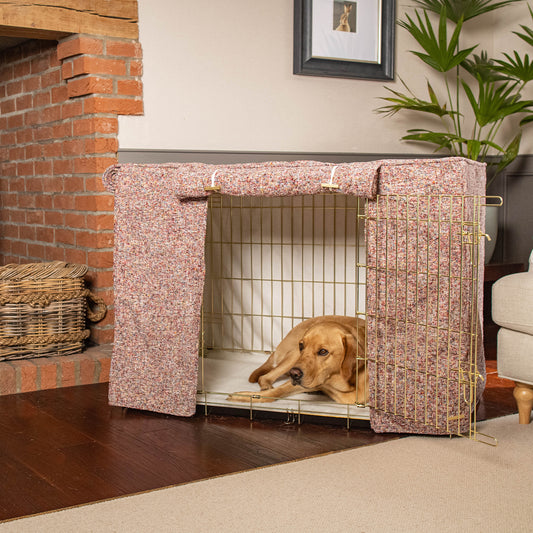
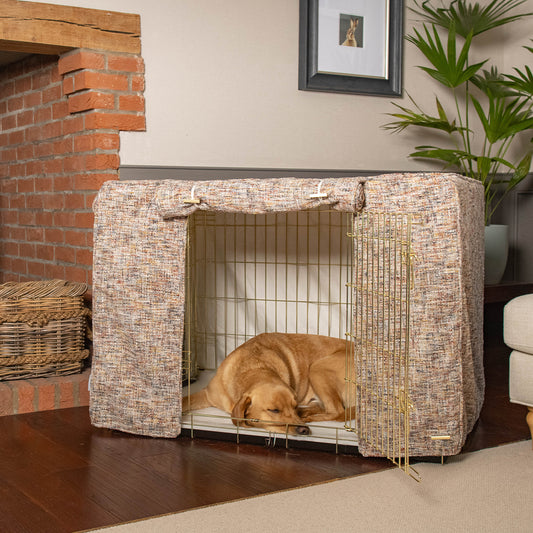
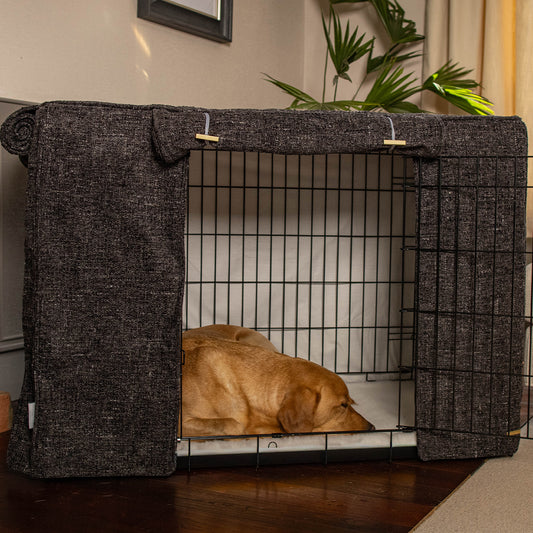
[product]Crates in their basic form can be rather draughty and a little bit unsightly! A crate cover will not only make the crate look stylish, but it will make the crate feel cosy inside. Our crate covers feature roll down doors which can be lowered when it’s time for bed. Puppy will soon learn when they should be sleeping (doors rolled down) and when it’s time to get up (doors rolled up). Our crate covers come in a range of fabrics which have been designed to match your home and they're all machine washable, making them brilliant for puppies!
Cosy & Calming Puppy Crate Bed
[product]
Our cosy and calming beds have been designed with crate training in mind. Each size is made to fill exactly one half of the corresponding crate size. So if you have a small crate for a Chihuahua for example, the small bed will fit in exactly one half of the crate. This then leaves room for a puppy pad in the other half along with a bowl for water. They come in a range of our printed cotton fabrics and feature a reversible cushion pad inside - one side covered in super plush sherpa!
Puppy Pads
Whilst we don’t want to encourage puppies to pee in the crate, it’s also important to note that they can’t hold themselves for very long at all. Whilst you will be able to take them outside at regular intervals during the day, this may not be the case at night. When you put them to bed, putting a puppy pad in one half of the crate will help to stop any accidents from dirtying their bed or crate tray.
Crate Bowls
Puppies will need access to water at all times and a crate bowl is a brilliant accessory as it can be fastened to the crate walls. This will ensure it doesn’t get tipped over or knocked like a standard bowl might.
The Perfect Crate Set-Up For An Adult Dog
As your dog becomes toilet trained and they begin to need the full space of the crate for their bed, you will need to consider swapping out the puppy accessories for their proper adult bed. At Lords & Labradors we specialise in crate bedding that will make your dog’s den look stunning as well as super comfortable inside.
Crate Cushion
Our crate cushions are designed to fit our crates perfectly. They come in a range of fabulous fabric designs from luxurious tweeds to printed cottons. There really is something to suit every taste and home.
Crate Bumper
Crate walls aren’t the most comfortable things to snuggle up to, and if your dog likes to curl in the corner of their bed, they will need something other than metal bars! That’s where our fabulous bumpers come in. They sit around the edge of the crate cushion and create a spongey layer of warmth around the walls. Perfect for snuggling up in the corner when nap time calls!
Crate Cover
Our crate covers are perfect for setting a routine with your dog, when the doors are rolled down it will signal to them it's time to sleep. Our crate covers are fully lined to help keep light out and come in matching fabrics to our bumpers and cushions to you can be sure crate will look stylish!
Crate Set Aftercare and How To Clean A Crate
With a little love and care your crate set will last a long time. Here we detail how to look after your crate set:
The Crate - The crate is made of sturdy metal and is really easy to keep clean. Our crates are easy to wipe clean and the tray is removable so you can get into the corners properly. It’s really important to make sure the crate is completely dry before setting back up and allowing your pet back in, we recommend drying your crate to avoid any rusting.
Lords & Labradors Cushion & Bumper Covers - For our bedding from our core collection you will be able to remove the covers on the cushions and bumpers. Turn the cover inside out and machine wash on a 20 degree gentle cycle. Allow the covers to air dry (do not tumble dry). Once dry return the inner cushion to the cover.
Essentials Plush Collection Bumpers & Cushions - Our bumpers and cushions from the Essentials Plush Collection don't have removable covers, we recommend spot washing your essentials plush bumpers and cushions.
Lords & Labradors Crate Covers - Our crate covers are all machine washable on a 20 degree gentle cycle, apart from our oil cloth crate covers. After washing, we recommend air drying your crate cover over your crate to help keep it in shape and to make sure it doesn't shrink. A cool iron on the reverse of the cotton fabrics is fine if necessary, but often they won’t even need that. Our tweeds and Savanna fabrics are super fast drying and they will come out of the spin almost dry. Just give them an air and they’ll be ready to use again in no time at all!
Cushion and bumper inners - The cushion and bumper inners are protected by waterproof interlinings, so won’t need washing. This will preserve the inner fillings. The waterproof liners are wipe clean. If they become soiled, simply wipe down with a mild pet-safe detergent and they’ll be as good as new again.
Cosy and Calm Puppy Bed - Our puppy beds are fully machine washable. You can put the whole bed in the machine and wash on a 20° cycle. When removed, simply shake and plump the cushion back into shape and leave to air dry.
Follow these simple steps and your crate sets will last and look stunning for years to come!
We’re getting to that time of year again where we’re travelling more with our pets to the beach, staycations and even trips to a different location for a long walk. No matter how long the journey - even if it’s a trip to the local vets - you should ensure your dog is properly restrained and safe to travel. Here in the UK it’s the law when travelling by car your dog needs to be restrained. In this blog, we breakdown how to travel safely with your pet.
What Is The Law With Dogs In Cars?
The Highway Code states in their Rules about Animals, when in a vehicle, dogs are to be suitably restrained so they cannot distract you while you’re driving or injure you, or themselves, if you should need to stop quickly. If you were in an accident caused by your dog distracting you whilst you were driving, this could be considered as ‘dangerous driving’. It’s also good to check your insurance policy, as car insurance providers may require you to restrain your pet.
Is It The Law To Restrain A Dog In A Car?
It is the law to restrain your dog when travelling in your car. So as fun as it is for your pooch to sit with their head out of the window, they must be suitably restrained so they cannot distract you and potentially hurt either you or themselves. When it comes to where your dog should be when travelling, although there are no laws against your dog travelling in the footwell of the car, unfortunately they would not be properly restrained and if you did have an accident, you may be prosecuted for ‘dangerous driving’.
When choosing where your dog should be properly restrained, no matter what method you choose, your dog should not sit in the front seat - securing them in the boot or back seat behind a front seat is considered a safer option.
How To Secure A Dog In The Car
There are many safety products you can choose from, which can help with travelling safely in the car. It’s most important you choose a solution that’s suitable and comfortable for your pooch, and it has been installed and executed correctly to ensure the safety of your pet. Here at Lords & Labradors, we’d recommend the following for safe travel.
Dog Carriers
Our pet carriers come in different sizes and weights which will vary for the suitability for you and your dog. It’s a lighter option to our metal crates and are easily packed away if you’re staying away from home. Carriers are great when travelling by car and when taking your dog from the car into a safe place to let them out and stretch their legs. They keep your pooch safe and settled whilst travelling.
Travel Harnesses
Our pet-friendly harnesses come in a variety of sizes, suitable to your dogs breed and size. Travel harnesses are easy to fit onto your dog and it’s quick to clip them into place. They’re specially designed to prevent your dog from moving around whilst in the car, all whilst keeping your pet safe and comfortably restrained.
Travel Crates
Crating your dog keeps them safe & secure - using a crate to transport your pet has the added benefit if they’re already used to being crated at home. If your dog is used to being crated, often when travelling they’ll feel safer and their surroundings will reduce any anxiety your dog may have around travelling.
How Long Can A Dog Travel In A Car
Being stuck in the car can be hard for your dog! Not only will your dog need regular toilet breaks, they’ll also need to stretch their legs and get some of their energy out. When stopping for your dog to toilet and stretch their legs, you could also give them some food and water to avoid any spillages whilst travelling. Ideally you should try to keep to your dogs routine where possible (even when travelling) - every 2 to 4 hours for about 15 to 30 minutes is a good guide to follow, however you’ll know what is best for your dog and how they travel. If you’re planning a lengthy trip, try to go on few shorter journeys to see how your dog is likely to react.
You may be preparing for the all important ‘Gotcha Day’, the day celebrated by all dog parents as the day you brought your pup home. Taking your puppy home for the first time is exciting, especially if you have prepared for their arrival. Puppy shopping can be so much fun, but also overwhelming if you’re a new pet parent, or if you’ve not had a puppy for a few years. There will be some things you do need to buy for necessity and some things that are worth buying for your new pup. Here at Lords & Labradors we’ve put together the 10 puppy essentials you’ll need to get your new puppy settled.
Our Top 10 Items To Buy For Your New Puppy
1) What crate to buy?
Firstly, if you’ve decided to crate train your puppy, you’ll need a crate that will see you through from puppyhood to adulthood. You’ll need a crate the appropriate size so you can fit a puppy bed at one end and a puppy training pad the other incase they need to toilet when left in their crate. It also gives your pup enough room to stretch, play and sleep if crated during the daytime. Depending on your training methods, you may want to place the crate somewhere the puppy can be near to you, but also not directly in a high traffic area of your home. Remember the crate is your puppy’s den, so discourage any children from climbing inside.
2) Where should my puppy sleep?
We recommend a puppy bed that’s easy for your pup to get in and gives them enough support and comfort whilst they sleep. Our Cosy & Calm Puppy Box Beds have been carefully designed with your puppy in mind. The beds are super squishy and soft, and have the most comfortable sides for your pup to snuggle right into. If you have chosen to crate train your pup, our vet bed is really popular, as it’s cosy, comfortable, robust and relatively puppy proof - it’s easily washed and dried too. It can be used with or without our Cosy & Calm puppy box bed.
3) What will my new puppy eat?
It’s recommended you initially use the same food that your puppy comes home with, in order to avoid any tummy upset during their first few days with you. Once your puppy has settled, you can gradually introduce a new food to their diet. It’s good to check the food guidelines of the food you choose to feed your pup, as often they’ll give you the correct guidelines on how to introduce the new food to your pup.
Make sure you have a clean bowl for water and a clean bowl for food, you can opt for a slanted water bowl if you have a spaniel breed to reduce your dogs ears from getting soaked in their water.
4) Puppy Toilet Training
Top of your list should be a reliable pack of puppy training pads, not only are they great for training your young pup, but they are invaluable when travelling (pop in the bottom of their carrier/crate to catch any travel sickness or accidental toilet trips). You can also use them to absorb muddy, wet paws after your pup has had a play in puddles!
5) How to settle my new puppy at night
When settling your new puppy at night, our heart beat sheep will be your puppy's new best friend. The heart beat sheep features a beating heart inside that mimics the beat of Mum's heart. They're designed to offer comfort and calm to new puppies who may feel nervous in their new home; they help to stop separation anxiety too. Alongside the heart beat sheep, you could pop in a heat pad under your dogs bed/cushion to keep them warm and to mimic the feeling of having siblings/mum near. Both the heat and the heart beat sheep will provide comfort for your puppy, especially whilst they are settling in and adjusting overnight.
6) How to keep your new puppy entertained
Toys will provide something to chew on for your pup, which you’ll find are essential if you want to avoid your puppy chewing on your furniture. Choose a variety of textures, styles and sizes to keep your puppy engaged and interested. You may want to keep a toy box so your pup can choose what they’d like to play with, or keep a few toys in rotation so your puppy doesn’t get bored with them.
You can also buy toys you can fill with treats or their food. If you want/need to leave your puppy - remember to build this up slowly, and don’t leave your new puppy for a long period of time - you could try freezing a peanut butter filled KONG (remember to use doggy/puppy friendly peanut butter). Freezing the toy will take them longer to work through and will give some relief to their sore teething gums and teeth.
7) Does my new puppy need a collar?
You may want to purchase your dogs collar before they arrive home with you, however it’s advised to purchase the correct size collar for your puppy, which you may have to wait until they’re here to measure them properly. It is a legal requirement to have a tag with your details on incase your puppy gets lost or strays away, but it’s advised not to add your puppy’s name to the tag.
8) How will I get my new puppy home?
Collecting your puppy to take them home is really exciting, but it’s best to be prepared. Make sure you have a suitable carrier/crate to store them in safely for the journey. It’s important your dog is restrained as it is the law to keep your puppy properly restrained whilst driving. In your carrier, you may want to pop in a blanket that smells like home and a scent blanket that smells like their mum and litter mates. It’s also good to have some puppy training pads to hand incase of any car sickness or accidental toilet trips.
9) When to start training my new puppy?
You can start with bonding and training your puppy almost straight away, get some high quality, puppy training treats (make sure to check the guidelines), and enjoy teaching them new tricks - you’ll be amazed at how quick they learn!
10) When do I start grooming my puppy?
It’s recommend that even if your pup won’t require grooming at first, you should regularly brush them to get them used to being groomed and handled. Choose a simple, soft brush and/or comb for the first couple of months. There will be a time you will need to wash your puppy, make sure you’re not using human shampoo as this will upset your puppy's PH levels and may not be compatible with your puppy flea treatment. It’s best to invest in a puppy shampoo that you can use when and if you need to bathe your puppy. We have our own puppy grooming set in our Petplex collection called the 'Puppy Purifier' it has a shampoo and a cologne to help keep your puppy smelling fresh.
As pet owners, understanding the sleep requirements of our canine companions can help us provide the best care possible. And ensuring our dogs get the right amount of sleep is so important for their overall health and general wellbeing. Here at Lords & Labradors, we've looked into the sleep needs of dogs at different life stages, from puppies to senior dogs, answering common questions such as how much sleep do dogs actually require? and how long do dogs (and should dogs) sleep at night?
Understanding Dog Sleep Patterns
Dogs, much like us humans, have varying sleep needs based on their age, activity level, and overall health. However, unlike humans, dogs' sleep patterns include several shorter cycles rather than one long stretch of sleep.
How Much Sleep Do Dogs Require?
On average, our dogs need between 12 to 14 hours of sleep per day. This amount can fluctuate based on several factors:
Age: Puppies and senior dogs tend to sleep more than adult dogs.
Breed: Larger breeds often need more sleep than smaller breeds.
Activity Level: Highly active dogs may require more rest to recover from their physical exertions.
How Long Do Dogs Sleep at Night?
Most dogs tend to sleep around 8 to 10 hours at night, with additional naps during the day to meet their total sleep requirements. Unlike humans, dogs have a polyphasic sleep pattern, meaning they sleep multiple times throughout a 24-hour period. This pattern allows them to stay alert and respond to their environment more quickly.
Sleep Requirements by Age
How Long Should Puppies Sleep?
Puppies are in a critical growth phase, which requires a significant amount of rest. On average, puppies need 18 to 20 hours of sleep per day. This extensive sleep helps support their rapid physical development and learning processes. Ensuring a quiet and comfortable sleeping environment is essential to support healthy growth and development in puppies.
How Many Hours Sleep Does an Adult Dog Need?
Adult dogs typically require 12 to 14 hours of sleep per day. This includes night-time sleep and several day-time naps. Active breeds or working dogs may need slightly less sleep, around 10 to 12 hours, due to their higher energy levels and physical activity. However, it's crucial to monitor your dog's behaviour and adjust their rest time based on their individual needs.
Senior Dogs
Senior dogs, much like puppies, often need more sleep than adult dogs. They may require 14 to 18 hours of sleep per day. Aging dogs experience changes in their metabolism and activity levels, making additional rest necessary for maintaining their health and wellbeing.
Factors Influencing Dog Sleep
Health and Medical Conditions
Dogs with certain health conditions may require more sleep. Conditions such as arthritis, diabetes, and hypothyroidism can increase fatigue and the need for rest. Regular veterinary check-ups can help identify and manage these conditions, ensuring your dog gets the appropriate amount of sleep.
Diet and Nutrition
A balanced diet is essential for maintaining your dog's energy levels and overall health. Poor nutrition can lead to lethargy and increased sleep requirements. Consult with your veterinarian to ensure your dog's diet is meeting their specific needs.
Environment
Creating a comfortable sleeping environment is vital for ensuring quality sleep. Choose a quiet, cosy space with a comfortable bed suited to your dog’s size and needs. Consider orthopaedic beds for senior dogs or dogs with joint issues to enhance their comfort.
Exercise and Activity
Regular exercise is crucial for maintaining your dog’s physical and mental health. Adequate physical activity helps regulate sleep patterns and prevents behavioural issues caused by excess energy. However, be mindful of not overexerting your dog, especially in extreme weather conditions. If you're unsure of when you're able to walk your dog in hot weather, you can read our helpful guide here.
Signs of Sleep Problems in Dogs
Monitoring your dog’s sleep habits can help identify potential health issues. Look out for signs such as:
Excessive Sleeping: While dogs sleep a lot, an increase in sleep duration beyond normal could indicate health problems.
Restlessness: Difficulty settling down or frequent waking during the night may signal discomfort or anxiety.
Changes in Sleep Patterns: Sudden changes in your dog’s sleep routine can be a sign of underlying health issues.
If you notice any of these signs, consult your vet to rule out medical conditions and receive appropriate advice.
Tips for Improving Your Dog's Sleep
Establish a Routine
Dogs thrive on routine. Establish regular times for feeding, exercise, and sleep to help regulate your dog’s sleep patterns.
Create a Comfortable Sleep Environment
Provide a designated sleeping area that is quiet, comfortable, and free from disturbances. Invest in a high quality bed that supports your dog’s joints and overall comfort.
Ensure Adequate Exercise
Regular physical activity is essential for tiring your dog out and promoting restful sleep. Adapt their exercise routine to your dog’s age, breed, and health condition.
Monitor Diet and Nutrition
Feed your dog a balanced diet to support every aspect of their health and energy levels. Avoid feeding them large meals right before bedtime to prevent discomfort.
Understanding how much sleep dogs require and tailoring their environment and routine to meet these needs is crucial for their health and well-being. By paying attention to their specific needs at different life stages and creating a comfortable sleep environment, you can ensure your dog enjoys restful and rejuvenating sleep. At Lords & Labradors, we offer a range of high-quality beds and sleep accessories designed to cater to the unique needs of dogs at every stage of life. Give your furry friend the gift of good sleep and watch them thrive.
Coming Soon At Lords & Labradors - Luxury Accessories For Cats & Dogs
We’ve been busy here in the L&L offices, learning what our different pets love, how different cats & dogs sleep, their food preferences, your preferences as their owners and what you want to see in your homes - we've been introducing some fabulous new items that we think your puppies, kittens, senior pets & furry family members will love.
New Inchmurrin Collection
We've updated our cosy & comforting ranges, by introducing our Inchmurrin fabric. All new colour options; Inchmurrin Ground, Inchmurrin Iceberg, Inchmurrin Umber. This range has been so popular that we have decided to introduce these fabrics into our full collection of beds.
Cat Scratch Post & Trees
We all know how much our cats enjoy a playtime and somewhere to stretch and relax. With this in mind we have been busy designing some super luxe cat scratch posts and trees. Our Lords & Labradors scratch posts & trees have been tried and tested by our various cats & kittens who approve of their new playtime!
New Toys for Cats & Dogs
With Summer in full swing, we’re thinking about what outdoor activities we can get up to as the weather warms up. With that in mind we have extended our summer cooling toys, for super fun outdoor games with your dogs.
Are you looking for the best Winter bed for your dog? Are you looking for something super cosy and plush; somewhere they can snuggle down when it’s cold and frosty outside? At Lords & Labradors we’ve made it our mission to provide the best pet beds and bedding for all seasons, including a wide selection that are ideal for the coldest months of the year. Whether you’re looking for a cosy tweed dog cushion for a Cockapoo or a plush donut bed for a Miniature Dachshund, we have it covered. Here we present our pick of the best dogs beds for winter - there’s something here to suit every dog and interior style!
Top Five Dog Beds for Winter
Lords & Labradors Bouclé: The Luxe Collection Cushion
At Lords & Labradors we specialise in handmade luxury beds and bedding for pets. One of our favourites for winter is the sumptuous Bouclé cushions which come in 3 beautiful colours: Ivory, Mink and Granite. Our dog cushions are super plump and feature removable, washable covers as well as practical waterproof liners. The Bouclé is so soft, making it ideal for your dog or puppy to snuggle into on a cold wintery day. They will look gorgeous in your home too; the only difficult thing here is deciding which colour to choose!
Lords & Labradors Cosy and Calming Puppy Beds
This is one for the puppies in the family! Our Cosy & Calming Puppy Beds have been designed with comfort and practicality in mind. The thing we love most is the reversible inner cushion. One side is covered in fabric to match the main body of the bed and the other is furnished in plush fleece - the cuddliest cushion ever and ideal for winter. The beds have been designed to fit in one half of your dogs crate, so they are great for crate training puppies too.
Lords & Labradors Hooded Beds
If your dog loves to snuggle then our luxury Lords & Labradors Sleepy Burrows are perfect for them! With the hooded option to cuddle up inside or on top of, it's a great anxiety reliever! It can also be a dog cushion, as well as a hooded blanket bed.
Tweed Crate Set
Why not update your dog’s crate for winter. A crate set is ideal for crate training puppies, but also loved by older dogs too. For winter we’d suggest opting for one of our tweed crate sets. They’re really durable, with thick fabric that is also washable. The thick fabric looks lovely and plush in winter and your dog will enjoy retreating to his den ready for nap time and bedtime.
High Wall
Our high wall beds are the perfect snuggle partners, the high walls are perfect for resting your head on and the round shape means they're perfect for dogs who like to curl up. The velvet high wall beds are perfect for winter, our velvet is so soft and comes in three gorgeous colours so is sure to look amazing in your home!
From Fetch to Fortune: Meet the Dog Influencers Making up to £630k a Year
Are you obsessed with endlessly scrolling through adorable puppy videos on TikTok and Instagram? So are we!
In our most recent study, we took a deep dive into the world of pet influencers, estimating which furry stars are raking in the most money and how you can get in on the action.
When identifying four-legged social media sensations, we conducted extensive research to identify the most popular pet accounts across Instagram and TikTok. We estimated their potential earnings per post and compiled a list of the wealthiest pet influencers.
But we didn’t stop there – by analysing top pet profiles and speaking to Raé MB, owner of pet social media star, Mochi (@mochi.bostiegirl), we have provided some expert insight into what makes a profitable pet account, how to maximise your earnings, and the benefits of maintaining a social media presence for your pet.
The Highest Earning Dog Influencers in the UK and USA
In the pet influencer space, some dogs are truly living the dream, earning impressive incomes from their social media stardom.
From the UK to the USA, these top canine influencers are fetching the big bucks and winning hearts across the globe.
By analysing their follower counts, estimating earnings per post and tallying up their branded content in the past 12 months, we've uncovered the highest-earning dog influencers and reveal just how successful their careers can be.
The UK's leading pets, making waves on social media:
1. @BlueStaffyBoulder – £339k (Instagram)
The research revealed the UK’s top dog influencers is @BlueStaffyBoulder. With around 205k followers on Instagram, it turns out this pet star could be earning over £339,000 yearly! We estimated that Boulder and Harley could be earning around 3k per post from with their 113 branded uploads in the past year. That said, this blue Staffy has made it into the top 1% of highest earners in the country, according to Institute of Fiscal Studies.
2. @GSDBear – £90k (Instagram)
Coming in second is the fabulous German Shepherd dog model, @GSDBear, who could be earning up to £90k a year. This talented furball featured 18 branded posts this year and makes an estimated £5k per post – light work!
3. @My_Blue_Wolf – £10.5k (Instagram)
Third place goes to Ocean, the dazzling Blue Wolf Dog taking Instagram by storm. With 456k followers on Instagram and estimated earnings of £5k per post, this canine sensation could be pocketing around £10.5k a year.
4. @DigitDax – £22.5k (Instagram)
Following suit, Miniature Dachshund duo Digit and Pippa could be taking home £22,500 per year from their Instagram presence. With 9 branded posts in the past 12 months, the pair are making an estimated £2.5k per post.
5. @Lecorgi – £10.5k (Instagram)
Coming in fifth on our list of highest-earning UK dog influencers is Marcel Le Corgi, a London-based volunteer therapy dog. Marcel certainly lives the high life, traveling the world, sampling new foods, and earning an estimated £10,500 annually from his popular Instagram account. With 140k followers, Marcel could be making around £1,500 per post, having shared only 7 branded posts in the past year.
Across the pond, the pups making the most income in the US are:
1. @WhatAboutBunny – £630k (Tiktok)
Our research uncovered that the top-earning US pet influencer is @WhatAboutBunny, a renowned Sheepadoodle boasting an impressive 8.6M followers on TikTok. Bunny's potential earnings are staggering, estimated at £630,000 annually. Despite this substantial income, Bunny only mentioned brands in 21 posts over the past year suggesting that this star makes around £30,000 per post – truly a paw-sitively great career path!
2. @AGuyAndAGolden – £500k (Tiktok)
In second place, earning an estimated half a million pounds a year (£500,000), is @AGuyAndAGolden. With 7.5M followers on his Tiktok account, this gorgeous Golden Retriever only needed to post 20 times to earn his keep, taking home an estimated £30,000 per post.
3. @Loki – £172k (Instagram)
Third place goes to the lovely @Loki, who fetched an estimated £172,000 from his 36 branded posts in the past year. It appears Loki’s 1.9M followers are a loyal fan base, as this famous Wolf Dog boasts a high engagement rate of around 205%.
4. @DougThePug – £140k (TikTok)
Doug the Pug came in fourth, raking in an impressive estimated yearly salary of £140,000. Despite posting just 7 times in the past 12 months, this cheeky pup could earn around £20,000 per post. Doug is one wealthy “good boy” who barely has to lift a paw – talk about living the high life with minimal effort!
5. @LadyAndTheBlues – £70k (TikTok)
Wrapping up our top five highest-earning US pooches is Lady, a Golden Retriever social media sensation. Our research suggests this clever canine could be pocketing around £70,000 annually, with each post potentially earning her £10,000. Like Doug the Pug, Lady enjoys a pretty laid-back lifestyle, having posted just 7 branded content pieces in the past year.
How Do I Navigate My Way to Pet Social Media Stardom?
To learn more about what it takes to run a successful pet social media account, we chatted with Raé MB, the owner of @mochi.bostiegirl, who has built a community of over 6K followers on Instagram.
Raé shared her expert insights on building a community for your dog, collaborating with brands, and some of the challenges she's faced along her pet influencing journey.
Best Ways to Build Followers and Create an Online Community
“Being authentic, creating shareable content, engaging with similar breeds as a start, and then branching into different breeds and leaving meaningful comments. This is very time-consuming though - but it’s important to build an actual community.
“Find your niche! For example, we are a dog-friendly travel and lifestyle account – so we share tips on travel, dog-friendly places and dog fashion. We also collaborate with bigger dog-friendly travel accounts which also helps us reach and find like-minded pet parents who want to look for places they can take their dog to - for holidays, days out and just to eat!
“It’s also important to ‘show up’ on socials - people LOVE knowing your day-to-day whether that’s in the form of captions or on stories. This is a great way to connect with your audience by sharing what might seem quite mundane but is very relatable.”
How to Know When You’re Ready to Work with Brands
“Because Mochi was still a puppy (1 year old) when we started, we used social media to find out info that helped her development like training tips and advice on feeding.
“We also started following brands and found a plethora of businesses that specialise in creating wonderful harnesses and even personalised dog leads and fashion borg jumpers and functional but stylish fleeces! Once I started to buy from them, and post Mochi wearing their items, brands started to engage with us and look for ambassadors to promote their products in exchange for personal discount and gifting sometimes.
“I find, as there’s so many dog accessory brands, food brands and fashion brands, the best thing to do is showcase your skills in photography and reels, showcasing how you’d market their product. Some brands aren’t too particular about follower count and factor in engagement metrics rather than vanity metrics. On dog Instagram, brands often have ambassador searches, and entering these would be beneficial to start working with brands.
However, it’s important to note that you should pick brands you authentically love and want to be associated with!”
Positives and Challenges
“Challenges… it can be very toxic and just like any influencer in any niche - people can be competitive and very unkind.
“But the positives are meeting fabulous likeminded people - whether it’s pet parents who love to travel with their pets, love fashion or trick training.
“It does feel like you have a support system too, if for example, you’re struggling with a poorly pet or a reactive, anxious dog. I’ve found lots of dog mums who have introduced me to wonderful dog trainers and given me tips on how to train a behaviour with my dog.
“I have made a small but lovely group of forever friends from dog social media!”
Expert Tips on Getting Your Profile Started, From the Experts
Alongside expert dog influencer insight, our team of pet experts have also provided some essential advice on how to get started with your pet’s social media account; from crafting your profile, to keeping audiences engaged:
1. Finding Your Perfect Co-Star
“It all starts with the right pet! Choose a companion you adore and can provide a loving home for.
“Research local regulations and consider breeds that thrive in your climate and living situation. Remember, a happy and healthy pet is the foundation for a successful online presence.”
2. Crafting Your Profile
“First impressions are key, so be sure to craft a bio that clearly explains your content and shows off your pet's unique personality.
“Decide if you'll create a dedicated pet profile or a joint account. Different platforms cater to different audiences, so choose the one that best suits your content and target demographic (e.g. posting puppy playdates on Instagram versus informative training tips on YouTube).”
3. Content is Key
“High-quality photos and videos are a must – capturing your pet's adventures, funny antics, and heartwarming moments.
“Be sure to post consistently and interact with your followers in the comments to build your community. Additionally, it’s a good idea to utilise features like live streaming for real-time engagement and write eye-catching captions with relevant hashtags to improve your chances of being discovered.”
4. Expanding Your Pawprint
“Growing your audience requires consistent effort, which can be accelerated by connecting with other pet influencers to tap into their followers.
“And don't be shy about reaching out directly to brands you love! Collaboration is key - explore partnerships with other pet influencers for broader exposure.”
5. Remember: This is a Marathon, not a Sprint!
“The key to growing your pet’s online community is staying active and consistent with your posting schedule.
“Pay close attention to your analytics to understand what resonates with your audience, ensuring to refine your strategy accordingly.
“And of course, keep exploring new content formats and collaborations to keep your followers engaged and expand your influence in the exciting world of pet social media.”
Conclusion
Our exploration of the pet influencer world has revealed the furry stars that are not only melting hearts, but also generating impressive incomes through their social media prowess. From the UK to the USA, these top canine influencers demonstrate that cuteness truly can lead to substantial rewards!
And whether you're just starting your pet's social media journey or refining your current approach, we hope that our expert tips on building a successful pet profile and collaborating with brands provide valuable insights.
If you’re looking to glam your dog up for the ‘gram, why not check out our range of stylish dog coats, where there’s something to fit every pup’s aesthetic.
Sources and Methodology
Top Dog Influencers:
https://thesocialshepherd.com/blog/top-pet-influencers-uk https://www.theguardian.com/media/2023/jan/20/meet-hugo-and-huxley-the-pet-influencers-makingt-100k-a-year https://www.companionlife.co.uk/new-data-reveals-the-highest-earning-dog-fluencers-in-2023-with-instagram-taking-top-spot-over-tiktok/ https://influencers.feedspot.com/dog_instagram_influencers/ https://www.dogingtonpost.com/10-richest-dogs-on-instagr https://hypeauditor.com/instagram/harlowandsage/ https://finance.yahoo.com/news/millionaire-pets-highest-earning-pets-200027940.htmlhttps://ifs.org.uk/tools_and_resources/where_do_you_fit_in#tool-results-section
Estimated price per post calculations:
https://influencermatchmaker.co.uk/how-much-does-an-influencer-cost https://www.shopify.com/uk/blog/influencer-pricing
As our furry companions age, their needs evolve, requiring us to make adjustments to ensure their comfort and wellbeing. One of the most crucial aspects of providing for our senior dogs is selecting the right bed and bedding. An elderly dog bed is not just a place for your dog to rest; it plays a significant role in their overall health and quality of life. In our guide, we will explore the essential factors to consider when choosing the perfect dog bed for your senior dog, ensuring they enjoy their golden years in the utmost comfort!
Understanding the Needs of Senior Dogs
Senior dogs, typically those aged seven years and older - depending on their breed, experience several physical changes. They may suffer from arthritis, joint pain, reduced mobility, and other age-related issues. These conditions are relieved by beds that provide ample support and comfort, aiding in pain relief and improving overall comfort and sleep quality.
Key Considerations for an Elderly Dog Bed
Support and Comfort
The primary purpose of an elderly dog bed is to offer support and comfort to aging joints and bones. Look for beds with orthopaedic and memory foam, which offers support to your dog’s body, providing pressure relief and reducing the strain on their joints. This support is crucial for dogs with arthritis or other musculoskeletal conditions.
Size and Space
Ensure the bed is appropriately sized for your dog. A bed that is too small can be uncomfortable, while an overly large bed may not provide the necessary support. Your dog should be able to stretch out comfortably without hanging off the edges. If you're unsure what bed is best for your dog, you can read our helpful How to choose a Dog Bed guide.
Ease of Access
Senior dogs often have reduced mobility and may struggle to get in and out of high or deep beds. Opt for a bed with low sides or a ramp to facilitate easy access. This is especially important for dogs with arthritis or hip dysplasia.
Material and Durability
Choose a bed made from high-quality, durable materials. The cover should be soft yet sturdy, capable of withstanding wear and tear. Look for beds with removable, machine washable covers for easy cleaning. This helps maintain hygiene and prolongs the bed’s lifespan.
Temperature Regulation
Did you know older dogs can be more sensitive to temperature changes? You may want to consider beds with temperature regulating features such as cooling gel or heating elements, depending on your dog’s needs and the climate. This ensures your dog remains comfortable year round. You could also opt for a heat pad too in cooler months.
Hypoallergenic Properties
Senior dogs may develop or suffer from allergies or skin sensitivities. A hypoallergenic bed made from non-toxic, natural materials can help prevent allergic reactions and skin irritations, contributing to your dog's overall health.
Types of Elderly Dog Beds
Orthopaedic Dog Beds
Orthopaedic beds are designed to provide maximum support for aging joints and bones. They are typically made with high-density memory foam or thick foam, which distributes your dog’s weight evenly and alleviates pressure points. These beds are ideal for dogs with arthritis, hip dysplasia, or other joint issues.
Heated Dog Beds
Heating elements you can add to your dog's bed are perfect for senior dogs who suffer from stiffness or arthritis. The gentle warmth can help soothe aching joints and muscles, promoting relaxation and improving blood circulation.
Elevated Dog Beds
Elevated beds keep your dog off the ground, providing better air circulation and reducing exposure to cold or damp floors. They also offer firm support, which can be beneficial for dogs with joint issues. Do ensure the bed is easy for your senior dog to access.
Bolster Dog Beds
Bolster beds as they're sometimes known, have raised edges, offering a sense of security and a place for your dog to rest their head. They combine comfort with support, making them a good choice for senior dogs who like to lean against something while sleeping. Ensure the height of the bed is manageable for your senior dog to climb over. Here at Lords & Labradors, we recommend our Box Beds for Dogs as they're just the right amount of firmness and softness to get cosied up.
Additional Tips for Choosing an Elderly Dog Bed
Observe Your Dog’s Sleeping Habits
It's good to notice to how your dog prefers to sleep. Some dogs like to stretch out, while others love curl up. Choose a bed that accommodates their preferred sleeping position for their utmost comfort.
Consult Your Veterinarian
Your vet can provide valuable insights into your senior dog’s specific needs, recommending the best type of bed based on their health condition.
Consider Multiple Beds
If your home has multiple floors or rooms, you may want to consider placing beds in different locations. This ensures your dog has a comfortable place to rest no matter where they are in the house.
Introduce the Bed Gradually
Try to remember, some dogs may be hesitant to use a new bed, especially in their older age. Introduce it gradually by placing their favourite blanket or toy on the bed to make it more inviting.
Regular Maintenance
Keep the bed clean and free from allergens by opting for a wipe clean or machine washable cover. Regularly wash the cover and vacuum the bed to remove hair and dirt. This helps maintain a healthy sleeping environment for your senior dog.
Choosing the right bed for your senior dog is a vital part of ensuring their comfort and wellbeing. An elderly dog bed should provide excellent support, be easy to access, and be made from durable, hypoallergenic materials. By considering your dog’s specific needs and preferences, you can find the perfect bed that will help them enjoy their golden years in comfort and happiness. At Lords & Labradors, we offer a wide range of high-quality beds designed to meet the needs of senior dogs, ensuring your furry friend gets the rest they deserve.
SIGN UP FOR USEFUL TIPS & GUIDES STRAIGHT TO YOUR INBOX
04.07.24July 04, 2024Owning a DogFeatured
Best Orthopaedic Dog Beds for Dogs Suffering with Arthritis
When your loyal companion begins to show signs of arthritis, their comfort becomes more crucial than ever. Arthritis in dogs, much like in us humans, can severely impact their quality of life, leading to pain and reduced mobility. However, the right orthopaedic dog bed can provide immense relief, improving your pet’s sleep quality and overall well-being. We explore the best orthopaedic dog beds specifically designed for dogs suffering from arthritis, focusing on features like optimal hip support and comfort.
Understanding Arthritis in Dogs
Before we dive into the specifics of orthopaedic dog beds, and how they can benefit your pooch, it’s essential to understand what arthritis is and how it affects our dogs. Arthritis is a degenerative condition resulting in inflammation of the joints, causing pain and limiting mobility. While it predominantly affects older dogs, younger pups are not immune, especially if they have sustained injuries or are genetically predisposed to joint issues.
Symptoms of Arthritis in Dogs
Difficulty standing up or lying down
Reluctance to jump or climb stairs
Noticeable discomfort during walks
Stiffness, especially after resting
Audible pain when moving
If you are worried about your dog having arthritis, do contact your vet for advice.
Why Choose an Orthopaedic Dog Bed?
Orthopaedic dog beds are designed to provide enhanced support and minimise pressure on your dogs joints, making them ideal for dogs with arthritis. These beds are typically made from high-density memory foam that contours to your dog's body, supporting their spine and joints effectively.
Benefits of Orthopaedic Dog Beds
Reduced Joint Pain: High-quality memory foam helps distribute weight evenly, reducing pressure on sore joints.
Improved Circulation: Adequate support promotes better blood circulation, which is essential for healing and health.
Enhanced Comfort: Our orthopaedic beds feature softer, more adaptable surfaces that increase comfort during sleep.
Top Features to Look For in Orthopaedic Dog Beds
When selecting an orthopaedic dog bed for your pooch who suffers with arthritis, several key features should be considered to ensure maximum comfort and support:
High-Density Memory Foam
Choose a bed that offers a thick layer of high-density memory foam. This foam not only adapts to your dog’s body contours but also maintains its shape over time, providing ongoing support.
Hip Support
For dogs with arthritis, particularly in the hip joints, additional hip support can be crucial. Look for beds that offer extra cushioning in this area or have an ergonomic design that helps cradle the hips and relieve pressure points.
Durable and Washable Cover
Arthritic dogs may have accidents more frequently, so a removable, machine-washable cover is essential for maintaining hygiene. Additionally, the material should be durable to withstand frequent washing.
Adequate Size and Accessibility
Ensure the bed is large enough for your dog to stretch out comfortably without any part of their body resting on the hard floor. Also, consider a low-profile design for easy access.
Recommended Orthopaedic Dog Beds for Arthritic Dogs
Our owner and founder, Johanna, who has many years experience raising dogs with health issues such as arthritis, really recommends orthopaedic dog beds that meet these criteria and are known for their quality and effectiveness in providing joint relief:
Slumba Orthopaedic Dog Mattress
For dogs dealing with arthritis or joint stiffness, the Slumba Orthopaedic Dog Mattress by Lords & Labradors offers a practical and well-considered solution. Built around an egg-crate memory foam core with a plush upper comfort layer, it provides the kind of even weight distribution that takes real pressure off hips, joints, and muscles during rest.
The open-cell foam structure allows air to circulate freely through the mattress, helping to regulate body temperature and prevent overheating — something that can make a meaningful difference for dogs who struggle to settle through the night.
The mattress comes with a removable zip cover that can be washed easily, which is especially useful for older dogs who may be prone to accidents. It also fits inside any Lords & Labradors cushion cover or dog crate, so you can match it to your existing setup without compromising on support.
Larger breeds and senior dogs will benefit most, though it suits any dog that needs a little extra care when it comes to how they sleep.
Essentials Twill Orthopaedic Mattress
This bed features a thick foam mattress and plush fur top, to provide extra comfort for your furry friend, especially those with joint problems or older dogs. Plus, the stylish colours they're available in will match any interior perfectly. It also features a convenient carry handle and it's machine washable cover make it easily portable and easy to maintain.
Execu-Sofa by Lords & Labradors
Ideal for dogs who love to stretch out and curl up propping up their heads, it's an ultra-luxurious pet bed that exudes sophistication and style. Offering your pup the ultimate in sleep comfort, it features a squishy foam inner with removable arms, allowing you to personalise the bed to suit your loyal companion's sleep preferences. Its removable cover ensures easy cleaning, while the multitude of restful headrests provide a plush haven for your beloved pet. Available in two elegant shades, the Execu-Sofa is the pinnacle of canine luxury.
Choosing the right orthopaedic dog bed can significantly improve the quality of life for a dog suffering from arthritis. By providing a comfortable, supportive place to rest, you can help ease the pain associated with arthritic joints and improve your pet’s overall mobility and mood. Always consider your dog’s specific needs, such as the severity of arthritis and their preferred sleeping style, when selecting a bed. With the right bed, your dog can enjoy a more comfortable and joyful life despite their condition!
By investing in an orthopaedic dog bed, you are providing your furry friend with the comfort they deserve in their golden years or during times of need. Remember, the right bed can make a world of difference to a dog dealing with the challenges of arthritis.
Dog Sleeping Behaviours: Understanding Your Pet's Sleep Patterns
When it comes to dog sleeping behaviours, us pet owners are often curious about the various habits and peculiarities our canine friends exhibit. From preferring the floor over a plush bed to the mysterious twitching during a dream, each behaviour provides insights into your dog’s health, comfort, and emotional well-being. We explore these fascinating aspects, providing you with knowledge on why your dog sleeps on the floor instead of their bed, what it means when you find your dog loving their bed, and the significance behind dogs twitching when sleeping!
Why Does My Dog Sleep on the Floor Instead of Their Bed?
Many dog owners invest in what they think may be a comfortable, luxurious bed for their pets, only to find them sleeping on the cooler, harder floor. This choice, while seemingly uncomfortable to us, can be influenced by several factors:
Temperature ControlDogs often choose sleeping locations based on temperature. On warmer days, the floor might provide a cooler surface compared to a warm, fluffy bed. This is particularly true for breeds with thicker fur or those prone to overheating. If you're concerned about your dog being a hot sleeper, you could offer them a cool mat to sleep on.
Health IssuesIn some cases, older dogs or those with joint pain might find it difficult to climb into a bed, especially if it's too soft or too high. The firmness of the floor can provide better support for their bodies, easing discomfort. With our senior dogs, we find they tend to opt for orthopaedic beds over the beds they'd favoured in their younger years.
Personal Preference and ComfortLike humans, every dog has personal preferences. Some might find firmness more comforting and secure than a soft bed. Observing your dog's choices can provide you with clues about what they might find most comfortable. If you're unsure on what dog bed to go for after observing and noting their sleep habit, you can find our helpful guide here.
Habit and EnvironmentDogs often stick to a routine, and if a dog has been used to sleeping on the floor, it might continue to do so out of habit. Additionally, the placement of the bed in the environment could influence their choice. A bed placed in a noisy or less frequented part of the house might be less appealing than a quiet corner on the floor.
The Significance of a Dog on a Bed
When your dog chooses to sleep on their bed, it’s more than just taking advantage of a comfy spot; it’s also about feeling safe and secure in their designated space. Did you know this choice can also be an indicator of their health and emotional state?
Security in SleepA bed can represent a safe territory in the landscape of your home. Dogs that enjoy their beds often feel a sense of ownership and security about their designated spots.
Health and ComfortChoosing to sleep in their bed can indicate that your dog is free from discomfort and pain, as the softness and support of a good quality dog bed is beneficial for dogs with arthritis or other physical issues.
Bonding and TrustDogs that sleep in close proximity to their owners’ beds, or in their own beds in a bedroom, might be expressing trust and a desire to bond. This behaviour signifies a strong connection between the dog and its family.
Your Dog's Sleep Preferences
Understanding and observing your dog’s sleep preferences can enhance the bond you share. Bonding with your dog goes beyond mere enjoyment of their company; it involves understanding their needs, behaviours, and preferences.
Observational BondingTaking the time to observe and learn what your dog prefers during when they sleep can tell you a lot about their personality and health. It helps in creating a deeper bond as you adjust their sleeping arrangements to better suit their needs.
Providing ComfortBy recognising what makes your dog comfortable, you can ensure they have a restful and rejuvenating sleep. This might mean upgrading their bedding situation or rearranging their sleep environment. If you're unsure on how often you should be replacing your dog's bed, you can find our helpful guide here.
Dogs Twitching When SleepingDogs often twitch, move their paws, or even bark softly while asleep. These behaviours are typically seen during the REM (Rapid Eye Movement) stage of sleep, where dreams occur. It's likely your dog is having a restful, entertaining dream when they display these movements!
DreamingJust like humans, dogs dream. Twitching or moving during sleep is a normal part of dreaming. These movements might reflect activities that occur during their day, like running or playing.
Neurological ActivityTwitching can also be a manifestation of the neurological reactions occurring in their brain as they sleep. It’s usually harmless, but consistent or violent movements could be a sign of a neurological disorder and should be checked by your veterinarian.
Comfort and ResponseOccasional twitching and repositioning is normal, but if your dog seems to be in distress while sleeping, it could be due to discomfort. Ensure their sleeping environment is comfortable and conducive to restful sleep, if you're worried about your dogs sleeping habits, contact your veterinarian.
Understanding your dog’s sleeping behaviours is crucial for their health and well-being. Whether your dog prefers the floor or a bed, each choice and behaviour can provide valuable insights into their physical and emotional health. By providing a comfortable sleeping environment and paying attention to their preferences and behaviours, you can ensure your beloved pet remains happy and healthy. Do remember, each dog is unique, and their sleeping habits are just one of the many ways they communicate their needs and feelings to us.
The complex world of dog sleeping behaviours not only helps us to ensure the comfort and health of your pet but also deepens the bond you share. As always, maintain a watchful eye on any changes in their sleeping patterns and consult with your vet if unusual behaviours persist.
Kitten Checklist: Everything You Need For Your Kitten
Bringing a new kitten into your home is such an exciting and joyful time. These tiny, curious creatures can bring immense happiness, but there’s also a few items which you need to get to prepare for their arrival. Whether you are a first-time cat owner or adding another feline friend to your family, having a comprehensive checklist for kittens is essential. Our Pet Experts have put together this guide to walk you through everything you need for your kitten, covering all the kitten essentials to ensure a smooth transition into your home.
10 Things You Need To Know Before Bringing Home A Kitten
1. Preparing Your Home: A Safe Haven
Before your kitten arrives, it's crucial to kitten-proof your home. Kittens are naturally curious and love to explore their surroundings. To prevent any accidents, remove or secure items that could be hazardous.
Kitten Essentials for Home Safety:
Secure Loose Wires: Kittens love to chew on things, so make sure to secure electrical cords and wires.
Block Small Spaces: Use barriers to block off small gaps where kittens might get stuck.
Remove Toxic Plants: Many common houseplants are toxic to cats. Try to keep any house plants out of your kittens way. If you’re not sure on what plants cats are allergic to check out our blog on what plants are poisonous to cats.
2. Comfortable Living Space
Your kitten needs a cosy and safe space to rest, getting them a cosy bed or a blanket to curl up in whilst they nap will help them to settle into their new home.
Things You Need for a Kitten’s Living Space:
Cat Bed: Choose a soft, comfortable bed where your kitten can sleep and relax.
Blankets: Soft blankets can provide extra warmth and comfort.
Here are Lords & Labradors we specialise in luxury pet bedding, from gorgeous high wall beds to cocoon your kitten to sleep to cosy blankets to cuddle up in. Shop now
3. Feeding Essentials
A well-balanced diet is crucial for your kitten's growth and health. Investing in the right feeding supplies is a must.
Feeding Essentials for a New Kitten:
High-Quality Kitten Food: Opt for food specifically formulated for kittens, as they have different nutritional needs compared to adult cats. We particularly love the Carnilove cat foods, they contain 70% fresh meat and are grain and potato free so you know you’re feeding your kitten the best.
Food and Water Bowls: These are an essential, it may be a little bit of trial and error to find what suits your kitten as cats can be fussy. Some cats prefer a saucer whereas others prefer a bowl, some cats even prefer a water fountain to drink from.
4. Litter Training
Litter training your kitten is one of the first tasks you'll need to undertake. The right litter supplies can make this process easier.
Kitten Litter Training Checklist:
Litter Tray: A low-sided tray is ideal for kittens to easily access.
Litter: Clumping litter is often preferred, but ensure it's safe for kittens.
Litter Scoop: For easy cleaning and maintenance.
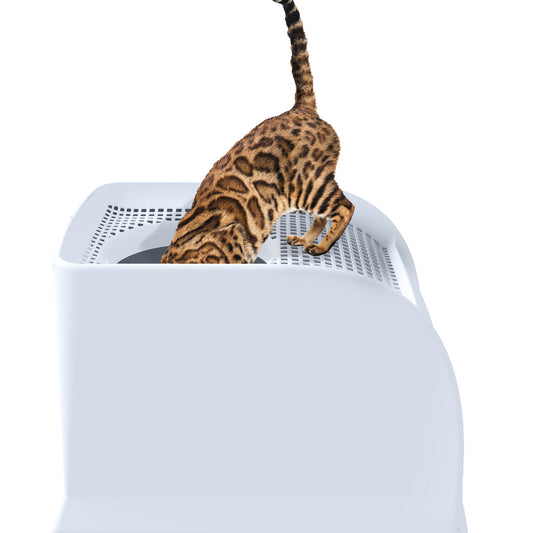
Not a fan of the look of a litter tray? Our cat washrooms are designed to hide your cat’s litter tray as well as give them a little bit of privacy. They come in two colours, white and grey, and are designed to look like they are part of your home.
5. Grooming Supplies
Regular grooming is essential to keep your kitten healthy and looking their best. Start grooming your kitten early to get them accustomed to the routine. Depending on your kitten’s fur type, a brush or comb will help keep their coat smooth and free of tangles.
6. Health and Wellness
Keeping your kitten healthy involves regular vet care and some essential health supplies at home.
Health Essentials for Your Kitten:
Vet Visits: Schedule your first vet appointment soon after bringing your kitten home.
Vaccinations and Medications: Follow your vet’s advice on necessary vaccinations and medications.
Flea and Tick Prevention: Discuss with your vet the best options for flea and tick prevention.
7. Playtime and Exercise
Kittens are full of energy and need plenty of playtime to stay happy and healthy. Make sure you have a range of toys and activities to keep them entertained.
Playtime Essentials for a New Kitten:
Interactive Toys: Toys like feather wands and laser pointers can keep your kitten active and engaged. We particularly love the Catit circuits, there’s lots of additions you can make to the circuit to keep it fun for your kitten.
Scratching Posts: These help kittens satisfy their natural scratching instincts while saving your furniture.
Cat Trees: Multi-level cat trees offer climbing and perching opportunities. Getting a larger cat tree for them to climb as well as scratch will also fulfil your cat’s desire to be up high. Check out our range of cat trees here.
8. Socialisation and Training
Early socialisation and training can help your kitten grow into a well-behaved and confident cat. Spend time interacting with your kitten to build trust and companionship.
Socialisation and Training Tips:
Positive Reinforcement: Use treats and praise to reward good behaviour.
Handling: Gently handle your kitten regularly to get them used to being touched and held.
Visitors: It’s a good idea to get your kitten used to you having people over, especially if you have a busy household.
9. Travel Essentials
If you plan to travel with your kitten, having the right supplies can make the journey more comfortable for both of you.
Travel Essentials for Kittens:
Cat Carrier: A secure, comfortable carrier is essential for trips to the vet or any travel. We love the Cabrio Cat Carrier for transporting our cats.
Travel Bowls: Collapsible bowls are convenient for food and water on the go, especially if you’ve got a long journey home with your cat.
10. Identification and Safety
Ensuring your kitten's safety is paramount. Proper identification can help in case your kitten gets lost.
Identification Essentials:
Collar and ID Tag: A breakaway collar with an ID tag can help identify your kitten if they wander off.
Microchipping: It’s now a legal requirement here in the UK for all cats to be microchipped by the time they are 5 months old and there are fines if your cat is found without a microchip. So it’s a good idea to get your kitten microchipped fairly quickly after you bring them home.
Conclusion
Bringing home a new kitten is a delightful experience, but it requires preparation and the right supplies to ensure your pet’s well-being. By following this comprehensive kitten checklist, you can create a safe, comfortable, and loving environment for your new furry friend. Remember, the initial investment in these kitten essentials will pay off in the form of a healthy, happy, and well-adjusted cat. Welcome to the wonderful world of pet kittens!
For more advice on kitten care and to shop for high-quality kitten products, shop our cat emporium here.
Cats can be fussy eaters, and introducing a new type of food can be challenging. Whether you need to switch due to dietary needs, health concerns, or simply a desire to try a different brand, transitioning your cat to a new food should be done gradually and thoughtfully. Here’s a guide to help you through the process, making a seamless transition for both you & your feline.
Why Change Your Cat's Food?
Common reasons for changing your cat's food may include:
Health Issues: Allergies, digestive problems, or other health conditions may require a special diet, when recommended by a veterinarian.
Age: Kittens, adult cats, and senior cats all have different nutritional needs.
Weight Management: Adjusting diet for weight loss or gain.
Quality of Food: Upgrading to a higher quality or more natural diet.
Flavour: Sometimes, our cats simply get bored of their current food.
Changing your cats diet
It’s important before you dive into swapping your cats food, you have done your research and picked the very best option for both you as the owner and the best option for your cat. You may need to consult your veterinarian, this is especially important if your cat has health issues - they may offer a specific food to meet your cats needs.
You may start with initial research into wet, dry or raw food - you will be able to find the best option to meet your cat/kitten’s nutritional needs, as well as their preference. It’s good to check the ingredients of the food you’re researching - opt for high quality ingredients such a real meat. Try to avoid fillers such as corn and soy as these are likely to be difficult for your cat to digest and the phytic acid may have a negative effect on your cats nutrition.
Remember abrupt changes can cause upset for your feline. A gradual transition will help your cat’s digestive system adjust to their new food. It’s good to work on a 1-10 day plan, however this may need to be adjusted to your cats needs. Below is a guide you may want to follow. It’s worth checking the new food feeding guides on the packaging as you may find they also have a helpful guide.
Day 1-3: Mix 25% of the new food with 75% of the old food.
Day 4-6: Mix 50% of the new food with 50% of the old food.
Day 7-9: Mix 75% of the new food with 25% of the old food.
Day 10+: Transition to 100% of the new food.
Throughout this process, keep a close eye on your cat and how they’re finding the adjustments. Watch for signs and reactions such as diarrhoea, constipation and sickness. Observe their overall wellbeing, their energy levels, coat condition and their behaviour.
Take note of their appetite and ensure your cat is actually eating the new food. You may find some reluctance, but persistent refusal may indicate the need for a different food. A healthy diet should improve your cats coat, making it shinier and softer. Their stool’s should be firm and moist - any drastic change in the stool should be monitored.
Changing my cats food
If your cat shows signs of distress or the transition isn’t going smoothly, you may need to slow down the process or consult your vet. Some cats may require a slower transition period, extending each phase by a few days.
Tips for a Successful Transition
Patience: Some cats are more sensitive to changes in their diet. Take it slow and be patient.
Mixing Techniques: Ensure the new and old food are well-mixed to prevent your cat from picking out their preferred pieces.
Wet Food Transition: If switching from dry to wet food, you might need to introduce the wet food as a treat initially, gradually increasing the portion size.
If your cat is refusing to eat their new food, try warming the food slightly to enhance its aroma. You may also want to mix in a small amount of a highly value treat.
Remember, changing your cat’s food doesn’t have to be a stressful experience. By taking a gradual approach and monitoring your cat’s response, you can ensure a smooth transition to their new diet. Remember, every cat is unique, so what works for one might not work for another. Patience and observation are key to finding the perfect food for your feline friend.
With careful planning and a little patience, your cat will be enjoying their new food and reaping the benefits of their new, healthy, balanced diet in no time.
Welcoming a new puppy into your home is such an exciting time, filled with playful moments and new experiences. However, we know as a new puppy owner you probably have a lot of questions about how to keep your puppy safe and healthy.
One of the most frequently asked questions by new puppy owners is about the right time to let their puppies explore the garden or go outside. In this guide, our Pet Experts have given their advice on when the right time is to start letting your puppy go outside and take them on walks.
Can I Let My Puppy in the Garden Before Vaccinations?
One of the critical aspects of outdoor safety for puppies revolves around vaccinations. A common question many new puppy owners ask is, "Can I let my puppy in the garden before vaccinations?" In the UK, vets generally advise that puppies should not be exposed to public outdoor spaces until they have completed their vaccination course. However, allowing your puppy to explore your private garden is usually encouraged, it will help with their toilet training routine and will start to get them used to being outdoors.
Factors to Consider Before Letting Your Puppy In The Garden
Cleanliness of the Garden: Ensure that your garden is free from faeces of other animals, which can harbour harmful pathogens.
Controlled Environment: A private garden can be a controlled environment where you can monitor your puppy's activities closely. Avoid areas frequented by other dogs.
Partial Vaccination: After the first vaccination, it might be safer to let your puppy explore the garden, but always consult with your vet.
When Can Puppies Go Outside?
Understanding the appropriate time when puppies can go outside is crucial for their health and safety. Typically, puppies can go outside in public spaces after their vaccination schedule is complete, which is usually around 12-16 weeks of age.
Key Milestones for Outdoor Activities
8 Weeks Old: Puppies receive their first round of vaccinations. Limited exposure to your private garden is usually safe under supervision.
10-12 Weeks Old: The second round of vaccinations occurs. Consult with your vet to determine if limited outdoor exploration can be extended.
16 Weeks Old: By this age, puppies have usually completed their vaccination course and can safely explore public spaces.
When Can Puppies Go Out for Walks?
Taking your puppy out for walks is essential for their socialisation and physical health. However, it's vital to ensure they are fully vaccinated before introducing them to public parks or streets.
Safe Walking Practices
Vaccination Check: Confirm with your vet that your puppy has received all necessary vaccinations.
Lead Training: Begin lead training at home and in the garden as soon as your puppy comes home, it’s a really key part of their learning and will make their first walk in wide world a little less daunting.
Short Walks: Start with short walks to avoid overwhelming your puppy and gradually increase the duration. Usually it’s recommended that your puppy has 1-2 walks a day for 5 minutes per month of age, e.g at 4 months old this would be around 20 minutes per walk. It’s important to keep their walks low impact whilst they are their bones and joints still developing. Get all your puppy walk essentials here at Lords & Labradors, we spend lots of time hand picking and curating the best essentials for your puppy.
How To Gradually Introduce Your Puppy To The Outdoors
Socialisation: Introduce your puppy to different sounds, smells, and sights gradually.
Positive Reinforcement: Use treats and praise to make outdoor experiences positive.
Safe Environment: Choose safe, clean areas for initial outdoor adventures.
Importance of Socialisation For Puppies
Young puppies brains are like sponges so getting them used to as many experiences as early as possible will be so beneficial to their development.
Meeting Other Dogs: Socialising with other vaccinated dogs in a controlled environment is crucial to your dog’s socialisation.
Exposure to Environments: Gradual exposure helps puppies become well-adjusted adult dogs.
Meeting Other People: Getting them used to meeting new people and learning to settle around difference people will be so beneficial to your puppy.
Enhanced Safety Measures For Your Puppy
Sanitised Area: Keep the garden area sanitised and clean.
Limit Interaction: Limit your puppy’s interaction with other animals until fully vaccinated.
Final Thoughts
Ensuring your puppy's safety outdoors requires careful planning and adherence to vaccination schedules. While the garden can be a great place for early exploration, full outdoor adventures should wait until vaccinations are complete. Always consult your vet to tailor a safe outdoor plan for your puppy, ensuring a healthy and happy start to their life.
Remember, patience and caution in the early months will set the foundation for a lifetime of safe and joyful outdoor experiences for your beloved pet.
Lords & Labradors was starting after our founder, Johanna an experienced puppy breeder, was struggling to find high-quality puppy essentials all in one place. Now we stock luxury products handpicked just for your puppy, explore our puppy emporium and make your puppies dreams come true today.



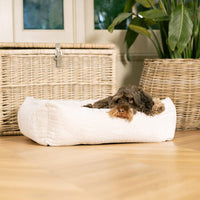


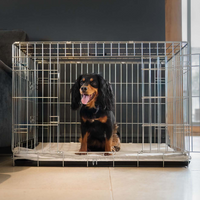
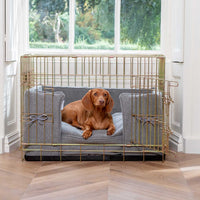
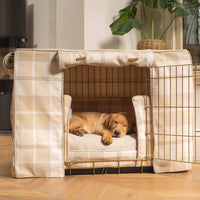



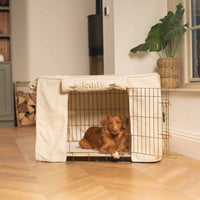
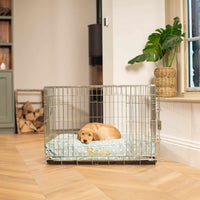


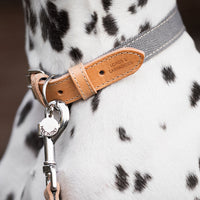
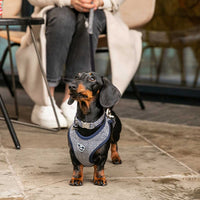
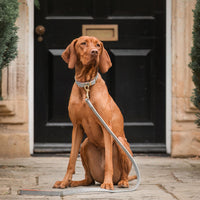


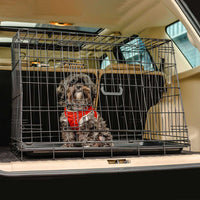
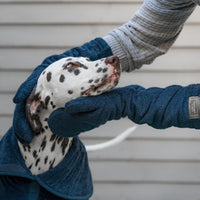
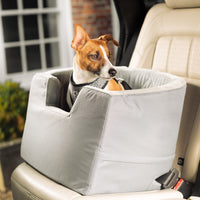


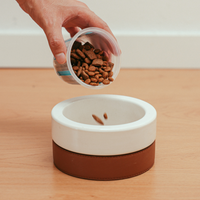
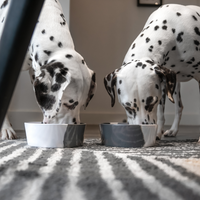











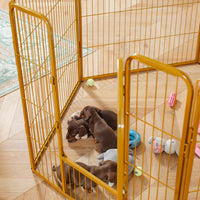


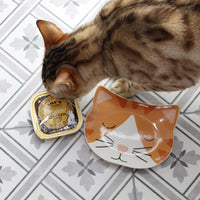
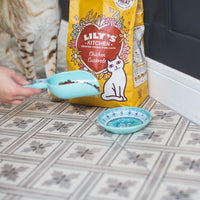
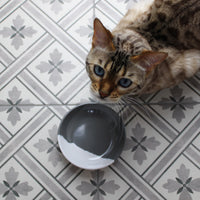


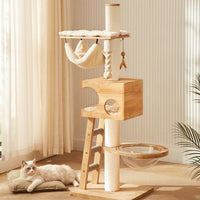
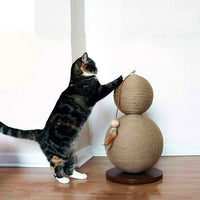




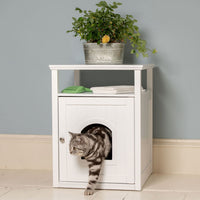


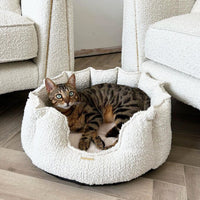
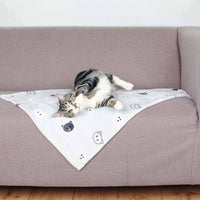
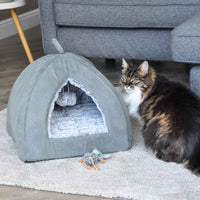








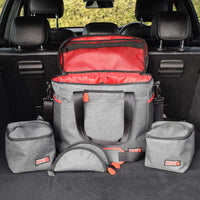




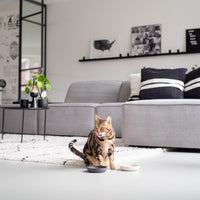


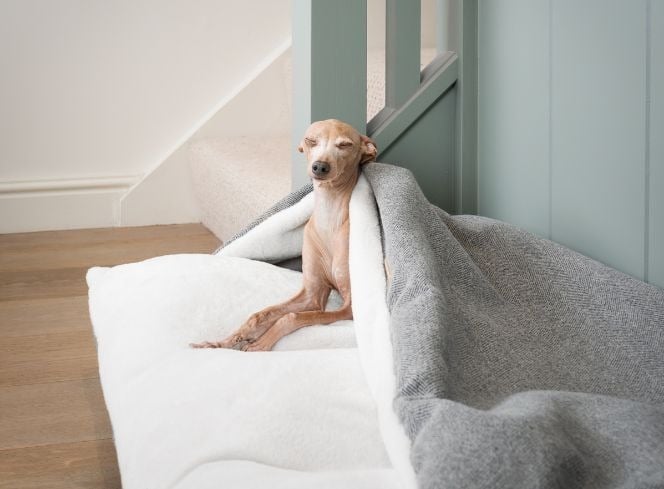
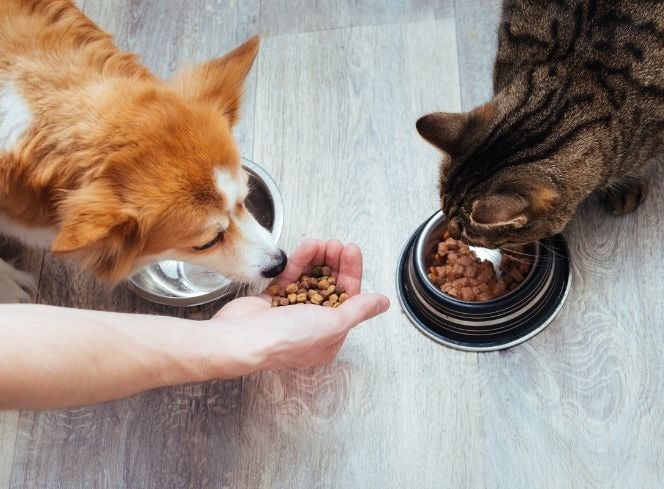
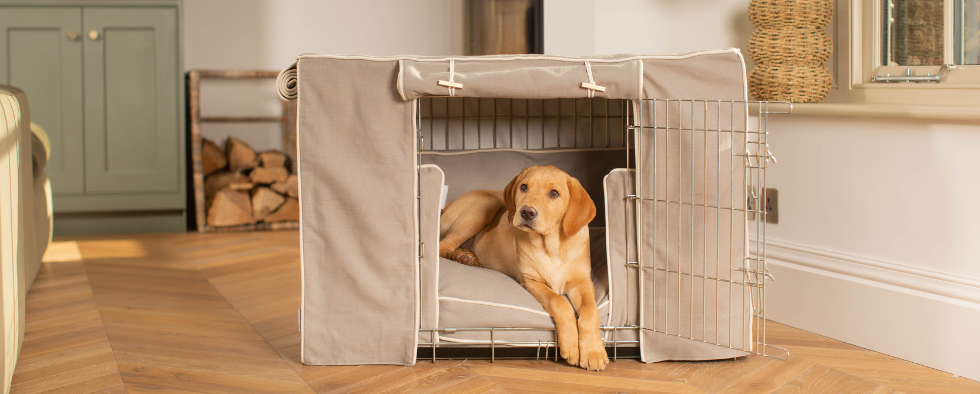
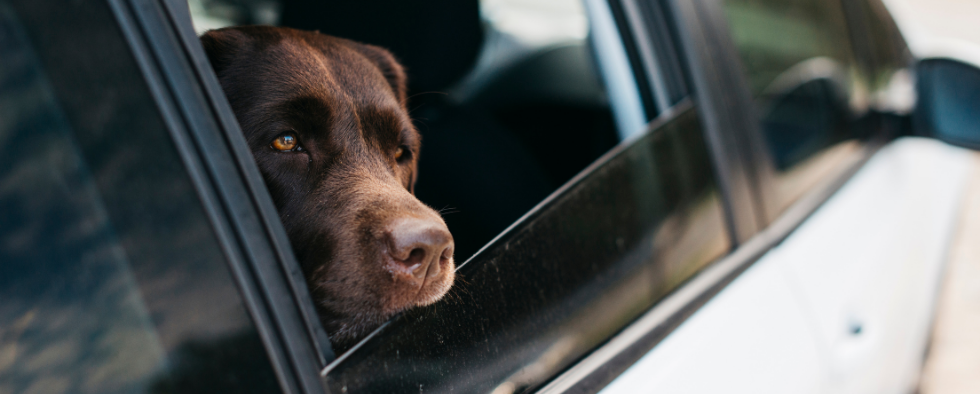
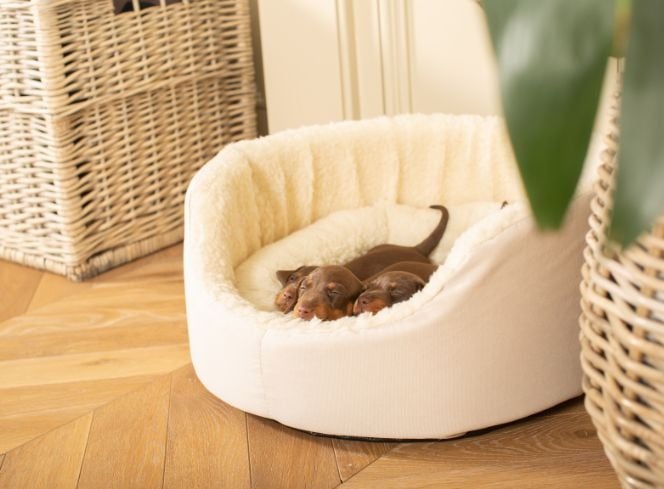
.jpg?v=1720435674482&options=)
.jpg?v=1720429288741&options=)


.jpg?v=1720108609369&options=)
.jpg?v=1720013867762&options=)