

























Lords & Labradors Information Hub

The home of handy tips and advice dedicated to pet owners

Coton De Tulear Ultimate Guide
07.02.24 February 07, 2024 Dog Breed Guide Featured

Coton De Tulear Ultimate Guide

Welcome to the ultimate guide on Coton De Tulears! If you’re considering adding one of these adorable fluffy companions to your family or if you already have one, this comprehensive guide will provide you with all the essential information you need to know about Coton De Tulears, from their personality traits to health issues, training, dietary needs, and everything in between. To shop all the essentials for your Coton De Tulear click here for our personalised shopping guide! Coton De Tulear Facts and Information The Coton De Tulear is a small, cheerful, and affectionate dog breed known for its cotton-like coat and charming personality. Originating from Madagascar, they were initially bred as companions, and their name comes from the French word "coton" for cotton. They are a beloved breed for their loving nature and gentle disposition. Coton De Tulear Personality and Traits Coton De Tulears are renowned for their friendly and sociable nature. They thrive on human companionship and are known to be excellent family pets. Their playful demeanour makes them wonderful companions for households with children, and their affectionate nature means they form strong bonds with their owners. Coton De Tulear Health Issues While generally healthy dogs, Coton De Tulears may be prone to certain health issues such as luxating patella, hip dysplasia, and progressive retinal atrophy. Regular veterinary check-ups, a balanced diet, and proper exercise can help maintain their overall health and well-being. Raising A Coton De Tulear Raising a Coton De Tulear requires patience, consistency, and love. Early socialisation and positive reinforcement training are essential to ensure they grow into well-behaved and well-adjusted companions. Coton De Tulear Training Coton De Tulears are intelligent and eager to please, which makes training a rewarding experience. Positive reinforcement techniques, such as treats and praise, work best with this breed. Consistent training from an early age helps establish good behaviour patterns and strengthens the bond between owner and dog. Exercise Needs of a Coton De Tulear Coton De Tulears are moderately active dogs that enjoy daily walks and playtime. Aim for around 30 minutes to an hour of exercise per day to keep them mentally and physically stimulated. Best Walking Accessories for a Coton De Tulear Investing in a comfortable harness and a sturdy lead is essential for enjoyable walks with your Coton De Tulear. Choose accessories that are lightweight and adjustable for a snug fit. We love the Cocopup London walking accessories, they are lightweight and super adjustable as well as coming in so many cute patterns.[product] Dietary Needs of a Coton De Tulear Providing a balanced diet is crucial for the health and longevity of your Coton De Tulear. Choose high-quality dog food formulated for small breeds and monitor their portion sizes to prevent overeating. Best Food for a Coton De Tulear Puppy When selecting food for a Coton De Tulear puppy, opt for formulas specifically designed to support their growth and development. Look for puppy food that contains essential nutrients such as protein, vitamins, and minerals. We particularly love the ACANA Small Breed Puppy Food, it’s made with 70%* protein-rich quality animal ingredients so it is perfect for supporting your Coton De Tulear’s development. Best Food for a Coton De Tulear As your Coton De Tulear matures, transition to an adult dog food that meets their nutritional needs and the ORIJEN Small Breed Dog Food does just that. It is made from 85% quality protein including fresh or raw chicken, turkey, wild-caught fish, it is also rich in Omega-3 and Omega-6 fatty acids support healthy eyes and skin, and a shiny coat so is a perfect food choice for your pup. Coton De Tulear Bed Your Coton De Tulear will want a cosy bed to rest and relax in, luckily beds are our speciality. If your Coton De Tulear is anything like ours they will absolutely love a high wall bed! Nush loves the high sides of her granite bouclé bed for curling up in at nap time and the cloud-like Bouclé is super snuggly. In conclusion, Coton De Tulears are delightful companions known for their affectionate nature and charming personalities. With proper care, training, and attention to their needs, they make wonderful additions to any household. Whether you're considering welcoming a Coton De Tulear into your family or you're already a proud owner, this ultimate guide will help you provide the best care for your beloved canine companion.

By Megan Willis

Read more
Cocker Spaniel Ultimate Guide
06.02.24 February 06, 2024 Dog Breed Guide Featured

Cocker Spaniel Ultimate Guide

Cocker Spaniels are renowned for their charming personalities, distinctive traits, and undeniable cuteness. Whether you're a first-time owner or a seasoned enthusiast, this ultimate guide provides comprehensive information on Cocker Spaniels, covering everything from their unique traits to health considerations and the best ways to care for these delightful companions. Cocker Spaniel Facts and Information Cocker Spaniels, known for their medium-sized build and silky, feathered coats, are the smallest member of the sporting group of dogs. Originating from England, they were initially bred for hunting woodcocks, hence the name "Cocker Spaniel." These dogs are not only aesthetically pleasing but also make wonderful family pets due to their friendly and gentle nature. Cocker Spaniel Personality and Traits Personality Cocker Spaniels are affectionate, intelligent, and sociable dogs. They thrive on human companionship and are known for their eagerness to please. This makes them excellent family pets that get along well with children and other animals. Traits Energetic: Cocker Spaniels have a moderate to high energy level, making them suitable for active families. Intelligent: These dogs are quick learners, making them responsive to training and various commands. Affectionate: Cocker Spaniels form strong bonds with their owners and enjoy being involved in family activities. Understanding Cocker Spaniels: Working vs. Show Varieties Cocker Spaniels come in two distinct varieties: working and show. While both share the same ancestry and many common traits, there are notable differences between the two. Working Cocker Spaniels Purpose: Working Cockers are bred for their hunting abilities and fieldwork prowess. Appearance: They tend to have a leaner build and a more functional coat, often with less feathering to prevent snagging in the field. Temperament: Working Cockers are highly energetic, intelligent, and thrive on activity and mental stimulation. Training: They excel in obedience and agility training, as well as activities like retrieving and scent work. Show Cocker Spaniels Appearance: Show Cockers have been bred for conformation to the breed standard, emphasising aesthetic qualities such as coat colour, size, and shape. Temperament: They typically have a calmer demeanour compared to their working counterparts, making them well-suited for family companionship. Grooming: Show Cockers often have longer, more abundant coats with extensive feathering, requiring regular grooming and maintenance. Activity Level: While they still enjoy exercise and play, they may have slightly lower energy levels compared to working Cockers. Considerations It's essential to understand the differences between working and show Cockers when choosing a companion. Working Cockers thrive in active, outdoor environments and require ample mental and physical stimulation, while show Cockers may be better suited for a more relaxed lifestyle and regular grooming sessions. Regardless of their variety, both types of Cocker Spaniels make wonderful companions, each bringing their own unique qualities to enrich the lives of their owners. Cocker Spaniel Health Issues While Cocker Spaniels are generally healthy dogs, they can be prone to certain health issues. Regular veterinary check-ups are crucial to ensuring their well-being. Common health concerns include: Ear Infections: Due to their floppy ears, Cocker Spaniels may be prone to ear infections. Regular cleaning is essential. Eye Problems: Some Cocker Spaniels may develop eye issues, such as cataracts or progressive retinal atrophy. Obesity: Proper diet and regular exercise are vital to prevent obesity, which can lead to various health problems. Raising a Cocker Spaniel Cocker Spaniel Training Training is an integral part of raising a well-behaved Cocker Spaniel. Here are key aspects to consider: Obedience Training: Start early with basic commands like sit, stay, and come. House Training: Establish a consistent routine for bathroom breaks and reward good behaviour. Puppy Training Tips: Socialise your Cocker Spaniel early to ensure they are comfortable around people and other animals. One of the most valuable things you can teach your Cocker Spaniel is how to settle, they have a high energy level so a lot of them struggle to switch off. Teaching them how to chill on their bed after a walk or when you have people round will be so valuable to you as a Cocker Spaniel owner. Exercise Needs How Much Exercise Does a Cocker Spaniel Need? Cocker Spaniels thrive on physical activity. Aim for at least 30 to 60 minutes of exercise per day. This can include walks, playtime, and mentally stimulating activities to keep them engaged. Best Walking Accessories for a Cocker Spaniel Investing in quality walking accessories such as a comfortable harness and collar as well as a sturdy lead. We love our Herdwick collars and leads, the tones of them compliment Spaniels coats perfectly and we just love the wooly texture against their coats. Dietary Needs Cocker Spaniel Dietary Needs A well-balanced diet is essential for the health of your Cocker Spaniel. Choose high-quality dog food with appropriate protein levels and essential nutrients. Regularly monitor their weight and adjust their diet accordingly. Best Food for a Cocker Spaniel Puppy For growing puppies, opt for a puppy-specific formula that supports their development. For Cocker Spaniel puppies we love either PRO PLAN Small/Mini Puppy Healthy Start with Chicken Dry Food or Harringtons Puppy Dry Dog Food with Turkey & Rice. Both are packed with goodness to support your Cocker Spaniel pups growth and development. Best Food for a Cocker Spaniel For adult Cocker Spaniels we love food from Orijen, Acana and Carnilove, they all are made with high quality protein and are packed full of nutrients! Cocker Spaniel Bed Providing a comfortable bed is essential for your Cocker Spaniel's well-being. Consider the following factors when choosing a bed: Size: Select a bed that accommodates your Cocker Spaniel's size, allowing them to stretch out comfortably. Support: Look for a bed with ample cushioning to support their joints, especially if they are older or have mobility issues. Here at Lords & Labradors beds are our speciality, from cosy high walls to spacious box beds or luxury crate sets we’re sure to have the perfect bed for your Cocker Spaniel. Investing in a quality bed ensures your Cocker Spaniel has a cosy retreat where they can rest and recharge. Best Toys for Cocker Spaniels Toys play a vital role in keeping your Cocker Spaniel mentally stimulated and physically active. Here are some recommendations for the best toys: Interactive Toys: Toys that dispense treats or require problem-solving skills engage your Cocker Spaniel's mind and prevent boredom. 15 minutes of snuffling is equivalent to an hour of physical exercise so using an interactive toy like a snuffle mat is a great way to help calm your Cocker Spaniel down and focus their attention. Chew Toys: Durable chew toys help satisfy your Cocker Spaniel's natural urge to chew while promoting dental health. We love the Gnosher chew toys, they’re scented so are super appealing to your pup. Plush Toys: Soft, plush toys provide comfort and companionship for your Cocker Spaniel, especially during quiet moments. We love KONG Shakers Honkers Duck, it doubles up as a cuddly toy and a tugging and shaking toy! Fetching Toys: Cocker Spaniels love a game of fetch with their natural hunting instincts. We particularly love the Nerf toys for playing fetch with. The Trackshot Launcher Duck will take your games of fetch to a whole new level, it’s an elasticated slingshot toy and can launch up to 75 feet. The Air Strike thrower is great for dogs who just love to chase after a tennis ball, it elevates the classic game of fetch into a long-distance chasing exercise - perfect for their hunting instincts. Rotate toys regularly to maintain your Cocker Spaniel's interest and prevent toy fatigue. Supervise playtime to ensure safety and replace worn or damaged toys promptly. Incorporating a variety of toys into your Cocker Spaniel's routine enhances their overall well-being and strengthens the bond between you and your furry friend.In conclusion, understanding the unique characteristics of Cocker Spaniels is the key to fostering a happy and healthy relationship with these delightful companions. From their lively personalities to their specific care needs, this ultimate guide equips you with the knowledge to provide the best possible life for your Cocker Spaniel. Whether you're a novice or a seasoned owner, the joy and love a Cocker Spaniel brings to your life make the journey truly rewarding. To shop essentials for your Cocker Spaniel click here.

By Megan Willis

Read more
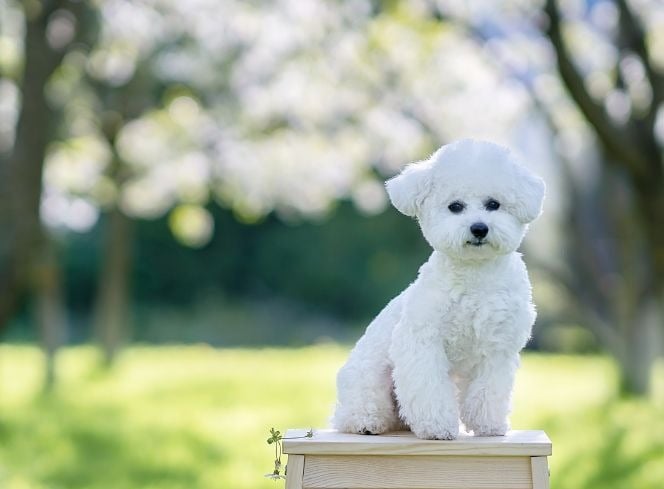
Bichon Frise Ultimate Guide
05.02.24 February 05, 2024 Dog Breed Guide Featured

Bichon Frise Ultimate Guide

Welcome to the comprehensive guide on Bichon Frises, your ultimate resource for understanding the personality, traits, health, training, exercise needs, and care tips for these adorable fluffy companions. Whether you're a seasoned Bichon Frise owner or considering adding one to your family, this guide aims to provide valuable insights and practical advice to ensure a harmonious relationship with your furry friend. To shop our Bichon Frise must haves, click here Unveiling Bichon Frise Personality and Traits Bichon Frises are renowned for their charming personalities and delightful traits. Affectionate, playful, and sociable, these little dogs thrive on human companionship and love to be the centre of attention. Their cheerful disposition and gentle nature make them excellent family pets and companions for individuals of all ages. Bichons are known for their intelligence, agility, and eagerness to please, which makes them relatively easy to train and enjoy learning new tricks. Exploring Bichon Frise Facts and Information Originating from the Mediterranean region, Bichon Frises belong to the toy dog breed group and have a long history as beloved companions and entertainers. Their distinctive fluffy white coat is hypoallergenic and requires regular grooming to prevent matting and maintain their signature appearance. Bichons are generally healthy dogs with a lifespan of 12 to 15 years. Understanding Bichon Frise Health Issues While Bichon Frises are generally robust dogs, it's essential to be aware of potential health issues that may affect them. Allergies: Bichons may develop skin allergies, so it's essential to monitor their diet and environment. Dental Health: Regular dental care is vital to prevent dental issues in these small breeds. Ear Infections: Bichon Frises are susceptible to ear infections due to their floppy ears, necessitating regular cleaning. Regular vet check-ups, a balanced diet, proper dental care, and regular exercise can help maintain their overall health and well-being. Bichon Frise Training: Tips for Success Training a Bichon Frise requires patience, consistency, and positive reinforcement techniques. Start training early to establish good habits and prevent behavioural issues. Use rewards such as treats, praise, and playtime to motivate your Bichon and make learning fun and engaging. House Training a Bichon Frise Puppy House training a Bichon Frise puppy can be a rewarding experience with the right approach. Establish a consistent schedule for feeding, toilet breaks, and crate training. Supervise your puppy closely indoors and provide ample opportunities for outdoor elimination. Accidents may happen, but with patience, consistency and positive reinforcement, your Bichon will learn the ropes of house training. Bichon Frise Exercise Needs: Keeping Them Active and Healthy Despite their small size, Bichon Frises are energetic dogs that require regular exercise to stay healthy and happy. Daily walks, play sessions, and interactive toys can help fulfil their exercise needs and prevent boredom. However, it's essential to avoid overexertion, especially in hot or humid weather, as Bichons can be sensitive to extreme temperatures.  Our favourite walking accessories for Bichon Frises are the Cocopup range, they come in so many cute patterns and colours and have a big range of sizes to pick from so you're sure to get the perfect fit for your Bichon Frise. Raising a Bichon Frise Puppy: Nurturing Their Development Raising a Bichon Frise puppy involves providing them with love, care, and proper socialisation from an early age. Expose your puppy to various people, animals, and environments to help them develop into well-adjusted and confident adults. Establish routines, boundaries, and positive reinforcement techniques to foster good behaviour and strengthen your bond with your Bichon. Optimal Nutrition: Best Dog Food for Bichon Frise Choosing the right dog food is crucial for your Bichon Frise's overall health. Look for high-quality, well-balanced options that cater to their specific needs. For a well balanced option we recommend trying either Orijen or Acana, they have your dog’s nutritional needs at the forefront Best Dog Food for Bichon Frise Puppy Puppies have unique nutritional requirements. Select a premium puppy formula rich in essential nutrients to support their growth and development. We love the Purina ProPlan formulations for puppies! Best Beds for Bichon Frises: Creating a Cosy Retreat Bichon Frises love to curl up in a comfortable spot to rest and recharge. Invest in a soft, supportive bed that provides adequate cushioning and promotes proper alignment for your Bichon's joints. Why not try one of our High Wall Beds? The high cosy sides encourage them to curl up and the comfy cushion is supportive! In conclusion, Bichon Frises are cherished companions known for their endearing personality, playful demeanour, and unwavering loyalty. By understanding their unique traits, addressing their health needs, providing proper training and care, and selecting the right products, you can ensure a fulfilling and rewarding relationship with your beloved Bichon Frise for years to come. Remember, the bond you share with your Bichon Frise is a special one, filled with love, joy, and unforgettable moments. Embrace each day together and cherish the pawprints they leave on your heart. Here's to many wagging tails and endless cuddles with your beloved Bichon Frise!

By Megan Willis

Read more
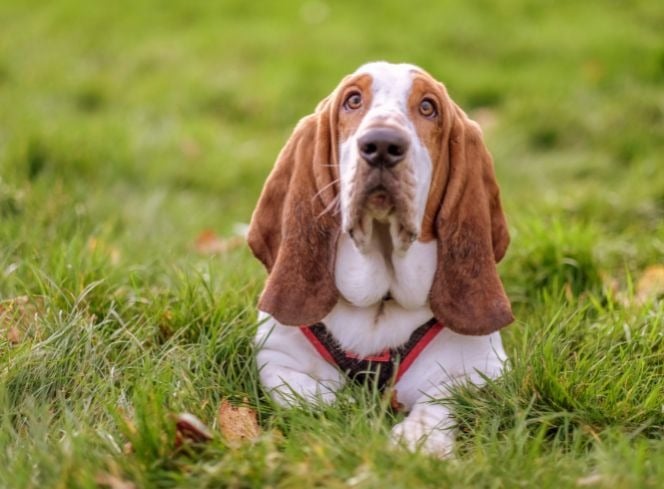
Bassett Hound Ultimate Guide
05.02.24 February 05, 2024 Dog Breed Guide Featured

Bassett Hound Ultimate Guide

If you're considering adding a Basset Hound to your family or already have one wagging its tail around your home, you're in for a delightful journey with this charming breed. Basset Hounds, with their droopy ears, soulful eyes, and affectionate demeanour, capture the hearts of dog lovers worldwide. In this comprehensive guide, we'll delve into the intricacies of Basset Hound ownership, covering everything from their distinctive traits and health concerns to training tips, accessories, and nutrition essentials. Shop Basset Hound Essentials Here Basset Hound Traits: Understanding the Essence Basset Hounds are renowned for their distinctive appearance and gentle temperament. Here are some key traits that define this lovable breed: Appearance: Bassets are low to the ground with long, droopy ears, soulful eyes, and a wrinkled brow that gives them a perpetually sad expression. Temperament: Known for their gentle and laid-back demeanour, Basset Hounds are affectionate, loyal companions who thrive on human company. Scent Hounds: Bassets have an exceptional sense of smell, inherited from their hunting ancestry, which can lead them to follow interesting scents for miles if given the opportunity. Basset Hound Health Issues: Prioritising Well-being While Basset Hounds are generally healthy dogs, they are prone to certain breed-specific health issues, including: Hip Dysplasia: A common condition in larger breeds, hip dysplasia can affect Basset Hounds, leading to discomfort and mobility issues. Intervertebral degenerative disc disease (IVDD): Due to their small legs and long backs Basset Hounds are prone to developing IVDD, also known as a slipped disc Obesity: Their love for food combined with their sedentary nature can predispose Bassets to obesity, which can exacerbate other health problems, including IVDD Ear Infections: Those long, floppy ears can trap moisture and debris, making Basset Hounds susceptible to ear infections. Dermatitis: Due to their skin folds Basset Hounds are prone to developing dermatitis Regular veterinary check-ups, a balanced diet, and adequate exercise are crucial for maintaining your Basset Hound's health and well-being. Basset Hound Personality: Endearing Quirks and Charms Basset Hounds have a personality as unique as their appearance. Here's what you can expect: Affectionate: Bassets adore their human family members and thrive on companionship and attention. Laid-back: While they enjoy outdoor adventures, Basset Hounds are equally content lounging on the couch with their favourite humans. Stubborn: Their independent streak can make training a challenge, but patience and consistency yield rewarding results. Chatty: They are known for their love to sing, howl and bark, Bassets are known for being a more vocal breed Basset Hound Training: Nurturing Obedience and Bonds Training a Basset Hound requires patience, positive reinforcement, and a good dose of humour. Here are some tips for successful training: Start Early: Begin training and socialisation from a young age to prevent undesirable behaviours from becoming entrenched. Positive Reinforcement: Use treats, praise, and rewards to motivate your Basset Hound during training sessions. Be Patient: Bassets have a stubborn streak, so consistency and patience are key to successful training outcomes. Walking Accessories For Basset Hounds: Ensuring Comfort and Safety When it comes to walking your Basset Hound, the right accessories can make all the difference: Harness: A harness is a great option for spreading the pressure and relieving strain if your Basset Hound likes to pull, which is common due to their scenting nature. We recommend an adjustable neck harness, such as the Ruffwear front range harness, as you will be able to adjust them to fit your Basset Hounds deep chest. Collar and lead set: If you’re looking to walk your Basset Hound on a collar and lead we recommend our Padded Italian leather collar and lead sets, the padding on the collar makes them super soft and supportive on your Basset’s neck and the matching lead is a must-have for any style conscious pooches   Best Dog Toys for Basset Hounds: Keeping Them Entertained Basset Hounds have a playful side that thrives on interactive toys and games. Here are some favourites: Plush Toys: Soft, squeaky plush toys appeal to your Basset Hound's natural hunting instincts and provide hours of entertainment. The GiGwi Duraspikes are great for hunting dogs as they are made to be more durable than your average plush dog toy so should last longer! Fetching Toys: Due to your Basset’s hunting heritage they are likely to love a game of fetch, we particularly love the Nerf toys for playing fetch with. The Trackshot Launcher Duck will take your games of fetch to a whole new level, it’s an elasticated slingshot toy and can launch up to 75 feet. The Air Strike thrower is great for dogs who just love to chase after a tennis ball, it elevates the classic game of fetch into a long-distance chasing exercise - perfect for their hunting instincts. Tug-of-War Ropes: Sturdy ropes are perfect for interactive play sessions and help satisfy your Basset's urge to chew. We have a big selection of rope toys to choose from for your next game of tug of war with your Basset Hound. Puzzle Toys: Challenge your Basset's mind with puzzle toys that dispense treats as rewards, keeping them mentally stimulated and engaged. They are scent dogs so having them work for their food using puzzle toys is a great way to stimulate them. We particularly love the Nina Ottosson interactive toys, there is a big selection of interactive toys to keep your Basset Hound’s mind busy.   Best Bed for a Basset Hound: Prioritising Comfort and Support Given their love for lounging, choosing the right bed for your Basset Hound is essential: Cosy & Calming Puppy Crate Bed: Our Cosy & Calming puppy crate beds are perfect for when you first bring your Basset puppy home, they fit exactly half the crate so are perfect for crate training. Luxury Box Beds: Box beds are perfect for dogs who love to spread out whilst they sleep and are perfect for when they graduate from their cosy & calming bed. Our box beds come in all of our signature fabrics so there’s sure to be something that matches your style! Orthopaedic Bed: Basset Hounds, like many larger breeds, benefit from the support and comfort of an orthopaedic bed, especially as they age. Our Orthopaedic Twill mattresses are crafted with thick orthopaedic foam and a plush fur top, so are perfect for supporting your Basset.   Basset Hound Food and Treats: Nourishing Their Appetites Proper nutrition is vital for your Basset Hound's health and vitality. Here are some considerations: High-Quality Diet: Choose a well-balanced, high-quality dog food formulated for your Basset's age, size, and activity level. Our favourite food brands include Orijen, Acana and Carnilove, they’re all designed with your dog’s health and nutrition at the forefront. Portion Control: Monitor your Basset's food intake to prevent overeating and obesity. Healthy Treats: Offer nutritious, low-calorie treats in moderation to reinforce good behaviour and strengthen the bond between you and your Basset Hound. In conclusion, welcoming a Basset Hound into your life is a journey filled with love, laughter, and cherished memories. By understanding their unique traits, addressing their health needs, providing appropriate training and enrichment, and nourishing them with love and care, you'll enjoy a fulfilling companionship that lasts a lifetime. With the right guidance and dedication, your Basset Hound will become not just a beloved pet but a cherished member of your family. Shop all the essentials for your Basset Hound here!

By Megan Willis

Read more
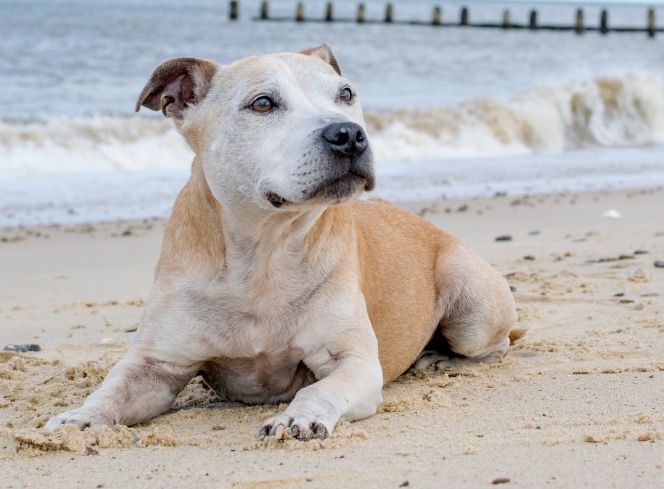
Staffordshire Bull Terrier Guide
30.01.24 January 30, 2024 Dog Breed Guide Featured

Staffordshire Bull Terrier Guide

Welcome to our ultimate guide to Staffordshire Bull Terriers! If you're considering adding a Staffordshire Bull Terrier to your family or already have one, you're in for a delightful journey with this remarkable breed. In this comprehensive guide, we'll delve into various aspects of Staffordshire Bull Terrier ownership, including their personality, traits, health issues, training, dietary needs, exercise requirements, accessories, and much more.   Staffordshire Bull Terrier Personality and Traits Staffordshire Bull Terriers, often affectionately called "Staffies," are renowned for their courageous, affectionate, and loyal nature. They possess a unique blend of strength and gentleness, making them excellent family companions, they are often referred to as the “nanny dog” due to their love for children. Staffordshire Bull Terriers are companion dogs so their favourite place to be is with their families, so often don’t do well with being left alone for extended periods of time With proper socialisation and training, Staffies exhibit a friendly and outgoing demeanour towards people and other pets. Staffies are part of the terrier family of dogs, meaning they have a high prey dive and a natural love for digging but they are also highly intelligent because of this. Their innate intelligence and eagerness to please make them highly trainable, although they may display a stubborn streak at times. It's essential to establish firm and consistent leadership while maintaining positive reinforcement techniques during training sessions.   Staffordshire Bull Terrier Health Issues Like all breeds, Staffordshire Bull Terriers may be prone to certain health issues. Common concerns include Patella Luxation, Cruciate ligament disease, cataracts, skin allergies such as dermatitis. Regular veterinary check-ups, a balanced diet, and adequate exercise can help mitigate potential health problems and ensure your Staffie leads a long and healthy life.   Raising A Staffordshire Bull Terrier Raising a Staffordshire Bull Terrier requires patience, dedication, and love. Like all breeds, early socialisation is crucial to help them become well-adjusted and confident adults, due to originally being bred for sport Staffies can be competitive and aggressive with other dogs if they haven’t been properly socialised. Providing a stimulating environment with plenty of mental and physical exercise will help prevent boredom and destructive behaviours.   Staffordshire Bull Terrier Training Training is an integral part of owning a Staffordshire Bull Terrier. Their eager to please nature means they are easy to train but they can be stubborn and impulsive at times so getting basic puppy training in early is key. Positive reinforcement techniques such as treats, praise, and playtime work best with this breed. Consistency and patience are key, and early training sessions should focus on basic obedience commands and proper lead manners.   How Much Exercise Does A Staffordshire Bull Terrier Need? Staffordshire Bull Terriers are active and energetic dogs that require regular exercise to stay healthy and happy. Aim for at least 60 minutes of physical activity each day, which can include walks, playtime in the garden, and interactive games. Engaging in activities that stimulate their minds and bodies will help prevent boredom and channel their energy in a positive direction.   Best Walking Accessories For A Staffordshire Bull Terrier When walking your Staffordshire Bull Terrier, invest in high-quality walking accessories such as a sturdy lead, harness, and collar. Opt for a harness that fits snugly without restricting movement, especially for strong pullers, we love the Ruffwear Front Range harness for this, you can clip a lead to the front and the back of the harness to give you additional control whilst training your Staffie to loose lead walk. They also have matching collars and leads available! If you’re looking for a stylish collar and lead set our padded Italian leather collar and leads are perfect, they are handcrafted in Italy and the padding makes them super comfortable for your pup.   Staffordshire Bull Terrier Grooming Due to their short coat, Staffies are really low maintenance when it comes to grooming with only seasonal shedding to worry about. For bathing them we recommend using our PetPlex derma doctor, they are prone to dermatitis so this sensitive formulation is perfect for their sensitive skin.   Staffordshire Bull Terrier Dietary Needs A nutritious diet is essential for the overall health and well-being of your Staffordshire Bull Terrier. Choose a high-quality dog food formulated for their age, size, and activity level. Monitor their calorie intake to prevent obesity, and provide plenty of fresh water at all times. Best Food For A Staffordshire Bull Terrier Puppy For Staffordshire Bull Terrier puppies, select a puppy-specific formula rich in essential nutrients for healthy growth and development. Feed them small, frequent meals throughout the day and consult with your vet for personalised feeding recommendations. For a high quality puppy food we love either the PRO PLAN Medium Puppy for Sensitive Skin with Salmon Dry Food as it’s great for their allergy prone skin or the Carnilove Salmon with Blueberries Puppy Food as the ingredients were hand selected to support healthy physical development. Best Dog Food For A Staffordshire Bull Terrier When selecting dog food for your adult Staffordshire Bull Terrier, opt for a balanced diet that includes protein sources, healthy fats, carbohydrates, vitamins, and minerals. Avoid foods containing artificial additives, fillers, and by-products, as these may compromise their health in the long run. Brands to look at for healthy dog food for your Staffie are Carnilove, Orijen and Acana - they are all full of healthy and nutritious ingredients for your dog!   Staffordshire Bull Terrier Bed Provide your Staffordshire Bull Terrier with a comfortable and supportive bed where they can rest and relax. Choose a bed size that accommodates their body size and sleeping habits, and opt for materials that are durable and easy to clean. If you have a particularly mucky Staffy you might want to try one of our Rhino tough beds which are wipe clean and bleachable. For your Staffie puppy we’d recommend one of our cosy & calming puppy crate beds and dog crates, this will be perfect for settling them in at home and giving them a safe space.   Best Toys For Staffordshire Bull Terriers Staffordshire Bull Terriers are playful by nature and enjoy a variety of toys to keep them mentally stimulated and entertained. Opt for toys that are durable, interactive, and safe for chewing, such as rubber chew toys, puzzle toys, and interactive balls. Staffordshire Bull Terrier Soft Toy For a cosy companion, consider gifting your Staffordshire Bull Terrier a soft toy that they can snuggle with during naptime or bedtime. Staffies are known to be chewers so will often get into soft toys quite easily so we’d recommend trying one of the GiGwi duraspikes range which has been designed to be tough! Staffordshire Bull Terrier Chew Toys If your Staffy loves to chew try the gnoshers or bamboodle chews, they’re flavoured with chicken or beef and are perfect to keep your chewing Staffy busy. In conclusion, Staffordshire Bull Terriers are loving, loyal, and vibrant companions that bring joy and companionship to any household. By understanding their unique needs and providing them with proper care, training, and attention, you'll forge a deep and lasting bond with your Staffordshire Bull Terrier for years to come. Thank you for reading our Staffordshire Bull Terrier Ultimate Guide. Here's to many happy adventures with your beloved Staffie! Want to shop for your Staffie? Have a look at our Staffordshire bull terrier shop here for the best products for your pup!

By Megan Willis

Read more
The Importance Of Correct Nutrition For Dogs And Cats!
29.01.24 January 29, 2024 Health Featured

The Importance Of Correct Nutrition For Dogs And Cats!

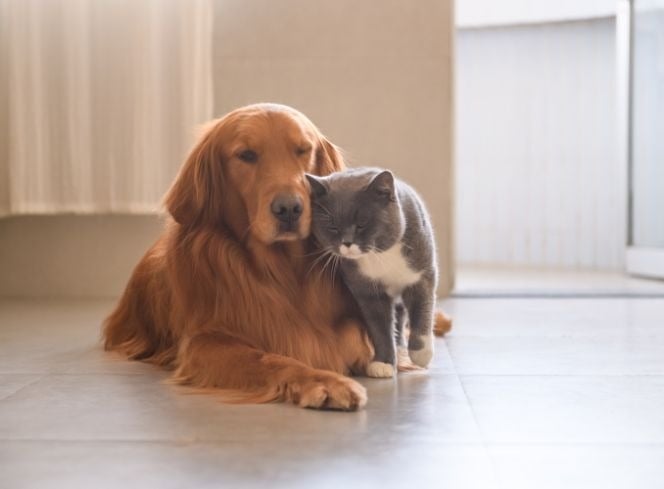
Ensuring optimal nutrition for our beloved pets is paramount for their overall health and well-being. As responsible pet owners, it is crucial to understand the significance of providing nutritionally complete and balanced meals to our furry friends. In this comprehensive guide, we will delve into the world of dog and cat nutrition, exploring the importance of the right food choices, nutritionally complete homemade recipes, and the best commercial options available.   Understanding Dog and Cat Nutrition Your pet's nutrition plays a pivotal role in their vitality and longevity. Just like humans, dogs and cats require a balanced diet that fulfils their specific dietary needs. A well-rounded diet supports their immune system, maintains a healthy weight, and promotes optimal organ function. Pet food ranges from being more processed to being raw and rich in natural ingredients, finding the right fit for your pet is important!   Dog Food Nutrition Choosing the right dog food is a key aspect of canine care. With an abundance of options available, it's essential to prioritise nutritionally complete choices. To make an informed decision, consider using a dog food nutrition calculator and comparing different products. Look for the best nutritional dog food that meets your pet's unique requirements, taking into account factors such as breed, size, and age. Our favourite nutritionally rich dog foods are Orijen, Carnilove and Acana, they are all designed with your dogs nutrition in mind.     Dog Nutrition Facts and Guide Understanding dog nutrition facts is imperative for providing the best care. Refer to a dog food nutrition guide to navigate through the plethora of choices available in the market. Learn about your dog's daily nutritional requirements and make informed decisions that contribute to their overall health and happiness.   Cat Food Nutrition Cats, being obligate carnivores, have unique nutritional requirements. The best cat food for nutrition considers their need for high-quality protein and essential nutrients. Explore dry cat food nutrition labels to ensure your feline friend receives a balanced diet that supports their specific dietary needs. For a cat food which is high in protein and great for fussy felines we love Carnilove, they all have at least 80% wild origin meat content and contain No grains, potatoes, GMO, soy, sugar, preservatives or colourants.   Daily Nutritional Requirements for Cats Cats require a carefully balanced diet to thrive. Knowing the daily nutritional requirements for cats is essential for choosing the right cat food. Consult with your vet to understand the specific needs of your cat, such as the importance of taurine and other essential nutrients crucial for their health. In conclusion, the importance of correct nutrition for dogs and cats cannot be overstated. Whether choosing commercial options or crafting homemade recipes, prioritising nutritionally complete meals is key to ensuring your pet's health and happiness. Stay informed about dog and cat nutrition, consult with professionals, and make choices that align with your pet's unique requirements. By providing the best nutritional dog food or cat food, you contribute to a longer, healthier life for your furry companions. Here at Lords & Labradors we have a large range of both cat and dog food so you can pick the best option for you and your pet

By Megan Willis

Read more
Why Is Chocolate Harmful To Pets?
29.01.24 January 29, 2024 Health Featured

Why Is Chocolate Harmful To Pets?

When it comes to indulging in sweet treats, most of us are well aware of the pleasures and potential pitfalls of consuming chocolate. However, what many pet owners may not realise is that chocolate can pose a serious threat to the health of their furry friends. In this comprehensive guide, we'll explore why chocolate is harmful to pets, particularly focusing on the questions: Can cats eat chocolate? Can dogs eat chocolate? And what should you do if your pet ingests this tempting yet perilous treat?   Understanding Chocolate Toxicity: Chocolate contains substances known as theobromine and caffeine, both of which belong to a class of compounds called methylxanthines. While humans can metabolise these substances relatively easily, pets, especially dogs and cats, process them much more slowly. As a result, theobromine and caffeine can accumulate to toxic levels in their systems, leading to various health issues.   Can Cats Eat Chocolate? No, cats cannot safely consume chocolate. While felines are generally less inclined to eat chocolate compared to dogs, it's crucial for cat owners to be vigilant. Theobromine and caffeine in chocolate can cause adverse reactions in cats, leading to symptoms such as increased heart rate, restlessness, and even seizures. In severe cases, chocolate ingestion can be fatal for cats.   Is Chocolate Poisonous to Cats? Is Chocolate Toxic to Cats? Yes, chocolate is poisonous and toxic to cats. Due to their smaller size and differences in metabolism compared to dogs, cats are more sensitive to theobromine and caffeine. Even small amounts of chocolate can cause serious health issues in felines.   Is Chocolate Bad for Dogs? Yes, chocolate is indeed bad for dogs. The theobromine content in chocolate can cause a range of symptoms in dogs, including vomiting, diarrhoea, increased heart rate, and even tremors or seizures. The severity of these symptoms depends on factors such as the type and amount of chocolate consumed, as well as the size and breed of the dog.   Chocolate Poisoning in Dogs and Cats: Chocolate poisoning occurs when pets ingest a toxic amount of theobromine and caffeine. Dark chocolate and baking chocolate contain higher concentrations of these substances, making them more dangerous than milk chocolate. Symptoms of chocolate poisoning may include: Vomiting Diarrhoea Increased heart rate Restlessness Tremors or seizures Elevated body temperature   What to Do if Your Dog Eats Chocolate: If you suspect your dog has ingested chocolate, it is essential to act promptly. Contact your vet immediately and provide them with information such as the type and amount of chocolate consumed, as well as your dog's size and breed. Your vet may recommend inducing vomiting or other appropriate treatments based on the severity of the situation.   Dog Chocolate Toxicity Calculator: To assess the potential toxicity of chocolate for your dog, various online calculators take into account factors such as the type of chocolate, the dog's weight, and the amount ingested. While these calculators can offer a rough estimate, they are not a substitute for professional advice. Always consult with your vet if your pet has ingested chocolate.   Can Chocolate Kill Dogs? Can Chocolate Kill Cats? In extreme cases, chocolate ingestion can indeed be fatal for both dogs and cats. Theobromine toxicity can lead to severe complications, including cardiac arrhythmias, seizures, and respiratory failure. Immediate veterinary attention is crucial to increase the chances of a positive outcome. While chocolate may be a delightful treat for humans, it poses a significant risk to the health of our beloved pets. Pet owners should be aware of the dangers associated with chocolate ingestion in dogs and cats, and take preventive measures to ensure their furry companions are kept away from this potentially lethal temptation. In case of accidental ingestion, swift action and consultation with a vet are paramount to safeguard the well-being of your pet. Remember, when it comes to chocolate and pets, prevention is the best medicine. Keep your pets out of mischief with some pet friendly treats. We’ve got a wide range of both dog treats and cat treats for you to choose from here at Lords & Labradors.

By Megan Willis

Read more
Can Dogs Eat Hot Foods? Exploring the Dos and Don'ts of Warm Meals for Your Furry Friend
29.01.24 January 29, 2024 Owning a Dog Featured

Can Dogs Eat Hot Foods? Exploring the Dos and Don'ts of Warm Meals for Your Furry Friend

Our canine companions are not just pets; they are beloved members of the family. As responsible pet owners, we strive to provide them with the best care, including a nutritious and well-balanced diet. One question that often arises is whether dogs can eat hot foods. In this article, we'll delve into the topic, addressing common concerns and providing guidance on the appropriate temperature for your dog's meals.   Can Dogs Eat Hot Food? The simple answer is that dogs can eat warm food, but caution must be exercised when it comes to hot foods. While dogs have a higher tolerance for temperature than humans, feeding them excessively hot meals can lead to discomfort and, in some cases, pose a risk to their health.   Should Dogs Eat Hot Food? Ideally, dogs should not consume extremely hot food. High temperatures can cause burns to their mouths, tongues, and digestive tracts. It's important to let hot food cool down to a comfortable temperature before offering it to your furry friend.   Warm Food for Dogs: Opting for warm rather than hot food is a safer choice. Many dogs actually prefer their meals at a slightly elevated temperature. Consider warming your dog's food to room temperature or slightly above to enhance its aroma and make it more appealing. Warm food can be especially beneficial for dogs with dental issues or those who are picky eaters.   How to Warm Dog Food: Warming your dog's food can be done safely using various methods. One option is to microwave the food for a short duration, ensuring it is not too hot. Another method is to mix warm water with dry food or gently heat wet food on the stove. Always check the temperature before serving to avoid any accidental burns.   Do Dogs Like Warm Food? Many dogs do enjoy their meals slightly warm. The enhanced aroma and flavour can entice picky eaters, making mealtime a more enjoyable experience. Observing your dog's preferences will help you determine the ideal temperature for their meals.   Can I Feed My Dog Warm Food? Yes, feeding your dog warm food is generally safe and can be beneficial. However, it's crucial to avoid serving extremely hot meals to prevent any potential harm. Pay attention to your dog's reactions and adjust the temperature accordingly.   Hot and Cold Foods for Dogs: In addition to warm meals, some dogs may enjoy cold treats, especially during warmer months. Consider freezing dog-friendly treats like yogurt or broth in ice cube trays for a refreshing and cooling snack. The KONG Classics are great for filling with wet food and then freezing. In conclusion, while dogs can eat warm food, it's essential to exercise caution and avoid serving excessively hot meals. Finding the right temperature that suits your dog's preferences and health is key. By paying attention to their reactions and taking the necessary precautions, you can ensure that mealtime remains a positive and enjoyable experience for your beloved canine companion. Want to make feeding your dog easier and cheaper? Why not check out our subscribe and save service, you can get your dogs favourite food delivered to your dog for even less.

By Megan Willis

Read more
Dog Blankets For Winter
29.01.24 January 29, 2024 Owning a Dog Featured

Dog Blankets For Winter

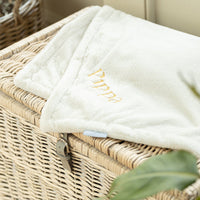
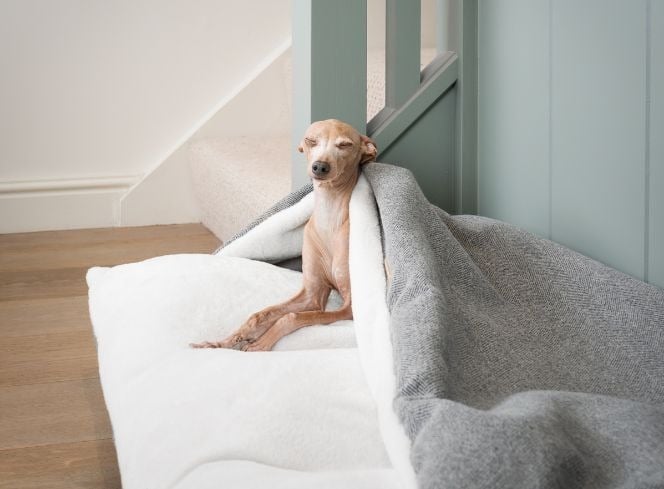
As the frosty embrace of winter sets in, prioritising the comfort and well-being of our cherished canine companions becomes paramount. At Lords & Labradors, we understand the unique needs of your furry friends during the colder months. In this expert guide, we will take you on a journey through our curated collection of handmade dog blankets, ensuring your pup stays warm, snug, and stylish throughout the winter season.   The Lords & Labradors Standard: Exceptional Quality and Comfort Before we dive into the specifics of our dog blankets, it's important to highlight our commitment to exceptional quality and canine comfort. Our blankets are not only designed to provide warmth but also crafted with durability, ease of cleaning, and your dog's ultimate comfort in mind. Our blankets are handmade here in our cosy Lincolnshire workshop by our talented seamstresses, so your dog can rest easy knowing they’re sleeping in the best quality snuggliest blankets.   Luxurious Comfort: Faux Fur and Fluffy Dog Blankets Pamper your pup with the pinnacle of luxury through our cream faux fur dog blankets. Beyond providing exceptional warmth, these blankets add a touch of opulence to your dog's resting space, creating a cosy haven during the winter season. They’re made from the snuggliest faux fur and have matching anti-anxiety beds so are the perfect choice for more nervous pups. You can even personalise them with your dog’s name for that extra special touch.   Lords & Labradors Versatility: Dog Blankets for Sofas Got a sofa snoozer? Then you need one of our sofa toppers, they were designed with your dog’s favourite sleep spots in mind. With our own pets we found that we were covering our sofas with blankets to help protect them from. Muddy paws and to give our dogs a cosy spot to sleep on which is why we developed our sofa toppers. They come in our most popular fabrics and have fully removable and washable covers, our sofa toppers sit on top of your sofa and you can even pair them with a matching L&L blanket for the ultimate sleep sanctuary.   Lords & Labradors Core Collection Blankets From stylish Bouclé to classic herringbones or playful spots, our core collection blankets have been designed with both your dog and home in mind. They have our carefully curated fabrics on one side and the cosiest fleece on the other, we just know your dog will love snuggling up in them   Lords and Labradors Christmas Dog Blankets: Celebrate the Season in Style Infuse the holiday spirit into your dog's life with our velvet dog blankets, something about luxurious velvet just feels so Christmassy. Beyond keeping your pet warm, these festive options add a touch of joy to your home during winter festivities, we even have matching stockings which you can personalise with your pets name for that extra special festive touch. At Lords and Labradors, we recognise the importance of investing in a quality winter blanket for your furry friend. Our curated collection, featuring a variety of options, ensures there's a perfect solution for every pup. Elevate your dog's winter experience with the warmth and style of a carefully chosen blanket from Lords & Labradors, providing them with a cosy retreat during the coldest months of the year. Explore our collection today and make this winter your pup's cosiest one yet.

By Megan Willis

Read more
How To Keep A Cat Warm In Winter
29.01.24 January 29, 2024 Owning a Cat Featured

How To Keep A Cat Warm In Winter

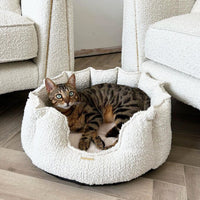
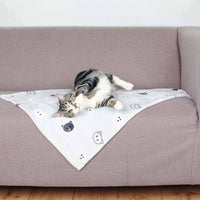
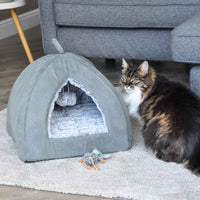
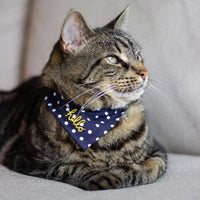
As the temperatures drop and winter sets in, it's essential to ensure the well-being of our feline friends. Cats, known for their love of warmth and comfort, may need a little extra care to stay cosy during the colder months. In this guide, we'll explore expert tips on creating a warm and inviting environment for your cat, including the use of warm cat beds, cat warming mats, and other effective strategies.   Invest in a Warm Cat Bed One of the key elements in keeping your cat warm during winter is providing a comfortable and insulated sleeping space. Opt for a high-quality warm cat bed designed specifically for colder weather. Look for beds with soft, insulating materials like fleece or plush, and ensure they have a non-slip bottom for added stability. Our cat’s love both high wall beds which they can curl up into the sides of or self heating beds which contain heat-reflective materials or thermal layers that make them exceptionally comfortable, especially during colder months, check out our comprehensive guide to heated cat beds here.   Create a Warm Environment in Cold Rooms If your cat tends to spend time in colder rooms, take measures to make these spaces more comfortable. Consider using draft stoppers on doors and windows, and use heavy curtains to trap warmth inside. Additionally, you can place a warm cat bed or cat warming mat in these areas to encourage your feline friend to stay warm. The snuggle safe heat pads are a great way to safely heat your cat’s favourite bed or snooze spot.     Keep Your Cat Indoors During Extreme Cold In particularly harsh winter conditions, it's best to keep your cat indoors. Cold temperatures, snow, and icy conditions can pose risks to your cat's health and safety. Create a warm and cosy indoor space with access to sunny spots for your cat to bask in natural warmth.   Dress Your Cat Appropriately For some cats, wearing a cosy sweater or jacket can be a fashionable and functional solution to staying warm. However, not all cats appreciate clothing, so it's essential to gauge your cat's comfort level. If your cat tolerates it, a well-fitted sweater can provide an extra layer of insulation.   Keeping your cat warm in winter is a crucial aspect of responsible pet care. By investing in warm cat beds, cat warming mats, and implementing other strategies to create a cosy environment, you can ensure that your feline companion stays comfortable and content during the colder months. Remember to monitor your cat's behaviour and adjust their surroundings as needed to accommodate their individual preferences and needs.

By Megan Willis

Read more

loyal customer in 17 countries

Why Shop With Us?

  • Free Delivery

    Orders over £75 qualify for free standard UK delivery. Orders under £75 will be calculated at the checkout.

  • Shopping Made Easy

    Gain exclusive access to sales and shop all your pets favourites on the go by downloading our app.

  • Designed in the UK

    Our own brand products are lovingly designed in our specialist UK workshop to our exacting standards.

  • We're Here For You

    Contact our Pet Experts on Chat or by email at sales@lordsandlabradors.co.uk