Welcome to the comprehensive guide on Bichon Frises, your ultimate resource for understanding the personality, traits, health, training, exercise needs, and care tips for these adorable fluffy companions. Whether you're a seasoned Bichon Frise owner or considering adding one to your family, this guide aims to provide valuable insights and practical advice to ensure a harmonious relationship with your furry friend. To shop our Bichon Frise must haves, click here
Unveiling Bichon Frise Personality and Traits
Bichon Frises are renowned for their charming personalities and delightful traits. Affectionate, playful, and sociable, these little dogs thrive on human companionship and love to be the centre of attention. Their cheerful disposition and gentle nature make them excellent family pets and companions for individuals of all ages. Bichons are known for their intelligence, agility, and eagerness to please, which makes them relatively easy to train and enjoy learning new tricks.
Exploring Bichon Frise Facts and Information
Originating from the Mediterranean region, Bichon Frises belong to the toy dog breed group and have a long history as beloved companions and entertainers.
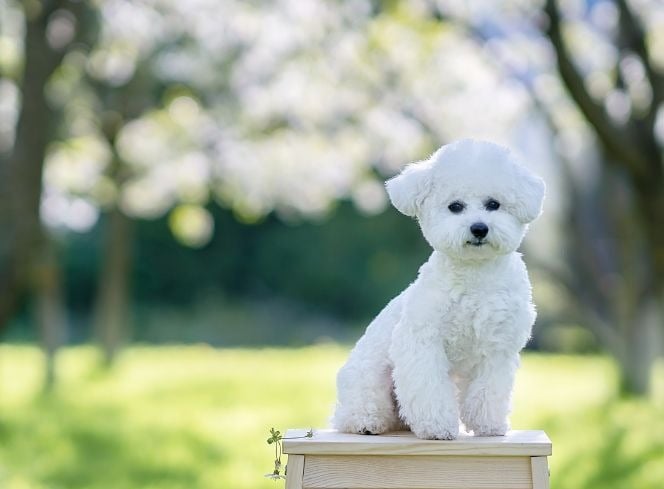
Their distinctive fluffy white coat is hypoallergenic and requires regular grooming to prevent matting and maintain their signature appearance.
Bichons are generally healthy dogs with a lifespan of 12 to 15 years.
Understanding Bichon Frise Health Issues
While Bichon Frises are generally robust dogs, it's essential to be aware of potential health issues that may affect them.
Allergies: Bichons may develop skin allergies, so it's essential to monitor their diet and environment.
Dental Health: Regular dental care is vital to prevent dental issues in these small breeds.
Ear Infections: Bichon Frises are susceptible to ear infections due to their floppy ears, necessitating regular cleaning.
Regular vet check-ups, a balanced diet, proper dental care, and regular exercise can help maintain their overall health and well-being.
Bichon Frise Training: Tips for Success
Training a Bichon Frise requires patience, consistency, and positive reinforcement techniques. Start training early to establish good habits and prevent behavioural issues. Use rewards such as treats, praise, and playtime to motivate your Bichon and make learning fun and engaging.
House Training a Bichon Frise Puppy
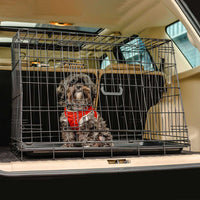
House training a Bichon Frise puppy can be a rewarding experience with the right approach. Establish a consistent schedule for feeding, toilet breaks, and crate training. Supervise your puppy closely indoors and provide ample opportunities for outdoor elimination. Accidents may happen, but with patience, consistency and positive reinforcement, your Bichon will learn the ropes of house training.
Bichon Frise Exercise Needs: Keeping Them Active and Healthy
Despite their small size, Bichon Frises are energetic dogs that require regular exercise to stay healthy and happy. Daily walks, play sessions, and interactive toys can help fulfil their exercise needs and prevent boredom. However, it's essential to avoid overexertion, especially in hot or humid weather, as Bichons can be sensitive to extreme temperatures.
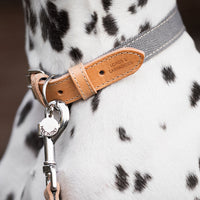
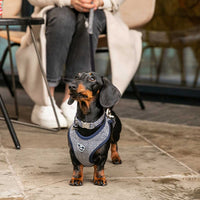
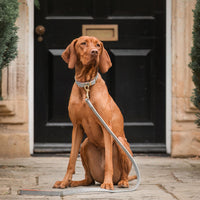
Our favourite walking accessories for Bichon Frises are the Cocopup range, they come in so many cute patterns and colours and have a big range of sizes to pick from so you're sure to get the perfect fit for your Bichon Frise.
Raising a Bichon Frise Puppy: Nurturing Their Development
Raising a Bichon Frise puppy involves providing them with love, care, and proper socialisation from an early age. Expose your puppy to various people, animals, and environments to help them develop into well-adjusted and confident adults.
Establish routines, boundaries, and positive reinforcement techniques to foster good behaviour and strengthen your bond with your Bichon.
Optimal Nutrition: Best Dog Food for Bichon Frise
Choosing the right dog food is crucial for your Bichon Frise's overall health. Look for high-quality, well-balanced options that cater to their specific needs. For a well balanced option we recommend trying either Orijen or Acana, they have your dog’s nutritional needs at the forefront
Best Dog Food for Bichon Frise Puppy
Puppies have unique nutritional requirements. Select a premium puppy formula rich in essential nutrients to support their growth and development. We love the Purina ProPlan formulations for puppies!
Best Beds for Bichon Frises: Creating a Cosy Retreat
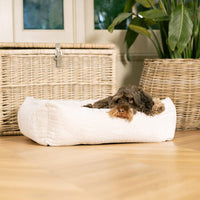
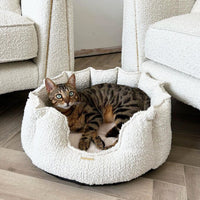
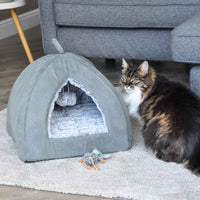
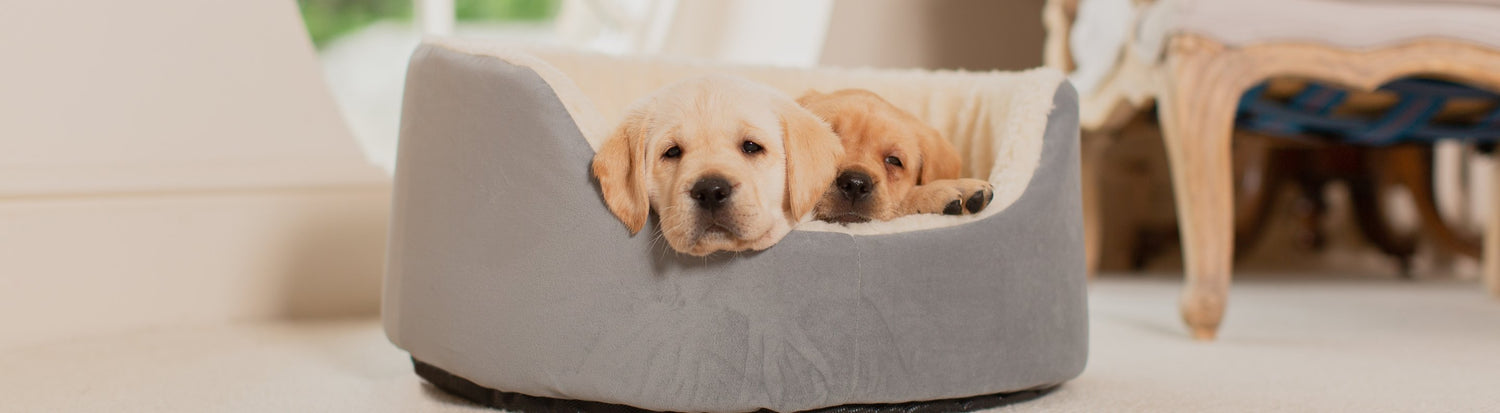
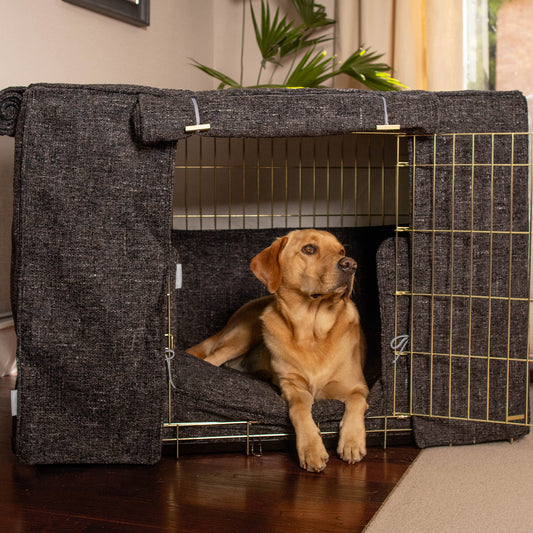
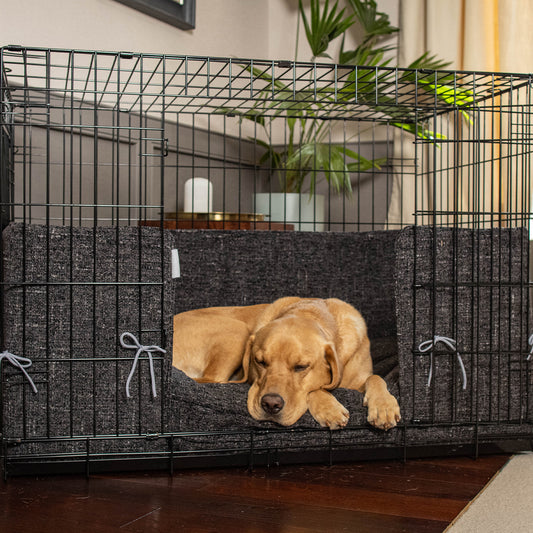
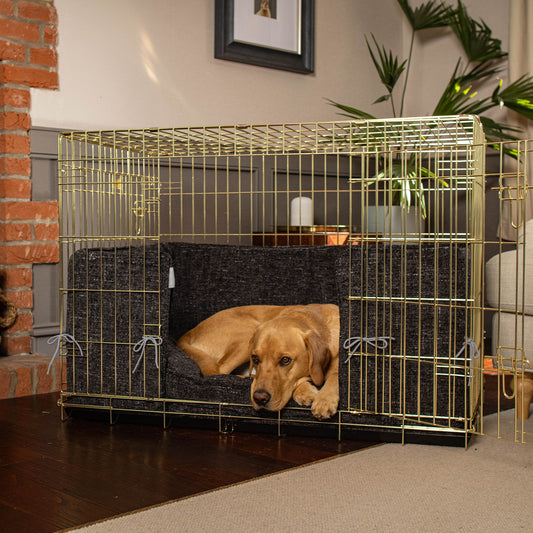
Bichon Frises love to curl up in a comfortable spot to rest and recharge. Invest in a soft, supportive bed that provides adequate cushioning and promotes proper alignment for your Bichon's joints. Why not try one of our High Wall Beds? The high cosy sides encourage them to curl up and the comfy cushion is supportive!
In conclusion, Bichon Frises are cherished companions known for their endearing personality, playful demeanour, and unwavering loyalty. By understanding their unique traits, addressing their health needs, providing proper training and care, and selecting the right products, you can ensure a fulfilling and rewarding relationship with your beloved Bichon Frise for years to come.
Remember, the bond you share with your Bichon Frise is a special one, filled with love, joy, and unforgettable moments. Embrace each day together and cherish the pawprints they leave on your heart.
Here's to many wagging tails and endless cuddles with your beloved Bichon Frise!
Welcome to the comprehensive guide on Bichon Frises, your ultimate resource for understanding the personality, traits, health, training, exercise needs, and care tips for these adorable fluffy companions. Whether you're a seasoned Bichon Frise owner or considering adding one to your family, this guide aims to provide valuable insights and practical advice to ensure a harmonious relationship with your furry friend. To shop our Bichon Frise must haves, click here
Unveiling Bichon Frise Personality and Traits
Bichon Frises are renowned for their charming personalities and delightful traits. Affectionate, playful, and sociable, these little dogs thrive on human companionship and love to be the centre of attention. Their cheerful disposition and gentle nature make them excellent family pets and companions for individuals of all ages. Bichons are known for their intelligence, agility, and eagerness to please, which makes them relatively easy to train and enjoy learning new tricks.
Exploring Bichon Frise Facts and Information
Originating from the Mediterranean region, Bichon Frises belong to the toy dog breed group and have a long history as beloved companions and entertainers.
Their distinctive fluffy white coat is hypoallergenic and requires regular grooming to prevent matting and maintain their signature appearance.
Bichons are generally healthy dogs with a lifespan of 12 to 15 years.
Understanding Bichon Frise Health Issues
While Bichon Frises are generally robust dogs, it's essential to be aware of potential health issues that may affect them.
Allergies: Bichons may develop skin allergies, so it's essential to monitor their diet and environment.
Dental Health: Regular dental care is vital to prevent dental issues in these small breeds.
Ear Infections: Bichon Frises are susceptible to ear infections due to their floppy ears, necessitating regular cleaning.
Regular vet check-ups, a balanced diet, proper dental care, and regular exercise can help maintain their overall health and well-being.
Bichon Frise Training: Tips for Success
Training a Bichon Frise requires patience, consistency, and positive reinforcement techniques. Start training early to establish good habits and prevent behavioural issues. Use rewards such as treats, praise, and playtime to motivate your Bichon and make learning fun and engaging.
House Training a Bichon Frise Puppy
House training a Bichon Frise puppy can be a rewarding experience with the right approach. Establish a consistent schedule for feeding, toilet breaks, and crate training. Supervise your puppy closely indoors and provide ample opportunities for outdoor elimination. Accidents may happen, but with patience, consistency and positive reinforcement, your Bichon will learn the ropes of house training.
Bichon Frise Exercise Needs: Keeping Them Active and Healthy
Despite their small size, Bichon Frises are energetic dogs that require regular exercise to stay healthy and happy. Daily walks, play sessions, and interactive toys can help fulfil their exercise needs and prevent boredom. However, it's essential to avoid overexertion, especially in hot or humid weather, as Bichons can be sensitive to extreme temperatures.
Our favourite walking accessories for Bichon Frises are the Cocopup range, they come in so many cute patterns and colours and have a big range of sizes to pick from so you're sure to get the perfect fit for your Bichon Frise.
Raising a Bichon Frise Puppy: Nurturing Their Development
Raising a Bichon Frise puppy involves providing them with love, care, and proper socialisation from an early age. Expose your puppy to various people, animals, and environments to help them develop into well-adjusted and confident adults.
Establish routines, boundaries, and positive reinforcement techniques to foster good behaviour and strengthen your bond with your Bichon.
Optimal Nutrition: Best Dog Food for Bichon Frise
Choosing the right dog food is crucial for your Bichon Frise's overall health. Look for high-quality, well-balanced options that cater to their specific needs. For a well balanced option we recommend trying either Orijen or Acana, they have your dog’s nutritional needs at the forefront
Best Dog Food for Bichon Frise Puppy
Puppies have unique nutritional requirements. Select a premium puppy formula rich in essential nutrients to support their growth and development. We love the Purina ProPlan formulations for puppies!
Best Beds for Bichon Frises: Creating a Cosy Retreat
Bichon Frises love to curl up in a comfortable spot to rest and recharge. Invest in a soft, supportive bed that provides adequate cushioning and promotes proper alignment for your Bichon's joints. Why not try one of our High Wall Beds? The high cosy sides encourage them to curl up and the comfy cushion is supportive!
In conclusion, Bichon Frises are cherished companions known for their endearing personality, playful demeanour, and unwavering loyalty. By understanding their unique traits, addressing their health needs, providing proper training and care, and selecting the right products, you can ensure a fulfilling and rewarding relationship with your beloved Bichon Frise for years to come.
Remember, the bond you share with your Bichon Frise is a special one, filled with love, joy, and unforgettable moments. Embrace each day together and cherish the pawprints they leave on your heart.
Here's to many wagging tails and endless cuddles with your beloved Bichon Frise!
SIGN UP FOR USEFUL TIPS & GUIDES STRAIGHT TO YOUR INBOX
Next Article
Health
Probiotics for dogs: do they work and how to choose one
With their soft topknot, long low body, and centuries of Scottish Border history behind them, Dandie Dinmont Terriers are one of the most fascinating and underappreciated breeds around. In this guide, we’ll cover everything from the Dandie Dinmont Terrier’s quirky origins and day-to-day temperament to grooming, health, and what life with one actually looks like. Whether you’re already smitten or just starting your research, you’re in the right place.
What is a Dandie Dinmont Terrier, and why is this little dog so distinctive?
If you’ve ever spotted a dog that looks like it belongs in an old painting, there’s a good chance it was a Dandie Dinmont Terrier. This charming little breed has one of the most distinctive outlines in the dog world: short legs, a deep chest, a long, low body, and that wonderfully soft topknot that gives the face such a gentle, unmistakable expression. Once you’ve seen a Dandie, you tend to remember it.
Of course, the Dandie Dinmont Terrier breed is about much more than looks. These dogs are full of character. They’re confident, independent, and quietly determined, but often calmer and more composed than people expect from a terrier. If you love the idea of a small dog with plenty of personality, but without the constant bounce some terriers are known for, a Dandie can feel like a lovely middle ground.
They’re also quite rare, so meeting one often feels special. And while they may share that long-and-low shape with other breeds, their look and presence are entirely their own. If you’re preparing for life with a compact dog, our guide to everything you need for your new Dachshund can still be a helpful starting point for home set-up ideas. In this guide, we’ll walk through Dandie Dinmont Terrier temperament, grooming, health, and everyday care.
The Dandie Dinmont Terrier’s Scottish roots and the story behind the name
Few dogs come with a story quite as captivating as this one. The Dandie Dinmont Terrier traces its roots to the rugged border country between Scotland and northern England, where it earned its keep tackling otters, badgers, and other determined quarry across some of Britain’s most unforgiving terrain. This was a dog bred for real work, not appearances.
The name, though, comes not from a place but from a page. When Sir Walter Scott published Guy Mannering in 1815, one of its most beloved characters was Dandie Dinmont, a jovial Border farmer who kept a pack of plucky little terriers. Readers fell for him immediately, and breeders soon adopted the name for the real dogs that had inspired his fictional pack. That makes the Dandie Dinmont Terrier one of the very few breeds in the world named after a fictional owner rather than a place, a purpose, or a real person.
A few things worth knowing about where the breed came from:
It developed across the Scottish Borders and Northumberland, shaped by farmers and huntsmen who needed a dog with genuine grit
It is considered one of Britain’s oldest terrier types, with records stretching back several centuries
Its compact but sturdy build made it well suited to going underground after quarry
It featured in some of the earliest British dog show records, establishing it as a recognised breed long before modern registries existed
That mix of working toughness and literary heritage gives the Dandie Dinmont a character all of its own, and it remains one of the most quietly fascinating among Britain’s favourite dogs.
What is a Dandie Dinmont Terrier like to live with?
Living with a Dandie Dinmont Terrier is never dull. The temperament is a genuinely fascinating mix: all the grit and determination you’d expect from a working terrier, wrapped up in a surprisingly affectionate, often comical little companion who will absolutely make you laugh on a daily basis.
Here’s what day-to-day life with one actually looks like:
Confident and fearless around much bigger dogs, with zero hesitation
Stubborn in the best and most exhausting way — once they’ve made up their mind, you’re negotiating, not instructing
Deeply loyal to their family, often picking one or two people as their true inner circle
Genuinely funny, with a clownish streak that tends to surface at exactly the right moment
Happy to play hard and then spend the evening curled up beside you on the sofa
Independent enough to entertain themselves, but they still want to know you’re close by
Calm and settled indoors, which makes them easier to live with than many terrier breeds
Those traits shape daily life in practical ways. A Dandie Dinmont Terrier doesn’t need marathon walks, but they do need mental stimulation — a bored Dandie will find their own entertainment, and you probably won’t enjoy what they come up with. Puzzle feeders, scent games, and short training sessions tend to hit the spot. They suit calmer households well, and owners who can read a dog with strong opinions will get the most from them.
If you want a dog with real character and a healthy streak of cheek, a Dandie Dinmont Terrier will absolutely deliver.
Dandie Dinmont Terrier care: grooming, exercise, feeding, and health basics
Dandie Dinmont Terrier care is more straightforward than you might expect, but this breed does ask for a little consistency. Get the basics right and you’ll have a happy, healthy companion who slots comfortably into everyday life.
Coat grooming: The Dandie’s double coat needs hand-stripping or professional trimming every 8 to 12 weeks to stay in good shape. In between, give the soft topknot a regular brush to keep tangles at bay.
Daily exercise: Two short walks a day suits this breed well. They’re lively but not high-maintenance, and a good sniff around the garden genuinely counts for something.
Feeding: Portion control really matters with a small, sturdy dog. Choose a quality food suited to their size and age, and try to resist those pleading eyes at the dinner table — Dandies put on weight more easily than you’d think.
Dental hygiene: Regular tooth brushing helps prevent the dental issues common in smaller breeds. A few minutes a few times a week adds up to a meaningful difference over time.
Ear checks: Those low-set, feathered ears can trap moisture and debris, so a gentle clean once a week keeps things comfortable and healthy.
Worth knowing: Dandie Dinmont Terriers have long backs relative to their leg length, which makes them prone to intervertebral disc disease (IVDD). Keeping your dog at a healthy weight and discouraging big leaps on and off the sofa are two of the most practical things you can do to protect their spine long-term.
Day to day, responsible Dandie Dinmont Terrier ownership is really about building a gentle routine and staying observant. These dogs are hardy, but small habits matter more than people realise. Having the right things to hand, whether that’s a good brush for that distinctive coat or accessories that make portion control easier, takes the fuss out of the everyday. You’ll find everything worth having in our dog essentials collection.
Is a Dandie Dinmont Terrier the right dog for your home?
The Dandie Dinmont Terrier is a dog for someone who wants a genuine companion with real character, not simply a quiet, low-maintenance lap dog. If the idea of a small breed with quiet confidence, deep loyalty, and a touch of stubbornness appeals to you, this could be a wonderful fit.
It’s worth going in with realistic expectations, though. Dandie Dinmont Terrier grooming requires regular upkeep, so if a fuss-free coat is a priority, that’s worth factoring in from the start. Training calls for patience too. Dandies are clever and curious, but they respond far better to calm, consistent handling than to any kind of force or frustration. First-time owners can absolutely thrive with this breed, though a little research goes a long way. Our guide to the best dog breeds for first-time owners is worth a read if you’re still working out which breed suits you best.
Where the Dandie Dinmont Terrier truly comes into its own is as a devoted, adaptable companion for someone who appreciates a dog with its own personality and way of doing things. Flat or house, city or countryside, this breed tends to settle happily into all kinds of homes when its needs are properly understood. If that sounds like your kind of dog, you might just have found your perfect match.
Poodle cross breeds have become some of the most loved dogs in the UK, and it is not hard to see why. In this guide, we walk you through the three poodle sizes, compare the most popular doodle dog breeds side by side, and help you work out which mix is likely to suit your home, your routine and your family best. Whether you are just starting to explore or already have a shortlist, this is a practical place to begin.
Start with the three Poodle sizes: toy, miniature and standard
Before you start comparing poodle cross breeds, it helps to understand the foundation: the three purebred Poodle sizes. Almost everything else — temperament, exercise needs, grooming commitment, how well a dog fits your home — tends to follow from there.
Poodles can range in size from toy to standard, and each size brings something noticeably different to daily life. They can also be purebred or mixed with another breed, which is exactly where so many of the doodle dog breeds we know and love today come from.
So what does size actually look like in practice?
Toy Poodles are the smallest of the three, usually weighing around 4 to 6 kg. They are lively, affectionate and perfectly happy in a flat or smaller home — but do not let the compact frame fool you. They still need daily walks and plenty of mental stimulation, and they can be on the sensitive side, so they often do best in quieter households or with adults rather than young children.
Miniature Poodles sit in the middle at roughly 7 to 8 kg, and honestly, a lot of people find them the sweet spot. Energetic without being exhausting, clever without being demanding, and generally brilliant with children and other pets. If you are curious about what day-to-day life with one actually involves, our Miniature Poodle ultimate guide is a great place to dig deeper.
Standard Poodles are the largest, often reaching 20 to 30 kg, and they are genuinely athletic dogs that need space, regular exercise and a fair chunk of grooming time. What surprises most people is how calm and gentle they are indoors — for their size, they carry themselves remarkably well, which is a big part of why they make such popular family dogs.
Grooming is something worth thinking about across all three sizes before you commit. Poodles have a curly, low-shedding coat that needs brushing several times a week and a professional groom every six to eight weeks or so. Most poodle crosses inherit that same coat, so knowing what you are signing up for early on will save you a few surprises down the line.
Why poodle cross breeds are so popular with families
It’s easy to see why poodle cross breeds are such a popular choice for family life. They often bring together the Poodle’s clever, people-loving nature with the looks, temperament or energy of another breed, which gives families plenty of choice.
What makes them work so well in real life?
Often low-shedding coats can mean less hair on the sofa, stairs and school jumpers, although grooming still takes real commitment
Quick learning makes many poodle mixes easier for first-time owners to live with, especially when you keep training positive and consistent
People-focused personalities mean many poodle crosses love being involved in daily life, whether that is the school run, working from home or curling up with everyone in the evening
A choice of sizes means there is usually a better fit for your space, from smaller dogs suited to compact homes to larger doodle dog breeds that enjoy more room
Different energy levels make it easier to match a dog to your routine, whether you want an active walking buddy or a more easy-going companion
One of the biggest draws is that many poodle crosses are bright and eager to please. In everyday life, that can look like a dog who quickly learns where to settle while you answer emails, gets the hang of house rules without too much fuss, and enjoys short training sessions between family activities.
That said, no poodle cross breed is completely “easy” by default. Coat care, exercise needs and temperament can all vary depending on the mix, so it is always worth looking at both parent breeds rather than assuming all poodle crosses are the same.
For busy households, families with children and many first-time dog owners, poodle cross breeds often feel like a lovely middle ground: affectionate, adaptable and fun to live with. If Cockapoos are already on your shortlist, our complete new owner guide is a helpful next read.
The most popular poodle cross breeds and what they’re like
There are so many poodle cross breeds out there now that it can feel genuinely overwhelming trying to work out which one is right for you. Most have become popular for the same core reasons: low-shedding coats inherited from the poodle side, and temperaments that tend to suit family life well. Here is a look at the five most recognised crosses to help you start comparing them clearly.
Breed
Parent Breeds
Size Range
Coat Type
Temperament
Activity Level
Cockapoo
Cocker Spaniel x Poodle
Small to medium
Wavy to curly, low-shedding
Friendly, sociable, eager to please
Moderate
Cavapoo
Cavalier King Charles Spaniel x Poodle
Small
Soft, wavy to curly
Gentle, affectionate, calm
Low to moderate
Labradoodle
Labrador x Poodle
Medium to large
Wavy to curly, varies
Energetic, playful, outgoing
High
Goldendoodle
Golden Retriever x Poodle
Medium to large
Wavy to curly
Loyal, gentle, sociable
Moderate to high
Schnoodle
Schnauzer x Poodle
Small to large
Wiry or curly
Alert, clever, loyal
Moderate
The Cockapoo is one of the most popular poodle mixes in the UK, and it is easy to see why. Bright, bouncy and genuinely sociable, they thrive on company and do brilliantly in active family homes or with anyone who works from home and wants a dog firmly planted at their feet. Their coats need regular brushing and a trip to the groomer every few months to stay tangle-free. If you are torn between a Cockapoo and a Cavapoo, our full Cockapoo vs Cavapoo comparison is a good next read.
The Cavapoo suits a slightly quieter pace of life. Tender and affectionate by nature, they are just as happy with a steady walk and a long sofa cuddle as they are with a big adventure. Their soft coats still need regular attention, but they tend to be a gentler fit for first-time owners or families with very young children.
The Labradoodle brings real energy to the mix. Originally bred as a guide dog candidate, this is a doodle dog breed that needs proper daily exercise and mental stimulation to stay settled at home. They are wonderful with children and generally easy-going around other dogs, but they need space and an active household to truly flourish.
The Goldendoodle brings that warm, people-focused quality you get from a Golden Retriever, paired with the poodle’s natural trainability. Forgiving with first-time owners and patient with kids, they are a genuinely lovely all-rounder. That said, a medium or standard Goldendoodle needs room to stretch out, so a small flat is probably not their ideal home.
The Schnoodle gets less attention than some of the other poodle crosses, but their owners tend to be quietly devoted to them. They are sharply intelligent, a little spirited and deeply loyal to their family. Size can vary quite a bit depending on which size poodle and schnauzer were used in the pairing, so it is always worth asking breeders specifically rather than assuming.
Every one of these crosses brings something different to daily life. The best starting point is being honest with yourself about your energy levels, your home and what you genuinely want from a dog day to day.
How to choose a poodle cross that fits your home and routine
Picking a poodle cross based on a photo is an easy trap to fall into — but the dog that truly thrives in your home is the one that matches how you actually live. Before you fall for those curly ears, think honestly about your daily rhythm, your space, and who else shares your home.
Poodle Mix
Exercise Needs
Grooming Commitment
Good with Children
Good with Other Pets
Ideal Home Size
Cockapoo
Medium
High
Very good
Very good
Any
Cavapoo
Low–Medium
High
Excellent
Excellent
Flat or house
Labradoodle
High
Medium–High
Very good
Good
House with garden
Goldendoodle
High
High
Excellent
Very good
House with garden
Maltipoo
Low
Medium
Good (older children)
Good
Any
Most poodle cross breeds carry a wavy or curly coat that needs regular brushing to stay healthy and tangle-free. If you’re not sure where to begin, our guide to choosing the right brush for your dog’s coat will help you build a routine that actually sticks.
Before you decide, ask yourself these questions:
How many hours a week can I realistically commit to brushing and grooming?
Do I have young children, and does that affect the energy level I need from a dog?
How much daily exercise can I offer, on a wet Tuesday in February as much as a sunny weekend?
Are there other pets at home, and how settled are they around new arrivals?
How much living space do I have, and is there outdoor access?
The best poodle cross for you isn’t the most popular one or the prettiest one in a picture. It’s the one that slots naturally into your everyday life and feels, pretty quickly, like it was always meant to be there.
What poodle cross coats need day to day
One thing almost every owner of poodle cross breeds learns pretty quickly is that low-shedding does not mean low-maintenance. Those gorgeous curly or wavy coats need real, consistent care to stay healthy, tangle-free and comfortable — and the sooner you build a routine, the easier it gets for both of you.
Here is what that routine tends to look like in practice:
Brushing: Aim for three to four thorough sessions a week, and go daily around the ears, armpits and legs — the spots where knots sneak up fastest. A good slicker brush is a solid starting point for most doodle coat types.
Bathing: Every four to six weeks works well as a general guide, though a particularly muddy walk might move things forward. Always brush before you bathe — wet tangles set into mats quickly and are much harder to work through once dry.
Ear cleaning: Poodle mixes often inherit those lovely floppy ears, which are great for trapping warmth and moisture. Check and gently clean them every one to two weeks to stay ahead of any buildup.
Eye area: Curly and wavy facial fur collects moisture and debris around the eyes, so a gentle wipe every few days keeps things fresh and comfortable.
Professional clipping: Most doodle dog breeds need a full clip every eight to twelve weeks. A groomer who knows poodle crosses well is worth their weight in gold here.
Building out your toolkit early makes a real difference. The puppy grooming collection is a good place to start if you want to make sure you have the right things before those first tangles appear.
Keep on top of it little and often, and grooming stops feeling like a chore. Your dog gets used to being handled, your sessions stay calm, and the coat stays in genuinely good condition.
Choosing with confidence: the right poodle cross for your life
There is no single best poodle cross breed — only the one that actually fits your life. A Cockapoo might be a brilliant match for a busy family with a garden and young kids, while a Maltipoo could be exactly right for someone in a flat who wants a close, devoted companion. The difference comes down to being genuinely honest with yourself: your routine, your space, your schedule on a typical Tuesday.
If you are still weighing things up, take your time. Talk to reputable breeders, connect with owners online, and if you can, spend time around the cross you are considering before you commit. Ask the questions that matter — how much exercise does this dog really need, how does the coat hold up between grooms, and how does the dog cope when left alone? Those answers will tell you far more than any popularity ranking.
Once you have found your match, a little preparation before your puppy arrives makes those first weeks feel far less overwhelming. Our puppy shopping list covers everything you need, so when the day comes, you can focus on what really matters — welcoming your new dog home.
Frequently Asked Questions
What is the best poodle cross?
There is no single best poodle cross; the right one depends on your home, routine and energy levels. A Cockapoo often suits busy families, a Cavapoo fits a gentler pace, and a Labradoodle or Goldendoodle can be brilliant for active households with more space.
What is the calmest poodle cross?
The Cavapoo is usually the calmest poodle cross in everyday family life. They tend to be gentle, affectionate and happy with a steadier routine, often enjoying a walk and then settling in for cuddles, which makes them a lovely fit for quieter homes or first-time owners.
What dog is best if you work all day?
A dog that copes well with your routine matters more than a single “best” breed, and very people-focused poodle crosses usually prefer plenty of company. If you work all day, look closely at how a dog handles being left alone and choose a temperament and energy level that fit your real schedule.
Hairless dogs are unlike any other breed you’ll share your home with, and the reality of life with one is a little more nuanced than their striking looks might suggest. This guide covers the most popular hairless dog breeds and what they’re genuinely like to live with, alongside everything you need to know about skin care, temperature comfort, and those big questions around allergies and shedding. Whether you’re already set on one or still weighing things up, you’ll find the practical detail here to help you decide with confidence.
What to know before choosing a hairless dog
Hairless dogs turn heads wherever they go — and if you’ve landed here, you’re probably already a little smitten. Before you fall completely, it’s worth knowing what life with a hairless dog actually looks like day to day.
The appeal is easy to understand. These dogs are striking, often deeply loyal, and they won’t leave a trail of fur across your sofa or your best dark jeans. If shedding is a genuine dealbreaker in your home, a hairless dog breed can make a real difference. But low-shedding is not the same as low-maintenance, and that’s the most important thing to get your head around before anything else.
Without a coat to protect their skin, hairless dogs need more hands-on care than most people expect. Sun exposure, cold air, dry skin, and even friction from bedding can all cause irritation. You’ll probably find yourself reaching for dog-safe moisturiser and sun cream far more often than a lint roller. And in winter, a well-fitted dog coat isn’t a luxury — it’s genuinely part of their everyday kit.
Temperature sensitivity is something you’ll navigate across every season. Breeds like the Xoloitzcuintli and the Chinese Crested dog feel the cold quickly and can struggle in strong sun too, so you’ll find yourself thinking about their comfort in ways you might not with a fluffier breed.
Allergies are also worth approaching with realistic expectations. Hairless dogs are often described as hypoallergenic, but the truth is a bit more nuanced than that. If it’s a key factor for your household, our guide to understanding hypoallergenic dog breeds is worth a read before you decide.
Go in with open eyes, and a hairless dog can be a genuinely wonderful companion. The rest of this guide will help you figure out whether one is the right fit for your home and your life.
The most popular hairless dog breeds and what they’re really like
If you’re comparing hairless dog breeds, you’ll probably keep landing on the same four. The Chinese Crested, Xoloitzcuintli, American Hairless Terrier, and Peruvian Inca Orchid are the best-known hairless dogs, but they feel very different in day-to-day life. Some are clingy little companions, some are more reserved, and some need a lot more mental and physical activity than people expect. If you’re trying to picture what living with each hairless dog breed is actually like, this is where the differences really matter.
Chinese Crested
The Chinese Crested dog is tiny, affectionate, and full of character. Most weigh around 3 to 5kg, so they fit beautifully into smaller homes, flats, and households where the dog will be part of everyday life rather than an outdoorsy sidekick. They’re often happiest tucked beside their person on the sofa, following them from room to room, or curling up in a cosy bed after a gentle walk.
In terms of temperament, they’re loving and very people-focused. That sounds lovely, and it is, but it also means many Chinese Cresteds don’t enjoy being left alone for long stretches. If your home is busy, warm, and someone is around for a good part of the day, they often thrive. If you want a dog for long hikes or high-energy adventures, they may feel a little too delicate and low-key. If you want a cheerful little shadow, they make a lot of sense.
Xoloitzcuintli
The Xoloitzcuintli, usually shortened to Xolo, has a completely different feel. This breed comes in toy, miniature, and standard sizes, which gives you a bit more flexibility depending on your space and lifestyle. A toy or miniature Xolo may suit a smaller home, while a standard size will naturally need more room and a little more exercise.
Xolos tend to be calm, loyal, and deeply bonded to their family. They’re often reserved with strangers, so they’re not always the sort of dog who greets every visitor like an old friend. Early socialisation helps enormously here. With the right start, they can grow into steady, confident companions, but they usually still keep that thoughtful, watchful nature.
This is a breed that often suits owners who like routine and don’t mind earning a dog’s trust over time. They can be wonderful in quieter households where life feels fairly predictable. If you love the idea of a sensitive dog who forms a strong bond and doesn’t need constant chaos around them, the Xoloitzcuintli can be a lovely fit.
American Hairless Terrier
The American Hairless Terrier is usually the busiest and boldest of the group. This is still a small dog, often around 5 to 8kg, but don’t let the size fool you. They’ve got proper terrier energy, which means curiosity, confidence, and a knack for getting involved in absolutely everything.
They tend to suit homes where people enjoy training, games, and giving their dog little jobs to do. Think puzzle toys, short training sessions, active walks, and plenty of interaction. Without that outlet, a clever terrier can quickly start making their own fun, and that’s not always ideal if you value a peaceful afternoon.
That said, they can be a great match for families and engaged first-time owners who are ready to put the work in. They’re bright, adaptable, and often very entertaining to live with. If that sounds appealing, our guide to the best dog breeds for first-time owners is a useful next read.
Peruvian Inca Orchid
The Peruvian Inca Orchid is elegant, sensitive, and a little less straightforward than the others. They come in small, medium, and large sizes, so daily life can vary depending on the individual dog, but the overall personality tends to lean gentle, alert, and emotionally tuned-in.
They usually form strong attachments to their people and can be shy in unfamiliar settings. In a noisy or unpredictable household, some may struggle to relax. In a calm home with patient handling and a steady rhythm, they often really come into their own. Many enjoy having space to stretch their legs, but they’re not all-out chaos merchants. It’s more that they like balance: enough exercise, enough reassurance, and a home that feels safe.
Out of all the hairless dog breeds here, this is often the one that suits experienced owners best, especially those who are comfortable reading subtle body language and building confidence gently.
All of these hairless dogs share that striking bare-skinned look, but their personalities and daily needs are far from identical. Choosing the right hairless dog is less about looks and more about whether their pace, temperament, and social needs match your home.
Do hairless dogs need special skin care?
Owning a hairless dog does mean committing to a skincare routine, but once you find your rhythm, it becomes as natural as any other part of your day. Instead of brushing out tangles or managing seasonal shedding, you’re focused on keeping skin clean, hydrated, and protected. It’s a different kind of care, not a harder one.
Here’s what a solid routine actually looks like in practice:
Bathing. Hairless dogs generally need a bath around once a week using a gentle, dog-safe shampoo. Without a coat to absorb oils and dirt, skin can get greasy or congested surprisingly quickly, so consistency really does make a difference.
Moisturising. Some hairless dogs are prone to dry or flaky skin, especially in winter. A small amount of unscented, dog-safe moisturiser after bathing can keep things comfortable and prevent that tight, irritated look.
Sun protection. Exposed skin burns just like ours does. On sunny days, apply a pet-safe sunscreen to unprotected areas before heading out. Our summer grooming tips are worth a read for keeping your dog safe when the temperature climbs.
Cold-weather clothing. A well-fitting dog jumper or coat isn’t a fashion statement when you own a hairless dog. It’s a genuine necessity. Hairless dogs lose body heat fast, so layering up before a winter walk is simply part of looking after them properly.
Skin checks. Get into the habit of running your hands over their skin every few days. Redness, dry patches, spots, or irritation are much easier to deal with when you catch them early.
Ears and nails. Without fur in the way, ears can collect debris more readily, so keep on top of gentle cleaning. Regular nail trims matter too.
Worth knowing: breed makes a real difference here. The Chinese Crested dog has a mix of hairless and coated areas, so you’ll need to adapt your routine to both textures. The Xoloitzcuintli comes in a range of skin tones, and darker pigmentation can offer slightly more natural sun protection, though sunscreen is still recommended across the board.
With a consistent weekly routine and a few good products to hand, caring for a hairless dog’s skin is genuinely manageable. Most owners find it takes no longer than coat maintenance would for other breeds. Once you know what your dog needs, it just becomes part of your normal rhythm together.
Are hairless dogs good for allergy sufferers and low-shedding homes?
It’s easy to assume that a hairless dog automatically solves the problem if allergies or fur on the sofa are a concern in your home. That logic makes sense on the surface. But “hairless” and “hypoallergenic” aren’t the same thing, and it’s genuinely worth understanding why before you commit.
Breeds like the Xoloitzcuintli and the Chinese Crested dog still produce dander, skin oils, and saliva — and those are the real triggers behind most pet allergic reactions. Someone who reacts to dogs can absolutely still sneeze around a coat-free breed, because the fur was never the culprit to begin with.
If allergies are part of your decision, these are the things worth thinking through honestly:
Dander and skin oil can actually be more noticeable on bare skin, with no coat to absorb them
Bathing and skin care routines involve close contact, which may itself trigger a reaction in sensitive people
Saliva exposure during cuddles, play, or enthusiastic face licks is still very much on the table
Other pets or environmental allergens already in your home can complicate the picture
Spending real time with the specific breed matters far more than any general claim about a dog being “safe” for allergy sufferers
That said, if your main concern is fur on furniture, clothes, or bedding, a hairless dog can be a genuinely great fit. Reduced shedding is a real, everyday benefit that many households really appreciate. Just make sure anyone with sensitivities spends proper time with the breed before you decide, because that hands-on experience will tell you far more than any guide ever could.
How to keep a hairless dog comfortable at home and on walks
A hairless dog feels temperature changes far more keenly than a coated breed. Without fur to act as a buffer, exposed skin is sensitive in both directions — too cold, too hot, and everything in between. With a little forward planning and the right kit at home, it’s easy to keep them comfortable whatever the season.
Keeping warm indoors
A draught-free, cosy sleeping spot is genuinely one of the most important things you can give a hairless dog. Think about where your dog spends most of their downtime and make sure it’s warm, sheltered, and properly cushioned.
Choose a bed with raised sides and good insulation, positioned away from doors or windows where cold air creeps in
Layer soft blankets so your dog can burrow and find their own comfortable temperature
For older dogs or those who feel the chill especially, a self-warming bed can make a big difference during cooler months
Good dog bedding isn’t a luxury for hairless dogs — it’s genuinely essential
Staying comfortable outdoors
Walks need a bit more thought too, whatever the season.
Pop a well-fitted jumper or coat on before heading out in cool or cold weather
On sunny days, opt for UV-protective dog clothing or a vet-approved pet sunscreen on exposed skin, especially for lighter-skinned dogs
Watch out for hot pavements in summer — they can burn sensitive paws quickly and make the heat far harder to manage without a coat for shade
Keep a lightweight layer in your bag just in case the weather turns mid-walk
Quick rule of thumb: If you’re reaching for a jacket before heading out, your hairless dog almost certainly needs one too.
For breeds like the Chinese Crested or Xoloitzcuintli, comfort accessories aren’t optional extras. They’re part of everyday care — and getting them right makes a real difference to how happy and settled your dog feels day to day.
Is a hairless dog the right fit for your family?
Choosing a hairless dog is about more than falling for those big eyes and that impossibly soft skin. The real question is whether your everyday life is a genuine match for what these dogs need.
Climate matters more than most people expect. If you live somewhere cold or damp, be honest with yourself about whether you’re ready to commit to proper layering, warm bedding, and year-round temperature management. A Xoloitzcuintli or Chinese Crested dog won’t thrive if winter walks leave them shivering and their skin exposed to the elements.
Your daily routine matters just as much. Hairless dogs tend to form incredibly close bonds with their people and don’t do well with long stretches alone. They want to be in the middle of family life — on the sofa, in the room with you, part of everything. If that sounds perfect, you’re probably onto a winner. If your days are mostly spent out of the house, it’s worth thinking carefully about whether the lifestyle is the right fit.
On the grooming front, hairless breeds actually need more consistent care than many coated dogs, not less. Skin checks, moisturising, sun protection, and nail care all become part of your regular routine. Our guide to grooming a dog is a great place to get those habits established from day one.
And if allergies were what brought you here — no dog is truly hypoallergenic, but low-shedding hairless breeds do make a real difference in many homes.
Get the fit right, and a hairless dog will reward you with devotion, personality, and serious charm. Take your time, choose wisely, and pick the dog that suits your life — not just your camera roll.
Frequently Asked Questions
What dog breed is hairless?
The best-known hairless dog breeds are the Chinese Crested, Xoloitzcuintli, American Hairless Terrier, and Peruvian Inca Orchid. They all share that striking bare-skinned look, but they differ quite a bit in size, energy, temperament, and the amount of daily care and routine they need at home.
How expensive are hairless dogs?
Hairless dogs can be more demanding to keep than many people expect, even if the article doesn’t give a purchase price. Beyond finding the right breed, you’ll need to budget for regular skin care, dog-safe sunscreen, moisturiser, warm coats, and cosy bedding because their comfort depends on that everyday support.
Bringing a new puppy home is one of the most exciting things you can do, but knowing how to find ethical dog breeders is what makes the difference between a great experience and a heartbreaking one. This guide walks you through everything that matters, from the questions to ask before you even visit, to what a good puppy visit should feel like, to how much you should realistically expect to pay. Get these things right, and you will be choosing your new dog with real confidence rather than crossed fingers.
What ethical dog breeding actually looks like
When you first start looking into how to find ethical dog breeders, spotting the difference between a good one and a bad one can feel harder than it should. But once you know what to look for, it gets much clearer.
An ethical breeder raises puppies as part of everyday family life. Think: a litter in the kitchen, pups growing used to the hum of a washing machine or the sound of children playing, and a mum who is relaxed, healthy, and clearly loved. That kind of early exposure shapes temperament in ways that stay with a dog for life.
Puppy farms and backyard breeders work very differently. Puppies are often kept in sheds or kennels with little human contact, and the mother is rarely in good health. Some sellers will offer to meet you in a car park or deliver a puppy without a visit — and that is one of the biggest red flags when buying a puppy. Walk away.
A genuinely reputable breeder will want to get to know you. They will ask about your home, your routine, your experience with dogs. That two-way conversation is exactly the kind of sign you want. It tells you they care deeply about where their puppies go, not just that they go.
At its core, this is what ethical breeding looks like: puppies raised indoors, a mum you can meet in person, and a breeder who puts health and temperament before anything else. Get that foundation right, and you will be in a much stronger position as you start preparing to welcome your new puppy home.
The questions to ask before you even visit
Knowing the right questions to ask before you even book a visit is one of the most reliable ways to filter out the wrong fit early. A responsible breeder will welcome your curiosity — in fact, they’ll probably have questions for you too. If someone seems put out by your enquiries, that tells you everything you need to know.
Here are the key questions worth asking upfront:
“How long have you been breeding this breed?” Experience matters. Someone who has spent years focused on one breed will understand its quirks, health history, and temperament inside out.
“What health tests do you carry out on the parents?” A good answer names specific, breed-relevant tests — not a vague “they’re healthy.”
“Are the results available to view?” Reputable breeders are transparent. Results should be documented and shareable, not something you’re expected to take on faith.
“How do you socialise the puppies before they leave?” Look for mentions of household sounds, regular handling, and varied experiences from the earliest weeks.
“How many litters does the mother have per year?” More than two is a red flag. A breeder who genuinely cares about their dogs prioritises the dam’s wellbeing over output.
“Can I meet both parents?” Seeing the mother in person is a strong indicator of an ethical setup. If neither parent is available, always ask why.
“What support do you offer after the puppy comes home?” A breeder who stays involved — answering questions, checking in — genuinely cares where their puppies end up.
Watch out for:
Anyone who can’t name the specific health tests carried out on the parents
Breeders who deflect or discourage questions about meeting the mother
A puppy available immediately, with no waiting list in sight
Once you’ve shortlisted breeders who pass these early checks, you’re in a much stronger position. And when the right match comes along, our guide on how to prepare for your new puppy will help you get everything ready before they arrive.
Why health testing and breed knowledge matter so much
A lot of the real work happens long before puppies arrive. If you’re learning how to find ethical dog breeders, this is one of the biggest things to look at. A caring breeder does not just pair two lovely dogs and hope for the best. They understand their breed inside out and do the health checks that help give puppies the strongest possible start.
Those checks will vary by breed. A Labrador breeder should be able to talk you through hip and elbow scores, while a Cavalier King Charles Spaniel breeder should know about heart testing. That level of detail matters. If someone only says their dogs are “healthy” but cannot explain which tests they have done, that should set alarm bells ringing.
A responsible breeder should be happy to show you:
Hip and elbow scores for both parent dogs
DNA test results for breed-specific inherited conditions
Current eye screening certificates, where relevant
Kennel Club registration or involvement in a recognised health scheme
Clear, confident answers about the health history of both mum and dad
Paperwork matters here. Good breeders keep records and talk you through them without making you feel awkward for asking. In fact, thoughtful questions are usually welcomed.
Some of the biggest red flags when buying a puppy are vague answers, missing certificates, or a breeder who changes the subject when you ask about mum or dad’s results. If they know their lines well, they will be open about them.
Once you’ve found the right breeder and chosen your puppy, our guide to everything you need for your new Labradoodle can help you get ready for those first exciting days at home.
What a good puppy visit should feel like
Visiting in person is one of the most important steps when learning how to find ethical dog breeders — and going in with a clear idea of what you’re looking for helps you stay grounded when a dozen fluffy puppies are doing their absolute best to distract you.
Here’s what a good visit should include:
Clean, spacious living areas with no strong odours, damp bedding, or overcrowding
Puppies that are curious, playful, and happy to toddle over to you without any coaxing
No signs of lethargy, weepy eyes, runny noses, or visible distress
The mother present, calm, and comfortable around both the breeder and visitors
Unrestricted access to the space where the puppies were actually born and raised
Evidence of early handling — puppies that stay relaxed when you pick them up are a great sign
Age-appropriate toys, enrichment, and room to explore safely
A breeder who answers your questions openly and is clearly attached to the litter
One of the clearest signs of a reputable dog breeder: A responsible breeder will always want you to meet the mother. If she’s kept out of sight or seems anxious and underweight, that’s a serious red flag — not something to brush off.
The environment a puppy grows up in shapes so much of who they become. A breeder who prioritises gentle handling and early exposure to everyday sights and sounds is giving their puppies the best possible start. Once yours comes home, our guide on how to socialise a puppy will help you build on that foundation.
How much you should expect to pay, and what the fee should include
Paying more for a puppy from an ethical breeder is not just about the puppy itself — it reflects the care, planning, and expense that go into raising a healthy, well-socialised litter. If you are learning how to find ethical dog breeders, this is one of the clearest signs of a reputable dog breeder: they charge for the standard of care, not just the demand for the breed.
A responsible breeder’s fee should usually include:
Health-tested parents, such as hip scores, eye tests, and breed-specific DNA testing
Full veterinary health checks for the puppies
First vaccinations
Microchipping
Regular worming and flea treatment
Good-quality food from weaning onwards
Early socialisation, including everyday household sounds, gentle handling, and new experiences
Most puppies from responsible, health-testing breeders cost somewhere between £1,000 and £3,000+, depending on breed, location, and the level of screening involved. Breeds with more extensive health checks often sit at the higher end.
It can feel like a big upfront spend, especially when cheaper puppies are advertised elsewhere. But when you look at the time, health testing, vet care, and early socialisation involved, the difference makes more sense. You are paying for a stronger start in life. Before you commit, it is also worth reading about the full cost of owning a dog so you can budget with confidence.
How to make the final choice with confidence
By the time you reach this point, you’ll have done your research, asked the tough questions, and visited the litter in person. Now it really comes down to how the whole experience felt.
One thing worth remembering: a good breeder will have asked you just as many questions as you asked them. They’ll want to know about your home, your daily routine, whether you have children or other pets, and how much experience you’ve had with dogs. That’s not them being nosy or difficult. That’s them caring deeply about where their puppies end up.
So trust your instincts. If something felt off at any point — the breeder was vague, the puppies seemed anxious, the answers felt a little too polished — it’s completely okay to walk away. Waiting a little longer for the right match is always the better call, even when the excitement of bringing a puppy home makes patience feel almost impossible.
When you do find a breeder who’s transparent, genuinely knowledgeable, and clearly devoted to their dogs, the decision stops feeling like guesswork. It feels like confidence.
Once your puppy is booked in and the countdown begins, it’s a lovely time to start getting everything ready at home. Our guide to settling your puppy into their new home is a brilliant place to start.
Frequently Asked Questions
How can I tell if a dog breeder is ethical?
You can usually tell by how the puppies are raised, how open the breeder is, and whether they put health and temperament first. Look for puppies raised in the home, a mother you can meet in person, clear health-test paperwork, and a breeder who asks plenty of questions about your life too.
Where can I find ethical dog breeders?
The safest approach is to find breeders who welcome questions, let you visit in person, and openly share health-test results for the parent dogs. Focus less on quick availability and more on breeders with real breed knowledge, home-raised puppies, waiting lists, and a genuine interest in where their puppies will live.
What is the most ethical way to buy a dog?
The most ethical way to buy a dog is to choose a breeder who raises puppies as part of family life, health-tests the parents, lets you meet the mother, and cares where each puppy goes. Always visit in person, ask detailed questions, and walk away from anyone offering handovers in car parks or without a visit.