














Lords & Labradors Information Hub

The home of handy tips and advice dedicated to pet owners

How To Protect Your Dog From The Snow During A Walk
29.01.24 January 29, 2024 Health Featured

How To Protect Your Dog From The Snow During A Walk

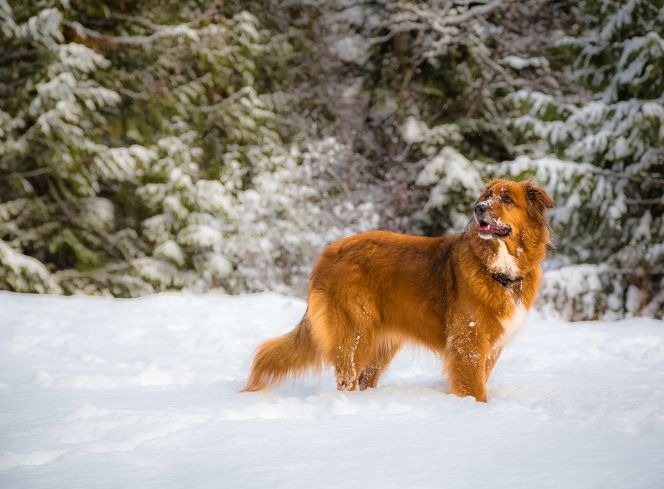
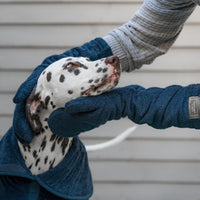
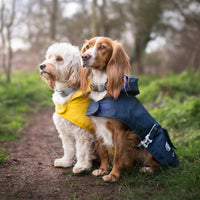
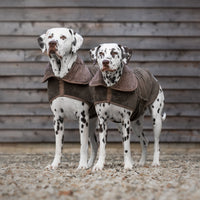
Winter brings a picturesque blanket of snow, transforming our surroundings into a serene wonderland. While many of us enjoy the chilly weather, our furry friends might need a little extra care, especially when it comes to venturing out for a walk. In this guide, we'll explore essential tips and tricks to ensure your dog's paws stay warm and protected during snowy strolls.   Understanding the Impact of Snow on Dog Paws: Before we delve into protective measures, it's crucial to comprehend how snow can affect your dog's paws. Cold temperatures and icy surfaces can lead to discomfort, frostbite, and even injuries. The snow can accumulate between their paw pads, causing irritation. Additionally, the salt and chemicals used to melt snow on sidewalks can be harsh on their sensitive paw pads.     Investing in Quality Dog Snow Boots: Snow boots for dogs are not just a fashion statement; they serve a crucial purpose in protecting your pet's paws from the cold and potentially harmful elements. When it comes to walking dogs in snow, investing in high-quality snow boots is paramount. Look for boots that are not only insulated for warmth but also waterproof to keep your furry friend's paws dry. Good dog snow boots will offer a combination of durability and functionality, ensuring your dog's safety and comfort. Selecting the appropriate size of snow boots for your dog is crucial. Ill-fitting boots can lead to discomfort and may even fall off during the walk. For small dogs, specialised small dog snow boots are available, offering a snug fit for breeds with dainty paws. Consider boots with adjustable straps and non-slip soles for added security.   Alternatives To Dog Snow Boots: Many dog’s aren’t a fan of wearing snow boots or socks so there are some alternative ways you can protect their paws. Before heading out, take a few minutes to check your dog's paws, look for any cuts or irritation before going out. If your dog’s paws are already looking a little worse for wear we recommend skipping the walk to stop them getting worse, you might want to try some indoor enrichment activities to wear them out instead. Trim excess fur between the paw pads to prevent snow from accumulating. Applying a pet-safe paw balm can also create a protective barrier against harsh winter elements, we love the Be:Safe paw balm or the Pethead oatmeal paw butter for protecting our dog’s paws.   Looking after your dog's paws after a snowy dog walk Once you get home from your walk we recommend giving your dog’s paws a once over to make sure they’ve not become irritated from walking through the snow and ice. To keep their paws happy we recommend you dry them off using our bamboo drying mitts and then applying another layer of paw balm to nourish them, if they look irritated try spraying some leucillin anti-septic spray which kills 99.99999% of germs on contact so will stop their paws getting infected or further irritated!   Choosing The Right Dog Snow Outfit: In extremely cold conditions, consider dressing your dog in a snow outfit for added warmth. Look for water-resistant materials that cover the torso, preventing the accumulation of snow on their fur. Ensure the outfit is well-fitted but allows for comfortable movement. We love the both the Hugo and Hudson puffer jackets and the dog overalls, both are great options for keeping your dog’s warm and dry during wintery walks. Once you’re home you could even pop one of our bamboo drying coats on to warm them up after a chilly walk.     Protecting your dog from the snow during a walk is not only a matter of comfort but also a crucial aspect of their overall well-being. Whether you opt for snow boots, socks, or a complete snow outfit, the key is to be proactive in safeguarding your furry friend from the harsh winter conditions. By taking these steps, you can ensure that your dog enjoys winter walks as much as you do

By Megan Willis

Read more
Dog Hair Loss: How To Manage The Autumn Moult
29.01.24 January 29, 2024 Health Featured

Dog Hair Loss: How To Manage The Autumn Moult

As autumn sets in, dog owners often find themselves dealing with a familiar issue – dog hair loss. While it's natural for dogs to moult, excessive shedding during this season can be a cause for concern. In this comprehensive guide, we will explore the reasons behind dog moulting, effective home remedies, and the best treatments to manage your furry friend's hair loss.   Why Is My Dog Moulting So Much Moulting, also known as shedding, is a normal biological process for dogs. However, some breeds shed more than others, and environmental factors such as temperature and daylight play a role. Autumn, with its fluctuating temperatures and reduced daylight hours, triggers moulting in many dogs. It's essential for dog owners to distinguish between normal shedding and excessive hair loss, which could indicate an underlying health issue.Additionally, nutrition, stress, and overall health can impact the quality of a dog's coat. If your dog's hair loss seems excessive or is accompanied by other concerning symptoms, consult with your veterinarian to rule out any underlying health issues.    Dog Hair Loss Remedies Managing dog hair loss at home involves a combination of proper grooming, a balanced diet, and a conducive living environment. Here are some effective home remedies to minimise excessive shedding: Regular Brushing: Invest in the best brush for moulting dogs. Regular brushing helps remove loose hair and prevents matting. Choose a brush that suits your dog's coat type, whether it's short, long, or double-coated. Not sure what brush is best for your dog’s coat? Check out our brush guide to find the best brush for their coat. Balanced Diet: Ensure your dog receives a well-balanced diet rich in essential nutrients, including Omega-3 fatty acids, which promote a healthy coat. Consult your vet for dietary recommendations based on your dog's breed and size. Some good options to look at are the Forthglade dry foods, they are cold pressed rather than baked so retain lots of the ingredients natural goodness and benefits which in turn helps your dog’s coat. We also love fish flavoured food that’s rich in natural proteins for keeping your dog’s coat looking shiny and healthy, the Beco Caught Cod & Haddock Dog Food is a personal favourite. Supplements: Consider adding supplements like fish oil or flaxseed oil to your dog's diet. These supplements can improve coat health and reduce shedding. The Animology Coat and Body Dog Supplement is a great supplement for helping your dog’s coat look as good as possible, the capsules contain both omega 3 and biotin to help maintain a healthy coat, alongside L-taurine and CoQ10 to support the heart and muscles. Proper Hydration: Adequate water intake is crucial for maintaining skin and coat health. Ensure your dog always has access to clean water.   Dog Hair Loss Treatment If home remedies don't show improvement, your vet may recommend specific treatments depending on the underlying cause of your dog's hair loss. These may include medicated shampoos, topical treatments, or changes in diet.   Dogs Moulting Season Duration The duration of the moulting season varies among individual dogs and breeds. Typically, it can last for a few weeks to a couple of months. Observing your dog's shedding pattern over multiple seasons will give you a better understanding of their specific moulting season duration. Dog hair loss during the autumn moult is a common occurrence, but proactive management can minimise its impact on your furry friend's coat and overall well-being. By incorporating regular grooming, a balanced diet, and consulting with your vet as needed, you can ensure that your dog's coat remains healthy and vibrant throughout the moulting season.

By Megan Willis

Read more
Christmas Breaks With Dogs 2024
29.01.24 January 29, 2024 Owning a Dog Featured

Christmas Breaks With Dogs 2024

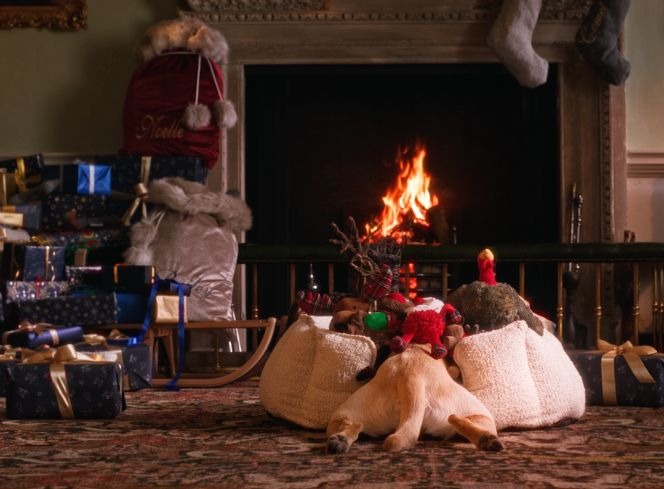
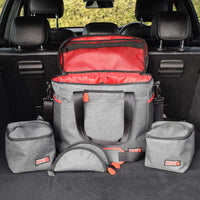
As the festive season approaches, many families face the delightful dilemma of where to spend their Christmas break. For those with canine companions, the choice can be even more intricate. Thankfully, the trend of dog-friendly Christmas breaks is gaining momentum, offering cherished memories for both two-legged and four-legged members of the family. In this guide, we explore the top destinations and accommodations tailored to ensure your holidays are merry and pet-friendly. Dog-Friendly Christmas Breaks: A Growing Trend In recent years, the demand for dog-friendly holiday accommodations during the Christmas season has soared. Pet owners seek destinations where their furry friends are not just accommodated but welcomed with open arms. From cozy cottages to luxurious retreats, the options for spending the holidays with your canine companion have never been more diverse. Exploring Dog-Friendly Christmas Breaks in the UK The United Kingdom boasts a plethora of options for those seeking dog-friendly Christmas breaks. Whether you envision a tranquil retreat in the Lake District or a coastal escape in Cornwall, there's something to suit every preference. Luxury Retreats for You and Your Pooch For those yearning for a touch of indulgence, luxury dog-friendly Christmas breaks offer the perfect blend of opulence and pet-friendly amenities. Imagine curling up by a crackling fireplace with your canine companion after a day of exploring the picturesque landscapes of Scotland or the charm of the Cotswolds. Quaint Holiday Cottages in Idyllic Settings Escape the hustle and bustle of city life by opting for a cozy holiday cottage nestled in the heart of the countryside. From the rugged beauty of the Lake District to the rolling hills of Yorkshire, these charming accommodations provide the ideal backdrop for a festive retreat with your beloved pet. Pet-Friendly Hotels: Where Comfort Meets Convenience For those seeking the convenience of hotel amenities without compromising on pet-friendly policies, there are numerous options across the UK. From boutique establishments to renowned chains, pet-friendly hotels ensure that both you and your furry friend feel right at home during the holiday season.   Pet-Friendly Winter Escapes Beyond the UK While the UK offers a plethora of options for dog-friendly Christmas breaks, adventurous pet owners may also consider international destinations for their winter holidays with dogs. From snow-capped mountains to sun-kissed beaches, the world is your oyster when it comes to exploring new horizons with your canine companion. New Year Ski Holidays in Pet-Friendly Destinations Embrace the thrill of the slopes with a New Year ski holiday in pet-friendly resorts across Europe. From the majestic peaks of the French Alps to the scenic vistas of Switzerland, there are endless opportunities for winter adventures with your four-legged friend by your side. Cosy Holiday Cottages: A Home Away From Home Whether you're seeking a rustic retreat in the Scottish Highlands or a charming cottage in the heart of the French countryside, pet-friendly holiday cottages offer the perfect escape for those looking to explore new destinations with their dogs. Making Memories: Tips for a Pet-Friendly Christmas Break While planning your dog-friendly Christmas break, consider the following tips to ensure a memorable and stress-free holiday experience: Check Pet Policies: Before making reservations, verify the pet policies of your chosen accommodations to ensure they align with your needs and expectations. Pack Essentials: Don't forget to pack your dog's essentials, including food, water, bedding, and any medications they may require during the trip. Plan Pet-Friendly Activities: Research pet-friendly attractions and activities at your destination to ensure your furry friend can join in on the fun. Be Mindful of Your Surroundings: Respect local regulations and etiquette when exploring new environments with your dog, and always clean up after your pet. Capture the Moments: Document your dog-friendly Christmas break with photos and videos to cherish for years to come.   Travel Essentials for Dogs: Ensuring Comfort and Convenience When embarking on a dog-friendly Christmas break, packing the right essentials for your canine companion is crucial to ensure their comfort and well-being throughout the journey. From familiar comforts to practical necessities, here's a guide to the must-have travel essentials for dogs: Comforting Bedding: Bring along your dog's favourite bedding or blanket to provide them with a sense of familiarity and comfort, especially in new environments. A cosy spot to rest will help your furry friend feel secure during your travels and throughout your stay. We love to take our travel mats or the ultimate travel capsule when we go away with our pups, they both fold up and have a handy carry handle so are perfect for travel. Nutritious Food and Treats: Pack an ample supply of your dog's regular food to avoid any dietary disruptions during your trip. Additionally, bring along some tasty treats to reward good behaviour and keep your canine companion satisfied during long journeys or outdoor adventures. Portable Water and Bowl: Hydration is key, especially when traveling with pets. Carry a portable water bottle and collapsible bowl to ensure your dog stays hydrated while on the go. Be mindful of water quality, especially if you're exploring unfamiliar areas. Lead and Harness: A sturdy lead and comfortable harness are essential for keeping your dog safe and secure during walks and outdoor excursions. Opt for a lead that provides ample control without causing discomfort, and ensure your dog's identification tags are up to date with current contact information. Travel First Aid Kit: Prepare a travel first aid kit tailored to your dog's needs, including items such as bandages, antiseptic wipes, tweezers (for removing ticks or splinters), and any medications they may require. Familiarise yourself with basic first aid procedures for pets in case of emergencies. The Charlie the Vet pet first aid kit is perfect for travel, it has everything you could need in and even comes in a handy little case! Grooming Supplies: Pack grooming essentials such as a brush, nail clippers, and pet-safe shampoo to keep your dog looking and feeling their best throughout your holiday, especially if you’re going on an outdoorsy holiday with lots of muddy or wet walks. Regular grooming helps prevent matting, tangles, and discomfort, especially after outdoor activities. Comforting Toys and Chewables: Bring along a selection of your dog's favourite toys and chewables to keep them entertained during downtime. Interactive toys and puzzle feeders can help alleviate boredom and provide mental stimulation, particularly in unfamiliar surroundings. You might want to stock up on some fun new toys to keep them busy and stimulated whilst you’re away. Safety and Restraint: Ensure your dog's safety during car travel by using a secure and appropriately sized crate or a safety harness designed for use in vehicles. Proper restraint not only prevents injuries in the event of sudden stops or accidents but also helps minimise distractions while driving. For small dogs and puppies we’ve got our booster seat and for larger dogs the KONG ultimate safety tether is perfect. In conclusion, the era of dog-friendly Christmas breaks has ushered in a new wave of holiday experiences for pet owners across the globe. Whether you choose to explore the scenic landscapes of the UK or embark on an international adventure with your furry companion, the memories forged during these festive escapes are bound to last a lifetime. So pack your bags, leash up your pup, and embark on a Christmas journey filled with warmth, joy, and wagging tails.

By Megan Willis

Read more
Christmas With Pets And What To Be Careful For
29.01.24 January 29, 2024 Owning a Dog Featured

Christmas With Pets And What To Be Careful For

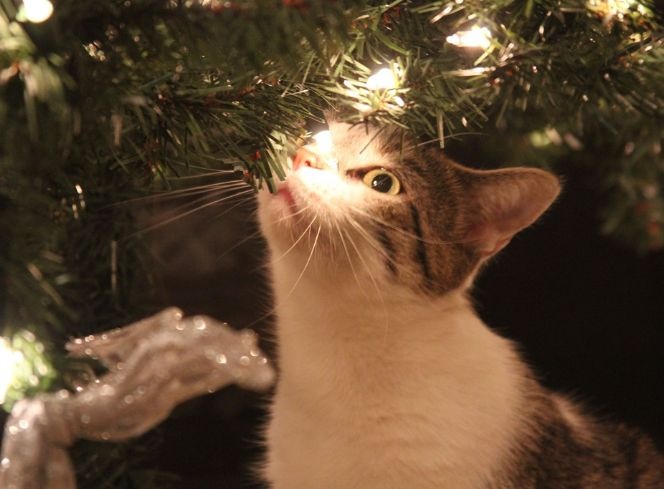
As the festive season draws near, many households welcome the joys of Christmas with open arms, decorations adorning every corner, and a spirit of warmth filling the air. However, amidst the merry celebrations, pet owners must remain vigilant, as the holiday season poses several potential dangers to our beloved furry companions. In this article, we'll explore the common hazards that Christmas presents to pets, with a particular focus on cats and the risks associated with Christmas trees and plants. Are Christmas Trees and Plants Safe for Pets? The allure of a beautifully decorated Christmas tree is undeniable, but for pet owners, it's crucial to consider the safety implications, especially when it comes to curious cats and dogs. Here are some common concerns and precautions to keep in mind: 1. Christmas Trees and Cats Cats are notorious for their climbing abilities and playful nature, making Christmas trees an irresistible attraction. While the tree itself isn't typically toxic to cats, several associated risks warrant attention: Tree Needles: The sharp needles of real Christmas trees, whether pine, fir, or spruce, can cause irritation and puncture wounds if ingested or stepped on by pets. While not inherently poisonous, these needles can lead to discomfort and potential gastrointestinal issues if consumed in large quantities. Decorations: Ornaments, tinsel, and lights dangling from the tree pose choking hazards and risk of intestinal blockages if swallowed by curious pets, particularly cats known for batting at shiny objects. Water Additives: Some individuals add chemicals or preservatives to the water in the tree stand to prolong its freshness. These additives can be toxic if ingested by pets, causing symptoms ranging from mild gastrointestinal upset to more severe reactions. 2. Christmas Plants and Pet Safety Many common holiday plants, including Christmas cactus, mistletoe, holly, and poinsettias, can be toxic to pets if ingested. While cats are generally more discerning about what they eat compared to dogs, it's essential to keep these plants out of reach: Christmas Cactus: While not as toxic as some other holiday plants, Christmas cactus can still cause mild gastrointestinal upset in cats if ingested. Mistletoe and Holly: These traditional holiday plants are highly toxic to both cats and dogs, causing symptoms such as vomiting, diarrhoea, difficulty breathing, and even cardiovascular problems in severe cases. Poinsettias: While often cited as toxic, poinsettias are relatively mild and typically only cause mild irritation to the mouth and stomach in pets.   3.Safety Precautions for Pet Owners: Secure the Tree: Anchor the Christmas tree securely to prevent it from toppling over if pets decide to climb or investigate. Separate The Tree: If your pet won’t leave the tree alone, a last resort could be to put up a play pen round the tree to separate the tree from your pet. Choose Pet-Friendly Decorations: Opt for pet-safe ornaments and decorations, avoiding small, easily swallowed items and fragile baubles that could break and cause injury. Supervise Interactions: Keep a close eye on pets around the tree and other holiday decorations, intervening if they show interest in potentially harmful objects. Create Pet-Friendly Zones: Designate a safe area or room where pets can retreat if they become overwhelmed by the holiday festivities, providing toys and distractions to keep them occupied. We recommend putting their favourite bed or cat tree in there so they can retreat to their safe space if it’s all too much for the, Educate Guests: Inform visitors about potential hazards and encourage them to be mindful of their belongings and any food or drink that could be harmful to pets. While the holiday season is a time of joy and togetherness, it's essential for pet owners to prioritise the safety and well-being of their furry companions. By being proactive and taking precautions to mitigate potential risks associated with Christmas trees, plants, and decorations, you can ensure that the festive season remains a time of celebration for the entire family, including your beloved pets. Remember, a little foresight and vigilance go a long way in keeping your pets safe and happy during the most wonderful time of the year.

By Megan Willis

Read more
How To Cat-Proof Your Christmas
29.01.24 January 29, 2024 Owning a Cat Featured

How To Cat-Proof Your Christmas

Christmas is a time for warmth, joy, and celebration. However, for cat owners, it can also be a time of concern when it comes to safeguarding the festive trimmings from curious feline explorations. To ensure a harmonious coexistence between your beloved pet and your cherished Christmas decorations, adopting a few proactive measures is essential. Here’s a comprehensive guide on how to cat-proof your Christmas, focusing on securing your tree, decorations, lights, and more. 1. Cat-Proof Christmas Tree Selection and Setup Opt for a Sturdy Tree: Choose a robust, sturdy Christmas tree that can withstand playful nudges or climbing attempts by your curious cat. Secure the Tree Base: Anchor the tree securely in a heavy, stable tree stand to prevent toppling. Consider using a weighted base or attaching the tree to a wall or ceiling for added stability. 2. Cat-Proof Christmas Tree Decorations Avoid Fragile Ornaments: Opt for shatterproof or non-breakable ornaments to prevent accidents if your cat decides to bat at or knock them down. Strategic Placement: Hang delicate ornaments higher up the tree where they're less accessible to playful paws. 3. Cat-Friendly Christmas Lights Tangle-Free Wiring: Secure Christmas lights firmly to the tree and tape or hide wires to prevent your cat from chewing on them. Opt for LED lights that produce less heat and are safer if accidentally touched. Use Citrus Deterrents: Cats often dislike the smell of citrus. Spraying citrus-scented deterrents on wires can discourage them from exploring or chewing. 4.Cat-Proof Christmas Tree Skirt and Base Select the Right Skirt: Choose a tree skirt made of sturdy fabric or materials that are less attractive for scratching or playing. Avoid using tinsel or materials that might tempt your cat to paw at them. Cover the Base: If using a traditional tree stand, cover the water reservoir securely to prevent your cat from drinking the tree water, which can be harmful. 5. Supervise and Redirect Supervision is Key: Keep a watchful eye on your cat when they're near the tree or decorations, especially initially. Distract and Redirect: Offer alternative toys or activities to divert your cat's attention away from the tree, creating positive associations elsewhere. By implementing these strategies, you can create a harmonious holiday environment that both you and your cat can enjoy. Remember, patience and consistency in training and redirection are key to successfully cat-proofing your Christmas festivities. While no method is foolproof, these proactive measures will significantly reduce the chances of mishaps, ensuring a peaceful and joyous holiday season for all members of your household, furry or otherwise.

By Megan Willis

Read more
New Year's Cats and Fireworks: What To Do?
29.01.24 January 29, 2024 Health Featured

New Year's Cats and Fireworks: What To Do?

The arrival of the New Year often brings with it spectacular fireworks displays that captivate us but may distress our feline companions. Cats and fireworks aren't always a harmonious combination, as many cat owners can attest. Understanding why cats react to fireworks and how to support them during these events is crucial to ensuring their well-being.   Are Cats Scared of Fireworks? Yes, most cats are scared of fireworks. The loud noises, bright flashes, and unpredictable nature of fireworks trigger fear responses in many felines. Cats have sensitive hearing, making the explosive sounds of fireworks particularly distressing for them.   Why Are Cats Scared of Fireworks? Cats' acute senses make them highly attuned to changes in their environment. The sudden, loud noises of fireworks disrupt their sense of security, triggering a flight or hiding response. This fear response is a survival instinct, leading them to seek shelter and safety.   How to Recognise a Cat Scared of Fireworks Signs of a distressed cat during fireworks may include: Hiding: Cats might seek out hiding spots in secluded areas, under furniture, or in closets. Vocalisation: Some cats may meow excessively or exhibit other vocalisations indicative of distress. Trembling or Shaking: Physical signs like trembling or shaking may accompany their fear response.   Supporting Your Cat During Fireworks Here are some strategies to help your feline friend cope with fireworks: Create a Safe Space: Set up a quiet, comfortable area where your cat feels secure. Include their favourite toys, bedding, and familiar items. A lot of cats like to be up high when they're feeling anxious so make sure their cat tree is easily accessible Close Windows and Curtains: Minimise visual exposure to fireworks flashes by drawing curtains or blinds. Provide Background Noise: Play calming music or white noise to drown out the sounds of fireworks. Specialised calming music designed for cats can be beneficial. Stay Calm: Your demeanour can influence your cat's reaction. Remain calm and reassuring to help them feel more secure. Microchip and Identification: Ensure your cat has proper identification in case they escape due to fear. Distraction: Keeping your cat focused on something like a new treat or toy during the fireworks can be a great way to distract them from the noise and keep them calm. Calming Remedies: If your cat has a history of being scared of fireworks you may look to try a calming remedy. We stock a variety of calming remedies here at Lords & Labradors, from spot ons to diffusers, they work by using pheromone technology to help keep your cat calm   Post-Firework Support for Traumatised Cats After the fireworks, give your cat some time to readjust. Offer them comfort, treats, and playtime to help alleviate any lingering stress. If your cat appears excessively distressed or shows prolonged anxiety, consult your veterinarian for additional guidance.   Why Is My Cat Not Scared of Fireworks? Some cats may display indifference or curiosity toward fireworks. This behaviour isn't common but may be attributed to individual temperament or previous exposure to loud noises. Cats and fireworks can be a challenging mix, but with preparation and support, you can help your feline companion navigate these events more comfortably. Understanding their fear response and implementing calming strategies will ensure a safer and more peaceful experience for your cat during New Year's celebrations and other firework events.

By Megan Willis

Read more
Dogs And Cats On New Years Eve: What To Do During The Celebrations
29.01.24 January 29, 2024 Owning a Cat Featured

Dogs And Cats On New Years Eve: What To Do During The Celebrations

New Year's Eve is a time of celebration and festivity, but for pet owners, especially those with dogs and cats, it can be a challenging time. The loud noises, fireworks, and disruptions in routine might cause distress to our furry friends. However, with thoughtful planning and consideration, you can ensure a pet-friendly celebration that keeps everyone, including your beloved pets, content and safe. Dog-Friendly New Year's Eve Breaks and Events For those considering spending the holiday away from home, numerous dog-friendly New Year's Eve breaks and events cater to pet owners. When planning such breaks, prioritise locations that explicitly advertise themselves as pet-friendly. Research accommodations that not only allow pets but also provide specific amenities or arrangements for them. We recommend packing plenty of home comforts for your pet if you are going away this New Years, their bed and favourite toys to help them feel at home and settle in the new environment.  Creating a Comfortable Environment Creating a safe and comfortable environment at home is essential if you plan to stay in. Begin by setting up a cosy space for your pets, preferably in a quiet room away from the celebrations. This area should include their favourite bedding, toys, and familiar items to help reduce stress. Managing Noise and Disturbances Fireworks and loud music can be distressing for pets. We recommend putting the tv on or some calming music specially designed for dogs to help drown out external noises. Keep curtains closed to minimise visual disturbances from fireworks displays. Dog-Friendly New Year's Eve Parties If hosting or attending a New Year's Eve party, ensure that your pets have a secure and quiet area to retreat to. Inform guests about your pets and request their cooperation in not giving them any unfamiliar food or drink, which can be harmful to animals. This might be a cat tree or a cosy crate, wherever your pets safe space is. Safety Measures It's crucial to take precautionary measures to keep your pets safe during the celebrations. Ensure that your pets are wearing collars with updated identification tags and consider microchipping them if they aren't already. This step can be invaluable if they manage to escape due to fear. Catering to Cats' Needs Cats, known for their sensitivity to change, may find the disruptions of New Year's Eve particularly stressful. Similarly, provide a safe, quiet space for them and consider using pheromone diffusers or calming sprays designed specifically for felines. Post-Celebration Recovery The day after New Year's Eve might be overwhelming for pets. Stick to their routine as much as possible and offer extra reassurance and attention to help them recover from the excitement and any anxiety. New Year's Eve can be enjoyable for both pet owners and their furry companions with some thoughtful planning and consideration. Whether opting for a dog-friendly break or staying home, prioritising your pet's comfort and safety ensures a stress-free celebration for all. By creating a familiar environment, managing disturbances, and taking safety measures, you can ring in the new year joyfully with your beloved pets by your side. Remember, each pet is unique, so adapt these suggestions to suit their individual needs. Here's to a happy and pet-friendly New Year's Eve celebration!

By Megan Willis

Read more
Walking The Dog In Winter: Tips For The Colder Months
18.01.24 January 18, 2024 Health Featured

Walking The Dog In Winter: Tips For The Colder Months

As the winter chill settles in, dog owners face the perennial question: When is it too cold to walk your dog? The colder months bring unique challenges for both pets and their owners, but with the right preparation, winter walks can still be an enjoyable and beneficial activity for both. 1. Safe Temperature to Walk Your Dog in Winter: Understanding the safe temperature to walk your dog in winter is crucial. While individual tolerance varies by breed and size, a general guideline is to avoid walks when temperatures drop below -6.7°C with wind chill. Smaller or short-haired breeds may require additional protection at higher temperatures. For a more detailed guide check out our blog post on when is it too cold to walk your dog. 2. How to Keep Your Dog Warm on Winter Walks - Winter Dog Walking Essentials: Invest in essential winter gear for your furry friend. Insulated dog jackets, booties, and jumpers can provide an extra layer of warmth, especially for dogs sensitive to the cold. Ensure that your dog's attire is comfortable and does not impede movement. We have a great range of winter dog coats here at L&L, all designed to keep your furry friends warm on their winter adventures.   3. Dog Walking Shoes for Winter: Your comfort on your winter dog walks matters too. Invest in quality, insulated, and waterproof shoes or boots. Brands like Columbia, The North Face, and Merrell offer footwear designed for walking in snowy and icy conditions. 4. Dog Walking Gloves for Winter: Your hands also need protection during winter walks. Choose gloves that provide insulation without sacrificing dexterity. Look for waterproof and windproof options to keep your hands warm in chilly conditions.  5.How to warm your dog up after a winter walk In addition to clothing, there are other ways to warm your dog up after a winter walk. Dry your dog's paws and belly thoroughly after walks to prevent ice buildup. We’ve designed our bamboo dog drying range with this in mind, our mitts are great for drying your dog quickly after a walk and the drying coats are perfect for popping on them to warm them back up after a winter walk. And, of course, ensure access to fresh water upon returning home.   6. How to Walk Your Dog in Winter: Modify your walking routine to accommodate winter conditions. Consider shorter, more frequent walks to avoid prolonged exposure to the cold. Choose well-lit paths to navigate through the shorter daylight hours. Be cautious of frozen bodies of water and slippery surfaces. Keep your dog on a lead, as winter can bring unfamiliar scents and wildlife may be more active. By adhering to these tips, you can transform your winter walks into enjoyable, safe experiences for both you and your furry companion. With the right gear and precautions, you'll be well-equipped to embrace the crisp air and picturesque landscapes while keeping your dog's well-being a top priority. Winter dog walking can be a delightful adventure with the proper preparation and consideration for your pet's comfort and safety. Shop for all your winter walk essentials here.

By Megan Willis

Read more
How To Get Your Dog To Sleep Through The Night
18.12.23 December 18, 2023 Owning a Dog Featured

How To Get Your Dog To Sleep Through The Night

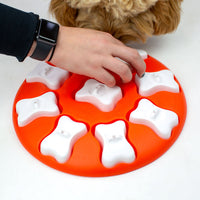
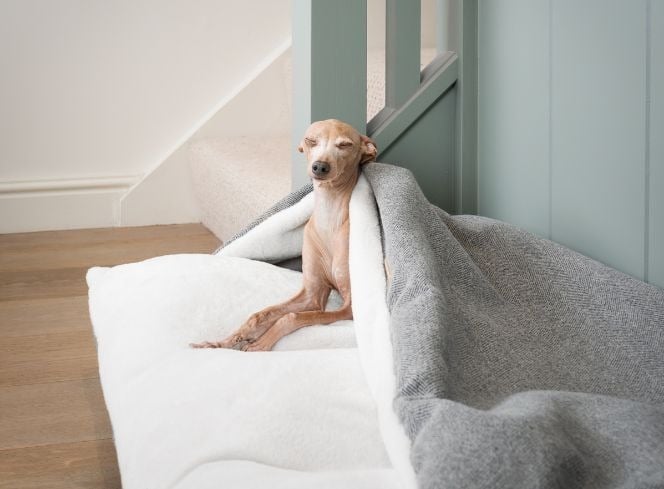
For pet parents, few things are as essential as a good night's sleep—for both you and your furry companion. Yet, coaxing your beloved dog to sleep through the night isn't always a walk in the park. Whether you're dealing with a young pup, an older dog, or simply seeking to establish a solid nighttime routine, mastering this aspect of their wellbeing is crucial. Let's delve into a comprehensive guide on how to get your dog to sleep through the night. 1. Establish a Consistent Routine Dogs thrive on routine. Set regular feeding times, walks, and play sessions during the day. This helps expend their energy, making it easier for them to settle down at night. As they get used to your routine of settling down in the evening they are much more likely to follow suit and settle down with you 2. Create a Comfortable Sleep Environment Designate a cosy, quiet, and dark sleeping area for your dog. A comfortable bed or crate in a familiar spot can make a significant difference. Consider using soothing music or white noise to drown out disturbances. If light seems to affect your dog’s sleeping patterns try using a crate with a crate cover and bumper to create the perfect cosy dark den. 3. Exercise and Mental Stimulation A tired dog is more likely to sleep soundly. Engage your furry friend in physical activities and mental exercises throughout the day. Puzzle toys or training sessions can tire them out both physically and mentally. We love using snuffle mats with our dogs for their dinner to help tire their brains out, 15 minutes of snuffling is equivalent to an hours walk! 4. Limit Evening Activities Minimise excitement or vigorous playtime in the evening. Instead, focus on calm activities to signal the transition to bedtime. Try removing some of their more energetic toys like ropes or balls and give them chew toys that they can lay down to play with, a lot of dogs find chewing calming. 5. Establish a Wind-Down Routine Similar to humans, dogs benefit from winding down before sleep. Incorporate calming activities like a leisurely walk or gentle massage into their nightly routine. We personally love having snuggles on the sofa with our pups as part of their nighttime routine.  6. Dietary Considerations Avoid feeding large meals right before bedtime. Opt for feeding your dog earlier in the evening to allow ample time for digestion and prevent discomfort. 7. Toilet Breaks Ensure your dog has had the opportunity to relieve themselves before settling down for the night. A pre-bedtime bathroom break can prevent disruptions during the night. 8. Comforting Presence For puppies or dogs prone to anxiety, your presence can be reassuring. Consider leaving an item with your scent, like a piece of clothing or a scent blanket, near their sleeping area. Or you could try something like a heartbeat sheep or warm buddy bear which are designed to comfort your dog through the night. 9. Positive Reinforcement Encourage and reward your dog's good behaviour at night. Offer praise or a small treat when they settle down or remain calm during the night. 10. Consult a Professional If your dog consistently struggles with sleeping through the night, seeking advice from a veterinarian or a professional dog trainer can provide tailored solutions to address underlying issues. Remember, patience and consistency are key when training your dog to sleep through the night. Each dog is unique, so be adaptable and observe what works best for your furry companion. By implementing these strategies, you'll pave the way for restful nights—for both you and your beloved canine companion. Sweet dreams to you and your furry friend! 

By Megan Willis - PET EXPERT

Read more
How to Travel with Cats in a Car for a Long Distance
18.12.23 December 18, 2023 Owning a Cat Featured

How to Travel with Cats in a Car for a Long Distance

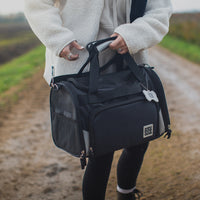
Traveling with feline companions can be a rewarding experience, yet ensuring their comfort during long-distance car journeys poses a significant challenge for pet owners. Whether embarking on a road trip or relocating cross country, proper preparation and the right equipment, notably a reliable cat car carrier or crate, are essential for a smooth and stress-free journey. Selecting the Ideal Cat Carrier for Car Travel Choosing the right cat carrier for car travel lays the foundation for a successful trip. Opt for a carrier that's spacious enough for your cat to stand, turn around, and lie down comfortably. Consider the following features: Size Matters: For extended journeys, a spacious carrier is crucial. Look for carriers specifically designed for car travel that offer ample room without being too bulky for your vehicle. Airflow: Ensure the carrier has proper ventilation to keep your cat comfortable. Clear View: Cats are often reassured by being able to see their surroundings. Look for carriers with transparent walls or ample windows. Safety Features: Opt for carriers with reliable locking systems to prevent any accidental openings during transit. You'll also want to make sure it's a durable carrier with a solid build to ensure the safety of your cat during the journey. Our Favourite Cat Carriers For Car Travel Catit Cabrio Cat Carrier - This is one of our most popular cat carriers and it’s easy to see why. It fastens into the car using the seatbelt making it perfect for car journeys, it also has a 360° accessible design plus removable bowls for food and water provide convenience and comfort. Trixie Easy Soft Travel Carrier - If you’re looking for more space for your cat then why not try the Trixie Easy Soft Travel Carrier, it comes in 3 sizes so you’ll be able to find the perfect size for your favourite feline. The base mat inside is made from the softest sherpa which is perfect for snuggling on, there’s also mesh sides for ventilation and there are easy carry handles making it perfect for travel Mobile Dog Gear Pet Carrier Plus - Although designed for dogs this pet carrier is also perfect for travelling with your cat, it fastens into the car with the seatbelt so is great for car trips. It also has a tether inside which is great if your cat wears a harness as it will keep them nice and secure. The bag has a handy shoulder strap so is easy to carry if you’ve got any walking to do on your journey. Preparing Your Cat for Car Travel Gradual Acclimatisation: Introduce the carrier to your cat gradually by placing treats or their favourite toys inside. Encourage them to explore and associate the carrier with positive experiences. Trial Runs: Before the long journey, take short drives to help your cat get accustomed to the motion and sounds of the car. Familiar Comforts: Line the carrier with your cat’s bedding and include items that carry familiar scents from home to provide comfort during the journey. Tips for Long-Distance Travel with Cats Plan Regular Breaks: Schedule breaks every few hours to allow your cat to stretch, use the litter tray, and have some water. Hydration and Feeding: Offer water at regular intervals to keep them hydrated. Offer a light meal a few hours before the journey to reduce the chances of motion sickness.  Safety Measures: Place the carrier on a stable surface within the car, preferably secured with a seat belt to prevent excessive movement during travel. Natural Calming Aids: Consider using pheromone sprays or natural calming aids to help keep your cat relaxed during the journey. We love the Beaphar cat calming range, it comes in spot-ons, plug-in diffusers and sprays so there’s lots of options to suit your cat. The calming medications promote feelings of reassurance and well-being using pheromone technology Traveling long distances with cats in a car requires thoughtful planning and consideration for your feline friend's comfort and safety. Investing in a suitable cat carrier designed for car travel, coupled with gradual acclimatisation and strategic preparations, can significantly alleviate stress for both you and your cat. With patience, preparation, and the right equipment, traveling with your beloved feline companion can be a rewarding and enjoyable experience for both of you.

By Megan Willis

Read more

loyal customer in 17 countries

Why Shop With Us?

  • Free Delivery

    Orders over £75 qualify for free standard UK delivery. Orders under £75 will be calculated at the checkout.

  • Shopping Made Easy

    Gain exclusive access to sales and shop all your pets favourites on the go by downloading our app.

  • Designed in the UK

    Our own brand products are lovingly designed in our specialist UK workshop to our exacting standards.

  • We're Here For You

    Contact our Pet Experts on Chat or by email at sales@lordsandlabradors.co.uk