


Lords & Labradors Information Hub

The home of handy tips and advice dedicated to pet owners

Can You Walk Your Dog In The Rain?
15.09.23 September 15, 2023 Owning a Dog Featured

Can You Walk Your Dog In The Rain?

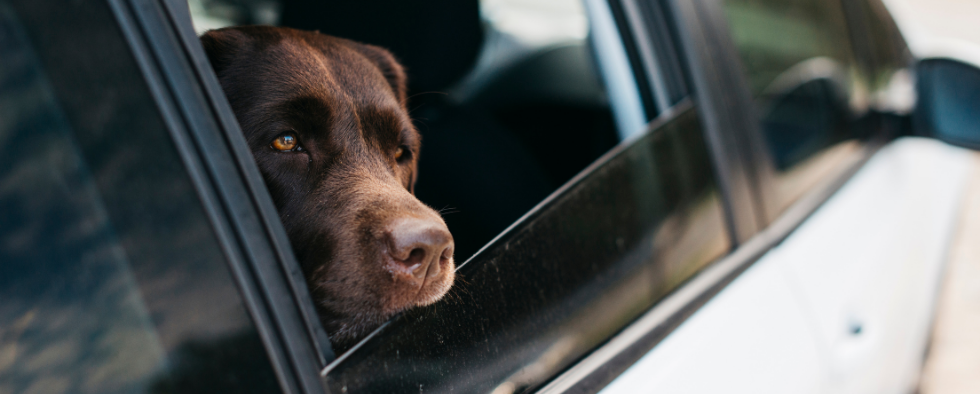
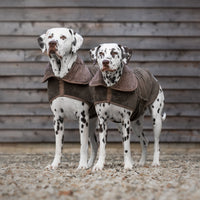
Walks are an essential part of dog ownership and are a good thing to do every day to keep your dog’s health in check and prevent them from becoming frustrated or upset. Unfortunately, the weather can be one of the dog owner’s greatest foes, and when torrential rain strikes, you may be left wondering whether it’s worth potentially falling out with your dog by refusing to take them for a walk if it means avoiding heavy showers. Continuing your usual routine is likely to benefit your dog if it means they’re having walks like they normally would. But before taking them out for a dog walk in the rain, you may want assurances that they won’t become ill or suffer in any way, shape or form by being exposed to the rain. Below, we explain why it’s perfectly safe to walk your dog in the rain, how you can do this and what you can do if your dog is frightened of walking in the rain.   Do Dogs Like Rain? This varies massively from dog to dog, some adventurous pups love to play in the rain and jump in puddles, where as others would much prefer to be cuddled up inside in the warm and dry.  Signs that your dog loves the rain include sitting at the door when it's raining waiting to go out, wagging their tail when they're in the rain and being their usual selves even when it's raining - this shows they have no fear or anxiety about the rain. Signs that your dog isn't a fan of the rain can include panting, hiding, shaking, whining or pacing round. A lot of dogs associate the rain with the uncomfortable sensation of being wet so begin to build up negative associations with it. When they're puppies it's a good to train them to enjoy being in the rain by encouraging them to play in the rain and go out in it and reward them for doing so.    Can I Walk My Dog In The Rain? Depending on the breed, some dogs require a certain level of exercise. Daily walks are a way of fulfilling these requirements while keeping your dog emotionally, mentally and physically stimulated. However, if it’s raining, you may be concerned that taking your dog for a walk could have a negative impact on their health and wellbeing. And as the UK is prone to extended periods of rainfall, delaying your dog’s walking routine during an especially wet period could go on for any length of time. Although you may be concerned that your pooch will become unwell from being walked in the rain, it’s unlikely that a perfectly healthy dog will fall ill from being subjected to wet weather. A dog with a thicker coat is even less likely to be affected as it will take longer for the rain to make contact with their skin than that of a short-haired dog. Just as we'd put a coat on for a rainy walk, you can do the same with your dog and get them their very own rain jacket to help protect them. As long as you ensure that your dog is dried with a towel or drying coat and your home is warm once you return from your walk, it shouldn’t have any impact on your dog’s health.   Should You Walk Your Dog Every Day  Contrary to popular belief, dogs don't need walking every day. Walks are a great form of exercise for your dog and can be a valuable part of their routine but they don't need walking every single day. Some dogs thrive with fewer walks but more enrichment activities and exercise at home, this will massively depend on their breed and size. Missing a walk on a particularly rainy or hot day is okay, it's often better for your dog to stay home on these days.    How To Walk Your Dog In The Rain If it’s spring, the temperature is at a comfortable 15 degrees and it’s only lightly drizzling outside, walking your dog shouldn’t be impacted too much - and your dog may not even see much difference. But if it’s winter or autumn, freezing cold and raining cats and dogs, taking extra measures to improve the experience of your furry friend for trips out is likely to be worthwhile consideration.   Our Pet Expert's Tips For Walking Your Dog In The Rain: 1. Shorten the duration of the walk - Although it will depend on how bad the rain is, it could benefit your pooch to shorten the amount of time you’re out walking. If the rain is especially bad, your dog could be drenched from nose to tail in a matter of seconds, and if they have long fur, it could weigh them down and leave them uncomfortably coated in cold water. It can be difficult to work out how much you should cut down your walking time, but you should know what seems right to your dog, the breed and how it reacts to the rain. As a general rule of thumb, instead of taking your dog somewhere for a lengthy walk around a forest or village, take a more streamlined trip around your local area for ten minutes. 2. Stay away from puddles - During particularly rainy days, your dog is more likely to become wet, messy and mucky. However, if the rain doesn’t entirely drench them, a puddle might. You should always keep an eye on what your dog is getting up to on walks, but as muddy puddles can make your dog mucky and potentially carry bacteria that could cause harm to them if they use it as drinking water, it would be advisable to steer clear of them. 3. Dress them in a dog coat - You may think that a doggy coat is something you use to make your dog look extra snazzy and make a fashion statement to their furry pals, but they’re also important items of clothing for giving them protection against the cold and rain. Many dog coats attach around your dog’s back with velcro underneath to prevent them from slipping off, and they’re effective in keeping the rain off of their neck, back and legs. If you want extra protection for your dog, you could even dress them in little rain boots, but whether you’re able to do that is likely to be based on your dog’s willingness to comply. 4. Warm up your dog immediately after - As soon as you get back home from your walk, you should put your heating on, wrap a towel or drying coat around your dog and check that they’re warm and dry. This will be more important if your dog has taken badly to the rain, the rain was particularly severe or your dog has long fur that is entirely drenched, but it would be a suitable route to take for any dog, big or small. Don't forget their paws, make sure the fur in between the pads is completely dry as leaving this wet can lead to dermatitis for your dog.  When you’re drying your dog, you could even put a heating pad underneath their dog bed so they’ve got added heat, or if they’re due a bath anyway, you could use this as an opportunity to give them a proper clean. 5. Stimulate them indoors - If the rain is too heavy or your dog doesn't fancy going out, we recommend planning in some at home enrichment activities to help wear your dogs brain out. There's lots of fun ways to stimulate them at home, we've listed our favourite in our 'things to do at home with your dog' blog   Why Is My Dog Scared Of The Rain? While it’s one thing for you to decide to take your dog for a walk in the rain, it’s another if your dog is frightened of it. For one reason or another, some dogs are scared of the rain, and as a dog owner, it can be difficult to know how to get them to persevere through it during walks. Firstly, you should look to introduce your dog to rain from an early age so they’re aware of it and understand that sometimes it will be raining when they go outside. However, if your dog is past this stage in their life, you will need to go to extra lengths to get them used to the concept. To train a fully grown dog in being outside in the rain, you can start by getting them to experience the rain in your garden before venturing out on walks. If they’re still apprehensive about walks in the rain, coax them out using treats and toys, go for a short walk and then increase the length of time for each walk until they’re completely happy with them.

By Megan Willis

Read more
DIY Dog Halloween Costumes & Outfit Ideas
11.09.23 September 11, 2023 Seasonal Featured

DIY Dog Halloween Costumes & Outfit Ideas

Halloween is a time of the year when everyone gets to showcase their creativity and have some fun with their outfits. But let's not forget about our furry friends – they deserve to join in on the Halloween festivities too! Whether you have a large dog, a small pup, or anything in between, there are countless adorable and spooky DIY dog Halloween costumes and outfit ideas to choose from. In this guide, we'll explore a range of options, including dog pumpkin costumes, dog spider Halloween costumes, and even dog and owner Halloween costumes. So, grab your crafting supplies and let's get started on creating the perfect Halloween look for your canine companion.   Dog Pumpkin Costume Nothing says Halloween quite like a classic pumpkin costume. To create this adorable look for your dog, you'll need: An orange shirt or piece of fabric Black fabric paint or a marker Green fabric or felt for the stem Steps: Measure and cut the orange fabric to fit your dog, leaving holes for their legs and tail. Using the black fabric paint or marker, draw a pumpkin face on the fabric. Cut a small piece of green fabric or felt into a stem shape and attach it to the shirt using glue or stitching.   Dog Spider Halloween Costume For a spookier twist, consider turning your pup into a creepy-crawly spider. Here's what you'll need: Black clothing or fabric 4 pairs of black socks or foam balls for the spider legs Googly eyes Fabric glue or sewing supplies Steps: Dress your dog in black clothing or fabric. Attach the socks or foam balls to the back of the costume as spider legs, evenly spaced. Glue googly eyes to the front of the costume.   Dog Ghost Halloween Costume If you're looking for a classic and spooky costume for your furry friend, a ghost costume is a timeless choice. Creating a homemade ghost costume is not only budget-friendly, but it also allows for customisation to perfectly fit your dog's size and personality. Materials Needed: White fabric or an old white sheet Scissors Fabric glue or a needle and thread Black fabric paint or markers (optional) Steps: Measure and Cut: Begin by measuring your dog from their neck to the base of their tail. This will determine how much fabric you'll need. Cut a rectangular piece of white fabric, ensuring it's wide enough to wrap around your dog's body comfortably. Creating Eye Holes: Lay the fabric over your dog's back and gently mark where their eyes are located. Carefully cut out small holes for their eyes. Make sure they are large enough for your dog to see clearly. Adjusting the Length: Trim the fabric to the desired length. A classic ghost look often has a slightly tattered and uneven edge. Optional Details: For added flair, you can use black fabric paint or markers to create ghostly facial features. This step is entirely optional, as the simplicity of a white ghost can be just as charming! Securing the Costume: Depending on your preference, you can use fabric glue or sew the edges together to create a comfortable and secure fit. Allow for Comfort: Ensure that the costume is not too tight around your dog's neck or hind legs, allowing them to move freely and comfortably. Remember to supervise your dog while they're wearing the costume to ensure their safety and comfort. With a homemade ghost costume, your pup will be ready to haunt the Halloween scene with style! Dog and Owner Halloween Costumes For a memorable duo costume with your dog, there are plenty of creative ideas to explore. Some popular options include: Batman and Robin: Dress your dog as Robin, complete with a cape, while you become Batman. Wizard and Witch: Your dog can be a wizard with a pointed hat, and you can be a witch with a broomstick. Peanut Butter and Jelly: Dress your dog as a jar of peanut butter and yourself as a jelly sandwich.   Puppy Halloween Costumes If you have a small puppy, there are numerous cute costume ideas to consider. Some favourites include: A bumblebee: Craft a small set of wings and attach black stripes to a yellow outfit. A hot dog: Create a bun-shaped costume and place your pup in the centre. A baby Yoda: Craft Yoda's ears and attach them to a green shirt.   Large Dog Halloween Costumes For larger dog breeds, you'll want costumes that provide comfort and mobility. Ideas include: A lion: Sew a furry mane onto a brown shirt and add ears and a tail. A superhero: Turn your pup into a superhero with a cape and a logo on their chest. A shark: Craft a shark fin and attach it to your dog's back. Conclusion Halloween is a time for everyone to enjoy dressing up and having fun, including your furry best friend. With these DIY dog Halloween costume ideas, you can ensure your pet looks spooktacular and feels comfortable while joining in on the festivities. Whether you have a large dog or a small puppy, there are endless possibilities for creating the perfect Halloween outfit. So, grab your crafting supplies and let your creativity run wild, because dogs in Halloween costumes are simply paw-some! Wanting something quick and easy? Why not order one of our Halloween costumes, we have everything from Lions to dinosaurs, from frankenstein to teddy bears - we're sure to have something your dog will love!

By Megan Willis

Read more
How To Stop Cat Litter From Smelling?
11.09.23 September 11, 2023 Owning a Cat Featured

How To Stop Cat Litter From Smelling?

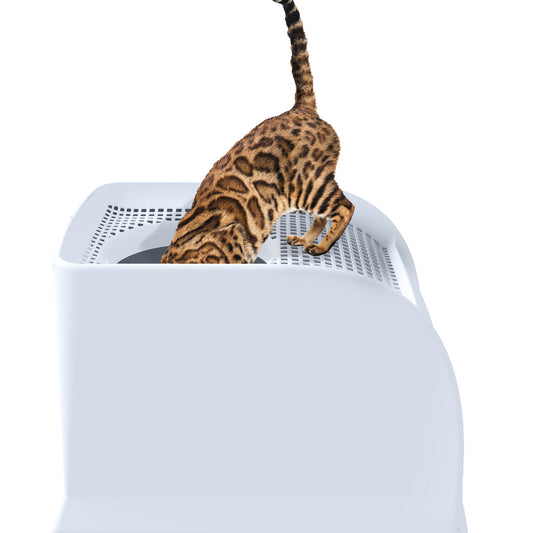
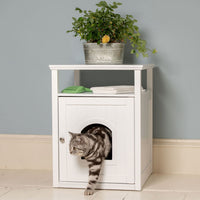
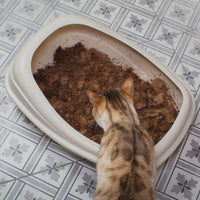
For cat owners, a common challenge is dealing with the unmistakable odour that can emanate from the cat litter box. While we adore our feline friends, there's no denying that cat litter smell can be a real nuisance. Thankfully, there are several effective strategies to combat this issue and keep your home smelling fresh and clean. In this guide, we'll explore various methods to tackle cat litter smell and provide insights into the best cat litter tray options and odour absorbers.   Understanding the Cat Litter Smell Before we delve into the solutions, it's important to understand why cat litter can sometimes become a source of unpleasant odours. The primary culprits behind cat litter odour are: Urine and Feces: Naturally, cat waste releases strong odours, especially when it decomposes. The longer it sits in the litter box, the worse the smell becomes. Bacterial Growth: Moisture and warmth in the litter box create an ideal environment for bacteria to thrive. These bacteria contribute to the unpleasant smell. Inadequate Ventilation: Poor air circulation can trap odours in the litter box area, making them more noticeable. Now, let's explore how to combat these issues and prevent cat litter smell from permeating your home.   Tips to Stop Cat Litter Smelling Choose the Right Cat Litter: Opt for a high-quality, clumping cat litter that effectively absorbs moisture and locks in odours. Look for products labeled as odour-neutralising or unscented if your cat is sensitive to fragrances. Regular Cleaning: Scoop the litter box daily to remove clumps of urine and feces. This simple habit can significantly reduce odour buildup. Frequent Litter Replacement: Completely change the litter and clean the box regularly. Experts recommend doing this every 2-4 weeks, depending on your cat's usage. Litter Box Placement: Choose a well-ventilated location for the litter box. Adequate air circulation can help disperse odours. Use an Odour Absorber: Consider using a cat litter smell absorber, such as activated charcoal or baking soda, placed near the litter box. These substances can absorb and neutralise odours effectively. Invest in a High-Quality Litter Box: Some litter boxes are designed to contain and minimise odours better than others. Look for options with built-in odour control features or those with enclosed designs. Air Purifiers: Place an air purifier near the litter box area to help eliminate airborne particles and odours. Best Cat Litter Tray for Smell If you're in the market for a new cat litter tray with a focus on odour control, here are a few recommendations: Trixie Eco Vico Hooded Litter Tray - The Trixie Eco Vico Hooded litter tray allows your litter area to be enclosed, preventing litter been scattered. It also allows a private area for your cat and keeps a litter tray out of sight. Cleaning the tray is also easy, just remove the hood by releasing the click clasps. Lords & Labradors Cat Washroom & Litter Tray - The Lords & Labradors Cat Washroom is a multi-functional pet house that can be used for cats or small breed dogs. Use with a litter tray to turn the Washroom into an attractive cat loo. The Washroom will hide unsightly litter trays and also contain any litter that escapes the tray when your cat covers her business.  Catit Hooded Litter Tray - The Catit Hooded Litter Tray will offer your cat privacy when they need to relieve themselves as well as keep the litter contained when they cover their business. The litter pan comes in two sizes for different sized breeds and featuring a handy carry handle for easy cleaning. Designed in a stylish shade of grey to suit all interiors. Cat litter smell doesn't have to be an ongoing battle for cat owners. By implementing a combination of the tips mentioned above, choosing the right cat litter, and investing in an effective cat litter tray, you can significantly reduce or even eliminate unwanted odours in your home. Remember, consistent maintenance and cleanliness are key to keeping your feline companion's restroom area smelling fresh and ensuring a pleasant living environment for both you and your cat.

By Megan Willis

Read more
Why You Should Keep Toxic Blue-Green Algae Away From Your Dog
11.09.23 September 11, 2023 Health Featured

Why You Should Keep Toxic Blue-Green Algae Away From Your Dog

Blue-green algae, also known as cyanobacteria, can be a beautiful natural sight in many bodies of water. However, beneath their picturesque appearance lies a hidden danger, especially to our furry companions. In this blog post, we'll delve into the reasons why you should be vigilant about keeping toxic blue-green algae away from your dog whilst you're out on walks. We'll also discuss the symptoms of blue-green algae poisoning in dogs, treatment options, and how to recognise the signs of potential toxicity. Let's prioritise our pets' well-being and keep them safe from this silent threat.   Understanding Toxic Blue-Green Algae Blue-green algae, despite its name, is not actually algae but a type of bacteria that thrives in freshwater and brackish water bodies. These organisms can form dense blooms on the surface of ponds, lakes, and rivers, particularly during warm, stagnant conditions. While not all blue-green algae are harmful, certain species produce toxins that can be lethal to both wildlife and pets, including dogs.   Symptoms of Algae Poisoning in Dogs Blue-green algae poisoning can be life-threatening for dogs, and it's crucial to recognise the symptoms early. Common signs of blue-green algae poisoning in dogs include: Vomiting: Dogs may vomit shortly after ingesting contaminated water or algae. Diarrhoea: Diarrhoea can occur, often accompanied by blood or mucus. Lethargy: Your dog may appear weak, tired, and less active than usual. Excessive Salivation: Increased drooling may be noticeable. Difficulty Breathing: Breathing difficulties and panting can be signs of severe poisoning. Seizures: In severe cases, seizures can occur, indicating a critical stage of toxicity. Liver Failure: Advanced poisoning may lead to liver damage, which can manifest as jaundice (yellowing of the eyes and gums). Neurological Symptoms: Some dogs may exhibit confusion, disorientation, or other neurological symptoms.   Treatment of Blue-Green Algae Poisoning If you suspect your dog has ingested or come into contact with toxic blue-green algae, it's essential to act quickly: Seek Immediate Veterinary Care: Contact your vet or an emergency out-of-hours vet immediately. Rinse Your Dog: If possible, rinse your dog thoroughly with clean water to remove any residue from the algae. Do Not Induce Vomiting: Do not attempt to induce vomiting without consulting a vet, as this can worsen the situation in some cases. Keep Your Dog Calm: Minimise your dog's activity to prevent the toxins from spreading more rapidly. Monitor Vital Signs: Keep an eye on your dog's breathing, heart rate, and temperature.   Preventing Blue-Green Algae Poisoning Prevention is the best strategy to protect your dog from blue-green algae poisoning. Here are some tips to keep your furry friend safe: Stay Informed: Be aware of blue-green algae blooms in your area by checking with local authorities or using online resources. Keep Your Dog On Their Lead: When walking near bodies of water, keep your dog on a lead to prevent them from drinking contaminated water or exploring algae-covered areas. Avoid Swimming in Suspicious Waters: If there are signs of algae blooms, do not allow your dog to swim or play in those waters. Provide Clean Water: Always bring fresh, clean water for your dog when you're out and about.  Learn to Recognise Blue-Green Algae: Familiarise yourself with what blue-green algae looks like to avoid contaminated areas.   Where is Blue-Green Algae Found In The UK? Blue-green algae can commonly be found in various water bodies across the United Kingdom. They tend to thrive in freshwater environments such as ponds, lakes, reservoirs, and slow-moving rivers, especially during warm summer months. These algae often form dense blooms on the water's surface, giving it a greenish or bluish tint. Coastal areas and estuaries can also be susceptible to blue-green algae, particularly in areas where the water becomes brackish due to the mixing of freshwater and seawater. While not all blue-green algae are toxic, it's essential for residents and visitors to be aware of local water quality advisories and exercise caution when using or allowing pets to access these water bodies to prevent potential exposure to harmful cyanobacterial toxins. Conclusion Toxic blue-green algae poses a severe threat to our canine companions, and it's crucial to take precautions to keep them safe. Knowing the symptoms of algae poisoning in dogs, seeking immediate veterinary care, and practicing prevention are key steps in safeguarding your pet's health. Be vigilant, stay informed, and prioritise your dog's well-being to ensure they stay healthy and happy.

By Megan Willis

Read more
Autumn Pet Care - Keeping Our Cats & Dogs Healthy In Autumn
08.09.23 September 08, 2023 Health Featured

Autumn Pet Care - Keeping Our Cats & Dogs Healthy In Autumn

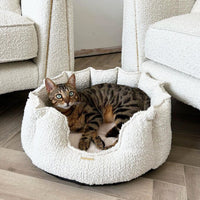
As the vibrant colors of summer foliage gradually give way to the warm hues of autumn, our beloved pets are also faced with seasonal changes. The crisp air, falling leaves, and shorter days signify that it's time for pet owners to adapt their care routines to ensure the well-being of their furry companions. In this comprehensive guide, we'll explore essential aspects of autumn pet care, covering everything from potential hazards to exercise routines. Poisonous Plants and Natural Hazards for Pets Autumn brings about a shift in our surroundings, and with it, a new set of potential dangers for our four-legged friends. Here are some key points to consider: Poisonous Plants: As certain plants flourish in the autumn months, it's crucial to be aware of which ones can harm your pets. Common toxic plants include autumn crocus, mushrooms, and some types of ivy. Keep your pets away from these plants to prevent accidental ingestion. Mushrooms: Fallen leaves can conceal wild mushrooms that may be toxic to pets. Regularly inspect your yard and walking routes to ensure your pets don't come into contact with these potentially harmful fungi. Chemicals: Autumn often involves more intensive yard work, such as leaf raking and garden maintenance. Be cautious with chemicals like fertilisers and pesticides, which can be toxic if ingested by pets. Store them securely and ensure they are pet-friendly. Antifreeze: Antifreeze, commonly used in cars during colder weather, is extremely toxic to pets. It has a sweet taste that may attract them. Ensure your vehicle isn't leaking antifreeze, and store it safely out of reach. Chocolate: Chocolate and sweets are a minor hazard all year round, but with halloween just around the corner you may find that your dog is brought into contact with human treats and sweets more often. Chocolate is especially toxic to dogs and cats, but other sweets containing Xylitol also pose a risk.   Fireworks and Other Noises in the Autumn In the UK, autumn is synonymous with various festivities, including Halloween and Bonfire Night. These celebrations often involve fireworks and loud noises, which can be distressing for pets. Here's how to help your furry companions cope: Socialise pets from a young age: Socialising our kittens and puppies from a young age can help them get used to strange situations, noises and people as they grow up. Safe Haven: One of the reasons crate training is so important for puppies and dogs is that it gives them a safe space to retreat to when they want to feel safe.Make sure your dogs and cats both have places of their own that they can easily get to when they feel more anxious or stressed than usual. A hooded cat bed or cat tree with hideaway is perfect for cats who love the privacy of a covered sleeping area. Remember, cats like to be high up and feel safer from a height. Provide a tall scratch post tree for them which they can retreat to when they want to feel at ease.  Distraction: Provide toys, treats, or puzzle feeders to keep your pets distracted during noisy events. Identification: Ensure your pet has proper identification, including a collar with an up-to-date tag and a microchip. The stress of loud noises might cause them to bolt, so being prepared is crucial. Consult A Vet: If your pet has severe anxiety during fireworks or other loud events, consult your veterinarian. They can recommend strategies, such as medication or behavioural training, to help your pet cope. Use a calming plug-in diffuser: Pet calming products can greatly influence stress levels in our pets. Calming products come in a number of forms: plug-in diffusers, sprays and pet wipes for different applications. Try plugging a diffuser in a week or two before bonfire night or Halloween to help keep them settled and stress-free.      Exercising Pets in the Autumn Maintaining your pet's exercise routine is vital throughout the year, including in autumn. Exercise in and of itself may not seem like a hazard, but fewer daylight hours and colder, wet weather can bring with them one or two minor risks. Here's how to adapt to the changing weather: Adjust Timing: As daylight hours decrease, consider shifting your daily walks to earlier in the morning or late afternoon to ensure visibility and safety. Dress Accordingly: Short-haired breeds and smaller dogs may need extra warmth during chilly autumn walks. Invest in a pet sweater or coat to keep them comfortable. We’ve got a great range of cosy jumpers and coats for your dogs to keep them warm and dry on walks. Our drying coats are perfect for after a wet autumn walk! Indoor Activities: On rainy or particularly cold days, engage your pet with indoor activities like hide-and-seek or puzzle toys to keep them mentally and physically stimulated. Our interactive toys are perfect for keeping your dogs out of mischief, the Nina Ottosson puzzles are so much fun for your pup! Proper Paw Care: Wet autumn leaves and cold pavement can be harsh on your pet's paws. Check their paw pads for cuts, cracks, or irritation, and consider using pet-safe paw balm. Our favourite paw balm is the BeLoved paw balms, they have soothing natural ingredients in so are perfect for keeping your dog’s paws healthy!   Additional Tips for Autumn Pet Care To round off our guide, here are a few additional tips to ensure your pet's well-being during autumn: Seasonal Diet Adjustments: Consult your veterinarian about any necessary dietary changes for your pet during the colder months. They may need more or less food to maintain a healthy weight. Grooming: Regular grooming helps keep your pet's coat in good condition. It also allows you to check for ticks, fleas, and mats that might be more common in autumn. Routine Vet Checkup: Schedule a routine veterinary checkup to address any potential health concerns before the colder months set in. This ensures your pet is in top shape to face the season. Autumn is a beautiful and cosy time of year, and with these tips, you can ensure that it's equally enjoyable for your beloved pets. By being aware of potential hazards, adapting to changing routines, and providing comfort during noisy celebrations, you'll help your furry companions thrive as the leaves fall and the air turns crisp. Remember, a little extra care goes a long way in keeping your pets healthy and happy throughout the autumn season. 

By Megan Willis - Labrador Expert

Read more
How To Get Your Puppy Or Dog To Sleep Alone: Expert Tips And Techniques
07.09.23 September 07, 2023 Getting A Puppy Featured

How To Get Your Puppy Or Dog To Sleep Alone: Expert Tips And Techniques

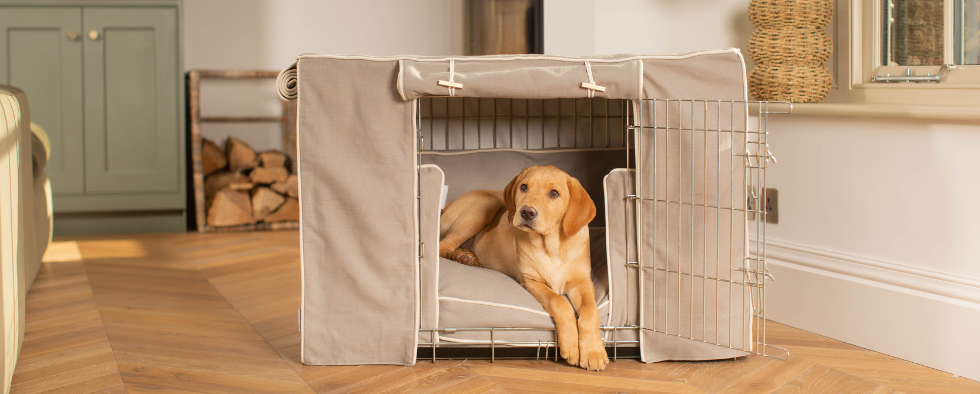
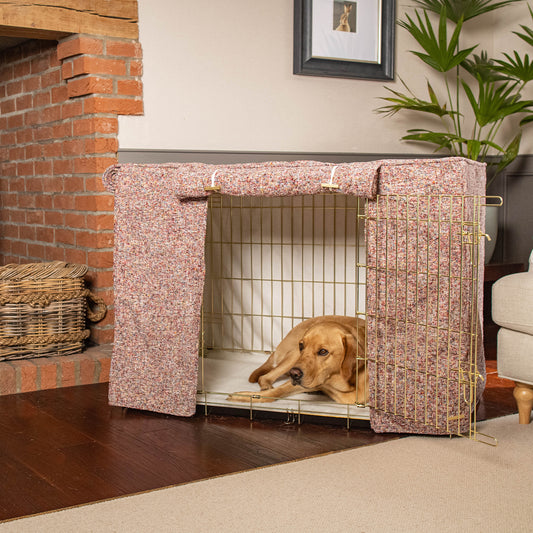
Getting your puppy, or even your adult dog, to sleep alone at night is a crucial milestone in their training. Whether you've just welcomed a new furry family member or are struggling with an existing canine companion who insists on sleeping in your bed, this guide will provide you with expert tips and techniques to teach your pet to sleep independently. Say goodbye to sleepless nights and hello to a well-rested, happy pup.   Start Early: Puppy Sleep Training If you have a puppy, it's essential to establish good sleep habits from the beginning. Puppies, like babies, need structure and routine. Start by creating a designated sleeping area for your puppy, preferably in a quiet and dark part of your home. Use a comfortable crate or a cosy dog bed to make them feel secure.   Crate Training Crate training is a highly effective method to teach your puppy or dog to sleep alone. Dogs have a natural denning instinct, and a crate mimics this instinct, providing a safe and secure space for your pet. Here's how to use crate training for better sleep: Introduce the crate gradually: Let your pup explore the crate with positive associations, such as treats and toys. Create a comfortable space: Add soft bedding and a favourite toy to make the crate inviting. Our crate sets are great for creating a cosy den, we've written a guide with everything you need to know about setting up your dog or puppies dream crate.  Gradual confinement: Begin with short intervals and gradually increase the time your pup spends in the crate. We recommend using positive reinforcement training methods, every time your pup goes in their crate give them a treat and some praise so they being to associate the crate as being a positive space. Consistency: Maintain a consistent bedtime routine, putting your pup in the crate at the same time each night. Avoid punishment: Never use the crate as a form of punishment. It should always be a positive and safe space. Positive Reinforcement Reward-based training is a powerful tool in teaching your dog to sleep alone. Use treats, praise, and affection to reinforce good behavior. Here's how to apply positive reinforcement: Bedtime treats: Give your pup a special treat or toy that they only get at bedtime. Praise calm behaviour: Whenever your dog settles down in their designated sleeping area, offer praise and affection. Ignore whining: If your pup whines or cries, wait for a moment of quiet, then reward them with attention. Gradual Transition For dogs accustomed to sleeping in your bed, transitioning them to sleep alone can take time. Make the change gradually by following these steps: Start with the crate: Begin by having your dog sleep in their crate beside your bed. Move the crate: Gradually move the crate farther from your bed over several nights. Encourage independence: Eventually, your dog should be comfortable sleeping alone in their crate or designated sleeping area.   Exercise and Mental Stimulation A tired dog is more likely to sleep soundly through the night. Ensure your pup gets plenty of exercise and mental stimulation during the day. A tired dog is less likely to be restless at night, making the transition to sleeping alone smoother. Interactive puzzle toys are great for wearing your dog's mind out before bed, we love the Nina Ottosson toys for this!    Consistency Is Key Consistency is the cornerstone of successful dog training. Stick to a routine and reinforce positive behaviour consistently. Dogs thrive on predictability, and a consistent sleep routine will help them feel secure and comfortable in their sleeping space.Training your dog or puppy to sleep alone is a process that requires patience, consistency, and positive reinforcement. By following these expert tips and techniques, you can help your canine companion develop good sleep habits, ensuring both you and your furry friend enjoy peaceful nights. Remember, every dog is unique, so tailor your approach to suit your pet's individual needs. With time and dedication, you'll have a well-rested and contented pup who sleeps soundly on their own.

By Megan Willis

Read more
How To Get Your Dog To Calm Down For Bed
07.09.23 September 07, 2023 Getting A Puppy Featured

How To Get Your Dog To Calm Down For Bed

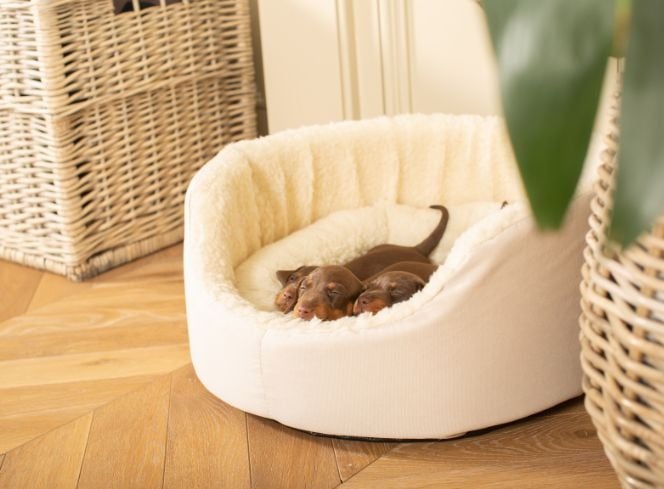
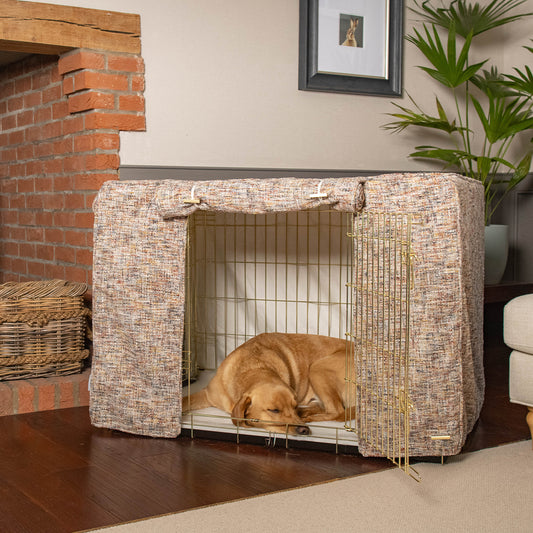
Ensuring a peaceful bedtime routine for your furry friend is essential for both you and your dog's well-being. If you're struggling with an overexcited pup that won't settle down at bedtime, fear not! In this comprehensive guide, we'll explore expert tips on how to get your dog, whether a seasoned pet or a playful puppy, to calm down for bed. With patience, consistency, and the right techniques, you can transform restless nights into serene slumber for you and your four-legged companion.   Establish a Consistent Routine Dogs thrive on routine. Establishing a regular bedtime routine can help signal to your dog that it's time to wind down. Consistency is key, so try to feed, walk, and go through your evening activities at the same time each night. A predictable routine can create a sense of security, making it easier for your dog to calm down before bed.   Physical Exercise and Mental Stimulation A tired dog is a calm dog. Make sure your dog gets plenty of physical exercise during the day, whether through vigorous walks, playtime at the park, or fetch sessions in the garden. Mental stimulation is just as important, so consider puzzle toys, obedience training, or interactive games to tire your dog's mind. We love the Nina Ottson interactive toys, they're great for keeping your dog's brain busy whilst wearing them out.    Create a Relaxing Environment Make your dog's sleeping area as comfortable as possible. A cosy bed with familiar blankets and toys can provide a sense of security. Consider calming scents like lavender, which can help promote relaxation or a calming diffuser whilst you get your dog into a good sleep pattern. Dim the lights and keep the noise level down to create a serene atmosphere.   Wind Down with Calm Interactions In the hour leading up to bedtime, engage in calm interactions with your dog. Avoid giving your dog stimulating treats, play, or attention right before bedtime. Gradually reduce the intensity of activities leading up to bedtime. Petting, gentle massages, and soft-spoken words can help your dog relax.   Limit Food and Water Before Bed To prevent midnight bathroom trips, avoid feeding your dog a large meal or providing access to water right before bedtime. Gradually decrease food and water intake in the hours leading up to sleep.   Bathroom Breaks Before bedtime, take your dog out for a bathroom break. Ensure they've had ample time to relieve themselves, reducing the likelihood of interruptions during the night.   Consider Crate Training If your dog is still having trouble settling down, consider crate training. A crate can create a cosy, den-like space where your dog feels secure. Gradually introduce your dog to the crate and make it a positive experience with treats and comforting items. Our crate sets are perfect for creating a cosy den. The cushions have a deep hollow fibre filling which is perfect for snuggling up on, the bumper adds a padded wall round the edge of the crate for your dog to rest their head on, and finally the cover blocks out light which will help send your pup to sleep!   Stay Calm and Patient Dogs are sensitive to their owner's emotions. Stay calm and patient when helping your dog calm down for bed. Avoid scolding or showing frustration if they are restless. Positive reinforcement and gentle guidance go a long way. Consult a Professional If your dog's bedtime restlessness persists despite your best efforts, consult a professional dog trainer or a veterinarian. There may be underlying behavioural or health issues that need to be addressed. Getting your dog, whether a puppy or an adult, to calm down for bed requires a combination of consistency, patience, and the right techniques. By establishing a bedtime routine, providing physical and mental stimulation, creating a relaxing environment, and using calming interactions, you can help your furry friend enjoy a peaceful night's sleep. Remember, every dog is unique, so be adaptable and consult a professional if needed to ensure your dog's bedtime routine is as calm and restful as possible. Sweet dreams to both you and your beloved canine companion!

By Megan Willis

Read more
Why Do Cats Like Catnip? Exploring the Fascinating World of Catnip and Its Effects
06.09.23 September 06, 2023 Owning a Cat Featured

Why Do Cats Like Catnip? Exploring the Fascinating World of Catnip and Its Effects

Catnip, scientifically known as Nepeta cataria, is a herbaceous plant that has intrigued cat owners and enthusiasts for centuries. Its ability to induce peculiar behaviours in cats has made it a popular topic of discussion among feline aficionados. In this expert guide, we will delve into the world of catnip, exploring what it does to cats, why cats are drawn to it, and whether it's safe for our furry friends. Additionally, we will address questions about catnip's effects on kittens, its role as a recreational "drug," and the differences between catnip and catmint.   What Does Catnip Do To Cats? Catnip contains a compound called nepetalactone, which is primarily responsible for its effects on cats. When cats come into contact with catnip, whether by sniffing, licking, or chewing it, the nepetalactone binds to receptors in their nasal tissue, stimulating sensory neurons. This stimulation triggers a cascade of reactions in the cat's brain, leading to a range of distinctive behaviours.   Why Do Cats Like Catnip? Sensory Stimulation: The nepetalactone in catnip mimics feline pheromones, creating a euphoric and stimulating response in cats. They may rub their face, roll around, and become more playful. Stress Relief: Catnip can have a calming effect on some cats, helping them relax and reduce stress or anxiety. Natural Instincts: In the wild, cats use scent-marking as a way to establish territory. Rolling in catnip can be seen as a way for domestic cats to mark their territory with this enticing scent. Curiosity: Cats are naturally curious creatures, and catnip provides a novel and intriguing experience for them.   Can Cats Eat Catnip? While it's safe for cats to ingest small amounts of catnip, it's more common for them to react to the scent. Ingesting larger quantities may lead to mild gastrointestinal upset, so it's best to use catnip as a scent stimulant rather than a dietary supplement.   Can Kittens Have Catnip? Kittens typically do not react to catnip until they are around 3 to 6 months old. Sensitivity to catnip is hereditary, so some kittens may never show a response. It's advisable to introduce catnip cautiously to kittens and monitor their reactions.   Is Catnip a Drug? Catnip is not a drug in the traditional sense, but it can be considered a natural stimulant for cats. It's non-addictive, and cats do not build up a tolerance to it. The effects are short-lived and usually wear off after about 10-15 minutes, after which cats may lose interest until later.     Is Catnip Good for Cats? Catnip can provide various benefits to cats, such as mental stimulation, stress relief, and exercise. However, it's essential to use catnip in moderation to prevent overstimulation or indifference. Some cats may react negatively to catnip, so it's not a one-size-fits-all solution.   Catmint vs. Catnip Catmint (Nepeta mussinii) and catnip (Nepeta cataria) are closely related plants, but they may affect cats differently. While catnip is the most potent for eliciting feline responses, some cats also react to catmint. It's worth experimenting to see which your cat prefers.   How Does Catnip Work? In summary, catnip's active compound, nepetalactone, interacts with a cat's sensory neurons, leading to a range of behaviours. These behaviours are natural responses, and the effects of catnip are generally safe for most cats.   Our Top Catnip Toys If you're looking to enhance your cat's playtime with catnip-infused toys, we have a wide range of high-quality catnip toys designed to captivate and entertain your feline companion. Here are our top three catnip toys: KONG Catnip Infuser: The KONG Catnip Infuser is a must-have for cats who adore catnip. This ingenious toy allows you to add fresh catnip to keep your feline friend engaged and excited. Its interactive design provides mental stimulation as your cat works to extract the fragrant catnip. KONG Cat Puzzlements Pie: The KONG Cat Puzzlements Pie is a delightful puzzle toy that combines play and mental stimulation. It features hidden pockets to hold catnip or treats, encouraging your cat to explore and interact. With its savoury scent and engaging design, this toy is perfect for curious cats. P.L.A.Y Sushi Cat Toys: Treat your cat to a sushi feast with the P.L.A.Y Sushi Cat Toys. This pack includes three adorable sushi-themed toys filled with premium catnip. Each toy is crafted with attention to detail, making them perfect for batting, chasing, and cuddling. Your cat will have a blast with these sushi-inspired playthings. The fascination with catnip and its effects on cats has long intrigued pet owners. Understanding why cats like catnip, how it works, and its potential benefits can help us provide enriching experiences for our feline companions. Remember to use catnip in moderation and be attentive to your cat's reactions to ensure a safe and enjoyable experience for your furry friend. Whether in the form of catnip toys or the plant itself, catnip can be a valuable addition to your cat's playtime repertoire.

By Megan Willis

Read more
How to Wash Dog Blankets Without a Washing Machine
06.09.23 September 06, 2023 FAQs Featured

How to Wash Dog Blankets Without a Washing Machine

We all know how much our furry companions love their cosy blankets. However, keeping these items clean can be a bit challenging, especially if you don't have access to a washing machine. But fear not, for in this guide, we will share expert tips on how to clean your dog's blankets effectively without the use of a washing machine. Say goodbye to stubborn pet odours and dirt! 1. Gather Your Supplies Before diving into the cleaning process, it's essential to gather all the necessary supplies. Here's what you'll need: Mild Detergent: Opt for a gentle, pet-safe detergent to avoid any skin irritations. Bathtub or Large Basin: You'll need a spacious container to soak and rinse the dog blankets and bed cover. Vacuum: A vacuum is great for helping you to remove any debris from your pet's blanket, we'd recommend using an upholstery attachment if you have one! Scrub Brush: A soft-bristle brush will help you remove dirt and pet hair effectively. Towels: Have some clean towels on hand for drying the items after washing. Sunlight: Natural sunlight acts as a powerful disinfectant and helps eliminate odours. 2. Shake and Vacuum Start by taking your dog's blankets outdoors, if possible. Shake and brush to remove loose dirt, fur, and debris. Consider using a vacuum cleaner with an upholstery attachment to ensure a thorough cleaning. 3. Pre-Treat Stains Inspect the blankets for any stubborn stains or odorous spots. Apply a small amount of mild detergent directly to these areas and gently scrub with a brush. Allow the detergent to sit for a few minutes to penetrate the stains. 4. Soak in a Bathtub Fill your bathtub or a large basin with lukewarm water. Add a small amount of pet-safe detergent and agitate the water to create suds. Submerge the blankets ensuring they are fully soaked. Let them soak for 15-20 minutes to loosen dirt and odours. 5. Hand Washing After soaking, use your hands to gently agitate the blankets in the soapy water. Pay extra attention to stained areas and spots with lingering odours. Continue this process for a few minutes. 6. Rinse Thoroughly Drain the soapy water and refill the bathtub with clean, lukewarm water. Rinse the blankets thoroughly, ensuring no detergent residue remains. You may need to repeat this step a few times until the water runs clear. 7. Squeeze Excess Water Carefully squeeze out excess water from the blankets. Avoid wringing them, as this can damage the fabric and distort their shape. 8. Drying in the Sun Place the wet items outside in direct sunlight to dry. Sunlight is not only a natural disinfectant but also an excellent deodoriser. Allow the blankets to dry completely. This may take several hours, so be patient. 9. Fluff and Fold Once your dog's blankets are completely dry, fluff them up by shaking and gently patting. Fold them neatly and place them back in your pet's favourite spot.Cleaning your dog's blankets without a washing machine may require a bit of extra effort, but it's entirely doable with the right approach. By following these expert tips and using pet-safe products, you can ensure your furry friend enjoys a fresh and clean resting place. Regular maintenance and cleaning will not only keep your dog happy but also contribute to a healthier living environment for both of you.

By Megan Willis

Read more
Is Wet or Dry Food Better for Dogs? Exploring the Pros and Cons
06.09.23 September 06, 2023 Owning a Dog Featured

Is Wet or Dry Food Better for Dogs? Exploring the Pros and Cons

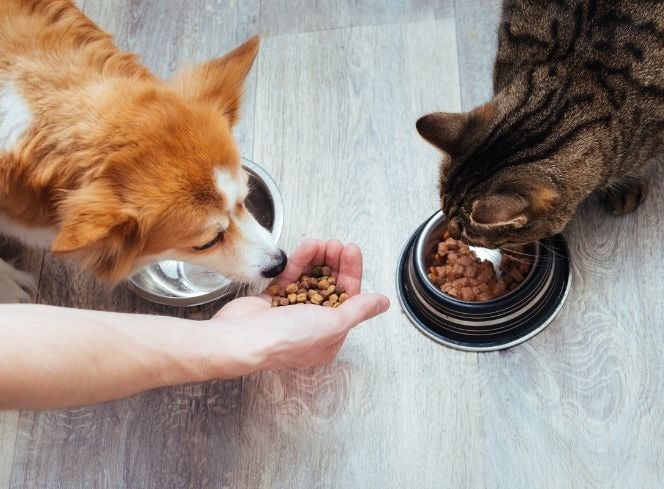
When it comes to feeding our canine companions, one of the most common questions that pet owners grapple with is whether to choose wet or dry dog food. The debate over wet vs. dry dog food has been ongoing for years, and there's no one-size-fits-all answer. The decision ultimately depends on various factors, including your dog's age, health, and personal preferences. In this comprehensive guide, we will delve into the pros and cons of wet and dry dog food to help you make an informed choice for your furry friend.   Wet vs. Dry Dog Food: What's the Difference? Before we dive into the pros and cons, let's clarify what distinguishes wet and dry dog food: Wet Dog Food: Contains higher moisture content (approximately 70-80%) Typically comes in cans or pouches Often has a stronger aroma and flavour, which can be enticing to picky eaters Easier to chew, making it an excellent choice for dogs with dental issues or missing teeth Prone to spoilage if not refrigerated and consumed promptly Can be more expensive per serving than dry food Dry Dog Food: Contains lower moisture content (around 10%) Comes in the form of kibble or pellets Promotes dental health by reducing tartar buildup through chewing Offers convenience and a longer shelf life May contain artificial preservatives and fillers The Pros and Cons Of Wet & Dry Food Wet Dog Food: Pros: Hydration: The high moisture content in wet food can help keep your dog hydrated, especially if they don't drink enough water. Palatability: Many dogs find wet food more appealing due to its strong aroma and taste, making it suitable for picky eaters. Digestibility: Wet food is often easier to digest, making it a good choice for dogs with sensitive stomachs or digestive issues. Dental Health: While wet food doesn't promote dental health directly, it can be useful for dogs with dental problems who struggle to chew dry kibble. Cons: Cost: Wet dog food can be more expensive per serving than dry food, potentially straining your budget. Storage: You need to store opened cans or pouches of wet food in the refrigerator to prevent spoilage. Our Wet Food Recommendations Here at L&L we stock a wide variety of wet foods for your dog. For a high quality and high meat content wet food our go to is the Carnilove wet foods. They're all made to appeal to your dog's natural wolf instincts with over 85% wild origin meats and they're all grain free so you can be sure they're the best quality for your dog. Dry Dog Food: Pros: Convenience: Dry kibble is convenient to store, measure, and serve, making it a hassle-free option. Dental Health: Chewing on dry kibble can help reduce tartar buildup and promote better dental health. Cost-Effective: Dry food is often more budget-friendly than wet food, especially for larger dogs. Long Shelf Life: It has a longer shelf life, reducing the risk of food waste.  Cons: Hydration Concerns: Because dry food has lower moisture content, it might not provide enough hydration for some dogs, potentially leading to urinary tract issues. Palatability: Some dogs may be less enthusiastic about dry kibble's taste and texture. Our Dry Food Recommendations We also stock a variety of dry foods, some of the ones with higher meat content and more natural ingredients include Acana, Carnilove and Orijen - these are great for making sure your dog is getting all the nutrients they need.  Choosing the Right Food for Your Dog: When deciding between wet and dry dog food, consider the following factors: Age: Puppies and senior dogs may benefit from wet food due to its enhanced digestibility and hydration. Adult dogs can thrive on a balanced dry food diet. Health Needs: Consult with your veterinarian if your dog has specific health concerns, as they can recommend an appropriate diet. Budget: Evaluate your budget and choose the food that meets your financial constraints while ensuring your dog's nutritional needs are met. Preference: Some dogs have strong preferences for one type of food over the other, so consider your dog's taste preferences. Conclusion: In the debate of wet vs. dry dog food, there's no one-size-fits-all answer. Both options have their pros and cons, and the best choice depends on your dog's individual needs, your budget, and your personal preferences as a pet owner. If you're unsure what to feed your dog why not check out our large range of dog foods. We have lots of speciality dog foods for specific breeds, sizes and health concerns so you can tailor your dog's food to give them everything they need nutritionally. Once you've found the perfect food for your dog why not Subscribe & Save. Our Subscribe & Save service allows you to save up to 15% on your dog's favourite food and have it delivered to your door exactly when you need it so you never run out! Remember to consult with your vet for tailored dietary recommendations, and always prioritise your dog's health and well-being when making this important decision.

By Megan Willis

Read more

loyal customer in 17 countries

Why Shop With Us?

  • Free Delivery

    Orders over £75 qualify for free standard UK delivery. Orders under £75 will be calculated at the checkout.

  • Shopping Made Easy

    Gain exclusive access to sales and shop all your pets favourites on the go by downloading our app.

  • Designed in the UK

    Our own brand products are lovingly designed in our specialist UK workshop to our exacting standards.

  • We're Here For You

    Contact our Pet Experts on Chat or by email at sales@lordsandlabradors.co.uk