










































Lords & Labradors Information Hub

The home of handy tips and advice dedicated to pet owners

Do Cat Calming Products Work?
03.11.21 November 03, 2021 Health Featured

Do Cat Calming Products Work?

Like most of us humans, your cat may experience anxiety at one point or another. Although your feline may play it cool most of the time, they too can experience the uncomfortable effects of anxiety. Changes like a new home, a new family member or even something they encounter outdoors may induce anxious behaviour in your cat. In cases of mild anxiety, a calming product may be sufficient to calm your cat alone. It may take time to work out which calming product is best for your feline friend, and in this article we explore the different types of cat calming products and explore what may be best for your home and for your four-legged friend. What Are The Best Cat Calming Products? A pet calming plug in diffuser is a natural way of tackling anxiety in your cat - it works alongside the brain’s natural messengers without using sedation. A relaxation trainer may work better for your cat as they may respond to the noise motion system (which is triggered when the motion sensor detects when your cat is stressed). It can sense when your pet is aggravated and will switch on for 30 minutes, going back to stand-by mode once your pet has calmed down.  Our Pet Remedy Calming Spray is the perfect remedy to use in situations where your pets might get nervous or anxious such as trips to the vet, moving home, noisy firework nights and other stressful situations.  Do Cat Calming Plug-Ins Work? Cats can benefit from the use of calming plug-ins as they’re a great non-drug alternative for your stressed cat. Pet parents like the science behind the products, and the fact they carry little to no side effects. The pheromones the plug-in imitates is much like the feeling they get when they rub their face against surfaces. So when your cat smells pheromones around the house, they’re calmed because it reassures them that their home is their safe space.  Effects from the plug-ins are usually noticed within 14 days, pets have different personalities and different reactions to pheromone products, so it may not work solely for you cat.  Do Calming Sprays Work For Cats? Pet Calming Sprays are great for use in situations such as vet visits, car rides, firework nights etc as they do seem to help reduce some select signs of stress and they are safe. While calming pheromone sprays may help with many issues, they may not work for every potential issue or behavioural problem your pet may be experiencing.  How To Use Cat Calming Spray? Spray on your cats bedding or blankets, or even spray a little on your fingers and gently rub around under their chin, and top of chest! You only need a couple of sprays and this will last between 2 and 6 hours depending on the individual pet. As a rule, best not to spray directly on a pet. This avoids any association of the spray with the stressful situation. What Are The Best Toys For A Cat With Anxiety? Catnip toys can help cats relax and engage in play, both of which can help to reduce stress. You can get catnip in its dry form for sprinkling on your cats scratch post, or to sprinkle on their bed too. You can shop our tried and tested cat toys here. While pet calming sprays do seem to help reduce signs of stress and are safe to use for your cat in your home, it’s also important to note that they do not always address the underlying causes of behavioural issues. Always consult your vet when introducing any product into your pet’s environment.

By Laura Rudd

Read more
How To Socialise A Puppy
02.11.21 November 02, 2021 Getting A Puppy Featured

How To Socialise A Puppy

If you’ve recently bought or adopted a puppy or if you’re doing your research for your upcoming arrival, we here at Lords and Labradors recommend you socialise your puppy as soon as it’s safe and within the first four months of your puppy’s life, as this is vital for their development.  In this article we discuss the positives of socialisation for your young puppy.    Why Is Puppy Socialisation Important?  [product] It’s so important your dog learns new experiences, people and events in a positive way. Problems may arise months and even years down the line where these early experiences weren’t explored when they were younger. A huge part in your dogs everyday life will be getting to meet new people, when out on walks, or when visitors come to your home. Start with introducing your puppy to the doorbell to begin with, teaching them the noise of the doorbell is their cue to get onto their bed - this is helpful for when visitors arrive into your home. Don’t forget to introduce them to walking sticks and high-vis clothing so their experiences are varied and positive. It is very important to take socialisation slowly as to not scare your puppy.  Experiencing other dogs, strangers, family, other animals, environments, vet surgeries and sounds (such as roadworks/planes etc) can really influence how your puppy feels in a variety of situations. A puppy who lacks world experience may develop behavioural problems such as anxiety and stress.    When To Start Socialising Puppies A good breeder will have started your puppy's socialising at just 3 weeks old, once you collect your puppy (from 8 weeks or over), it is your turn to ensure they’re being socialised in the correct way. The good news is, you can actually start socialisation before they have had all of their vaccinations - if you are safe and sensible. Until your puppy is fully vaccinated:  Don’t allow them to mix with other dogs you do not know the vaccination status of.  Keep your puppy safe within the limits of your home and garden if you’re allowing them explore themselves.  Take them out as much as you can, but in a carrier so you know they’re kept safe, yet exploring the world with you.    How To Socialise Your Puppy With Other Dogs  Every dog your puppy meets will be different, just like us people, dogs have their own personalities which your puppy is yet to encounter. It’s so important to ensure your puppy meets a good mix to avoid anxiety and frustration as they get older. Before socialising your puppy, it’s best to check with the dogs owner if it is safe for your puppy to be around their dog. Often bad experiences are worse than no experience at all.  Most adult dogs will tell a puppy off if they’re too excited, but some are really tolerant, so keep an eye on your puppy and note how they play, think about how you want your puppy to behave with unfamiliar dogs that they meet out and about, especially as they get bigger.   How To Socialise A Puppy Before Vaccinations Start with the things you can do with your puppy at home to help your puppy become more confident in exploring their surroundings. Letting them explore your home and garden area (if you have one) with their own paws will help them become inquisitive and as brave as possible!  Get your puppy used to walking on different textures and sniffing household objects such as packaging from deliveries and post etc, whilst watching them to ensure they don’t toilet where they’re exploring (unless of course they’re in their toilet area/garden).  If you’re socialising your puppy around other dogs, as long as you know for certain the dogs your puppy is interacting with are up to date with their vaccinations, there is a lot lower risk involved by letting them play together.  Try to ‘show’ and let your puppy explore as much as possible within the first 16 weeks of their life, paying close attention to things they may encounter most of when they’re older. For example if most of their walks will be in the countryside, it’s good to introduce your dog to livestock and how to behave appropriately around them. Or if their walks will mainly follow a high traffic route, introduce them to how to behave around strangers and cars. A good puppy class can help with socialisation and help with training, but remember a short session weekly won’t be enough and the majority of the work and training your puppy needs will be done at home. 

By Laura Rudd

Read more
Travelling With Your Pet
24.10.21 October 24, 2021 Travel Featured

Travelling With Your Pet

Travelling with your pet can be a lot of fun. Many families like to bring their pet along for some of the fun and to avoid the higher costs that come with boarding their pet or finding someone else to take care of the pet. If you plan to do any travelling with your pet, it's best to be prepared. This does take some planning to make sure that your pet is comfortable and will be able to travel safely.   Ways To Make Travelling With Your Pet Easier 1) Checking The Requirements If you plan to take your pet abroad or you need to fly to your location, you need to read up on all of the requirements. It isn’t possible to just book a seat on the plane for your furry friend. There are many countries around the world that have rules when it comes to animals before they can get off the plane and you need to know these regulations before you leave. Whether it has to be vaccinations or certain parasite testing, there is usually something that you need to prove before the pet can come with you.  There are also different rules at each airline about how the pet can travel. Some smaller pets may be able to come on the plane with you if they are kept in a small carrier the whole time. Others may need to be taken and held for you until you get to the new location. You need to check this with your chosen airline before you book your stay.    2) Make Sure Your Pet Is Comfortable Unlike you, your pet won't be able to get up and enjoy some movement when on the plane, so you must make sure that they are comfortable while travelling. One way that you can do this is to make sure they are introduced to their carrier at least a few weeks before you travel. They need to be used to the carrier since they will spend a good deal of time staying there while you travel. This can take some of the stress off travelling as well.  It's good to try to make the carrier as comfortable as possible, as your pet may be spending a large amount of time within it. Have a few toys and some blankets to make it a little softer as well. While driving, let them out to stretch and get their muscles working every few hours. While on the plane, let them out at the new location so they can get a break from all the sitting.    3) Get Them Pet Insurance Before you decide to take your pet on a trip, it is a good idea to get them some pet insurance. You never know when an accident can happen, but it tends to be more likely when you are far away from home - without the insurance. There is a wide range of pet insurance costs that you can choose from to ensure that it fits into your budget. This can give you some peace of mind and keeps your pet safe no matter where you go on the road. Pick the one that works the best for you and never have to worry while you are travelling and your pet gets unwell or injured.    4) Be Prepared Be ready to provide your pet with all of the stuff they may need along the way. This includes lots of toys and food and treats that your pet will need while they are travelling. Most experts agree that you need to take a first aid kit with you when travelling with your pet in case they get hurt. This can save you an expensive trip to the vet, something you may want to avoid even with pet insurance to help you.    Things To Consider When Staying With Your Pet In A Hotel If you plan to stay in the hotel with your pet, you need to be aware that not all hotels will take your pet. Many that do accept them will charge a bit extra per night to make this happen. The exact fee will depend on which hotel you are using. There are different hotels that are going to offer this service, so check to see if there are some of these on your journey. When you find a hotel that will allow your pet to stay, you need to still treat the area with kindness. Obey the rules of the hotel and try not to allow the pet to run around, bark, or make a mess.  Travelling with your pet can be an adventure and will ensure that both of you can enjoy the final location when it is all done. It does take a little bit of planning on your part, but when you are prepared and follow some of the tips above, you will be ready to take that pet wherever you plan to roam. 

By Megan Willis

Read more
Introducing A New Dog To The Family
21.10.21 October 21, 2021 Getting A Puppy Featured

Introducing A New Dog To The Family

Whether you are adopting a newborn puppy or giving a home to an older dog, adding a furry family member to your home can be really exciting. That being said, no matter whether it’s just you, a home with a baby or small children, or a household with other dogs and cats, it is important to make introductions strategically and at a good, well-managed pace. However, this can be tricky, especially for new dog owners. To get you prepared to welcome your new family addition with open paws, here at Lords and Labradors, we have put together this handy guide to give you everything you need to know before introducing a new dog to the family.   Introducing A New Puppy To Your Home No matter the age or breed of a dog, when they are welcomed into a new family it will take them a little time to readjust and acclimatise. Dogs come with a whole host of different personality traits, personal characteristics, and, in the case of rescue dogs, histories. While some may seem super friendly and comfortable around new people from the start, others may be less trusting and need more time to build new relationships. Indeed, while some dogs love being part of a pack and crave the companionship being part of a family brings, it’s important to understand that other pups may prefer more independent lifestyles - this can be particularly true for rescue dogs from complicated or unknown backgrounds. When introducing a dog to a new home it is recommended that you allow your new four-legged friend to explore and investigate different rooms and areas at their own pace. If, for the first day or so, they restrict themselves to their bed or crate, that’s fine. They will explore in their own time and should not be forced. Similarly, if your dog doesn’t initially bond with a member of the family - be that a partner, child or other pet - don’t get frustrated or panic. Simply try to introduce them again later on - sometimes introductions can be overwhelming for canines and too much too soon can lead to stunned development of trust building skills. To help the process for both your new dog and your family members, check out our top tips for introducing your dog to kids, other dogs, and cats.   How To Introduce A New Puppy To A Home With Children Kids and dogs have a lot in common - they are curious, excitable and full of energy. Although this means strong relationships can be built, introducing a new puppy to a home with children can be a little overwhelming for both parties. For this reason you need to make sure that first interactions between a new puppy (or a new older dog) and your children are supervised carefully, ensuring good habits are formed early on, both dog and child feel comfortable with each other, and your new furry friend feels part of the family. While it’s true that most new dogs will blend easily with your human family, it’s essential that you always keep a close eye on your new pet around small children. This is especially important if you have toddlers. Whether they like to run noisily around the home, play with your dog’s toys or have a tendency to pull on the ears, tail or fur of your new pup out of curiosity, a child that is not used to having pets in the home may inadvertently frustrate, frighten or even hurt your new dog. As a rule of thumb, therefore, it’s wise to never leave your child alone with any animal and to teach them how to act considerately and appropriately around their new furry sibling from day one. Prior to choosing a dog, it is also worth researching which breeds best suit your family’s lifestyle and what type of dogs are most patient and loving when it comes to being around children.   How To Introduce A Puppy To An Older Dog Adopting a new dog is always exciting, especially when you’ve already got an older dog at home. However, knowing how to best introduce your new pup to a resident dog can be daunting. We recommend allowing the two dogs to meet for the first time in a neutral environment, such as a park. This is to avoid your resident dog from becoming territorial and potentially hostile towards the new dog if the meet occurs in your home. Open areas where there are lots of interesting distractions is your best bet, and it is also wise to secure help from a friend or family member to ensure there is always someone paying close attention to each dog. Once a location has been established, follow the steps below: Arrive at the meeting spot separately. Bring the dogs together slowly, allowing them to greet each other at their own pace - just as you would with a stranger’s dog you meet during a walk. Keep leads as slack as possible to ensure neither dog feels as though they are being held back, and allow both dogs to have a good sniff and play. If one or both choose to ignore the other, don’t panic - let your two dogs establish their own relationship at their own speed. If the dogs appear aggressive or start to fight, you will need to intervene. Instead of simply pulling them away using their leads, treats should be used to lure each away. Finally, remember that initial meetings should be brief. If it goes well, try walking them together and allowing them in the same rooms of the home. Once a relationship has started to form, you will be able to allow both to spend supervised time together in the home. This may take a number of weeks, however.   How To Introduce A Puppy To Your Cat Although cohabiting cats and dogs can become great companions, this can take time. Like resident dogs, resident cats may find it difficult to adjust to the sudden intrusion of a puppy or rescue dog. For this reason, getting the introduction right can be very important. Unlike dog-to-dog introductions, your resident cat should meet your new dog for the first time within the home. This gives your cat the option to retreat to their ‘safe space’ if they want to. Choosing a time when both animals are likely to be calm is also wise, perhaps after your dog has just been out on a walk, for example. Your dog should be kept on a lead or in their crate, ensuring your cat is not overwhelmed. Then simply allow your cat to set the tone of the meeting. Cats are naturally more cautious than dogs, so it is likely they will take their time to assess the situation before approaching your pup. During the meeting, treats should be used to keep both pets happy and to ensure they have positive associations from spending time together. First interactions should be kept brief and both pets should be kept completely separate in the home unless they are being carefully supervised. However, meetings should be repeated on a regular basis over the first few weeks. If your cat has shown signs of positive interest, meeting times can be gradually extended as the confidence of your cat and your puppy grows. If done properly, this process should eventually see calmer body language from your cat and reduced interest from your dog as they become comfortable in each other's company.

By Megan Willis

Read more
How To Calm An Anxious Cat
21.10.21 October 21, 2021 Health Featured

How To Calm An Anxious Cat

Cats are emotionally intelligent animals. While some are laidback and confident in practically all situations, others can suffer from bouts of anxiety or irrational fears that manifest themselves in the form of out of a number of out-of-character behaviours. From hiding and trembling to excessive meowing, aggression and even physical illness, there are many signals cat owners need to be aware of. As a cat owner, you might ask yourself what you should be looking out for, what causes anxiety and fear in cats, and what are the best ways of calming your furry friend? In this blog we will answer all of these questions and more as we take a deep dive into feline anxiety.   What Are The Signs Of Anxiety In Cats? Although anxiety can present itself in many different ways, the most common sign that your cat is experiencing feelings of anxiety is the development of destructive behaviour that they have not exhibited previously. This out-of-character behaviour could include excessive scratching, clawing at curtains and carpets and scratching furniture. Compulsive and repetitive behaviours can also be a clear indication that your cat is feeling anxious. From repetitive grooming that can start to cause bald patches on their body to frequent tail-chasing and repetitive pacing, these behaviours can cause your pet harm if not addressed. Potential Signs Of Cat Anxiety Include: Hiding for long periods of time Trembling Increased aggression Excessive meowing Litter tray regression Vomiting   Why Does My Cat Have Anxiety? Just as with humans, there are many potential causes of anxiety in cats. These include: 1. Pain or illness Physical pain, such as joint pain, pulled muscles, broken bones or other injuries caused by trauma may lead to anxiety, as could illness or infectious disease. Ageing cats may also suffer from anxiety as a result of brain diseases such as dementia. 2. Separation anxiety One of the most common forms of anxiety in cats is separation anxiety. This is when your cat becomes stressed or afraid when they are left home alone or, in more severe cases, when you are simply not in sight. This is particularly common among rescue cats that have a history of multiple rehomings or abandonment. 3. Mental trauma Similar to separation anxiety, a traumatic experience, a history of abuse or neglect, or even just lack of proper socialisation can trigger anxiety in cats. 4. Change Sometimes even the smallest changes to a cat’s routine, lifestyle or habitat can cause anxiety. For example, if you move home, welcome a baby or additional pet into the family, alter your working hours or change your own sleeping patterns.   How To Reduce My Cat’s Anxiety Helping to reduce the levels of anxiety and stress your cat experiences typically involves identifying the root cause of the issue. This will require a process of trial and error. The first thing you should do if you believe your cat is suffering with anxiety is to book an appointment at your vets. A check-up will allow you to potentially identify a medical issue contributing to anxiety levels or, at the very least, rule this out. If you believe your cat’s anxiety could be caused by routine or environmental issues - such as a house move or the introduction of a new family member - you may wish to consider giving your four-legged friend supplements or using calming products such as calming diffusers or spray. Another way of reducing stress and anxiety in pets is through the use of toys. Playing can mimic natural hunting behaviours, reducing stress in the process. From wand toys that stimulate feline brains to treat balls that can be used to encourage cats to exercise and explore, having a rotating roster of stimulating toys can help keep stress levels down.   How To Calm A Cat Down At Night As owners of any type of pet will tell you, knowing how to calm your furry friend down at night is the key to getting a good night’s rest yourself. When it comes to cats, a combination of stress and the fact that felines are hardwired to be most active at dusk, twilight and dawn, means navigating bedtime and calming your cat at night can be tricky. The best way to ensure a calmer nighttime kitty is to improve your cat’s daytime enrichment options. This is to say, you should try to play and interact with your cat during the day, meaning they will have less energy to be active at night. Providing food-dispensing puzzle toys for cats to play with alone in the evening, and using pet calming sprays and diffusers are also good ways of raising a chilled cat.   How To Calm A Cat In A New Home Moving house can be a traumatic experience for cats. This is because these pets love routine and familiarity, and a new home, with all the upheaval that comes with it, can upset their lifestyle. Although it may be tempting to treat your cat to a new bed, cat tree or other toys following a house move, this is not advised. Your new home will have a new, unfamiliar smell for your cat, which can cause stress. Items such as beds and toys brought from your old home will smell familiar to you kitty, helping to calm their anxieties and gently ease them into a new home. It can also be a good idea to designate a space in your new home that your cat can call their own ‘safe space’. This location should be filled with all their favourite items from their former home. They should be allowed to gradually explore the entire new home at their own pace too. Finally, if you use a feline calming diffuser in your home, the same one should be used in the new home. If you do not use one, try to introduce one into your old home a few weeks before you move, and then continue using it when moving into your new home. The soothing scents created will be familiar to your cat, create a feeling of continuity, and will help them settle into their new home.

By Emily Shields

Read more
Six Common Mistakes People Make When Training A Puppy
17.10.21 October 17, 2021 Getting A Puppy Featured

Six Common Mistakes People Make When Training A Puppy

Training a puppy can be difficult and overwhelming, especially in an age where the internet is shouting conflicting directions at you from all sides. Convincing a dog that they should listen to you, and not their ancient instincts, is a very tall order. There are a few common mistakes people make that can seem small and inconsequential, but can really complicate your efforts to produce a well-mannered pup. Fortunately, mistakes that are easy to make are also easy to avoid, and there is no reason any owner cannot have a beautifully behaved pup with a little bit of patience and a lot of treats.    1. Working The Puppy Too Long It can be hard to tell when a puppy is too mentally exhausted to keep training, and it can also be hard to stop a session when it feels like it is going really well, or when you are excruciatingly close to a breakthrough. However, if you work your pup for long stretches of time, it will eventually stop being productive and can actually be harmful to your puppy's progress in training. Ideally, training should be something your pup enjoys and looks forward to, so each training session should end while they are still engaged and eager for more. Most puppies do best with training in stretches of five to 10 minutes. That way they will only think of training as a fun time, more like playtime than work, and will be more eager and therefore better at learning new skills. It will also strengthen your bond with your dog to have them associate their time with you with fun, instead of exhaustion and frustration. This tip is especially true for working dogs like English Labs, owners often make the mistake of overtraining the puppies because they feel the dog needs to work because of its bloodline. 2. Repeating Commands That Are Not Working Command repetition is perhaps the most common mistake amongst first-time dog trainers, and it is easy to see why. It can be tempting to think that, if your dog does not come at the first call or sit right when you ask them to, they simply did not hear or understand you, and will eventually perform the task that you have taught them so carefully if you just repeat it enough. However, what this really teaches your dog is that their cue is not “sit,” but instead “sit sit sit sit sit.” You can avoid command repetition by making sure you have your dog’s attention before issuing a command. If they do not perform the behaviour on the first cue, wait at least 10 seconds, then begin the command sequence from the beginning, including recapturing their attention.  3. Forming Negative Command Associations Dogs perform commands because they associate them with positive things, like treats, toys, and praise. However, owners often accidentally create negative associations, even if they always treat or praise after a behaviour, by using it to get their dog to cooperate in something they dislike. For example, perhaps the most common example of this is owners calling their dog to come so they can bathe them, give them unpleasant medicines, or clip their nails – anything the dog does not enjoy. (So if your puppy loves bath time, feel free to use it as a chance to practice the come command.) If you do need to get your dog for something you suspect they will not like, it is best, especially in the early stages of their training, to simply find them and pick them up.   4. Using Too Many Treats Treats are good, but they should not be the only way you reward your dog for successfully performing a behaviour. For one thing, this can lead to overweight puppies, but more importantly, it can create a hyper-fixation on food, which breaks focus on the task at hand. Treat rewards also will not strengthen your bond with your dog as much as rewarding them with praise, cuddles, and games will. Although treats are great for initiating a new behaviour, using them exclusively can also get repetitive – dogs need variety as much as people do, and they will be more focused and eager to earn their reward if they are not sure what it will be.  5. Going Too Much By The Book Outside training advice (like this article) is great, and probably the place where all first-time dog trainers should start, but remember that your dog is an individual, with their own quirks and idiosyncrasies that will make some training methods work better for them than others. Read up on several different methods of training, if you can, and then mix and match various techniques and ideas until you find a combination that works best for you and your dog. That might mean trying multiple training classes or simply switching methods for at-home training, but do not be afraid to stop using a method that is not producing positive results and look for something new.  6. Bringing The Wrong Attitude Dogs are very attuned to tone and emotion, and they will respond to whatever emotion you bring into a training session. Starting a training session immediately after a long and frustrating day at work is probably not a great idea – that might be a good time to enjoy some cuddling or playtime instead. Owners should also be careful not to bring too much energy into a session, though, as your dog will feed off of your over enthusiasm and get too worked up to focus. Instead, the ideal mood to project is a kind of warm calm: Offer lots of praise and love, but do not get demonstrably excited or super cuddly until after you have switched from training time to fun time.  Puppy training can be complicated, but it should not be stressful or exhausting for either you or your dog. Focusing on positive feedback, clear directions, and short, consistent training should help you have a well-behaved, loving, friendly pooch who you can confidently take anywhere. 

By Laura Rudd

Read more
What Plants Are Toxic To Dogs?
10.10.21 October 10, 2021 Health Featured

What Plants Are Toxic To Dogs?

As dog owners, it’s good to know what plants to avoid that may be toxic to your dog. Whilst plants may smell lovely in your home and look beautiful, they could be very toxic and harmful if ingested by your pet. Plant poisoning can be a veterinary emergency, and your dog could need immediate medical attention. Even though you may think your dog won’t ingest any of the plants in your home, it’s good to stay clear from those highly toxic to them, just incase they take a sudden interest in your potted plant. Gardens can be exciting, stimulating places for your dog and being aware of the plants most poisonous to them will not only help you when decorating your home, but will also help you identify potential dangers when outside of the home and on walks.  In this article we explore the dangers of certain household plants and what to look out for as a dog owner.  What Outdoor Plants Are Safe For Dogs? If you’re looking to brighten up your garden or balcony, try to stick to the below plants which are considered safe for your pet. Dill - It’s obviously safe for us humans, but the feathery weed is also dog-safe. Fuchsias - The gorgeous pink & purple flowers brighten up your garden and are safe for your dog too! Magnolia Bushes - Magnolia bushes offer beautiful colours and are also dog-safe. Sunflowers - There is nothing that quite says summer like a sunflower - they’re dog safe and great for the wild birds who visit your garden!  Rosemary - The scented rosemary not only looks and smells beautiful, it is also dog friendly too. Snapdragons - They’ll brighten up your garden beautifully and you’ll have peace of mind your dog is safe. [product]Keep in mind the varieties of each plant may be toxic for your pet, this list is specific to their own variant. Avoid using chemicals on your grass, such as non-organic slug pellets and keep your dog away from any garden wildlife as this may pose a risk to your pet. Take a throwing toy on a walk or try some searching games with their favourite treats in the garden if you find your dog needs more stimulation.    Are Yucca Plants Poisonous To Dogs? Yucca plants have grown in popularity due to their aesthetically pleasing look, but they actually pose a large risk to your pooch. The plant contains steroidal saponins which - when digested by dogs - is extremely dangerous. If ingested, keep an eye out for signs of drooling, vomiting and weakness, and get your dog to the vet immediately for treatment. It isn’t known why your dog is so interested on chomping on the yucca, but it’s best to avoid having one in and around your home, just in case they do take to chew on the toxic plant.   Is The Lavender Plant Safe For Dogs?  Luckily, lavender is not poisonous to your dog under most circumstances. The unusual texture and the extremely strong smell prevents most dogs eating much of the plant. You may even find your dogs food and treats contain lavender, as it adds an interesting lemon-like flavour some dogs find tasty. Although lavender itself is not poisonous to dogs, there are circumstances where it can cause a risk to your dog. Dogs can have a negative reaction to the plant, or can eat far too much of the plant. Look out for symptoms such as vomiting, scratching themselves and diarrhoea. Call your veterinarian if your dog displays these symptoms/or if you notice they have eaten a large amount of lavender.    Can Dogs Eat Tomato Plants? Although dogs can eat ripe, juicy tomatoes (in moderation), the tomato plant contains natural chemicals - solanine and tomatine, which are harmful to dogs when eaten in large quantities. In cases where your dog has consumed the tomato plant, watch out for weakness, tremors, seizures, lack of coordination and abnormal heart rate. If your dog displays any of these symptoms, contact your vet immediately.    What Indoor Plant Is Dog Friendly? Even the most well behaved dogs are bound to take a bite at the growing plant in your home. Make sure all house plants are out of your dogs reach and are safe if your dog does decide to take a bite. Popular house plants such as the below are often considered safe for your dog: Spider Plant - not only is it easy to care for, it’s also none toxic to your pet. Kentia Palms - these stunning plants bring the tropics to your home and as well as being air-purifying and resilient, they are safe to have around your pooch. Rattlesnake Plant - fairly simple to take care of and safe to grow around your dog friendly home. Boston Fern - great for air purifying and safe for your dog String of Hearts - If you’re looking for a dog safe trailing plant - this may be just what you’ve been looking for! [product]If you find your dog is exploring with their mouth, for extra stimulation try giving them a puzzle toy or a snuffle mat for extra enrichment whilst being indoors.   Are Cheese Plants Poisonous To Dogs? Cheese Plants have grown in popularity over the years due to their stunning and striking leaves, but if digested by your pooch, the toxins in the plant can cause a stinging sensation around the mouth area which leads to vomiting and difficulty swallowing. So it’s best to keep these plants out of the house and away from your dog.    Are Fig Plants Poisonous To Dogs? It is important to avoid having any fig plants within the home if you have dogs or other small animals. The fig plant contains a toxin, which when consumed or when it comes into contact with the skin, eyes, or mouth of dogs can be toxic. If your dog comes into contact with a fig plant, look out for symptoms such as watery eyes, diarrhoea, pawing at their face and irritated skin/mouth. If your dog displays any of these symptoms, call your veterinarian as soon as possible.

By Laura Rudd

Read more
Hidden Hazards
07.10.21 October 07, 2021 Health Featured

Hidden Hazards

Some pet emergencies are unavoidable; others are easier to prevent than you might think. We’ve teamed up Video Vets Now to find out how you can avoid an impromptu vet visit. Vets are there for your pets, but did you know that one of the best ways to protect your pet is to prevent emergencies from occurring in the first place? Whilst some pet emergencies will always be unavoidable, others are easier to prevent than you might think. According to our friends Video Vets Now, the video consultation service from emergency providers Vets Now, there are hidden hazards lurking in and around our homes. “Many pet owners are aware of the common dangers in and around our homes, however there’s a number of hidden hazards that can make our pets extremely unwell,” explains Dave Leicester, Head of Telehealth at Vets Now. “By being aware of these hidden hazards and making simple changes, pet owners can help prevent accidents and certain pet emergencies.”  The smallest lifestyle changes can have a huge impact. These include keeping certain foods elsewhere, securely locking away household cleaning products and choosing different toys for your pet to play with. Video Vets Now’s hidden hazards guide will help you make sure the only accidents in your house are the ones your puppy leaves on the carpet.     Ten Hidden Hazards That Could Make Your Pet Ill Some emergencies are inevitable, others are easy to avoid. Dave Leicester, Head of Telehealth at Vets Now, reveals what hazards to look out for.  XYLITOL. Xylitol is a sweetening agent found in many sugar-free drinks, drinks and snacks, but it’s highly poisonous to dogs. Prevent an emergency by keeping your sugar-free snacks well out of their reach. INHALERS. If a dog punctures an inhaler, they could be exposed to a huge amount of highly toxic drugs in one go. Prevent an emergency by storing your inhaler somewhere safe. MILK / DAIRY. Lactose intolerance is more common in pets than many of us think. Prevent discomfort by keeping your dairy snacks to yourself. BIOFILM. Bacterial biofilm is the slime found in water bowls and may cause illness if inhaled or ingested. Prevent an emergency by refilling your pet’s bowl regularly with clean, fresh water.  CANDLES. They can cause nasty burns and many contain essential oils, which are often toxic. Prevent an emergency by keeping candles away from your pets, and never leaving a lit candle unattended.  SLUGS AND SNAILS. Dogs get lungworm by eating larvae found in infected snails and slugs and it can be fatal. Prevent an emergency by avoiding slug-prone areas, or keeping your dog on the lead. Remember, slug pellets are also toxic though, so take care in treating infestations. MUSHROOMS. Although not all types are dangerous, it’s almost impossible to tell the good from the bad. Prevent an emergency by keeping your dog on the lead when there are wild mushrooms around. MEDICATION. Common painkillers such as paracetamol and ibuprofen can be highly poisonous. Prevent an emergency by keeping your medication somewhere safe and secure.  COMPOST. Garden waste can produce mycotoxins which can be highly dangerous. Prevent an emergency by keeping your compost bin securely closed at all times. COUNTRYSIDE TOXINS. Fertilisers, insecticides, stagnant water, and even waterlogged soil, can all contain dangerous toxins and bacteria. Prevent an emergency by walking your dog in clean, dry areas, and washing their paws and legs thoroughly after walks in the country.  To find out more about hidden hazards visit Vets Now Pet Hidden Hazards Hub | Is Your Pet At Risk? (vets-now.com)  Need some additional advice and it’s not an emergency? Vets Now are just a tap away with Video Vets Now. You can book your appointment and get chatting to a qualified vet from your campsite, caravan or conservatory.A ten-minute video consult costs £24 and is refundable if Vets Now recommend an in-person follow up within 48 hours. For more details and how to book visit: Online Vets | Video Chat With Our UK Based Vets | 8am-11pm Daily (vets-now.com)  

By Laura Rudd

Read more
What Fruits Can Dogs Eat?
03.10.21 October 03, 2021 Health Featured

What Fruits Can Dogs Eat?

Feeding our dogs a healthy diet that provides them with all the healthy nutrients they need is an important consideration for all pet owners. It’s also nice to offer them treats to give variety to their diets as well as a reward within training. Treats can be used as a healthy snack given for good behaviour or during training. Your dog may show interest in your own food, or maybe you’ve wondered what fruits dogs can and can’t eat, and if they’re just as refreshing for our dogs as they are for us humans.  In this article we will answer a couple of frequently asked questions about what fruits dogs can eat and what signs to look out for if they should eat something, they shouldn’t have.    Can Dogs Eat Bananas? Bananas are the pawfect snack for your dog. They’re sweet and act as a great, tasty treat, but that isn’t to say they won’t cause digestive upset for your pooch. For example, puppies need a specific diet to support their development and the added calories of the banana may interfere with their specially formed diet. If you are giving your dog a banana snack, ensure it is peeled and cut into appropriate serving sizes. Although banana peels aren’t considered toxic to dogs, your dogs digestive system may not be able to digest all the fibre the banana peel contains. Bananas contain natural sugars and too much sugar can cause weight gain in your dog which may lead to other health issues, so be aware how much banana your dog is eating. If your dog displays diarrhoea symptoms, call your veterinarian to be sure.   Can Dogs Eat Apples? A slice of apple can make a great, tasty treat for your dog. The delicious snack can help keep your dog’s teeth clean and their breath fresh. But the core of an apple and especially apple seeds can be harmful to your dog. Apple seeds contain cyanide which is released when broken/chewed. It’s best to remove seeds from the apple before feeding it to your dog.    Can Dogs Eat Grapes? Grapes are highly toxic to your dog and even one single grape can cause a severe reaction. If your dog does eat a grape, contact your vet immediately. Eating a grape can cause acute kidney failure or even death in your dog. Although it’s not known exactly what it is in the grape that causes such a reaction, it’s best to avoid them all together.    Can Dogs Eat Cherries? Much like apples, the pits and stems of the cherry contain cyanide which is harmful to dogs. The flesh of the cherry is safe for dogs to eat and contains vitamin A and C, antioxidants and fibre - but unfortunately could cause an upset stomach. Generally we wouldn’t recommend feeding your dog a cherry, as de-pitting the cherry is a lot of work for the very limited nutrients your dog will benefit from. If your dog eats a handful or more of cherries, watch for signs of troubled breathing, red gums and dilated pupils. Call your veterinarian for instruction on any dangers your dog may be in.     Can Dogs Eat Raisins? Just like grapes, raisins are highly toxic to your dog. If your dog digests a single raisin, call your vet immediately. Watch out for signs such as vomiting and/or diarrhoea (often within a few hours), abdominal pain, dehydration/pale gums, increased thirst or urine production. Treatment via your vet is critical, it’s always best to call your vet anytime you have questions about something your dog may have eaten.  Freezing a fruit or vegetable is a great way to change the texture - making the fruit interesting again. Make sure you stick to the 10% rule when feeding your dog a healthy snack - treats should only make up to 10% off your dogs diet. Follow your veterinarians advise when making changes in your dogs diet and be aware of over feeding treats as this could lead to health implications, such as weight gain. 

By Megan Willis

Read more
What Can Cats Eat Other Than Cat Food?
30.09.21 September 30, 2021 Owning a Cat Featured

What Can Cats Eat Other Than Cat Food?

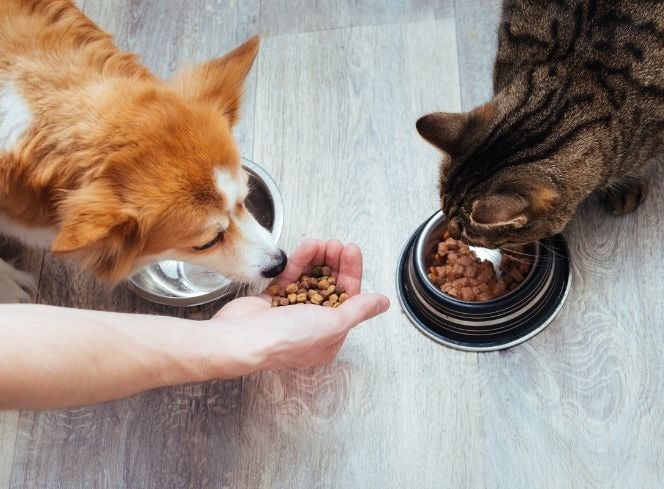
Ensuring your cat gets all the right and good nutrients they require from their food to promote health and wellbeing is really important. It’s also nice to offer them treats every now and then to give variety to their diets as well as help with any training. Treats can be used as a healthy snack or to treat your cat for good behaviour or during training, helping to instil great habits and teach them right from wrong. Your cat may show interest in your own food, or maybe you’re concerned what they can or can’t eat that they may find around the house.  In this article we take a look at what cats can and can’t eat, what food types are safe and what foodstuffs you may need to keep away from your cat.    What Human Food Can Cats Eat? Your cats nutritional intake should predominantly come from their cat food as these are packed full of the high quality protein and just the right blend of fibre to support and manage their digestive system. All cats can suffer with digestive issues at some time in their life, but with veterinary advice and a great diet, you can help to manage those sensitive stomachs.  If you do choose to feed your cat some human food, the below list is generally classed as safe for your cat to eat.  Fish -Cats are known for their love of fish and thankfully most fish are fine for them to eat! Omega-3 fatty acids are great for their overall health and actually may benefit your cats overall health, especially if they have arthritis or kidney disease. Ensure the fish is properly cooked and all bones are removed before you offer up their favourite treat.  Meats - Cooked, lean meats such as beef, chicken, turkey and lamb are considered safe for your cat to eat. Ensure the meat is cooked through and remove all skin and bones before feeding it to your cat. Never give your cat raw meat. Whole grains - such as oats, brown rice, corn and even couscous contain lots of protein, safe for your cat.  Eggs - surprisingly a small portion of cooked eggs (scrambled or boiled) are full of amino acids and proteins which are safe for your cat. Never feed your cat raw eggs as there is a risk of salmonella. If your cat has eaten a raw egg, watch out for vomiting, diarrhoea, high temperature and lethargy as these are only some of the symptoms that your cat may have salmonella. Salmonellosis can lead to enteritis, which is inflammation of the intestines. If you suspect your cat has a salmonella infection, you should have it diagnosed as soon as possible and take care cleaning their litter box and keep food and water bowls clean. Remember to wear gloves when doing these tasks as this can prevent contracting the bacterial infection yourself. Vegetables - although your cat may hate vegetables, most, such as cucumber, carrots, peas and steamed broccoli are safe as they’re full of vitamins, fibre and water.  Fruits - Most fruits contain potassium, fibre and vitamins which are all great for your cat. Although they may turn their nose up at the fruity snack, blueberries, bananas, peeled apples (deseeded) and pumpkins are great snacks if your cat has a sweet tooth.  We wouldn’t recommend making a habit of feeding human foods to your cat as you don’t want them to shun their proper cat food. Treating them to a little of these foods every now and then is fine though, as long as you consider their complete food intake and ensure the treats are making up no more than 10% of their daily food intake.   Can Cats Eat Cheese?  Human foods containing dairy are often high in fat and salt which is not nutritionally beneficial for your cat as if overfed, it can cause obesity. Cats are naturally lactose intolerant, which means that cheese and milk upsets their digestive system. It’s best to avoid feeding your cat cheese, but don’t worry if they eat a small piece as a one-off. If your cat shows signs of lactose intolerance - diarrhoea, vomiting, bloat or excess gas, it’s a good idea to call your vet just to be on the safe side.    Can Cats Eat Chocolate?  Chocolate contains theobromine and caffeine which are both highly poisonous to cats. Dark Chocolate, baking chocolate and cocoa powder have the highest levels, causing the biggest risk to your cat. Theobromine is particularly bad for your cat as it can cause liver failure. Contact your vet immediately if your pet is showing any symptoms such as restlessness, vomiting, diarrhoea and increased heart rate after eating any chocolate.    Can Cats Eat Bread? Cats don’t actually need carbohydrates and as bread is mostly carbs, although cats can eat bread, there is no nutritional value for them. So generally, they shouldn’t eat bread, although it is considered fine for your cat to have a bite of plain baked bread.    Can Cats Eat Popcorn? Corn itself isn’t poisonous to cats and if air-popped, it’s more than likely ok to let your cat snack on a couple of bites if they show interest. If you haven’t air-popped your popcorn and refrained from using toppings, don’t feed this to your cat. Nearly all commercially produced popcorn contains toppings, I.e sweet or salted which are not good for your cats diet. Although popcorn is nontoxic, it’s not entirely nutritious for them.   Can Cats Eat Ice Cream?  Ice cream is not the best choice of snack for your cat because it’s high in fat and sugar, just like other dairy products. Certain flavours, such as chocolate, may even contain ingredients that are poisonous. And lots of sugar substitutes are highly poisonous to pets and can even be fatal. If you’re looking for a cold snack for your cat, why not look at our cat treat collection?

By Laura Rudd

Read more

loyal customer in 17 countries

Why Shop With Us?

  • Free Delivery

    Orders over £75 qualify for free standard UK delivery. Orders under £75 will be calculated at the checkout.

  • Shopping Made Easy

    Gain exclusive access to sales and shop all your pets favourites on the go by downloading our app.

  • Designed in the UK

    Our own brand products are lovingly designed in our specialist UK workshop to our exacting standards.

  • We're Here For You

    Contact our Pet Experts on Chat or by email at sales@lordsandlabradors.co.uk