






























Lords & Labradors Information Hub

The home of handy tips and advice dedicated to pet owners

How To Introduce A New Kitten To A Cat
04.07.21 July 04, 2021 Getting A Kitten Featured

How To Introduce A New Kitten To A Cat

Getting a new kitten is super exciting but also comes with a number of challenges, especially if you already have a feline family member. Settling in a new kitten takes some thought and planning which is only exaggerated when you’re introducing them to an existing pet. Cats are very territorial and introducing a new family member to your cat’s space can take time and perseverance. They may not like the new addition at first, but with time and patience you’ll soon all live in harmony. People have many questions about introducing new kittens to cats and we plan to answer some of the most frequently asked queries here. Read on to find out how to introduce your new pet to the family and what to do when things aren’t going as smoothly as you’d like.   Can You Introduce A Kitten To A Cat? The simple answer to this is yes! Of course, you can introduce kittens to cats just the same as you can introduce puppies to cats and new kittens to dogs. That doesn’t mean it will be simple and there are some things you need to consider in preparation for bringing your new kitten home.  Introducing them too quickly can lead to scared cats feeling threatened which can culminate in aggressive behaviour. In this situation it’s extremely difficult to change your cats’ minds about their new family members. Instead, take it slowly and plan the introduction carefully, and hopefully the new kitten will fit right in.   How Do I Introduce My New Kitten To My Cat? The first thing to consider is where your new kitten will live when you first bring them home. They will need their own room or area that is away from the other cat or cats that already share your home.  In this area, you will need to provide everything your kitten needs including a bed, litter box, and food. They’ll also need a couple of cat toys and somewhere to scratch. We’d also suggest investing in Feliway diffusers around the home. The Feliway Friends formula is designed especially for multi-cat households and will help to keep cats calm and relaxed. You should allow your kitten to settle into their new home for at least a few days before you try any introductions. When it comes to the first introduction, we’d suggest doing it either side of a pet gate or other partition. You could choose to keep your kitten in their carrier so that they feel secure.  A division like this will allow the cats to see and smell each other without being able to touch.  Choose a place that is relatively neutral to both cats and allow cat and kitten the ability to retreat and get back to their safe space. Also, allow the cats some distance at first and let them approach the other in their own time. Don’t force the meeting or place them directly next to one another. We’d suggest providing them both some food at this point, as a distraction and to help create a positive association with the meeting. Keep the introduction short, but repeat the meetings in this way until cat and kitten show signs that they are becoming comfortable with each other. Some cats will get used to each other in only a few days whilst others may take a few weeks. Every cat is different and it’s about seeing how your cat and kitten react to the situation.   How Do I Get A Cat To Like A New Kitten? As we mentioned previously, the introductions should be taken slowly. There are a couple of things you can do to help get the cat to like the kitten. You could give them a scent blanket with your kitten’s scent on it and also give your kitten something with your older cat’s scent on. Do this a few weeks before the introduction and hopefully they'll be familiar with the scent helping to make them both feel at ease when they eventually meet. Of course, your cat may not take to the kitten straight away and they may bat, hiss or growl at the kitten. This is quite normal and you shouldn’t worry too much. It just means they shouldn’t be left alone yet and the incremental introductions need to carry on a little longer. Perseverance is key here and it’s all about having patience and sticking to the plan of staged meetings.   Why Does My Cat Growl At My New Kitten? When your cat does show signs of aggression, such as growling or hissing, they are trying to find out where they sit in the social hierarchy. New additions to the household can cause nerves and stress which can be displayed in different ways. Don’t worry too much about this behaviour, but do be aware of it. If your cat is growling or hissing at the new kitten, it just isn’t time for the two to live in the same rooms yet. Keep going with the distant introductions, with a safe barrier between, keep scent swapping and don’t give up!   How Long Will My Cat Hiss At My New Kitten? This can really vary from cat to cat. Every pet is an individual with a unique personality; some more laid back than others. Some may not hiss at all and take to their family member in a couple of days, whilst others may show signs of aggression for a few weeks.  All you can do is wait to find out how you and your cats get on together and react accordingly.  When you do start to open up the house to the kitten, start with one room at a time so that you can judge how both pets react to each other. Once they are living harmoniously, you can begin to open up more of the house, until your little kitten is fully integrated into the home.

By Zac Girdlestone

Read more
It's Time To Ditch The Stick 
02.07.21 July 02, 2021 Health Featured

It's Time To Ditch The Stick 

Letting your dog play with a stick seems like the most natural thing in the world. After all, dogs enjoy nothing more than chewing on wood, which is why sticks are one of their favourite playthings. But, according to Vets Now, the UK’s leading provider of emergency pet care, sticks are far from good for your dog. In fact, they can be dangerous and, in some cases, fatal.    Splinters from the wood can potentially cause cuts to a dog’s mouth and tongue, and there are also risks around sticks getting stuck in their throats or penetrative flesh wounds. In fact, academics from the Royal Veterinary College found dogs suffer as many injuries playing with sticks as they do on Britain’s roads.   Dave Leicester, who is Head of Telehealth at Video Vets Now, which offers video calls with an emergency vet within minutes no matter where you are in the UK, is urging pet owners to ditch the stick during playtime.  “It’s one of the lesser known hazards for dogs, but stick injuries are much more common than many people think and can result in serious infections and other complications. Our vets and vet nurses have treated horrific injuries across our emergency clinics as a result of dogs playing with sticks, from splintered pieces being lodged in the dogs’ throat right through to accidental impalement.   “I’d urge other owners to only throw well-made toys for their dogs. There are loads of things which are far safer than sticks.” And if you do find yourself worried that your dog has sustained a stick injury contact a vet immediately, or your nearest emergency vet if your daytime vet is closed. If you’re looking for veterinary advice or peace of mind, you can arrange a video chat with one of the emergency vets from the Vets Now team. Which means no matter where you are, or what you’re doing, expert consultations and advice is on hand, within minutes.  But here at Lords and Labradors, we don’t want it to come to that. And so, when it comes to a dog’s favourite game of fetch, it’s time to ditch the stick and think safe toys instead. We have a number of brilliant throwing and outdoor toys for dogs from premium brands including Chuckit, KONG and NERF that offer safe playtimes for you and your pup.  For dogs who like to chew and play games of throw & retrieve, we'd suggest the KONG Classic with Rope. This has all the chewing capabilities of the original KONG dog toy, but with the addition of a rope making it ideal for throwing games outdoors and easy for your dog to carry in their mouths.  Finally, if you're looking for the perfect throwing toy to take to the beach or park, then look no further than the NERF Trackshot Launcher. This has the soft feel of a plush toy, with a tough outer layer that means it will withstand being chewed and carried. What's more, the toy can be launched up to 75ft, making it great for extreme games of fetch in open spaces.    Of course there are many other dog throwing toys to choose from in our shop, where it's always worth browsing to see what's new! 

By Zac Girdlestone

Read more
How To Groom A Cat
01.07.21 July 01, 2021 Owning a Cat Featured

How To Groom A Cat

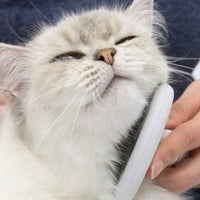
There are many breeds of cat; some with short hair and some with long hair. Whilst cats are very good at grooming and keeping themselves clean, some may need extra help to keep their coats knot-free and shiny. Cats with medium to long hair will definitely benefit from a grooming regime and it will be important to get them used to brushing from a young age. Even short haired cats can benefit from brushing as it helps to get rid of any loose hair and it’s also brilliant bonding time for you and them. In this article we’ll give you some guidance on grooming cats. We’ll look at how to groom a cat as well as what tools you may need.   Do I Need To Groom My Cat? As we mentioned before, cats are generally very good at cleaning themselves and are one of the cleanest pets that you could share your home with. However, grooming can still be beneficial for your feline. Not only will longer haired breeds need extra help to keep their coats knot-free, but grooming is a lovely way for you to spend time with your pets, strengthening the bond you have between you. We’d suggest a light groom at least once a week; more often if your cat has a thick or long coat. Grooming has many benefits for your cat including: Massage - Grooming offers a gentle massage to your cat, that will stimulate the muscles. Glossy Coat - Brushing will help to distribute the natural oils in the hair, through to the tips promoting a smooth and glossy coat. Health Check - Grooming allows you to give your cat a quick once-over allowing you to check for any mites as well as cuts, lumps and bumps. Therapy - Grooming can be therapeutic, not just for your cat, but for you too. Done in the correct way, it should offer calm and relaxation. It also allows you to spend valuable time with your feline, further enhancing the strong bond between you.   How To Groom A Cat? Brushing your cat is really quite simple once you get the hang of it. It’s best to choose a time when your cat is at their most relaxed and happy to have some human interaction. Start by letting them sniff the brush or comb, and then start on the head or back of the neck where they are most likely to enjoy the massage! Brush in the direction of the fur with small, gentle strokes. Brush all around the head and face including under the chin and their cheeks. You can then move on to other areas, moving between the shoulder blades and down their back. Be careful of sensitive areas. Many cats do not like their tummies being rubbed or touched, so be particularly careful in this area. Grooming sessions should be as long or as short as your cat is comfortable with. If your cat shows signs of discomfort or unease, then stop the grooming session. Grooming is best done in short, regular bursts to ensure your kitty is happy and doesn’t get fed up. The last thing you want is to put them off completely. As they get used ti the sessions you can gradually increase the duration.   How To Groom A Kitten? If you can, you should start grooming when you first get your kitten. Kittens who have grown up being groomed from a young age, tend to like being brushed all over. Start with a really soft bristled brush and groom in very short bursts. Allow your kitten to smell the brush first and hopefully they will brush up against it, transferring their scent on to the bristles. They’ll soon get used to the brush and the sensation that being brushed gives. If your kitten moves away from the brush, pause the grooming session. You can try again in a couple of minutes if they settle but try not to force anything. Grooming should be a positive experience for everyone. Just persevere and your kitten will soon enjoy being brushed. Gradually extend the grooming sessions over time and introduce any extra tools that might be needed to keep your cat’s fur in top condition. Short haired breeds may only need one brush, but if you have a longhaired breed, such a Ragdoll or Persian for instance, you may need a couple of different combs and brushes to keep their dense coats knot free.   Should I Bathe My Cat? Cats are famous for their disdain of water, so why would we want to subject them to a bath? They are pretty clean by nature and, with a little help from brushing, generally don’t need to be bathed. However, there are instances where bathing may be required. Some cats aren’t able to keep themselves clean for health or mobility reasons and some may get themselves in a mess, perhaps covered in a substance that needs to be washed off. Consider if you really need to bathe your cat and only do it if it’s completely necessary. Most cats are completely fine with their own grooming routine topped up with a regular brush and comb from you.   How To Bathe a Cat? If you do need to bathe your cat, make sure you plan ahead. The vast majority of cats will hate water so it will be important to keep them as comfortable and relaxed as possible. We’d suggest bathing in the sink or basin. Pop a spare towel or something non-slip on the floor of the sink to help keep them stabilised and partially fill the sink. The water shouldn’t be too deep and should come no higher than their tummies. Start by wetting your cat with warm water. Do it gently and pour from a cup. Lather your cat with shampoo. We’d suggest just sticking to the localised area that needs cleaning and only wash your cat all over if it’s completely necessary.  Once lathered and cleaned, gently rinse them ensuring all shampoo is rinsed thoroughly. Once your cat is fully rinsed, gently dry them with a soft pet towel. You could try drying with a hairdryer on a very low setting, but most cats won’t like the sound. You could invest in a pet hairdryer which has multiple settings and a lower sound, but it’s best to do what you think is best for your particular cat. Bath time can be particularly stressful for cats, so don’t put them through anything that isn’t completely necessary. Do your best to keep them calm and keep some treats to hand to reward them for their good behaviour. ​  Cat Grooming Brushes & Tools Whatever grooming regime you choose for your cat, having the correct tool to hand will be important. Make sure you have good quality cat brushes and combs that are designed specifically for felines and their specific coat type. Gripsoft Cat Slicker Brush - This is a brilliant brush for all cats and coat types. It will help to remove dead, shedding hair and provide a smooth glossy finish to the coat. Gripsoft Double Sided Cat Brush - This is ideal for cats with medium to long coats. The pin brush is great at teasing out knots and tangles whilst the soft brush is good at fluffing and smoothing. Angol Double Sided Cat Comb - If your cat has a long or dense coat, then a comb like this will really help to groom from root to tip. The wide teeth can be used to gently detangle whilst the fine teeth can be used on tangle-free fur to smooth and remove loose hair. Ancol Moulting Cat Comb - This is a brilliant grooming tool for any medium coated cat that is shedding. The variation in teeth length will help to remove loose hair from both the undercoat and the topcoat. Animology Feline Great Shampoo - If you need to bathe your cat, choose a pet safe shampoo designed specifically for felines such as this Animology shampoo. Mild and gentle, it will clean your pets’ fur without stripping it of the natural oils. Suitable for cats from 12 weeks old. Animology Glamour Puss No Rinse Shampoo - If you want to clean your cat without the need for water, try this rinse-less cat shampoo. It will clean dirt and grease with the need to rinse with water afterwards. It’s completely pet-safe and contains Aloe Vera which will soothe and protect the skin

By Zac Girdlestone

Read more
Are Treats Bad For Cats?
27.06.21 June 27, 2021 Health Featured

Are Treats Bad For Cats?

We all want the best for our pets and that includes feeding them a well-rounded diet that promotes health and vitality. We also like to give them a tasty treat every now and then. Just like humans, cats sometimes like a special snack in-between their meals. Cat treats can add variety to their diet and can also be used for training purposes. We are often asked about whether treats are healthy for cats and also whether they’re fattening. In this article we aim to answer these and more of your frequently asked questions regarding cat treats.   Are cat treats bad for cats? Any kind of food, even really healthy foods, can be bad if not fed in the correct quantities. The main thing to consider is how much of a particular food or treat you feed your cat. Of course, some treats are healthier than others; some have more fat content, whilst some have very little. It’s all about reading the packaging and serving them accordingly. If the treats you’ve bought have a high calorie content, then you should feed them sparingly and consider what else you are feeding them. Every treat manufacturer will give a serving suggestion on the packaging. Never feed more than is recommended and always feed as part of a balanced diet. If you keep this in mind, then you can’t go too far wrong. Filling up on treats can mean your cat doesn’t get the nutrition they need from their proper food. Ensure you keep treats to a minimum and feed as part of a balanced diet. As far as daily treating goes, we’d suggest finding some healthy treats that are high in meat content with few to no additives. Treats such as the Pet Munchies Gourmet Treats are ideal as they are all natural and provide lots of nutritious goodness. We have lots of healthy cat treat options in our Cat Emporium, from brands including Lily’s Kitchen and The Innocent Cat.     Can treats make a cat sick? The answer to this is simple, cat treats don’t make your cat sick, but overeating or eating too quickly can make them sick! Again, the main thing to consider is portion size and ensuring that you only feed treats as part of a well-balanced diet. Treats should only make up about 10% of your cat’s daily intake with the rest being divided by their wet and dry foods. If you exceed this, then you risk your cat becoming overweight. If your cat is sick, it’s important to consider why. Do they eat too quickly? If so, consider buying them a slow feeder or feed as part of an interactive game to help slow them down. There are other reasons they could become sick too, such as upset tummies caused by allergies or some other health condition. If you’re feeding the correct quantities and your cat isn’t guzzling their food, then chat to your vet to get their advice. Your cat may have an intolerance or other health problem.   Are cat treats fattening? Anything can be fattening if fed in the wrong quantities. As humans, we can treat ourselves to cake every once in a while, without gaining weight, but if we were to eat it every day, we’d probably notice the pounds piling on! It’s just the same for our cats. It’s absolutely fine to feed your cats a few treats every day, but make sure you feed according to the manufacturer’s guidelines and only as part of a balanced diet. If you’re worried about the calories and health implications of cat treats, consider trying a Catit Senses 2.0 Grass Planter with Cat Grass. This is an indoor grass designed especially for cats to graze on. It’s completely healthy for them to eat and can actually aid their digestion and help prevent hairballs. A brilliant option for people who are worried about their cat gaining weight. Cat grass is also useful as a distraction from your main houseplants. If your cat is always trying to munch on your Monstera then providing tasty cat grass may just be the distraction you need! How often should you give a cat treats? This can depend on the specific treats you’re serving. The popular Dreamies cat treats have a serving suggestion of up to 20 treats per day, whilst the Innocent Cat Treats have a serving suggestion of up to 6 per day. The important thing here is to check the specific treats you have chosen.     When to give cats treats When you choose to feed your cat their treats, really comes down to you and your lifestyle. We like to feed our cats one or two treats at various times throughout the day, but you may wish to serve them in one or two servings at the beginning and end of the day. Don’t forget that treats don’t just have to be served as a snack but could be used as a reward when training as well. You may wish to serve them only when your cat shows good behaviour such as using their litter tray or sleeping in their bed. Just remember that the same feeding guidelines stand whether the treats are for training or as a snack - don’t go over the recommended feeding guide and feed them as part of a complete diet.

By Zac Girdlestone

Read more
Top 10 Summer Toys For Dogs
24.06.21 June 24, 2021 Seasonal Featured

Top 10 Summer Toys For Dogs

​Ice lollies in the sun; lounging on the beach; paddling in the sea; a Pimm’s or two in the garden; all just a few of our favourite things about the Summer!  Another thing we love is to play with our dog outside. Even if it isn’t sunny, the milder weather still means we can get outside more often for fun games of fetch and other activities. In this blog we thought we’d share some of our favourite dog toys for the Summer. A host of things that will make your outdoor playtimes that little bit more fun, taking your outdoor adventures to the next level. Read on to find out which dog toys made our list:   The Best Outdoor Dog Toys for the Summer NERF Trackshot Launcher - Every dog loves a game of fetch. It’s important to take a safe dog toy along to the park or the beach for your next game of throw and retrieve, as opposed to a natural stick which can be dangerous. This throwing toy by NERF is fantastic. It has the body of a soft plush toy but with added durability so it can withstand being carried in the mouth. It can also be launched up to 75ft taking your games of fetch into a whole new dimension. Super fun for you and your dog!   Chuckit Rugged Flyer - Frisbees are great fun for all the family and a brilliant option when there is lots of space around. If you’re heading to the beach or the local playing fields then the Chuckit Rugged Flyer is a great toy to take along.  It’s just like a standard frisbee but with a more durable build and ridged design to make it easier for your dog to catch and carry.   All For Paws Interactives Dog Hyper Fetch - Have you ever played so much fetch that your arm has ended up aching? Well, this automatic throwing machine by All for Paws will take the strain out of your next game! You can save your arms from all the throwing and simply pop your dog’s tennis balls (you get 3 in the pack) into the device. It will then pop the balls out for you. You can choose from 3 throwing modes so you can choose how far you want the ball to go - great if you have limited space. It also comes in 2 sizes, so you can choose a tennis ball size to suit your pup.   KONG Airdog Fetch Stick with Rope - We don’t know a dog who doesn’t love their KONG toy. Known for their durable chewing toys, KONGS are a must in most canine households. This Airdog Fetch stick is another brilliant toy by the Premium pet brand and designed for throwing and tugging. It has a lightweight floating design making it ideal for trips to the beach as well as other outdoor destinations. It’s made of dog-safe, non-abrasive tennis ball material and features a long rope that makes it easy to fetch and carry.   NERF Super Soak Shark Football - This tough throwing toy by NERF has the addition of a super absorbent interior. After it has been soaked in water it will squirt out when squeezed making it great for cooling games of fetch or chewing sessions in the Summer heat. It can even be frozen on the hottest days and given to your dog as a hard chew toy that will melt gradually. Ideal for the hottest summer weather.   All For Paws Chill Out Ice Bone - Another cooling toy that is designed especially for regulating your dog’s body temperature. Simply fill with water and freeze before giving to your dog in hot weather. It has a gel inside that will keep the toy frozen for longer, so you know the cooling effect will be long lasting. Available in 2 sizes.   Chuckit Breathe Right Ball - This is another brilliant throwing toy and a great safe alternative to natural sticks found outside.  The toy features a series of holes all around it which make it easy for your dog to hold in the mouth and also for them to breathe when they’re running with it during a game of fetch. It comes in this ball shape or alternatively, in the Breathe Right Stick design. Both are ideal for throwing games in the garden, on the beach or at the park.   All For Paws Chill Out Lemon Slice - All for Paws make a wonderful range of ‘Chill Out’ toys that come in all shapes and sizes. Their range of fruity cooling toys includes this mouth-watering lemon. Simply soak the toy in cold water and let your pup chew and play with it. It has an integrated squeaker and crinkle to entice your canine and will help to keep them cool when temperatures soar. There are a variety of other shapes to choose from including a Watermelon Slice and Orange Flyer - why not treat your pup to their very own bowl of cooling fruit shaped toys!   Happy Pet Flossin Fun Knotted Rope Tugger - Sometimes the best toys are the classics, and they don’t come much more classic than a dog rope toy for games of tug-of-war. Your dog will love chewing on this thick and durable rope.  It’s a great size for throwing when you’re outside but is also fun for a session of chewing too. An extra-large size that is ideal for large breed dogs. ​All For Paws Chill Out Garden Water Fountain - This garden fountain is made especially for dogs and squirts water when your dog stands on it. This fun water toy for dogs will help to keep them cool in the Summer sun and can even be left outside when you’re not there - your pup only has to stand on it themselves to activate the fountain, offering them a cooling drink and maybe a shower too!

By Zac Girdlestone

Read more
How To Assemble A Cat Radiator Bed
20.06.21 June 20, 2021 FAQs Featured

How To Assemble A Cat Radiator Bed

​Cat Radiator beds are really popular with our feline companions as they offer a cosy and warm place to rest. They also appeal to their desire to sit high off the ground so that they can look down on their territory. We often get asked about the ease of assembly of radiator beds and also whether they’re safe. In this article we thought we’d answer these questions and also discuss how to get your cat used to a new bed.   How To Put A Cat Radiator Bed Together? This can depend on the specific product as each one will have a slightly different build. The main structure of a standard radiator bed is usually made of a few metal rods that fit together to make a frame with a fabric cover stretched over. It’s just a case of putting the metal rods in the correct places, stretching the cover over and then hooking over a convenient place on your radiator. Here we take a look at the main three cat radiator beds that we sell here at Lords & Labradors: Rosewood Luxury 2-in-1 Radiator Bed - This design is just like the standard type of radiator bed that we mentioned. With this design you start by slotting the metal rods together to make a frame and then stretch the fabric cover over the frame. It simply hooks on to your radiator or can even be used as a free-standing bed on the floor when you need the radiator space. Jolly Moggy Bamboo Radiator Cat Bed - This has slightly more design appeal and is a stunning option for those looking for something a little more striking. This one has a plastic frame and a bed of bamboo slats that fold around the circular frame. It’s really easy to put together and will fit on most radiators. Trixie Radiator Cuddly Cat Cave - This has the least assembly required of the three designs, it’s just a matter of adjusting the radiator fitting on the back of the cave. This is a stylish and contemporary design that will look fab in modern homes. The adjustable bracket means it can be altered to fit almost any radiator too! You will find a matching Cat Tower and Cat Pod in case you wish to offer a matching bed or two elsewhere in the home. Whichever you choose, we’re sure your cat will soon make the bed their new favourite spot to lounge, nap and sleep.   How To Get Your Cat To Like The Radiator Bed? As we all know, cats can be rather fussy and very independent. I’m sure every cat owner has bought their feline a new toy or bed only to find that it goes ignored for days. The best thing to do is to persevere and to encourage your cat without them noticing that they’re being coerced! You could try feeding them a treat or two on the bed to begin with, so that they associate it with something positive. Try luring them in and then hold the treat over their head until they sit. Then give them the treat and plenty of praise. Toys will work in a similar way; you could play with their favourite cat wand around the bed or pop one of their catnip toys inside to entice them in. You could also pop their favourite blanket, or an item of clothing that has your smell on it, on the bed. This familiar smell will hopefully attract them when they’re ready to rest. When they realise that the bed is warm and comfortable, they’ll soon make themselves at home!   Are Cat Radiator Beds Safe? The simple answer is yes, radiator cat beds are perfectly safe. They will offer your cat a really cosy place to sleep and are a brilliant accessory for the Winter when your cat will enjoy the extra warmth. There are one or two things to consider when setting up the bed though. One thing to ensure is that the bed is put in a place where it can’t easily be knocked off the radiator. The last thing you want is to walk into the bed when your cat is lying in it - they may fall out and it might put them off using it. Just make sure the bed is placed in a part of the room with low footfall where your cat can rest in peace and quiet. Also, depending on the design of your specific radiator bed, you may want to check it every now and then to make sure the frame or structure is still sturdy. If anything seems loose or the cover is slipping slightly, just make adjustments to ensure it stays secure. As long as you follow the instructions and guidance provided with your chosen radiator bed, and choose the placement wisely, your cat will be lounging and sleeping soundly in no time at all! ​

By Zac Girdlestone

Read more
The Best Insect Repelling & Soothing Products for Pets
17.06.21 June 17, 2021 Seasonal Featured

The Best Insect Repelling & Soothing Products for Pets

​We love Summer and all of the many opportunities we get to enjoy the great outdoors in the warm weather. Insects also come out at this time of year though, which can be a pain for us and our dogs. Insect bites and stings can cause irritation and allergic reactions and will need some after care if your dog gets one. In this blog we list some of our favourite pet products for repelling insects and also some that will help to soothe irritation after an insect bite or sting.   Insect Repelling Pet Products In an ideal world we’d keep our pets away from biting or stinging insects, but it isn’t always possible. We do have some fantastic insect repelling products for pets though, which may just help minimise the risk of them being stung or bitten. Here are our top Insect repelling products for pets: TropiClean Natural Flea & Tick Shampoo - This shampoo is suitable for dogs and is designed to repel fleas and ticks for up to 7 days. Not only this, but it will kill any fleas, ticks or mosquitoes that have already infested your pet. Animology Flea & Tick Dog Shampoo - This dog shampoo is suitable for puppies from 6 weeks old and will help to wash out any fleas or ticks from your pup’s coat. It has a built-in conditioner to help keep the coat in glossy condition and the tea tree in the recipe will help to soothe irritated bitten skin. Insect Shield Vest - If you enjoy rambles in woodland or the countryside, then you will love this insect repelling dog vest by Scruffs. It comes in a range of 7 sizes to suit dogs from Beagle size up to the size of a German Shepherd and is designed to protect from Mosquitoes, Fleas, Ticks and Ants. Insect Shield Snood - If you like the idea of the Vest, but you don’t think your dog will wear one then try this bandana. This is also a good choice for tiny dogs who are too small for the vest.   Insect Shield Crate Mat - A crate mat can be used in all kinds of ways. As the name suggests, it makes a great bed to pop in your dog’s crate but can also be used around the house or even on your travels. The addition of the insect shield technology means it would be great for any Summer activities - we’d suggest taking on your camping trips or days at the seaside for your dog to rest and sleep on when they’re not adventuring. They come in 5 sizes with a size to suit every breed and age of dog.     Insect Bite & Sting Soothing Products for Pets As hard as we may try to deter insects, there will always be the odd occasion when they manage to bite or sting. We have a number of products that will soothe the area after your pet has been stung or bitten including a number of soothing creams and ointments. Here are some of the products you should add to your pet first-aid kit to help with insect bites. Beaphar Wound Ointment - This antiseptic skincare product for pets is designed to soothe and aid the healing process of the skin. It is ideal for bite and sting aftercare as it contains aloe vera and celendula oil which will work together to help relieve any itching or irritation. It’s also great for any pets who suffer from dry or irritated skin in general - helping to keep skin soft and supple. Denes Mite Cream - This is specifically designed to help minimise the irritation caused by parasitic mites, but also help relieve a range of other skin problems. It’s an all-natural cream with cedar wood and Sweet Flag that will make a brilliant addition to your first-aid kit. Denes Skin Balm - A blend of natural essential oils including Camphor, Tea Tree and Poke Root that work together in this soothing skin balm. It has been created to soothe and heal the skin and will help with a range of skin conditions. Wild Dog Co Skin Relief - This wonderful skin soothing balm for pets isn’t just great for insect bites but will help reduce irritation in a number of different scenarios. It is suitable for dry skin conditions, rough dry elbows and cuts and scrapes. It contains anti-bacterial Manuka as well as rosemary, frankincense and mango butter. Leucillin Spray - This isn’t necessarily a soothing product and may need to be used in conjunction with other creams or lotions in the case of a bite or sting, but Leucillin is a brilliant anti-bacterial, anti-viral and anti-fungal spray. It’s a great addition to any pet-first aid kit and can be used in all kinds of situations. It will help to clean the wound or bite and also help to stop any itchiness. It’s completely pet-safe and can be used on all kinds of animals, from cats and dogs to larger pets such as horses!

By Zac Girdlestone

Read more
How Often Should You Give Your Dog A Treat?
13.06.21 June 13, 2021 Health Featured

How Often Should You Give Your Dog A Treat?

Dog treats offer our canine friends a tasty snack in-between mealtimes and are also useful for dog training. They allow you to reward your dog’s good behaviour both in training and in their everyday routine - hopefully it will encourage them to express the same good behaviour in the future! There are many different types of dog treat available and each is good in different instances. Small kibble shaped treats are great as training aids, whilst dog chews are good boredom busters and ideal for any avid chewer! There is also a fabulous selection of celebration treats for special occasions. These are designed as one-off treats and may be much higher in calories. In this article we will take a look at how many treats is suitable for your dog to eat and take a look at some of the healthy dog treats that we think your pup will love. How many treats should I give my dog per day? We are often asked how many treats we should feed our dogs per day, but there are no set rules. Rather, it comes down to the type of treat you are feeding and the type of dog. It’s all about considering the overall daily calorie content for the breed and age of your dog. A good general guide is to feed no more than 10% of their daily calories in treats.  This could be fed in one large treat, or in a handful of smaller treats. They could be fed in one go or spread throughout the day. How and when you feed your dog the treats, really comes down to you and your lifestyle. Many of the treats that we sell at Lords & Labradors will have a suggested serving size. For instance, the packaging on the Innocent Hound Puppy Training Treats suggests between 5 and 10 treats per day. If you have a particularly small pup, perhaps stick to the 5. If you have a large breed, then consider upping the amount towards 10 as suggested. It’s about finding the right balance for you, your dog and their lifestyle.   Are dog treats fattening? Dogs love a delicious snack, just like we do, but it’s important that we keep control of their daily calorie intake. Some treats are more fattening than others so it’s always best to check the packaging to check how many calories there are in the particular treats that you are feeding your dog. Not all treat manufacturers show calories, but they will give an idea on their packaging of how many treats are suitable. If you’re mixing treats, ensure you change the quantities accordingly. If the suggested amount on your dog treats is ten treats per day, that means ten treats without any other treating. If you want to give a different kind of treat later in the day, then you need to reduce the number of the original treat too. It’s all about balance and ensuring your dog’s overall calorie intake is kept to the optimum level for their breed, age and size.   How many calories are in dog treats? The number of calories in dog treats can vary from brand to brand, and between different treat types. Just like human food, the recipe and ingredients of the product will determine the calorie and nutrient content of the food. Check the packaging of the particular product you’re purchasing and feed accordingly. Sometimes, depending on the brand of treat, calorie information isn’t provided, but a general feeding guide with recommended number of treats will be instead. Follow the guide and you can’t go too wrong.    What are healthy treats for dogs? There are many varieties of dog treat available, some more healthy than others. Some treats are high in fruit and vegetables such the Pawtato Spinach & Kale Sticks. Whilst some are high in protein such as the Lily’s Kitchen Cracking Pork & Apple Sausages. These will offer a delicious snack to your pup with a burst of healthy nutrients too. If you’re looking for healthy chews, then some of the best are made by Earth Animal. These delicious dog chew treats are made from all-natural ingredients and offer a much healthier alternative to raw hide. Dog chews are a good option to help clean teeth and they’re long lasting making them good boredom busters for dogs who like to gnaw on things. Just remember to check each dog treat product and feed according to the information supplied.

By Zac Girdlestone

Read more
Stay Beach Safe This Summer
11.06.21 June 11, 2021 Health Featured

Stay Beach Safe This Summer

Oh how dogs love the beach. And, if there’s anything better than long sandy beaches, it’s the sea. Everyone loves to be beside the seaside…especially our dogs! However, according to our friends at Vets Now, the UK’s leading provider of emergency pet care, there’s a number of dangers lurking in a beach visit which means we need to stay beach safe this summer. And get prepared. Dave Leicester, Head of Telehealth at Vets Now, reveals the top dangers to be aware of before taking your dog to the beach this summer. And we’ve created a list of must-have accessories to take with you on any beach trip. If you do find yourself worried whilst at the beach, or afterwards, Vets Now have launched Video Vets Now where you can arrange a video call with one of their emergency vets within minutes, no matter where you are in the UK.   Be Sand Aware Even in the UK, the sun can heat up the sand to dangerous temperatures. If it’s too hot for you to walk barefoot, then it’s too hot for your dog’s paws. If you’re planning on visiting the beach on a day that’s forecast to be hot, it’s a good idea to take your dog in the early morning or late evening. Also, make sure your dog doesn’t eat or swallow too much sand through digging or repeatedly picking up sandy balls and toys. Sand can cause a blockage in the intestine, known as sand impaction. Signs of this serious condition, which requires urgent veterinary treatment, include vomiting, dehydration and abdominal pain. And lastly, keep your pet away from seaweed. It’s been championed as a source of vitamins and minerals, however dried up seaweed washed up on the shoreline can be dangerous for dogs. If swallowed, it can expand in the stomach and become stuck in the intestine.   Stay Sea Safe Don’t assume your dog can swim. Some breeds are naturally strong swimmers, but other breeds, such as corgis and pugs, are not. If your dog is not used to swimming then the sea is not the place to start so make sure he doesn’t get out of his depth.  Even if your dog is a strong swimmer, they’re still at risk of being swept under by large rolling waves. Be careful on windy days when the waves are high and make sure your dog doesn’t venture too far out. Waves and currents can quickly exhaust dogs so perhaps consider buying a life vest for your dog. And if you notice your dog lapping up sea water — stop them. The salt, bacteria and parasites in the water can make them sick. To prevent your dog from drinking salt water, make sure you have plenty of fresh water on hand to give them throughout the day. Irritation to your dog’s skin and paws can be prevented by a fresh-water rinse down before leaving the beach.   Keep Cool Despite a cool coastal breeze, temperatures on beaches often soar in the height of summer in the UK. Be sure to provide a shaded area for your dog and give them plenty of fresh water to help avoid heatstroke. Also, don’t forget sunburn. Just like humans, dogs can suffer sunburn too and breeds with short hair or white hair, and pink ears must be particularly careful on hot days. Use a sunscreen made specifically for dogs and avoid those that contain fragrances. And beware of overexertion. Running on sand takes a lot more effort than running on grass and, add in the summer sun, and this can quickly lead to potentially fatal heat stroke. Make sure they take rests, have shade and fresh water. Lords and Labradors to recommend relevant accessories. Need some additional advice? If you’re worried about your pet whilst on holiday this summer, or even on a day trip, you can arrange a video chat with one of the highly experienced emergency vets from the Vets Now team, within minutes. A ten-minute video consult costs £24 and is refundable if Vets Now recommend an in-person follow up within 24 hours. For more details and how to book visit: Online Vets | Video Chat With Our UK Based Vets | 8am-11pm Daily (vets-now.com)

By Zac Girdlestone

Read more
What To Do If Your Dog Is Stung By A Bee Or Wasp
10.06.21 June 10, 2021 Health Featured

What To Do If Your Dog Is Stung By A Bee Or Wasp

Getting to spend more time outside in the warm weather is one of our favourite things about the Summer months. Long walks exploring new places or just time spent in the garden offers our dogs a feast for the senses in terms of new sights and smells. There are one or two things to be aware of at this time of year though, and one of those is the increase in flying insects. Most are harmless to our pets, but bees and wasps can pose a danger. Here we discuss what to do if your dog is stung by a wasp or a bee and how to spot the signs that they’ve been stung.   Signs That Your Dog Has Been Stung Insects are around us a lot at this time of year and we don't always notice that they're even there. You may not know that your dog has been stung straight away and they may not react immediately. Some of the signs to look out for are as follows: Whining Biting the area Drooling Swelling Irritated skin (watch for signs of itching, redness and rashes)   What To Do If Your Dog Has Been Stung The main thing is not to panic and to try to stay calm. You should try to scrape out the sting if you can  using a bank card or other stiff material and then bathe the area with warm water. It’s important not to squeeze the sting though as this could release more of the poison into your pup’s body. You could apply ice if you wish, which may soothe the area. Just make sure this isn’t uncomfortable for your dog. Keep an eye on your dog after they’ve been stung for any signs of an allergic reaction.   Signs Your Dog Is Having An Allergic Reaction If your dog has been stung they may show various signs of discomfort. If your dog turns out to be allergic to stings they may experience  a number of different reactions. Here's what to look out for: Swelling Vomiting Excessive drooling Trouble breathing Collapsing Seizures Swelling around the mouth, throat or neck If you notice any signs of an allergic reaction, consult your vet immediately.   Can You Give A Dog Anti-Histamines? There are certain types of human antihistamines that are suitable for dogs, but some can be poisonous. It’s best to consult your vet before administering any kind of medication to ensure you’re giving them something pet safe. Not only is it important to choose the correct product, but also to get the dosage right for your particular dog’s weight and size. Are Some Stings More Dangerous Than Others? Allergies aren’t the only thing to be concerned about. Multiple stings can cause serious problems as can any sting in or around your dog’s mouth. The latter can cause swelling which could potentially lead to difficulty breathing. If you think your dog has a dangerous sting, you should call your vet immediately.

By Zac Girdlestone

Read more

loyal customer in 17 countries

Why Shop With Us?

  • Free Delivery

    Orders over £75 qualify for free standard UK delivery. Orders under £75 will be calculated at the checkout.

  • Shopping Made Easy

    Gain exclusive access to sales and shop all your pets favourites on the go by downloading our app.

  • Designed in the UK

    Our own brand products are lovingly designed in our specialist UK workshop to our exacting standards.

  • We're Here For You

    Contact our Pet Experts on Chat or by email at sales@lordsandlabradors.co.uk