







Lords & Labradors Information Hub

The home of handy tips and advice dedicated to pet owners

Everything You Need For Your New Bengal Kitten
05.11.19 November 05, 2019 Cat Breed Guide Featured

Everything You Need For Your New Bengal Kitten

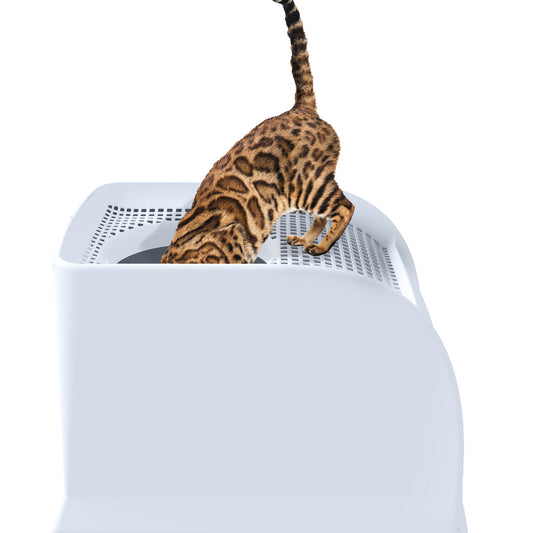
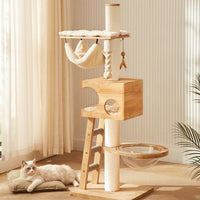
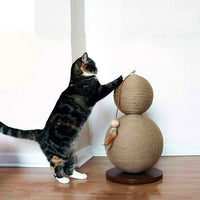
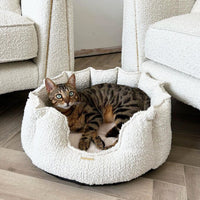
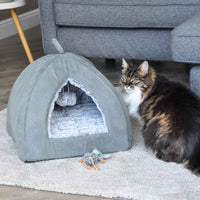
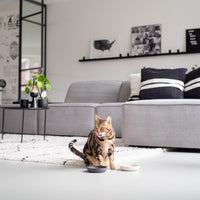
So you’ve made the decision to get a Bengal kitten? First of all, congratulations! Bengals are a beautiful, intelligent breed and your new feline friend is sure to bring you much joy. Now you’ve made the decision to get a Bengal cat, you might be wondering what you’re going to need for them. Here we take a closer look at the breed and discuss what items you'll need for them.    The Bengal Breed Wild Cat - The Bengal’s bloodline comes from the Asian leopard cat mixed with the domestic cat. They have inherited many of their wild ancestors traits, making them a truly unique pet to own. Depending on their generation (F1 are most closely related to their Asian Leopard heritage, with F2 being a generation down and F3 one down further) Bengals will show a certain amount of adventurousness - the closer to an F1 they are, the more boisterous they might be! Chatty Cats - Bengals are renowned for being vocal.  One of the breeds involved in the initial breeding of the Bengal was the Siamese which are known for their chatty nature. Bengals often like to “talk” to their owners… and aren’t too keen on being ignored! Hunters -  All cats have a natural hunting instinct, but it is particularly strong in the Bengal breed. They are among the most active and successful hunters of all domestic cat breeds. If your Bengal is going to be an indoor cat , which many are, you might want to provide plenty of interaction for them.   Bengal Cat Shopping List: Cat Bed Offering your cat their own space for nap time is a good idea - they may well find a spot on the windowsill or back of an armchair that they like too, but giving them a cat bed of their own offers them a place to retreat to if they want their space. Every cat is different, some more social than others; some cats will choose to sit on or next to you, others will slink off somewhere quiet. A hooded cat bed is a nice option as it offers the privacy that many cats crave.       Cat Litter Tray & Accessories A must for all cats, especially indoor cats, a good quality litter tray and litter is essential. We like the hooded trays as cats tend to like their privacy. We also recommend a clumping litter which allows you to scoop out the waste without fully emptying the tray. It can cost more upfront, but a bag will last much longer, therefore saving in the long-run.      Scratch Tree - A tall, tall scratch tree! As we’ve mentioned, Bengals are an active, energetic breed and they’ll need plenty of places to climb and exercise, especially as they are more likely to be kept indoors. A tall scratch tree with plenty of platforms is a really good idea as well as some wall mounted platforms. If you have room for something like this in various rooms around the house it will help ensure your cat has plenty of chance for exercise and keep boredom levels low. They may even make one of the platforms their bed, as cats enjoy being high up.   Food and Water Bowls You will need cat bowls or saucers for their food and water. If you can, offer both dry and wet food as well as water. We’d suggest keeping dry food available all day for them to graze on and then give them a wet food meal once or twice a day. Always make sure they have access to water too, whether that’s a cat drinking fountain or a normal bowl.   Lots of Cat Toys!! Keeping your Bengal entertained will be a full time job! Ensure they have plenty of toys of various types to keep them occupied. Something to hunt and chase as well as something more interactive will ensure they don’t get bored and keep them mentally stimulated. The Catit Senses 2.0 range of toys is ideal for active indoor cats as the various pieces available can be slotted together in different layouts to create an interactive cat activity centre. There are a number of different sets - you could buy one or two for when they’re a kitten and then keep adding more as they grow older. Change the layouts regularly to keep your cat coming back for more! Cat Carrier You’ll need a carrier to transport your cat home and also for vet visits and any other time they may need to travel. If you’ll only need it for short journeys then a fabric carrier may be sufficient. If you are likely to go on longer car journeys then a hard bodied carrier which are car, train and airline approved will be a better option. Safety is paramount and investing in a carrier with more features is highly recommended.     Pet Calming Products These aren’t necessarily an essential, but some kind of calming product might just help your new arrival settle in more quickly. All pets can suffer from nerves in various situations - moving house, noisy situations such as bonfire night or halloween etc. Pet Remedy have this sorted with their all natural range of calming sprays, plug-in diffusers and wipes.   Cat Harness & Lead Again, this isn’t necessarily an essential, but many people do choose to train their indoor cat on a harness and lead. If you introduce the harness to them whilst they’re a kitten, they should take to it quite quickly. It’s a nice idea to get indoor cats outside for a bit of exercise in a controlled way without the risk of them running off. A little venture out is sure to appeal to your Bengal’s adventuress nature! Do make sure they have all their inoculations before you take them out though and ensure they have been treated for fleas.   Cat Grooming Products Bengals are a short haired breed and so only minimal grooming will be necessary. They have a shallow, low-lying coat which tends to shed very little. They are likely to be able to take care of their own grooming, but a light brush once or twice a week will offer valuable bonding time for you and your pet and also help reduce shedding.  We hope you find our Bengal Shopping List helpful. This isn't a definitive list, but rather a collection of the things we think will most suit this breed in particular. Do have a good browse of the other cat accessories in our online shop. We have a plethora of lovely things that will appeal to cats of all breeds.  If you have any questions about any of the items suggested do get in touch. We're here to help in any way we can!
By Zac Girdlestone

Read more
Discover The Christmas Grotto For Pets At Lords & Labradors
29.10.19 October 29, 2019 Seasonal Featured

Discover The Christmas Grotto For Pets At Lords & Labradors

​It’s almost that time of year again; Christmas chocolates and presents have started appearing in the shops … the Christmas season is almost upon us! You may not have thought much about Christmas an awful lot, but it’s only a matter of weeks away and we like to be prepared. This year, Santa’s Grotto is back at Lords & Labradors and it is brimming with goodies for your loveable canines and fabulous felines. Here we look at some of the things on offer so your furry bundles of joy can make a list ready for Santa!   Pet Advent Calendars Involve your pet in the countdown to Christmas with their very own advent calendar, after all, they deserve a treat too! ​    Christmas Toys for Dogs Every dog likes a soft toy to snuggle up to at nighttime or to play with on Christmas day. Our Elves’ workshop is full of both snuggly and fun toys that your pup will love. Plush Christmas Toys We have a whole range of plush Christmas dog toys which are perfect for snuggling, from reindeers to santa to penguins we're sure to have the perfect snuggle partner for your pup this Christmas     Interactive Christmas Toys Wanting to keep your dog out of mischief this Christmas? Our interactive toys are great to keep them busy.      Squeaky Christmas Toys Every dog loves a squeak and we've got an amazing range of squeaky christmas toys.     Christmas Catnip Toys We haven’t forgotten about your feline family members! Discover a selection of adorable catnip toys that your cats will love to hunt and chase…       Christmas Dinner for Pets Let your dog join in the Christmas Day feast with their very own Christmas dinner. Lily’s Kitchen have brought out a Christmas themed wet food for dogs which is three bird feast flavour.  Innocent hound have also brought out a make your own dog Christmas cake which will be fun for all the family over the holidays.       Dressing Up Box Your dog will certainly look the part if you dress them in something from our Dressing Up Box. We have festive jumpers, hats, scarves and even a mini Santa outfit!       Stockings and Santa Sacks We have designed our own santa sacks and stockings which you can personalise with your pet's name or even your kids! They are pawfect for putting presents in for Christmas morning.     Wrapping Paper Why not finish off your pet's or pet lovers present with our L&L wrapping paper. It has a fun Christmas pet print which is pawfect for all the family.    These are just a few of our favourite things from the Christmas Grotto. Check out the other goodies that we have in the Grotto here and make sure your pet's stocking is full to the brim of festive treats this Christmas! ​

By Megan Willis

Read more
Everything You Need For Your New Cavapoo Puppy
22.10.19 October 22, 2019 Dog Breed Guide Featured

Everything You Need For Your New Cavapoo Puppy

Also known as Cavoodle and Cavadoodle, the Cavapoo is a friendly, playful, affectionate and curious breed. A cross between a miniature poodle and a Cavalier King Charles Spaniel, Cavapoos make great family pets. They are typically fiercely loyal and dedicated to the whole family. They are also usually great with adults and children alike, and are good at socialising with other dogs. Finally, if you are looking for a fairly low-maintenance breed, Cavapoos are known for their tendency not to shed their fur. With all of this in mind, this week we discuss the things you will need if you’re expecting a new Cavapoo puppy. From breakfast time to bedtime and everything in between, read on to find out what you should provide for your new furry bundle of joy.   Cavapoo Crates A dog crate should be high on the list for any dog owner. It really is a valuable asset for any new puppy owner, helping with the training period and the general settling in of your new pup. Adding a cover so your pup has some privacy and a quiet place to go is also a good idea. This will also help with setting a good nighttime routine as you can roll the doors down to help teach when it’s bedtime and when it’s morning time.   What size crate for a Cavapoo? As mentioned above, you will need to select a crate that your four-legged friend will comfortably fit in once they are fully grown. With this in mind, as a rule, we’d suggest a Medium crate for a Cavapoo puppy. However, it’s important to remember that Cavapoos come in a variety of different sizes depending on the sizes of the poodle and Cavalier King Charles Spaniel your pup is bred from. For this reason, it’s always a good idea to find out as much information as possible about your puppy’s parents before bringing them home. This will help to give you a better idea of how large your Cavapoo will grow and what size crate may be required. Some Cavapoos may need a smaller crate and some a bigger crate, but it is essential to select a crate that will fit them for their adult-sized body, not that of their puppy body. Therefore, if it is possible, as stressed above, it is best to find out how large your Cavapoo puppy is likely to be as a full-grown adult dog so that the wrong-sized crate is not selected. A good quality, washable puppy bed that will fit in your crate is a must. The cosy & calm puppy box bed is a really great option; the choice of stylish fabrics can be washed in case of accidents. It also fits neatly into one half of the crate leaving room for puppy pads and a water bowl.    Cavapoo Beds [product] A good quality, washable puppy bed that will fit in your crate is a must. The cosy & calm puppy box bed is a really great option; the choice of stylish fabrics can be washed in case of accidents. It also fits neatly into one half of the crate, leaving room for puppy pads and a water bowl.   Training a Cavapoo puppy to use pads A must for all new puppy parents - your puppy won’t be able to hold themselves for long in the first couple of weeks, so puppy pads will give them somewhere to relieve themselves when they don’t make it outside in time. These items are good to put in one side of your crate at nighttime and also to pop down in a corner of the playpen.   How to toilet train a Cavapoo puppy Toilet training is always a priority when you bring home a new puppy. While puppies do have the ability to understand not to spoil their own personal space if they can avoid it from as young as three weeks old, accidents will still happen - particularly overnight and after periods of sleep. Although there are conflicting opinions when it comes to the use of puppy pads, with some arguing they can teach puppies that urinating and defecating inside the house is acceptable, the general consensus is they are a useful tool during your puppy’s first few months of life. Your puppy will use them if you are not around, but if you are in the house and suspect your furry friend needs to go to the toilet, you should take them outside. This will help to train them where they should be going. If your Cavapoo will only go using the pad, after a few weeks you should also try to gradually move the pad closer and closer to the door. This should train your pup to gravitate towards the door when they need to go out. Eventually, if you are consistent with your training, your Cavapoo puppy will go outside when they need the toilet, enabling you to phase out the use of pads altogether.   Cavapoo playpens [product] In the first few weeks after you bring your Cavapoo puppy home, you will want to give your pup specific areas of the house to roam freely. This can either be a room or a partitioned part of a room. A puppy playpen is the perfect option for most people as they can be moved when needed.   A natural progression from their crate, playpens provide larger contained areas that can be used to keep your puppy safe and secure, while also giving them space to play in. As your Cavapoo pup gets a little older, these items are also useful when you need to leave your puppy unsupervised for a short period of time. When it comes to size, there needs to be enough space in your pup’s pen for a bed, a water bowl and play area. As a rule, we would suggest purchasing a pen that provides between 3.5 and 5 square metres of space for your Cavapoo to play in.   Cavapoo Bowls Small sized food and water bowls suitable for your little pup are an essential. You may want to consider a slanted shape as they grow up to cater for their floppy ears. We’d also suggest a set of crate bowls for their crate and a travel bowl or two for when they’re out about - ideal for vet trips, day trips and holidays! Cavapoo Accessories Whilst Cavapoos love a snuggle on the sofa with you, they are also energetic and playful. You will soon want to get your puppy trained on a lead so you can get out and about for walks to burn some energy.  We’d suggest a harness for walking as it will be more comfortable than a collar when your pup is first learning and will offer more control. The harnesses and leads in our puppy walking section are super durable and are available in a range of stylish colours.   Best Toys for Cavapoos Cavapoos are playful little things and a range of toys will help keep them occupied and their minds active. Buy a variety of different toys and rotate them so they don’t get bored. Chew toys will help with their teething stage and also help prevent them from chewing furniture or their bed. Cuddly snuggle toys will give them something to soothe them to sleep and a throwing toy or two will offer you both an opportunity to play together when you’re outside. Remember to put a chew toy and plush in the crate and pen to keep them occupied when they’re inside.   Grooming brushes for Cavapoos It will be important to get your puppy into a grooming routine from the beginning. You don’t need to bathe them too often, but a good brush every few days will help keep their coat in tip top condition. Grooming time is also really good binding time - don’t forget to give them a reward for good behaviour!    Cavapoo Treats Your puppy will spend the first few months of their existence constantly learning. They are going to get things wrong sometimes and it’s important not to scold them at these times, but rather to encourage good behaviour. Training treats should be used for these occasions. Our Puppy Development treats are low-calorie, natural treats that are ideal for training.  

By Zac Girdlestone

Read more
Our Top Picks for AW24
15.10.19 October 15, 2019 Product Spotlight Featured

Our Top Picks for AW24

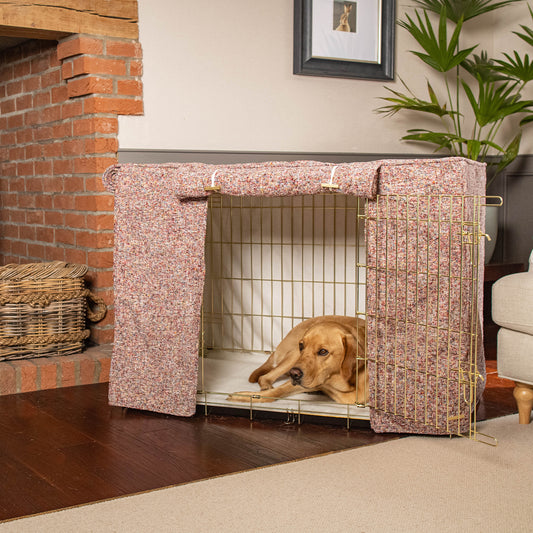
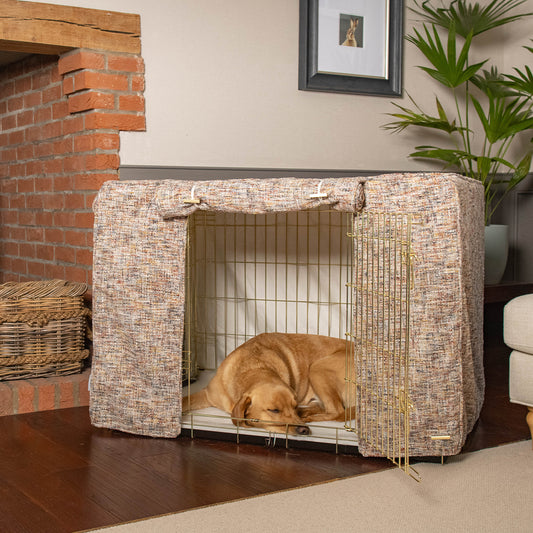
The nights are growing longer and the weather turning crisp. We’ve brought out our winter woolies and are enjoying hot drinks in front of the fire after our morning dog walks. We love the colours and textures of homewares and clothing in the Autumn/Winter months. Here we’ve selected some of our favourite items that are just perfect for the colder months ahead.  Bouclé Crate Sets We love all of our dog crate bedding, but there’s something so warm and cosy about the Bouclé range at this time of year. Available in three beautiful colours to suit all kinds of interiors, the covers are super durable and really do make your crate look stunning. We make crate covers, bumpers and cushions - all washable on a delicate cycle. Luxury High Wall Beds Our High Wall beds are the perfect companions for your dogs and cats this Autumn/Winter, the high sides are perfect for your pets to snuggle into on cold nights.  Luxury Pet Blankets Add a sumptuous blanket to your dog or cat’s bed this winter. Our luxury blankets are made here in our Lincolnshire workshop and will make your pet’s bed even more inviting. Available in a range of colours, there is a blanket to coordinate with all of our bedding sets. Barbour Dog Coats You may wish to give your dog some protection from the elements when out exploring and the range of coats from Barbour is just adorable. They have both quilted and wax versions, which are perfect for coordinating with our own Barbour jackets!   Lords & Labradors Collars and Leads You’ve got the designer dog coat, but what about matching walking accessories? Here at Lords & Labradors, we make the most stunning collars and matching leads that are ideal for outdoor adventures in the Autumn/Winter months. We particularly love the Ostrich Leather which features a beautiful leather strap and inspired by a ostrich, leather embossed print. Lords & Labradors collars and accessories are made from the finest materials by master craftsmen. A beautifully made collar that will stand the test of time. Don't forget to browse the matching accessories too! Dachshund Fleeces Our Dachshund fleeces are more than just a fashion statement, they are perfect for keeping their long backs and bellies protected from the cold. They can be worn on their own and also have a handy hole for clipping a lead onto their harness so are perfect for their Autumn/Winter walks. They can also be personalised for that extra special touch! Drying Coats Dog drying coats have become somewhat of an everyday essential and we suggest every owner have one. At this time of year they are not only great for bath time, but are great for days out too. We suggest keeping one in your travel bag as they’re ideal for wet-weather-walks - you can pop it on your dog before you get back in the car which saves soggy car furnishings! Don't forget to browse the full Bamboo range!

By Megan Willis

Read more
How To Litter Train Your Cat
01.10.19 October 01, 2019 Owning a Cat Featured

How To Litter Train Your Cat

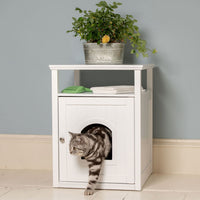
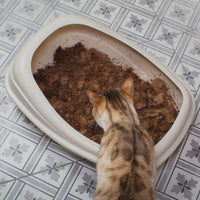
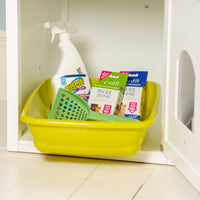
Most cats will learn how and where to toilet from their mother at a very young age and many people find their kitten knows what to do from the moment they bring them home. All it takes for such kittens, is to show them where the litter tray is and they will take to using it straight away. For other cats it can take a little more encouragement though. Nervous kittens may take a little time to become accustomed to their new surroundings and feral cats may not know how to use a tray at all. Whether you’re litter training a new kitten or retraining an older cat, this guide will provide some tips to help you and your feline friends on the right track.   Choosing The Litter Box Size is important as your cat needs plenty of room to do their business, turn around and cover it up. If the litter box is too snug, your cat may just not want to use it. Choose a box that is easy for your cat to get into, but also plenty large enough for them. We’d usually suggest erring towards a bigger box so your cat feels comfortable - you also don’t want your cat to feel it’s full too quickly as they may stop using the tray. If you have a small kitten or your cat is elderly, try to choose a tray with lower sides to allow them to enter and exit with ease.   Hooded Litter Tray Or Uncovered? Both options have their pros and cons. Uncovered trays may be more inviting to cats who seem unsure about a litter tray; hooded trays offer privacy which most cats appreciate. The latter can however, trap odours which can make a dirty litter tray unappealing and larger cats can have find it difficult to move around inside unless you manage to find an extra large version. If you can, it might be worth trying both styles to see which your cat prefers.   Choose A Good Location We all know cats can be rather picky; they’re also very clean and like to bury their waste. Choosing the right spot is of the utmost importance as this will determine your cats likelihood to use the litter tray. It should be within easy access, but also slightly out of the way as cats like their privacy. If you have room for more than one litter tray it might be worth having multiple trays so they don’t feel they have far to roam to get to the tray.    Where To Put The Cat Litter Box?  Placement is really important in making your cat feel safe. Place your litter tray in discreet corners or adjacent to walls so that your cat has a full view of approaching danger but is also protected from behind. Try not to place your cats litter tray where they eat and drink, find a low traffic area in your home and avoid full-length windows looking out over the garden, cat flaps, and external doors where the threat from strange cats outside may be particularly evident for your cat. It's important to take proper care of the litter box. It will make using a litter box a more pleasant experience for your cat.   Setting Up The Litter Tray And Keeping It Clean Choose a good quality litter and make sure to keep it clean as much as possible. We suggest a clumping litter - it tends to be made up of fine granules, covers mess easily and keeps litter smells to an absolute minimum. It’s also comfortable for your cat to walk on, further encouraging your cat to use the tray. Clumping litter is also super easy to clean, as you can just scoop out the dirty bits on a daily basis and fully cleaning on a weekly basis, making the litter last longer. Ensure you use enough litter for your cat to be able to cover their business comfortably, but refrain from using too much as you don’t want an excessive amount of litter to be kicked out of the tray. Between 2-4” of litter is recommended. Start at the lower end and if your cat seems dissatisfied and wants more litter to dig in, then top up as required. A Litter Mat to pop outside the tray is a great idea to catch any excess litter that may be kicked out of the tray. Whilst your new kitten is still training leave one or two clumps in the tray to remind them where to toilet, but after this period keep the tray as clean as possible, removing clumps daily. The biggest cause of cats eliminating outside the tray is a dirty litter box. We suggest a full tray clean once a week. Empty the tray completely and wash with warm water and a gentle pet safe soap - no harsh chemicals. Make sure the tray is thoroughly dried after you've washed it, before you refill with litter.   Teaching Your Cat To Use The Litter Tray As we noted before, most cats will learn what to do from their mother and will generally continue learning in the new home. If they do get confused initially, or don’t know what to do, don’t scold them but encourage them in the right direction. When you first bring your kitten home show them where their things are including the litter tray. You could show them what to do by physically placing them in the tray. Show them how to dig in the litter with your finger and their natural instinct should kick in. The main thing is to be patient  and trust your cat will learn. What Do I Need To Litter Train My Cat? To give you and your feline the best chance, make sure you have all the things you are going to need to ensure litter training is a success. You will need the following:  Litter Box - You’ll need two litter boxes for one cat, or three litter boxes for two cats. Make sure when choosing where to put the litter trays, they’re in a suitable place for both you and your cat. Your cat will need some privacy as if they’re too exposed, they might not feel safe enough to use them. Litter - Here at Lords & Labradors we know cats can be particular with the litter they take to. You’re best to start with an unscented, clumping litter, and then once your cat is fully litter trained, you can experiment with other litters. Treats & Toys - When they successfully use their litter box, reward them with their favourite treat, or favourite toy. Create positive associations with using the litter box - but be aware you'll need to wean your cat off expecting a food-related treat every time she uses the box.   How To Train A Cat To Use The Litter Box   Once you have all the correct gear for starting litter training, you will actually need to get your cat involved in the training. By following these easy steps, you should have a fully litter box trained cat in no time.  Start by showing the boxes as soon as your cat arrives home, by setting them in the box and letting them sniff and examine their new toilets. Be sure not to move the boxes once you've shown them to your cat, to avoid confusion. Set your cat in one of the litter boxes immediately after meals and after they wake up from naps. If you notice they’re behaving like they need to go to the toilet, often this might look like sniffing and/or crouching in a particular area, pick them up and put them in one of the litter boxes. Make sure you reward your feline whenever you notice them using their litter box. Praise and/or give them a treat or a toy. Remember not to punish or scold for any accidents. Doing so will only lead to stress and anxiety, which may exacerbate the problem and make training more difficult. Many cats need to eliminate after playtime, so playing near the litter tray is a good way to encourage them to use their litter.     Medical Problems If your cat’s tray goes unused, you need to check everywhere to make sure they are going at all. If your cat isn’t eliminating they may have an obstruction and veterinary help is imperative. If your  litter trained pets start urinating outside the box, this could be a sign of urinary tract problems. Cats with these problems often look for cooler surfaces such as tiles or wooden floors. Again seek the advice of your Vet immediately as these issues need to be treated as a matter of urgency.   Why Does My Cat Poop Outside The Litter Box?  Once any medical causes have been ruled out, start to look for patterns that may point to the possible cause of your cat using anywhere but the litter tray. Your cat may find the actual litter box offensive and you may need to look for an alternative litter tray. Or perhaps they prefer a certain type of surface? Try to replicate the surface they prefer in their litter box to entice them back to using their toilet. Don’t forget to make sure the tray is clean and the litter is fresh, as like us humans, your cat will not want to use a dirty toilet. If your cat does eliminate outside the tray, rather than simply putting faeces in the bin, put it in the tray where they should have done it. Your cat will smell it and it will help remind him what the tray is for. If your cat continues to toilet in the same place outside of the tray, make sure you clean it thoroughly as your cat is more likely to toilet in the same spot if they can smell it. You could try placing food and water in that spot once clean, to help deter them from doing it again.   Don’t panic! The main thing is not to panic, and be patient. Cats are clean animals and tend to take pride in their grooming and home. Persevere and your cat will be later trained in no time. If you have any questions do get in touch, we’re always happy to help!

By Megan Willis

Read more
Everything You Need For Your New Cavalier King Charles Puppy
17.09.19 September 17, 2019 Dog Breed Guide Featured

Everything You Need For Your New Cavalier King Charles Puppy

Cavalier King Charles’ are known for their loving, lap dog nature. They love nothing more than a fuss and a sit on their owners lap. They also have a somewhat sporty aspect to their nature too, coming from their spaniel ancestors. When they’re not sitting on your lap being fussed, they will probably enjoy a run around the garden or on the beach. Some may well even like a game of throw and retrieve! If you’re getting a Cavalier King Charles puppy there are a few things to consider. Here we run down all the things you will need for your new furry friend.   Dog Crate We strongly recommend crate training all breeds of puppy as it really helps with all aspects of housetraining. It teaches them that it’s ok when you’re around all the time and will certainly help at bedtime, getting them into their nighttime routine efficiently. Your Cavalier King Charles will need a Medium 30” crate so that they can grow into it as an adult. We’d suggest setting up with a small puppy bed or piece of Vetbed in one side and a puppy pad in the other for nighttime. As he grows, you can then swap it out for a full size crate cushion and bumper set. Add a set of crate bowls and your puppy will have everything he needs to keep him comfortable at nighttime.   Collar, Harness and Lead A small sized collar is ideal for your pup, make sure it's super soft for puppies little necks. For lead training we absolutely recommend a harness as it gives much more support than a collar and will be much more comfortable with more surface area. In the initial stages of training your puppy on the lead they are probably going to pull a lot and a harness will prevent strain on their neck.    Dog Bowls Bowls come in all shapes and sizes. We'd suggest something small to begin with, so they are perfect for puppies and then we strongly recommend swapping to a spaniel bowl with sloping sides when they're older to help prevent their ears getting wet. You’ll also need bowls for their crate. Crate bowls are perfect for this as they attach really easily to the bars of your crate which will help prevent your pup from moving or spilling the contents.   Puppy Food A good quality puppy food is a must. Your breeder should give you a small amount of whatever they have been feeding your pup so you can keep their diet consistent. If you wish to change the food later on, do so gradually over a week or so. Water should also be left down all day.   Grooming Products Cavalier King Charles' have a semi long coat so a certain amount of grooming on a weekly basis will be essential. Use a soft slicker brush to get them used to grooming from a young age. You may find their long hair picks up dust and debris so a bath may be essential at times. Animology make a range of puppy shampoos that are perfect for sensitive pups. Try not to bathe more than once a week though, unless they’re really dirty. You can always use wipes in-between for smaller cleanups!   Puppy Toys All puppies love playtime! Playtime offers essential bonding time with you and aids in their development. Try to offer a variety of toys including something to chew, something to cuddle and something to chase. Pop a couple of toys in their crate if you to close them in so they don’t get bored, and keep some in their general living area. Giving them something to play with will stop boredom creeping and prevent any destructive behaviour on your home furnishings.   Other things you might like… A dog gate or puppy pen is a really practical idea to help section off a room. Containing your puppy in a safe space will be a must for at least the first few weeks whilst they are learning about their new environment. You could choose a dog gate for doorways if you wish to section a whole room, or you could choose a puppy pen which can be placed anywhere to give your pup a small specific space of their own. Remember to keep food and water down in their space and provide plenty of entertainment in the form of toys so they don’t get bored. We hope you've found our list helpful. If you have any questions about the products here or any other questions related to other items you're thinking of purchasing for your Cavalier King Charles puppy, please do get in touch; we're always happy to help! 

By Zac Girdlestone

Read more
How To Crate Train Your New Puppy
03.09.19 September 03, 2019 Getting A Puppy Featured

How To Crate Train Your New Puppy

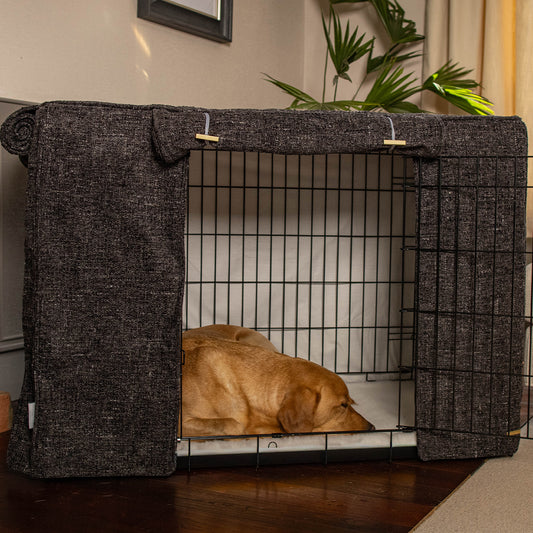
You’re super excited to be getting a new puppy, but also slightly anxious to get everything just right… don’t worry, it’s only natural! Everyone goes through the same thing in the lead up to introducing their pup to their new forever home. If you haven’t bought everything you’re going to need, check out our The Top 10 Puppy Essentials, where we detail everything you’re going to need to help settle in your new puppy. One of the main considerations is crate training your pup. Many people ask the question, “Do I need to crate train my puppy?” to which we advise yes! Crate training is a great way to help settle in nervous pups. It gives them a quiet place of their own; a comfortable and safe place to sleep at night. Used with a cover, it will help your puppy get into the night time routine quickly. Read on for our guide on how to crate train your puppy…   What Size Crate Do I Need For My Puppy? This will all depend on the breed of your puppy of course, but we do always suggest buying the crate in a size big enough for your pup to grow into as an adult. You can layout the crate slightly differently whilst they’re young and just swap out the bedding for a full size crate cushion as your puppy grows. If you’re unsure what crate size you might need, check our recommendations on our size calculator, or give us a call at +441790 720900. How Do I Set Up A Crate For A New Puppy You have a couple of choices here really, one with a divider and one without.   Option 1: Crate + Divider + Small Puppy Bed + Crate Bowls You can use a divider to make the space inside smaller whilst your puppy is young and use a cosy puppy bed. You will need to ensure they are taken outside to toilet every couple of hours, even through the night in this case. As your pup grows, you can remove the divider and swap the puppy bed for a full size cushion. Make sure you add crate bowls with food and water for when they're closed inside.   Option 2: Crate + Puppy Bed + Puppy Pad + Crate Bowls The second option, and the option we usually recommend, is to split the space into two halves with a piece of Vetbed or a cosy puppy bed in one side and a puppy pad in the other - no need for a divider. The puppy pad will allow you to close your puppy inside whilst ensuring any nighttime accidents don’t soil the bed. Some question whether this will encourage soiling in the crate, but it is really just for the first few weeks when your puppy can’t hold themselves at all. Dogs will naturally choose to toilet somewhere away from their den so they will soon learn to toilet outside as soon as they can hold themselves. Optional Extras:  We'd also suggest providing a cover to give extra privacy. Our covers have doors which can be rolled up and down to help your pup learn when night time is and get them into a bedtime routine quickly. You may also wish to add a bumper to the inside of the crate to fit around the puppy bed or vet bed… your puppy will love snuggling up in the corner with a cosy bumper.     How Should I Set Up the Crate Once my Puppy is Fully Toilet Trained? So your puppy is settled, sleeping through the night and holding themselves long enough to no longer need puppy pads? It may be time to switch up your crate set. Once your puppy is toilet trained, you won’t need a puppy pad in the crate any longer and you may wish to upgrade their bed to more refined style that you’re likely to keep for longer. If you’ve used a bumper and/or cover you could choose the matching full size crate cushion to create a beautiful bed. All of our cushions have a waterproof liner and detachable, washable covers so if they do have the odd accident it isn’t the end of the world.   How To Crate Train A Puppy 1. Introduce Your Puppy To The Crate When first introducing your puppy to the crate for the first time, keep the crate doors open. You want your puppy to form a positive association with the crate so take things at their pace, they may be hesitant to go in or stride right over to explore. If they are slightly more hesitant either use some of their food or some treats and make a trail leading up to the crate and inside it. If they are still hesitant to go in don’t force them, just keep repeating this step until they calmly go in. You could also try putting one of their toys inside for them to help encourage them. Don’t rush this stage, it could take a few minutes or a few days but it’s so important to start building positive associations with the crate rather than rushing them 2. Feed Them Their Meals In The Crate Once your puppy is comfortable in their crate, start putting their food bowl in their crate. For hesitant puppies put the bowl nearer the door and keep moving it further back as they become more confident with each meal. Your puppy will then become more comfortable eating in their crate, once they’re happily in there start closing the door at meal times. Initially you’ll want to open the door immediately after they finish eating and then start building up how long you keep the door shut after meal time. If your puppy begins to cry, don’t open the door until they stop crying as you don’t want to teach them that crying will get them out. Once they are calm open the door and give them some reassurance. 3. Build Up Keeping The Door Closed Slowly but surely you’ll want to build up the period of time that your puppy is in the crate for, start by being in the room and using commands such as ‘crate’ or ‘bed’ and praising them with treats every time they go in. Then start moving away from the crate and building up how long you’re away from them for. Eventually your puppy will be happy sleeping in their crate over night as well as for periods throughout the day.   If you have any more questions on crate training your puppy, why not chat to one of our pet experts? You can call them on (+44) 1790 720 900 or email them on sales@lordsandlabradors.co.uk

By Zac Girdlestone

Read more
The Best Interactive Cat Toys
27.08.19 August 27, 2019 Owning a Cat Featured

The Best Interactive Cat Toys

We all know how much cats love to play. Their natural instinct to hunt and chase means that anything that moves becomes their target! There are a whole host of cat toys out there, from catnip mice to dangly teaser toys, all designed for your cats love for chasing. All cats will appreciate a toy or two, but if you have an indoor cat or a particularly active playful cat, then you may like to offer them an array of various toys. Some of our favourite toys for cats are interactive and offer more than the average mouse toy or ball. Here we look at some of the best interactive cat toys we think your felines will love!   Cat Puzzle Toys Puzzle toys are a great choice for cats, helping to keep them active and their brain stimulated. These can all be used with or without treats or food inside - offering a tasty reward for their efforts. Our favourites are the Catit Treat Ball, Play Treat Puzzle Game and Digger toys.    Cat Laser Toys Cats love to chase! Whether it’s a “mouse” or a feather, their natural hunting instinct always kicks in at the slightest sign of movement. A laser toy such as the Catit Laser Mouse is a great way for you and your kitten to enjoy playtime. Move the light around the floor (maybe a little up the Wall!) and watch as your cat plays for hours!   Catit Senses 2.0 - Multi-Sensory Cat Toys If you’re looking for the ultimate in sensory playtime fun for your cat or kitten, then the Catit Senses 2.0 range of toys is ideal. Every item is designed to appeal to one of your cats extraordinary senses; from scratching to chasing; massaging to eating. There are Circuits, consisting of covered tracks with balls inside that your cat will enjoy batting around and ‘hunting’; Scratching Accessories to sate their natural scratching desires; Food Puzzle Toys and a lounging Massage Centre for rest time. Each piece can be used as a stand-alone item or can be pieced together to create a super kitty playground! The circuit tracks are all sweeping and curving and can placed around most of the other items such as the scratch post and food tree. The great thing is that the items can be used in so many ways - you can keep changing the layout so that your cats will never get bored. Absolutely perfect for indoor cats who may need more toys than their outdoor cousins, but great for all cats to help keep them occupied in the house. If you have any questions about any of the products in this or any of our articles, please do get in touch. We're always happy to help and advise in any way we can!

By Megan Willis

Read more
Everything You Need For Your New Labradoodle
21.08.19 August 21, 2019 Dog Breed Guide Featured

Everything You Need For Your New Labradoodle

The Labradoodle is becoming more and more popular with people looking for a loyal and loving pet. The Poodle x Labrador retriever mix was originally bred to encourage hypoallergenic fur and a loving nature. As with all crossbreeds though, their traits can vary somewhat as the puppies will inherit some genes and not others from the pool of their parents. This means not all puppies will be hypoallergenic and sizes will vary. Shopping for a Labradoodle can therefore be more tricky than buying for a  pedigree puppy as you can’t always be sure what personality your pup will have. Here we will discuss the items we’d suggest and the things to consider when choosing your Labradoodle puppy’s shopping list.     The basics: All dogs need pretty much the same basics. Use this checklist to make sure you have all the essentials covered: 1. Dog bowls for food and water 2. Dog Food - ask your breeder what food they’ve been fed as a puppy and continue the same diet for the first few months. Any changes to diet should be made slowly over a week or so. 3. Puppy Bed - we’d suggest a small puppy bed to put inside your crate for the first few weeks. Puppy beds are soft and washable so any accidents can be cleaned easily. You can then upgrade to a full size bed once they are fully toilet trained and have grown in size. You’ll have a better idea of how big they are going to be as an adult.     Labradoodle Dog Crate and Bedding The size of the puppies can vary depending on the poodle parent and whether they are a standard, miniature or toy breed. No breeder will be able to tell exactly how big the puppies will grow, but they can discuss the puppies lineage to gauge a good estimate. With this in mind the size of crate you will need will depend on this. If your pup’s parent was a miniature poodle a large 36” crate is likely to be a good size, but if the parent was a standard poodle then a 42” will probably be best. The same goes for the dog bed you choose. Speak to your breeder and find out about the size of the parents to try to help judge how big the pup will grow.   Labradoodle Grooming Products There are three coat types associated with Labradoodles: straight coats shed the most and are less desirable; silky wavy coats are low shedding; and curly coats are dense, thick and non-shedding. When you know what kind of fur your pup has, you can choose a suitable shampoo for bath time as well as a series of combs for grooming time. A drying coat in a suitable size will also be great for drying after bath time, and also trips out to the beach! Shorter coats will only need a brush twice a week, whilst longer coats may need more regular brushing and a trim every six weeks.   Walking Accessories Labradoodles tend be intelligent dogs and need a fair amount of activity to keep their brains occupied. A harness and lead is great for training your pup as the harness is comfortable for little pup’s and allows for greater control. It’s best to measure your pup (or get your breeder to do so) to get the perfect fit. It’s important the harness fits snuggly so they don’t wriggle out of it - you may need to size up as they grow. We love the Front Range harness and lead set by Ruffwear - a super durable, premium quality set designed to last.   Toys For a Labradoodle Poodles are considered the second most intelligent dog breed and Labradors are renowned for their learning skills, so these are traits your Labradoodle will likely inherit. Keeping your dog entertained even when at home will be important and offering a variety of toys will keep their minds active. Buy a selection and rotate them so they don’t get bored and make sure to have all different types including chew toys, soft toys and interactive toys. We hope our guide was helpful. Remember to speak to your breeder when selecting your pup to best gauge the traits your particular puppy is likely to have. If you have any questions about our article, please do get in touch. We always love to hear from you. Send us your pictures too - we can't get enough of your pets!!  

By Zac Girdlestone

Read more
Everything You Need For Your New Ragdoll Kitten
13.08.19 August 13, 2019 Cat Breed Guide Featured

Everything You Need For Your New Ragdoll Kitten

The easy-going, loving nature of the Ragdoll Breed makes them a very popular pet. Their distinctive pointed coat and vivid blue  eyes make them arguably one of the most beautful breeds.  Whilst they can be independent at times, they tend to be sociable cats who are as good with other animals in the household as they are with their human family members. If you’ve never owned a Ragdoll before (perhaps you’ve never owned a cat at all?!), you may be wondering how best to look after them. Whilst they have many of the same needs as a normal cat, there are a few things that Ragdolls like and need in particular. Here we take a look at everything you need for your Ragdoll Cat and give a few tips on how to look after them:   Everything in a Size Large! Ragdoll Cats are one of the largest domestic breeds and with this in mind, you should aim to buy your cat’s accessories in a size large. A large litter box that allows them to move around in comfortably and a large cat bed that they can stretch out on. Also consider a fairly tall scratch post - cats like to stretch out their muscles as they scratch so giving them a tall post will allow them to stretch out their bodies. Finally, a roomy carrier for those necessary trips to the vet. Cosy Cat Bed Litter Tray Tall Scratch Post Pet Carrier   Ragdoll Cat Grooming Ragdolls are known for their distinctive good looks. The typical Ragdoll has a siamese-like pointed coat and has semi-long, fine hair. They don’t need as much grooming as a other longhaired breeds such as Persians, but they do need a moderate amount, a couple of times a week. Ensuring you have the right grooming tools is essential for keeping your cat’s coat healthy, knot-free and shiny. Ensure you have a range oc combs and brushes to enable you to keep their coats tangle free and smooth. Grooming is a really good way to bond with your kitten. Start from the first week you get them home so it becomes normal to them and always brush them when they are relaxed, with gentle strokes. A good grooming regime will help stop shedding and hairballs developing too.   Ragdoll Cat Toys Whilst Ragdolls have a more laid-back temperament compared to other feline breeds, they still like to hunt and play like other cats. Provide your cat with a series of cat balls or mice and perhaps a wand teaser toy. Playtime will offer bonding time and exercise and will help your cat sate their desire to “chase their prey”. Ragdoll Cats are famously intelligent and will benefit from interactive toys too. The Catit Senses 2.0 range is ideal for Ragdolls, offering stimulating playtime. From puzzle toys that offer a tasty treat as a prize, to scratch and massage accessories; your cat is sure to love the Catit Senses 2.0 range.   Indoor or Outdoor Cat? One of the most important considerations is whether they should be indoor or outdoor cats. Whilst there is a strong argument that cats, no matter the breed, should be able to live outdoors to aid their natural instinct to roam and hunt, you should definitely consider whether this is the best idea for your Ragdoll. The Ragdoll breed is known for their loving temperament - one of the things that makes them so desirable. This also makes them rather trusting in nature; they are not likely to defend themselves against other cats, making them more susceptible to disease and parasites.  Many people choose to keep their pedigree cats indoors and as long as you provide them with the accessories and furniture they need, they will live a happy and healthy life. Read our recent Indoor Cat Care Guide here.

By Zac Girdlestone

Read more

loyal customer in 17 countries

Why Shop With Us?

  • Free Delivery

    Orders over £75 qualify for free standard UK delivery. Orders under £75 will be calculated at the checkout.

  • Shopping Made Easy

    Gain exclusive access to sales and shop all your pets favourites on the go by downloading our app.

  • Designed in the UK

    Our own brand products are lovingly designed in our specialist UK workshop to our exacting standards.

  • We're Here For You

    Contact our Pet Experts on Chat or by email at sales@lordsandlabradors.co.uk