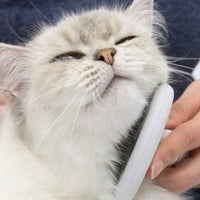
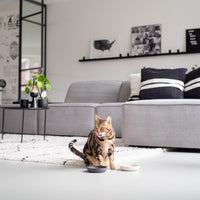
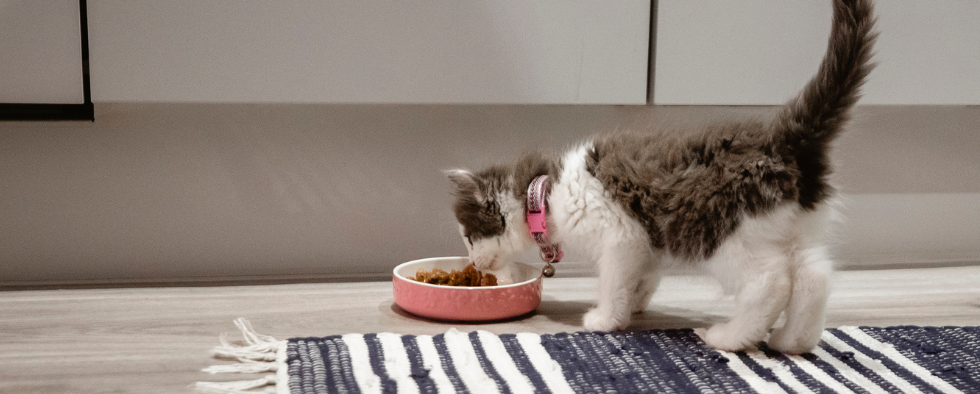
Cat food is one of the most important components in a cat's lifestyle and can make all the difference to your pet's health. Lords & Labradors stocks heathy cat food from the best brands in the industry to help you provide your feline friend with the right nutrition.
As a pet owner, you’ve probably been in a situation where your cat has hung around your food, patiently waiting for you to share the deliciousness with them. And as much as it’s great to give your cat a variety in their diet, can we give them our leftovers as a way of giving them variety and exploring new textures and tastes? Or can this potentially unsafe? In this article we unpick the foods to avoid and the foods your cat can try when sharing your dinner.
Can Cats Eat Chicken?
It’s good to know your cats main diet should consist of specially formulated cat food as this will have all the nutrients in it that your cat could ever need. However, to give them a treat or to let them try your food - try to ensure it only makes up 10% of their diet. Giving your cat a healthy meat such as chicken, may actually enhance their diet and is a safe ‘scrap’ you can share with them off your plate. Just avoid any sauces, bones and seasoning as this may not agree with your cat and chicken bones can be dangerous for them to play with/chew on.
Can Cats Eat Beef?
Cats are meat eaters and cooked meat such as beef, you’ll find they probably devour. Only feed your cat a small amount and never feed raw of spoiled meat to your cat as this could make them very poorly. A good rule to follow is if you would eat it yourself, it’ll be safe to feed your cat - unseasoned and cooked.
Can Cats Eat Sausage?
Sausage in small quantities is generally considered safe for your cat to consume, as long as it is made without preservatives. Try to look for chicken or turkey sausages over a pork sausage as leaner meats are better for your cats diet. The high concentration of fat in the sausage can be problematic, so keep the sausage treat in moderation.
What Greens Can Cats Eat?
Your cat can eat chopped carrots, peas, frozen corn, broccoli, green beans, courgette, lettuce, spinach and lots of great greens we eat as humans. Make sure they’re cooked (they should be steamed) since our cats lack a sufficient way to break down plant cell walls. Avoid avocado however as they’re toxic to cats.
Can Cats Eat Onions?
Avoid giving onions to your cat as onions can damage red blood cells and can cause haemolytic anaemia. If you have onions within your food or if you’ve been preparing onions, make sure they’re out of reach for your cat and any onions are stored out of the way, keeping your cat safe.
Can Cats Eat Garlic?
Much like onions, garlic can damage your cats red blood cells and are very bad for your cat. Avoid giving any of your leftovers or food that contain garlic to your cat as you may be doing more damage than good.
Can Cats Eat Pasta?
The main ingredients of pasta is flour, water and eggs which are all safe for your cat to eat. As long as the pasta is cooked and is plain, I.e no sauces, pasta is considered safe for your cat to eat. Although it is suggested you refrain from giving your cat pasta as generally they don’t need the carbohydrates and you are better to feed your cat a lean piece of meat over the pasta.
Be careful when giving your cat any leftovers or scraps from your plate as you may inadvertently train them to be a picky eater - especially if they’re less than interested with their regular diet. Don’t forget to adjust your cats daily intake on their regular food if you have given your cat any leftovers or treats as you do not want to be over feeding your cat.
Feeding our cats a healthy and balanced diet that provides them with all the healthy nutrients they need is an important consideration for all cat owners. It’s also nice to offer them treats to give variety to their diets as well as a reward. Your cat may show interest in your human food, or maybe you’ve wondered what fruits they can and even those they can’t eat.
In this article we will answer a couple of frequently asked questions including what fruits cats can eat and what signs to look out for if they eat something they shouldn’t.
Can Cats Eat Bananas?
Bananas are safe for your cat and are generally a safe and healthy treat. They need to be given in small amounts, such as a slice not a whole or even half a banana. Bananas are high in sugar which can lead to diabetes and weight problems in your feline. Be careful of the peel however as banana peel cannot be properly digested by cats - so make sure this is kept out of sight and reach your inquisitive feline!
Can Cats Eat Apples?
Apples are great treats to give your cat on a cool day if cut up into digestible chunks and cooled. Apples are considered to be safe for cats to eat, but they aren’t a necessary part of your cat’s diet. It’s good to know apple steams, leaves and seeds contain cyanide which are poisonous to your cat. If your cat consumes any of these call your veterinarian as soon as possible.
Can Cats Eat Grapes?
You should never feed your cat grapes as they are very toxic and may cause kidney failure. There is no known reason why grapes are so unsafe for cats, and the way their toxicity affects the animals’ body remains unknown - so it’s best to keep all grapes out of their reach and interest.
Can Cats Eat Strawberries?
Strawberries aren’t considered toxic to your cat and they’re generally safe for your cat to eat. They do however contain a high volume of sugar which your cat shouldn’t need in their carefully balanced diet. The stem of strawberry however can cause gastrointestinal obstruction, so ensure you are only offering up the strawberry flesh to your cat and give them a strawberry snack as a treat in moderation.
Can Cats Eat Raisins?
Much like grapes, raisins are also extremely toxic - whilst it would be unlikely that one raisin can kill your cat, it is better to be safe than sorry and treat all raisins as toxic. Ingestion of any raisins can cause anything from an upset stomach to poisoning. Symptoms such as lethargy, dehydration and weakness are all signs your cat may have ingested a raisin and it’s best to call your veterinarian immediately.
Can Cats Eat Oranges?
Like all citrus fruits, oranges are toxic to cats and should be avoided within their diets and treats. If you find your cat eating an orange (or any citrus fruits) or you begin to notice signs such as vomiting, diarrhoea, drooling, weakness, depression, allergic dermatitis or trembling, take them to the veterinarian as soon as possible.
If you do plan on treating your feline to a fruity snack, make sure you stick to the 10% rule - treats should only make up to 10% off your cats diet. Follow your veterinarians advise when making changes in your cats diet and be aware of over feeding treats as this could lead to health implications, such as weight gain.
Welcoming a new kitten to your family is exciting, but with this excitement can come owner anxiety. Worrying about everything from how long it may take for your new four-legged friend to settle into your home to if you’re creating a strong bond from the get go is not unusual. However, one of the most common concerns relates to the food you choose to feed your new arrival.
With so much choice in kitten food nowadays, and a whole host of sometimes conflicting information online, choosing the right food for your kitty and knowing just how much to give them can be surprisingly overwhelming. To help when it comes to knowing what you can and cannot feed your kitten, as well as how much you should be giving them, here at Lords & Labradors we’ve put together this handy guide.
How Much Food Should A Kitten Eat?
Naturally, it is important to understand that the age and size of your kitten are the two primary factors in determining how much they should be eating. With this in mind, newborn kittens (those under four weeks old) will require nursing from their mother roughly every two hours during week one, and between four and six times a day after this. By the time your kitten has reached eight weeks, they will usually be ready to be weaned off their mother’s milk, transitioning to solid foods. This is usually the time they are able to leave their mother and come home with you. At this point, your kitten will be a furry ball of energy and will require a nutritionally complete diet of high quality vitamins, minerals and nutrients. For this reason, selecting a high quality cat food that is designed specifically for kittens is important. While guidelines regarding quantities vary by kitten, as well as the type and brand of food you opt for, the most sensible method to use is to simply follow the feeding directions on the bag or can of food you have chosen. This can then be adjusted based on your kitten's reaction to the food. For a more accurate answer, after a few weeks using this method, a vet can use metabolic calculations to determine the number of calories your cat is using, and therefore requires, each day based on their weight and age. As a rule of thumb, however, it’s worth using your own instinct when it comes to feeding. You don’t want your kitten to be hungry after eating, or develop greedy traits. Therefore, even if you follow recommended guidelines, feeding may still be a process of trial and error. If your kitten is not gaining weight at a good rate, you may need to increase their caloric intake by giving them bigger potions. On the other hand, if your kitten is gaining too much weight too quickly, you may need to cut back on meal sizes.
How Much Wet Food To Feed A Kitten?
Following on from nursing, many cat owners view wet food as more appropriate than dry food as their kitten’s teeth may not be ready for kibble yet. However, while wet food does have more hydration properties than dry food, it tends to be more expensive than kibble, meaning providing a mix of wet and dry food is the option the majority of cat owners go for. As we discussed above, the best method of determining the correct quantities of food to give your new kitty is to follow the advice provided on the packaging of your chosen food. That being said, many wet food brands will advise feeding your kitten as much as they will eat in three or four daily feeds until they are at least 20 weeks of age. After that, kittens between the ages of 20 weeks and one year require around 60-65 calories per pound of body weight, per day. For example, a five pound kitten of this age should consume about 325 calories per day (almost double the amount an adult cat needs).
When Can Kittens Eat Dry Food?
In most cases, kittens can be introduced to dry food from around the age of five to six weeks. However, as they continue to be weaned, dry food given at this stage should be softened in water as they begin to transition onto solid foods for the first time. After eight weeks of age, dry food can be given to your kitten more freely. This being said, we advise first mixing it with wet food before providing your kitten with a totally dry diet.
Can Kittens Eat Adult Cat Food?
As a rule, no - your kitten should not be given adult cat food. This is because kittens have different nutritional requirements than adult cats, and therefore need a specially formulated diet that supports these needs and promotes their healthy development.
It is worth noting, however, that some cat foods are formulated ‘for all life stages’ - something typically advertised on the food’s packaging. If this is the case, this food is safe for kittens as well as adult cats. But you will need to follow the specific feeding guidelines for this type of food in order to ensure your kitten is getting the nutrition needed to stay healthy and develop properly.
Ragdoll vs Maine Coon: Comparing The Two Gentle Giants
Both the Ragdoll and the Maine Coon are the kind of cats that genuinely change how people feel about having a cat in the house, and if you’re weighing up ragdoll vs maine coon, the good news is that you’re already choosing well. This guide walks you through the real differences across size, personality, grooming, and ongoing costs so the decision feels grounded in your actual life rather than just a gut feeling. By the end, you’ll have a much clearer sense of which gentle giant is the right fit for your home.
Ragdoll vs Maine Coon: which gentle giant suits your home?
Both the Ragdoll and the Maine Coon have a way of stopping people in their tracks. Maybe you spotted one draped across a friend’s sofa, or found yourself three videos deep into fluffy cat content at midnight. Either way, you’re here because you’re seriously considering bringing one of these cats home, and you want to get the choice right.
And it is a real choice. In the Ragdoll vs Maine Coon conversation, there’s no wrong answer — but there is a better fit depending on your home, your routine, and what you actually want from a cat. Both breeds are gentle, sociable, and surprisingly dog-like in the way they attach to their families. That’s a big part of why they’re so popular. But they have genuinely different personalities, and those differences show up in everyday life more than you might expect.
A Ragdoll tends to be calm and deeply affectionate — the kind of cat who’ll follow you from room to room and settle contentedly beside you for the evening. A Maine Coon is more of an active presence, curious and playful, the sort of cat who wants to know what you’re doing in the kitchen and will probably try to help. Same size, very different energy.
This guide covers the key differences across size and build, personality, grooming, and ongoing costs, so you can make a decision that feels considered rather than just hopeful. If you’re still exploring your options more broadly, our guide to cat breeds and their characteristics is a good place to start.
Size and build: how big do Ragdolls and Maine Coons really get?
Both Ragdolls and Maine Coons earn their “gentle giant” reputation, but in a ragdoll vs maine coon comparison, their size shows up in slightly different ways. Neither is a small cat. Ragdolls usually look softer and broader, while Maine Coons tend to have more length, muscle, and that extra-big presence many people notice straight away. Males in both breeds are often larger than females, too.
Attribute
Ragdoll
Maine Coon
Average weight range
4–9 kg
4–10 kg
Body shape
Broad, blocky, and soft-bodied
Long, muscular, and rectangular
Coat length and texture
Long, silky, and semi-plush
Long, dense, and shaggy with a layered undercoat
Typical size category
Large
Large to extra-large
What their size means in real pet-parent life:
Beds and sleeping spots: Both breeds need genuinely roomy beds. Standard cat beds often look tiny surprisingly quickly, especially once your kitten stretches out properly.
Lap comfort: Ragdolls tend to flop into you and relax, which often makes them feel more like a classic lap cat. Maine Coons can absolutely be affectionate too, but their heavier, sturdier build can feel like a lot of cat after ten minutes.
Carrying them around: With either breed, you may feel as if you are picking up a small dog. Maine Coons often feel especially solid because of their muscle.
Space at home: Both like room to stretch, climb, and settle comfortably. A sturdy cat tree and larger hideaways make everyday life much easier.
When comparing Ragdoll cat vs Maine Coon, it often comes down to whether you prefer soft and floppy or long and athletic. If a Maine Coon is on your shortlist, our guide to everything you need for your new Maine Coon kitten is a helpful next read.
Personality and play style: cuddly shadow or playful adventurer?
When it comes to ragdoll vs maine coon, personality is often the deciding factor — and the difference between these two breeds is genuinely striking. One wants to follow you from room to room, perfectly happy just being near you. The other wants to explore every corner of your home and ideally bring you along for the ride.
Trait
Ragdoll
Maine Coon
Affection level
Deeply devoted, loves lap time
Affectionate but on their own terms
Energy and play style
Calm, gentle, relaxed play
Active, curious, playful well into adulthood
Vocal habits
Quiet, soft-voiced
Chatty, chirpy, loves a conversation
Independence
Low, prefers company
Moderate, happy to entertain themselves
Ragdoll cat breed traits are built around companionship. Pick one up and they go almost limp in your arms — that famous, floppy relaxation is completely real. They will follow you to the sofa, settle nearby while you work, and seem genuinely content just knowing you are in the room. They are patient, gentle, and wonderfully easy to be around. If you want to deepen that closeness, understanding how your cat communicates can make a real difference — our guide to cat body language is well worth a read.
Maine Coon cat breed traits are a different kind of wonderful. These cats have real personality — bold, curious, and endlessly entertaining. Expect chirping at birds through the window, thorough investigation of every delivery box, and a running commentary on whatever you happen to be doing. They are affectionate, but sociable rather than clingy, and they will absolutely choose when cuddles happen.
Both breeds are loving in their own way. It really comes down to whether you want a calm, devoted companion or a cat with a big personality and the energy to match.
Grooming and coat care: which breed is easier to keep on top of?
Both breeds have genuinely beautiful coats, but grooming is one area where the ragdoll vs maine coon comparison gets practical fast. Neither cat is truly low-maintenance, but how much time you’ll spend with a brush in hand does depend on coat texture, density, and how easily each cat’s fur tangles.
Grooming Factor
Ragdoll
Maine Coon
Coat type
Semi-long, silky, and relatively flat
Thick, shaggy, and layered with a water-resistant undercoat
Shedding level
Moderate
Moderate to high
Tangle and mat risk
Lower, due to minimal undercoat
Higher, especially around the ruff, belly, and legs
Brushing frequency
2–3 times per week
3–4 times per week, daily during shedding season
Bathing needs
Occasionally, a few times a year
Occasionally, though the dense coat takes longer to dry
Ragdolls have a silkier, flatter coat with very little undercoat, which means knots are less likely to sneak up on you. Maine Coons, by contrast, carry a much denser, layered coat built for harsher weather — gorgeous, but more demanding. Their ruff, belly fur, and leg feathering are particular spots to keep an eye on, especially in spring when shedding picks up.
For both breeds, starting a brushing routine early is one of the best things you can do. A cat who grows up enjoying it will make your life considerably easier. A wide-toothed comb or quality slicker brush works well for longer fur without pulling or causing discomfort. If you’re not sure where to begin, our guide on how to groom a cat walks you through the whole process.
On balance, Ragdolls are the slightly easier option when it comes to coat care. But a Maine Coon who genuinely enjoys being brushed? Honestly, just as manageable.
Cost, food, and ongoing care: what does each breed cost to keep?
Both the Ragdoll and the Maine Coon sit in a similar bracket when it comes to overall cost, but a few key differences are worth knowing before you commit. Getting a clear picture of the numbers upfront means fewer surprises down the line and a lot more confidence in the choice you’re making.
Cost Category
Ragdoll
Maine Coon
Purchase price (kitten)
£800–£1,500
£800–£1,500
Monthly food
£30–£50
£40–£60
Grooming tools
£20–£40 one-off
£20–£40 one-off
Cat bed / furniture
£40–£150
£50–£180
Litter (monthly)
£15–£25
£15–£30
Routine vet care (annual)
£150–£300
£150–£300
Where Maine Coons do nudge ahead on running costs is food. They’re bigger cats with bigger appetites, and you’ll likely find yourself going through more each month than you would with a Ragdoll. Both breeds benefit from a high-quality diet that supports their size and coat condition, so it’s worth finding something you’re happy feeding long-term. The cat food range at Lords and Labradors is a good place to start, whatever breed you’re bringing home.
A few things worth keeping in mind as you weigh up the numbers:
Both breeds need regular grooming, but Maine Coons often need extra attention during seasonal moults
Screening for HCM, a heart condition seen in both breeds, is worth budgeting for, particularly in the early years
Quality food pays off over time, supporting coat health, energy levels, and longevity in large-breed cats
Bigger cats tend to need sturdier beds and taller scratching posts, so factor that into your initial setup costs
Whichever breed you choose, you’re looking at a real long-term commitment. For the right owner, that’s not a concern. It’s the whole point.
Which breed should you choose? A simple way to decide
Both breeds are genuinely wonderful, so this really comes down to you and how you live day to day.
Choose a Ragdoll if you want a cat who follows you from room to room, loves a lap, and stays calm even in a busy household. They suit people who are home a fair bit and want steady, devoted companionship. If you have young children, or you simply want a cat who’s more likely to flop into your arms than dart behind the sofa, a Ragdoll is often the easier fit.
Choose a Maine Coon if you want a bit more personality and playfulness in the mix. They’re sociable and affectionate, but also curious and active in a way that keeps things lively. If you have space to play, enjoy interactive toys and games, or want a cat who’ll entertain the whole household, a Maine Coon tends to thrive in that kind of environment. Think of them as the cat who makes guests say, “Wow, I didn’t know I was a cat person.”
When it comes to Ragdoll vs Maine Coon, neither is the wrong answer. Both are gentle, people-oriented cats who form real bonds with their families. The question is whether you want a calm, devoted snuggler or a big, charismatic companion who brings a little more energy to the day. Honestly? Either way, you’re choosing a cat who will genuinely enrich your home.
Frequently Asked Questions
Which is more expensive, Ragdoll or Maine Coon?
Maine Coons are usually a little more expensive to keep overall. Kitten prices are similar for both breeds, but Maine Coons typically cost more each month for food, may need slightly larger beds and furniture, and often need more grooming attention during heavier shedding periods.
Are Maine Coons or Ragdolls more cuddly?
Ragdolls are generally the more cuddly of the two. They tend to be deeply devoted, love lap time, and often follow their people from room to room, while Maine Coons are affectionate too but usually a bit more independent and more likely to choose cuddles on their own terms.
Is a Maine Coon bigger than a Ragdoll?
A Maine Coon is often slightly bigger, especially in length and muscle. Both breeds are large cats, but Maine Coons tend to have a longer, more athletic build and can reach a higher top weight, while Ragdolls usually look broader, softer, and more floppy.
Choosing between a cockapoo vs cavapoo is one of those decisions that feels straightforward until you start looking closely, and then the differences suddenly matter a great deal. Both breeds are affectionate, low-shedding, and easy to love, but they suit different homes, routines, and energy levels in ways that are worth understanding before you commit. This guide covers everything from size and exercise needs to grooming, temperament, health, and lifespan, so you can find the dog that genuinely fits your life.
Cockapoo vs Cavapoo: which breed is right for your home?
Both the Cockapoo and the Cavapoo have earned a well-deserved place among the UK’s most-loved dogs, and it’s easy to understand why. They’re affectionate, low-shedding, and brilliantly adaptable to all kinds of homes and routines. But if you’re weighing up the two, you’ve probably already realised that the differences are subtle enough to make the decision genuinely tricky.
A Cockapoo is a cross between a Cocker Spaniel and a Poodle. A Cavapoo brings together a Cavalier King Charles Spaniel and a Poodle. Both tend to inherit that famously soft, wavy-to-curly coat and a temperament that makes them a joy to live with — but they’re not quite the same dog to own day to day.
The cockapoo vs cavapoo question usually comes down to a handful of practical things: how much space you have, how active your household is, how much time you’re realistically willing to spend on grooming, and what kind of energy you want to walk through the door to. A family with a garden and a love of long weekend walks might find one a natural fit. Someone in a flat who works from home could find the other suits them far better.
This guide walks through the real differences — from Cockapoo coat types and exercise needs to temperament, health, and lifespan — so you can make a decision that genuinely suits your life, not just one that looks good on paper.
Size and exercise needs: which one fits your routine better?
Both breeds are small, loving companions, but in the cockapoo vs cavapoo conversation, size and energy can make a real difference to day-to-day life. Choosing the better fit for your routine often matters just as much as choosing the look or personality you love most.
Cockapoo
Cavapoo
Typical size and weight
Usually 5 to 11kg, depending on whether the Poodle parent is toy, miniature, or larger
Usually 5 to 10kg, though size can still vary between litters
Daily exercise needs
Around 40 to 60 minutes, plus games, training, and mental stimulation
Around 30 to 45 minutes, with gentle play and regular walks
Best living environment
Often suits more active homes and can enjoy extra outdoor time
Usually adapts well to flats or houses, especially with a steady routine
In real life, that often means:
Cockapoos tend to suit pet parents who enjoy longer walks, more active play, and keeping their dog busy with training or puzzle toys
Cavapoos are often a little easier to slot into a quieter routine, though they still need daily walks, play, and company
Cockapoos can be a lovely match for families or individuals who want a cheerful dog to join in with weekend outings and busier days
Cavapoos often suit smaller homes well, but their comfort in a flat still depends on enough exercise, enrichment, and time with their people
Neither breed needs a huge garden to be happy. What matters more is whether you can offer the right balance of walks, play, rest, and companionship.
If you’re leaning towards a Cockapoo, our guide to everything you need for your new Cockapoo is a helpful next read.
Coat, shedding, and grooming: what to expect week to week
When it comes to cockapoo vs cavapoo grooming, both breeds often have low-shedding, Poodle-influenced coats, but neither comes with a one-size-fits-all grooming routine. In both crosses, coat type can vary quite a bit depending on what they inherit, so you might see anything from a softer, straighter coat to loose waves or tighter curls.
Feature
Cockapoo
Cavapoo
Typical coat
Wavy to curly, sometimes denser
Straight to wavy or loosely curly
Shedding
Usually low, but varies by coat type
Usually low, but varies by coat type
Brushing needs
Often several times a week, sometimes daily for curlier coats
Often a few times a week, sometimes more for thicker or curlier coats
Professional grooming
Usually regular trims help keep coats manageable
Usually regular trims help keep coats manageable
In day-to-day life, the biggest factor is usually curl and thickness rather than breed name alone. A curlier Cockapoo may need very frequent brushing to stop knots forming behind the ears, under the collar, and around the legs. A Cavapoo with a fluffier or curlier coat can need exactly the same level of upkeep.
A realistic weekly routine for either breed usually includes:
Brushing thoroughly to catch tangles before they turn into mats
Wiping around the eyes if tear marks or build-up appear
Checking floppy ears and gently cleaning if needed
Keeping a good brush on hand, which makes grooming much easier. If you’re unsure where to start, this guide to choosing the best brush for your dog is genuinely helpful
So, in the cockapoo vs cavapoo debate, think less in absolutes and more about the individual coat your puppy is likely to have.
Temperament and family fit: which one suits your household?
Both breeds are genuinely loving and people-focused, which is part of why the cockapoo vs cavapoo decision feels so tricky for many families. That said, some real differences in energy and emotional sensitivity can make one a noticeably better fit depending on what your home life actually looks like day to day.
Trait
Cockapoo
Cavapoo
Affection level
High
Very High
Energy and playfulness
High
Moderate
Emotional sensitivity
Moderate
High
Behaviour around children
Excellent, suits older kids
Excellent, gentle with young children
Compatibility with other pets
Very good
Very good
Cockapoos bring an almost clown-like energy to the household. They love a good garden run-around, thrive with older children who can match their pace, and fit brilliantly into busy, active homes where there is always something going on. Sociable, a little cheeky, and genuinely fun to be around — they rarely let a dull moment stand.
Cavapoos are softer in temperament and often surprisingly emotionally intuitive. They pick up on mood, settle naturally into calmer routines, and tend to shadow their favourite person like a small, fluffy shadow. That makes them a wonderful choice for quieter households, first-time dog owners, or families with very young children who need a gentle, patient companion. If that sounds like your home, it is worth exploring Cavapoos at Lords & Labradors to see what is available.
Temperament is a big piece of the puzzle, but size, grooming, and health all feed into the cockapoo vs cavapoo decision too.
Health, lifespan, and common breed considerations
When weighing up cockapoo vs cavapoo, health is less about one being “stronger” than the other and more about the parent lines, the breeder’s health testing, and the care your dog gets throughout life.
Both crosses can be long-lived, but exact lifespan and health risks vary from dog to dog. In general, you may see Cockapoos and Cavapoos living well into their teens, especially with a balanced diet, sensible exercise, good dental care, and regular vet checks.
A Cockapoo may be more likely to inherit issues seen in Cocker Spaniels or Poodles, such as eye conditions, joint problems, or recurring ear trouble. A Cavapoo can inherit concerns linked to Cavalier King Charles Spaniels or Poodles, including heart conditions, kneecap issues, eye problems, or, in some lines, neurological conditions. That does not mean every dog will develop these problems, but they are worth asking about early.
If you’re choosing between a cockapoo or cavapoo, ask the breeder or rescue:
Have the parent dogs had relevant health tests, and can I see the results?
Is there any family history of heart, eye, joint, or neurological problems?
Have there been any ongoing skin, ear, or dental issues in related dogs?
What should I keep an eye on as my puppy grows?
Day to day, both breeds benefit from the same basics: keeping on top of weight, cleaning floppy ears, brushing teeth, and booking routine check-ups rather than waiting for a problem.
A responsible breeder or knowledgeable rescue should be happy to talk openly about health. And if you’re leaning towards this breed, our guide to everything you need for your new Cavapoo puppy is a helpful next read.
So, should you choose a Cockapoo or a Cavapoo?
Both breeds are wonderful — the real question in the cockapoo vs cavapoo debate is which one slots most naturally into your life.
If you love long walks, have an energetic household, or want a dog who genuinely thrives on activity and mental stimulation, a Cockapoo is likely your match. They bring real enthusiasm to everything, do brilliantly with children and other dogs, and tend to have a slightly longer lifespan. Just know that keeping up with that coat means regular grooming is part of the weekly routine, not an occasional extra.
If you want a gentler, more adaptable companion who is just as happy curled up beside you as pottering around the garden, a Cavapoo often fits that brief beautifully. They tend to suit quieter homes, older owners, and families with young children who need a dog with a naturally soft temperament. Their smaller size also makes flat or apartment living far more manageable day to day.
That said, both breeds are affectionate, low-shedding, and people-focused in the best possible way. Either one will reward you with loyalty, bags of personality, and more tail-wagging than you probably expected. The best choice simply comes down to being honest about your energy levels, your space, and the kind of daily life you actually live — not the one you picture on your very best days.
Frequently Asked Questions
Who barks more, Cavapoo or Cockapoo?
Cockapoos are more likely to be the livelier, more energetic of the two, while Cavapoos tend to be gentler and better suited to calmer routines. That can make Cockapoos seem more vocal in busy homes, but barking itself depends on the individual dog, their routine, and how much stimulation they get.
What is the downside of a Cavapoo?
A Cavapoo’s main downside is that they can be more emotionally sensitive and may need a steadier, calmer routine than some families expect. Their coat can still need regular brushing and trims, and it’s also sensible to ask carefully about inherited health issues, especially heart, eye, kneecap, and neurological concerns.
What sheds more, Cockapoo or Cavapoo?
Neither clearly sheds more overall, because both usually have low-shedding coats and the biggest factor is the individual coat type. A curlier or thicker coat on either breed can change how much loose hair you notice, so it’s more about what they inherit than whether they’re a Cockapoo or Cavapoo.
Best Playpen Accessories: Mats, Covers And Add-Ons
A well-chosen playpen does a lot for your dog, but the right accessories are what make it genuinely work day to day. This guide walks you through the best playpen accessories for dogs, from mats and covers to the small add-ons that solve the everyday problems most people don’t think about until they’re already dealing with them. Whether you have a chewing puppy, an anxious rescue, or a dog who just needs a comfortable corner to call their own, there’s a practical starting point here for you.
What to think about before you buy playpen accessories
A playpen gives your dog their own space, but the right accessories are what make it actually work for your household. Before you start adding things to your basket, it’s worth thinking about what problem you’re actually trying to solve — because the best playpen accessories for dogs are the ones that fit your dog’s needs, not just the ones that look the part.
Start by asking yourself what’s making the playpen tricky right now. If your puppy is skidding around on a hard floor, a well-fitted mat will make a real difference to their comfort and confidence. If you’re dealing with puddles or chewed bedding on a weekly basis, you’ll want something easy to wipe down or swap out quickly. If your dog tends to be restless or reactive, a cover might help them settle. And if the pen lives outside, weatherproofing becomes the priority before anything else.
Your dog’s age and temperament matter just as much as the setup itself. A young puppy in the thick of a chewing phase needs very different puppy playpen accessories than a calm older dog who just wants a cosy corner to nap in. Soft dog bedding works beautifully for a settled dog, but might last about five minutes with an enthusiastic chewer — something worth factoring in before you buy.
Getting clear on your dog’s routine first means you spend money on things that genuinely get used, rather than accessories that quietly migrate to the back of a cupboard after week one.
Choosing the right mat: comfort, grip, and easy cleaning
The right mat can make a surprising difference to how settled your dog feels inside their pen. Choose well and it quietly does a lot of the heavy lifting for you. Choose badly and you’re dealing with a mat that slides around, soaks through, or falls apart within a fortnight.
Three things should shape your decision: your dog’s age and life stage, where they’re at with housetraining, and how many hours a day they’ll actually be using the pen. Everything else follows from there.
Here’s what to focus on when weighing up your options:
Non-slip backing: A mat that shifts every time your dog turns a circle will frustrate you both. Rubberised or grippy bases are especially important on hard floors.
Waterproof or water-resistant layers: Non-negotiable for puppies still learning the ropes. Accidents happen, and a mat that soaks straight through makes cleaning far harder than it needs to be.
Machine-washable fabrics: Weekly washing keeps things fresh without much effort. Most dog owners won’t want a mat they can’t throw in the machine.
Extra cushioning: Puppies and older dogs with stiff joints need more support underfoot, particularly during longer rest periods.
Size compatibility: A mat that doesn’t fit the pen properly creates bunched edges and trip hazards. Worth measuring before you buy.
Durability for chewers: Plush options won’t last five minutes with some dogs. A denser, tougher mat is a much safer bet.
Quick guide: which mat type suits your dog?
Scenario
What to prioritise
Young puppy still housetraining
Waterproof layer, machine-washable, easy-wipe surface
Older or fully trained dog
Generous cushioning, soft fabric, longer-lasting comfort
The key is matching the mat to where your dog is right now, not where you’re hoping they’ll be in a few months. If you’re not sure where to start, the Lords & Labradors dog crate bedding collection is worth a look — there are options to suit every age, breed, and stage.
When a playpen cover makes sense — and what to look for
Not every playpen needs a cover, but in the right situation, one can make a real difference. If your pup spends time outside on warmer days, sits near a bright window, or simply gets overwhelmed easily and needs somewhere quieter to settle, a dog playpen cover earns its place pretty quickly. It’s one of those puppy playpen accessories that feels optional right up until the moment you realise you actually need it.
Feature
What it does
Best for
Shade level
Reduces heat and glare
Outdoor use, sunny rooms
Airflow
Keeps air circulating inside
Warm climates, summer use
Mesh panels
Lets light and air in while softening stimulation
Anxious or easily distracted dogs
Solid panels
Blocks visual triggers completely
Highly reactive or overstimulated dogs
Weather resistance
Protects against wind and light rain
Outdoor or semi-covered spaces
Secure fastenings
Keeps cover in place safely
Essential for any setup
A few things to avoid when you’re shopping around:
Covers that have no ventilation built in — they trap heat fast
Fully solid designs with no airflow on any side
Loose or flimsy fastenings that could sag inward
Thin fabric that promises shade but doesn’t really deliver it
The right cover comes down to where the pen lives and how your dog actually behaves inside it. Mesh panels suit most dogs well, letting in light and air while taking the edge off busier surroundings. Something more enclosed works better for pups who are easily startled or genuinely struggle to switch off. If your dog craves that darker, den-like calm, our crate covers are worth a look too — they pair nicely with a playpen setup when you want to give your dog a proper retreat alongside room to move.
The best add-ons for safer, tidier playpen setups
The right extras can turn a basic pen into something that feels much easier to live with. When you’re choosing the best playpen accessories for dogs, it usually comes down to fixing the little day-to-day annoyances that make a setup feel messy or awkward. Think spilled water, toys all over the floor, or a puppy who keeps chewing the sides when they should be settling.
Attachable water bowls are brilliant for dogs who treat every drink like a splash zone. Because they clip to the panels, they’re harder to tip and help keep your playpen mat for dogs drier. If you want something equally handy for trips out, these spill-resistant travel bowls are well worth a look.
Toy organisers or clip-on pockets help keep chews, soft toys, and treats in one place, which makes the whole pen feel more organised, especially in a kitchen or living room corner.
Guard panels or corner covers can be useful for very young puppies who mouth bars, squeeze into edges, or need a slightly softer boundary while they learn.
Protective bedding covers are a practical choice if your dog scratches, digs, or chews at their bed before settling. They can help keep padded inserts cleaner and easier to maintain.
Raised bowl holders are useful if you regularly serve meals inside the pen and want to keep food off the floor and away from bedding.
Floor grips or anchor points help stop lightweight pens sliding on wood or tile, which is especially helpful for excitable puppies.
The most useful dog playpen accessories are the ones that solve your dog’s habits, not the ones that simply add more stuff. Start with one or two fixes, then build a setup that feels calm, tidy, and easy to manage.
How to match accessories to your dog’s age, behaviour, and routine
No two dogs are the same, and the best playpen accessories for dogs really do come down to your individual dog’s age, habits, and daily routine. A bouncy eight-week-old pup needs something very different from a nervous rescue or a dog who lounges in the pen while you take back-to-back calls from home. Getting that match right from the start saves you money and makes life easier for both of you.
Dog Profile
Key Challenge
Recommended Accessory Focus
Young Puppy
Accidents, cold floors, chewing
Waterproof mat, chew-resistant edges, soft bedding
Heavy Chewer
Destroying soft materials quickly
Tough rubber mat, minimal fabric add-ons
Rescue Dog
Anxiety, overstimulation
Privacy cover, calming mat, quiet enclosed setup
WFH Companion
Long hours in the pen, boredom
Comfortable mat, enrichment hooks, water bowl clip
Sofa Lover
Reluctance to settle in the pen
Plush padded mat, familiar-scented bedding
A few pointers if your dog ticks more than one box:
Chewer and anxious? Prioritise durability first, then layer in comfort once you know what holds up.
Young pup who hates the pen? Lead with warmth and familiarity, and upgrade as they settle.
Rescue who also chews? Skip fabric covers for now and opt for a solid panel instead.
Dog across three profiles? Start with whatever’s causing the most disruption day to day.
Buy for the dog you actually have, not the perfectly calm, contented one in the product photos. When you’re ready to shop around your dog’s specific needs, the full range of dog accessories at Lords & Labradors is a good place to start.
Which playpen accessories are worth it for you?
The best playpen accessories for dogs are the ones that actually solve your problems, not the ones that look prettiest on a product page. So before you add anything to your basket, it helps to think honestly about what your daily routine looks like.
If you just need something clean and low-maintenance, a washable playpen mat and a couple of familiar toys will take you further than you might expect. For settled dogs spending short stretches in the pen while you crack on with your day, that’s genuinely all you need.
For a young puppy or an anxious dog, a soft mat, a cover for privacy, and a clip-on water bowl make the space feel cosy rather than just contained. That combination tends to make a real difference to how quickly they settle — and once they do, everything gets a little easier.
If your dog spends longer stretches in the pen, or you’re moving it between indoors and outside, it’s worth building things out a little: a proper mat, a weatherproof cover, and secure add-ons that keep the setup safe and tidy over time.
The honest truth is you rarely need everything at once. Start with what solves your biggest problem today, then add to it as you go. If you’re not sure where to begin, browsing the Lords and Labradors home essentials collection is a good way to get your bearings.
Frequently Asked Questions
What is the best thing to put in a dog pen?
The best thing to put in a dog pen is a well-fitted mat that suits your dog’s needs. For puppies, choose something waterproof, grippy, and easy to wash; for older or settled dogs, prioritise cushioning and comfort. A clip-on water bowl and a few familiar toys can also make the space feel calmer and tidier.
Are dog playpens a good idea?
Yes, dog playpens are a good idea when they’re set up around your dog’s needs. The right accessories can make the space more comfortable, safer, and easier to manage, whether that means a non-slip mat for confidence, a cover for privacy, or practical add-ons that keep mess under control.
That spinning, tail-chasing blur that is your dog in full chaos mode is one of the most entertaining sights in pet parenthood, but it can also leave you wondering whether to laugh or worry. Understanding why dogs chase their tails means knowing how to tell the difference between a perfectly happy dog letting off steam and a signal that something needs attention. This article covers all of it: the playful, the not-so-playful, what you can do at home, and when it’s time to pick up the phone to your vet.
Why dogs chase their tails in the first place
If you’ve ever watched your dog suddenly spin in circles chasing their own tail, you’ve probably wondered whether it means something — or whether they’ve simply lost the plot. The reassuring truth is that most of the time, tail-chasing is completely normal, especially in younger dogs.
Puppies are still figuring out how their bodies work. That fluffy thing bobbing around behind them? Genuinely fascinating. Chasing it is part exploration, part play, and part outlet for that seemingly bottomless puppy energy. It’s a bit like watching a toddler discover their own hands for the first time — delightful, harmless, and very short-lived once something more interesting comes along.
Adult dogs do it too, and often for equally simple reasons. Excitement is a big one. After a long walk, mid-play, or the moment you walk through the door after a day out, some dogs just spin. It’s their version of a happy wiggle. Others do it because they’re bored and it happens to be something to do. If your dog isn’t getting enough mental or physical stimulation, tail-chasing can quietly become a go-to habit — much like a bored dog might start chewing the furniture or barking at shadows.
So when people ask why dogs chase their tails, the honest answer is usually: for very ordinary reasons. It’s only worth looking closer when the behaviour becomes frequent, frantic, or hard to interrupt. But before jumping to any conclusions, it helps to know what normal actually looks like.
When tail-chasing is just playful dog behaviour
Most of the time, why dogs chase their tails comes down to one simple thing: they’re having fun. It’s one of the most common and harmless things you’ll see a dog do, and a one-off spinning session is rarely cause for concern.
Here are some of the most relatable scenarios where tail-chasing is completely benign:
Puppies discovering their tail for the first time. That little wagging thing at the back? It must be caught. Young dogs often chase their tails simply because they’ve only just clocked it exists — and it’s genuinely hilarious to watch.
Post-walk zoomies. Your dog bursts through the front door buzzing with excitement, spins in a few frantic circles, then flings himself onto the sofa. Pure joy, nothing more.
Bored dogs entertaining themselves. On a grey, rainy afternoon with nowhere to go, some dogs will invent their own fun. Chasing their tail fits the bill perfectly.
Attention-seeking. If your dog has figured out that spinning makes you laugh or look up from your phone, don’t be surprised when he does it again.
The key thing to look for: playful tail-chasing is short-lived, stops easily when you redirect your dog, and comes with no signs of distress, whining, or frantic repetition.
If it tends to happen in high-energy moments and resolves on its own, it’s almost certainly harmless. That said, if your dog is full of beans and looking for an outlet, channelling it into something structured is even better for them. Teaching a few fun tricks is a brilliant way to burn mental energy and strengthen your bond at the same time.
When tail-chasing may point to a bigger issue
Sometimes, though, tail-chasing means something more than a burst of puppy silliness. When the behaviour starts happening frequently, intensely, or with a kind of frantic, driven quality that feels different from play, it’s worth paying closer attention to what your dog’s body might be telling you.
Common causes that deserve a closer look include:
Stress and frustration — dogs under pressure from changes at home, limited exercise, or social tension often channel that energy into repetitive movement
Skin irritation — a patch of inflamed or itchy skin near the base of the tail can prompt a dog to spin and snap trying to reach it
Fleas or parasites — flea activity concentrates around the tail and hindquarters, making this area a constant source of irritation
Localised pain — discomfort in the lower back, hips, or tail itself can cause a dog to investigate the area obsessively
Canine compulsive disorder — tail-chasing behaviour can be a sign of canine compulsive disorder, a recognised condition that goes far beyond playful spinning
Insufficient mental stimulation — a bored dog with nowhere to direct their energy may settle into tail-chasing as a self-soothing habit
Signs the behaviour has gone too far
Watch out if your dog spins in circles repeatedly without stopping, cannot be distracted or called away, becomes defensive when their tail is touched, or is visibly injuring themselves by biting or pulling at it. These are signals worth acting on.
If you’re noticing the episodes getting longer, happening every single day, or becoming harder to interrupt, the dog chasing tail meaning shifts from quirky habit to something that genuinely needs a vet or behaviourist’s attention. You know your dog better than anyone — trust that instinct.
What you can do at home to help your dog
If your dog can’t seem to leave their tail alone, the good news is that tail-chasing behaviour often responds really well to simple, consistent changes at home. No need to overhaul your whole routine — small tweaks to how your dog spends their day can make a surprisingly big difference.
Boost daily exercise: A well-walked dog is a calmer dog. If the spinning tends to ramp up in the evenings, try a longer walk or a game of fetch earlier in the day to take the edge off before it builds.
Add mental stimulation: Puzzle feeders, sniff mats, and short training sessions give your dog’s brain something to chew on. A bored dog will always find their own entertainment, and tail-chasing is a classic example.
Try more enrichment at home: Stuck for ideas? This list of things to do with your dog at home is full of easy, practical inspiration.
Build a calming routine: Dogs thrive on predictability. Consistent mealtimes, walks, and wind-down periods can ease the low-level anxiety that sometimes drives tail-chasing in the first place.
Redirect and reward: When you spot the spinning starting, calmly redirect your dog to a toy or a simple command and praise them for engaging with that instead. You’re giving them a better outlet, not telling them off.
Give them a proper rest space: A cosy, supportive bed in a quiet corner helps anxious dogs genuinely decompress between activities, rather than just crashing wherever they land.
Done consistently, these changes really do add up. A dog who feels stimulated, secure, and well-exercised is far less likely to spend their evenings chasing their tail — and far more likely to just flop contentedly on the sofa instead.
When to call the vet about tail-chasing
Most tail-chasing is harmless, and a few small changes to your dog’s routine are often all it takes to settle things down. But there are times when a vet visit is genuinely the right call — and spotting those signs early always makes a difference.
Book an appointment if you notice any of the following:
Your dog is chasing their tail compulsively and struggles to stop, or becomes visibly distressed
The spinning started suddenly, with no obvious trigger
There’s redness, swelling, hair loss, or broken skin around the tail or its base
Your dog is biting or licking the area to the point of bleeding
They seem confused, unsteady, or their personality has shifted alongside the spinning
Any of these could point to something physical or neurological that deserves proper attention.
If the behaviour is mild and occasional, it’s reasonable to monitor it for a week or two first. Jot down when it happens, how long it lasts, and what was going on beforehand — that kind of detail is genuinely useful when you’re talking it through with your vet.
In the meantime, supporting your dog’s overall wellbeing is never a bad idea. Our dog wellbeing range includes vet-developed options to help your dog feel calmer and more comfortable day to day.
You know your dog better than anyone. Trust that.
Frequently Asked Questions
What does it mean when my dog chases her tail?
It usually means your dog is being playful, excited, bored, or simply exploring, especially if she’s young. It’s typically harmless when it’s brief and easy to interrupt. If it becomes frequent, frantic, or comes with biting, distress, or skin changes, it can signal irritation, pain, stress, or compulsive behaviour.
Should you stop a dog from chasing its tail?
Yes, if it’s becoming repetitive, frantic, or hard to interrupt, you should step in calmly and redirect your dog. Short, playful spinning is usually nothing to worry about, but daily or compulsive tail-chasing can point to boredom, stress, irritation, or pain and is worth addressing.
Why do dogs bite their tails and spin?
Dogs may bite their tails and spin because the area is bothering them, not just because they’re playing. Common reasons include itchy or inflamed skin, fleas or parasites, local pain, stress, or a compulsive habit. If they’re injuring themselves or you can’t distract them, it’s time to call the vet.
Kittens are brilliant at finding trouble, and playpens for kittens are one of those things that sound optional right up until the moment you really need one. In this guide, we’ll help you work out whether a kitten playpen actually suits your setup, what to look for when choosing one, and how to introduce it in a way that feels calm and positive for your cat. Whether you’re navigating a busy household, a multi-pet home, or simply those unpredictable first weeks, there’s a practical approach here that will work for you.
Do kittens actually need playpens?
Playpens for kittens are exactly what they sound like: a safe, enclosed space where your kitten can play, rest, and explore without getting into mischief the moment you look away. Think of it as a cosy home base — somewhere they can be themselves without you spending the afternoon fishing them out from behind the washing machine.
But do kittens actually need one? Honestly, not always. Plenty of cats grow up perfectly happy without ever spending time in a kitten enclosure. If you have a calm household, no other pets, and the bandwidth to supervise closely in those early weeks, you might never feel the need for one at all.
That said, a kitten playpen can be genuinely useful in the right situation. New kittens are curious to a fault, and most homes have far more hazards than you might expect — trailing wires, open washing machines, gaps behind furniture that seem impossibly small until a kitten proves otherwise. A playpen gives them a safe place to be when you cannot watch them directly, whether that is during a busy work call, overnight, or while you are carefully introducing them to a resident dog or older cat.
It is less about containment and more about giving your kitten somewhere secure to settle while they are still finding their feet. If you are still pulling everything together before your new arrival comes home, our kitten checklist is a brilliant place to start.
When a kitten playpen makes life easier
Playpens for kittens aren’t just a nice-to-have — they solve real, everyday problems that catch a lot of new cat owners off guard. Whether you’re managing a busy household or simply trying to sleep without wondering what your kitten is quietly destroying, a contained and comfortable space makes a genuine difference.
Here are some of the most common moments when a kitten playpen really earns its place:
Helping a new kitten settle in: A smaller, manageable space feels far less overwhelming than the run of an entire house. If you’re navigating those first few days, our guide on how to settle a new kitten walks you through making that transition as calm and confident as possible.
Bedtime routines: If your kitten isn’t yet sleeping through the night, a cosy indoor playpen for kittens keeps them safe while you actually get some rest — without lying awake listening for trouble.
Preventing door dashes: In homes with kids or regular visitors, a secure kitten enclosure means nobody has to panic every time the front door opens.
Recovery and rest after illness or neutering: Post-op kittens need calm and limited movement. A playpen gives you that control without keeping them cooped up in a carrier all day.
Multi-pet introductions: Letting a new kitten and a resident dog or cat adjust to each other gradually, with a physical boundary in place, takes so much of the stress out of those early meetings.
At its best, a cat playpen isn’t about restriction at all. It’s about giving your kitten a secure, settled base while life carries on around them — somewhere that feels like a safe haven, not a time-out corner.
What to look for in a safe, kitten-friendly playpen
Not all playpens for kittens are designed with cats in mind, and the difference genuinely matters. A pen that works brilliantly for a puppy might have bar spacing that’s too wide for a small kitten, or panels that shift under pressure. Knowing what to look for means you can choose something that keeps your kitten safe and settled, rather than just contained.
Here’s what’s worth prioritising when you’re shopping around:
Sturdy, tip-resistant frame that stays stable even when a curious kitten launches themselves at the side
Breathable mesh or narrow bar spacing to prevent escapes, accidental entrapment, or tiny paws getting stuck
Secure fastenings and locking panels that a determined kitten can’t nudge, push, or wriggle open
Easy-clean or wipe-down surfaces because litter tracking and water spills are just part of daily kitten life
Enough interior space for a small bed, a compact litter tray, and a water bowl without everything feeling cramped
Good visibility on all sides so your kitten can see what’s happening around them and feel part of the household, not shut away from it
Foldable or portable design so you can move it between rooms or tuck it away when it’s not in use
Practical tip: Aim for at least 1 to 1.5 square metres of floor space. That gives your kitten room to stretch out, shift position, and settle properly during longer spells inside.
The goal is a space your kitten feels genuinely comfortable in. The Lords & Labradors 80cm High Play Pen covers all of these practical bases and works well as an indoor kitten enclosure that puts comfort ahead of containment.
How to use a playpen without stressing your kitten out
How you introduce a kitten playpen matters just as much as the enclosure itself. A gradual, positive approach helps your kitten associate the space with safety and comfort, rather than feeling shut away. Much like those first days of bringing your new kitten home, early impressions really do set the tone.
Place familiar bedding and a favourite toy inside from the start, so the space already smells like home before your kitten even steps in
Keep the first sessions short and supervised, ten minutes rather than an hour, so there’s no chance for anxiety to build
Never use the kitten enclosure as punishment. It should always feel like a calm retreat, not a consequence
Let your kitten explore at their own pace before you close the door. Curiosity first, containment second
Stay nearby during those early visits. Your presence helps them learn the space is safe, not isolating
Once they’re in, it’s worth knowing what “settled” actually looks like. A happy kitten in a cat playpen will often:
Groom themselves without prompting
Choose to nap there voluntarily
Play calmly with toys rather than pacing or trying to escape
Show relaxed body language: slow blinks, a loose posture, an easy curl
The introduction phase is where trust is built. Get that right, and your indoor playpen for kittens becomes a genuinely calm, stress-free part of everyday life.
Playpens, crates, and kitten-proofing: which option fits your home?
There’s no single right answer here — the best setup really does depend on your home, your kitten, and what a typical day actually looks like for you.
A dedicated room works well if you have a spare space you can fully kitten-proof: no loose wires, no gaps behind appliances, nothing climbable that leads somewhere it shouldn’t. It gives your kitten room to roam freely, which feels the most natural. The catch is that it takes real effort to get right, and not every home has a suitable room going spare.
Crates and carriers have their place too, but it’s a limited one. They’re great for travel, vet trips, or short-term settling, but a kitten needs room to stretch, play, and reach a litter tray comfortably. A crate alone isn’t a proper safe space.
That’s where a kitten playpen comes into its own. It sits neatly in the middle ground — flexible enough to move between rooms, simple to set up, and easy to pack away when you don’t need it. Use it in the living room while you’re on a call, shift it to the bedroom overnight, tuck it into the hallway while you’re cooking. That kind of adaptability is what makes playpens for kittens so practical for everyday life.
If you’re ready to explore what’s out there, the Lords & Labradors crates and pens collection has options to suit different spaces and different kittens — so you can find something that genuinely fits your setup.
Frequently Asked Questions
Is a playpen good for a kitten?
Yes, a playpen can be really good for a kitten when you need a safe, comfortable space they can rest and explore without getting into trouble. It’s especially helpful during settling-in, bedtime, recovery, or slow introductions with other pets, but not every kitten will need one.
What is the best playpen for kittens?
The best playpen for kittens is one that feels safe, stable, and comfortable rather than just enclosed. Look for a sturdy frame, secure fastenings, breathable sides or narrow bars, enough room for a bed, litter tray, and water, plus good visibility so your kitten still feels part of home.
Should I put my kitten in a playpen at night?
Yes, you can put your kitten in a playpen at night if it helps keep them safe and settled while you sleep. A cosy setup with bedding, water, and space to rest can make bedtime easier, especially when your kitten is still adjusting or not yet sleeping through.
Figuring out whether you can leave a puppy in a playpen while at work is one of those questions that comes with a lot of variables — but the short answer is yes, with the right setup and realistic expectations about time. This guide covers how long puppies can actually manage in a pen depending on their age, how to set one up properly for a workday, and the signs that your current routine might need adjusting. Whether you’re heading back to the office for the first time or trying to refine what you already have, there’s plenty here to help you get it right.
Can you leave a puppy in a playpen while at work?
Returning to work after bringing home a new puppy is one of those situations where there’s no perfect answer — just better and worse choices depending on your puppy and your setup. The honest answer is: yes, you can leave a puppy in a playpen while at work, but only under the right conditions and for the right length of time.
A playpen can be a genuinely good solution. It gives your puppy a safe, contained space to rest, play, and settle without the risks that come with free roaming. But it’s not a fix-all, and leaving a young puppy confined all day is rarely realistic — or fair on them.
Age matters a lot here. Very young puppies need toilet breaks every one to two hours, so a full workday in a pen simply isn’t manageable without someone popping in. Temperament plays a role too. Some puppies settle happily in a cosy, well-set-up pen. Others find confinement stressful, particularly if they haven’t been gradually introduced to it before you’re back at your desk full time.
This guide will help you figure out whether a playpen is the right setup for your puppy and your working hours. We’ll cover realistic time limits, what a pen genuinely does well and where it has limits, how to set one up properly for daytime use, and the signs that your puppy might need a different routine altogether.
If you’re still in the process of choosing a pen, our puppy playpens are a good place to start. But first, let’s get into the detail.
How long a puppy can realistically stay in a playpen
How long a puppy can comfortably stay in a playpen depends almost entirely on their age and where they are developmentally. There’s no single rule that applies to every pup, but there are realistic limits that most young dogs simply can’t push past without becoming stressed, bored, or in desperate need of a toilet break.
Puppy Age
Realistic Maximum Playpen Time
8–10 weeks
1–2 hours maximum
10–12 weeks
2 hours, with regular breaks
3–4 months
2–3 hours between breaks
4–5 months
3–4 hours with midday support
5–6 months
Up to 4 hours, but not consistently
Signs your puppy has been in the playpen too long:
Persistent whining or barking with no obvious cause
Chewing bedding, toys, or the pen itself out of frustration
Toileting inside the pen despite good progress with house training
Flat or unresponsive behaviour during what should be active hours
Frantic excitement when you return, well beyond a normal greeting
Leaving a puppy alone during work hours for a full eight or nine hours is simply too much for most dogs under six months. Their bladders physically can’t hold that long, and the boredom compounds quickly without stimulation or company. Without a midday check-in from a dog sitter, a trusted neighbour, or a dog walker, you’re asking a great deal from a very young animal. Most puppies at this stage need a break every two to three hours at minimum — not just for the toilet, but for movement, a bit of human contact, and the reassurance that everything is fine.
If you’re heading back to work shortly after bringing your puppy home, those early days really do set the tone for everything that follows. Getting the routine right from the start makes a noticeable difference down the line. Our guide on what to do in the first five days of owning a puppy is a great place to start building something realistic and manageable from day one.
What a playpen does well — and where it falls short
A playpen is one of the most genuinely useful things you can set up for a young dog — but it works best when you understand what it’s actually designed to do. If you’re asking whether you can leave a puppy in a playpen while at work, the honest answer starts here: a pen creates structure and safety, but it was never meant to replace company, stimulation, or proper rest breaks.
Where a playpen genuinely helps:
Prevents destructive behaviour when you’re not watching
Creates a familiar, defined space that helps puppies feel settled
Supports toilet training by keeping routines consistent
Reduces the anxious roaming that can come from too much freedom too soon
Keeps your puppy away from hazards like cables, stairs, and shoes you actually care about
Where a playpen falls short:
Limited space means it can’t substitute for real exercise or play
Boredom and frustration build quickly without enrichment or interaction
It offers no social contact, which puppies genuinely need to thrive
Relying on it all day without breaks can create stress rather than calm
A useful rule of thumb: most puppies shouldn’t be confined for longer than their age in months, plus one hour. A three-month-old puppy needs a break after roughly four hours at most. That’s a ceiling, not a target.
Think of a playpen as one piece of a wider routine, not the whole solution. Paired with regular toilet breaks, mental stimulation, and some social time, it’s a real asset to your day. If you’re still working out the right setup for your home, explore our range of dog pens and gates to find something that suits your space and your puppy’s size.
How to set up a puppy playpen for workdays
Getting your puppy’s playpen set up properly before your first day back at work is one of those small things that makes a genuinely big difference. A well-arranged space can turn what might otherwise be a stressful few hours into something your puppy handles with surprising ease — and gives you far more peace of mind at your desk.
Choose the right pen size. Your puppy needs enough room to move around comfortably, but not so much space that they feel lost in it. Counterintuitively, a pen that’s too large can actually make puppies more unsettled, not less.
Add soft bedding in one corner. A cosy bed or folded blanket gives them a clear place to rest. Tuck something in there with your scent on it — an old t-shirt works perfectly — for that extra bit of reassurance.
Secure a water source. A clip-on water dispenser is far more practical than a bowl, which will almost certainly tip and soak the bedding within the first ten minutes.
Include one or two chew items. A rubber chew toy or puppy-safe chew gives them something satisfying to focus on. Resist the urge to fill the pen with toys — too much going on can work against calm settling rather than encouraging it.
Line part of the floor with a puppy pad. If your puppy needs to toilet while you’re out, keep it to one designated corner. Our puppy training pads are worth having on hand — they absorb well and keep things contained.
Position the pen thoughtfully. Away from direct sunlight, draughts, and noisy appliances. A quieter corner of a familiar room is usually the sweet spot.
Do a quick safety check. Look for cables, trailing curtains, or anything small teeth could grab through the bars before you leave.
Quick tip: Think of the pen in three loose zones — sleep, play, and toileting. It sounds simple, but it helps your puppy start learning boundaries from day one.
A calm, uncluttered setup really does set the tone. When it comes to leaving your puppy during work hours, the environment you create matters just as much as the time limits you stick to.
Signs your puppy needs a different routine
Even the most carefully arranged playpen setup can stop working as your puppy grows. Spotting the signs early makes a real difference — both for their wellbeing and your peace of mind.
Here’s what to watch for:
Whining that escalates rather than settles — a little fussing at the start is normal, but sustained crying is your puppy telling you something isn’t right
Repeated toileting accidents inside the pen — the odd slip-up happens, but frequent accidents usually mean the confinement period is running too long
Destructive chewing or pawing at the enclosure walls — more often a sign of frustration or boredom than a training problem
Inability to settle even with enrichment — if your puppy can’t wind down despite having toys and chews, they may be finding the isolation genuinely distressing
Visible panic when you prepare to leave — trembling, frantic panting, or spinning as you pick up your keys is worth taking seriously
Worth knowing: Separation anxiety in puppies can creep up gradually, especially when they’re spending long stretches alone. The reassuring news is that when it’s caught early, it’s very manageable with some routine adjustments and a little professional support if needed.
If you’re recognising any of these signs, it’s worth exploring practical alternatives for leaving your puppy alone during work hours. A dog walker at lunchtime, a neighbour doing a midday pop-in, a couple of days at puppy daycare, or some work-from-home flexibility can all make a meaningful difference to how your puppy copes day to day.
Not sure if your puppy is struggling or simply a bit under-stimulated? Our guide to signs your dog might be bored and how to fix it is a useful place to start. Adjusting your approach as your puppy’s needs change isn’t a setback — it’s just good puppy ownership.
A better workday plan for your puppy
A playpen works best as one part of a thoughtful routine, not a substitute for one. If you’re heading back to work with a new puppy at home, think of the pen as their safe base — a familiar, comfortable spot that anchors their day rather than defines it.
Before your first full day back, build up alone time gradually. Even short sessions where your puppy settles in the pen while you’re in another room make a real difference. That gentle introduction helps them learn that being alone is fine, not frightening, so longer stretches feel far less daunting when the time comes.
From there, plan your day around realistic breaks. A lunchtime visit home, a trusted neighbour popping in, or a professional puppy sitter every few hours keeps things manageable for a young dog who genuinely can’t hold on all day. Pair those visits with a stuffed Kong or a long-lasting chew to keep your puppy occupied in between, and you’ve already got a much calmer setup than a pen alone could provide.
It’s also worth being honest about where your puppy is developmentally. A very young pup needs more support, more contact, and more toilet trips than any pen setup can realistically cover. An older puppy who has already settled into a routine tends to handle workday confinement much better, especially with the right enrichment around them.
If you’re still in the early stages of getting organised, our guide on how to prepare for your new puppy is a brilliant starting point. A little planning now genuinely does make the whole workday easier — for both of you.
Frequently Asked Questions
What are some tips for leaving my puppy home alone?
Build up alone time gradually, use a safe playpen as a calm base, and keep the setup simple with bedding, water, and a chew. Most importantly, plan realistic breaks during the day, because young puppies need toilet trips, movement, and a bit of human contact far more often than many people expect.
Can I get a puppy if I work full time?
Yes, but only if you can put proper support in place during the day. Young puppies usually can’t cope with a full workday alone, so you’ll need realistic breaks such as a sitter, dog walker, neighbour pop-in, daycare, or some flexibility while they’re still very young.
Is it safe to leave my 5-month-old puppy home alone?
Yes, for a limited stretch, but not usually for a full workday without support. At around five months, many puppies can manage up to about four hours in a well-set-up playpen, but they still benefit from a midday break for toileting, movement, and reassurance.
Is it okay to leave a puppy in a playpen for a few hours?
Yes, if your puppy is old enough, the pen is set up safely, and the time matches their stage of development. A few hours can be reasonable for some puppies, but very young ones often need breaks every one to two hours and don’t cope well with long confinement.
Bringing home a Russian Blue kitten is one of those experiences that quickly turns first-time owners into lifelong devotees of the breed. This Russian Blue kitten guide covers everything you need to feel genuinely prepared, from understanding their quietly loyal personality and surprisingly easy-care coat, to setting up your home in a way that helps them settle in with confidence. Whether you’re still in the planning stages or your kitten is arriving this week, you’ll find practical, honest advice here for making those first weeks feel calm and enjoyable for both of you.
Russian Blue kittens: what to expect from the breed
Those striking green eyes and that dense, silvery-blue coat have a way of stopping people in their tracks. And once you’ve actually spent time with a Russian Blue kitten? It’s easy to see why so many owners become completely devoted to the breed.
Russian Blue cats are usually quiet and gentle, with a plush, single-colored coat, as noted by animal researchers at the University of Kansas, and that calm, settled energy is a big part of their appeal. These aren’t typically the kittens doing laps around the living room at midnight (though every kitten has their moments). Russian Blues tend to be thoughtful and observant — the type to follow you quietly from room to room and settle nearby, content just to be close without constantly demanding your attention.
That coat really is something special. The dense, plush double layer carries a soft silvery sheen that catches the light in a way that’s genuinely hard to describe until you see it. It’s beautiful, but it’s also surprisingly practical — lower maintenance than you might expect, especially compared to longer-haired breeds. A win for busy households.
Personality-wise, Russian Blues are loyal and deeply people-focused, but often on their own terms. They can be a little reserved with new faces at first, taking their time to warm up rather than launching themselves at every visitor who walks through the door. With their own family, though, they’re warm, attentive, and often playful well into adulthood — not the aloof cats they’re sometimes made out to be.
Every kitten is their own individual, of course. Breed traits give you a useful starting point, but your Russian Blue will have their own quirks, preferences, and ways of showing affection. If you’d like to see how they compare to other breeds before diving deeper into this Russian Blue kitten guide, our cat breeds and their characteristics guide is a great place to start.
Temperament and personality: are Russian Blue kittens a good fit for your home?
Russian Blue kittens have a personality that feels almost tailor-made for people who want a genuinely close bond with their cat. They’re affectionate and loyal, but they take their time warming up — and understanding that balance before you bring one home makes all the difference.
Deeply bonded with their people: Russian Blues tend to attach closely to one or two family members, often quietly following them from room to room without making any drama about it.
Sensitive to routine: They notice shifts in their environment and feel most settled when daily life is predictable — consistent mealtimes and a calm household rhythm go a long way.
Playful, but not relentless: They love a good play session without ever becoming exhausting about it. Interactive toys and puzzle feeders are a particular hit with this breed.
Quietly vocal: They’ll let you know how they’re feeling, just not at volume. Expect soft chirps and gentle meows rather than a running commentary.
Reserved around strangers: A new face in the house may send your Russian Blue kitten into retreat mode. It’s not unfriendliness — it’s simply how they’re wired.
Curious and switched-on: They pay close attention to everything going on around them, and often seem happiest observing before they decide to join in.
Around children, Russian Blue kittens can thrive when kids are gentle and know to give them space. They’re not fans of rough or unpredictable handling, so a bit of guidance for younger family members goes a long way. With other pets, slow and steady introductions tend to lead to calm coexistence — rushing it rarely helps. As for guests, they may simply not see much of the cat at first, which is completely normal for the breed.
If your home is calm, consistent, and attentive, a Russian Blue kitten is likely to flourish there. They’re not the best fit for noisy or frequently changing environments, but in the right setting, their loyalty and quiet affection make them a truly wonderful companion.
Shedding, grooming, and keeping that plush coat in good shape
One of the loveliest things about welcoming a Russian Blue is that their gorgeous coat is far easier to look after than it looks. This breed is genuinely low-maintenance when it comes to grooming, and that dense double coat actually sheds less than many others you might be comparing them to. It is one of those nice surprises that comes with the breed.
Here is what a simple, consistent grooming routine looks like in practice:
Brush once or twice a week using a soft slicker brush or grooming mitt. A quick five-minute session is usually all it takes to keep things tidy.
Expect a little more shedding in spring and autumn as their coat transitions between seasons. Brushing slightly more often during these periods is the easiest way to keep loose fur off your sofa.
Use a grooming mitt for bonding sessions. Many Russian Blues genuinely enjoy the attention, so what starts as maintenance quickly becomes a quiet ritual you both look forward to.
Skip frequent baths. Their coat is naturally water-resistant and largely self-maintaining, so over-bathing can do more harm than good to that signature silvery sheen.
Quick fact: The Russian Blue’s double coat rarely mats and never needs trimming. It is genuinely one of the easier coats to maintain among pedigree cat breeds.
With Russian Blue kitten care, grooming is less about effort and more about showing up consistently. A short weekly brush, a gentle mitt, and a calm few minutes together goes a long way towards keeping their coat in great condition and strengthening your bond at the same time. If you want to build a proper routine from day one, our full guide to grooming a cat at home covers everything you need.
Creating a calm, kitten-friendly space before they come home
Getting your home ready before your Russian Blue kitten arrives makes a genuine difference to how quickly they find their feet. Russian Blues are naturally cautious — they take in their surroundings carefully before deciding they feel safe. A calm, well-organised space from day one gives them the foundation to settle in without feeling overwhelmed.
Here’s what to have ready before they come home:
A quiet base room. Start with one room rather than the whole house. A spare bedroom or quieter living space works ideal, giving your kitten somewhere calm to decompress without too much noise or movement around them.
A litter tray in a private spot. Tuck it somewhere accessible but away from busy areas. Russian Blues are clean, dignified cats and they appreciate a little privacy when they need it.
A scratching post or pad. Kittens need to scratch, so giving them the right outlet early protects your furniture and helps them feel at home. A sturdy upright post or a flat sisal pad both work brilliantly.
Safe hiding spots. A covered bed, a cardboard box on its side, or a cosy igloo-style hideaway gives your kitten somewhere to retreat when the world feels like a lot. Leave it exactly where it is, even if they spend the first day tucked inside it.
A comfortable resting spot away from foot traffic. Somewhere slightly elevated and out of the way helps a cautious kitten feel secure while they quietly take everything in.
Food and water well away from the litter tray. Cats instinctively avoid eating near where they toilet, so keep these on opposite sides of the room.
Once everything is in place, the most important thing you can do is step back and let your kitten lead. Resist the urge to introduce other rooms or family members too quickly. Our guide on how to settle a new kitten walks you through those first few days in more detail — well worth a read before they arrive.
Your essential Russian Blue kitten kit: the basics you’ll actually use
Getting your home ready for a Russian Blue kitten doesn’t need to mean a frantic trolley dash through a pet shop. Good Russian Blue kitten care really comes down to a handful of well-chosen basics that make those first few weeks feel settled and safe for both of you.
Food and water bowls: Go for shallow, wide bowls that suit a kitten’s small muzzle. Russian Blues can be particular about their routines, so calm, consistent mealtimes start with the right setup.
Litter tray and litter: A low-sided tray is easiest for young kittens to climb in and out of. Keep it tucked in a quiet corner, well away from their feeding area — this breed genuinely values a bit of privacy.
Kitten-safe toys: Russian Blues are quietly curious rather than boisterous. A few lightweight balls and a wand toy give them something to bat and investigate at their own pace, which suits their personality perfectly.
Scratching post: They’re naturally active and need somewhere to direct that energy. A sturdy sisal post they can really dig into is one of those purchases your sofa will thank you for.
A cosy bed: Look for something with raised sides or a hood. Russian Blues tend to gravitate toward enclosed spaces, especially when everything around them is still new and unfamiliar.
A carrier: Leave it out before their first vet visit with a soft blanket tucked inside. It sounds small, but making it feel like a safe space rather than a sudden stress really does help.
A comfort item: A small piece of fabric carrying a familiar scent from their breeder or littermates can ease the transition more than you’d expect.
Tip: Scent plays a surprisingly big role in helping Russian Blues settle. Tucking a worn piece of your clothing into their bed from the very first night is a simple thing that can genuinely make a difference.
Once these essentials are in place, bringing home a new kitten feels far less daunting. If you’d like a convenient starting point, the Lords & Labradors new kitten essentials collection brings many of these basics together in one place, so you can spend less time shopping and more time actually enjoying welcoming them home.
Settling in, routine, and those first few weeks together
Those first few days at home set the tone for everything, so it’s worth going in with a gentle plan rather than just hoping things fall into place.
When your Russian Blue kitten first arrives, resist the urge to show them the whole house straight away. Start them in one quiet room with their bed, litter tray, food, and water close by, and let them explore at their own pace. Russian Blues are naturally cautious, and a smaller, familiar space helps them settle without feeling overwhelmed. Don’t be surprised if they spend the first day tucked under a chair or watching you from a safe distance. That’s completely normal. Give them that space without making a fuss of it.
From day two or three, you can begin opening up the rest of the home gradually, one room at a time. Keep noise low, stick to a consistent feeding schedule, and try to be around as much as you can in those early days. Routine genuinely helps Russian Blues relax. Meals at the same time each day, a play session in the evening, quiet time in between. They pick up on your rhythms quickly and start to build confidence from them.
Play is one of the best trust-building tools you have, especially early on. Short, gentle sessions with a wand toy or feather teaser get them moving, bring them out of their shell, and help them start associating you with good things. Don’t push it if they’re not feeling it yet. A few minutes of play that ends on their terms is always better than a longer session that tips into stress.
For a more detailed look at those early days, our guide to the first five days of owning a kitten is a brilliant companion read to this Russian Blue kitten guide.
By the end of the first few weeks, most Russian Blues start to come out of their shell in the loveliest way. A little patience now goes a long way toward raising a confident, affectionate cat who truly thrives at home with you.
Frequently Asked Questions
What are the downsides of Russian Blue cats?
Russian Blue cats can be reserved with strangers, sensitive to noise and change, and slower to settle in busy homes. They often prefer calm routines, gentle handling, and gradual introductions, so they are not always the easiest fit for loud, unpredictable households or families who expect an instantly outgoing kitten.
Do Russian Blue cats pick one person?
Yes, Russian Blues often bond most closely with one or two people in the home. They are typically loyal and people-focused, quietly following their favourite person from room to room, while still being affectionate with the rest of the family once they feel settled and secure.