




















































Few dogs inspire as much devotion and as many raised eyebrows as the shiba dog, and if you’re here, chances are you’ve already had a taste of that pull. This guide covers everything you actually need to know before bringing one home, from Shiba Inu temperament and training to feeding, grooming, and getting your home set up in a way that works for both of you. Think of it as the honest, warm rundown a fellow Shiba owner would give you over a coffee.
Meet the Shiba Inu: what this bright, independent little dog is really like
If you’ve ever watched a Shiba Inu trot into a room and immediately act like they own it, you already have a pretty good sense of what this breed is all about. The shiba dog is one of those personalities you either fall completely head over heels for or find totally baffling — and honestly, that reaction alone tells you a lot about whether they’re the right fit for you.
Originally bred in Japan for hunting across mountainous terrain, the Shiba Inu is compact, agile, and surprisingly sturdy for their size. Most adults weigh between 8 and 11 kilograms, with a foxy face, a tightly curled tail, and a plush double coat that makes them look almost too handsome to be real.
It’s the Shiba Inu temperament, though, that really sets them apart. These dogs are bold, curious, and fiercely independent. They’re not the type to trail you from room to room or live for your approval. They’ll love you deeply, just very much on their own terms — a bit like earning the respect of a cat who occasionally decides to be a dog. Owners who click with this breed, however, tend to be absolutely devoted to them.
Shibas are bright dogs. They learn quickly, read situations well, and have a strong sense of what they want. That intelligence makes them endlessly entertaining to live with, but it also means they genuinely need mental stimulation and consistent guidance to thrive.
Energy-wise, they’re active without being manic. A couple of solid walks a day and some quality playtime keeps most Shibas happy, though expect the occasional burst of pure, joyful zoomies that remind you there’s always a little puppy in there.
If you’re newer to dog ownership and wondering whether a Shiba might suit you, it’s worth checking out our guide to the best dog breeds for first-time owners before you commit.
Is a Shiba Inu the right fit for your home and lifestyle?
Choosing a shiba dog is one of those decisions that deserves a genuinely honest look in the mirror. It’s easy to fall for that fox-like face and confident little swagger — and the Shiba Inu breed turns heads everywhere they go. But this is a dog that suits a specific kind of owner, and knowing whether that’s you before a puppy comes home will make all the difference.
Here are the key lifestyle factors worth thinking through:
- Space: Shibas adapt well to smaller homes and flats, but they need daily outdoor time to feel settled. A garden is a bonus, not a requirement — though any outdoor space must be securely fenced.
- Daily exercise: Plan for one to two good walks a day, plus mental stimulation. A bored Shiba will find its own entertainment, and you probably won’t enjoy it.
- Shedding: That thick double coat blows out twice a year, and during shedding season, the fur is relentless. If lint rollers becoming a permanent fixture sounds exhausting, factor that in.
- Independence: Shiba Inu temperament leans decidedly cat-like. They think for themselves, which can be charming and maddening in equal measure.
- Off-lead recall: Reliable recall is genuinely hard to achieve. Most owners keep their Shiba on the lead or within securely enclosed spaces.
- Children and other pets: With early socialisation, Shibas can live happily alongside children and other animals — but they won’t tolerate rough handling, and they’ll make that very clear.
Best suited for:
- Owners with previous dog experience
- Households that can commit to consistent Shiba Inu training from day one
- People who appreciate a dog’s independence rather than finding it exhausting
Think twice if:
- You’re a first-time owner hoping for an easy, people-pleasing companion
- Reliable off-lead recall is a non-negotiable for your lifestyle
- You have very young children still learning to read a dog’s signals
Shiba Inu care is genuinely rewarding, but it asks more of you than many other breeds. If you’ve weighed all of this and still feel that quiet certainty — that a Shiba is simply your kind of dog — then you’re ready to explore what life with one actually looks like day to day.
Feeding a Shiba Inu: what to know about portions, routine, and shiba food choices
Feeding a Shiba Inu is genuinely straightforward once you find your rhythm. Yes, this breed has opinions about pretty much everything — food included — but mealtimes don’t need to be complicated. Consistency and sensible portioning will take you a long way.
Here are the key things to keep in mind:
- Puppies need three meals a day to support steady growth and keep their energy levels balanced. Adults typically do well on two measured meals, morning and evening. Senior Shibas may need slightly adjusted portions as they slow down.
- Portions should be guided by your dog’s weight, age, and actual activity level. A shiba dog who goes out for two walks a day needs more fuel than one who mostly potters around the garden between naps.
- Routine matters. Feeding at the same times each day helps regulate digestion and keeps things calm around the bowl — no frantic hovering or anxious circling required.
- Treats add up fast. Factor them into your dog’s daily intake rather than treating them as freebies on top. As a rule, treats should make up no more than 10% of total daily calories.
- Food quality counts. Look for a complete dry or wet food suited to small to medium breeds, with real protein listed as the first ingredient.
Quick reminder: Most adult Shibas do well on two measured meals per day. Keep treats to no more than 10% of their daily calorie intake to avoid gradual weight creep.
Nutritional needs shift quite a bit across life stages, and Shiba Inu puppies in particular have specific requirements worth understanding early. If you’ve got a young pup at home, our guide on how much food a puppy needs walks you through age-appropriate portions so you can get them off to a great start.
How to keep your Shiba happy with grooming, exercise, and enrichment
Shibas are famously clean dogs — they groom themselves much like cats, rarely smell, and tend to sidestep muddy puddles with something close to contempt. But don’t let that tidy reputation fool you. This is a breed that needs real physical activity and genuine mental challenge to stay happy. Ignore either, and you’ll know about it.
Grooming and coat care
- Brush two to three times a week with a slicker brush or undercoat rake to manage loose fur and keep the coat in good shape
- During shedding seasons (spring and autumn), switch to daily brushing — you’ll notice the difference almost immediately
- Bathe every six to eight weeks, or when actually needed. Over-bathing strips the natural oils that keep a Shiba’s double coat healthy
- Check and trim nails every three to four weeks. Shibas can be fussy about paw handling, so building this habit early with a Shiba Inu puppy pays off later
Exercise needs
- Aim for at least an hour of exercise daily, split across two walks if you can manage it
- Recall in this breed can be unreliable, so keep off-lead time to securely fenced areas
- Short play sessions between walks help take the edge off and keep restlessness at bay
Heads up: blow season
Twice a year, your Shiba will shed their entire undercoat across two to three weeks. Daily brushing, a decent deshedding tool, and a good sense of humour will get you through it. Keep the hoover close.
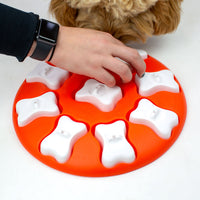
For mental enrichment, the Shiba Inu temperament genuinely thrives on novelty. Rotate puzzle feeders, try scent work in the garden, vary your walking routes, and weave short training games into your daily routine. These dogs notice everything — a repetitive schedule bores them quickly, and a bored Shiba finds its own entertainment (which rarely ends well). If you’re already spotting the signs, this guide to signs your dog might be bored and how to fix it is a great place to start.
Training a Shiba Inu without turning your home into a standoff
Training a shiba dog isn’t impossible, but it does go best when you work with their personality instead of trying to bulldoze through it. The Shiba Inu breed is bright, independent, and wonderfully self-assured. That can make training feel a bit like a conversation rather than a simple set of instructions. The good news is that steady, reward-based practice really does pay off.
- Keep recall practice short and valuable: Shibas often have a strong prey drive and very selective hearing once they’re outside. Practise in a secure space, use truly exciting treats, and stop while they’re still engaged.
- Take your time with off-lead freedom: Until recall is genuinely reliable, use a long line or stick to enclosed areas. Giving a Shiba too much freedom too soon often backfires, especially if a squirrel appears at exactly the wrong moment.
- Reward the behaviour you want every single time: Shiba Inu training works far better with praise, food rewards, and consistency than with harsh corrections. If training feels positive, your dog is much more likely to join in.
- Socialise early and kindly: A Shiba Inu puppy benefits from meeting different people, dogs, sounds, and places while they’re still young. Calm, positive experiences help shape a more confident adult dog.
- Set house rules from day one: Decide early where your Shiba sleeps, whether they’re allowed on the sofa, and what polite behaviour looks like at mealtimes or the front door. Then make sure everyone sticks to the same rules.
- Be patient with repetition: A Shiba often understands perfectly well. They’re just deciding whether your idea is better than theirs.
Good to know: Recall can be one of the trickiest parts of Shiba Inu care, even for experienced owners, so don’t take it personally if progress feels slow.
If you’re starting with a young dog, our puppy training guide is a helpful next step. Calm consistency, clear boundaries, and rewards your Shiba genuinely loves will take you a long way.
Creating a cosy, Shiba-friendly home setup that makes everyday life easier
Getting your home set up thoughtfully can make daily life with a shiba dog feel calmer for both of you. The Shiba Inu breed often likes routine, personal space, and a home that feels predictable, so a few practical touches really help.
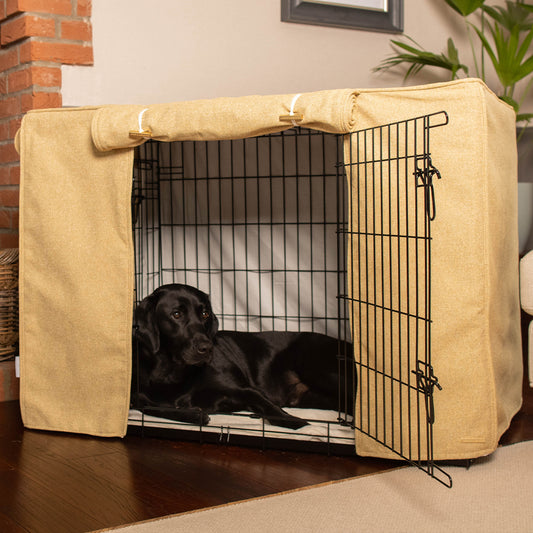
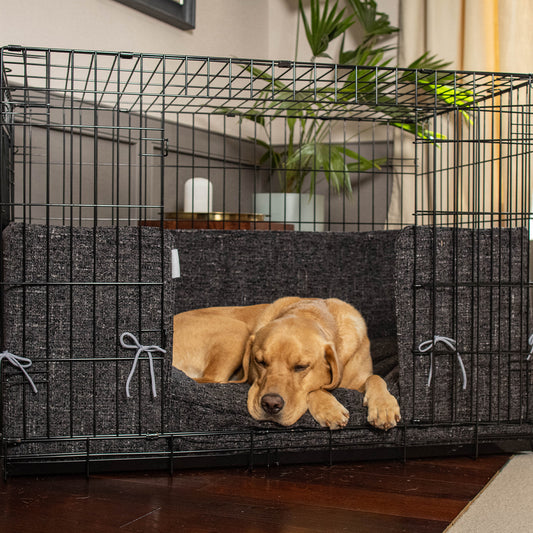
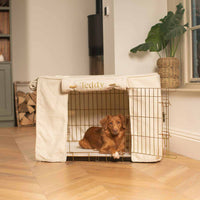
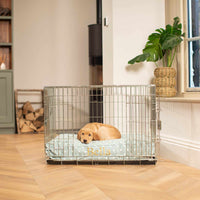
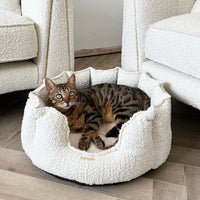
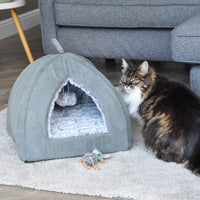
Start with a den-style area they can claim as their own. A covered crate or a quiet corner with soft bedding gives your Shiba somewhere to switch off after walks, visitors, or training. Keep it positive and cosy, not somewhere they only go when you leave the house.
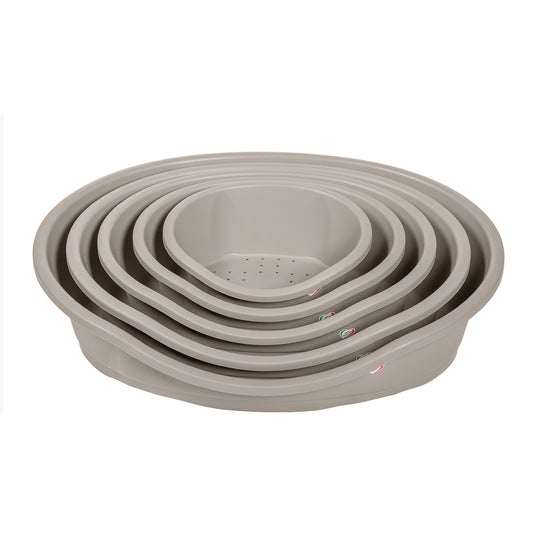
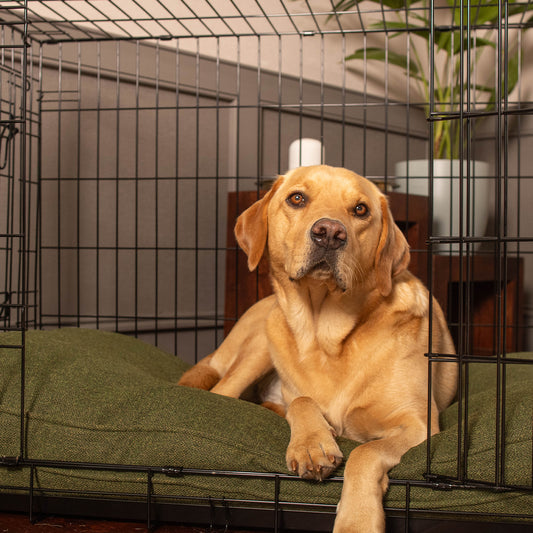
A well-sized bed is one of those things you appreciate more and more once you live with a Shiba. They often like to curl up tightly one minute, then stretch out flat the next, so look for something supportive with enough room for both. Raised sides can help it feel snug, especially for dogs who like a bit of a nest. Many Shibas fit comfortably into medium-sized beds, so the medium dog beds collection can be a helpful place to start when you are figuring out sizing and style. If you want a bit more guidance before choosing, this guide on how to choose a dog bed is genuinely useful.
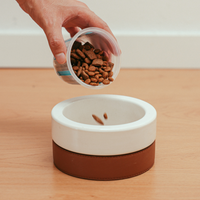
Keep food and water bowls in a quiet, low-traffic spot so mealtimes feel relaxed and consistent. Then add a small toy mix: a chew, a puzzle feeder, and one or two favourites you rotate through the week. It is a simple setup, but it supports good Shiba Inu care and makes home life run much more smoothly.
Frequently Asked Questions
Is a Shiba a good family dog?
Yes, a Shiba can be a good family dog in the right home, especially with early socialisation and respectful handling. They can live happily with children and other pets, but they are independent, dislike rough treatment, and tend to suit families who understand dog boundaries and consistency.
Is Shiba a difficult dog?
Yes, Shibas can be a challenging breed, especially for first-time owners. They are clever and rewarding, but their independence, selective recall, need for consistent training, and tendency to get bored mean they usually do best with patient owners who enjoy working with a strong-minded dog.
Is Shiba Inu a high maintenance dog?
A Shiba Inu is not high maintenance in every sense, but they do need regular input. They are naturally clean and fairly straightforward day to day, yet their heavy seasonal shedding, daily exercise needs, mental stimulation, and consistent training mean they are more demanding than many people expect.